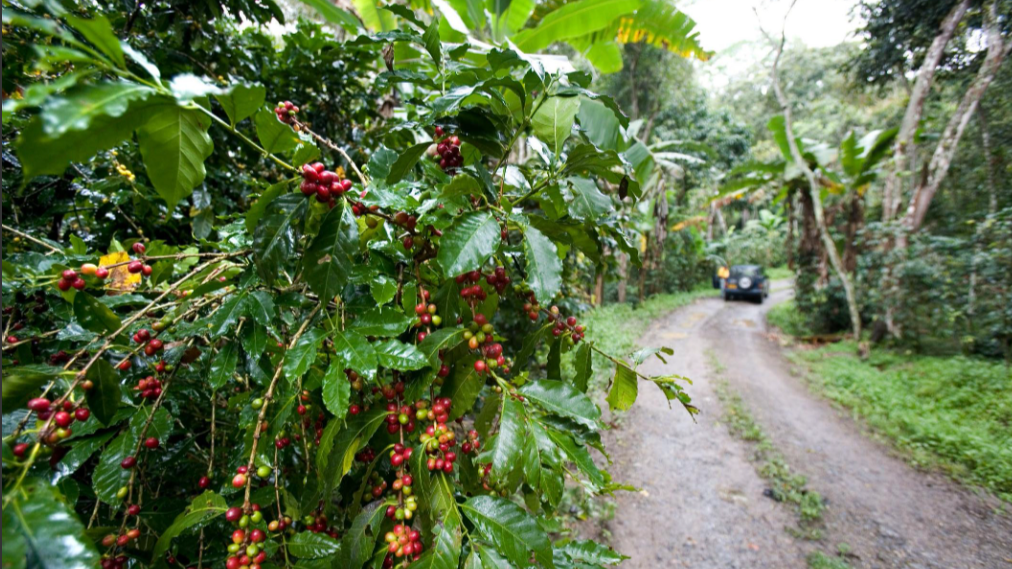
Honduran coffee production surges to 5.53 million bags

IHCAFE forecasts continued growth in 2026/27 supported by plant nutrition, area expansion, and new plantations; exports rise 7.5% but differentiated coffee share drops sharply in early data.
TEGUCIGALPA — Qahwa World

Honduras will produce 5.53 million 60 kilogram bags of coffee in the 2025/26 marketing year, a 6.3 percent increase from the previous cycle, according to the annual coffee report published by the USDA Foreign Agricultural Service in Tegucigalpa. Notably, the Honduras coffee production forecast for 2026 indicates production is then forecast to jump another 9 percent to 6.03 million bags in 2026/27, returning the country to output levels last seen in 2021/22.

The projected growth is driven by improved plant nutrition, favorable biennial production cycles, expansion of productive areas, enhanced pruning and crop management practices, and the maturation of newly established coffee plantations. Planted area is expected to grow by about 3 percent, or 10,000 hectares, in 2025/26, largely due to the introduction of the rust resistant Parainema variety. Furthermore, forecasts for Honduras coffee production in 2026 are shaped by these agronomic improvements and varietal shifts.

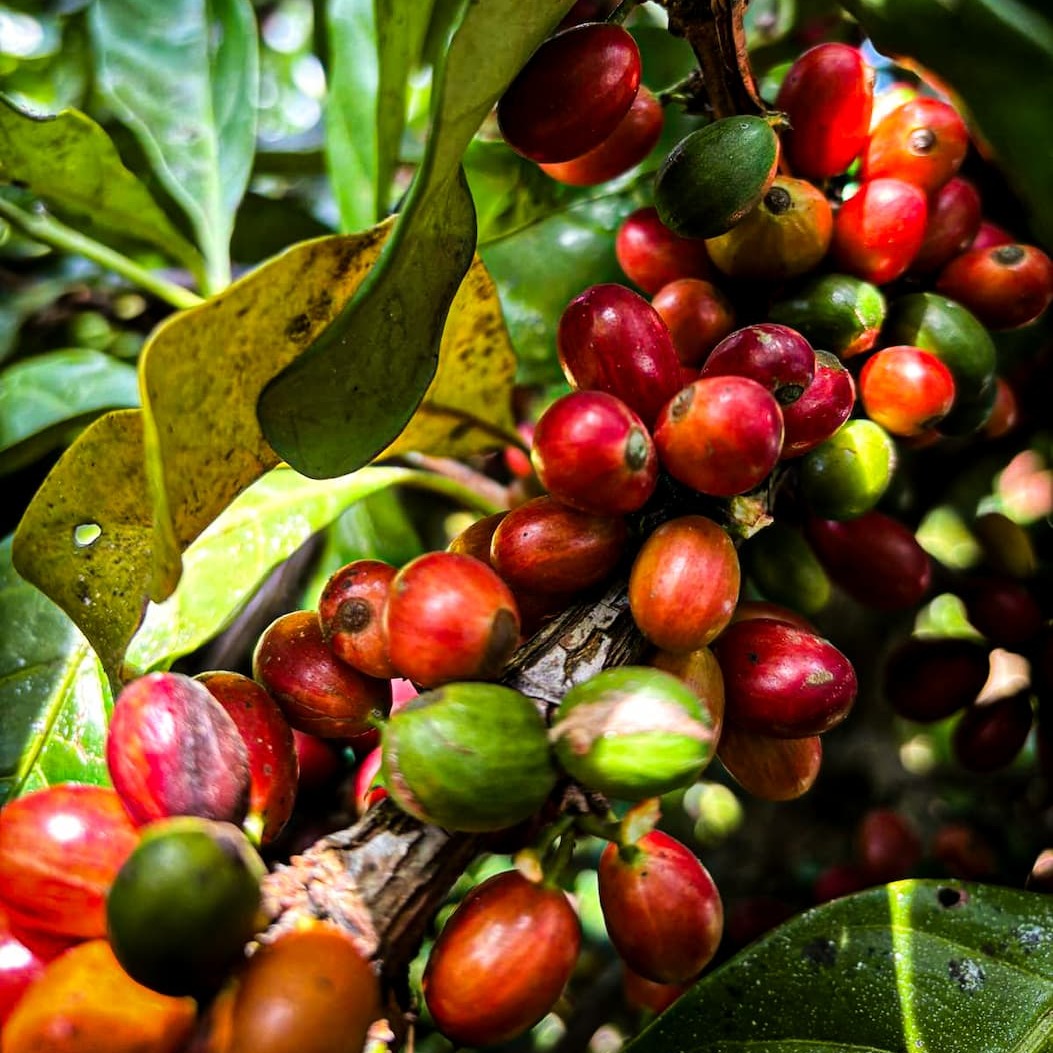
Honduras, one of Central America’s leading coffee producers and a top global exporter of Arabica, concentrates its crop in six key regions: Copan, Montecillos, Opalaca, Comayagua, El Paraiso, and Agalta. Elevations range between 1,000 and 1,600 meters above sea level, where Bourbon, Catuaí, Caturra, and Typica thrive. Looking ahead, the production forecast for Honduras coffee in 2026 continues to inform regional agricultural strategies.

Production outlook and leaf rust pressure

As of March 2026, coffee leaf rust incidence increased from 7.57 percent to 8.44 percent nationally, triggering a Level 4 yellow alert. The rise reflects higher lesion counts and leaf damage, supported by favorable environmental conditions and the unrestricted movement of harvest workers. Despite localized pressures, overall national rust levels remain relatively contained due to dry season conditions in major producing regions. This has important implications for the Honduras coffee production forecast for 2026, since disease pressure can impact yields.

Table 1: Honduras coffee production & export forecasts (million 60 kg bags)
Marketing year Production Exports Ending stocks
MY 2023/24 (actual) 5.00 4.77 0.081
MY 2024/25 (revised) 5.20 4.96 0.178
MY 2025/26 (forecast) 5.53 5.03 0.435
MY 2026/27 (projection) 6.03 5.50 0.707
Table 2: Coffee leaf rust incidence by selected departments (March 2026)
Department Incidence (%)
Comayagua 14.08%
Cortes 12.49%
Santa Bárbara 11.17%
Yoro 10.08%
El Paraíso 9.81%
Intibucá 9.27%
Copán 6.76%

Earlier survey data from April 2025 indicated that 16.67 percent of sampled farms had medium rust incidence (5 to 10 percent), 7.80 percent had high incidence (10 to 15 percent), and 21.63 percent recorded very high incidence above 15 percent. Approximately 5 percent of the current crop remained unharvested as of March 2026, while 44 percent was still in the supply chain awaiting export or processing. This context is significant for anyone examining the country’s 2026 coffee production forecast in Honduras.

Prices, Brazil and market volatility

As of late March 2026, coffee reference prices have shown downward pressure, driven by improved global supply expectations and forecasts of a large Brazilian harvest. While prices have eased from early 2026 highs, they remain volatile. Retail prices have not yet adjusted significantly, reflecting typical lags due to contracts and inventories. In summary, the Honduras coffee production outlook for 2026 is closely tied to international price volatility and market forces.

Weather risks in Brazil, including the potential for early frosts in key producing regions, may place upward pressure on global prices in 2026. However, continued market volatility and rising production costs — including higher diesel prices and fertilizer supply uncertainty linked to the Persian Gulf conflict — may constrain producer margins. Price developments will depend on frost events in Brazil between May and July 2026, crop performance in Vietnam and Colombia, and currency movements, especially the BRL USD exchange rate. Meanwhile, these variables are monitored by analysts as they project the 2026 Honduras coffee production forecast.

Exports grow 7.5%, average price eases

Honduran coffee exports are projected to reach 5.03 million bags in 2025/26, a 7.47 percent increase from the revised 4.96 million bags in 2024/25. For 2026/27, exports are forecast to rise another 9 percent to 5.50 million bags. As of April 2026, Honduras had already exported 3.17 million bags, a 38 percent increase from 2.30 million bags during the same period in 2024/25. The average export price was $439.47 per 60 kg bag, a 2.70 percent decrease from $451.70, but total export value jumped 33 percent to $1.39 billion. These impressive results play a pivotal role in shaping the Honduras coffee production forecast for 2026 and future export trends.

Sales contracts for 2025/26 totaled 4.10 million bags, up 27 percent year on year. Honduras has expanded market access, including under its free trade agreement with South Korea, now the eleventh largest export market for coffee. Globally, Honduras ranks as the eighth largest coffee exporter, the third largest in the Americas, and the largest in Central America. Finally, the Honduras coffee production forecast 2026 continues to be an important reference for market participants and policy decisions.

Table 3: Top destinations for Honduran green coffee exports (2025, thousand 60 kg bags)
Country Volume (1,000 bags)
United States 1,476
Germany 983
Belgium 551
Italy 231
Japan 186
Canada 229
Sweden 149
United Kingdom 147

Domestic consumption and rising imports

Coffee consumption in Honduras is projected to increase 9 percent in 2026/27, supported by modest GDP growth of 3.8 to 4 percent. Per capita apparent consumption is estimated at 4 to 5 kilograms per year. The growing presence of coffee bars in shopping malls, gas stations, and supermarkets, along with a young population consuming diverse coffee drinks, drives demand. Keurig coffee pods and machines are a new trend sold at supermarket chains. It is clear that changing consumption patterns also play into the nation’s coffee production forecast 2026 for Honduras.

Despite being a major producer, Honduras imports coffee to meet domestic demand for soluble coffee and lower cost blends. Total imports are projected to reach 160,000 bags in 2026/27, up 16.8 percent from 137,000 bags in 2025/26. In 2024/25, green coffee bean imports totaled 96,216 bags, primarily from Nicaragua (91,731 bags). Soluble coffee imports from October 2024 through February 2025 reached 30,992 bags, up from 27,516 bags the previous year. Key suppliers included Mexico, the United States, Colombia, Guatemala, India, Malaysia, and Costa Rica. Market dynamics that affect imports are increasingly relevant for the Honduras coffee production forecast looking ahead to 2026.

Differentiated coffee: a sharp shift in early 2025/26

During the 2024/25 harvest, 2.6 million 60 kg bags of differentiated coffee (certified and specialty) were sold, accounting for 55 percent of total exports. The five leading certifications were UTZ, Organic, Fair Trade/Organic, 4C, and Rainforest Alliance. However, preliminary data for 2025/26 shows a significant decline: differentiated coffee fell to 37 percent of total volume, or 1.24 million bags exported to date. This 15 percentage point drop may reflect timing of shipments, production challenges, or evolving market dynamics. Final figures will determine if this is a temporary fluctuation or a sustained trend. The results for differentiated segments will ultimately affect 2026 Honduras coffee production forecast calculations.

Table 4: Differentiated coffee production (thousand 60 kg bags, harvest seasons)
Harvest season Differentiated coffee Total harvest % participation
2019/20 3,020 5,506 55%
2020/21 3,220 5,873 55%
2021/22 2,523 4,701 54%
2022/23 3,087 5,342 58%
2023/24 2,610 4,687 56%
2024/25 2,436 4,804 52%
2025/26* 1,242 3,325 37%
* preliminary figures to April 2026. Source: IHCAFE

Specialty coffee in Honduras is typically grown above 3,000 feet. Currently, specialty coffees are produced under 22 programs including UTZ, 4C, Rainforest Alliance, Organic, Bird Friendly, Starbucks C.A.F.E. Practices, and Cup of Excellence. The overall quality of exported coffee in 2025/26 was classified as 49 percent Strictly High Grown (SHG), 43 percent High Grade (HG), and 9 percent Standard Grade (STD). With specialty coffee trends evolving, analysts will adjust the Honduras coffee production and exports forecast for 2026 accordingly.

Table 5: Quality exports in MY 2025/26 (60 kg bags, to date)
Quality grade Volume (bags) Average price (USD) Share of volume
SHG (Strictly High Grown) 1,618,979 $440.19 49%
HG (High Grade) 1,420,051 $448.27 43%
SL (Screen size >18) 286,479 $361.44 9%

Small producers and policy support

Many small and medium coffee producers face financial constraints, with limited access to credit. According to IHCAFE data for 2024/25, 86,895 small farmers harvested 179,271 hectares and produced 2.63 million bags. Medium producers (6,359 farmers) produced 1.66 million bags, and 374 large farmers produced 515,533 bags. Their contributions are notable in the broader context of the Honduras coffee production forecast for 2026.

Table 6: Producers by size, area harvested and production (2024/25)
Farmer type Farmers registered Area harvested (Ha) Production (60 kg bags)
Small 86,895 179,271 2,627,164
Medium 6,359 85,040 1,661,733
Large 374 21,246 515,533

The government has implemented several measures to support the sector, including a sales tax exemption on coffee (Decree 352 2022) that provides fiscal relief of approximately $183 million. IHCAFE’s “Renew without stopping Production” program supports 33,000 producers covering 250,000 blocks. A climate change policy aims to foster resilience through six five year phases from 2022 to 2050. The National Coffee Council, the highest regulatory body, guides policy on production, climate change, labor, and gender inclusion. The sector adopted a Gender Inclusion Policy in 2021. Policy initiatives such as these directly impact Honduras coffee production forecasts for 2026 and beyond.

As of March 2026, IHCAFE continues providing technical support to help growers meet the European Union Deforestation Regulation, aiming to reduce deforestation tied to agricultural production and foster environmentally responsible supply chains. Overall, actions to comply with international standards also influence the Honduras coffee production forecast for 2026 as the industry adapts to global changes.

Methodological note: All figures are based on the USDA Foreign Agricultural Service report “Coffee Annual – Tegucigalpa – Honduras – HO2026-0002” published April 29, 2026. Marketing years (MY) run from October to September. Differentiated coffee includes certified and specialty coffees. No data from outside the report has been used. Projections for MY 2026/27 are preliminary and subject to revision.


Russians Shift to Home Coffee as Prices Rise

Moscow – Qahwa World

Rising prices are reshaping how Russians consume coffee, pushing more people away from takeaway purchases and toward brewing at home. A trend that began to emerge in 2025 has strengthened in 2026 and is now influencing the broader coffee market.

According to Ramaz Chanturia, head of the Roschaikofe association, consumers are increasingly opting out of buying coffee to go and instead preparing it themselves. The shift is largely driven by a need to reduce everyday spending. Coffee shop purchases are no longer seen as a routine necessity but as a discretionary expense. Many people now prepare their drinks in advance and carry them in reusable thermal mugs.

Market data reflects this change. In early 2026, takeaway coffee sales declined in volume compared to the previous year, while revenue increased. This indicates that consumers are buying fewer cups but paying more per purchase. The pattern suggests price pressure and reduced purchase frequency rather than declining interest in coffee itself.

The price increase is driven by global factors. Supply challenges in key producing countries such as Brazil and Vietnam, combined with rising logistics and operating costs, are pushing prices higher. Forecasts suggest that the average price of a cup of coffee in Russia could reach 500 to 600 rubles by the end of 2026.

At the same time, the home coffee segment is expanding. Sales of coffee beans, grinders, and home brewing equipment are rising as consumers invest in making their own drinks. Improvements in home coffee technology have made it easier to achieve consistent results, allowing consumers to produce quality coffee without visiting a café. While professional baristas still offer a higher level of expertise, the difference is no longer significant enough for many people to justify the extra cost.

Despite these shifts, coffee remains an essential part of daily life. Industry experts describe it as a lifestyle product with strong emotional value, closely tied to routines and personal habits. As a result, consumers are more likely to cut back on other expenses than to give up coffee entirely.

The market is not shrinking but evolving. Consumption is moving from cafés into homes, creating a new pattern of behavior. Russia’s coffee culture is adapting to economic pressures, changing its format while maintaining its importance in everyday life.

Global Coffee Prices Fall as Brazil Crop Outlook Signals Oversupply

Dubai – Qahwa World

Global coffee prices declined at the start of the week as expectations of strong supply weighed on market sentiment, particularly with Brazil’s harvest approaching.

Arabica coffee had already fallen to its lowest level in several weeks, pressured by forecasts pointing to a potentially record-breaking Brazilian crop for the 2026/27 season. Analysts from multiple firms have raised their production estimates, with projections suggesting output could exceed 75 million bags. If realized, this would mark a significant increase from the previous season and reinforce expectations of abundant supply.

The global balance is also shifting. Current estimates indicate that the coffee market could move into a much larger surplus in 2026, compared to a relatively modest surplus the year before. This outlook has contributed to the recent downward trend in prices.

Vietnam is adding further pressure to the market. As the world’s leading robusta producer, the country has reported rising export volumes in early 2026, continuing the strong performance seen last year. Production is also expected to increase, reaching a multi-year high and boosting global robusta availability.

Despite the broader bearish outlook, some factors are offering limited support to prices. Robusta inventories monitored by exchanges have recently dropped to their lowest level in over a year, indicating tighter short-term supply.

There are also ongoing concerns about global trade conditions. Higher shipping and logistics costs continue to affect the coffee sector, increasing expenses for exporters and roasters and adding uncertainty to supply chains.

Meanwhile, Brazil’s recent export data shows a decline compared to the same period last year, suggesting a temporary tightening in available shipments even as larger future harvests are anticipated.

Looking ahead, global coffee production for the 2025/26 season is still expected to reach a record level. While arabica output may see a slight decrease, robusta production is forecast to rise significantly, helping to balance overall supply. Ending stocks are projected to decline modestly, indicating that while supply is strong, stock levels may not increase dramatically.

Trump Tariffs Reshape Global Coffee Trade

Dubai – Qahwa World

Tariff policies introduced during 2025 have contributed to significant shifts in the global coffee trade, pushing industry players to rethink supply chains and accelerate structural changes across the sector.

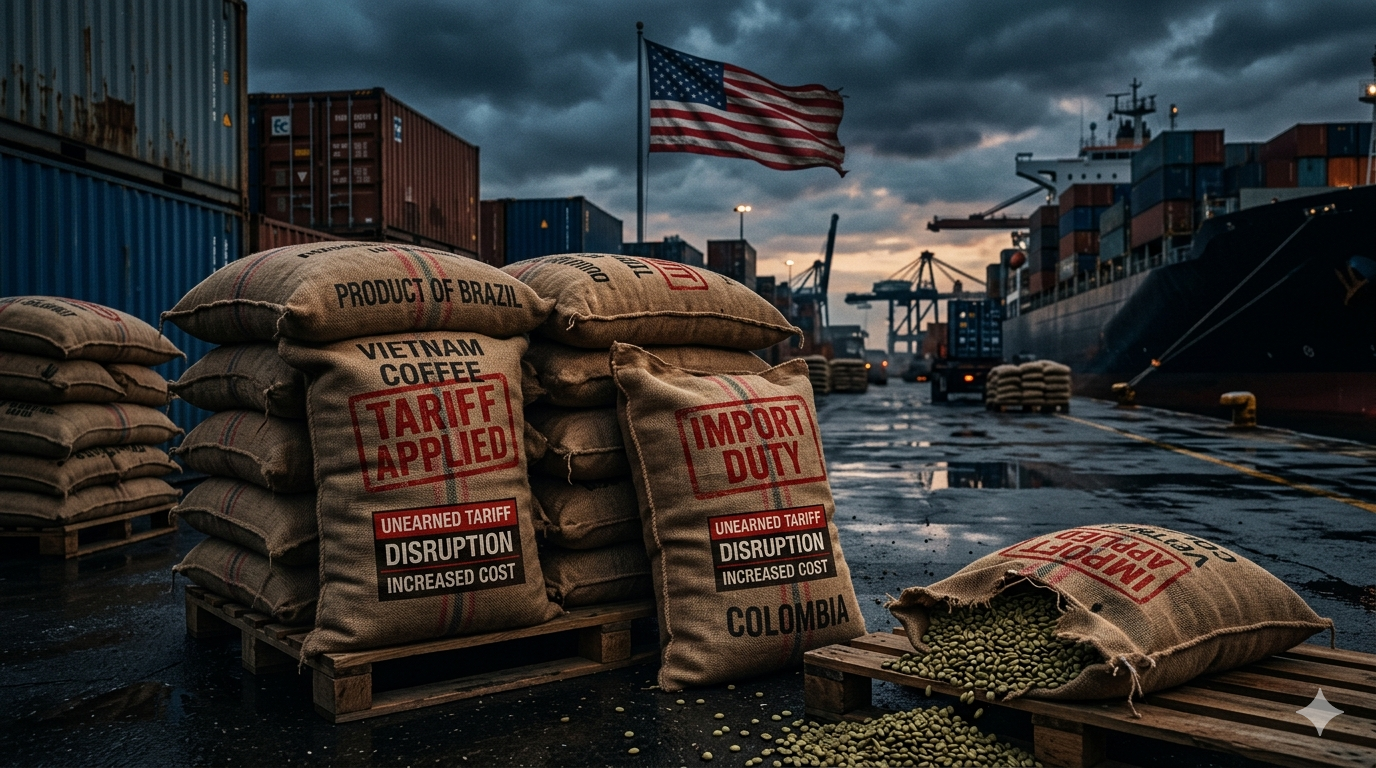
In 2025, broad tariff measures were imposed on imports of green coffee beans and roasting equipment. The initial rate started at around 10%, but in some cases increased substantially on major coffee-producing countries such as Brazil, Vietnam, Indonesia, and Mexico.

These measures were not applied consistently over time. Later adjustments, exemptions, and partial rollbacks were introduced following trade negotiations and policy revisions, including relief for certain agricultural goods that are not domestically produced, such as coffee. Despite this, the early phase of the tariffs had already created noticeable disruption.

The impact included higher roasted coffee prices in certain markets, shifts in export flows, and widespread instability across global supply chains.

  • Supply Chain Disruption

The changes exposed how sensitive the global coffee system is to trade policy shifts. Key developments included:

A decline in exports from Brazil to the United States, with redirected shipments toward Asia and the Middle East
Increased tariff pressure on exports from Vietnam, Indonesia, and Mexico, pushing buyers to search for alternative origins
Rising costs for coffee equipment such as grinders and espresso machines due to import dependencies

Frequent policy changes made long-term planning difficult, increasing operational uncertainty and raising costs across the supply chain.

  • Beyond Beans: Equipment and Infrastructure

The impact was not limited to green coffee. Imported roasting and café equipment also became more expensive, increasing the cost of opening or upgrading coffee shops.

This added pressure came on top of ongoing global supply chain disruptions, including higher raw material costs and shipping delays in recent years.

  • Market Adaptation Strategies

As costs rose, market participants explored different ways to adapt, including:

Rerouting shipments through countries with lower tariff exposure
Reclassifying origin within multi-stage production chains
Establishing roasting and packaging operations in third countries to alter customs classification

Large multinational companies were generally better positioned to implement such strategies due to capital availability and infrastructure flexibility.

  • Historical Context of Coffee Trade Workarounds

Attempts to bypass trade restrictions are not new in coffee history. Over centuries, coffee spread globally through a mix of legal trade, secrecy, and strategic relocation of plants and beans.

Historical examples include:

Early movement of coffee cultivation from its origin regions into Asia and the Americas through controlled and often restricted transfers
The spread of coffee plants to Southeast Asia and Latin America via maritime trade routes in earlier centuries
Historical episodes in Europe where coffee was heavily taxed or restricted, leading to informal trade networks and enforcement efforts

These patterns show that trade restrictions have historically encouraged alternative distribution channels.

  • Shifting Global Demand

Several broader trends accelerated during this period:

Growth in coffee consumption in Asia and the Middle East
Expansion of domestic consumption in producing countries
Increasing focus on supply diversification by major importers
Stronger regulatory attention in some markets on sustainability and climate-related sourcing

Together, these shifts suggest a gradual rebalancing of global coffee consumption and trade flows.

  • Uncertain Long-Term Outcomes

The long-term effects of these tariff-related disruptions remain unclear. Some analysts expect elevated price levels to persist even after policy normalization, due to accumulated supply chain inefficiencies.

While tariffs are often intended to support domestic industries, the observed effects in many cases have included:

Increased costs for importers and roasters, particularly smaller businesses
Higher consumer prices in retail and café markets
Reduced supply chain efficiency due to rerouting and compliance complexity
Limited direct benefit to producers in developing countries in many cases

Larger companies have generally been better able to absorb shocks, potentially contributing to greater consolidation within the industry.

  • Conclusion

The tariff developments of 2025 may represent a turning point in the global coffee trade system. Combined with shifting consumption patterns, rising new markets, and evolving supply chain strategies, the industry appears to be entering a new structural phase.

The key question moving forward is whether these changes will lead to a more resilient and balanced global coffee economy, or further concentrate influence among large multinational players.

Coffee has always moved across borders in response to economic and political pressure. Once again, it is adapting—reshaping itself along with the global systems that depend on it.

Iran War Drives Coffee Prices Higher as Supply Risks Intensify

Dubai – Qahwa World

Coffee futures rose sharply on Wednesday, hitting a 3.5-week high as markets reacted to escalating disruptions linked to the Iran war and concerns over global supply chains.

The main driver of the rally was growing uncertainty around the Strait of Hormuz, a critical global shipping route. Traders fear that prolonged conflict could keep the passage restricted, pushing up shipping costs, insurance premiums, fuel expenses, and overall logistics costs for coffee exporters and importers.

At the same time, tightness in robusta supply added upward pressure on prices, with ICE inventories recently falling to their lowest level in more than a year.

However, the broader market picture remains mixed. Arabica coffee had recently slipped to a seven-week low due to expectations of a very large Brazilian crop, with multiple forecasts pointing to a record harvest in the 2026/27 season. Larger projected global surpluses in the coming year are also seen as a long-term limiting factor for prices.

On the supply side, Vietnam continues to support global availability through strong export volumes, reflecting higher production levels in the world’s largest robusta-producing country. Meanwhile, Brazil’s export figures have shown recent declines compared with last year, and uneven rainfall in key growing regions is raising some concern about yield stability.

Longer-term projections from agricultural agencies still point to rising global production, particularly in robusta coffee, while arabica output is expected to decline. Even so, global ending stocks are forecast to tighten slightly in future seasons.

Overall, coffee markets are being pulled between short-term geopolitical disruption linked to the Iran war and longer-term expectations of strong global supply growth.

Record Brazil Crop Expectations Weigh on Coffee Prices Despite Supply Tightness

Dubai – Qahwa World

Coffee markets are drifting lower, weighed down by mounting expectations of a very large crop in Brazil, even as supply-side tensions prevent sharper declines.

Arabica futures have slipped to their weakest levels in several weeks, reflecting growing confidence among analysts that Brazil’s next harvest could reach record territory. Forecasts from firms such as Marex Group, Sucafina, and StoneX all point toward a historically large 2026/27 crop clustered in the mid-70 million bag range. If realized, that would mark a significant year-on-year increase and help expand the global coffee surplus.

The supply outlook is also being shaped by developments in Vietnam, the world’s leading robusta producer. Export volumes have surged, with early-year shipments showing strong annual growth. Production is likewise expected to rise, potentially reaching a multi-year high, adding further pressure on prices.

Yet the market narrative is not entirely bearish. Tight inventories are offering some support, particularly for robusta, where exchange-monitored stockpiles have dropped to their lowest level in over a year, highlighting ongoing short-term supply constraints.

Geopolitical tensions are adding another layer of complexity. Disruptions linked to the Strait of Hormuz have pushed up freight and insurance costs, complicating global trade flows and increasing expenses for coffee importers and roasters.

Meanwhile, export data from Cecafé and Brazil’s trade authorities show a decline in March shipments compared to last year, lending some support to prices. Weather concerns also persist in key regions such as Minas Gerais, where below-average rainfall could still impact yields.

Global institutions, including the International Coffee Organization and the USDA Foreign Agricultural Service, continue to point to a nuanced outlook: overall production may rise, but with diverging trends between arabica and robusta, and tightening stock levels.

Taken together, the coffee market is navigating a delicate balance between expectations of abundant future supply and the realities of present-day constraints.

Coffee Prices Rise Amid Supply Concerns and Shipping Disruptions

Dubai – Qahwa World

Coffee futures moved higher, supported by growing concerns over global supply disruptions and tightening inventories. Arabica and robusta contracts both posted gains, with robusta showing stronger momentum.

A key driver behind the price increase is rising tension around the Strait of Hormuz. Reports of shipping disruptions have heightened concerns about global trade flows, leading to increased freight costs, insurance premiums, and fuel expenses. These factors are adding pressure on coffee importers and roasters, contributing to upward price movement.

Robusta prices are receiving additional support from declining exchange inventories, which have dropped to their lowest level in over a year. This signals tighter short-term availability in the market.

However, expectations of a large upcoming harvest in Brazil are limiting stronger price rallies. Several industry forecasts point to a record crop for the 2026/27 season, with projections consistently above 75 million bags. At the same time, estimates suggest a significant global surplus could emerge in 2026, potentially the largest in several years.

Vietnam’s export performance is also weighing on the market, particularly for robusta. Shipments have increased notably in early 2026, following strong export growth in the previous year. Production in Vietnam is also expected to rise, reaching multi-year highs, which could further ease supply constraints.

On the other hand, reduced exports from Brazil are offering some support to prices. Recent data shows a decline in shipments compared to last year, tightening near-term availability in the global market.

Weather conditions in Brazil remain another important factor. Below-average rainfall in key growing regions, particularly Minas Gerais, has raised concerns about crop yields, adding a bullish element to price outlooks.

Looking at the broader picture, global export volumes have shown slight weakness, while production forecasts indicate modest overall growth. Arabica output is expected to decline, while robusta production is projected to increase significantly. Meanwhile, global coffee inventories are forecast to shrink, suggesting that supply pressures may persist despite higher production in some regions.

Rising prices reshape coffee consumption patterns in Russia

Moscow – Qahwa World

Data from the “Check Index” analytical center of the OFD Platform show significant changes in coffee consumption patterns in Russia during 2024–2026, driven by sustained price increases across all major categories.

In 2025, prices rose across the entire market. The average price of instant coffee reached 482 rubles (+22% year-on-year), roasted beans 1,223 rubles (+40%), ground coffee 541 rubles (+29%), capsules 710 rubles (+15%), and drip-pack coffee 354 rubles (+16%).

At the same time, purchase volumes declined in most segments. Consumption of roasted beans fell by 21%, ground coffee by 11%, capsules by 13%, and instant coffee by 10%. The only category to show growth was drip-pack coffee, where purchases increased by 37% in 2025.

The data attributed this growth to the relatively lower price of drip packs compared with other formats, as well as ease of preparation, which led to partial substitution from ground coffee and capsules. The segment also showed higher adoption among younger consumers, including Generation Z.

In the first quarter of 2026, prices continued to rise. Instant coffee averaged 527 rubles (+7%), roasted beans 1,330 rubles (+10%), ground coffee 618 rubles (+15%), capsules 737 rubles (+5%), and drip-pack coffee 422 rubles (+10%).

Demand trends during the same period were mixed. Purchases of instant coffee increased by 4%, while roasted beans declined by 2%, ground coffee by 13%, capsules by 7%, and drip-pack coffee by 13%.

In the café segment, Russians purchased around 10.3 million cups of coffee per month. The average number of items per receipt was 3.1, with coffee and beverages accounting for 72% of total purchases.

The average price per cup in cafés rose to 289 rubles in Q1 2026. After a 19% increase in 2025, coffee sales in the food service sector declined by 4% at the beginning of 2026.

Overall, the data indicates a gradual restructuring of Russia’s coffee market, as rising prices continue to reshape consumption patterns and shift demand across different product categories.

Coffee Markets Decline as Supply Fears Subside

Dubai – Qahwa World

Coffee futures moved lower at the end of the week, with both arabica and robusta contracts posting notable losses. Arabica dropped to its lowest level in about a week, while robusta also weakened.

The decline was linked in part to improving conditions in global shipping. Iran’s announcement that the Strait of Hormuz has reopened helped calm earlier concerns about disruptions, suggesting smoother trade flows and reducing anxiety over supply constraints.

Earlier in the week, arabica had already been under pressure, touching a one-month low as expectations grew for a strong harvest in Brazil. Several industry forecasts point toward a record crop in the 2026/27 season, with estimates clustering above 75 million bags. Some analysts also anticipate a significant expansion in the global coffee surplus, potentially reaching its highest level in several years.

Meanwhile, Vietnam continues to play a major role on the supply side. The country, the leading producer of robusta coffee, has reported rising export volumes. Shipments in the first quarter increased compared to the same period last year, and full-year exports have also shown solid growth. Production in the current season is expected to climb to a multi-year high, adding further pressure to prices.

Despite this broader supply outlook, some factors are offering limited support. Inventories of robusta monitored by the ICE exchange have declined to their lowest level in over a year, indicating tighter availability in certified stocks.

In Brazil, export data has been mixed. Recent figures show a drop in shipments compared to last year, which may lend some support to prices. Weather is also being closely watched, as below-average rainfall in key growing regions like Minas Gerais could affect crop yields.

On the global stage, export volumes have edged slightly lower in the current marketing year, according to international data. However, overall production is still expected to rise in the 2025/26 season, driven by gains in robusta output despite a projected decline in arabica production.

Looking ahead, forecasts suggest Brazil’s total production may ease slightly, while Vietnam’s output is likely to increase. At the same time, global ending stocks are expected to shrink, reflecting ongoing shifts in supply and demand dynamics.

Brazil Export Decline Supports Coffee Prices

Dubai – Qahwa World

Coffee prices moved higher midweek, with both arabica and robusta futures posting gains. Robusta led the advance, reaching its strongest level in roughly one and a half weeks, supported by tightening near-term supplies.

A key factor behind the upward movement is reduced export activity from Brazil. Recent figures indicate that shipments of green coffee declined in March compared to the same month last year. Broader trade data also shows a sharp drop in overall coffee exports, reinforcing concerns about limited supply from the world’s leading producer.

In the robusta segment, falling inventories have added to the bullish sentiment. Exchange-monitored stockpiles have dropped to their lowest levels in more than a year, highlighting ongoing supply tightness in the physical market.

Weather conditions are also contributing to price support. Brazil’s main arabica-growing region, Minas Gerais, has received significantly less rainfall than usual in recent weeks. Reduced precipitation during key crop development stages may affect yields, adding uncertainty to future supply.

However, the broader outlook remains complex. Earlier projections of a large upcoming Brazilian crop continue to weigh on market sentiment. Several forecasts point to record production in the 2026/27 season, with global supply potentially expanding into a sizeable surplus.

At the same time, rising certified inventories for arabica have recently pressured prices, reflecting improved availability in some segments of the market.

Global logistics challenges are adding another layer of influence. Disruptions to major shipping routes have increased freight, insurance, and fuel costs, raising expenses for importers and roasters and contributing to overall market volatility.

Meanwhile, Vietnam continues to strengthen its position in the robusta sector. Strong export performance and expectations of increased production could help offset supply constraints from Brazil.

Earlier in the year, coffee prices declined sharply amid expectations of abundant global output. Forecasts suggest that worldwide production could reach record levels in the coming seasons, driven largely by Brazil and Vietnam.

Even so, global stock levels are expected to edge lower, with ending inventories projected to decline compared to the previous season. This balance between strong production and tightening stocks underscores the mixed and evolving outlook for the global coffee market.


Russia’s Green Coffee Market Records Historic Growth in 2026

Mocow-QahwaWorld

Russia’s green coffee market posted significant growth in 2026, supported by rising global prices and sustained domestic demand, according to a recent analysis by ROIF Expert. The expansion reflects not only higher market value but also increased import volumes and consumption levels, reinforcing Russia’s position as a key destination for global coffee exporters.

Market Value Jumps by 92 Billion Rubles

The market value of green coffee increased by approximately 92 billion rubles between its lowest and highest recent levels, marking one of the strongest gains in the sector. The growth is largely attributed to higher global coffee prices, influenced by weather-related challenges in major producing countries such as Brazil and Vietnam.

While import volumes continued to rise, value growth outpaced physical expansion, reflecting sustained price pressure across global supply chains.

Imports Remain the Core Driver

Russia relies almost entirely on imports to meet its green coffee demand. Between 2025 and 2026, total import volumes reached around 286,000 tons.

  • Import value increased by 45.5% in the first nine months of 2025, reaching $924.7 million
  • Vietnam recorded a 1.5x increase in exports
  • Brazil nearly doubled its export volumes
  • Indonesia strengthened its position among top suppliers with 1.6x growth

Despite ongoing sanctions, supply flows remained stable. The primary challenge involved payment restrictions, prompting companies to adapt through alternative channels, including intermediary countries such as Turkey, China, and the UAE, as well as increased direct shipping routes.

Consumption Reaches Record Levels

Consumption indicators show continued growth, with per capita coffee consumption reaching its highest recorded levels. Approximately 70% of the population consumes coffee daily, while a majority consider it an essential part of their routine.

Home consumption is expected to grow by 15% by the end of 2026, alongside increasing demand for specialty coffee and whole beans.

Shifts in Supply Chains

Supply chains are gradually shifting toward Asian producers, particularly Vietnam and Indonesia, while overall trade flows remain relatively stable. At the same time, the market continues to face pricing pressures and logistical risks linked to geopolitical factors.

Outlook Through 2033

The baseline scenario outlined in the report suggests steady growth over the coming years, supported by consistent demand and expanding import activity.

  • Projected annual growth between 3% and 5.5%
  • Moderate increase in global price levels
  • Continued rise in per capita consumption
  • Further diversification of import sources

The market is expected to maintain positive momentum, demonstrating resilience in the face of external pressures.

Implications for Industry Stakeholders

The Russian market offers strong opportunities for global exporters, given its full dependence on imports. Domestic players are increasingly focused on higher-quality offerings and cost management, while consumers benefit from a broader range of products.

From an investment perspective, the sector shows the ability to convert price pressures into growth drivers, enhancing its medium-term appeal.

Conclusion

Russia’s green coffee market in 2026 reflects a mature and resilient sector. The sharp increase in market value and sustained demand indicate a continued upward trajectory, with growth expected to extend through the end of the decade.


March 2026 Coffee Market Report: Global Prices Rebound Amid Geopolitical Tension

Global Coffee Market Report: March 2026

An In-Depth Expert Analysis by an Independent Journalist – Based on the Official ICO Coffee Market Report

Dubai – Qahwa World

The global coffee market experienced one of its most dramatic and multifaceted months in recent memory during March 2026. After three consecutive months of steady price erosion, the ICO Composite Indicator Price (I-CIP) staged a decisive rebound, averaging 273.70 US cents/lb, a solid 2.3% increase from February’s 267.57 US cents/lb. This recovery was not driven by traditional supply fundamentals alone. Instead, it was propelled by an abrupt and powerful geopolitical shock that temporarily overrode the market’s otherwise bearish supply outlook. The result was a case study in how external macro forces can intersect with coffee-specific dynamics to create extreme short-term volatility while leaving longer-term questions unresolved.

The Strait of Hormuz Crisis: A Geopolitical Black Swan for Commodities

The catalyst arrived on 4 March when the Strait of Hormuz was declared closed to vessels allied with the United States amid escalating conflict in the Middle East. Few waterways are as strategically vital: roughly 25% of the world’s seaborne oil trade and nearly 20% of global liquefied natural gas exports transit this narrow passage. The immediate consequences rippled far beyond energy markets. Brent crude prices breached $100 per barrel within days. Bunker fuel, container freight rates, and marine insurance premiums spiked simultaneously. Coffee traders, already navigating a complex supply picture, responded with aggressive risk-on buying.

You may read : ICO February 2026 Report: Has the Inflationary Wave Receded?

The ICO report highlights the dual impact on the sector. In the short term, higher shipping costs and energy expenses added upward pressure on physical coffee premiums. In the longer term, the disruption threatened fertilizer supply chains. The Gulf region is a major global fertilizer producer, and between one-quarter and one-third of the entire global fertilizer trade, including up to one-third of nitrogen fertilizers such as urea, passes through the strait. While the current 2025/26 crop cycle was largely insulated as most fertilizers had already been applied, any prolongation of the blockade would create risks for the 2026/27 season. This layered uncertainty injected a significant risk premium into coffee futures and physical markets.

March in Four Distinct Phases: A Masterclass in Market Psychology

Phase 1 – Geopolitical Rally (2–9 March): The month opened with the I-CIP at 267.40 US cents/lb. Within five trading days of the blockade announcement, risk-premium buying propelled prices to 278.77 US cents/lb, a 4.3% surge. The rally reflected surging energy costs, freight rates, and insurance premiums, which created a cost-push narrative embraced by coffee bulls.

Phase 2 – Sharp Correction (10–13 March): The market reversed sharply. On 10–11 March the I-CIP fell from 276.01 to 267.19 US cents/lb. The trigger was fundamentals. Leading brokerages Marex Group Plc and Sucafina released forecasts for Brazil’s 2026/27 crop at 75.9 million bags and 75.4 million bags respectively. By 13 March the I-CIP reached its monthly low of 265.50 US cents/lb. Risk appetite weakened further as broader financial markets rotated toward safe-haven assets.

Phase 3 – Stabilization and New Rally (14–24 March): Prices stabilized in the 269–271 US cents/lb range. Mixed signals emerged, including reports of limited vessel traffic through the Strait and persistent backwardation in the futures curve, indicating continued tightness in nearby supply.

Phase 4 – Late-Month Spike and Selloff (25–30 March): The rally faded as bearish catalysts returned. Rabobank reiterated its forecast of an 8.64 million-bag global surplus for 2026/27. Selling pressure intensified, and the month closed weaker despite the overall monthly gain.

This four-phase structure highlights a market shaped by competing forces: geopolitical risk provided temporary support, while expectations of record production capped upside momentum.

Divergent Performance Across Coffee Groups

  • Colombian Milds: +2.0% to 337.45 US cents/lb
  • Other Milds: +4.0% to 334.34 US cents/lb
  • Brazilian Naturals: +3.9% to 320.51 US cents/lb
  • Robustas: –1.6% to 176.77 US cents/lb

The London Robusta contract fell 2.5% to 161.91 US cents/lb, while New York Arabica futures rose 0.5% to 290.18 US cents/lb. Differentials reflected this divergence. The Colombian Milds–Other Milds gap narrowed from 9.54 to 3.12 US cents/lb. The Brazilian Naturals–Robustas gap widened to 143.74 US cents/lb, and the Other Milds–Robustas gap expanded to 157.57 US cents/lb. The arbitrage between London and New York futures increased to 128.27 US cents/lb.

You may also read: Global Coffee Market Roadmap—January 2026

Intra-day volatility eased slightly, with the I-CIP volatility falling to 9.8%. Robustas volatility rose to 10.9%. Certified stocks showed contrasting trends: London Robusta stocks contracted 10.7% to 0.66 million bags, while New York Arabica stocks increased 17.7% to 0.61 million bags.

February 2026 Export Data: The Underlying Supply Reality

While March prices reacted to geopolitics, February trade data revealed structural supply pressure. Global green-bean exports fell 9.0% year-on-year to 9.79 million bags. Total exports of all forms of coffee declined 5.7% to 11.46 million bags.

Regional Breakdown (All Forms of Coffee)

  • Asia & Oceania: –4.7% to 4.45 million bags. Vietnam’s exports fell 14.9% to 2.76 million bags due to the timing of Tết (Vietnamese Lunar New Year), which reduced working days. India partially offset this with a 38.5% increase.
  • South America: –21.8% to 3.61 million bags. Brazil and Colombia recorded significant declines in both exports and production.
  • Caribbean, Mexico & Central America: +30.0% to 1.98 million bags. Honduras led gains due to harvest timing shifts caused by previous weather disruptions.
  • Africa: +5.9% to 1.43 million bags, driven by Côte d’Ivoire.

Arabica’s share of total green-bean exports for the first five months of coffee year 2025/26 declined to 60.9% from 65.1% a year earlier.

Processed coffee exports showed strength, with soluble coffee rising 18.0% to 1.6 million bags and roasted exports increasing 85.1% from a low base.

Supply-Demand Balance: A Surplus on the Horizon

The ICO supply-demand balance for the coffee year beginning October 2024 shows world production at 177.51 million bags, up 5.2% year-on-year. Consumption rose 1.4% to 175.07 million bags. This results in a surplus of 2.44 million bags, marking a shift toward oversupply conditions.

Expert Perspective: What This Means for the Industry

March 2026 demonstrated the coffee market’s sensitivity to external shocks even in a structurally supply-heavy environment. Geopolitical developments provided temporary price support, but underlying fundamentals continued to reflect expectations of abundant supply, particularly from Brazil’s projected 2026/27 crop.

Input costs remain a key variable, particularly fertilizer supply chains linked to the Strait of Hormuz. Any prolonged disruption could influence production costs and future output. Meanwhile, widening Arabica–Robusta differentials and inter-market arbitrage opportunities reflect shifting trade dynamics across futures markets.

Conclusion

The March 2026 coffee market absorbed a significant geopolitical shock while maintaining its broader supply-driven trajectory. The ICO Composite Indicator Price rose 2.3%, halting a three-month decline. However, volatility and late-month weakness reinforced the dominance of supply expectations in shaping market direction. Attention now turns to developments affecting logistics, input costs, and the 2026/27 production cycle.

All data, figures, and phase descriptions are drawn directly and exclusively from the International Coffee Organization’s official Coffee Market Report – March 2026. Analysis and contextual commentary are the independent assessment of the author.