Chinese Brands Like Luckin and Pop Mart Take on Starbucks and Nike in Global Push

Author: Qahwa World
Source: Business Insider
Date: May 20, 2026
Executive Summary:

  • Chinese brands are moving from being global manufacturers to competing directly for consumers in the US, Europe, and beyond.
  • Luckin Coffee is testing markets long dominated by Starbucks, including New York, with app based ordering and limited edition drinks.
  • Fashion labels Urban Revivo and Songmont are competing with Zara and Polène through stylish products at lower prices.
  • Pop Mart has evolved from a toy company into a global cultural force through collectible figures, especially Labubu.
  • Chinese brands face challenges including trade tensions, tariffs, and the need to build a clearly defined global identity.
  • Some brands downplay their Chinese origin, while others embrace Chinese aesthetics and cultural heritage as core identity.
  • Long term success depends on evolving from low cost alternatives into premium global names commanding lasting loyalty.

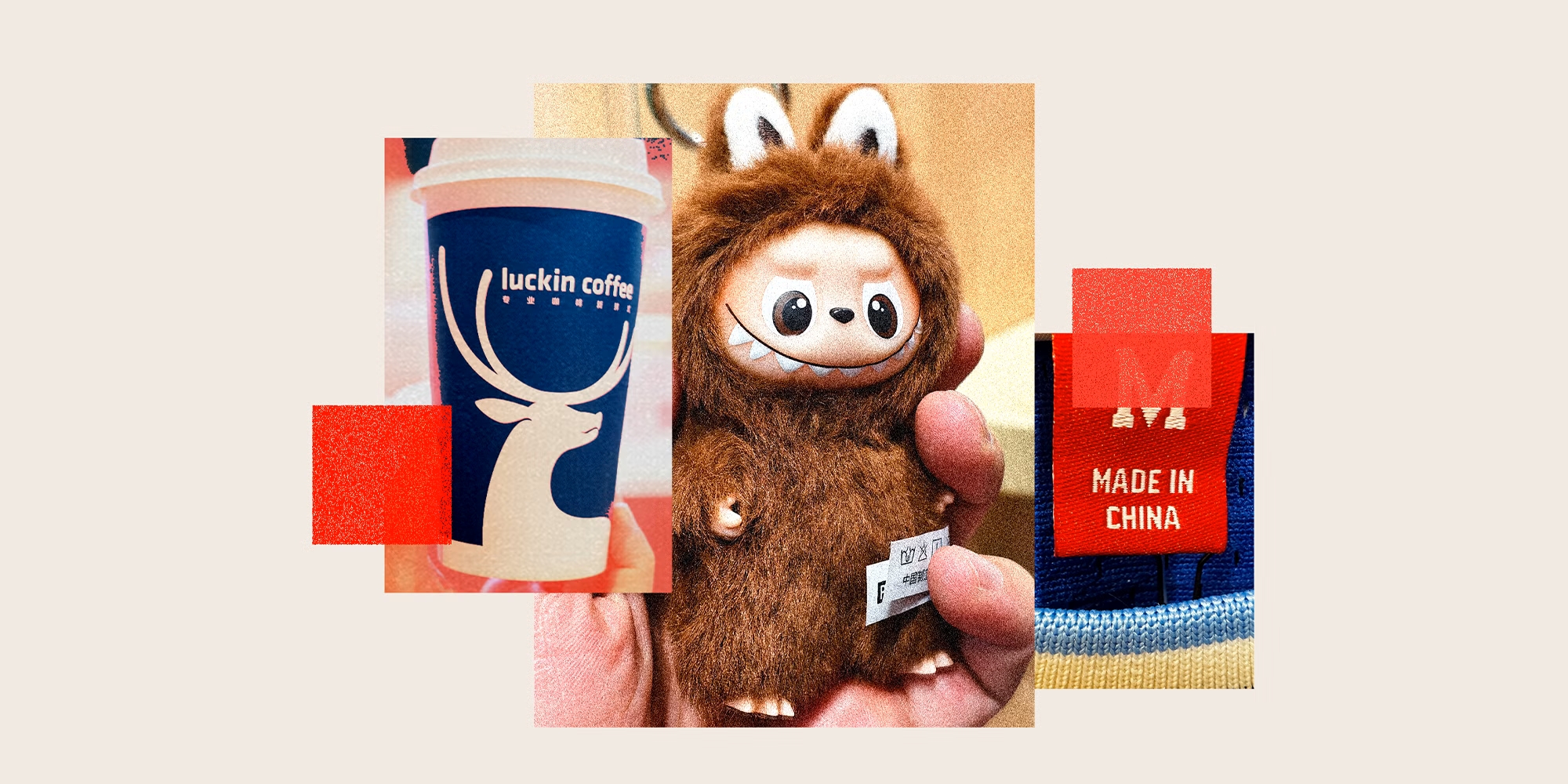
For nearly half a century, China has been the world’s factory floor, producing everything from smartphones to inexpensive clothing. While “Made in China” became common on consumer products, the companies behind those goods often remained unknown. Now, some of China’s fastest growing brands want consumers around the world to recognize their names. They are moving from the background of global commerce to the center, competing directly for customers in the United States, Europe, and beyond.

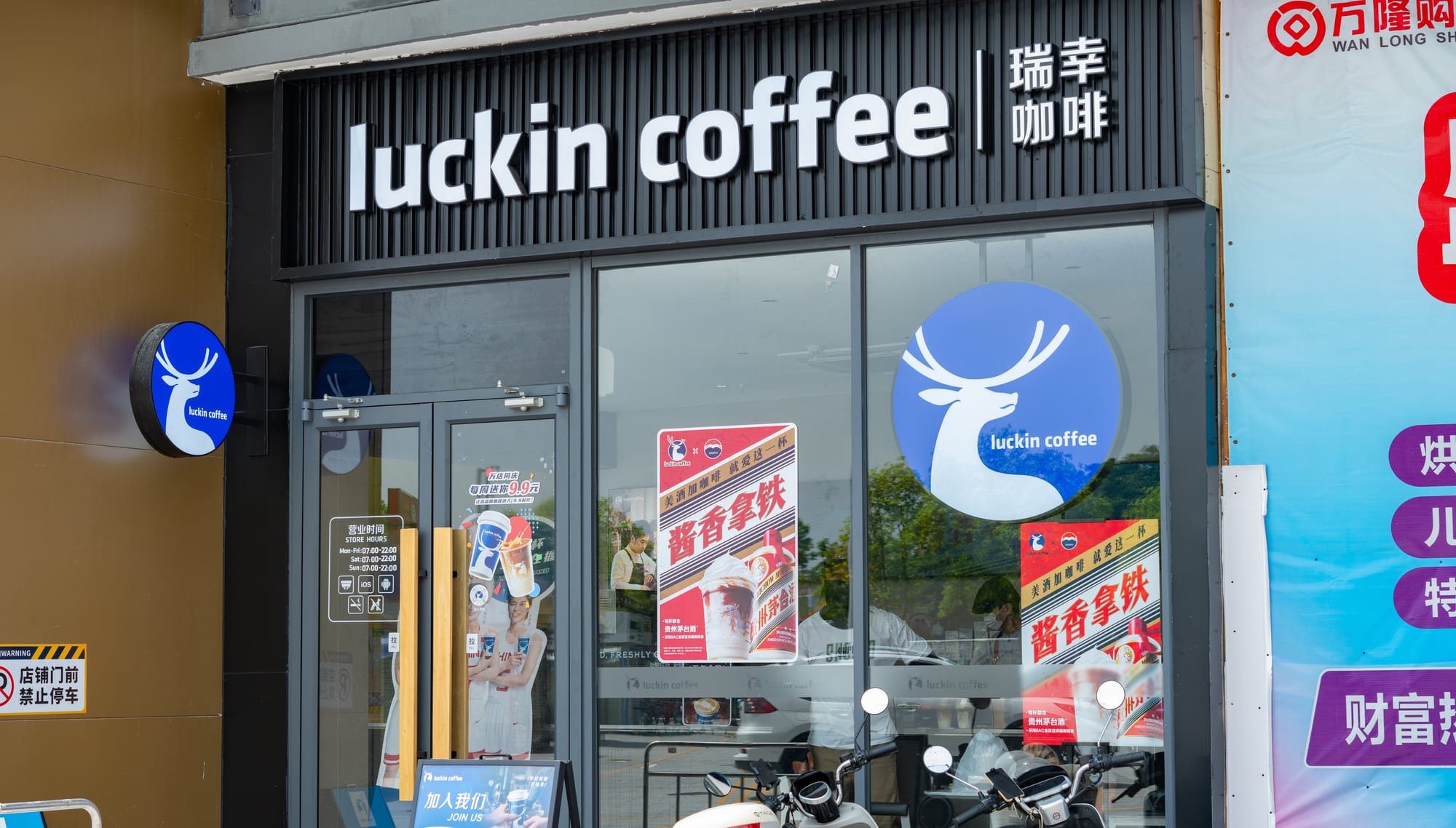
Fujian based Luckin Coffee is testing markets long dominated by Starbucks, including New York. The company uses app based ordering systems and offers limited edition drinks such as blood orange cold brew in the US and pandan coconut latte in Southeast Asia. Fashion labels including Urban Revivo and Songmont are competing with global mid market brands like Zara and Polène by offering stylish products at lower prices. Pop Mart has evolved from a toy company into a global cultural force through its collectible figures, particularly Labubu. Fast fashion giant Shein is reportedly considering acquiring the millennial favorite brand Everlane.

A New Generation of Chinese Brands

This is not the first time Chinese companies have attempted to reshape global business. In the 2000s, Beijing encouraged state backed industrial giants to expand overseas for resources and infrastructure projects. In the 2010s, Chinese firms embarked on a global acquisition spree, purchasing assets ranging from AMC Theatres to the Waldorf Astoria. More recently, companies such as electric vehicle maker BYD and drone manufacturer DJI demonstrated that Chinese firms could compete globally through advanced technology, not just lower prices.

Now, a new generation of Chinese brands is pursuing something even more challenging: becoming culturally influential and desirable. For many Chinese companies, international expansion is also becoming a necessity. China faces a prolonged economic slowdown, and its birthrate fell to a record low in 2025. Domestic competition has intensified, with aggressive price wars shrinking profit margins. As a result, overseas growth is increasingly essential.

Years of operating in one of the world’s most competitive consumer markets have given Chinese companies significant advantages in manufacturing, logistics, sales, and scaling operations. According to Eunkyu Lee, a marketing professor at Syracuse University, China is transforming itself from a low priced manufacturer into a producer of brands with unique personalities and storylines.

The Challenge of Building a Global Identity

Approach Examples Strategy
Downplaying Chinese identity Shein, TikTok Present as internet native global platforms
Embracing Chinese aesthetics Songmont, Laopu, Chagee Highlight Chinese symbolism, craftsmanship, traditions
Sports marketing Li-Ning Sponsor NBA players to enter mainstream sports culture

Becoming a globally recognized brand where image, identity, and perception matter remains difficult. National identity often helps transform products into symbols of aspiration and lifestyle. European luxury brands traditionally emphasize heritage, craftsmanship, and exclusivity, while American companies promote innovation and optimism. Japan and South Korea successfully made similar transitions during the late 20th century. Brands such as Sony, Samsung, Nintendo, and Uniqlo became globally associated with precision, minimalism, technology, and pop culture. China is now attempting a similar transformation, but at a much faster pace and without a clearly defined global identity.

Some Chinese brands are downplaying their Chinese identity altogether. Global successes such as Shein and TikTok gained popularity not by emphasizing their origins, but by presenting themselves as internet native global platforms. That strategy fits naturally within online culture, where trends spread quickly and consumers prioritize novelty over geography. As Lee noted, younger consumers are looking for something new, cool, and fresh. In that context, the country of origin is not very important.

Sportswear brand Li-Ning has increased its international visibility by sponsoring NBA players including Jimmy Butler and CJ McCollum, bringing Chinese designed footwear into mainstream sports culture. Pop Mart has also partnered with Disney and Sanrio’s Hello Kitty, placing its characters alongside some of the world’s most recognizable entertainment brands.

Embracing Chinese Heritage and Luxury Attention

At the same time, other Chinese brands are leaning heavily into Chinese aesthetics and cultural heritage. Songmont, Laopu, and tea chain Chagee are embracing Chinese symbolism, craftsmanship, and traditions as central parts of their brand identity. A growing online fascination with Chinese lifestyle and aesthetics, sometimes referred to as China-maxxing, suggests global consumers may be increasingly open to brands that highlight rather than soften their origins.

There are signs that global luxury leaders are paying attention. Songmont, whose minimalist leather handbags retail for up to around 800 dollars, has drawn attention from LVMH CEO Bernard Arnault. He reportedly visited a Songmont store and purchased two bags during a trip to Shanghai last September. Arnault also visited Laopu Gold, a jewelry brand known for handcrafted 24K gold pieces inspired by Chinese symbolism including dragons and gourds. In April, Gucci owner Kering announced plans to acquire a minority stake in Shanghai based fashion label Icicle, a premium brand often compared to Max Mara.

Political Challenges and Long Term Prospects

Politics may present another obstacle for Chinese brands seeking overseas growth. Trade tensions have disrupted supply chains and increased scrutiny of Chinese technology companies such as TikTok. BYD has expanded rapidly across Europe and South America but remains largely shut out of the US market because of high tariffs. Tariffs have also affected companies such as Shein and Temu, though neither has slowed its expansion efforts significantly. Instead, many firms are adapting by localizing operations and refining their international strategies.

This new generation of Chinese brands may be better positioned than previous waves because they are increasingly selling products as desirable lifestyle goods rather than simply low cost alternatives. Governments may find it difficult to prevent consumers from embracing brands they see as fashionable, useful, or culturally relevant. According to Lee, these brands are largely detached from political issues.

Ultimately, long term success will depend on whether Chinese brands can evolve from being viewed as inexpensive or trendy alternatives into premium global names capable of commanding lasting loyalty and higher prices. Success would mean some of these brands achieving premium brand recognition among global consumers and being able to command a price premium. That transformation will take time. But the broader direction is becoming increasingly clear: China has already reshaped how the world manufactures products. Now, it is trying to shape what the world wants.

Frequently Asked Questions (FAQ)

1. Which Chinese brands are expanding globally?

Luckin Coffee, Pop Mart, Songmont, Urban Revivo, Shein, Li-Ning, BYD, and DJI are among the Chinese brands competing in international markets.

2. How is Luckin Coffee competing with Starbucks?

Luckin is testing markets including New York with app based ordering systems and limited edition drinks such as blood orange cold brew and pandan coconut latte.

3. What strategies are Chinese brands using to go global?

Some brands downplay their Chinese identity and present as global platforms. Others embrace Chinese aesthetics and cultural heritage. Some use sports marketing and partnerships with global entertainment brands.

4. What challenges do Chinese brands face overseas?

Trade tensions, tariffs, political scrutiny, and the difficulty of building a clearly defined global identity are major challenges.

5. Are global luxury brands paying attention to Chinese brands?

Yes. LVMH CEO Bernard Arnault visited Songmont and Laopu stores. Kering announced plans to acquire a stake in Shanghai based brand Icicle.

6. What would success look like for Chinese brands?

Success means achieving premium brand recognition among global consumers and being able to command higher prices and lasting loyalty.

Qahwa World – Based on reporting from Business Insider.
Published: May 20, 2026

illycaffè Reports 12% Revenue Growth in 2025 Amid Record Coffee Prices

Trieste, Italy — Qahwa World

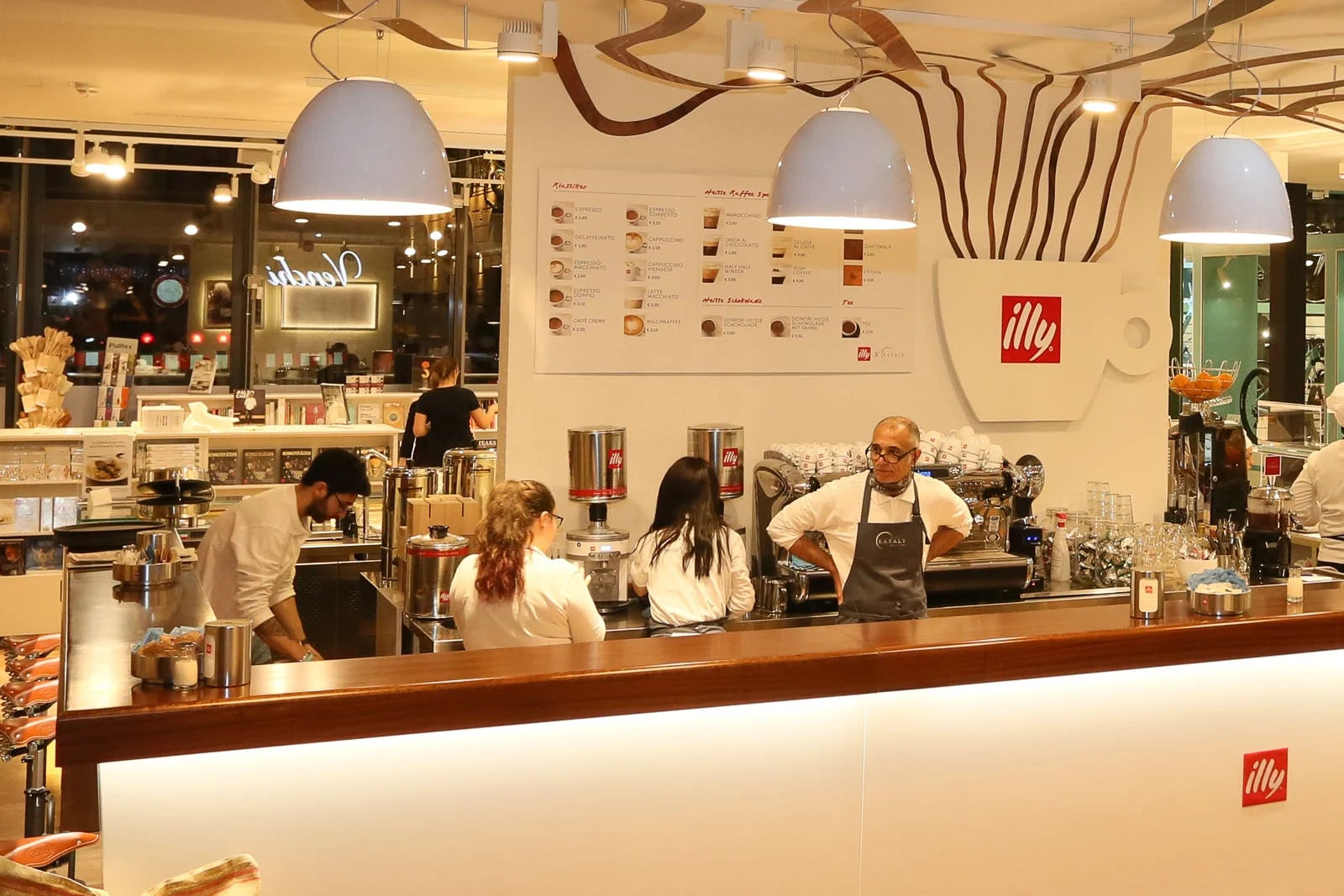
Italian coffee group illycaffè S.p.A. reported a solid performance for 2025, with group revenue rising 12% to €700 million (approximately US$817.2 million), supported by higher volumes across key markets including Italy, the United States, and Europe.

The company said it achieved its fourth consecutive year of strong organic growth despite a challenging environment marked by record-high green coffee prices and geopolitical uncertainty.

Financial Performance

  • Revenue: €700 million (+12%)
  • EBITDA: €90 million
  • Net profit: €20 million
  • Net financial position: €197 million

illycaffè attributed the financial position to higher raw material costs and continued strategic investments, including acquisitions completed during the year.

Commodity Pressure Remains High

The company highlighted significant pressure from coffee bean prices in 2025. Green coffee averaged 368 cents per pound, around three times the long-term historical average and more than 50% higher than in 2024.

illycaffè said it partially offset inflation through pricing strategies and cost-efficiency measures.

CEO Commentary

CEO Cristina Scocchia said the company maintained strong momentum despite external challenges:

“2025 was the fourth consecutive period of strong organic growth for the company, despite a particularly challenging external environment and the sharp rise in raw material prices.”

She added that the company continued strengthening its position across the value chain through targeted investments and integration.

Regional Performance

  • Italy: +14%
  • Europe: +23%
  • United States: +20% (at constant exchange rates)

The United States remained a strategic priority market for the company.

Strategic Acquisitions

During 2025, illycaffè expanded its operations through two key acquisitions:

  • Full acquisition of Swiss distributor Thalwil AG to strengthen its direct presence in European markets
  • 80% stake acquisition in coffee machine manufacturer Capitani, focused on portioned coffee systems for the home segment

The company said these investments strengthen its integration across the value chain, from production to consumer-facing equipment.

Outlook

illycaffè said it expects 2026 to remain challenging due to geopolitical tensions and economic uncertainty. However, it plans to continue supporting growth through international expansion, marketing investment, and sustainable innovation.

Breville Eyes China’s Coffee Market as U.S. Tariffs Pressure Sales

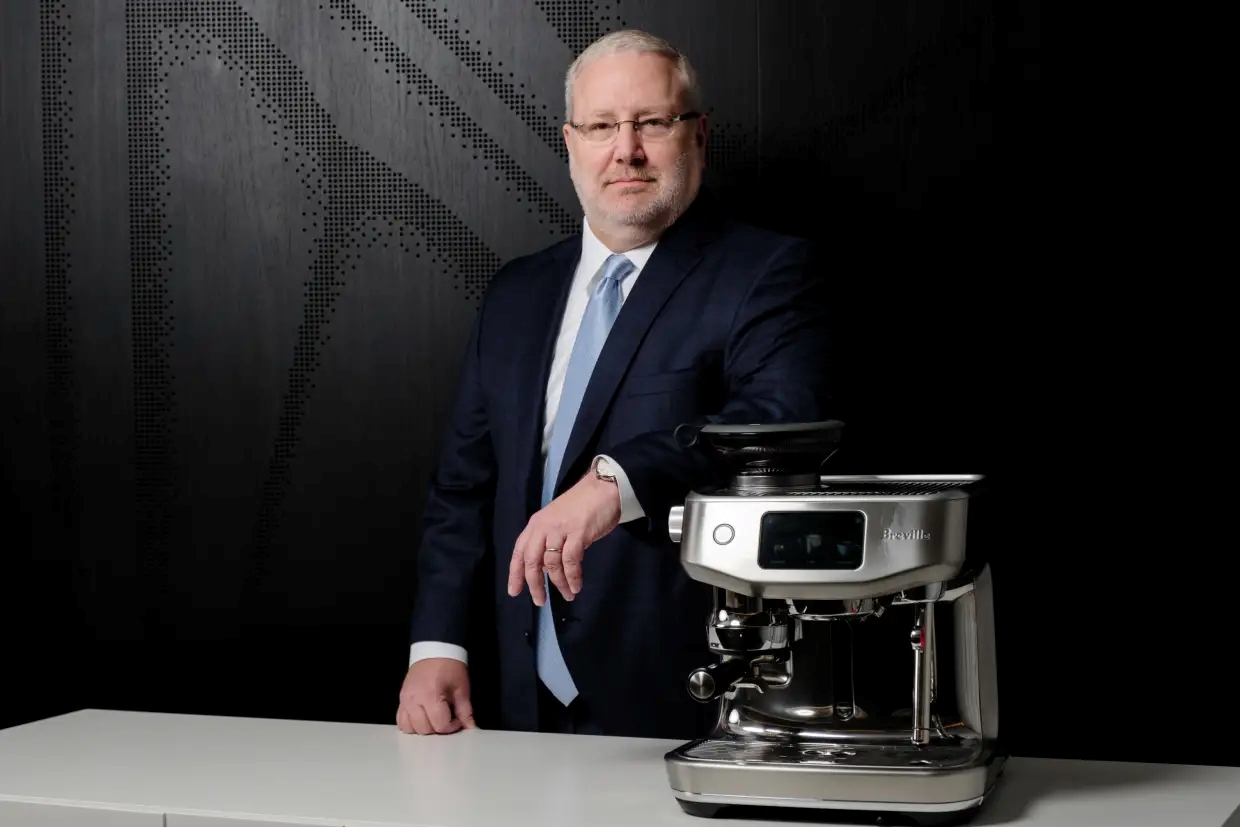
Dubai, 21 August 2025 (Qahwa World) – Breville is looking to China and the Middle East as promising new growth markets for its coffee appliances, aiming to balance the impact of U.S. tariffs on its business. Chief executive Jim Clayton said rising demand for premium coffee machines in these regions provides long-term opportunity, even as higher import duties in the United States pose near-term challenges.

The company, which generates about 40 percent of its revenue from the U.S., has shifted part of its production from China to facilities in Indonesia and Mexico. Clayton confirmed that this diversification strategy will continue through the year to reduce exposure to higher costs.

For the year ending June 30, Breville posted revenue of $1.7 billion, an increase of nearly 11 percent, while operating profit rose just over 10 percent to $204.5 million. Despite the strong performance, investor concerns about tariffs weighed on the share price. Clayton acknowledged that higher input costs remain an issue for the U.S. market but said the company would manage these pressures through supplier negotiations, selective price increases, and new product launches.

Recent highlights include the launch of the Oracle Dual Boiler coffee machine in Australia, with a new grinder and a compact smart oven scheduled for release this month. Coffee appliances remain the company’s leading category, helping Breville deliver double-digit growth across all three of its regional markets in 2025. The business has increased revenue and profit every year since 2015, even during challenging conditions.

Analyst opinions are mixed. Some warn that U.S. tariffs could affect earnings through FY27, raising questions about consensus forecasts of flat growth this year and a return to double-digit gains next year. Others view the current slowdown as temporary, pointing to Breville’s consistent record of expansion and opportunities in international markets. UBS projects that the $5 billion company could more than double sales over the next decade, driven by coffee market growth globally and particularly in China.

Founded over 90 years ago, Breville has grown into a global brand with a presence in more than 70 countries. Known under the Breville and Sage names, the company has built a reputation for innovation in small appliances and premium coffee equipment. Its teams of engineers, designers, and food technologists have helped place Breville at the forefront of its category. The company also emphasizes sustainability and ethical practices across its operations, with a focus on reducing environmental impact and contributing positively to society.

Clayton said that early results in China and the Middle East are encouraging, though still in the early stages, and that both regions represent significant long-term potential. To close out the financial year, Breville declared a final dividend of 19 cents per share, bringing the full-year payout to 37 cents, payable on October 2.