Iran War Drives Up Coffee Production Costs and Threatens Future Supply

Dubai – Qahwa World

The ongoing war involving Iran is increasing production costs in the global coffee sector, mainly due to rising fertilizer prices. These higher costs are raising concern among producers, analysts, and financial institutions about future supply and added pressure on smallholder farmers.

Recent industry assessments indicate that the current harvest cycle is mostly secure because key inputs have already been applied. However, the bigger risk is for the 2026/27 season if disruptions continue.

The situation is closely linked to instability in energy and fertilizer markets. The conflict has disrupted trade routes such as the Strait of Hormuz, an important passage for oil, gas, and agricultural inputs. This has contributed to higher global prices for fuel and fertilizers, both essential for coffee farming.

Fertilizer markets are under strain. Prices for key inputs like urea have increased significantly since the conflict began. Because fertilizer production depends heavily on natural gas, rising energy costs are making the situation worse.

For coffee farmers, especially smallholders, these increases are serious. Fertilizer represents a large part of production costs, and many farmers do not have strong financial protection against price swings. This directly affects their profitability.

In major coffee-producing countries, many growers rely on imported inputs, which makes them vulnerable to global supply shocks. At the same time, they are also dealing with currency changes, climate pressures, and labor shortages.

If the conflict continues to disrupt supply chains and energy markets, coffee production costs may keep rising, which could affect future harvest levels and global coffee supply.
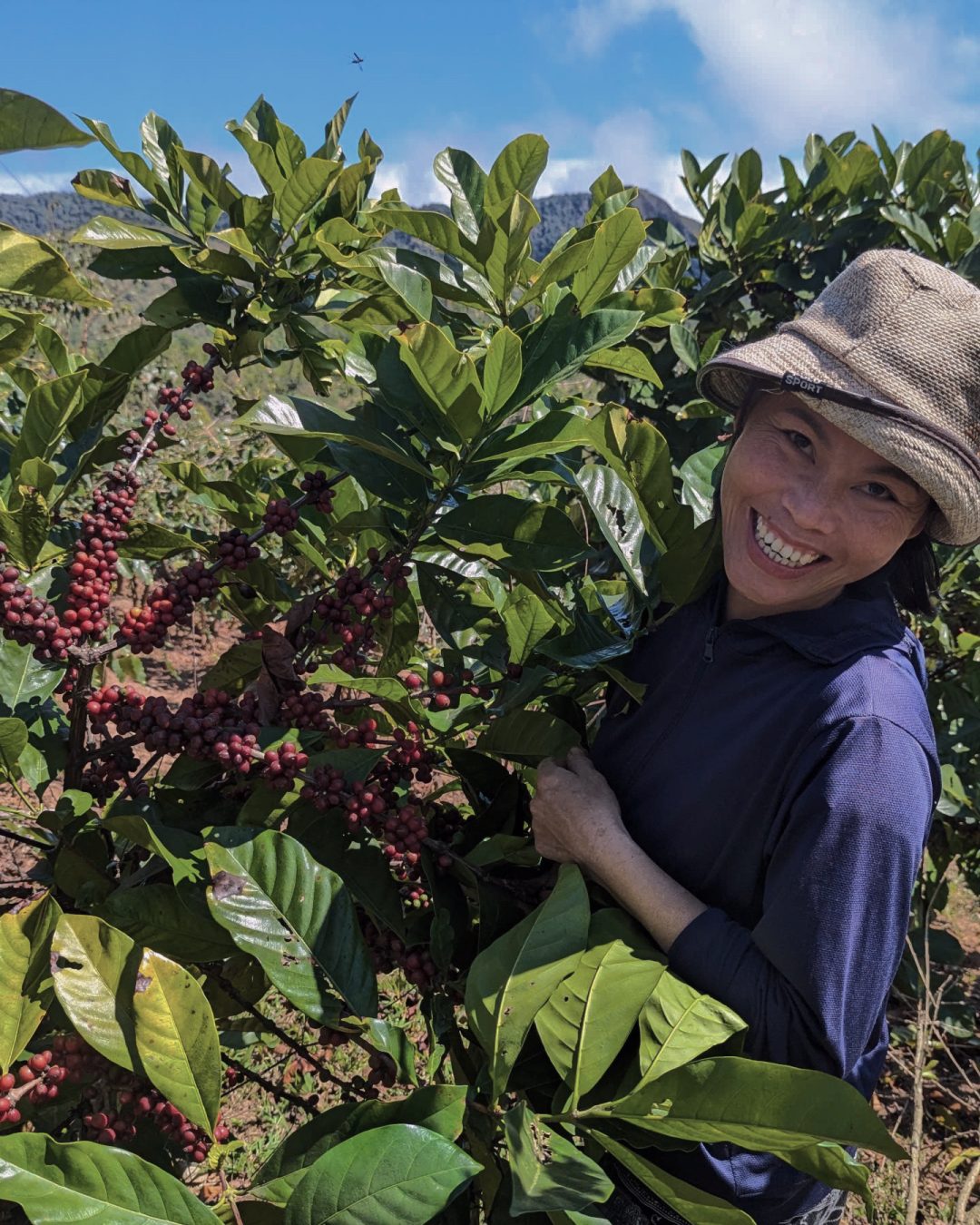
Iran War Drives Coffee Prices Higher as Supply Risks Intensify

Dubai – Qahwa World

Coffee futures rose sharply on Wednesday, hitting a 3.5-week high as markets reacted to escalating disruptions linked to the Iran war and concerns over global supply chains.

The main driver of the rally was growing uncertainty around the Strait of Hormuz, a critical global shipping route. Traders fear that prolonged conflict could keep the passage restricted, pushing up shipping costs, insurance premiums, fuel expenses, and overall logistics costs for coffee exporters and importers.

At the same time, tightness in robusta supply added upward pressure on prices, with ICE inventories recently falling to their lowest level in more than a year.

However, the broader market picture remains mixed. Arabica coffee had recently slipped to a seven-week low due to expectations of a very large Brazilian crop, with multiple forecasts pointing to a record harvest in the 2026/27 season. Larger projected global surpluses in the coming year are also seen as a long-term limiting factor for prices.

On the supply side, Vietnam continues to support global availability through strong export volumes, reflecting higher production levels in the world’s largest robusta-producing country. Meanwhile, Brazil’s export figures have shown recent declines compared with last year, and uneven rainfall in key growing regions is raising some concern about yield stability.

Longer-term projections from agricultural agencies still point to rising global production, particularly in robusta coffee, while arabica output is expected to decline. Even so, global ending stocks are forecast to tighten slightly in future seasons.

Overall, coffee markets are being pulled between short-term geopolitical disruption linked to the Iran war and longer-term expectations of strong global supply growth.

U.S. Troops Consumed Nearly 1 Million Gallons of Coffee During Iran Conflict

Washington — Qahwa World

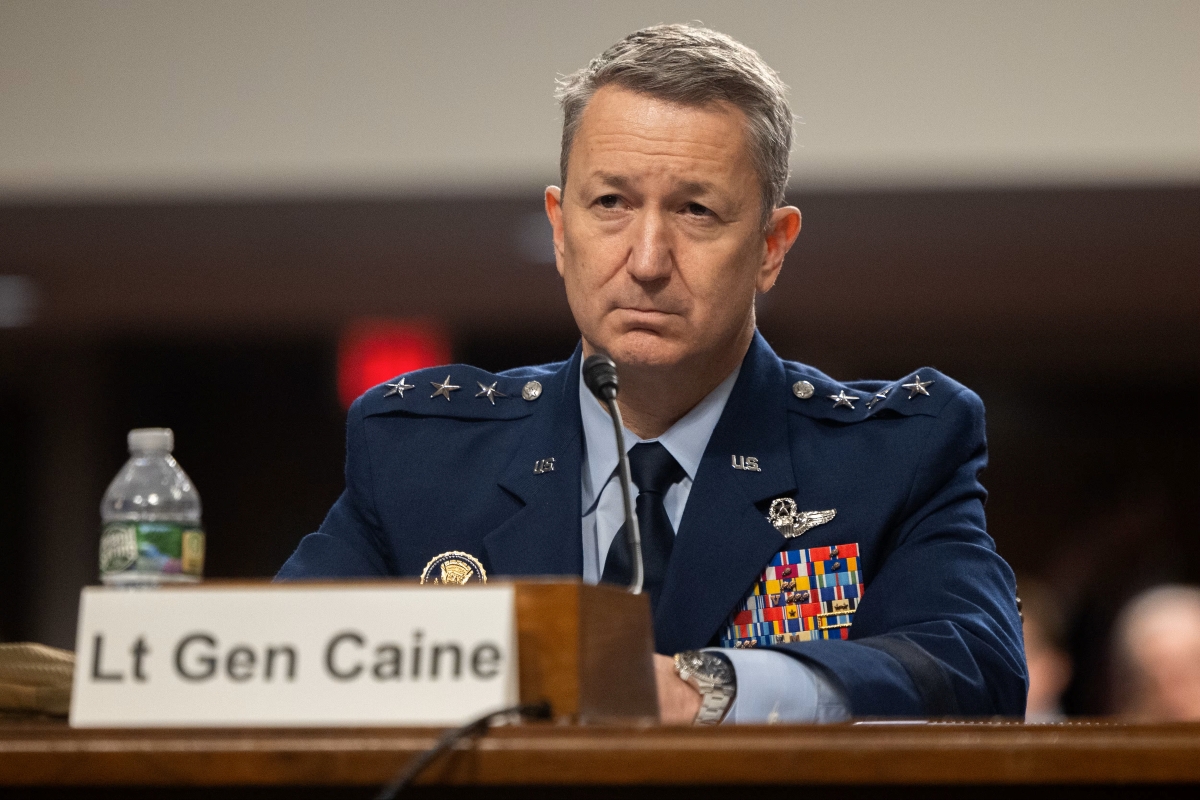
The U.S. military consumed nearly one million gallons of coffee during the recent conflict with Iran, according to Gen. Dan Caine, chairman of the Joint Chiefs of Staff, as a fragile ceasefire begins to take hold.

Speaking to reporters following the announcement of a pause in fighting between the United States and Iran, Caine outlined the scale of daily consumption during Operation Epic Fury, which lasted nearly six weeks.

According to his estimates, troops consumed more than 6 million meals, around 950,000 gallons of coffee, approximately 2 million energy drinks, and large quantities of nicotine. He noted the figures while emphasizing the demanding conditions faced by service members.

Caine highlighted the intensity of the operational environment, describing it as harsh, unpredictable, and physically challenging. He praised U.S. personnel for maintaining resilience and carrying out their duties despite difficult and uncertain circumstances.

“This is tough and unforgiving work,” he said, noting that troops operated in conditions marked by heat, darkness, and constant uncertainty while continuing to fulfill their mission.

Defense Secretary Pete Hegseth stated that while the Pentagon has, for now, completed its immediate objectives, U.S. forces will maintain a presence in the region as the situation develops.

The ceasefire, announced earlier, is intended to create space for continued negotiations between the two sides.