Coffee Prices Rise as Brazilian Real Strengthens and Supply Risks Grow

Dubai – Qahwa World

Coffee futures finished higher on Friday after reversing early weakness, supported by currency movements and renewed supply concerns. March arabica coffee contracts rose sharply, while March robusta prices posted a modest gain.

A key driver of the rebound was strength in Brazil’s currency. The Brazilian real climbed to its strongest level in roughly two weeks against the U.S. dollar, making exports less attractive for Brazilian producers. That shift prompted short covering in coffee futures and helped lift prices into the close.

Weather-related disruptions in Southeast Asia are also lending support. Severe flooding in Indonesia has affected a significant portion of arabica-growing areas in northern Sumatra. Industry officials estimate the damage could cut Indonesia’s coffee exports by up to 15% during the 2025/26 season. Indonesia is a major global supplier, particularly of robusta coffee, and any reduction in output adds to market uncertainty.

Concerns about Brazil’s crop conditions have not faded. Recent data from a private weather firm showed that Minas Gerais—Brazil’s largest arabica-producing region—received far less rainfall than normal in late December. Below-average moisture during this critical period has raised doubts about yield potential for the upcoming harvest.

Inventory trends remain another supportive factor. Arabica coffee stocks monitored by ICE fell to multi-year lows in November before rebounding modestly in recent weeks. Robusta inventories followed a similar pattern, touching their lowest levels in a year before seeing a short-term recovery. Despite the recent uptick, overall stock levels remain relatively tight by historical standards.

On the demand side, U.S. coffee inventories remain constrained. Earlier trade barriers sharply reduced American purchases of Brazilian coffee during late summer and early fall. Although those tariffs have since been reduced, imports have yet to fully recover, leaving supply channels under pressure.

Still, longer-term supply expectations continue to cap rallies. Brazil’s national crop agency recently raised its estimate for the country’s 2025 coffee output, citing improved conditions compared with earlier forecasts. Meanwhile, robusta markets remain weighed down by strong production and export data from Vietnam.

Vietnamese coffee shipments surged late last year, and output for the 2025/26 season is expected to rise further if weather remains favorable. As the world’s largest robusta producer, Vietnam’s expanding supply continues to temper bullish sentiment in that segment of the market.

Globally, mixed signals persist. While international coffee exports have edged slightly lower year over year, production forecasts point to a record crop in the coming season. Arabica output is projected to decline, but gains in robusta production are expected to more than offset those losses. Ending stocks are forecast to fall modestly, suggesting a tighter balance than last year but not an outright shortage.

Overall, coffee prices are being pulled in opposite directions—near-term supply risks and currency dynamics are supporting the market, while expectations of ample global production continue to limit upside potential.

Think Twice Before Ordering Coffee on a Flight, New Study Warns

Dubai – Qahwa World

For many travelers, a cup of coffee is the first comfort requested after takeoff. But a new U.S. study suggests that the water used to brew that inflight coffee may not always meet the same standards passengers expect on the ground.

An independent review of airline drinking water practices has found wide differences in how U.S. airlines manage the water used for onboard beverages, raising fresh questions about the safety of coffee and tea served during flights.

  • Why inflight coffee is under scrutiny

Unlike bottled drinks, coffee served onboard is typically made using water drawn from an aircraft’s internal tank system. That same system supplies water to lavatory sinks and galleys, making its cleanliness critical.

The findings come from the 2026 Airline Water Study, produced by the nonprofit Center for Food as Medicine and Longevity, which analyzed water testing and compliance data from 21 airlines operating in the United States.

Researchers reviewed three years of data, covering late 2022 through 2025, submitted to the U.S. Environmental Protection Agency (EPA) under federal aircraft drinking water regulations.

  • Not all airlines perform the same

The study ranked airlines using a composite Water Safety Score that reflects bacterial test results, maintenance practices, and regulatory violations across each carrier’s fleet.

According to the results, Delta Air Lines and Frontier Airlines ranked among the strongest performers, suggesting more consistent water safety management. Alaska Airlines also placed near the top.

At the lower end of the rankings, American Airlines and JetBlue recorded the weakest scores among major carriers. Several regional airlines scored even lower, with the study identifying higher rates of bacterial indicators in some regional aircraft water systems.

  • What the tests revealed

Across more than 35,000 water samples analyzed in the study, a small but notable percentage tested positive for total coliform bacteria — organisms that are not necessarily harmful themselves but can indicate conditions that allow other pathogens to grow.

While E. coli was detected far less frequently, its presence was treated as the most serious warning sign. The study documented more than 30 E. coli-related regulatory violations, which significantly affected airline rankings.

Because inflight coffee is prepared using this same water supply, the authors argue that beverage service deserves closer attention.

  • Regulation exists — but concerns remain

U.S. airlines are required to follow the Aircraft Drinking Water Rule, which mandates routine testing and regular disinfection of onboard water systems. Airlines must take corrective action when contamination is detected, including repeat testing or shutting down affected systems.

However, the study argues that regulatory compliance does not always translate into consistently clean water. The researchers also raised concerns about enforcement, noting that penalties for violations appear to be rare.

  • Why aircraft coffee water is hard to control

Aircraft water tanks are filled at airports using ground equipment such as hoses and service carts, often drawing from different water sources. According to the study, contamination can be introduced during servicing and persist if tanks and pipes are not thoroughly cleaned — particularly on aircraft used for frequent short-haul flights.

Once onboard, that water may be heated for coffee and tea, but heat alone does not guarantee the elimination of all contaminants.

  • What passengers who love coffee should know

The study does not claim that inflight coffee is unsafe across the board, nor does it assess individual flights. Still, for passengers who want to reduce risk, the authors recommend simple precautions.

These include choosing sealed bottled beverages, opting for canned coffee or espresso-based drinks made with bottled water, or waiting until after landing for a fresh cup brewed on the ground.

For many travelers, inflight coffee will remain a routine part of flying. But as this latest research suggests, what’s in your cup may depend more on the airline than you realize.

Haraz: Where Mountain Agriculture Shapes the Character of Yemeni Coffee

Haraz – Qahwa World

High in Yemen’s rugged western highlands, the Haraz region stands as one of the world’s most demanding and refined coffee-growing landscapes. Farming coffee here is not merely an agricultural activity; it is a disciplined system built on manual labor, inherited knowledge, and a deep respect for natural cycles.
At Jabalbon Estate, this centuries-old approach remains alive, offering a clear field example of how Yemeni mountain coffee is cultivated with precision, patience, and purpose.

The land reclamation process in Jabalbon Estate farms in Haraz
  • Reclaiming the Mountain Slopes

The coffee journey in Haraz begins with land rehabilitation, a physically intensive process essential to survival farming in steep terrain. Farmers remove invasive trees such as acacia, clear wild grasses, and restore collapsed stone terraces using traditional construction methods. These terraces are more than landscape features. They stabilize soil, capture seasonal rainfall, and prevent erosion, forming the backbone of sustainable agriculture in Yemen’s high mountains.

A plot of land in Jabalbon Estate in Haraz, where meticulous care is evident from the very beginning.
  • Precision in Field Layout

Once the land is prepared, plots are carefully mapped to determine planting points. Coffee trees are spaced at approximately two meters apart, a deliberate decision aimed at improving soil aeration, reducing nutrient competition, and allowing balanced root and canopy development. In an environment where every square meter matters, spacing becomes a quality factor rather than a convenience.

In Jabalbon Estate in Haraz, every tree in its plot tells a unique story.
  • The “Buur” Pits: A Local Practice with Scientific Logic

One of Haraz’s most distinctive practices is the use of deep planting pits, locally known as buur. Each pit is roughly one meter deep and one meter wide. These pits are designed to break compact volcanic clay soil, enhance drainage, and reactivate biological life within the ground.
Left exposed for several months, the pits are naturally sterilized by sunlight before being refilled, transforming dense soil into a healthier growing medium ready to receive coffee seedlings.

In Jabalbon Estate in Haraz, the timing of planting is carefully managed.
  • Seasonal Planting Windows

Coffee seedlings are planted during two key periods: March and July. These windows coincide with moderate temperatures and natural moisture from seasonal rains, significantly increasing seedling survival rates and long-term stability.


  • In Jabalbon Estate in Haraz, coffee trees receive continuous care throughout the year, carried out manually with precise professional attention.
    In Jabalbon Estate in Haraz, coffee trees receive continuous care throughout the year, carried out manually with precise professional attention.

Maintaining coffee trees in Haraz requires continuous attention. Due to the soil’s tendency to harden, farmers carry out multiple annual plowing cycles to prevent root suffocation.
Irrigation relies primarily on rainfall, supported by carefully controlled supplemental watering when necessary. Fertilization follows a balanced program focused on strengthening root systems, supporting vegetative growth, and improving cherry quality over time rather than chasing short-term yields.

Jabalbon Estate is located atop the peaks of the Haraz Mountains, where the high altitude is one of the key factors behind its quality and distinction.
  • Altitude: The Silent Quality Driver

Jabalbon’s farms are located at elevations exceeding 2,600 meters above sea level. At this height, cooler temperatures and wide day–night fluctuations slow cherry development.
This extended maturation period increases bean density and contributes to the layered, complex flavor profiles that distinguish high-altitude Yemeni coffee on the global stage.

In Jabalbon Estate in Haraz, patience and continuous effort are two indispensable factors.
  • Patience Before Productivity

Coffee trees at Jabalbon are nurtured for years before reaching full economic production. Peak performance typically begins around the sixth year, when trees achieve physiological stability and consistent output. The philosophy here prioritizes longevity over speed, treating each tree as a long-term agricultural partner rather than a short-term asset.

In Jabalbon Estate in Haraz, between the tree’s flowering and the fruit’s ripening lies a journey that is both challenging and rewarding.
  • Flowering, Maturation, and Harvest

Flowering generally begins in March, followed by a slow maturation period lasting six to seven months. Harvest season starts in October and is conducted entirely by hand.
Only fully ripe red cherries are selectively picked, while unripe or green fruit is deliberately excluded. This strict selection ensures that each harvest reflects the true expression of altitude, soil, and climate.

In Jabalbon Estate in Haraz, there is complete reliance on manual labor.
  • Agricultural Ethics at the Core

Jabalbon Estate operates on principles that define traditional Yemeni coffee farming: manual cultivation, respect for natural rhythms, and refusal to force productivity at the expense of tree health.
Here, quality is not engineered through shortcuts. It is earned through time, restraint, and commitment to the land.

In Yemen’s high mountains, coffee is not grown to be harvested quickly — it is grown to endure.

In Jabalbon Estate in Haraz, irrigation holds special importance and follows precise schedules.

Federico Ortile: Dubai as Global Lab for Coffee Future 2026

Dubai – Ali Alzakary

In the heart of a region whose ambitions know no bounds, the Experience Centre by Simonelli Group in Dubai stands as a beacon, merging manufacturing heritage with the vitality of innovation. It is no longer just about the perfect cup of coffee; it is about building a comprehensive community of experts and creators.

In this exclusive and profound interview, we meet Mr. Federico Ortile, Managing Director of the Group in the Middle East. He takes us on a journey through the stunning figures of 2025—where the Centre welcomed more than 1,000 participants and hosted over a hundred events. But the real excitement lies in what is to come: he reveals his vision for 2026, how intelligent systems and automation will reshape the face of coffee shops in the region, and how the Group plans to empower local and GCC talents to lead the global scene.

We invite you to follow the pulse of the upcoming coffee industry through this inspiring interview:

  • Experience Centre: Activity and Impact

1. What was the primary strategic objective behind establishing the Experience Centre in Dubai, and what role does it play in the Group’s regional strategy?

The main objective of the Experience Centre in Dubai is to serve the coffee community—everyone who wants to learn more about coffee and have a space to grow. To express their knowledge, their expertise; a safe space where they can conduct and promote their products. The second objective is to allow them to experience the latest machines we have. The Experience Centre serves as a bridge between us, the manufacturer, to distributors, sellers, and consumers.

2. Can you provide us with the total number of activities (training, tasting, awareness events) hosted by the Centre from its opening through the end of 2025?

In 2025, we hosted more than 100 events, averaging one activity every three to four days. In addition, we organized roadshows and community events across the Middle East.

3. Could you break down the nature of these activities? For instance, the ratio of certified training courses versus open workshops and cupping sessions?

Activities included:

  • SCA trainings and certifications with local ASTs and international guest trainers.

  • Technical trainings and workshops.

  • Masterclasses and cupping sessions.

  • Competitions hosted by major coffee chains.

  • We even organized the first technician competition in the Middle East and launched the YAME Coffee Scholarship for young talents. The Experience Lab also serves as a hub for professional practice, including SCA competition preparation and judge calibration sessions. Certified training courses represent more than 50% of all activities.

4. What was the total number of participants that the Centre welcomed during 2025?

The Centre welcomed more than 1,000 participants in 2025, a number that continues to surprise us.

5. Which key countries did these participants originate from? Is there a particular focus on certain regional markets (GCC, Levant, North Africa)?

Participants reflect Dubai’s multicultural nature. We welcomed professionals from across the Middle East, Asia (including India, Pakistan, the Philippines, Indonesia, and others), as well as North and East Africa. The audience is highly diverse, with no single market dominating.

6. How many specialized training courses (such as SCA certifications or advanced machine usage training) were conducted? What were the most in-demand programs?

We conducted a wide range of specialized programs, including:

  • SCA Barista, Brewing, and Sensory certifications (up to Professional level).

  • Coffee Value Assessment (CVA).

  • SCA Judge Workshops and Certifications.

  • Judges calibration sessions for competitions.

  • SCA Technician Certifications. SCA CVA certifications and technical training programs were among the most in-demand.

7. How regularly are professional cupping sessions held, and how does the Centre utilize these sessions to enhance regional coffee quality?

We host farmers’ visits and professional cupping sessions every month. While we do not see cupping alone as a direct way to enhance coffee quality, we view it as part of a broader educational approach. Our focus goes beyond cupping to understanding how the same coffee performs as espresso and filter. At the same time, we conduct activities for baristas and technicians to ensure that high-quality coffee is consistently delivered through well-maintained machines and optimized workflows. We also support café owners by consulting on proper equipment selection and setup. This holistic approach, combining education, technical expertise, and operational excellence, is what ultimately ensures quality in every cup.

  • Forward Look: Plans and Vision for 2026

1. What are the key plans for the Experience Centre in 2026? Are you intending to launch new educational programs or forge partnerships with specialized coffee institutions?

By 2026, we will continue our journey of evolving the Experience Lab into a REGIONAL knowledge and cultural hub for coffee. Our key priorities include:

  • Expanding educational programs, with a stronger focus on local Emiratis and GCC citizens, as well as café business performance, moving beyond barista skills into leadership, entrepreneurship, and operational excellence.

  • Strengthening collaboration with specialized coffee institutions, including SCA-aligned academies across the Middle East and culinary schools, to ensure coffee education extends into the culinary world and across the wider region. Our vision is for the Experience Lab to increasingly serve as a place where technology, culture, and business strategy intersect, supporting both emerging talent and established operators.

2. What are the most significant new technologies or product launches anticipated for 2026 that you expect will be transformative for the Middle Eastern coffee industry?

Looking ahead to 2026, we expect innovation to focus less on “new machines” and more on intelligent systems that elevate consistency, efficiency, and sustainability. Key areas of impact include:

  • Advanced data-driven coffee machines, offering real-time feedback on extraction, usage, and workflow efficiency.

  • Greater integration of automation that supports, rather than replaces, craftsmanship, allowing baristas to focus on hospitality, creativity, and storytelling. For the Middle East specifically, these technologies will be transformative in supporting high-volume, premium café concepts without compromising quality or brand identity. We have already introduced innovations that improve cup quality, speed up workflows, and contribute to the economic sustainability of every coffee shop. For example:

  • EasyCream technology enables the automatic frothing of milk and plant-based beverages at the correct temperature and with the right foam consistency. It delivers automation, beverage consistency, and reduces staff training requirements and milk waste during preparation.

  • C-Automation on Nuova Aurelia brings automation into a traditional espresso machine. The machine and grinder share the same coffee recipe through the portafilter, ensuring the correct grind and extraction while avoiding waste. The C-Automation algorithm analyzes every extraction and, when necessary, automatically adjusts the grinder without interrupting operations.

  • Market Analysis, Challenges, and 2026 Outlook

1. How do you assess the evolution of the coffee sector in the Middle East throughout 2025? What were the most noticeable trends (e.g., specialty coffee growth, digitalization of cafés, or sustainability awareness)?

Throughout 2025, the Middle East coffee market continued its rapid expansion. Notable trends included:

  • Sustained growth of specialty coffee, particularly among locally owned brands with strong identities.

  • Increased digitalization of cafés, from POS integration to customer engagement platforms. I still believe that the region needs more time to engage in a truly serious conversation around sustainability, one that shifts from marketing claims to concrete operational decisions. Consumers are becoming more educated, and expectations around quality and overall experience are clearly rising.

2. Relative to the global market, where does the Middle East currently stand in terms of growth, quality standards, and innovation?

The Middle East today stands as one of the fastest-growing and most ambitious coffee markets globally, particularly in terms of investment, café design, and brand building. Historically, the region adopted international concepts; we are now entering a new phase in which the Middle East is becoming a test for premium, experience-led concepts capable of setting trends in the Region. The next step will be transforming local innovation into ideas that can scale and grow beyond the Region.

3. What were the primary challenges faced by the coffee sector in the region over the past year (e.g., logistics, economic pressures, or supply chain issues)?

In the last year, the sector faced several challenges:

  • Supply chain volatility, including fluctuating green coffee prices and longer lead times.

  • Rising operational costs, from logistics to skilled labor.

  • Pressure on cafés to balance premium positioning with profitability. These challenges are forcing operators to rethink efficiency, workflows, and menu complexity.

4. How has the Simonelli Group, and the industry at large, been able to overcome or adapt to these challenges? Simonelli Group has responded by focusing on:

  • Reliability, durability, efficiency, and increased automation in machine design, reducing total cost of ownership.

  • Supporting partners through training, technical support, and workflow consulting, not just equipment sales.

  • Encouraging a mindset shift within the industry from short-term expansion to long-term operational excellence. At an industry level, stronger collaboration between manufacturers, roasters, and café owners is essential to jointly address these pressures.

5. Based on the current trajectory, what is your personal vision for the shape of the Middle East coffee sector in 2026? Do you foresee a year of significant expansion, or a year focused on quality consolidation?

My vision for 2026 is a year of quality consolidation combined with selective, intelligent expansion. We will see:

  • Fewer but stronger café concepts, built on clear identity and operational discipline.

  • The need for greater investment in people—training, leadership, and service culture.

  • Technology being used strategically to protect quality at scale. Ultimately, the Middle East will continue to define coffee not just as a beverage, but as a social, cultural, and experiential platform, and those who align craftsmanship with innovation will lead the next chapter.

6. What is the most crucial piece of advice you would offer to aspiring entrepreneurs and new investors entering the regional coffee sector today?

Focus on differentiation, whether through quality, storytelling, sustainability, or community. The big players will dominate scale, but entrepreneurs can win by creating meaning and experience. It’s crucial to stand out by offering something unique and of high value. Additionally, it’s important to define a specific target audience rather than trying to appeal to everyone. …and Never stop learning and be curious; the coffee industry is vast and constantly changing. By creating a collaborative and educational environment, such as our Nuova Simonelli and Victoria Arduino Experience Lab, we aim to elevate the coffee scene in the Middle East through organizing educational and community activities and providing platforms for knowledge sharing, skill enhancement such as:

  • Instagram page @victoriaarduinoMiddleEast. This page will serve as a central hub for all announcements, including workshops, seminars, competitions, and other exciting activities happening at the Lab.

  • Coffee Knowledge Hub, our global education platform that collaborates with trainers worldwide. This platform delivers courses online and through training centers worldwide, including our Victoria Arduino & Nuova Simonelli Experience Lab.

WOCD 2026 Unveils a Science-Driven Lecture Programme

Dubai – Qahwa World

World of Coffee Dubai 2026 is set to feature a cutting-edge programme of lectures that bring technology, neuroscience, and coffee science to the forefront of the global coffee conversation. Hosted at the Dubai World Trade Centre, Za’abeel Hall 6, the event will gather leading experts to explore innovation, sustainability, and the science behind coffee.

On 19 January 2026, Kato Joshua, Founder of the Institute for Tech Diplomacy and Resource Governance (ITDRG), will present “Coffee Diplomacy: Leveraging Technology to Strengthen Global Coffee Governance.” Joshua will examine how AI and blockchain can enhance transparency, equity, and sustainable trade, particularly in African coffee supply chains. The lecture introduces coffee diplomacy as a framework to support ethical trade, strengthen governance, and foster global collaboration among producers and traders.

Kato Joshua

Innovation continues on 18 January 2026 with Mario Ubiali, Founder and CEO of Thimus, delivering “The Milan Neurobrew: How Neuroscience Helped Create a New Breed of RTD Coffee Drink.” The session will highlight how sensory neuroscience drives rapid prototyping of ready-to-drink coffee products, creating human-centric, de-risked innovations that align with consumer behaviour. Ubiali is a two-time TEDx speaker, professor of Neuroscience for Marketing, and contributor to Nature Human Behavior.

Mario Ubiali

Also on 18 January 2026, coffee science enthusiasts will benefit from James Harper’s lecture, “The Science of Roasting & Energy Transfer: Mastering the Thermodynamics of Flavour.” Harper, creator of the Filter Stories podcast, will explore the evolution of roasting from early machines to modern convective systems, explaining how heat transfer and chemical reactions shape coffee flavour. Known for making complex science accessible, Harper bridges history, physics, and practical roasting insights.

James Harper

These sessions position World of Coffee Dubai 2026 as a global platform for knowledge exchange, emphasizing transparency, innovation, and scientific understanding across the coffee industry.

Xinhua: Coffee Shifts from Social Tradition to Daily Habit in Jordan

AMMAN — Qahwa World

Xinhua News Agency has published a report highlighting the growing role of coffee in Jordanian daily life, as changing lifestyles and urban expansion reshape long-standing consumption patterns across the country.

According to the report, coffee in Jordan is no longer limited to social occasions and formal gatherings. Instead, it has become a regular part of everyday routines, particularly in urban centers such as the capital, Amman, where specialty cafés continue to expand.

Amin Alasoufi, head of the Economic Studies and Research Department at the Amman Chamber of Industry, was quoted as saying that coffee has evolved from a symbol of hospitality into a daily consumer product. He noted that population density, urbanization, and changing work and social habits have contributed to rising demand.

Official data cited in the report show that Jordan imported more than 55,600 tons of coffee in 2024, valued at 151.2 million Jordanian dinars, or approximately 213 million U.S. dollars. Average annual per capita consumption has reached around 5 kilograms, indicating steady and sustained growth.

The expansion of the café sector reflects this trend. The number of cafés operating nationwide has exceeded 1,664, marking a 9.6 percent increase compared with 2023. Many cafés now serve as multipurpose spaces for social gatherings, informal meetings, and study sessions.

Xinhua also quoted Mohammad Odeh, who opened a specialty coffee shop in western Amman three years ago, as saying that coffee consumption remains stable regardless of economic conditions. He explained that while consumers may reduce spending in other areas, coffee continues to be a daily necessity.

From a social perspective, the report cited sociologist Fadia Ibrahim, who attributed the shift to broader changes in social behavior. She noted that traditional Arabic coffee continues to symbolize hospitality, respect, and social cohesion, particularly during weddings, funerals, and reconciliation events. At the same time, modern cafés appeal to younger generations seeking flexible social spaces and diverse flavor options.

In downtown Amman, traditional Turkish coffee houses continue to operate alongside modern cafés, reflecting a balance between heritage and contemporary lifestyles. Saif Abdulmunem, owner of Central Cafe, one of the city’s oldest cafés established in the 1930s, told Xinhua that while modern café concepts have influenced the market, traditional cafés still attract customers seeking authenticity and familiar social environments.

The report concluded that for many Jordanians, the cultural meaning of coffee outweighs distinctions between traditional and modern settings. Ahmad Khalil, a 42-year-old employee from Amman, was quoted as saying that coffee is always the first thing offered to guests, regardless of the occasion, as a sign of respect and hospitality.

Espresso Prices in Ukraine: Regional Trends and Cost Changes

Kiev – Qahwa World

The price of a single cup of espresso in Ukraine continues to rise, reflecting broader shifts in the country’s coffee market. As espresso forms the base of most coffee drinks, changes in its cost directly influence café pricing nationwide.

Data published by Opendatabot shows that in December 2025, the average price of an espresso reached 41 hryvnias. This marks a 17% increase compared to the same period last year, while prices have almost doubled since the beginning of the full-scale war.

Price differences between regions remain noticeable. The Lviv region currently records the highest average price, with a cup of espresso costing 47 hryvnias, up 19% year on year. This is the first time in several years that the region has topped the national price ranking.

The Odesa region follows closely, where espresso is sold for an average of 45 hryvnias per cup.

At the opposite end of the scale, the Khmelnytskyi region offers the lowest prices, with espresso costing around 33 hryvnias, despite an 18% annual increase. Prices remain relatively moderate in the Zaporizhzhia and Kirovohrad regions, where a cup averages 35 hryvnias.

The sharpest annual rise was recorded in the Sumy region, located near the frontline. There, espresso prices increased by 26% over the year, bringing the average cost to approximately 36 hryvnias.

The Espresso Index is commonly used as an economic benchmark, tracking the price of a standard espresso to compare living costs, purchasing power, and inflation trends across different regions and countries.

In related commodity news, global cocoa prices previously hit a record high, with New York futures reaching USD 11,578 per metric ton. By the end of April, however, cocoa bean prices fell by 26% within just two days.

CNN: Starbucks Scales Back Its Presence in Major U.S. Cities

Dubai – Qahwa World

CNN reported that Starbucks is pulling back from its long-standing strategy of saturating major U.S. cities such as New York and Los Angeles, marking a significant shift in the company’s expansion approach.

In a report published on its official website, CNN explained that Starbucks had spent decades trying to become an unavoidable presence on city streets, particularly in large metropolitan areas. However, that era is now coming to an end as the company grapples with increased competition, rising operating costs, and lasting changes in work patterns following the pandemic.

According to CNN, Starbucks is closing hundreds of stores across the United States this year, with a heavy concentration in major cities. The move is part of a broader restructuring plan valued at approximately $1 billion and is being led by CEO Brian Niccol, who joined the company last year from Chipotle with a mandate to revive growth and improve performance.

CNN noted that Starbucks closed 42 locations in New York City alone, representing around 12% of its total stores there. The closures caused Starbucks to lose its position as the largest coffee chain in Manhattan, a title now held by Dunkin’, according to data cited by the network from the Center for an Urban Future. The report added that the company has also shut down more than 20 stores in Los Angeles, 15 in Chicago, seven in San Francisco, six in Minneapolis, five in Baltimore, and dozens of others nationwide.

The report highlighted that Niccol is seeking to reduce store overlap and reposition Starbucks as a “third place” between home and work. CNN quoted a Starbucks spokesperson as saying that the company reviewed more than 18,000 stores in the United States and Canada and closed locations that were underperforming or unable to meet brand standards. Starbucks plans to open new stores and remodel existing ones starting in 2026, including in major cities, featuring updated designs and enhanced customer experiences.

CNN also pointed out that Starbucks is facing intense competition from independent cafés, regional coffee chains, and a growing number of beverage-focused brands offering smoothies, bubble tea, and other specialty drinks. Industry experts cited by CNN said the surge in urban coffee shop openings has eroded store traffic and sales volumes.

The network added that remote work has had a lasting impact on Starbucks’ urban locations, particularly those in central business districts that once relied on large numbers of daily commuters. CNN reported that Starbucks has closed several stores located in downtown office buildings as a result of these structural changes.

In addition, CNN reported that the company has struggled with operational challenges in dense urban markets, including safety concerns and the use of stores as public restrooms. As part of its response, Starbucks recently ended its open-access policy and introduced new in-store rules.

According to CNN, the store closures are part of a broader effort by Niccol to turn around the company after several years of weak sales and strategic missteps. Starbucks plans to renovate around 1,000 U.S. stores over the next year, adding seating and amenities aimed at encouraging customers to stay longer.

However, CNN concluded that the turnaround is proving more difficult than expected. The network noted that Starbucks’ share price has declined this year, and analysts remain cautious, warning that balancing fast service with a comfortable café experience continues to be a major challenge for the company.

Dubai Leads the Future Dialogue of the Global Coffee Sector

Dubai – Qahwa World

In a move that reinforces Dubai’s position as a global center of gravity in the coffee economy, the city is preparing to host World of Coffee Dubai 2026, an event that seeks to outline a new chapter in the history of the industry, shifting coffee from a traditional commodity trade to a knowledge- and innovation-driven sector.

  • A Journey of Quality Through Time

The exhibition’s vision is grounded in the historical progression that shaped today’s coffee culture, while correcting misconceptions and offering authoritative reference content:

The Era of Mass Production (1890–1960):
This period was dominated by “coffee for the masses,” with the focus placed on volume and ease of preparation at the expense of quality.

The Emergence of Specialization (1960–1990):
The early signs of a shift toward higher quality appeared in the 1960s, a movement that led to the official emergence of the term “specialty coffee” in the 1970s. This era marked a growing global focus on origin, quality, and roasting methods.

The Age of Craft and Sustainability (2000–Present):
Today, the industry has entered a professional and mature phase, where coffee has become a social experience supported by technology, alongside an intensified focus on transparency and sustainability.

  • Figures and Ambitions

The fifth edition of the exhibition will take place from 18 to 20 January 2026 at the Dubai World Trade Centre. What began with just 3,000 visitors has grown into an event attracting more than 17,000 visitors and 450 international exhibitors, positioning it as the primary gateway to the regional coffee market, which is projected to reach revenues of USD 38 billion by 2030.

  • Participation Opportunities and Activities

The exhibition offers a range of opportunities for professionals, including:

Roasters Village: A dedicated area for small roasteries to showcase their products directly (AED 9,000).

Brewing Zone and Cupping Rooms: Professional platforms that enable the tasting and evaluation of rare coffees by industry experts.

Innovation Awards and Coffee Auctions: Activities that celebrate creativity and bring exporters and buyers together in a dynamic setting.

“Be a Speaker” Program: A knowledge-sharing platform that allows experts to present their insights on the future of the industry and the impact of technology and artificial intelligence.

An Invitation to Regional Cafés

The exhibition invites cafés across the region to join the World of Coffee Café Network, benefiting from direct sourcing opportunities and professional networking with more than 1,980 brands from 130 countries.

World of Coffee Dubai 2026 is not merely a trade event; it is a global platform that brings farmers together with roasters, investors with baristas, collectively shaping the future of the global coffee landscape from the heart of Dubai.

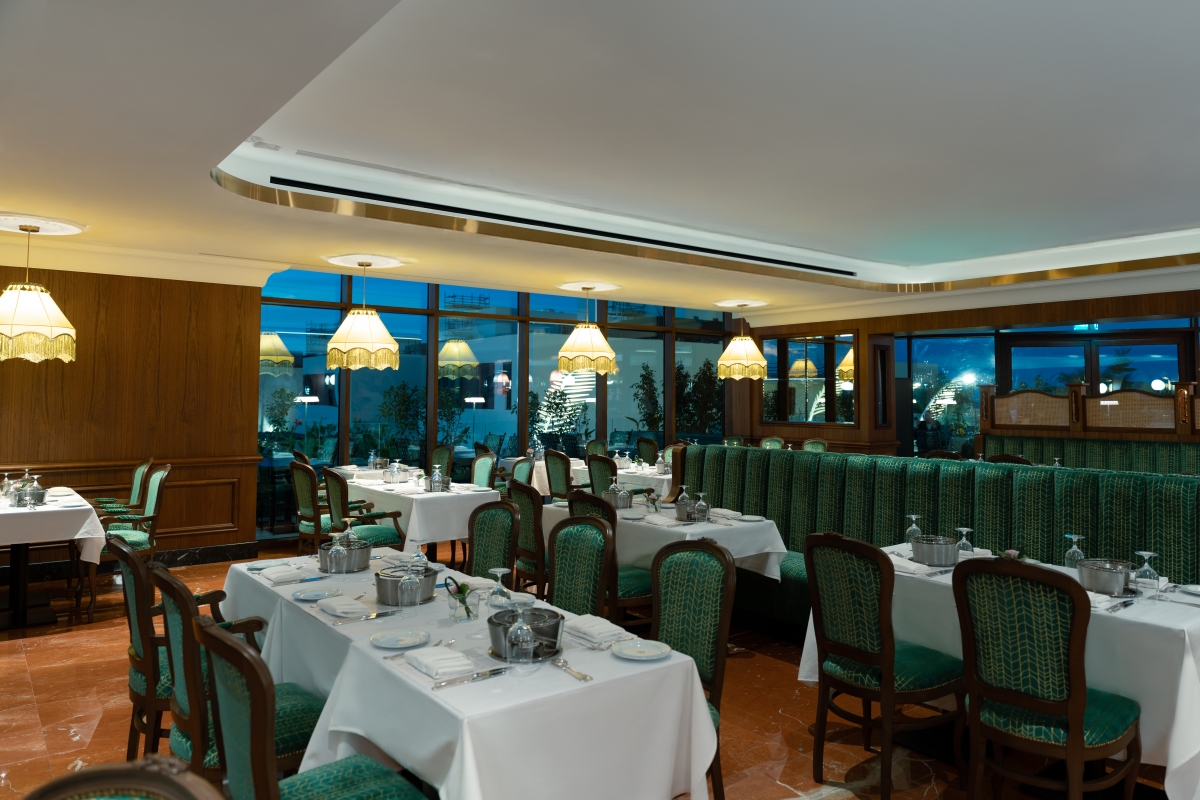
Six Dining Experiences Not to Miss at One Za’abeel in 2026

Dubai – Qahwa World

With 2026 just a couple of days away, One Za’abeel continues to position itself as one of Dubai’s most distinctive dining destinations. The iconic development brings together a curated selection of culinary concepts that reflect global flavors, creative chefs, and contemporary dining experiences.

Located mainly within Culinara, One Za’abeel’s social food hall at The Link on Level 24, these concepts highlight the destination’s philosophy of social dining, discovery, and repeat visits. Below is a curated list of the top six dining concepts at One Za’abeel that are set to stand out in 2026.

  • The Dish

Developed exclusively by Chef Sperxos for Culinara, One Za’abeel’s social food hall, The Dish reinterprets traditional Greek-Mediterranean cuisine with a trendy twist. The concept focuses on colorful seasonal produce, presented with panache and sophistication.

  • Kona By Rief

“Kona,” meaning “flour” in Japanese, brings together the foundations of Italian pizza with bold Asian influences. The menu features a selection of classic pizzas alongside adventurous creations using ingredients such as gochujang, as well as pasta dishes. Kona By Rief is available exclusively at Culinara.

  • Home Bakery Kitchen

A much-loved local phenomenon, Home Bakery Kitchen delivers comfort bakes and all-day classics that are ideal for relaxed meet-ups and casual lunches. The concept is located at The Concourse, Ground Level, and remains a dependable favorite for everyday dining.

  • Poké & Co

Poké & Co offers a contemporary, feel-good dining experience with a strong focus on fresh poké bowls, smoothies, and consciously sourced ingredients. Positioned as a healthy alternative within One Za’abeel’s eclectic dining scene, it is located at The Concourse, Ground Level.

  • Crudo by Roberto Segura

Celebrating Mediterranean and Peruvian cuisines, Crudo by Roberto Segura is led by renowned chef Roberto Segura. The concept emphasizes ultra-fresh raw ingredients sourced directly from the ocean, featuring citrus-marinated ceviches, delicate crudo, sushi, and poke. Crudo can be found at Culinara.

  • The Coffee Lab

Originating from Dubai’s Port Rashid district, The Coffee Lab is a respected local name known for its coffee expertise. Located at Culinara, it offers carefully selected coffee beans and freshly prepared pastries daily, from 7am until late.

Coffee Prices Rise Amid Brazilian Heatwave and Supply Pressures

Dubai – Qahwa World

Coffee markets are seeing an upward shift in prices, driven by weather events in key production regions and tightening global supplies.

March arabica futures rose 1.26%, while ICE robusta for January had previously gained 1.06% before the holiday closure. The Brazilian coffee belt is experiencing a heatwave forecasted to last through Monday, putting pressure on crops and supporting prices.

Additional factors are influencing the market. In Indonesia, recent floods have affected roughly one-third of northern Sumatra’s arabica plantations, potentially cutting the nation’s coffee exports by up to 15% in the 2025-26 season. Robusta production has been less impacted. Indonesia remains the third-largest robusta producer worldwide.

Meanwhile, Brazil’s Minas Gerais region received rainfall during the week ending December 19 that was below average, according to Somar Meteorologia. Reduced precipitation in key growing areas can add bullish pressure on arabica coffee.

Coffee inventories also play a role in market dynamics. ICE-tracked arabica stocks hit a 1.75-year low of 398,645 bags in November before rising to 456,477 bags recently. Robust a inventories similarly fell to near 12-month lows before modest recovery.

US demand for Brazilian coffee remains restrained. Tariffs previously imposed on imports led to a 52% drop in purchases from August to October compared to the previous year. Although tariffs have since eased, US stock levels remain limited.

On the supply side, Brazil’s national crop agency Conab raised its 2025 production estimate to 56.54 million bags, up from 55.20 million in September, signaling an ample supply outlook.

Robusta coffee faces downward pressure amid expectations of strong output. Vietnam’s coffee exports surged 39% year-on-year in November and 14.8% from January to November, according to government statistics. Total production in 2025/26 is projected to rise 6% to 1.76 million metric tons, a four-year high.

Globally, the International Coffee Organization reported a slight decline of 0.3% in coffee exports for the current marketing year, supporting price stability. The USDA projects world coffee output for 2025/26 to reach a record 178.85 million bags, with arabica falling 4.7% and robusta rising 10.9%. Brazil’s production is expected to decrease by 3.1%, while Vietnam’s output could rise 6.2% to a four-year high. Ending stocks are projected to decline by 5.4% to 20.15 million bags.

Overall, a combination of adverse weather in Brazil, flooding in Indonesia, and fluctuating inventories is contributing to upward momentum in coffee prices, even as abundant output in some regions, particularly Vietnam, applies downward pressure on robusta markets.

Bahrain Coffee and Chocolate Exhibition 2026 Returns After Years of Hiatus

Manama – Qahwa World

The Kingdom of Bahrain is preparing for the return of the Bahrain Coffee and Chocolate Exhibition 2026 after a hiatus that lasted several years. The organizers announced that the fifth edition of the exhibition will take place from 14 to 17 January 2026 at Water Garden City in Manama, in the presence of Shaikh Khalid bin Hamood Al Khalifa, Governor of the Capital Governorate.

The exhibition marks the official return of one of Bahrain’s most prominent specialized events in the coffee and chocolate sectors, following its suspension in previous years due to the COVID-19 pandemic and the challenges it imposed on exhibitions and economic events.

The upcoming edition is expected to attract broad participation from companies, factories, and traders specializing in the production and distribution of coffee and chocolate from within the Kingdom of Bahrain, alongside growing regional and international participation that reflects the sector’s recovery and renewed commercial momentum.

According to businesswoman Yasmin Jamal, Chief Executive Officer of Bidayat, the organizing company of the Bahrain Coffee and Chocolate Exhibition, five countries have confirmed their participation in addition to the Kingdom of Bahrain. These countries are Saudi Arabia, the Sultanate of Oman, Kuwait, Egypt, and Ethiopia. She noted that the exhibition management continues to coordinate with a number of embassies in the Kingdom, as well as specialized coffee and chocolate companies from Arab, Asian, and African countries, to take part in this edition, which represents the exhibition’s official return.

Jamal explained that the exhibition will feature a wide range of specialized activities related to the coffee and chocolate industries, aimed at developing the skills and expertise of Bahraini professionals and supporting national efforts to advance the hospitality sector. These activities include a barista competition, children’s artistic activities such as drawing on donuts and cookies, confectionery-making workshops for children, and health awareness seminars held throughout the exhibition days.

She added that the exceptional circumstances caused by the COVID-19 pandemic were the main reason behind postponing the exhibition for several seasons, due to the economic slowdown experienced by certain sectors. However, she noted that the Kingdom has — thanks to God — regained strong economic and commercial activity in recent years, particularly in the exhibitions and trade events sector, paving the way for the exhibition’s return to its normal course.

Jamal expressed her expectation that the 2026 edition will witness strong attendance and wide engagement from visitors and participants, reflecting the growing interest in the coffee and chocolate industry in Bahrain.

She also extended her appreciation to Shaikh Khalid bin Hamood Al Khalifa, Governor of the Capital Governorate, in recognition of his support for organizing the exhibition and his continued commitment to empowering small and emerging Bahraini companies.

Jamal emphasized that the coffee and chocolate industry and trade in Bahrain are experiencing notable growth, with investments reaching millions of dinars, stressing that well-trained national talent represents a key pillar in developing this sector and strengthening its presence in local and regional markets.

She added: “Through the return of the Bahrain Coffee and Chocolate Exhibition, we do not aim merely to bring producers and traders together under one roof, but rather to establish an integrated platform dedicated to developing all aspects of this sector, foremost among them human capital development.”

She concluded by inviting all professionals and enthusiasts in the coffee and chocolate industry to attend the exhibition and participate in its activities.