Coffee, Fasting, and Finding Your Rhythm This Ramadan

Dubai – QAHWA WORLD

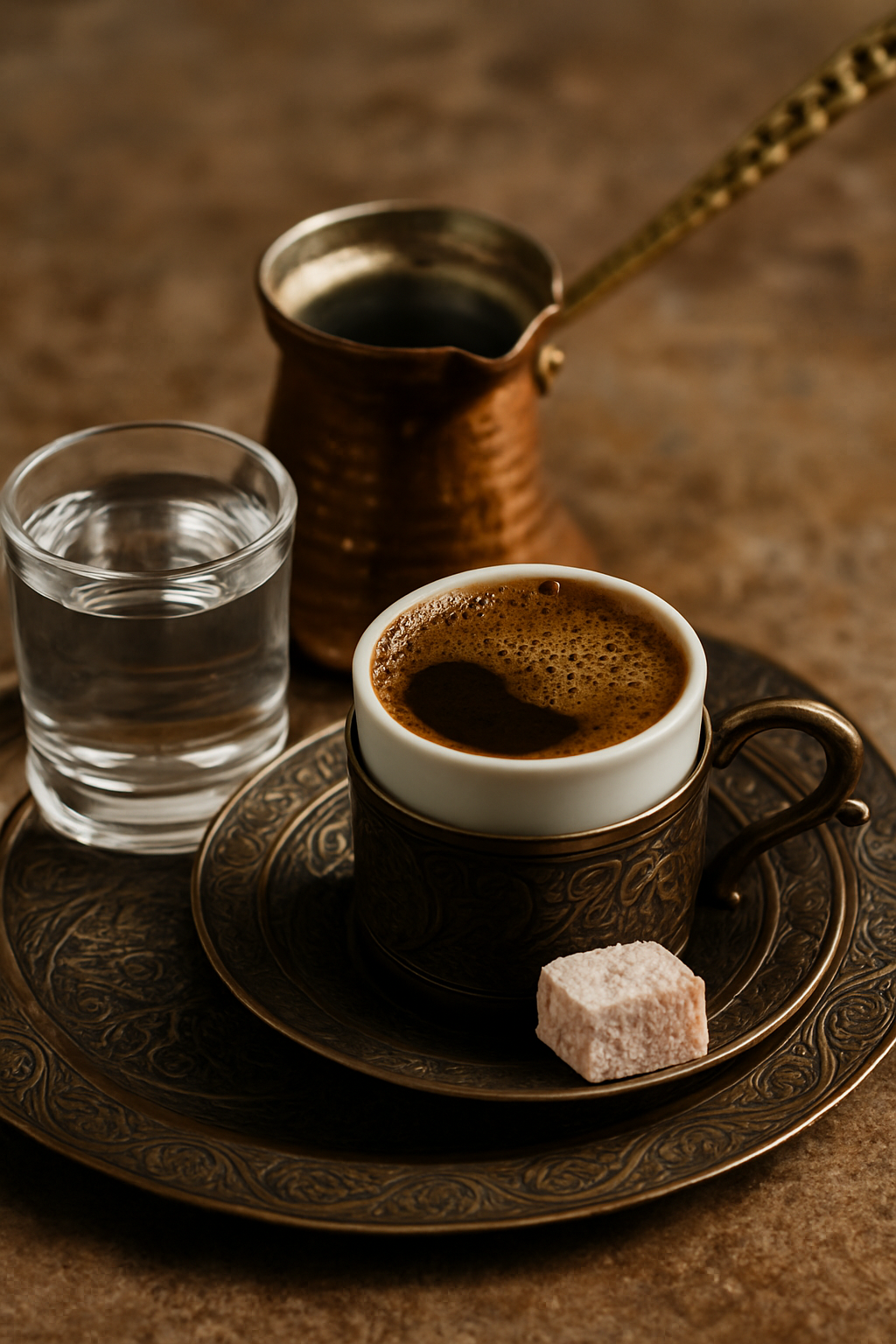
Ramadan is a month of reflection, balance, and heightened awareness of our bodies. Daily routines, including coffee habits, naturally shift during this period. Rather than giving up coffee entirely, many people adjust how, when, and what they drink—a subtle change that can make a big difference.

There is no single “right” way to enjoy coffee during Ramadan. Taste preferences, caffeine sensitivity, work schedules, and sleep patterns are deeply personal. The key is finding what supports your energy and well-being throughout the fast.

  • Suhoor: Starting the Day Mindfully

At suhoor, the pre-dawn meal, caffeine choices are often deliberate. Some find a small cup of coffee helps maintain alertness during the morning, while others skip it to return to sleep more easily after eating. Individual metabolism plays a role: some people feel energized for hours, while others may experience a quick crash or jitteriness.

YOU MAY LIKE: Coffee in Ramadan: Between Traditional Flavor and Healthy Balance 

Choosing a lower-caffeine option can help. Coffees made from 100% Arabica beans naturally contain less caffeine than Robusta while retaining rich flavor and aroma.

  • Iftar and Evening Rituals

Iftar, traditionally opened with water and dates, is followed by a light meal or soup. Coffee is often enjoyed later, once the body has rehydrated and blood sugar levels have stabilized. When savored mindfully, it becomes part of a calming evening ritual rather than merely a stimulant.

Hydration is crucial during Ramadan. Coffee should never replace water, especially on long fasting days. Drinking sufficient water between iftar and suhoor reduces fatigue and headaches more effectively than extra caffeine.

Added sugar can cause blood sugar spikes followed by energy dips. If you enjoy sweetened coffee, consider slightly reducing sugar or pairing your drink with food to minimize its impact.

For those concerned about caffeine withdrawal, decaffeinated coffee can be a helpful bridge. High-quality decaf, such as coffee processed using the Swiss water method, retains flavor while removing most caffeine, offering a gentle alternative without sacrificing taste.

  • Thoughtful Coffee Choices

Ramadan is not about restriction for its own sake—it is about awareness, intention, and care, including caring for your own body. Coffee can remain part of this mindful practice if enjoyed thoughtfully.

Whether you choose to drink less, switch origins, reduce caffeine, or simply slow down and savor your cup, the best coffee choice this Ramadan is one that supports your rhythm, rest, and well-being.

Irina Sharipova: Coffee in its Purest Form

We are delighted to launch our new column at “Qahwaworld.com” titled “QAHWATI” – My Coffee – where we step into the private worlds of celebrities and coffee enthusiasts to discover the secrets of their relationship with this magical drink.

In the “Qahwati” series, we aim to pull back the curtain on the personal lives of industry experts and connoisseurs.

To kick off this series today, we host the renowned certified coffee trainer and expert Irina Sharipova in a moment of serenity, far from training platforms and strict evaluation standards.

For Irina, coffee isn’t just a science or a set of rules; it is a daily ritual that begins with simplicity and ends with exploration. Here, she shares how a professional expert spends her morning, balancing the consistency of batch brew with an endless passion for manual experimentation.

Irina says: “I really like making coffee at home My perfect coffee is batch brew. I honestly love it for its simplicity and balance. When batch brew is done right, it’s clean, smooth, and easy to drink.  I mostly brew with my Moccamaster. It’s reliable, consistent, and fits perfectly into my daily routine. I enjoy the process: grinding the coffee, filling the water, pressing the button, and letting the aroma slowly fill the space. It feels calm and familiar — exactly what I want in the morning.

Lately, I’ve also been experimenting more with manual brewing, especially using Orea, a new funnel I recently started experimenting with. It’s fun, flexible, and gives me a lot of variables to play. I like brewing different coffees with it and seeing how small changes can completely transform the cup. This kind of experimentation keeps coffee exciting for me and reminds me that learning never really stops.

Aside of work, I usually drink my coffee in the morning or early afternoon, without rushing. Sometimes it’s a quiet moment alone, sometimes it’s shared with conversation. I drink my coffee black — I enjoy tasting the coffee as it is, without distractions.”

How Vietnam Turned Coffee Into a Way of Life?

Dubai – Qahwa World

National Geographic has published an in-depth report examining Vietnam’s coffee culture, describing it as one of the most dynamic and inventive in the world—where a once-colonial crop has evolved into a powerful symbol of identity, community, and creativity.

According to the magazine, coffee in Vietnam is far more than a daily stimulant. While many cultures consume coffee quickly or in passing, Vietnamese coffee is typically enjoyed slowly, in social settings that encourage conversation, reflection, and a shared sense of place.

From Colonial Introduction to Global Powerhouse

As reported by National Geographic, coffee was first introduced to Vietnam in 1857 by French missionaries. Early cultivation focused on Arabica beans, which struggled in the country’s climate. Farmers eventually shifted to Robusta, a hardier variety that thrived in the Central Highlands and southern regions.

Following the Vietnam War, coffee became a cornerstone of the country’s economic recovery. Government investment in the 1980s helped transform Vietnam into a major producer, and today it stands as the world’s second-largest coffee exporter after Brazil, the magazine notes.

Innovation Shaped by Scarcity

The report highlights how periods of scarcity fueled Vietnam’s most distinctive coffee traditions. During the 1940s, when fresh milk was difficult to obtain, condensed milk became a staple ingredient. The same era saw the creation of Vietnam’s iconic egg coffee, made by whisking egg yolks with sugar into a rich, creamy topping.

National Geographic also points to the phin filter—a simple metal brewing device—as a defining feature of Vietnamese coffee culture, producing a bold, concentrated brew that reflects both practicality and craftsmanship. Coconut coffee, meanwhile, emerged from the country’s abundance of tropical resources.

Coffee as a Social Ritual

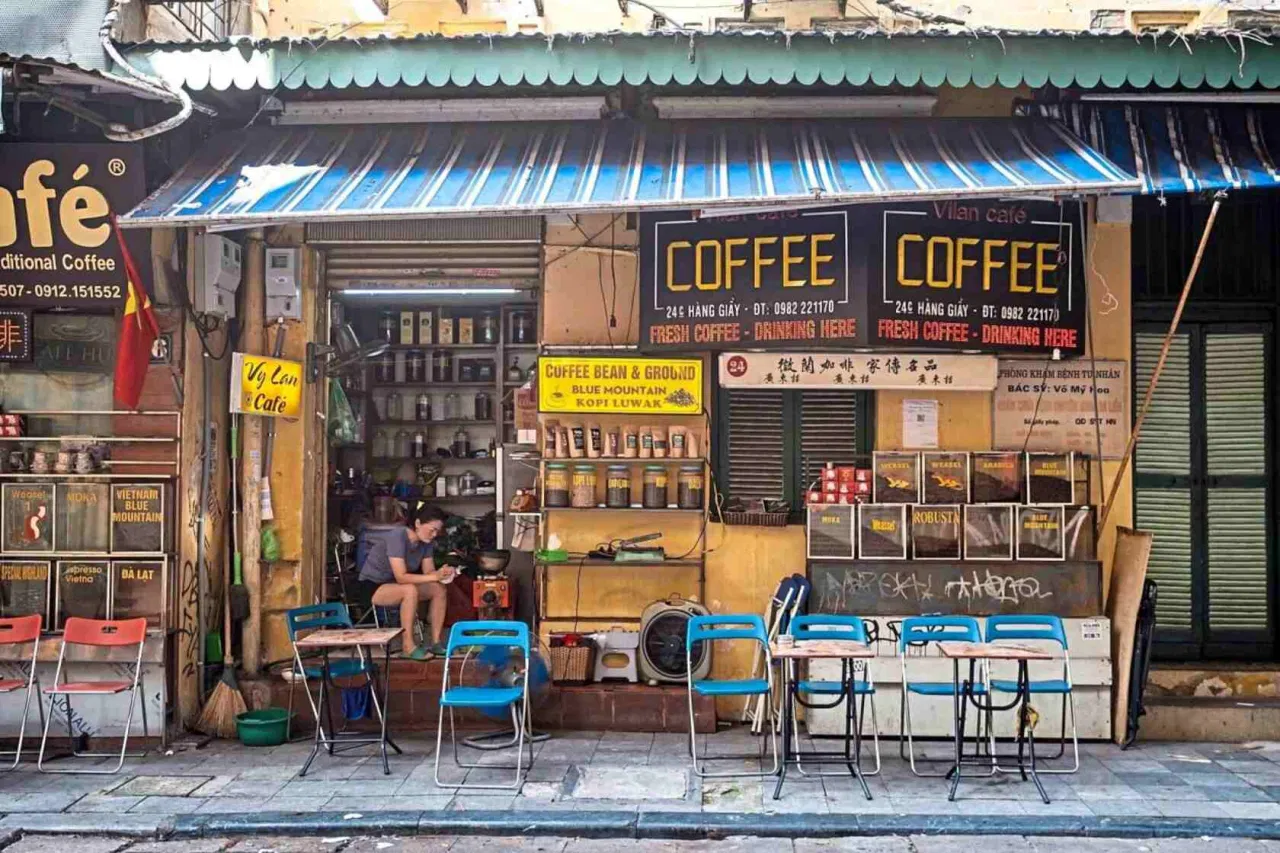
According to voices cited by National Geographic, coffee in Vietnam functions as a social rhythm rather than a rushed habit. From street-side stools in Ho Chi Minh City to neighborhood cafés in Hanoi, coffee drinking is deeply embedded in everyday life.

The magazine reports that this communal approach has increasingly attracted travelers, while younger generations of Vietnamese entrepreneurs are reshaping the industry—focusing on quality, traceability, and thoughtful café experiences that elevate local beans to global standards.

A New Era of Coffee Experiences

National Geographic notes that cities such as Hanoi, Da Nang, and Hoi An now offer a wide spectrum of coffee experiences. Traditional cafés coexist with specialty shops, luxury hotels, and curated tasting programs that introduce visitors to Vietnam’s diverse coffee terroirs.

The report also highlights the growing presence of coffee-based cocktails and modern mixology, where Vietnamese Robusta beans are used to add depth and structure to innovative drinks, reflecting the country’s evolving culinary creativity.

A Living Cultural Legacy

In conclusion, National Geographic emphasizes that Vietnam’s relationship with coffee mirrors the nation’s broader history—shaped by colonial influence, hardship, and adaptation, yet ultimately defined by ownership and pride.

As the magazine observes, drinking Vietnamese coffee today is not simply about flavor, but about experiencing a collective memory of resilience, reinvention, and hope.

Barista Magazine Reveals a Unique Ethiopian Coffee Ritual: Buna Qalaa

Dubai – Qahwa World

Barista Magazine has published an in-depth feature uncovering a rare Ethiopian coffee ritual little known outside the birthplace of coffee. This unique tradition, called “Buna Qalaa,” defies convention — here, coffee isn’t drunk, it’s eaten.
The article, written by Tewodros Balcha, founder of Ethiopia’s Buna Kurs platform, explores how this centuries-old practice turns coffee into both nourishment and a symbol of unity.

With full respect to Barista Magazine’s rights — and given the importance of this report in highlighting one of coffee’s oldest traditions — Qahwa World is republishing and translating it into Arabic and Russian in line with our editorial policy and with the kind permission of Mr. Tewodros Balcha.

We now present this remarkable feature:

Preserving an Age-Old Coffee Tradition With Ethiopia’s Buna Qalaa

In Ethiopia’s southwest, coffee sizzles before it steams. Butter melts over beans, releasing a smoky, nutty aroma that signals not a drink—but a meal.

Among the Guji people of Oromia, a centuries-old tradition known as Buna Qalaa transforms coffee from beverage to sustenance. The beans are simmered whole in butter and milk, and eaten together: a ritual that blurs the line between nourishment and ceremony, taste and belonging.

“’Buna Qalaa’ literally means ‘slaughtered coffee,’” says Nega Wedajo, Deputy Commissioner of the Oromia Tourism Commission. “It refers to a ritualized coffee meal woven into social life—used in ceremonies, blessings, and formal gatherings. It’s not just food. It’s a symbol of fertility, well-being, and community connection.”

Nega is one of many Ethiopians working to gain global recognition for Ethiopian coffee, including the ancient practices that center around the beverage. “Traditions like Buna Qalaa are treasures,” Nega told Barista Magazine. “They keep communities at the center and show the world that coffee is life—not just a drink.”

The Making of Buna Qalaa

According to Nigatu Elias Dukelle, Head of the Coffee Quality and Certifications Center at the Ethiopian Coffee and Tea Authority’s Bule Hora Branch, the preparation of Buna Qalaa is both precise and poetic—a choreography of patience, scent, and sound.

Only ripe coffee cherries are handpicked and sun-dried whole, their parchment still intact. Before cooking, the tip of each bean is slightly cut, traditionally with the teeth, to help the butter seep in.

A clay pot called kelo is heated until faintly smoking. Butter melts first, then the beans are gently stirred in until they reach a light, even roast—never dark or burnt. The buttery beans are transferred into a wooden bowl, the kori, and hot milk, boiled in the same pot, is poured back in, coating each bean. Finally, the mixture is served in a cup known as mudunu.

“The butter penetrates the bean and enriches it,” Nigatu told Barista Magazine. “You chew it slowly, and it stays in your mouth like gum for hours. It fills you deeply. People say it gives long-lasting energy and even keeps the teeth clean.”

Coffee for Every Passage

Buna Qalaa marks nearly every threshold of life—childbirths, naming ceremonies, weddings, reconciliations, and even the close of mourning. In the Borana Gadaa system, it is offered by elders as a sign of respect and continuity.

Beyond nourishment, Buna Qalaa is believed to restore vitality, sustain endurance, and renew social harmony. Prepared in silence or in song, its aroma fills the home, summoning memory and connection: a sensory bridge between generations.

Advocating for Community-Led Tourism

As Ethiopia seeks recognition from the United Nations Educational, Scientific and Cultural Organization (UNESCO) for its traditional coffee ceremony, regional expressions like Buna Qalaa are also gaining visibility.

Through initiatives such as Visit Oromia’s Tour de Coffee and digital collaborations with Google Arts & Culture, travelers are discovering coffee not just as a drink, but as a living heritage. “Visitors who experience Buna Qalaa describe it as slow, sensory, and unforgettable,” Nega Wedajo says.

Nega also emphasizes that tourism around Buna Qalaa must remain community-led: “This isn’t a performance—it’s a living culture. We want travelers to learn directly from local custodians, and we ensure the benefits return to them.”

Tradition Meets Specialty

For Nigatu, who bridges heritage and the specialty coffee sector, Buna Qalaa represents innovation through preservation.

“Specialty coffee talks a lot about terroir and traceability,” he says. “But traditions like Buna Qalaa show another layer—the human terroir. When you eat coffee instead of drinking it, you taste the land, the butter, and the hands that made it. It’s a full sensory connection to origin.”

He believes the ritual holds lessons for the global coffee industry: “We spend so much energy refining flavor in the cup. But here, flavor is tied to nourishment—to coffee as energy, community, and care. Maybe cafés today can learn from that: Sometimes, innovation means returning to the source.”

A Global Reflection

In modern cafés, where precision and presentation define excellence, Buna Qalaa offers a humbler but deeper lesson—that coffee’s truest meaning lies not in its extraction, but in its sharing.

Its pace and ritual echo contemporary movements toward mindfulness, sustainability, and authenticity. It reminds us that coffee’s richness is not only sensory but social: a bridge between nourishment and narrative.

As Nega puts it: “In every bite of Buna Qalaa lies a quiet truth: Coffee began as communion, not competition. In a world chasing novelty, this ritual whispers something timeless—sometimes the future of coffee is found in its oldest form: eaten, not sipped; shared, not sold.”
Turkish Coffee: From UNESCO Heritage to Istanbul Coffee Festival 2025

Turkish coffee is more than just a drink—it is history in a cup. Once at the heart of the Ottoman Empire, this centuries-old tradition is now making a global comeback, captivating coffee lovers far beyond Turkey’s borders.

When we think of coffee today, it might be an espresso, a latte on the go, or a cold brew. But the story of coffee begins with something older, richer, and far more ritualistic: Turkish coffee. It is not just a beverage but a 500-year-old tradition, a cultural bridge, and even honored by UNESCO as part of humanity’s living heritage.

Turkish coffee is about sharing moments. While it can be enjoyed alone, its essence lies in conversation and connection. Coffee’s story began in 15th-century Yemen among Sufi mystics, who drank it to stay awake during long prayers. The Turkish coffee method later took shape in 16th-century Istanbul, where it spread from Ottoman coffeehouses across the world.

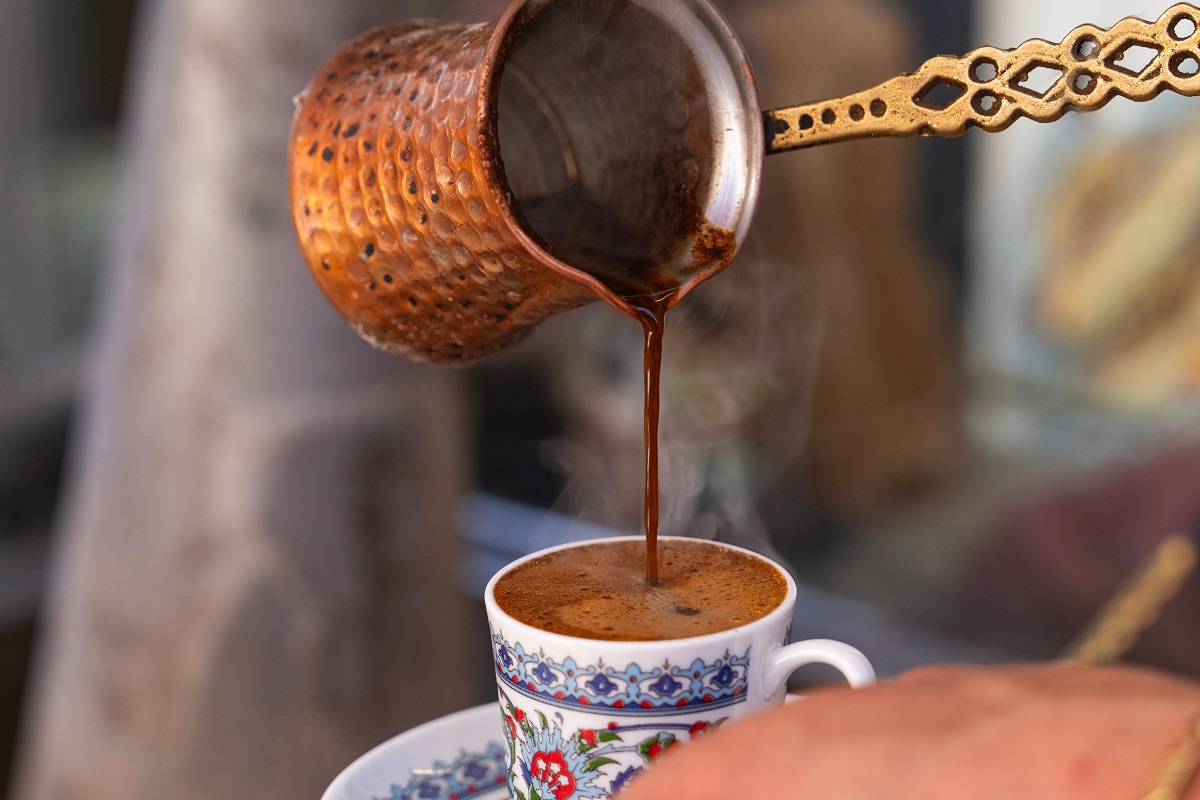
A debate still lingers: some claim Turkish coffee is the same as Greek coffee, but many see it as an Ottoman legacy. What makes it unique is the method. It isn’t brewed but cooked slowly in a small copper pot called a cezve, then served in tiny cups alongside water and Turkish delight. The experience doesn’t end with the last sip—coffee grounds are often used for fortune readings, a playful way to share hopes and laughter.

Even today, Turkish coffee is tied to tradition. In some households, a bride-to-be serves her suitor a salty cup to test his patience before marriage. While it never reached the global fame of espresso, Turkish coffee is finding new admirers, from workshops in London to fortune readings in New York.

UNESCO Recognition

In 2013, UNESCO inscribed “Turkish coffee culture and tradition” on the Representative List of the Intangible Cultural Heritage of Humanity. The recognition celebrated not only the brewing method but also the rituals of hospitality, storytelling, and cultural identity associated with this practice. The listing confirmed Turkish coffee’s role as more than a drink: it is a living heritage passed down through families and communities.

Istanbul Coffee Festival 2025

This September, the conversation about Turkish coffee gains renewed momentum with the 11th Istanbul Coffee Festival, held from September 11–14, 2025, in Kadıköy on the Asian side of the city. The festival has become a landmark event in global coffee culture, bringing together roasters, baristas, brands, artists, and coffee enthusiasts from across the world.

Amid tastings, workshops, and cultural performances, Turkish coffee will take center stage. Organizers often highlight its UNESCO heritage status as part of the festival narrative, reminding visitors that this is not just a drink but a tradition recognized as part of humanity’s collective memory. From demonstrations of the cezve technique to fortune-reading sessions, the event celebrates Turkish coffee as both a timeless custom and a modern attraction.

More Than Caffeine

Ultimately, Turkish coffee is not about the caffeine kick—it is about slowing down, connecting with others, and savoring a shared ritual. As Istanbul hosts thousands of visitors this September, the festival becomes more than an exhibition: it is a living showcase of a heritage that continues to evolve while staying true to its roots.

Five centuries after its birth, Turkish coffee remains what it has always been: a story waiting to be discovered at the bottom of a cup.

In Turkey, Coffee Is More Than a Drink — It’s a Cultural Ritual

Turkish coffee is not simply a drink. It is a ritual, a social bond, and a cultural heritage that dates back nearly five centuries. Recognized by UNESCO on its Intangible Cultural Heritage of Humanity list, the Ottoman tradition of preparing coffee in a cezve has become a symbol of identity for generations in Turkey and beyond.

From Yemen to the Ottoman Empire

As CNN reports, the story begins in 15th-century Yemen, where Sufi mystics consumed coffee to remain awake during long nights of prayer. When Sultan Süleyman the Magnificent annexed Yemen in 1538, coffee entered the Ottoman Empire and soon reached Istanbul. By the 1550s, the city witnessed the rise of its first kahvehane (coffeehouses), which quickly became central to cultural and political life.

Prepared slowly in a copper pot, Turkish coffee differs from most brewing methods: it is “cooked” in water to produce a strong, unfiltered drink topped with foam. Coffeehouses spread rapidly but often drew suspicion from rulers, who feared they encouraged dissent. Similar anxieties later emerged in England, where King Charles II tried unsuccessfully to close London’s coffeehouses in the 17th century.

A Ritual of Hospitality

CNN highlights that in Turkey, coffee represents community. Guests are traditionally offered coffee with water and lokum (Turkish delight). The drink is consumed slowly, giving grounds time to settle — setting the stage for the playful ritual of coffee-cup reading, where the shapes left behind are interpreted for fun as signs of fortune, journeys, or good news.

Turkish coffee even plays a role in marriage traditions: during courtship, a bride-to-be serves coffee to the groom’s family. As a test, she may add salt instead of sugar to his cup, with his reaction taken as a measure of patience and maturity.

From Istanbul to London and Beyond

The influence of Turkish coffee extended far beyond the empire. CNN recounts how in 1652, London’s first coffeehouse opened in St. Michael’s Alley, introduced by a merchant from İzmir and his servant Pasqua Rosée. For a penny, patrons could drink freely while debating news and politics in what became known as “penny universities.”

Despite this reach, Turkish coffee never achieved the global recognition of espresso. Some scholars, CNN notes, believe this is due to generational shifts: for many young people in Turkey, it has become a drink associated with parents rather than innovation.

Tradition and Modern Revival

Others argue that innovation is vital. Turkish coffee ambassadors are working worldwide to showcase the ritual. In London, workshops teach traditional preparation, while in New York, the “Turkish Coffee Room” blends performance, storytelling, and tasseography to captivate new audiences.

Back home in Istanbul, authentic experiences remain easy to find. CNN recommends iconic spots such as Hafız Mustafa, Mandabatmaz on İstiklal Street, and Nuri Toplar in the Egyptian Bazaar. For a modern twist, Hacı Bekir in Kadıköy offers creative interpretations.

A Living Heritage

As CNN concludes, Turkish coffee endures as a living cultural symbol — one that connects history with hospitality, ritual with storytelling. Whether served in a historic Istanbul café, a family home in Safranbolu, or a workshop abroad, every cup carries with it a taste of heritage and a story waiting to be told.

This article is adapted from a feature originally published by CNN Travel. All rights remain with the original publisher. Qahwa World republishes it here for educational and cultural purposes.