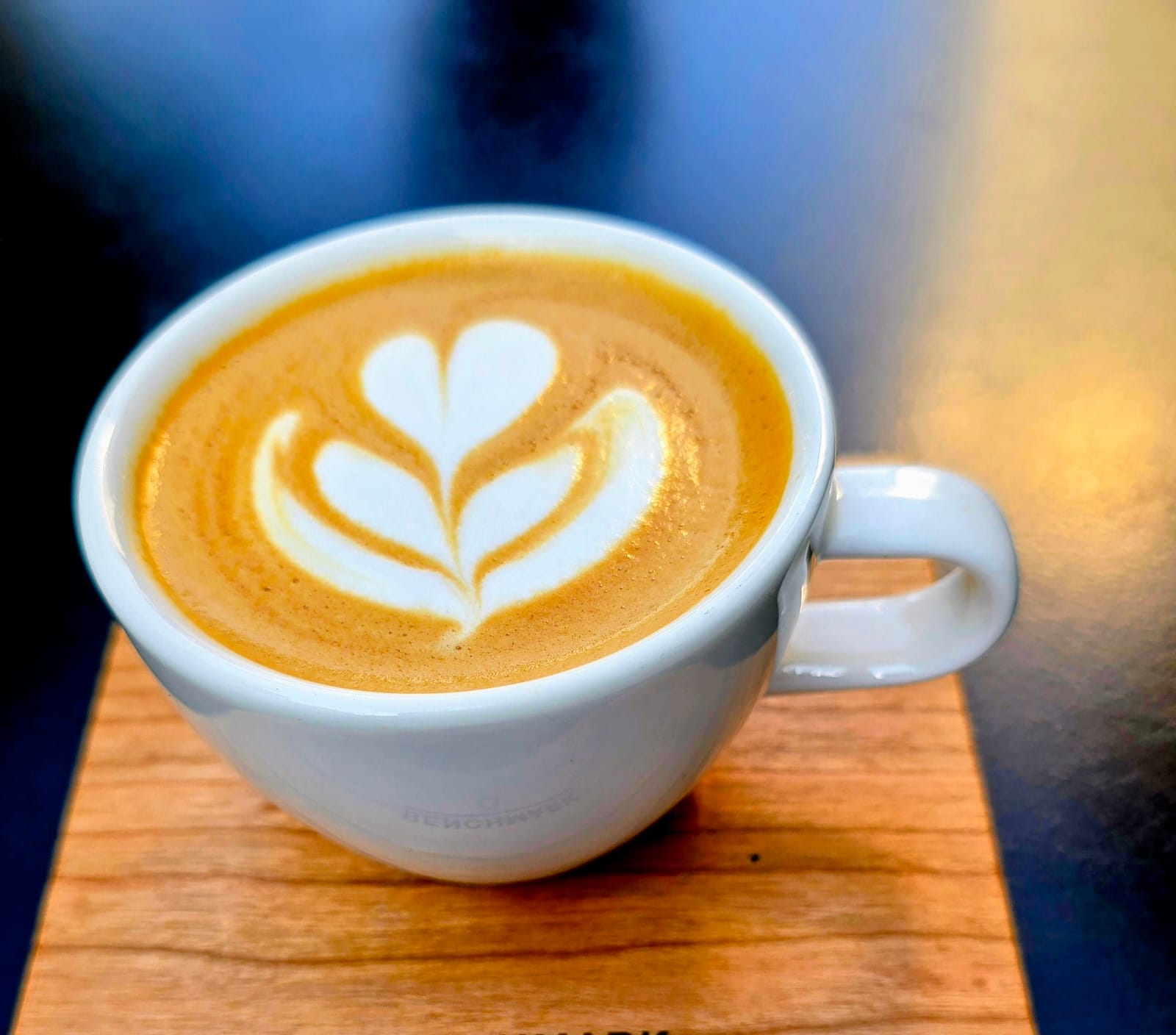
The Silent Cafe is Dying

By: Sonam Sherpa

We are living in a time where most of us know how to brew specialty coffee.

Great equipment, precise recipes, advanced processing methods everything is available. And yet, I’ve tasted many technically perfect brewed coffees that felt without lives.

What do I mean by coffee without life? As generations change, every industry evolves and coffee is no different. Brewing techniques are innovating faster than ever. But somewhere along this journey, we’ve started overlooking something far more important: the customer experience.

At the end of the day, the final goal isn’t the brew. It’s the person holding the cup.

Adding life to coffee doesn’t mean doing more complicated brewing. It means helping the customer feel that the coffee they’re paying for is worth it. Serving coffee alone isn’t enough anymore. Life is added when we share the story behind the cup,like

  1. Where the coffee comes from? 2.How it was processed ?

  2. What makes it unique? 4.Why it was roasted a certain way?

  3. How it’s meant to be experienced when brewed.

  4. And etc

Many of us already share this information. But what’s often missing is communication the ability to express it in a way that customer could connect. Not every customer wants technical details. What they want is something they can relate to. This is where storytelling becomes powerful. In the future, storytelling won’t just be a skill, it will be a necessity. The cafés that stand out will be the ones that communicate a beverage in a way that even a non-coffee drinker can understand and enjoy.

So here’s my encouragement to fellow coffee professionals and café owners:

Learn to tell stories. Learn to communicate. Because when a customer connects with the story, the coffee comes alive.
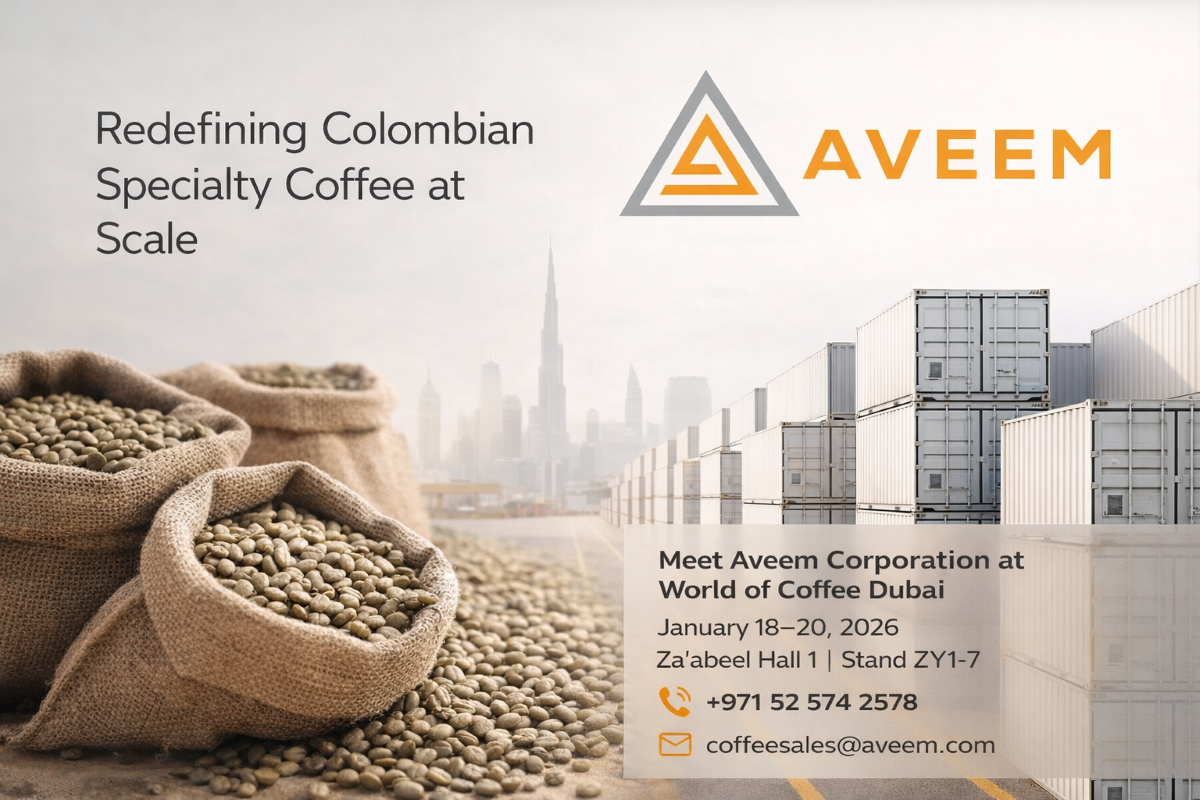
Colombian Specialty Coffee Enters a New Phase of Expansion in the Middle East

Dubai – Qahwa World

Over the past decade, specialty Colombian coffee in the Middle East has largely been defined by small, limited harvests known as microlots. Celebrated for their unique flavors and seasonal character, these microlots helped elevate café culture, introduce consumers to Colombian coffee, and establish the region as one of the fastest-growing specialty coffee markets in the world.

As the market has matured, a major challenge has emerged: consistency. By nature, microlots are small and variable. While they offer distinct sensory experiences, they also create operational challenges. Café owners must continually retrain baristas as flavors change, roasters struggle to maintain consistent roast profiles, and consumers often encounter variability from cup to cup.

With specialty coffee consumption in the Middle East growing at an estimated 8–10% annually, inconsistency has become a barrier to sustainable growth. The market is no longer niche—it now demands scale, reliability, and consistent experiences alongside compelling origin stories.

  • A New Trade Model

Dubai-based Aveem Corporation is introducing a new model by allocating large volumes of Colombian specialty coffee in standardized, repeatable flavor profiles. This approach bridges the gap between microlot exclusivity and market-wide consistency. Two carefully selected profiles are included:

Ecotopo Cusillo – 85 SCA

Regional Nariño – 84.25 SCA

These coffees retain their specialty credentials while offering predictable sensory profiles. Baristas can work with consistent extraction parameters, roasters can maintain stable roast curves, and cafés can deliver a reliable experience to their customers.

  • Market Implications

Importers: Reduced sourcing volatility and improved supply-chain planning.

Roasters: Consistent brand expression across locations and countries.

Cafés: Lower training costs while maintaining high-quality offerings.

Consumers: Reliable, high-quality coffee without compromise.

Data shows that over 60% of specialty coffee consumers value consistency once they find a preferred flavor profile. By transitioning Colombian specialty coffee from fragmented microlots to structured, scalable allocations, Aveem strengthens the entire ecosystem. The move represents a shift from scarcity and experimentation to sustainability and scale in the Middle East’s specialty coffee market.