Roatán Coffee Experience Named Among Top 100 in the Americas

Honduras – Qahwa World

A specialty coffee concept in Roatán, Honduras, known as Spirit Origin Coffee, has been included in the 2026 list of the Top 100 Coffee Shops across North America, Central America, and the Caribbean. The selection process evaluated thousands of coffee shops using a mix of expert assessment and public participation.

Located on the island of Roatán, the concept goes beyond the traditional café model by focusing on coffee experiences at the place of production. Its signature offering is a curated “coffee omakase” session, where small groups of guests are guided through a multi-step tasting of different coffee preparations, often paired with food, in an intimate setting overlooking the Caribbean Sea. Each session is designed to highlight the origin, processing, and characteristics of Honduran coffee.

A key aspect of the project is its emphasis on serving coffee at the source rather than exporting all value-added stages abroad. The experience features Honduran specialty lots, including coffees that have received recognition in quality competitions such as Cup of Excellence, presented directly in the environment where they are grown and processed.

According to the founder, the initiative reflects a shift in how coffee-producing regions can retain more value locally while offering visitors a deeper connection to the product and its origins. The recognition places Roatán on the broader specialty coffee map alongside established destinations in the region.

Beyond its on-site tasting program, the company also distributes freshly roasted coffee internationally, shipping to customers in numerous countries and expanding access to coffee roasted at origin.

As global interest in immersive travel experiences continues to grow, the project positions itself at the intersection of specialty coffee, hospitality, and origin-based tourism, offering visitors a closer look at the journey from farm to cup.

Roseville’s Coffee Passport brews community and business growth

Dubai – Qahwa World

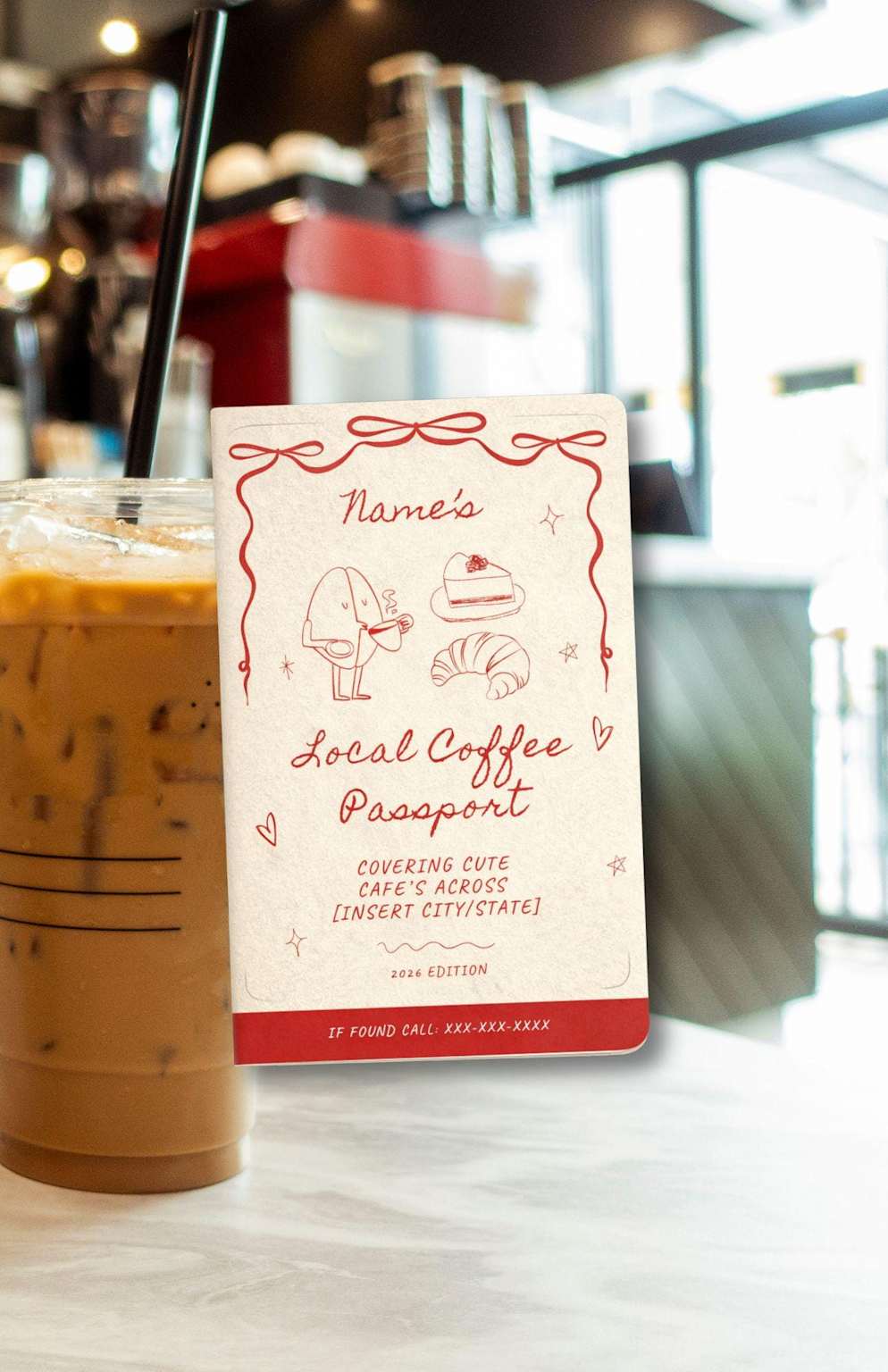
The Roseville Area Chamber of Commerce is putting local coffee on the map with the launch of its first-ever Coffee Passport, a program created to spotlight the region’s rapidly expanding café scene and connect residents with independently owned coffee businesses across Placer County. Introduced in March 2026, the Coffee Passport transforms everyday coffee runs into a curated tour of local shops, inviting people to discover new spaces, flavors, and stories while supporting the small businesses that give Roseville its character.

Unveiled to a wider audience during a segment on FOX40’s Studio40 Live, the Coffee Passport was presented as both a fun local “guidebook” and a serious economic development tool. Chamber representatives explained that 13 coffee companies are featured in the inaugural edition, noting that there are even more coffee businesses in the area than could fit into the first run, a sign of just how quickly the local coffee landscape has grown. From neighborhood roasters to community-focused coffee bars, each participating business becomes a stop in the passport, giving residents a reason to explore beyond their usual go‑to spot.

The mechanics are simple and accessible by design. Coffee lovers can pick up a Passport and start visiting participating cafés, where they receive a mark or check‑in for each shop they experience. The Chamber’s promotional materials emphasize that the Coffee Passport places participating businesses directly in front of 20+ coffee shops’ customer bases as well as roughly 750 engaged Chamber members, amplifying exposure far beyond what most small cafés could achieve on their own. For shop owners, it is both a marketing boost and a chance to be part of a shared regional story about quality coffee and community connection.

​Community is at the heart of the initiative. Chamber leaders describe coffee shops as modern “third places” where people meet friends, hold informal business meetings, study, and work remotely at nearly any hour of the day. By weaving individual cafés into a single Coffee Passport experience, the Chamber hopes to strengthen ties between residents and local businesses, encouraging people not only to buy a drink, but to get to know the people behind the counter and the neighborhoods they serve. Spotlight features on member cafés—such as recent highlights of local roasting companies—reinforce that the Passport is also about telling the stories of the people who make and serve the coffee.

The Coffee Passport does not stand alone; it is integrated into a broader calendar of Roseville Area Chamber programming. The Chamber’s event calendar shows a year-round lineup of breakfasts, bootcamps, and networking sessions, many of which already incorporate a coffee element to “caffeinate and collaborate” local professionals. The Passport extends that culture into the wider community, creating an everyday touchpoint that complements larger business events and helps keep Chamber-member cafés consistently visible.

Looking ahead, the Coffee Passport is set to tie into one of Roseville’s signature events, SPLASH!, the long-running food-and-drink celebration co‑presented by the Chamber and the City of Roseville. SPLASH! 2026, the 30th annual edition, will take place on September 12 and is expected to feature the area’s top wineries, breweries, restaurants, and entertainment for an evening of unlimited tasting and live music. By connecting the Passport to SPLASH!, the Chamber positions coffee alongside wine and beer as part of Roseville’s broader culinary identity and creates a natural moment to recognize Passport participants and highlight the cafés that have helped anchor the program throughout the year.

For local businesses, the Coffee Passport represents a coordinated marketing platform at a time when independent cafés face increasing competition and rising costs. For residents and visitors, it is a low‑cost, high‑enjoyment way to explore their city differently: one latte, cold brew, or espresso at a time. And for the Roseville Area Chamber of Commerce, it is a visible example of how creative, community‑minded programs can simultaneously support small business growth and deepen pride of place in a fast‑growing region.

If you tell me your target channel (press release, news website, magazine-style feature, LinkedIn article, etc.), I can now trim or reformat this story to match word count, headline style, and tone.

How Vietnam Turned Coffee Into a Way of Life?

Dubai – Qahwa World

National Geographic has published an in-depth report examining Vietnam’s coffee culture, describing it as one of the most dynamic and inventive in the world—where a once-colonial crop has evolved into a powerful symbol of identity, community, and creativity.

According to the magazine, coffee in Vietnam is far more than a daily stimulant. While many cultures consume coffee quickly or in passing, Vietnamese coffee is typically enjoyed slowly, in social settings that encourage conversation, reflection, and a shared sense of place.

From Colonial Introduction to Global Powerhouse

As reported by National Geographic, coffee was first introduced to Vietnam in 1857 by French missionaries. Early cultivation focused on Arabica beans, which struggled in the country’s climate. Farmers eventually shifted to Robusta, a hardier variety that thrived in the Central Highlands and southern regions.

Following the Vietnam War, coffee became a cornerstone of the country’s economic recovery. Government investment in the 1980s helped transform Vietnam into a major producer, and today it stands as the world’s second-largest coffee exporter after Brazil, the magazine notes.

Innovation Shaped by Scarcity

The report highlights how periods of scarcity fueled Vietnam’s most distinctive coffee traditions. During the 1940s, when fresh milk was difficult to obtain, condensed milk became a staple ingredient. The same era saw the creation of Vietnam’s iconic egg coffee, made by whisking egg yolks with sugar into a rich, creamy topping.

National Geographic also points to the phin filter—a simple metal brewing device—as a defining feature of Vietnamese coffee culture, producing a bold, concentrated brew that reflects both practicality and craftsmanship. Coconut coffee, meanwhile, emerged from the country’s abundance of tropical resources.

Coffee as a Social Ritual

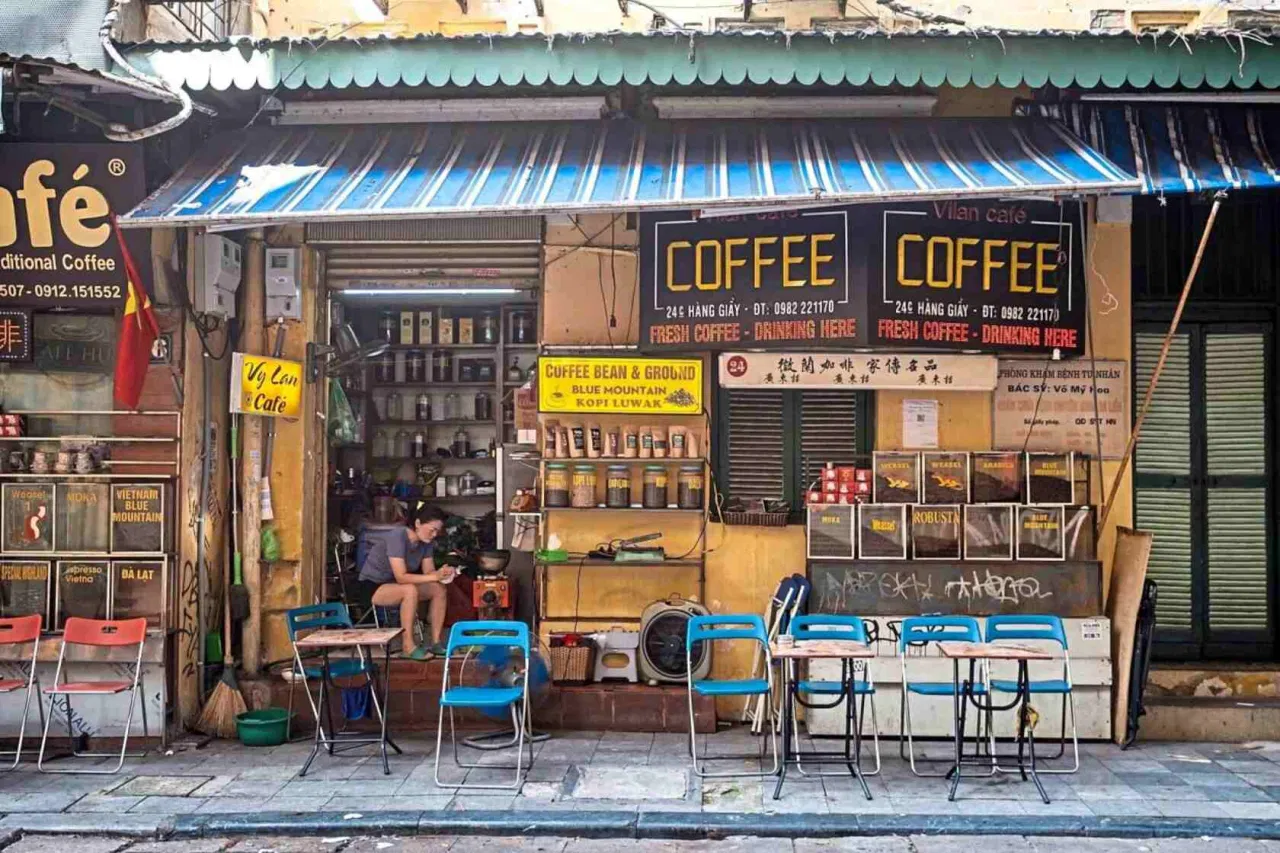
According to voices cited by National Geographic, coffee in Vietnam functions as a social rhythm rather than a rushed habit. From street-side stools in Ho Chi Minh City to neighborhood cafés in Hanoi, coffee drinking is deeply embedded in everyday life.

The magazine reports that this communal approach has increasingly attracted travelers, while younger generations of Vietnamese entrepreneurs are reshaping the industry—focusing on quality, traceability, and thoughtful café experiences that elevate local beans to global standards.

A New Era of Coffee Experiences

National Geographic notes that cities such as Hanoi, Da Nang, and Hoi An now offer a wide spectrum of coffee experiences. Traditional cafés coexist with specialty shops, luxury hotels, and curated tasting programs that introduce visitors to Vietnam’s diverse coffee terroirs.

The report also highlights the growing presence of coffee-based cocktails and modern mixology, where Vietnamese Robusta beans are used to add depth and structure to innovative drinks, reflecting the country’s evolving culinary creativity.

A Living Cultural Legacy

In conclusion, National Geographic emphasizes that Vietnam’s relationship with coffee mirrors the nation’s broader history—shaped by colonial influence, hardship, and adaptation, yet ultimately defined by ownership and pride.

As the magazine observes, drinking Vietnamese coffee today is not simply about flavor, but about experiencing a collective memory of resilience, reinvention, and hope.

Mexican Coffee to Make History in Dubai 2026

Coatepec, Veracruz – Qahwa World

Mexican coffee is set to leave a historic mark at one of the Middle East’s premier coffee events. Casa Tostadora Briones has announced its participation in the upcoming exhibition from January 18 to 20, 2026, at the Dubai World Trade Centre, representing all coffee-producing regions of Mexico in a first-of-its-kind national initiative.

“This is an unprecedented moment,” said José Manuel Hernández García, CEO of Casa Tostadora Briones. “For the first time, all producing states, institutions, and growers are moving forward together. In Dubai, we will present not only our coffee but the story of every hand and every mountain that shapes our harvests.”

The initiative brings together multiple official and civil partners, including: Veracruz Secretariat of Economic Development

  • Chiapas Ministry of Economy and Labor and the Coffee Institute of Chiapas

  • Guerrero Secretariat of Economic Development

  • Mexican Ministry of Tourism

  • Asociación Civil Ayuda Productores Veracruzanos

In addition to promoting Mexican coffee internationally, the project highlights the cultural, natural, and touristic richness of Mexico’s coffee-growing regions and aims to encourage origin-based tourism, showcasing the deep connections between coffee, history, and local communities.

Casa Tostadora Briones has also pioneered new export routes from Mexico to the Middle East, ensuring that every batch maintains its origin identity and high-quality standards.

The company is inviting coffee producers, cooperatives, and associations from across Mexico to join this historic national representation.

The Dubai exhibition will take place January 18–20, 2026, at the Dubai World Trade Centre, Main Halls, bringing together leading figures in the global coffee industry.

World’s Tallest Bridge Opens Glass Café 2,600 Feet Above the Ground

Guizhou, China – Qahwa World

China has added a new marvel to its engineering achievements: the Huajiang Grand Canyon Bridge in Guizhou province — now officially the tallest bridge in the world. Opened to traffic on September 28, the bridge towers over the Beipan River at an elevation of 800 meters (2,624 feet) and now features a breathtaking addition — a glass café suspended high above the clouds.

Named Interstellar Coffee, the two-story café sits atop one of the bridge’s towers, offering 360-degree panoramic views through its transparent glass walls. Visitors can reach the café via a glass elevator that ascends to the top in under one minute, providing an unmatched vertical journey above the canyon.

The café serves Captain George Coffee and plans to expand its beverage offerings in the coming months, according to Guizhou Daily Tianyan News. Alongside the café, the bridge includes a 1,900-foot-high glass walkway and even a bungee-jumping platform, making it a new magnet for thrill-seekers and tourists alike.

At 4,600 feet in length, the Huajiang Grand Canyon Bridge also holds the record for the longest bridge in a mountainous region, according to NBC News. Beyond tourism, the bridge has a significant practical impact: it has reduced travel time across the region from two hours to just two minutes, connecting two major tourist zones and boosting local development.

Constructed over three years and eight months, the bridge stands as a symbol of China’s ongoing infrastructure expansion, part of the government’s efforts to improve connectivity and combat poverty. Guizhou province now hosts over 32,000 bridges, a dramatic rise from fewer than 3,000 in the 1980s.

With its sky-high café and record-breaking engineering, the Huajiang Grand Canyon Bridge combines innovation, tourism, and infrastructure into one remarkable destination — where visitors can literally enjoy coffee among the clouds.

Coffee Industry Boosts Local Economy in Pu’er, China’s Yunnan

Pu’er, Yunnan – Qahwa World

Pu’er City in southwest China’s Yunnan Province continues to strengthen its reputation as the capital of Chinese coffee, combining growing agricultural output with cultural tourism to create a unique economic model that promotes rural revitalization and raises incomes for local communities. Coffee here has become more than just a crop; it is now a cornerstone of both identity and development.

Coffee cultivation in Yunnan dates back to the late 19th century when European missionaries first introduced the plant, but commercial farming only began in earnest in the late 1980s. Since then, Pu’er has developed into the country’s leading production center, benefiting from its mountainous terrain and favorable climate. Today, Yunnan accounts for about 98 percent of China’s total coffee output, and Pu’er alone contributes roughly 60 percent of that. According to official data, the city has more than 45,000 hectares of coffee plantations, producing over 51,000 tons of green beans annually, with an estimated value of 6.3 billion yuan.

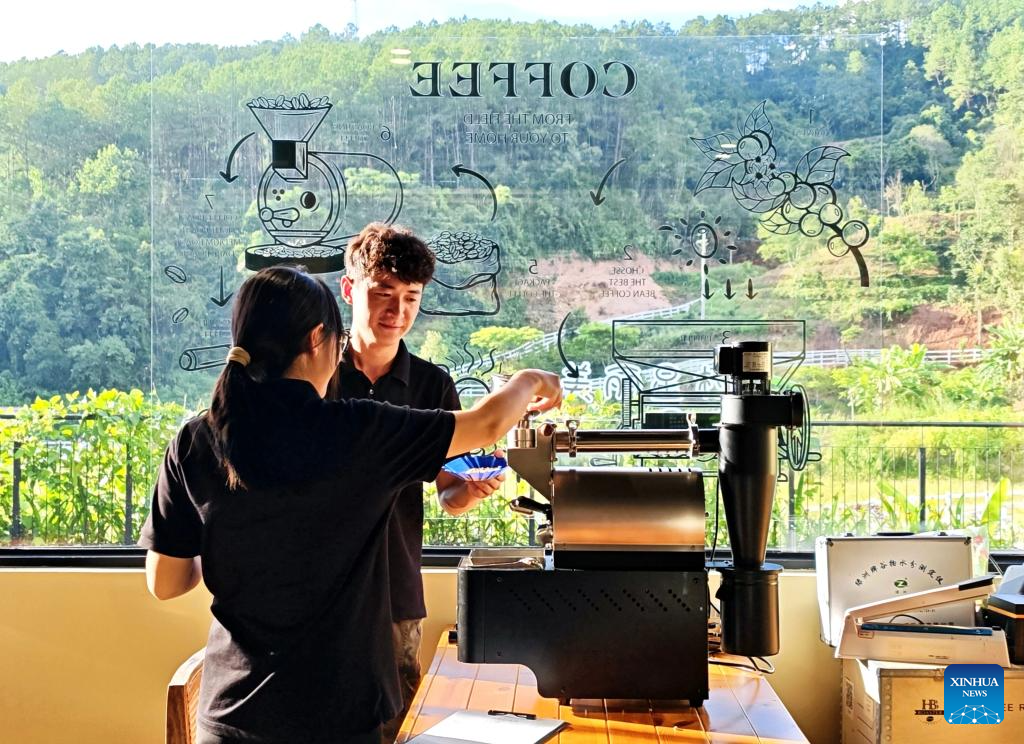
The city’s success, however, goes beyond agriculture. Pu’er has transformed coffee into a comprehensive experience, drawing visitors from across China and abroad. In villages such as Nandaohe in Simao District, tourists can sample freshly roasted coffee, watch the process from bean to cup, and listen to local farmers share their stories. Even the China–Laos Railway has become part of this immersive journey, serving specialty coffee to passengers on board, turning the train ride itself into an extension of the coffee culture of the region.

This approach has significantly boosted the added value of Pu’er’s coffee. In just three years, the added-value rate has jumped from less than 8 percent to over 33 percent, thanks to expanded local processing and the rise of specialty and organic coffee. These high-quality beans fetch much higher prices than commercial varieties, allowing farmers to increase their incomes and compete in premium markets abroad.

Nevertheless, challenges remain. Environmental pressures such as nighttime cold snaps, recurring droughts, and the global impacts of climate change pose risks to yield and quality. Recent studies show that higher altitudes enhance aroma and flavor profiles but also make plants more vulnerable to stress. To counter these risks, farmers are adopting more sustainable practices, experimenting with resistant varieties, and applying modern techniques in soil and water management.

The economic and social impact of coffee in Pu’er is evident. Farmers who once struggled for stable incomes now find opportunities through coffee cooperatives, which provide training, technical support, and marketing channels. The coffee value chain—from cultivation to roasting, packaging, and tourism—creates jobs for local youth and helps reduce rural-to-urban migration. Cafés and small businesses linked to coffee culture further stimulate the local economy, embedding coffee deeply in the life of the community.

Looking ahead, Pu’er aims to secure a distinctive place in the global coffee landscape, not by matching the massive volumes of Brazil or Vietnam but by emphasizing quality, identity, and experience. This strategy aligns with global trends favoring specialty coffee and unique consumer stories. With continued investment in agricultural tourism, value-added processing, and international marketing, Pu’er is positioning itself as more than just a producer—it is building a model of sustainable development that integrates farming, culture, and green economy.

In this way, coffee in Pu’er has grown into much more than an agricultural product. It is a story of transformation that illustrates how a local crop can become a driver of broad-based development, a source of pride for communities, and a bridge linking China’s Yunnan Province to the wider world.

World’s Most Famous Coffee Museums to Visit

Coffee is not just a drink. This is the history, culture and tradition of many different peoples. Coffee museums help to understand them.

Dubai Coffee Museum


Here you will learn how drinks prepared according to national recipes differ. You will see the first devices for sorting, grinding, roasting and grinding.
In addition to specific utensils, the museum has an impressive library. A valuable treasure is the world’s oldest book about coffee. You can taste an unforgettable drink in a truly oriental cafe.

Kaffee Museum – in Vienna, Austria


Founded by Edmund Mayr in 2003 from a personal collection. Now it presents more than a thousand exhibits related to coffee and Viennese coffee traditions:
* Serving dishes;
* Roasters for roasting grains;
* Manual coffee grinders;
* Coffee makers of various types;
* Advertising leaflets and posters.

You will be shown an old English coffee maker, which was used by Ludwig Van Beethoven himself. It still works!

Bramach Tea and Coffee Museum in London


It was founded in 1992 by the merchant and collector E. Bramakh. The exhibition tells about the coffee and tea history in the UK, the origin of national rituals. In the cafe-pastry shop you can enjoy great samples of drinks.

Jens Burg Coffee Museum, Hamburg, Germany


3000 exhibits are able to satisfy the curiosity of the most demanding visitors. These are old coffee grinders, unusual varieties of the drink, a unique bagging machine, the first coffee filters that appeared in 1920. And also accompanying spices, sweets, jams. Guided tours and seminars are held.

Coffee Museum in St. Petersburg


It was opened in 2008 and became the first such institution in Russia. The complex has an exhibition exposition, a tasting room, a demonstration area and a coffee terrace with a view of the Neva River. You will be introduced to the history of the drink, the subtleties of cultivation, the peculiarities of varieties from different regions of the planet. Master classes, fairs, festivals are held here.
If you love coffee, visit one of these museums. And everything is better!