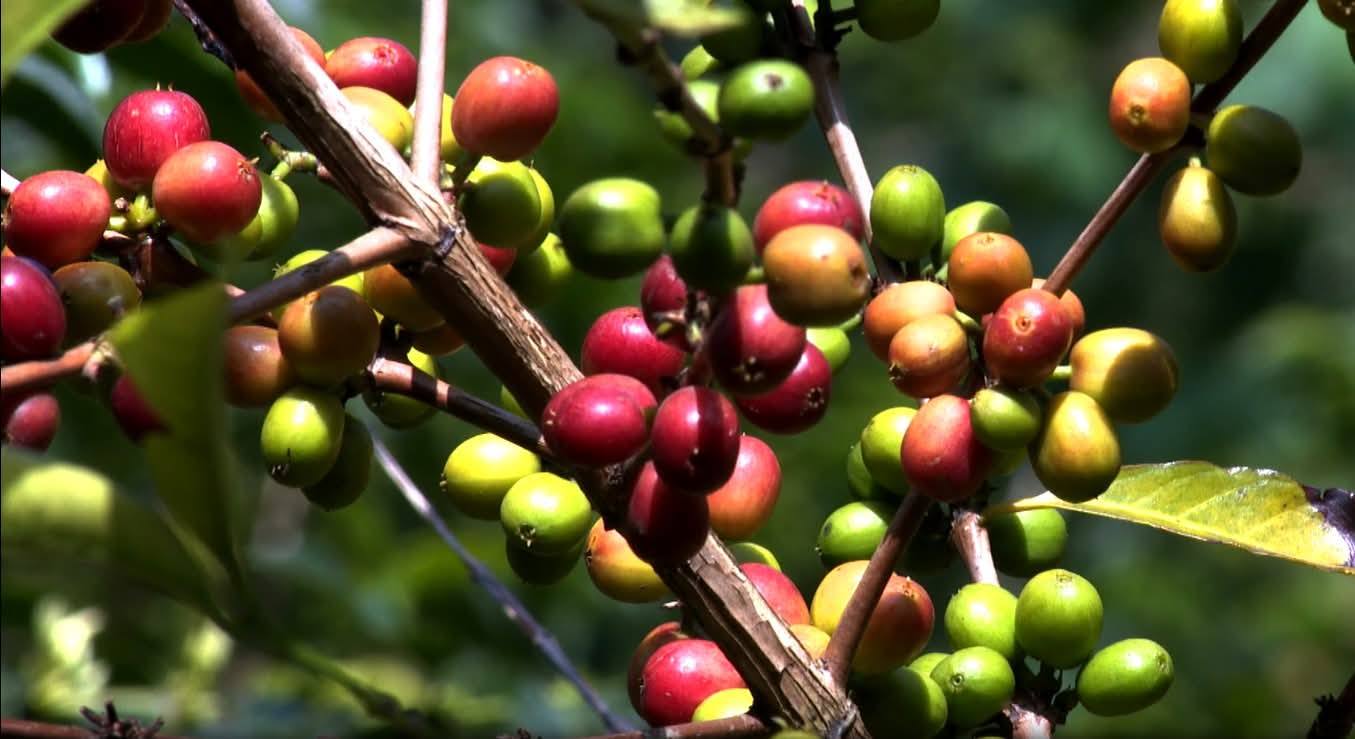
Colombian Specialty Coffee Enters a New Phase of Expansion in the Middle East

Dubai – Qahwa World

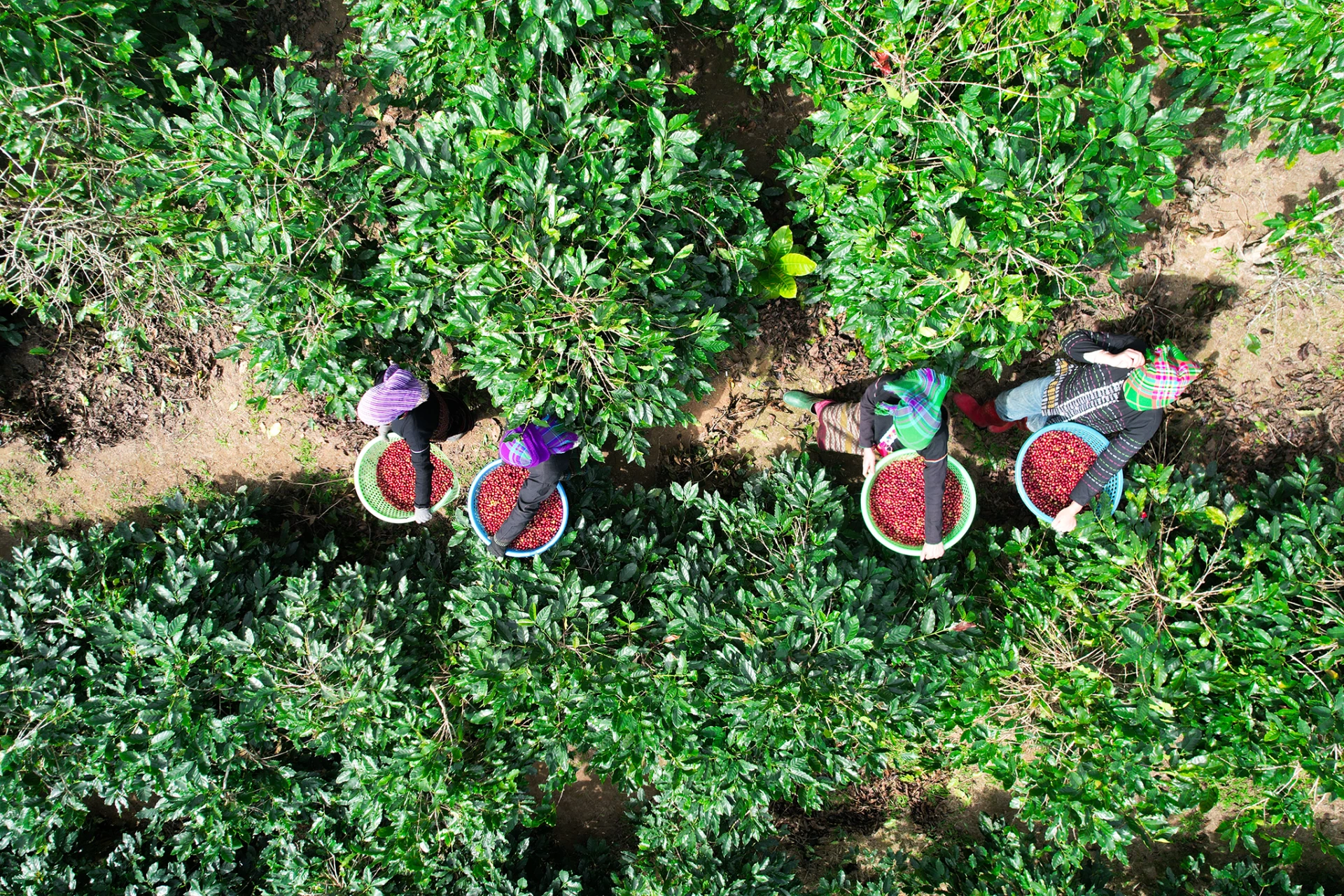
Over the past decade, specialty Colombian coffee in the Middle East has largely been defined by small, limited harvests known as microlots. Celebrated for their unique flavors and seasonal character, these microlots helped elevate café culture, introduce consumers to Colombian coffee, and establish the region as one of the fastest-growing specialty coffee markets in the world.

As the market has matured, a major challenge has emerged: consistency. By nature, microlots are small and variable. While they offer distinct sensory experiences, they also create operational challenges. Café owners must continually retrain baristas as flavors change, roasters struggle to maintain consistent roast profiles, and consumers often encounter variability from cup to cup.

With specialty coffee consumption in the Middle East growing at an estimated 8–10% annually, inconsistency has become a barrier to sustainable growth. The market is no longer niche—it now demands scale, reliability, and consistent experiences alongside compelling origin stories.

  • A New Trade Model

Dubai-based Aveem Corporation is introducing a new model by allocating large volumes of Colombian specialty coffee in standardized, repeatable flavor profiles. This approach bridges the gap between microlot exclusivity and market-wide consistency. Two carefully selected profiles are included:

Ecotopo Cusillo – 85 SCA

Regional Nariño – 84.25 SCA

These coffees retain their specialty credentials while offering predictable sensory profiles. Baristas can work with consistent extraction parameters, roasters can maintain stable roast curves, and cafés can deliver a reliable experience to their customers.

  • Market Implications

Importers: Reduced sourcing volatility and improved supply-chain planning.

Roasters: Consistent brand expression across locations and countries.

Cafés: Lower training costs while maintaining high-quality offerings.

Consumers: Reliable, high-quality coffee without compromise.

Data shows that over 60% of specialty coffee consumers value consistency once they find a preferred flavor profile. By transitioning Colombian specialty coffee from fragmented microlots to structured, scalable allocations, Aveem strengthens the entire ecosystem. The move represents a shift from scarcity and experimentation to sustainability and scale in the Middle East’s specialty coffee market.

Lavazza Museum in Turin: A Journey Through Italian Coffee History

Dubai – Qahwa World

Forbes recently reported on the Lavazza Museum in Turin, Italy, describing it as a must-visit destination for coffee enthusiasts and anyone interested in Italian culture. The museum offers an immersive experience that goes beyond displaying artifacts, engaging visitors through history, technology, and the senses.

  • The Origins of Lavazza

Luigi Lavazza founded his coffee business in Turin in 1895, starting from a small city-centre grocery store. Originally a chemist, Lavazza was a pioneer in creating coffee blends that ensured consistent flavour. He also innovated packaging by using oil-proof paper stamped with his name, preserving aroma and establishing a recognisable brand.

  • Turin and Coffee Culture

While Italy’s first coffeehouse opened in Venice, Turin became a hub for coffee innovation. Historic cafés like Caffè San Carlo, Caffè Florio, and Caffè Bicerin were social centres for intellectuals, politicians, and nobility. In 1884, Turin native Angelo Morindo invented a steam-driven coffee machine, laying the groundwork for modern espresso machines. The city is also known for the Bicerin, a layered coffee, chocolate, and cream drink that remains popular today.

  • A Modern Museum Experience

Housed in the futuristic Nuvola Lavazza building, the museum blends history with interactive technology. Visitors receive a “smart” espresso cup with an embedded chip that activates multimedia exhibits, including videos, recordings, and images.

  • The museum is organised into five main sections:

Casa Lavazza: Chronicles the family business with historical objects, handwritten recipes, and a replica of Lavazza’s original store.

La Fabbrica: Demonstrates the coffee production process from bean to cup, with hands-on and aromatic displays.

La Piazza: Focuses on coffee rituals, featuring antique machines in a piazza-inspired setting.

L’Atelier: Highlights creative projects and collaborations.

L’Universe: Offers a fully immersive 360-degree sensory coffee experience.

The tour concludes with a coffee tasting and a gift shop featuring Lavazza products.

  • Community and Sustainability

The museum is part of the Nuvola Lavazza complex, which includes the company headquarters, restaurants, event spaces, and a design school. Built on the site of a former power plant in Turin’s Aurora district, the project emphasizes community engagement and sustainability, earning Platinum LEED certification.

According to Forbes, the Lavazza Museum is ideal for coffee lovers, history buffs, and anyone curious about Italian traditions, offering a sensory and educational experience that makes it a standout destination in Turin.

Coffee Market in Southern Russia: 2025 Overview

Dubai – Qahwa World

In 2025, the coffee market in Southern Russia experienced steady price growth alongside the expansion of café networks. Data from Check Index and Kontur.Fokus reveal key trends in Rostov Oblast and Krasnodar Krai.

  • Rising Coffee Prices and Consumer Demand

By December 2025, the average price of a cup of coffee in Rostov Oblast reached 209 rubles (+17% YoY).

In Krasnodar Krai, the average price was 223 rubles (+15% YoY).

Despite price increases, consumer demand remained stable, driven by milk-based drinks and combo purchases.

Top Coffee Choices: Over 80% of sales come from cappuccino and latte.
Combo Orders: Many consumers pair coffee with pastries, sandwiches, or desserts.
Average Check: Rostov-on-Don ranked in the top 10 Russian cities over one million residents by café spending, with the average check at 494 rubles in autumn 2025.

  • Café Infrastructure Growth

The rise in prices did not stop café expansion:

Rostov Oblast: 513 cafés (+11.5%)

Krasnodar Krai: 792 cafés (+11.9%)

  • Strategic Opportunities

Experts highlight a shift in growth from central urban areas to residential districts, where high-quality coffee outlets are scarce. This trend opens new opportunities for entrepreneurs in Southern Russia’s coffee market.

Drier Conditions in Brazil Lift Arabica Coffee Prices

Dubai – Qahwa World

Arabica coffee futures moved higher on Wednesday, reaching their strongest level in about four weeks, while robusta prices weakened. March arabica contracts gained modestly, supported by weather concerns in Brazil and currency movements, whereas robusta futures declined amid ample supply from Vietnam.

Lower-than-normal rainfall across key Brazilian growing regions is providing support to arabica prices. Recent data from Somar Meteorologia showed that Minas Gerais—Brazil’s largest arabica-producing state—received significantly less rainfall than usual in late December, raising concerns about crop development. Brazil is the world’s top producer of arabica coffee, making weather conditions there especially influential for global prices.

Additional support came from a firmer Brazilian real, which reached its strongest level in roughly a month against the US dollar. A stronger currency tends to slow export selling, as Brazilian producers receive fewer local-currency returns from dollar-based coffee sales.

In contrast, robusta prices are under pressure due to strong export volumes from Vietnam, the world’s largest robusta supplier. Official figures indicate that Vietnam’s coffee exports rose sharply in 2025, adding to near-term supply availability.

Inventory trends remain a key focus for traders. Arabica stocks monitored by ICE had previously fallen to their lowest level in nearly two years before rebounding slightly in recent weeks. Robusta inventories also declined to a one-year low earlier in December but have since shown signs of recovery.

Demand patterns have also influenced the market. Earlier US tariffs on Brazilian imports reduced American purchases of Brazilian coffee, leading to tighter inventories in the United States. Although those tariffs have since been reduced, buying activity has not yet fully recovered.

Looking ahead, expectations of larger global supplies are limiting further price gains. Brazil’s crop agency recently raised its forecast for the country’s 2025 coffee output, citing improved conditions. Vietnam is also expected to increase production in the upcoming season, with industry groups projecting strong output if favorable weather continues.

On the global stage, export data suggest some tightening, as shipments declined slightly year over year. However, longer-term projections from the USDA point to record world coffee production in 2025/26, driven by growth in robusta output that more than offsets a decline in arabica production. Ending global coffee stocks are forecast to fall modestly, keeping supply concerns on the radar despite higher overall production.

How Vietnam Turned Coffee Into a Way of Life?

Dubai – Qahwa World

National Geographic has published an in-depth report examining Vietnam’s coffee culture, describing it as one of the most dynamic and inventive in the world—where a once-colonial crop has evolved into a powerful symbol of identity, community, and creativity.

According to the magazine, coffee in Vietnam is far more than a daily stimulant. While many cultures consume coffee quickly or in passing, Vietnamese coffee is typically enjoyed slowly, in social settings that encourage conversation, reflection, and a shared sense of place.

From Colonial Introduction to Global Powerhouse

As reported by National Geographic, coffee was first introduced to Vietnam in 1857 by French missionaries. Early cultivation focused on Arabica beans, which struggled in the country’s climate. Farmers eventually shifted to Robusta, a hardier variety that thrived in the Central Highlands and southern regions.

Following the Vietnam War, coffee became a cornerstone of the country’s economic recovery. Government investment in the 1980s helped transform Vietnam into a major producer, and today it stands as the world’s second-largest coffee exporter after Brazil, the magazine notes.

Innovation Shaped by Scarcity

The report highlights how periods of scarcity fueled Vietnam’s most distinctive coffee traditions. During the 1940s, when fresh milk was difficult to obtain, condensed milk became a staple ingredient. The same era saw the creation of Vietnam’s iconic egg coffee, made by whisking egg yolks with sugar into a rich, creamy topping.

National Geographic also points to the phin filter—a simple metal brewing device—as a defining feature of Vietnamese coffee culture, producing a bold, concentrated brew that reflects both practicality and craftsmanship. Coconut coffee, meanwhile, emerged from the country’s abundance of tropical resources.

Coffee as a Social Ritual

According to voices cited by National Geographic, coffee in Vietnam functions as a social rhythm rather than a rushed habit. From street-side stools in Ho Chi Minh City to neighborhood cafés in Hanoi, coffee drinking is deeply embedded in everyday life.

The magazine reports that this communal approach has increasingly attracted travelers, while younger generations of Vietnamese entrepreneurs are reshaping the industry—focusing on quality, traceability, and thoughtful café experiences that elevate local beans to global standards.

A New Era of Coffee Experiences

National Geographic notes that cities such as Hanoi, Da Nang, and Hoi An now offer a wide spectrum of coffee experiences. Traditional cafés coexist with specialty shops, luxury hotels, and curated tasting programs that introduce visitors to Vietnam’s diverse coffee terroirs.

The report also highlights the growing presence of coffee-based cocktails and modern mixology, where Vietnamese Robusta beans are used to add depth and structure to innovative drinks, reflecting the country’s evolving culinary creativity.

A Living Cultural Legacy

In conclusion, National Geographic emphasizes that Vietnam’s relationship with coffee mirrors the nation’s broader history—shaped by colonial influence, hardship, and adaptation, yet ultimately defined by ownership and pride.

As the magazine observes, drinking Vietnamese coffee today is not simply about flavor, but about experiencing a collective memory of resilience, reinvention, and hope.

Hoof Launches Updated Food Menu Across UAE Locations

Dubai — Qahwa World

Hoof, a UAE-based specialty coffee brand, has introduced a new food menu across its cafés, expanding its offering with a range of savoury and sweet dishes designed to accompany its coffee programme.

The menu, now available at selected locations, reflects a farm-to-plate approach and focuses on simple preparations and balanced flavours. Items available across all five branches include the Pulled Beef Sandwich, made with slow-cooked brisket, and the Chicken Harissa and Mushroom Croissant, combining chicken, mushrooms and melted cheese. Sweet options include Vanilla Fruits and Labneh, served with seasonal fruit, honey and granola.

Hoof’s Dubai Mall, Misk, Grove Village and Muweilah branches feature an expanded selection, including the Chicken Katsu Sando and Beef Brisket Egg Benedict. Dessert options at these locations include Raspberry and Pistachio Pancakes.

At the Aljada drive-through location, the menu has been adapted to suit the format, with a smaller selection of exclusive items such as the Monte Cristo sandwich, a Roast Beef Sandwich served on sourdough, and a Matcha Cookie made with white chocolate.

According to Chef Ilya Faril Bandi, the menu was developed to align closely with Hoof’s coffee offering. “Each dish was tested alongside our coffee to ensure balance,” he said. “The aim was to create food that complements the cup without overpowering it, using ingredients that are treated with care and intention.”

Hoof cafés are characterised by a consistent design language across locations, incorporating natural materials and minimal interiors. While each branch reflects its surrounding community, the overall aesthetic remains uniform throughout the brand’s spaces, including Dubai Mall, Misk Sharjah, Grove Village, Muweilah and Aljada.

The brand sources coffee beans from 13 countries and offers a rotating selection of espresso-based and seasonal drinks. Hoof has positioned itself as a destination for specialty coffee while continuing to expand its food offering.

The new menu is currently available at Dubai Mall, Misk, Grove Village and Muweilah, with selected items exclusive to Aljada.

  • About Hoof

Founded in Sharjah in 2018, Hoof is a UAE-based specialty coffee café inspired by equestrian heritage. The brand focuses on coffee quality and craftsmanship, sourcing beans from 13 countries and roasting them through its sister company, Archers.

In addition to its coffee programme, Hoof offers a curated food menu developed using a farm-to-plate approach, with an emphasis on clean flavours and quality ingredients. Hoof operates multiple locations across the UAE, including Muweilah, Misk, Aljada, Grove Village in Ras Al Khaimah, and The Dubai Mall.
#HoofCafe
#HoofUAE
#NewMenuUAE
#UAECafes
#DubaiCafe
#SpecialtyCoffee
#CoffeeAndFood
#CafeCultureUAE
#FarmToPlate
#CoffeeLoversUAE

Ras Al Khaimah to Host 2nd Edition of “Gulf Coffee Maker” Competition

RAS AL KHAIMAH – QAHWAWORLD

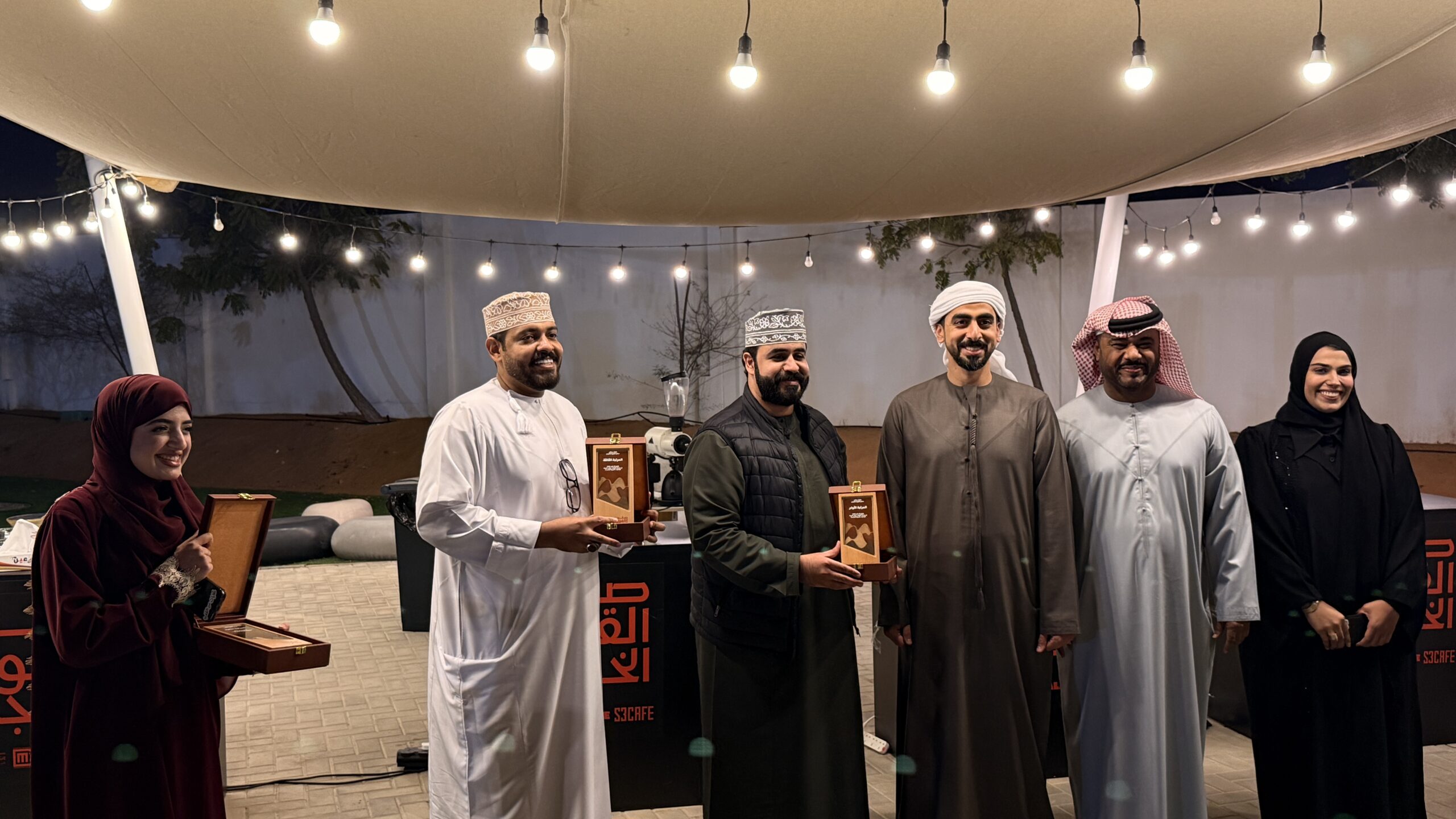
The organizing committee for the “Gulf Coffee Maker” competition has finalized preparations for the launch of its second edition (2026 Cup). Scheduled for this Saturday, January 10, the event will take place at the Ras Al Khaimah Youth Center in the Al Dhait South area. This edition is jointly organized by S 3 C A F E, Coffee Market Innovations, and Palate Coffee, aiming to provide a community-driven competitive platform for coffee enthusiasts.

  • Elite Competition and Significant Rewards

The competition will feature 40 contestants vying for the title of “Gulf Coffee Maker.” A total prize pool of 20,000 AED has been allocated for the winners and audience draws. While four winners will be crowned at the end of the day, the organizers have also prepared 100 raffle gifts specifically for visitors and spectators.

  • Strict Technical Regulations

To ensure the highest standards of fairness, the committee has established rigorous technical guidelines:

Equipment: Each participant must bring their preferred manual brewing tool (e.g., V60, AeroPress, Wave, Clever, or any other manual dripper).

Time Limits: Contestants are allotted 5 minutes for preparation and 5 minutes for the actual brewing process.

Grinding: While an electronic grinder will be provided on-site, participants are permitted to use their personal grinders.

Water Standards: Organizers will provide certified water and kettles. Participants may use their own water subject to prior testing and approval by the committee, though the use of provided kettles is encouraged to save time.

  • Brewing Protocol and Judging Criteria

On the day of the event, each contestant will receive 150 grams of coffee to be used for both training and the preliminary rounds. Those who advance to subsequent stages will receive an additional 50 grams per round. To qualify for judging, contestants must submit more than 100 grams of brewed coffee to the panel.

The competition follows a group format, where the preliminary and semi-final rounds consist of groups of four, with only the top performer advancing. The final round is divided into two categories:

Senior Category: Featuring three finalists competing for the top three ranks.

Junior Category: Featuring a focused competition to determine a single winner.

  • Event Schedule

The day begins at 10:00 AM with contestant registration, followed by training sessions and a specialized exhibition. The official knock-out rounds commence at 5:40 PM, culminating in the grand finale and an awards ceremony at 8:40 PM.


Entrecôte Café de Paris Arrives at St. Regis Al Mouj Muscat Resort

Muscat – Qahwa World is proud to introduce Entrecôte Café de Paris to its offerings.

A Parisian taste arrives in Muscat as Entrecôte Café de Paris opens at St. Regis Al Mouj, Muscat Resort. It introduces its world-renowned single-menu concept and the original Café de Paris butter— a recipe guarded for four generations.

The story of Entrecôte Café de Paris began in 1930 in Geneva, at Café de Paris on Rue du Mont-Blanc. It was here that patron Chef Boubier created the now-famous Café de Paris butter. This recipe’s exact composition remains a closely held secret to this day.

In 1942, Chef Boubier passed the recipe to his daughter and son-in-law, Arthur Dumont. They transformed the restaurant into a concept that would redefine simplicity in dining. Their idea was precise and uncompromising: a single-menu formula. This included a fresh green salad, 180 grams of prime entrecôte steak, generously served with the signature Café de Paris butter, accompanied by homemade French fries.

The formula achieved immediate and enduring success. While many have attempted to replicate both the menu and the sauce, none have matched its distinctive flavour, texture or legacy — a philosophy captured in the restaurant’s enduring motto, “Toujours Imité, Jamais Égalé”; Always Imitated, Never Equaled.

Now arriving in Muscat, Entrecôte Café de Paris offers guests an experience defined not by choice, but by mastery.

Today, this legacy is upheld by the Vouillamoz family, custodians of Café de Paris in Geneva and guardians of the original butter recipe. The butter is prepared exclusively in Geneva, following the same closely guarded method established decades ago. Moreover, the Café de Paris butter continues to be made where the story began. From there, it is transported by air from Geneva to Entrecôte Café de Paris restaurants around the world. This ensures that each plate served remains faithful to its origins — authentic, uncompromised, and unchanged.

Why Dubai Coffee Traders Must Prepare for EUDR now?

The December 2026 EUDR deadline will reshape how African coffee reaches European consumers — and traders in the Gulf are caught in the middle.

By Raymond Reuel Wayesu

Dubai has become the Middle East’s dominant coffee trading hub, with re-exports valued at nearly $1 billion annually and over 615 licensed traders operating through the DMCC Coffee Centre. Much of this coffee originates in East Africa — Ethiopia, Uganda, and Kenya — and is destined for European roasters and retailers.
But a regulatory storm is approaching that threatens to disrupt these established trade flows.

  • What is the EUDR?

The EU Deforestation Regulation (Regulation 2023/1115), which takes effect on 30 December 2026, requires that all coffee entering the European market be verified as “deforestation-free” with plot-level geolocation data. Importers must submit Due Diligence Statements proving their coffee was not grown on land deforested after December 2020.
The scale of this requirement is unprecedented. For Uganda alone, this means geolocating approximately 1.7 million smallholder coffee farmers, each cultivating an average of just 0.18 hectares.

  • Why should Dubai-based traders care?

Here’s the critical issue: traceability chains break when coffee passes through intermediary hubs.

Research from CIFOR-ICRAF found that EUDR compliance maps contain significant accuracy problems—claiming “12% more forest globally than national FAO data” with an “18% chance that a spatial unit marked as forest is considered non-forest in other data” (van Noordwijk et al., 2025). The same researchers warn that smallholders practising agroforestry – the very farmers who have preserved Africa’s remaining coffee forests – could become “collateral damage” of poorly designed compliance systems.

For traders handling mixed-origin lots, the risk compounds. Under EUDR, mixing compliant and non-compliant coffee renders entire shipments non-compliant. Industry analysis estimates that 50% of EU coffee imports are “disenfranchised” — passing through multiple intermediaries with up to ten handlers between farmer and exporter.

The Overseas Development Institute warns that Ethiopia could face “an 18.4% drop in overall exports and a 0.6% decrease in GDP” if coffee exports to the EU cease (Keane et al., 2024). Uganda, now Africa’s largest coffee exporter by volume with 60% of exports destined for Europe, faces similar exposure. UNCTAD’s analysis is stark: “Traceable coffee is only possible with an estimated 10% of Ugandan producers” given its 1.8 million smallholder farming households.

A Stanford-led review concludes that “despite zero-deforestation commitments, high rates of deforestation persist” and that “supply chain initiatives only cover a small share of tropical deforestation” (Lambin & Furumo, 2023). Wageningen University researchers examining Cameroon and Ethiopia warn that “smallholder farmers may face greater challenges than currently anticipated by the EU” due to “limited awareness and infrastructural gaps that hinder traceability” (Ten Hove et al., 2025).

The traders who solve this traceability gap will maintain their EU market access. Those who don’t risk being cut off from Europe’s €8 billion coffee market — or facing penalties of up to 4% of EU turnover.

  • What can traders do now?

With 12 months until enforcement, the window for preparation is narrowing. Practical steps include auditing your supply chain exposure to identify which suppliers and origins lack plot-level geolocation data, engaging with origin-country traceability initiatives such as Uganda’s National Traceability System, and evaluating compliance technology partners.

  • A note on validation

Full disclosure: I’m the founder of ProofSource, a coffee traceability platform being developed for EUDR compliance. But I’m sharing this analysis because the problem is real and urgent — regardless of which solution traders ultimately choose.
We’re currently in validation mode, offering free 30-day EUDR Readiness Assessments to coffee exporters and traders. This diagnostic service maps your supply chain exposure, identifies traceability gaps, and delivers a personalised compliance roadmap — before we build our full platform. We believe in testing whether the market truly needs what we’re building before we build it. Request your assessment at proofsource.vercel.app

Building the complete solution — particularly the satellite verification infrastructure needed to verify deforestation-free status at scale — requires significant investment. We’re actively seeking partnerships with climate-focused research institutions, coffee industry funds, and innovation programmes in the Gulf region who share our mission of protecting smallholder market access while preventing deforestation.

If you’re a Dubai- or Abu Dhabi-based trader wanting to understand your EUDR exposure, or a research institution interested in collaborating on coffee supply chain traceability, I welcome the conversation.

The December 2026 deadline will arrive faster than anyone expects. The traders who act now will be positioned to maintain their European market access. Those who wait may find themselves scrambling — or shut out entirely.

Raymond Reuel Wayesu is the founder of ProofSource and a PhD candidate in machine learning and computer vision for agriculture.
Contact: [email protected] | [email protected]

Coffee Prices Mixed as Brazil Rainfall Lags and Vietnam Exports Surge

Dubai – Qahwa World

Coffee futures ended mixed on Monday, January 5, with arabica prices settling higher while robusta declined to a one-week low. March arabica coffee rose about 0.6%, supported by below-normal rainfall in Brazil and a stronger Brazilian real, while March robusta fell between 1% and 2.5% under pressure from rising Vietnamese supplies.

Arabica prices drew support after Somar Meteorologia reported that Minas Gerais—Brazil’s largest arabica-growing region—received just 47.9 millimeters of rain in the week ending January 2, only 67% of the historical average. Weather concerns remain important for Brazil, the world’s largest arabica producer. Additional support came from the Brazilian real strengthening to a three-week high against the U.S. dollar, which discourages Brazilian growers from selling coffee into export markets.

In contrast, robusta prices weakened as supply concerns eased. Vietnam’s National Statistics Office reported that 2025 coffee exports surged 17.5% year over year to 1.58 million metric tons. Vietnam is the world’s largest robusta producer, and expectations for higher output continue to weigh on prices. Production for the 2025/26 season is projected to rise about 6%, with industry groups suggesting output could climb as much as 10% if weather remains favorable.

Inventory trends remain mixed but generally supportive. ICE-monitored arabica inventories fell to a 1.75-year low in November before rebounding modestly in late December, while robusta inventories also recovered slightly after hitting a one-year low earlier in the month. Meanwhile, U.S. coffee stocks remain tight after American buyers sharply reduced Brazilian purchases last fall due to temporary import tariffs, which caused U.S. imports from Brazil to drop more than 50% year over year during that period.

Longer-term supply expectations continue to pressure the market. Brazil’s crop agency Conab recently raised its 2025 production estimate to 56.54 million bags. Globally, the USDA projects world coffee production in 2025/26 will rise 2% to a record level, driven by strong growth in robusta output despite a projected decline in arabica production. Ending stocks are expected to fall modestly, offering some offsetting support.

Overall, the coffee market remains caught between near-term weather and currency support for arabica and ample robusta supplies led by Vietnam, keeping prices volatile and direction mixed.

When “Fruity” Means Five Different Things

How flavour molecules, memory, and culture quietly rewrite the same espresso in the minds of experts and customers alike

Dr. Steffen Schwarz
There is a particular moment, just after the demitasse has been set down, when espresso becomes less a beverage than a negotiation between physics and expectation. The crema still holds its heat, volatile compounds are escaping in a plume too faint to see, and the taster is already reaching for words that feel solid enough to pin the experience to the table. In Seoul, an expert may lean in and say “clean, vibrant, floral”. In Milan, another expert might hesitate, then say “balanced, roasted, bitter but pleasant”. In Kansas, the verdict could be simply “good, consistent, nothing stands out”. The coffee, however, could be the same. The molecules certainly are. What changes is the sensory map in the brain, the vocabulary available to describe it, and the cultural training that decides which differences matter and which are politely ignored.

The modern coffee industry has learned to treat flavour as both currency and compass. We use it to price green coffee, to design roasts, to justify machinery investments, to position brands, and to reassure customers that what they loved yesterday will still be there tomorrow. Yet flavour is also the least stable part of our product, because it exists in two places at once: in the cup as chemistry, and in the customer as perception. The deeper difficulty is that the same chemical signals can be sorted into different meanings depending on what a person has learned to notice, what they have been rewarded for noticing, and which terms their community considers legitimate descriptors of quality.

A recent cross-cultural study of espresso evaluation makes this tension unusually visible. Rather than chasing ever more detailed chemical measurements, it asks a deceptively simple question: if we standardise the way we taste espresso, do experts in different countries describe it in the same way, and do they do so consistently over time?

The study used The Espresso Protocol (TEP), a structured sensory approach designed to quantify and communicate espresso characteristics efficiently and repeatably across panellists and geographies. Experts from France, India, Italy, the Republic of Korea, and the USA evaluated eight single-origin and blended coffees three times each, following a tightly specified preparation and tasting sequence that mirrors the temporal unfolding of espresso itself: crema first, then aroma, then flavour and mouthfeel, then basic tastes and aftertaste, and finally stability as the cup cools. This approach treats espresso not as a single snapshot, but as a moving target whose sensory profile evolves minute by minute as temperature drops, viscosity shifts, and different volatiles dominate the headspace.

The protocol also forces a confrontation with language. TEP uses a check-all-that-apply (CATA) structure rooted in established coffee lexicons, guiding tasters through categories such as fruity, floral, nutty, cereal, cocoa, sweet, earthy, roasted, spices, vegetative, stale/papery, chemical, and alcohol/fermented, with sub-terms that narrow each meaning. This is not bureaucracy; it is an attempt to standardise the bridge between sensation and communication. In commercial reality, that bridge is where much of coffee’s value is created or destroyed.

To understand why friction is inevitable, it helps to revisit what tasters are actually perceiving. Taste, physiologically, is limited to sweetness, sourness, bitterness, saltiness, and umami. What most people call “taste” in coffee is largely aroma, delivered retronasally. Espresso amplifies this effect: high-pressure extraction emulsifies oils, suspends colloids, and creates a dense aromatic matrix released in bursts as the liquid moves and warms the palate. The crema acts as a dynamic interface, trapping and releasing volatiles and shaping early versus later impressions.

The brain interprets these signals through memory. A descriptor such as “molasses” may be vivid to one taster and meaningless to another. “Black tea” may evoke different references depending on cultural background. Even “nutty” can mean peanut, hazelnut, or a general roasted-brown note. Without calibration, experts may not be disagreeing about the cup, but about what their words are allowed to mean.

This is why repeatability matters. If an expert cannot reproduce their own descriptions across repeated tastings, vocabulary becomes storytelling rather than measurement. Using cluster analysis of the CATA data, the study found that most experts were individually repeatable across evaluations. In the Republic of Korea, every expert showed strong internal consistency, while France and the USA were also high. India and Italy showed slightly lower but still substantial repeatability.

Repeatability, however, does not guarantee agreement. A homogeneity index revealed how similarly experts within each country used descriptors. Korea showed the highest homogeneity, followed by France, India, and the USA, with Italy notably lower. This likely reflects professional composition: Korean panels were largely baristas trained in contemporary speciality lexicons, while Italian panels included more roasters aligned with traditional espresso frameworks emphasising roast balance, bitterness, and texture.

This distinction matters. Sensory culture is not only national; it is professional. The daily decisions of a roaster, a barista, a green buyer, and a technician reward attention to different signals, shaping how flavour is perceived and described.

Quality scoring revealed further nuance. Ethiopian samples were rated highest across most countries, while older, pre-packaged samples scored lowest, suggesting that freshness and aromatic vitality transcend culture. Beyond these anchors, rankings diverged. The USA panel compressed scores, while Italy and Korea used a wider range. This does not imply weaker discrimination, but different scoring cultures. Some environments train restraint; others reward differentiation. Since scores influence price, these cultural tendencies carry real economic consequences.

Customers, meanwhile, rarely speak in lexicon terms, yet their preferences arise from the same mechanisms: familiarity, learned associations, and cultural expectations of what “good coffee” should be. Preference is memory-driven. The palate does not only detect; it predicts.

For decision-makers, this creates a paradox. We want flavour language stable enough to support operations, yet flexible enough to speak to diverse markets. The solution is not to eliminate subjectivity, but to design systems that acknowledge and manage it.

Preparation is the first control point. Small changes in espresso variables radically reshape the cup. Brewing standards and water specifications are therefore foundational to comparability. Roast choice adds another layer: roast is itself a cultural translation of green coffee potential.

The second control point is lexicon training. Differences in terminology across cultures highlight the need for shared sensory education. This is not about enforcing uniformity, but about preventing costly misunderstandings. Words must function as instruments, not ornaments.

The third control point is aligning expert language with consumer perception. Tools like TEP can bridge expert evaluation and market reality by producing repeatable descriptive data that can be correlated with consumer liking and willingness to pay. Whether consumers themselves can meaningfully engage with such protocols remains an open and commercially significant question.

At the chemical level, flavour compounds arrive unlabeled. The same chemistry can be framed as “bright” or “sour”, “complex” or “fermented”, “roasty” or “burnt”, depending on context. Preferences evolve with exposure, fashion, and cultural narratives. No system is inherently right; each is coherent within its own aesthetic logic.

The strategic insight is simple: words are part of the product. Flavour is interpreted as much as it is extracted. Language shapes perception, guiding what tasters and customers search for in the cup. The responsibility of the industry is to ground that language in repeatable sensory reality while remaining aware of its cultural flexibility.

Espresso is a time-based experience. Quality is not a point, but a curve. Protocols like TEP attempt to measure that curve and give it language. This research shows that experts can do so consistently across countries, yet always through cultural lenses. For managers aligning sourcing, roasting, training, and marketing, this is not a limitation—it is an invitation to treat sensory strategy with the same rigour as logistics or engineering.

Because once the demitasse hits the table, the science of perception will happen anyway—whether we have prepared for it or not.

When Science Says You Should Drink Your Coffee

Dubai – Qahwa World

Coffee has long been praised for its potential health benefits, but new research suggests that timing may be just as important as quantity. A recent study published in the European Heart Journal found that drinking coffee earlier in the day may offer greater health advantages than consuming it later.

Researchers discovered that people who drank coffee during morning hours—roughly between early morning and noon—experienced better long-term health outcomes compared to those who drank coffee later in the day or not at all.

The study’s lead researcher, Dr. Lu Qi, a public health professor at Tulane University, explained that coffee’s health impact isn’t only about how much you drink. Instead, the time of day coffee is consumed appears to play a meaningful role. The research team analyzed dietary and lifestyle data from tens of thousands of U.S. adults collected over nearly two decades. Participants reported what they ate and drank, including the timing and amount of coffee they consumed.

The findings showed that morning coffee drinkers had a significantly lower risk of death from heart-related conditions. They also showed a reduced risk of death from any cause. Interestingly, these benefits appeared regardless of whether participants drank one cup or several, suggesting that timing mattered more than volume.

While researchers caution that additional studies are needed to confirm the results, the evidence points to a simple takeaway: enjoying coffee earlier in the day may be better for overall health than saving it for later.

  • Why Late-Day Coffee May Be Less Ideal

Coffee is often misunderstood, but its stimulating effects explain why timing matters. Caffeine increases alertness and energy, which can be helpful during the morning when the body is naturally waking up. Increased alertness can lead to better focus and productivity, which are closely linked to mental well-being. Mental health, in turn, plays an important role in physical health, including heart health.

Problems can arise when coffee is consumed later in the day. For people who work night shifts or prefer staying up late, nighttime coffee may feel necessary. However, caffeine can interfere with the body’s internal clock. Nutrition experts note that caffeine can remain in the body for several hours, meaning even an afternoon cup may affect nighttime sleep.

Poor sleep can have a ripple effect, impacting heart rate, breathing, mood, and stress levels. For some individuals, caffeine late in the day may increase feelings of anxiety or restlessness, making it harder to unwind.

Because of these effects, health experts generally recommend limiting coffee consumption to earlier hours whenever possible. Starting the day with coffee may provide benefits, but drinking it too late could do more harm than good.

  • FAQ Questions & Answers

Q1: What is the best time of day to drink coffee?
A: Research suggests that drinking coffee in the morning, between early morning and noon, may provide the greatest health benefits.

Q2: Is morning coffee healthier than afternoon coffee?
A: Yes. Studies indicate that morning coffee consumption is linked to lower risks of heart disease and overall mortality compared to drinking coffee later in the day.

Q3: Does drinking coffee at night affect sleep?
A: Coffee consumed later in the day can interfere with sleep because caffeine stays in the body for several hours and may disrupt the body’s internal clock.

Q4: Does the amount of coffee matter more than timing?
A: According to research, timing appears to be more important than quantity when it comes to long-term health benefits.

Q5: Should night shift workers avoid coffee?
A: Night shift workers may still rely on coffee, but limiting intake closer to sleep time can help reduce negative effects on rest and recovery.