Chinese Firm Huichuan to Invest in Ethiopia Coffee Processing

Addis Ababa — Qahwa World

Chinese industrial leader Huichuan Freeze-Dried Health Food has announced plans for a major investment in Ethiopia’s coffee processing sector, aiming to boost value-added production in the world’s birthplace of coffee.

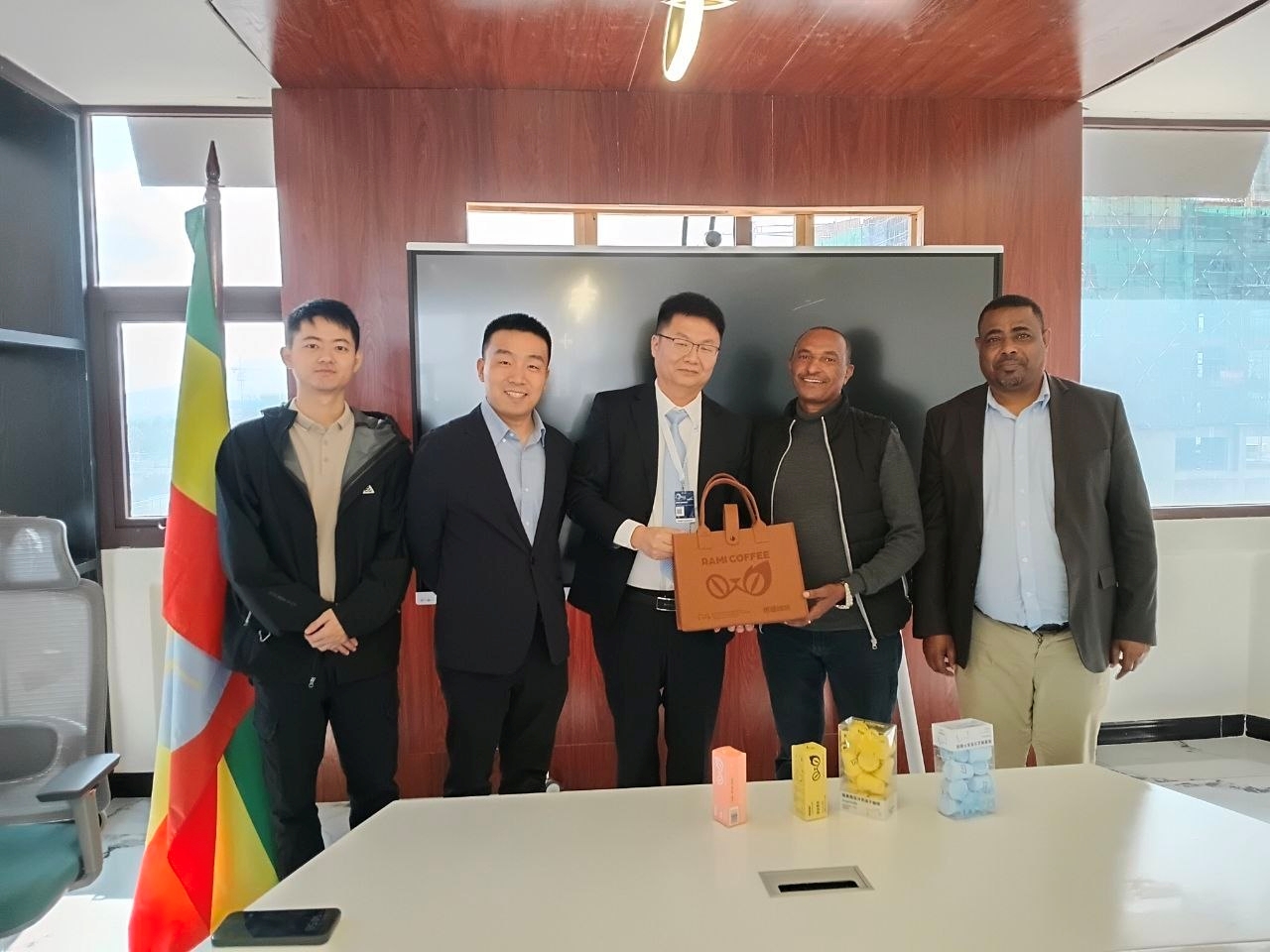
The announcement was made during a high-level meeting held today at the headquarters of the Ethiopian Coffee and Tea Authority (ECTA). A senior delegation from Huichuan, led by Chairman Mr. Wang Shuiyong, met with ECTA Director General Dr. Adugna Debela to discuss strategic cooperation.

Mr. Wang highlighted his company’s expertise in advanced freeze-drying technology, which produces premium instant coffee powder while preserving the rich aroma and flavor of Ethiopian Arabica beans. He noted that Huichuan’s products, already sourced from Ethiopian coffee, have gained strong international recognition and market share. The company is now preparing to establish a large-scale processing facility in Ethiopia to strengthen its global supply chain.

You may read: Ethiopia and China Strengthen Coffee Sector Cooperation

Dr. Adugna Debela welcomed the initiative, describing it as a timely and strategic partnership that supports Ethiopia’s efforts to enhance value addition in its coffee industry. He pointed to the country’s investor-friendly policies, including the development of specialized industrial parks for high-tech agro-processing.

“We are witnessing a transformative trend, with numerous Chinese investors showing keen interest in Ethiopia’s coffee sector,” Dr. Adugna stated. He assured the Huichuan delegation that the Ethiopian government is committed to providing full administrative and technical support to ensure the project’s success for both export and domestic markets.

  • Strengthening Ethiopia’s Coffee Value Chain

Ethiopia, known globally for its premium specialty coffees such as Yirgacheffe and Sidama, has been actively encouraging downstream processing to increase export revenues and generate employment. This latest investment by Huichuan reflects growing Chinese engagement in the sector, as China continues to emerge as a key destination for Ethiopian coffee.

The planned facility is expected to introduce state-of-the-art freeze-drying capabilities locally, helping Ethiopia move beyond raw bean exports toward higher-value, shelf-stable processed products that meet strong international demand.

The development is seen as part of broader China-Ethiopia cooperation in agriculture and trade. Further details regarding the project’s scale, timeline, and location are expected in the coming months.
Ethiopia and China Strengthen Coffee Sector Cooperation

Addis Ababa – Qahwa World

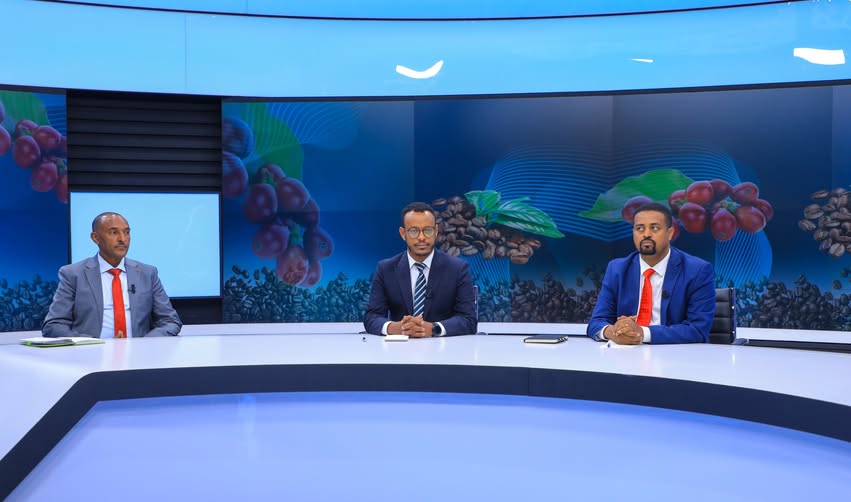
Ethiopia is strengthening its coffee sector by expanding value-added exports and deepening strategic cooperation with China, particularly in agriculture and coffee, according to senior government officials.

Ethiopia and China are elevating their agricultural cooperation beyond trade into a strategic partnership, with coffee emerging as a central pillar of collaboration. China has rapidly become one of the top destinations for Ethiopian coffee, rising from 33rd to 4th place among export markets within the past five years.

A trade and economic cooperation forum aimed at promoting Ethiopian coffee in the Chinese and global markets was recently held in Jujiao City, China. The forum brought together government officials, buyers, and private-sector stakeholders and resulted in new market linkage agreements.

Officials said the strengthening of cooperation is driven by several factors, including China’s expanding role as a coffee destination, duty-free tariff privileges for African exports, technology and knowledge transfer, growing e-commerce linkages, and Hunan Province’s position as a key trade hub.

State Minister of Agriculture Dr. Efrem Mulleta said Ethiopia is implementing wide-ranging reforms to make its agricultural products competitive in international markets. These reforms focus on increasing production quality and quantity through modern technologies, innovation, and improved agricultural inputs.

He added that the conference in China is part of broader efforts to boost export earnings not only from coffee but also from livestock products, fisheries, and other agricultural outputs.

Ethiopian Coffee and Tea Authority Director General Dr. Adugna Debela said Ethiopia’s strong focus on coffee productivity, quality, and value addition has brought significant improvements in export performance.

In the last fiscal year alone, Ethiopia exported 470,000 tons of coffee, generating USD 2.6 billion in revenue. To further enhance earnings, the country is prioritizing the export of value-added coffee rather than raw beans.

Dr. Adugna noted that a 15-year coffee sector strategy has been developed and implemented to address structural challenges, improve productivity, and expand market access. Old, low-yield coffee trees have been replaced, while millions of new seedlings have been planted under the Green Legacy Initiative.

He emphasized that quality is critical for global competitiveness and said strict monitoring systems are in place to ensure high standards. Policy reforms have also streamlined the coffee marketing system, reduced losses, and minimized quality deterioration.

A newly approved directive now allows domestically roasted and ground coffee to be sold in foreign currency, creating new opportunities for exporters. As a result, several Ethiopian coffee companies have begun selling value-added products through Ethiopian Airlines, major hotels, and tourist destinations.

Dr. Adugna added that Ethiopian specialty coffee is gaining popularity among Chinese consumers, driven by rising demand and China’s duty-free market access for African countries.

State Minister of Government Communication Services Tesfahun Gobezay said China’s large population and rapidly growing coffee consumption make it a reliable and expanding market for Ethiopian coffee.

He also noted that the recent forum introduced Ethiopian coffee culture—from production to consumption—to Chinese audiences and opened a new chapter for expanding bilateral coffee trade and cooperation.

Officials stressed that Ethiopia’s combined focus on value addition, quality improvement, and strategic partnerships—particularly with China—is expected to further strengthen foreign exchange earnings and create sustainable growth in the coffee sector.

Côte d’Ivoire Coffee Week Showcases Africa’s Shift to Sustainable, Value-Added Coffee

The International Trade Centre (ITC) and the International Coffee Organization (ICO) reaffirmed their commitment to inclusivity and sustainability during Coffee Week in Abidjan, Côte d’Ivoire.

Historically, with the exception of Ethiopia, much of Africa has viewed coffee primarily as an export commodity rather than a drink enjoyed locally. Coffee culture has remained limited in many countries, with minimal value addition or internal trade. However, this is changing. A new movement is emerging across the continent, where African countries are reclaiming ownership of coffee—adding value at origin, trading regionally, and cultivating domestic appreciation and consumption.

Côte d’Ivoire’s Coffee Week symbolizes this transformation, signaling Africa’s rise as both a producer and a dynamic coffee market.

As part of their ongoing collaboration under the Alliances for Action initiative, ITC and ICO co-hosted activities to strengthen value chains, promote investment, and build technical capacity—particularly in robusta-producing regions. The event was organized in partnership with Côte d’Ivoire’s Conseil Café-Cacao, the Robusta Coffee Agency of Africa and Madagascar (ACRAM), the Specialty Coffee Association (SCA), and other partners.

Key activities included:

  • Barista and cupper training aligned with SCA standards, training 25 entrepreneurs in professional tasting and preparation techniques.

  • International seminar on coffee genetic resources with Crop Trust and the National Centre for Agronomic Research (CNRA), attended by 29 participants from 16 countries.

  • Press conference featuring leaders from ITC, ICO, Crop Trust, and Côte d’Ivoire’s Permanent Representative for Commodities, Ambassador Aly Touré.

  • Launch of ITC’s Agribusiness Investment Promotion Approach, with a workshop introducing 40 participants to ITC’s agro-investment methodology and providing targeted training to 15 attendees on investment readiness.

“This is about giving producing countries the tools, knowledge, and platforms to lead coffee transformation on their own terms,” said ICO Executive Director Vanusia Nogueira. “We’re here to make quality coffee education more accessible—especially in robusta-producing countries.”

Sahande Mamadou, Director of Elima Torréfaction, noted the value of the training: “This deepened my understanding of sensory analysis and specialty coffee cupping. We now see the importance of improving roasting techniques and sampling for our clients.”

ITC’s Côte d’Ivoire Coffee Coordinator, Mory Diawara, emphasized the importance of value addition and regional markets, saying it would bring greater returns to local producers and processors.

The week also reinforced the ICO–ITC–SCA partnership to professionalize African youth in the coffee sector, in line with the DACBA initiative (Drink African Coffee, Build Africa) led by the Inter-African Coffee Organization.

Côte d’Ivoire’s Minister of Agriculture, ICO’s Executive Director, and Ambassador Aly Touré participated in high-level discussions, highlighting the sector’s strategic importance. The event concluded with calls for expanded capacity building and equipment support to strengthen the sector further.

The investment readiness workshop, supported by ITC’s Alliances for Action, provided a platform for small businesses to engage with financial service providers, understand investor requirements, and explore opportunities—focusing on unlocking investments and increasing domestic value addition for long-term resilience.

Through inclusive partnerships, technical training, and investment facilitation, ITC and ICO aim to position producing countries not only as exporters but also as global leaders in shaping the future of sustainable coffee.

About the Project:
The ACP Business-Friendly Programme is funded by the European Union and the Organisation of African, Caribbean and Pacific States (OACPS) and jointly implemented by ITC’s Alliances for Action, the World Bank, and UNIDO. It supports agribusiness competitiveness in ACP countries, promoting inclusive and sustainable value chains that benefit all stakeholders.