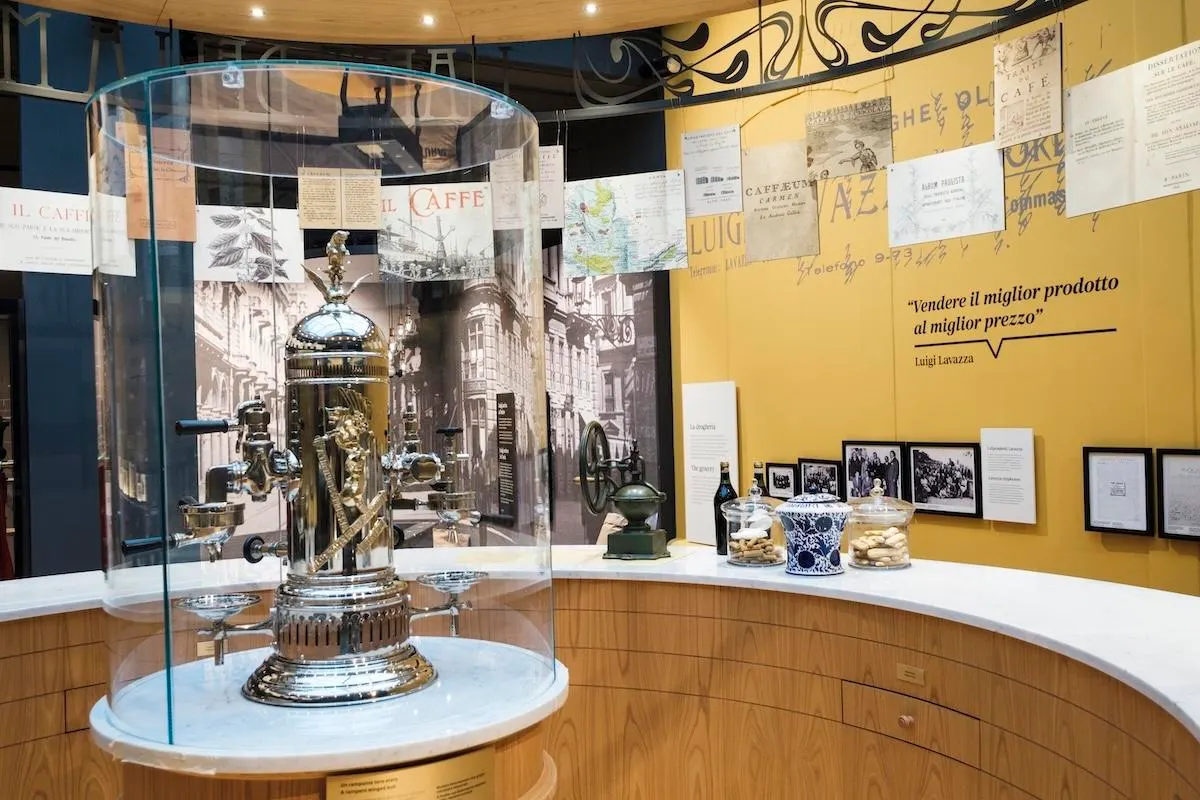
Lavazza Museum in Turin: A Journey Through Italian Coffee History

Dubai – Qahwa World

Forbes recently reported on the Lavazza Museum in Turin, Italy, describing it as a must-visit destination for coffee enthusiasts and anyone interested in Italian culture. The museum offers an immersive experience that goes beyond displaying artifacts, engaging visitors through history, technology, and the senses.

  • The Origins of Lavazza

Luigi Lavazza founded his coffee business in Turin in 1895, starting from a small city-centre grocery store. Originally a chemist, Lavazza was a pioneer in creating coffee blends that ensured consistent flavour. He also innovated packaging by using oil-proof paper stamped with his name, preserving aroma and establishing a recognisable brand.

  • Turin and Coffee Culture

While Italy’s first coffeehouse opened in Venice, Turin became a hub for coffee innovation. Historic cafés like Caffè San Carlo, Caffè Florio, and Caffè Bicerin were social centres for intellectuals, politicians, and nobility. In 1884, Turin native Angelo Morindo invented a steam-driven coffee machine, laying the groundwork for modern espresso machines. The city is also known for the Bicerin, a layered coffee, chocolate, and cream drink that remains popular today.

  • A Modern Museum Experience

Housed in the futuristic Nuvola Lavazza building, the museum blends history with interactive technology. Visitors receive a “smart” espresso cup with an embedded chip that activates multimedia exhibits, including videos, recordings, and images.

  • The museum is organised into five main sections:

Casa Lavazza: Chronicles the family business with historical objects, handwritten recipes, and a replica of Lavazza’s original store.

La Fabbrica: Demonstrates the coffee production process from bean to cup, with hands-on and aromatic displays.

La Piazza: Focuses on coffee rituals, featuring antique machines in a piazza-inspired setting.

L’Atelier: Highlights creative projects and collaborations.

L’Universe: Offers a fully immersive 360-degree sensory coffee experience.

The tour concludes with a coffee tasting and a gift shop featuring Lavazza products.

  • Community and Sustainability

The museum is part of the Nuvola Lavazza complex, which includes the company headquarters, restaurants, event spaces, and a design school. Built on the site of a former power plant in Turin’s Aurora district, the project emphasizes community engagement and sustainability, earning Platinum LEED certification.

According to Forbes, the Lavazza Museum is ideal for coffee lovers, history buffs, and anyone curious about Italian traditions, offering a sensory and educational experience that makes it a standout destination in Turin.
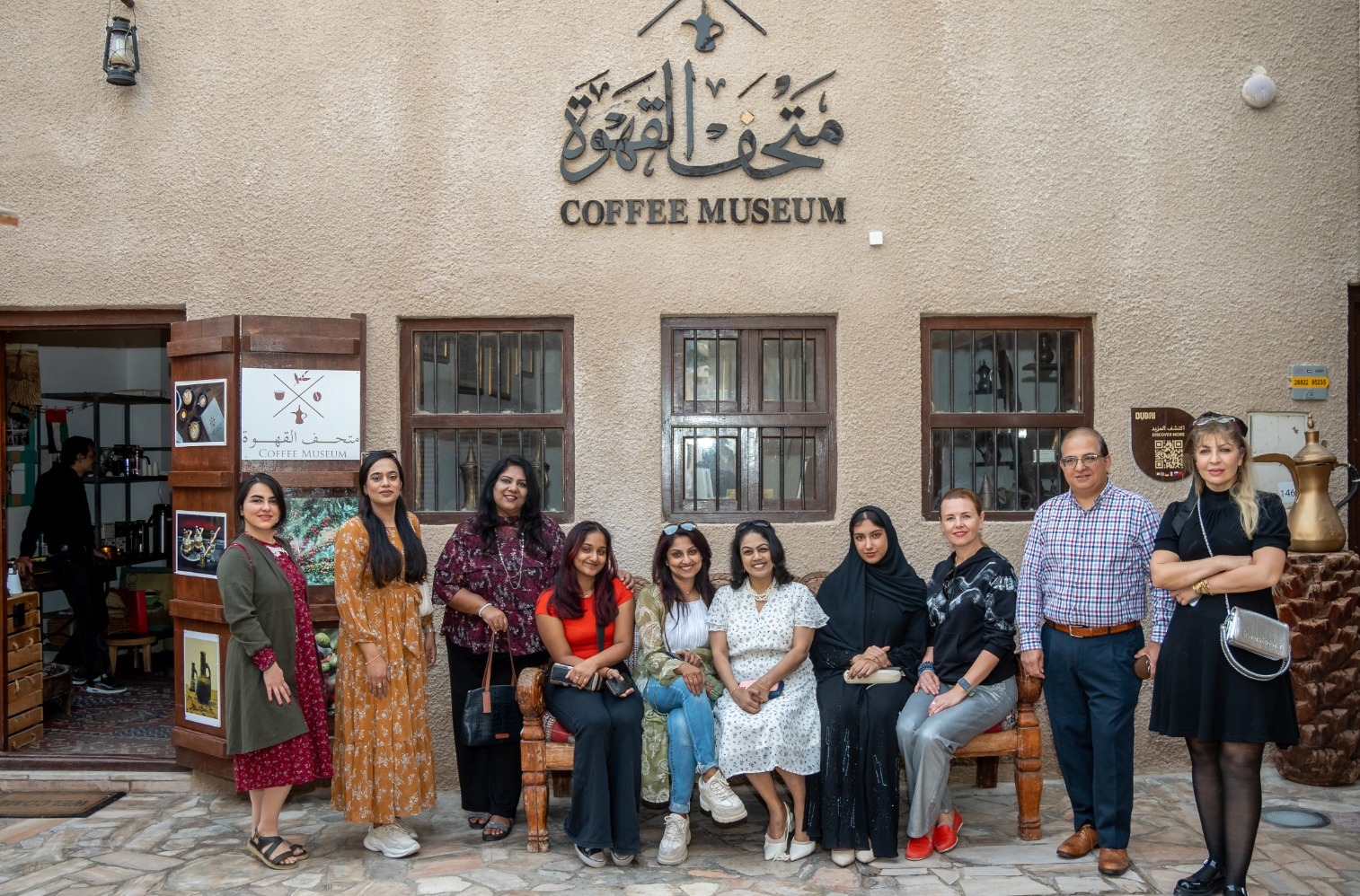
Inside Dubai’s Coffee Museum: A Journey Through History, Culture, and Flavor

By: Jesno Jackson

In a world where coffee has become more than just a beverage but a cultural phenomenon, a visit to a coffee museum offers an immersive and enriching experience for enthusiasts and curious minds alike. Journey with us as we explore the captivating narrative of coffee’s history, culture, and artistry through our visit to a renowned coffee museum.

History and Cultural Significance:

Our team exploration began with a deep dive into the origins and historical significance of coffee. From its discovery in ancient coffee forests to its role in social rituals across different societies, we traced the journey of this beloved beverage that has captured hearts worldwide.

Cultivation, Processing, and Roasting:

The museum provided valuable insights into the meticulous cultivation and harvesting of coffee beans, as well as the various methods of processing, including drying, roasting, and grinding. We discovered the art and science behind coffee roasting, exploring vintage and modern roasting equipment and learning how different techniques influence the flavor profiles of coffee.

Brewing Techniques and Coffee Culture:

A highlight of our visit was the exploration of different coffee brewing methods, from traditional to modern. The museum showcased a variety of machines, each contributing to the diverse and rich coffee culture celebrated globally. We also delved into the artistic expressions of coffee through paintings, photography, and literature, witnessing its profound impact on art and culture.

Tasting Sessions and Interactive Exhibits:

Participating in coffee tasting sessions was a sensory delight, where we sampled a range of coffees with distinct flavors and aromas. The interactive exhibits allowed us to engage with the world of coffee through touch, smell, and experiential learning, enhancing our understanding and appreciation for this versatile beverage.

Café Experience:

Our journey concluded at the museum’s on-site café, where we savored freshly brewed coffee while reflecting on the enriching experience of our visit. The café provided a serene and relaxing environment to savor the flavors discussed during our exploration, completing our immersion into the world of coffee.

Conclusion:

A visit to a coffee museum was both educational and enjoyable, offering a comprehensive look into the world of coffee from bean to cup. In addition to serving as physical reminders of the skill and cultural significance infused into each cup of this much-loved beverage, they exhibit’s pots, brass relics, and other items illustrate the progression of coffee preparation. An intriguing look into the development of coffee processing was found in the coffee museum’s collection of vintage roasting machines. These exquisitely preserved artifacts, showcased the skill and creativity involved in roasting coffee beans, transport viewers to a bygone period with their elaborate patterns and historical relevance. There was a literature room occupied with books on coffee and History of Coffee and Coffee World.

It was a cozy heritage space exploring roasting & brewing styles from around the world, plus displays of antiques. We had our guide Andres from Colombia, who was a professional coffee taster with more than 20yrs of experience. Attendees included Alia Amin, Neetu George, Anahita Ansaripour, Shakiba Rabiei, Alzbeta Znamenska, Aliyeh Mohammad, Mahum Shoaib, Nigam, Aimee George, Maria Komal Abie, Jesno Jackson, Vasilisa Eliseeva, Murali Kuttappan, Shehab Shoukry and Apurbo DXB24live.

Visiting a coffee museum is not just a tour but a journey that deepens one’s connection to coffee’s rich heritage and cultural significance. It’s an experience that tantalizes the senses, broadens knowledge, and fosters a profound appreciation for the artistry and complexities behind every cup of coffee. Whether you’re a coffee enthusiast, a history buff, or simply curious about the world of coffee, a visit to a coffee museum promises an unforgettable and enlightening experience.