Exclusive: Tobbi Vu on Launching Dubai’s First Vietnamese Specialty Coffee

DUBAI – ALI ALZAKARY

When Tobbi Vu opened Caphin in JLT, she wasn’t simply launching another café in Dubai’s crowded coffee market. She was bringing a piece of Vietnam with her — its flavors, its rhythm, its street culture, and its way of gathering.

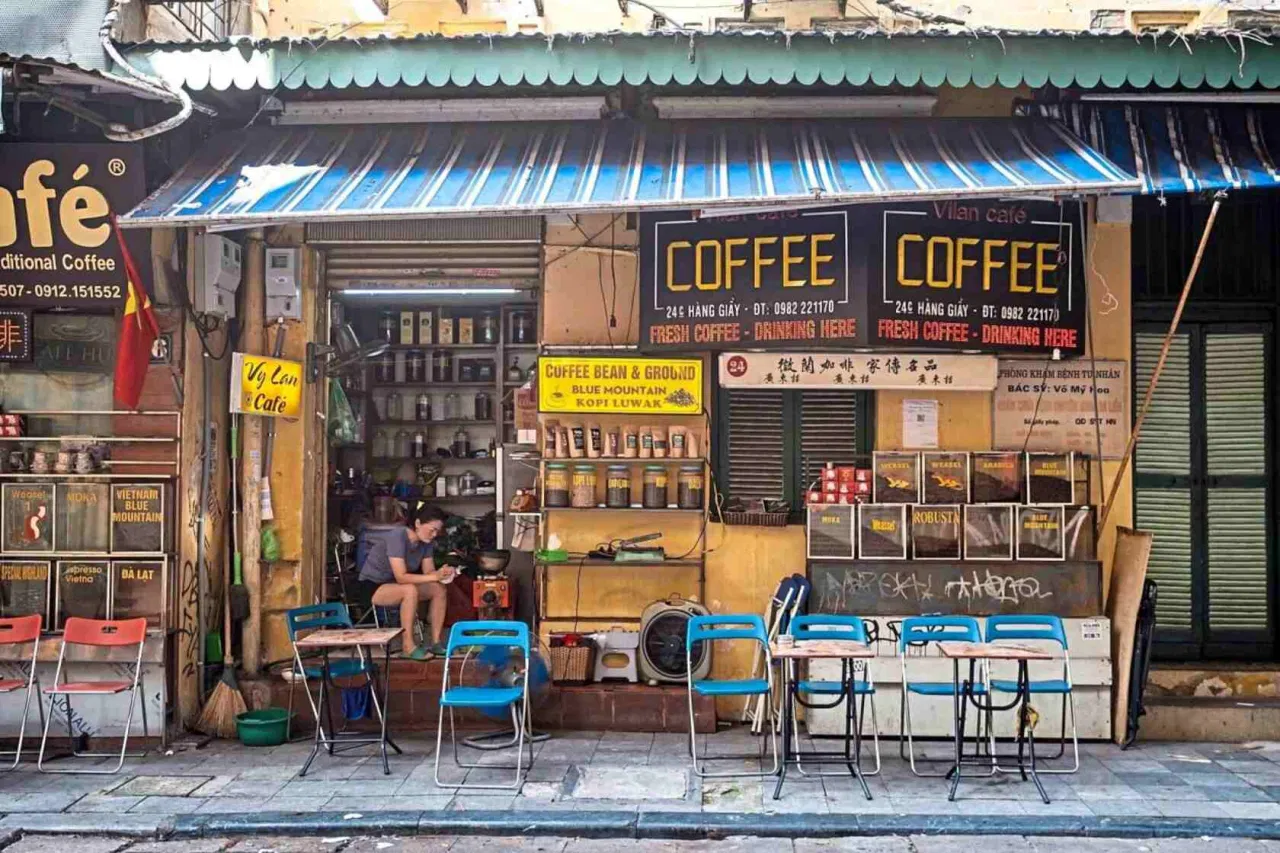
For Tobbi, Vietnamese coffee is not about beige interiors or perfectly styled drinks. “In Vietnam, coffee is a daily thing,” she says. “You sit on the road with friends. It doesn’t need to be so fancy.”

Just one month after opening quietly, without a grand announcement, Caphin is already drawing curious office workers, returning travelers, and coffee lovers eager to try something different. In this conversation, Tobbi shares why she shifted from bean trading to building an experience, the challenges of launching in Dubai’s F&B sector, and why quality — not franchising — is at the heart of her expansion plans.

  • “We didn’t even plan to open a café.”

At first, Tobbi’s plan was straightforward: bring Vietnamese specialty coffee beans to Dubai.

“There were no Vietnamese specialty beans here,” she explains. “In the beginning, we just wanted to bring the beans.”

She considered trading green beans or roasted beans, but something didn’t feel complete.

“How do we get Vietnamese coffee to approach people? How can they understand it?” she says. “That’s why we started making drinks.”

Vietnamese coffee, as she describes it, isn’t another version of an American latte. It’s coffee with condensed milk, coconut, egg — combinations that are everyday in Vietnam but new to many in Dubai.

“It’s basically what we drink in Vietnam,” she says. “We don’t drink American style there.”

Before committing to a permanent location, Tobbi launched a series of pop-ups. The reaction surprised her.

“We opened several pop-ups, and after they ended, people kept asking where we were located,” she recalls. “That’s when we realized we needed a place.”

  • A Café Designed for Connection

Caphin stands apart not only in flavor but also in atmosphere.

“To be fair, here you see a specific aesthetic — clean, beige, white, everything fancy and posh,” Tobbi says. “But in Vietnam, coffee is different. It’s casual. You sit outside, you talk for hours.”

She intentionally created a space that encourages socializing rather than working long hours on laptops.

“We have a small area if you need to work,” she explains. “But it’s not really a laptop-friendly café. You don’t need to work overtime every day. You need a social life. Come here, meet friends, talk.”

For Tobbi, the goal is simple: create a place where people feel relaxed, not rushed.

“It’s not just for photos,” she says. “It’s for you to have your moment.”

  • The Drinks People Keep Coming Back For

Although Caphin has only been open for a month, some drinks are already clear favorites.

“Our best-selling drink is Salted Coffee,” Tobbi shares. “People try it, then tell other people.”

The second best-seller is Sapa Coffee, a dessert-style coffee served in a small cup.

“It’s very small,” she says with a smile. “A lot of people order a second cup immediately. Some ask us to make it bigger, but if we increase the size, maybe they won’t like it anymore.”

Caphin also serves Coconut Coffee and the well-known Vietnamese Egg Coffee.

“A lot of people have heard about egg coffee but never tried it,” she says. “We use pasteurized eggs because of regulations.”

Each drink reflects what she describes as real Vietnamese coffee culture — not adapted trends, but authentic habits.

  • Learning the F&B Industry from Scratch

Opening in Dubai’s food and beverage sector came with unexpected complexity.

“This is the first time we do F&B,” Tobbi admits. “We didn’t know anything. Even how to design the bar or kitchen.”

Regulations, inspections, and adjustments became part of the journey.

“It’s a learning curve,” she says. “There are so many regulations you need to follow and understand.”

Despite the challenges, she views the experience positively — as preparation for future growth.

  • Strength in Concept, Challenge in Awareness

In a competitive market like Dubai, Tobbi sees both strengths and weaknesses clearly.

“Our power is the concept,” she says. “We have something new.”

Many customers who have traveled to Vietnam come looking for the flavors they experienced there. Caphin offers that familiarity — but also surprises, since drinks can vary from region to region.

At the same time, she acknowledges the need for stronger visibility.

“We opened very quietly,” she says. “So now it’s mostly organic. Marketing and awareness — that’s something we need to build.”

  • Expansion — But Not Franchising

When asked what success looks like after the first year, Tobbi answers honestly.

“First, you check the account,” she says. “If the numbers are there, that’s success.”

But growth is also part of the vision. She plans to open more branches — just not through franchising.

“It’s very hard to control quality in a franchise,” she explains. “I go every day to check quality.”

She describes a regular customer who orders the same drink daily and immediately notices if anything changes.

“That’s why consistency is important. Everything needs to be perfect.”

Future locations will still focus on Vietnamese specialty coffee, but each one will have a slightly different concept tailored to its location.

“I don’t want copies,” she says. “Each location should have something unique.”

  • One Month In — and Just Beginning

Caphin has been open for just one month. Mornings bring office workers from nearby buildings in JLT. Evenings bring diners discovering the café after visiting neighboring restaurants.

The journey has been slower and more complex than she first imagined.

“At the beginning, we thought we could open three shops quickly,” she says. “But we didn’t know anything. There are so many things that happen.”

Now, with experience on her side, Tobbi is taking careful steps forward.

At its heart, Caphin is more than a café. It is a cultural statement — one that invites Dubai to slow down, sit together, and experience Vietnamese coffee the way it is meant to be shared.
How Vietnam Turned Coffee Into a Way of Life?

Dubai – Qahwa World

National Geographic has published an in-depth report examining Vietnam’s coffee culture, describing it as one of the most dynamic and inventive in the world—where a once-colonial crop has evolved into a powerful symbol of identity, community, and creativity.

According to the magazine, coffee in Vietnam is far more than a daily stimulant. While many cultures consume coffee quickly or in passing, Vietnamese coffee is typically enjoyed slowly, in social settings that encourage conversation, reflection, and a shared sense of place.

From Colonial Introduction to Global Powerhouse

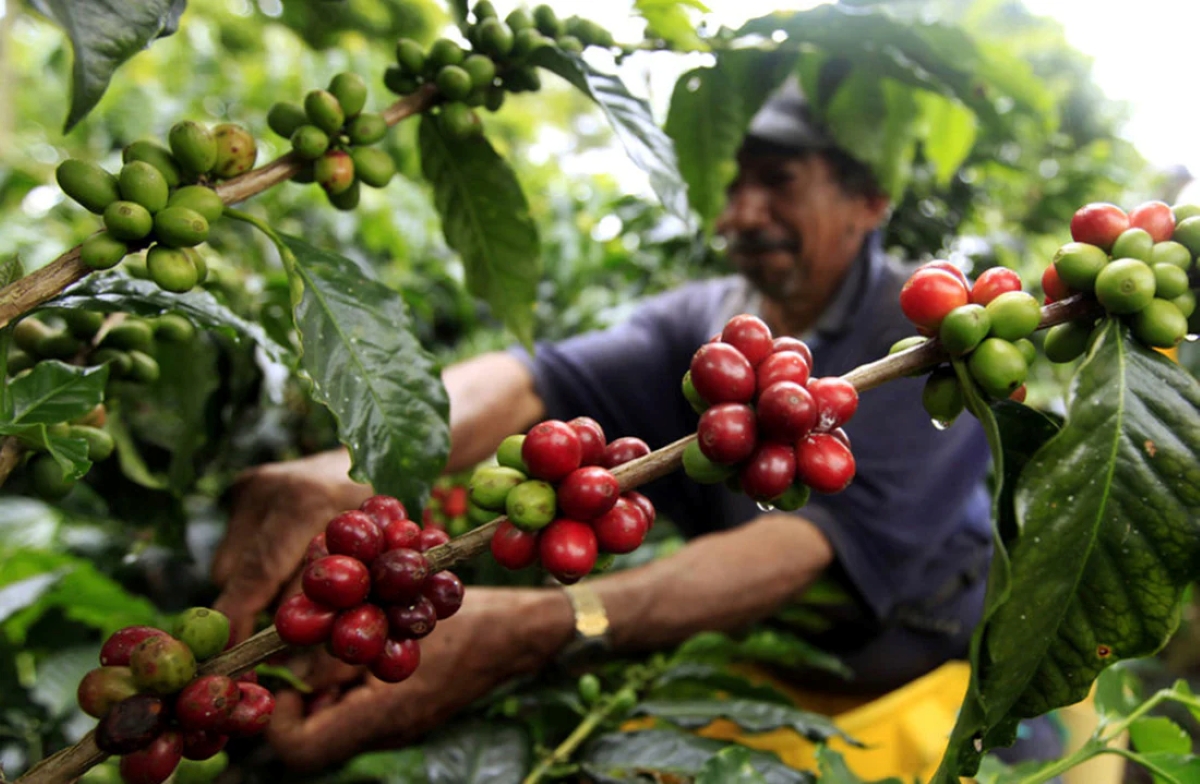
As reported by National Geographic, coffee was first introduced to Vietnam in 1857 by French missionaries. Early cultivation focused on Arabica beans, which struggled in the country’s climate. Farmers eventually shifted to Robusta, a hardier variety that thrived in the Central Highlands and southern regions.

Following the Vietnam War, coffee became a cornerstone of the country’s economic recovery. Government investment in the 1980s helped transform Vietnam into a major producer, and today it stands as the world’s second-largest coffee exporter after Brazil, the magazine notes.

Innovation Shaped by Scarcity

The report highlights how periods of scarcity fueled Vietnam’s most distinctive coffee traditions. During the 1940s, when fresh milk was difficult to obtain, condensed milk became a staple ingredient. The same era saw the creation of Vietnam’s iconic egg coffee, made by whisking egg yolks with sugar into a rich, creamy topping.

National Geographic also points to the phin filter—a simple metal brewing device—as a defining feature of Vietnamese coffee culture, producing a bold, concentrated brew that reflects both practicality and craftsmanship. Coconut coffee, meanwhile, emerged from the country’s abundance of tropical resources.

Coffee as a Social Ritual

According to voices cited by National Geographic, coffee in Vietnam functions as a social rhythm rather than a rushed habit. From street-side stools in Ho Chi Minh City to neighborhood cafés in Hanoi, coffee drinking is deeply embedded in everyday life.

The magazine reports that this communal approach has increasingly attracted travelers, while younger generations of Vietnamese entrepreneurs are reshaping the industry—focusing on quality, traceability, and thoughtful café experiences that elevate local beans to global standards.

A New Era of Coffee Experiences

National Geographic notes that cities such as Hanoi, Da Nang, and Hoi An now offer a wide spectrum of coffee experiences. Traditional cafés coexist with specialty shops, luxury hotels, and curated tasting programs that introduce visitors to Vietnam’s diverse coffee terroirs.

The report also highlights the growing presence of coffee-based cocktails and modern mixology, where Vietnamese Robusta beans are used to add depth and structure to innovative drinks, reflecting the country’s evolving culinary creativity.

A Living Cultural Legacy

In conclusion, National Geographic emphasizes that Vietnam’s relationship with coffee mirrors the nation’s broader history—shaped by colonial influence, hardship, and adaptation, yet ultimately defined by ownership and pride.

As the magazine observes, drinking Vietnamese coffee today is not simply about flavor, but about experiencing a collective memory of resilience, reinvention, and hope.

Three Types of Vietnamese Coffee Among the Top 10 Beverages in Southeast Asia

Dubai – Qahwa World

Three Vietnamese coffee drinks have been ranked among the top 10 beverages in Southeast Asia, according to a culinary ranking published by a specialized food platform. This recognition reflects Vietnam’s continued strong presence on the regional beverage map.

Iced milk coffee ranked third, described as a balanced blend combining strong coffee, condensed milk, and ice, creating a rich and appealing flavor. Traditionally, it is prepared using medium or coarse roasted coffee brewed through a drip filter, then mixed with condensed milk and served over ice. A modern version uses concentrated coffee with condensed milk.

Vietnamese black coffee took sixth place. Although black coffee is popular worldwide, the Vietnamese version stands out due to its unique coffee varieties and traditional roasting styles. Coffee was introduced to Vietnam in the nineteenth century, and the country later became one of the world’s leading producers of robusta beans. Robusta is known for its strong flavor and low acidity, and in some regions it is roasted with butter, sugar, or vanilla to enhance its taste.

Egg coffee from Hanoi also made it into the top 10. This drink is known for its rich and sweet taste, prepared with strong coffee topped with a creamy layer made from whisked egg yolk mixed with condensed milk until smooth and frothy. The recipe dates back to the 1950s.

Several other Vietnamese beverages appeared in the upper ranks, including lotus tea (ranked 12), frozen yogurt (23), apple wine (26), fermented rice wine (29), and sticky black rice wine (31). Innovative coffee creations such as salted coffee and coconut coffee were also included.

Thai red milk tea topped the list of the best 62 beverages in the region, while Malaysian white coffee ranked second.

In recent years, Vietnamese coffee has received significant international recognition in global newspapers and magazines, appearing in lists of the world’s best coffees and in cultural reports highlighting its unique flavors and preparation methods.

Coffee was introduced to Vietnam in 1857 and flourished in the central highlands, particularly robusta due to the favorable climate and soil. Today, coffee is a key industrial crop in Vietnam, grown on an area of about 680 thousand hectares.

Vietnam’s coffee exports saw remarkable growth in 2025. By November 15, total exports reached approximately 1.35 million tons, valued at 7.64 billion dollars, representing an increase of 14.6% in volume and 62.3% in value compared to the same period in 2024.