The Coffee Cantata: How Bach Composed an Eternal Ode to the Bean

Author: Qahwa World
Source: Historical musicology and coffee culture archives
Date: May 29, 2026

The Coffee Cantata: How Johann Sebastian Bach Composed an Eternal Ode to the Bean

Executive Summary:

  • Johann Sebastian Bach composed the Coffee Cantata (BWV 211) between 1732 and 1735 for performances at Café Zimmermann in Leipzig.
  • The work is a witty miniature opera about a young woman named Lieschen who refuses to give up her coffee habit despite her father’s threats.
  • The famous aria “Ei! Wie schmeckt der Coffee süße” celebrates coffee as sweeter than a thousand kisses and milder than wine.
  • The cantata reflects the cultural debate around coffee in 18th century Europe, where coffee was both praised and criticized.
  • Bach collaborated with poet Christian Friedrich Henrici (Picander), who wrote the libretto.
  • The work remains popular today, often performed as a fully staged theatrical production.
  • It reveals Bach’s humorous and human side, rarely seen in his predominantly sacred music.

In the golden haze of a Leipzig afternoon in 1734, the rich aroma of freshly roasted coffee mingled with the sound of strings and voices. Inside Café Zimmermann, the air hummed with anticipation. Then, from the heart of this vibrant coffee house, rose a melody both playful and profound, a sparkling miniature opera celebrating humanity’s passionate love affair with coffee.

While countless coffee enthusiasts worldwide trace the bean’s journey from the misty highlands of Ethiopia to the grand palaces of the Ottoman Empire and the intellectual salons of Europe, few know that one of history’s greatest musical geniuses, Johann Sebastian Bach, dedicated an entire work to this beloved drink. Bach’s Coffee Cantata (BWV 211) is not merely a composition. It is a witty, rebellious, and joyful love letter to the cup that awakens the senses. This miniature comic opera in ten movements captures the spirit of an era when coffee was both a fashionable delight and a subject of heated debate.

The Historical Stage

During the early 18th century, coffee swept across Europe as a luxurious and somewhat controversial beverage. It was praised for sharpening the mind and fostering conversation, yet criticized by traditionalists as an addictive vice that could corrupt youth and challenge family authority. In the lively city of Leipzig, coffee houses became cultural hubs, places for discussion, music, and ideas. Bach, who served as director of the prestigious Collegium Musicum, regularly performed with his ensemble at Café Zimmermann, owned by the wealthy merchant Gottfried Zimmermann. It is widely accepted by music historians that the Coffee Cantata was composed specifically for these weekly gatherings between 1732 and 1735. What better entertainment for coffee drinkers than a humorous opera set in their own world?

The Creative Team

The libretto was masterfully written by Christian Friedrich Henrici, known by his pen name Picander, a talented poet and frequent collaborator with Bach. Together, they created a light-hearted satire that gently mocked parental strictness, societal fears of the coffee craze, and celebrated the clever independence of a young woman devoted to her favorite brew.

The Story: A Father, a Daughter, and an Unbreakable Love for Coffee

The cantata unfolds as a delightful domestic drama featuring three characters: Herr Schlendrian (Mr. Routine), a stern traditional father (bass voice); Lieschen, his witty, strong-willed daughter (soprano); and the Narrator (tenor), who guides the audience with charm and humor.

Schlendrian is exasperated. No matter how many times he scolds her, his daughter refuses to abandon her coffee habit. He unleashes a series of increasingly desperate threats: no more fine dresses, no garden walks, no parties, and finally, the ultimate punishment, no marriage unless she gives up coffee entirely. Yet Lieschen stands firm. In one of the most beloved arias in Baroque music, she sings with radiant joy: “Ei! Wie schmeckt der Coffee süße” (“Ah! How sweet coffee tastes, more delicious than a thousand kisses, milder than muscatel wine. Coffee, I must have coffee…”).

In a clever twist, Lieschen pretends to surrender. But as her father departs to arrange a marriage, she reveals her secret plan: she will add a special condition to her future marriage contract. She must be allowed to drink coffee whenever she desires. The work concludes with a joyful trio and a knowing, smiling remark from the Narrator: coffee will endure, and clever daughters usually find a way to get what they want.

The Musical Masterpiece

Bach structured the Coffee Cantata as a true miniature opera with 10 movements, skillfully alternating dramatic recitatives and enchanting arias. The orchestration is intimate and refined: transverse flute, violins, viola, cello, and harpsichord. Lieschen’s famous aria is particularly exquisite, with the flute dancing delicately like steam rising from a fresh cup. The father’s music feels heavy and marching, mirroring his rigid personality, while the daughter’s melodies sparkle with life and charm. The final trio unites all voices in harmonious celebration, a perfect musical toast to the bean.

Why This Work Still Matters Today

The Coffee Cantata reveals Bach’s rarely seen humorous and human side. In a lifetime dedicated largely to sacred music, this secular work stands as a cultural treasure that documents Europe’s coffee revolution. It speaks timelessly about pleasure, rebellion, personal freedom, and the art of clever compromise. Today, it is frequently performed as a fully staged theatrical production with costumes and scenery, delighting audiences worldwide.

Frequently Asked Questions (FAQ)

1. What is the Coffee Cantata?

The Coffee Cantata (BWV 211) is a secular comic opera by Johann Sebastian Bach, celebrating coffee. It was composed between 1732 and 1735 for performances at Café Zimmermann in Leipzig.

2. What is the story of the Coffee Cantata?

A father, Herr Schlendrian, tries to force his daughter Lieschen to give up coffee. She refuses. After many threats, she pretends to surrender but secretly plans to include a coffee clause in her marriage contract.

3. What is the most famous aria in the Coffee Cantata?

Lieschen’s aria “Ei! Wie schmeckt der Coffee süße” (Ah! How sweet coffee tastes) is the most famous, celebrating coffee as sweeter than a thousand kisses.

4. Who wrote the libretto?

The libretto was written by Christian Friedrich Henrici, known as Picander, a frequent collaborator with Bach.

5. Why is the Coffee Cantata historically significant?

It documents Europe’s coffee revolution in the 18th century and reveals Bach’s humorous side, offering a rare glimpse into secular life and coffee culture at the time.

6. Where can I listen to the Coffee Cantata?

Recommended performances include Emma Kirkby with the Academy of Ancient Music, the Café Zimmermann Ensemble, and modern staged versions with English subtitles on YouTube.

Qahwa World – Based on historical musicology and coffee culture archives.
Published: May 29, 2026

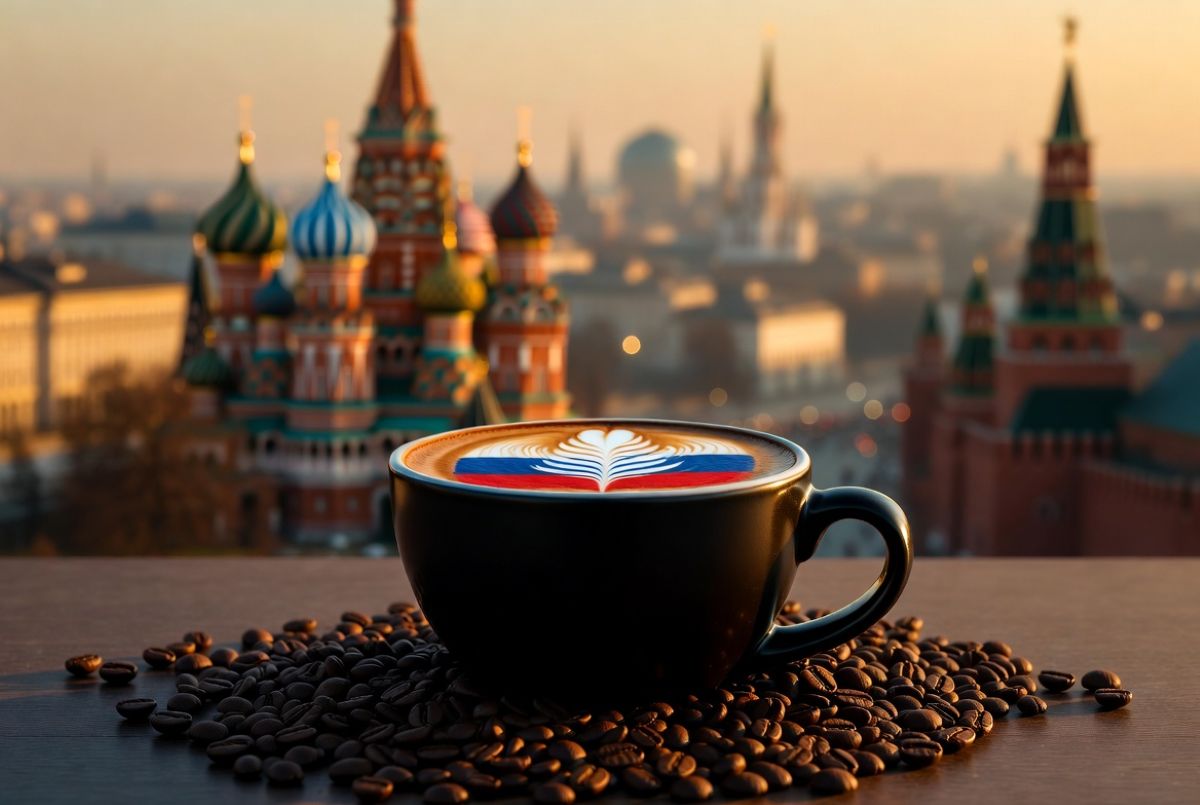
Russia Transforms from Tea Country to Coffee Country

Author: Qahwa World
Source: Industry reports and TASS news agency
Date: May 17, 2026

Executive Summary:

  • Economist Svetlana Ilyashenko announces that Russia has completely transformed from a tea country to a coffee country.
  • The turning point was 2016, when coffee imports exceeded tea imports for the first time in history by 4 percent.
  • Russian per capita coffee consumption rose from 200 grams per year to 2.1 kilograms by 2021.
  • Ready-made coffee sales in retail stores increased by 50 percent in 2025 alone.
  • The share of large supermarket chains in the hot beverage market jumped from 17 percent in 2023 to 35 percent in 2026.
  • Coffee history in Russia dates back 360 years to 1665 when it was prescribed as medicine to Tsar Alexis I.
  • Peter the Great introduced coffee to the Russian court after his trip to Holland and ordered the first cafes to open in 1724.
  • The Russian “Raf” coffee drink has become a globally recognized achievement within specialty coffee culture.

Economist Svetlana Ilyashenko, Associate Professor in the Trade Policy Department at Plekhanov Russian University of Economics, announced that Russia has completed its historic transformation to become a coffee country in every sense. This transformation comes after Russia remained a traditional tea country for centuries. Ilyashenko confirmed to TASS that statistics prove this fact beyond dispute. The decisive turning point came in 2016, when coffee import volumes exceeded tea imports for the first time in history by 4 percent.

The numbers tell the story of a silent but rapid revolution. At the beginning of the millennium, Russian per capita coffee consumption did not exceed 200 grams per year. Today, that figure has increased more than tenfold. By 2021, consumption reached 2.1 kilograms per person, and growth remained strong in recent years. In 2025 alone, ready-made coffee sales in retail stores increased by 50 percent. The share of large supermarket chains in the hot beverage market jumped from 17 percent in 2023 to 35 percent in 2026.

What is more striking is that coffee is no longer an additional drink. It has replaced tea in its traditional position as the daily morning drink, as well as a drink for business and professional meetings. This transformation is not just a change in numbers. It is a deep cultural shift.

A Long Historical Journey Spanning More Than 360 Years

The beginnings of coffee in Russia go back more than 360 years. In 1665, the English doctor Samuel Collins prescribed coffee to Tsar Alexis I as an effective remedy against headaches, colds, and bloating. Coffee at that time was imported from Persia and the Ottomans. It was very rare and expensive. People did not view it as a daily drink, but rather as a rare medicine.

The pivotal moment came with Tsar Peter the Great. During his grand tour of Europe between 1697 and 1698, and during his stay in Holland, he came to love coffee very much. He returned to Russia determined to spread it. He introduced coffee to the court and to official assemblies known as assemblées. He ordered it to be served for free to visitors in the Kunstkamera, Russia’s first museum. In 1724, he issued an order to open simple coffee houses in Saint Petersburg.

The elite continued to monopolize coffee throughout the 18th century. Empress Anna Ivanovna opened the first real coffee house in 1740. Catherine the Great was one of coffee’s biggest fans. She drank 4 to 6 cups per day, and often prepared them herself.

The 19th Century: Coffee Houses Become Cultural Centers

In the 19th century, coffee houses transformed into important cultural centers in Moscow and Saint Petersburg. People gathered at famous places like the Wolf and Beranger coffee house in Petersburg. It is said that the poet Alexander Pushkin visited this coffee house before his final duel. Coffee’s popularity increased after the War of 1812, when Russian soldiers returned from Europe loving this drink. Despite that, tea remained the most popular drink. This was due to its extensive trade with China and its low price compared to coffee.

During the Soviet era, coffee became a luxury and rare commodity. It was sometimes viewed as a bourgeois drink. Tea, however, remained the daily drink for all people due to its availability and low price.

The Real Revolution After 1991

After the collapse of the Soviet Union, doors opened wide. 1996 saw the opening of the first modern coffee chain called Coffee Bean. Then major Russian chains emerged such as Coffee House, Shokoladnitsa, and Kofemania. In 2007, Starbucks entered the Russian market.

Since 2010, the second and third waves of coffee culture have spread across Russia. Specialty coffee spread, along with high-quality beans and alternative brewing methods. The Russian “Raf” drink became a globally recognized achievement. In 2016, the historic turning point that Ilyashenko spoke about occurred, with coffee imports exceeding tea imports for the first time.

Coffee to Go: The New Lifestyle

Today, the “coffee to go” style rules in Russia. In Moscow, the number of fast coffee points increased by 5 percent in 2025. In contrast, traditional coffee houses declined by 12 percent. Large supermarket chains such as Pyaterochka, Magnit, Lenta, and others have entered the coffee market strongly. These stores use coffee to attract customers and increase the average check. They also benefit from their massive scale to offer competitive prices.

A Deep Cultural Shift, Not Just Numbers

This is no longer just an increase in consumption. It is a change in lifestyle and daily rituals. Coffee has become a symbol of the new generation, specifically the age group from 25 to 45 years. Coffee has become the drink of productivity, work, quick meetings, and fast-paced urban life. Tea, meanwhile, remains associated with family warmth and classical traditions.

Russia has not only imported coffee culture. It has developed its own version of coffee culture. This unique blend combines American speed, European quality, and traditional Russian hospitality.

Key Data: Russia’s Transformation into a Coffee Country

Indicator Value
Per capita consumption in 2000 200 grams per year
Per capita consumption in 2021 2.1 kg per year
Ready-made coffee sales increase 2025 50 percent
Supermarket chain share of hot beverages 2023 17 percent
Supermarket chain share 2026 35 percent
Turning point for coffee vs tea imports 2016
Fast coffee point increase in Moscow 2025 5 percent
Traditional coffee house decline in Moscow 2025 12 percent

Future Forecast for the Russian Coffee Market

Svetlana Ilyashenko expects continued strong growth in the coming years. Growth will be noticeable especially in several areas. First is cold coffee, which is growing in popularity during summer. Second is specialty coffee, which attracts lovers of unique flavors. Third is home coffee subscriptions, which offer convenience to consumers. Fourth is luxury coffee machines, which have become a symbol of upscale homes and offices.

The conclusion that can be drawn from the expert’s statements is that coffee has won in Russia. The transformation has become an irreversible reality. The only remaining question now is: what will the Russian coffee culture look like in the next two or three decades?

Frequently Asked Questions (FAQ)

1. When did coffee imports exceed tea imports in Russia for the first time?

That happened in 2016, when coffee import volumes exceeded tea imports by 4 percent, according to expert Svetlana Ilyashenko.

2. What was Russian per capita coffee consumption in 2021?

Russian per capita coffee consumption reached 2.1 kilograms per year by 2021, compared to just 200 grams at the beginning of the millennium.

3. Who first introduced coffee to Russia?

Tsar Peter the Great introduced coffee to Russia after his trip to Europe and Holland, where he loved the drink and ordered it to be served at court and in coffee houses.

4. What is the Russian “Raf” coffee drink?

The “Raf” drink is a Russian innovation in the coffee world that has become globally recognized. It falls within specialty coffee culture.

5. How has coffee consumption style changed recently in Russia?

The “coffee to go” style has spread significantly. Fast coffee points in Moscow increased by 5 percent in 2025, while traditional coffee houses declined by 12 percent.

6. What areas does the expert expect to grow in the Russian coffee market?

Svetlana Ilyashenko expects strong growth in cold coffee, specialty coffee, home subscriptions, and luxury coffee machines.

Qahwa World – Report based on statements by economist Svetlana Ilyashenko to the TASS news agency, with data from Plekhanov Russian University of Economics.
Published: May 17, 2026. Figures subject to updates based on latest official releases.

Between Poison and Coffee… The Art of the Perfect Reply

By: Rached Dabdob

Between poison and coffee lies the brilliance of a well-crafted reply. Coffee has always occupied a place in the history of political sparring, where great conflicts are often distilled into a single sentence. Perhaps the famous exchange between Winston Churchill and Nancy Astor remains the finest example of what Arabs describe as “effortless mastery”; words that appear simple, yet are impossible to imitate.

Although historians largely agree that the dialogue was merely an old anecdote that gained popularity over time, its enduring association with politicians reveals much about the nature of human conversation. When Lady Astor reportedly said, “If I were your wife, I would put poison in your coffee,” she was not expressing literal violence as much as what might be called “desperation in expression.” Churchill’s wit emerged in his ability to embrace the premise and reverse it instantly: “If you were my wife, I would drink it.” In a single stroke, he made death seem preferable to her companionship.

Yet such moments also remind us of a deeper lesson rooted in our values: true victory does not lie in silencing an opponent, but in rising above them. In the arena some describe as “reflective intelligence,” Muawiya ibn Abi Sufyan stands as a timeless example. He once said, “I would be ashamed if any sin were greater than my capacity to forgive.”

It is said that a man once insulted him publicly in his own gathering, relentlessly attacking him before the people, while Muawiya remained smiling and unmoved. When the man finally finished, Muawiya turned to those around him and asked, “What do you think should be done with him?” They advised punishment, but he replied, “No. Rather, we shall give him money, for he insulted us only because of the hardship of his condition.” In that moment, overlooking the insult became an act of political wisdom, transforming an enemy into a grateful man with a single gesture of generosity.

In the same spirit, Al-Ahnaf ibn Qays became known as “the Forbearing Sage of the Arabs.” One of the most eloquent stories told about him recounts how a man followed him, hurling vulgar insults without pause, while Al-Ahnaf neither answered nor turned around. But as they approached the neighborhood of his tribe, Al-Ahnaf stopped and calmly said, “If there is anything left in you to say, then say it now. I fear the young men of my people may hear you and harm you.” Here we understand that his silence was not born of fear, but of dignity; a refusal to descend into the mire of abuse, and even a protection of the fool from the recklessness of youth.

Today, we continue to witness many examples of such restraint, especially across social media platforms. Many insist that those driven by insults and vulgarity possess a spirit foreign to authentic Arab culture, for the Arab character was shaped by noble virtues that remain a cornerstone of its upbringing. How beautiful it is when a person combines the sharpness of intellect with the elegance of morality; through this balance, nations rise and civilizations mature.

And so, one cannot help but ask: will outsiders learn the etiquette of forbearance and dignity, just as they once learned from the Arabs how to drink coffee?

Are there grounds for including coffee in the Oxford Dictionary?

LONDON — Qahwa World

Few words have travelled as far, or gathered as much cultural sediment, as coffee. In a recent editorial reflection, Phoebe Nicholson, Executive Editor of the Oxford English Dictionary, turned the lexicographical spotlight on a term that, she notes, is “very close to the OED editors’ hearts.” The story of coffee in English, it seems, is as rich, layered, and stimulating as the drink itself.

  • From Qahwa to Coffee

The English language first encountered coffee—then often spelled coffeen—in the late 16th century, borrowing it through Turkish from Arabic roots. One persuasive etymological thread links the word to qahwa, an old poetic Arabic term for wine. When alcohol became prohibited under Qur’anic law, coffee emerged as a permissible and invigorating alternative, inheriting some of wine’s social and symbolic weight.

Early English accounts reveal fascination tinged with suspicion. Travel writers described “a certaine liquor… which wil soone intoxicate the braine,” while observing that Coffa houses in Turkey were “more common than Ale-houses in England.” The drink was exotic, energising, and unmistakably tied to Arab social life.

  • Settling the Spelling, Brewing a Culture

By the mid-17th century, the unruly spellings—caova, choava, coho, among others—began to coalesce into the now-familiar coffee. More importantly, the beverage itself took firm root in England. Coffee was no longer merely imported; it was institutionalised.

The language records this shift vividly. One of the earliest and most influential compounds was coffee-house (noun), denoting not just a place where coffee was served, but a centre of social exchange. Coffee-houses became arenas for political debate, literary criticism, mercantile gossip, and the circulation of news. To frequent such places was to participate in public life.

The culture was so distinctive that coffee-house later evolved into a verb, meaning to loiter and gossip during a hunt—a telling sign of how synonymous the term had become with sociability itself.

  • Coffee and the Cause of Temperance

As the centuries turned, coffee’s linguistic productivity followed social change. In the late 19th and early 20th centuries, terms such as coffee palace and coffee tavern emerged, particularly in British and Australian English. These were not merely grand coffee-houses, but deliberate alternatives to gin palaces, promoted by temperance societies as spaces for sober recreation.

Here, coffee stood for moral reform as much as refreshment, and the dictionary preserves that association: language as a record of social aspiration.

  • Modern Grounds: Conversation Still Brewing

In contemporary English, coffee remains a marker of connection. Expressions such as coffee morning, coffee date, and coffee klatch describe informal gatherings centred on conversation rather than consumption alone. The beverage continues to function as a social lubricant, its name endlessly adaptable.

As Nicholson observes, a word this productive almost demands a pause of its own. In the OED’s pages, coffee is more than a drink: it is a witness to trade routes, religious practice, political debate, moral movements, and everyday companionship.

The only fitting conclusion? Time, perhaps, for a coffee break—double espresso, naturally.

How Vietnam Turned Coffee Into a Way of Life?

Dubai – Qahwa World

National Geographic has published an in-depth report examining Vietnam’s coffee culture, describing it as one of the most dynamic and inventive in the world—where a once-colonial crop has evolved into a powerful symbol of identity, community, and creativity.

According to the magazine, coffee in Vietnam is far more than a daily stimulant. While many cultures consume coffee quickly or in passing, Vietnamese coffee is typically enjoyed slowly, in social settings that encourage conversation, reflection, and a shared sense of place.

From Colonial Introduction to Global Powerhouse

As reported by National Geographic, coffee was first introduced to Vietnam in 1857 by French missionaries. Early cultivation focused on Arabica beans, which struggled in the country’s climate. Farmers eventually shifted to Robusta, a hardier variety that thrived in the Central Highlands and southern regions.

Following the Vietnam War, coffee became a cornerstone of the country’s economic recovery. Government investment in the 1980s helped transform Vietnam into a major producer, and today it stands as the world’s second-largest coffee exporter after Brazil, the magazine notes.

Innovation Shaped by Scarcity

The report highlights how periods of scarcity fueled Vietnam’s most distinctive coffee traditions. During the 1940s, when fresh milk was difficult to obtain, condensed milk became a staple ingredient. The same era saw the creation of Vietnam’s iconic egg coffee, made by whisking egg yolks with sugar into a rich, creamy topping.

National Geographic also points to the phin filter—a simple metal brewing device—as a defining feature of Vietnamese coffee culture, producing a bold, concentrated brew that reflects both practicality and craftsmanship. Coconut coffee, meanwhile, emerged from the country’s abundance of tropical resources.

Coffee as a Social Ritual

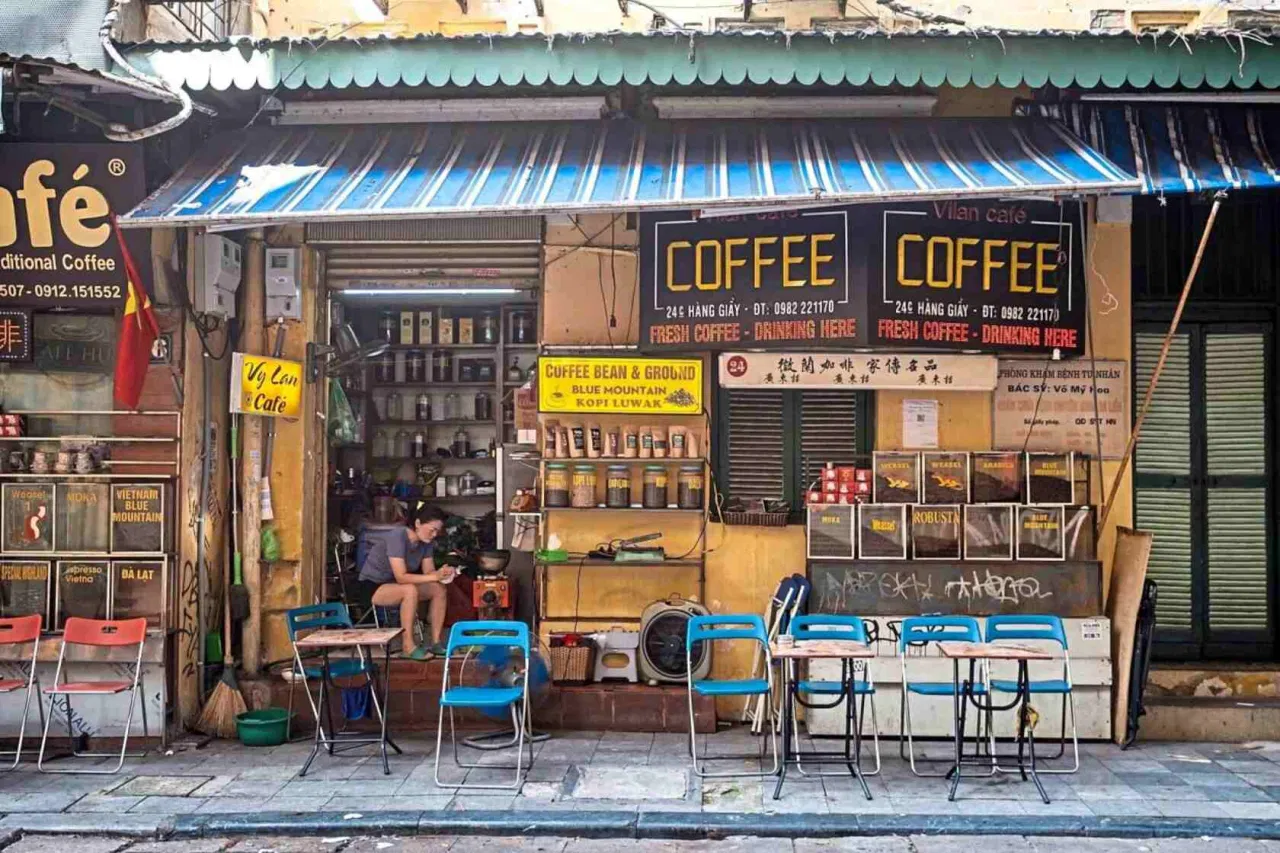
According to voices cited by National Geographic, coffee in Vietnam functions as a social rhythm rather than a rushed habit. From street-side stools in Ho Chi Minh City to neighborhood cafés in Hanoi, coffee drinking is deeply embedded in everyday life.

The magazine reports that this communal approach has increasingly attracted travelers, while younger generations of Vietnamese entrepreneurs are reshaping the industry—focusing on quality, traceability, and thoughtful café experiences that elevate local beans to global standards.

A New Era of Coffee Experiences

National Geographic notes that cities such as Hanoi, Da Nang, and Hoi An now offer a wide spectrum of coffee experiences. Traditional cafés coexist with specialty shops, luxury hotels, and curated tasting programs that introduce visitors to Vietnam’s diverse coffee terroirs.

The report also highlights the growing presence of coffee-based cocktails and modern mixology, where Vietnamese Robusta beans are used to add depth and structure to innovative drinks, reflecting the country’s evolving culinary creativity.

A Living Cultural Legacy

In conclusion, National Geographic emphasizes that Vietnam’s relationship with coffee mirrors the nation’s broader history—shaped by colonial influence, hardship, and adaptation, yet ultimately defined by ownership and pride.

As the magazine observes, drinking Vietnamese coffee today is not simply about flavor, but about experiencing a collective memory of resilience, reinvention, and hope.

International Coffee Day: How It Started and Why the World Celebrates

Dubai – Qahwa World

The International Coffee Organization (ICO) has launched its global campaign to celebrate International Coffee Day (ICD), observed every year on October 1. The theme for 2025 is “Embracing Collaboration More Than Ever.” The ICO emphasized that this celebration is an opportunity to underline the vital role of collaboration across the coffee value chain — from farmers and cooperatives to traders, roasters, baristas, and consumers — ensuring sustainable livelihoods, shared prosperity, and resilient communities.

Vanúsia Nogueira, Executive Director of the ICO, stated: “Coffee is a product of many hands and many hearts. When farmers, cooperatives, researchers, roasters, traders, baristas and consumers work together, we create opportunities for income, resilience and environmental stewardship. This year’s campaign calls for practical collaboration that delivers real benefits along the whole chain.”

On this occasion, Qahwa World has prepared a comprehensive research report on International Coffee Day — its origins, history, economic and cultural significance, and its importance for the global coffee industry. This research is presented to highlight why this day is not just a celebration of a beverage, but a recognition of coffee’s role as a cultural, social, and economic force worldwide.

Origins and Establishment of International Coffee Day

International Coffee Day was officially established in 2014 during the International Coffee Council meeting in Milan, aligned with Expo 2015. The first official ICD celebration was held on October 1, 2015.

Objectives of the Day:

To unite coffee lovers around the world.

To honor and recognize coffee farmers whose livelihoods depend on this crop.

To raise global awareness about sustainability, fair trade, and challenges in the coffee sector.

To strengthen the sense of community among all participants in the coffee chain.

Historical Roots of Coffee

The history of coffee stretches back centuries, connecting continents and cultures:

Ethiopia: Coffee’s origins are often traced to Ethiopia, where wild coffee plants grew in the forests of Kaffa. Legends suggest its stimulating effects were first observed there.

Yemen: In the 15th century, coffee cultivation spread to Yemen. Sufi monks began preparing coffee as a beverage to help them stay awake during prayers, making Yemen the cradle of coffee culture.

Arab World: By the 16th century, coffee spread throughout Mecca, Cairo, Damascus, and Istanbul. Coffeehouses (qahveh khaneh) became centers of social, cultural, and intellectual life.

Europe: Coffee reached Venice in the early 17th century. It spread rapidly through Europe despite religious controversies and bans. Coffeehouses in London, known as “penny universities,” became hubs of debate and knowledge.

Asia and the Americas: By the 18th century, colonial powers introduced coffee cultivation to Asia (notably Indonesia) and Latin America (notably Brazil and the Caribbean), shaping the global coffee industry we know today.

Technological and Industrial Evolution

In the 19th century, industrialization revolutionized coffee. The invention of large-scale roasting machines and improved grinders allowed for mass production and consistent quality.

In the 20th century, new innovations such as soluble (instant) coffee emerged, led by companies like Nestlé in the 1930s. This changed global consumption patterns and made coffee more accessible.

Today, technological advances extend to specialty coffee roasting, precision brewing methods, and sustainable farming practices, reflecting the balance between tradition and innovation in the coffee world.

Celebration Dates Worldwide

Although October 1 is the official ICO date, different countries observe coffee days at varying times:

October 1: International Coffee Day (official ICO recognition, celebrated globally).

September 29: National Coffee Day in the USA, Canada, Austria, and a few other countries.

Other Coffee Days in the USA:

November 8: National Cappuccino Day

November 23: National Espresso Day

February 11: National Latte Day

These variations highlight the universal love for coffee across cultures.

Traditions and Activities

International Coffee Day is marked by a variety of events and initiatives:

ICO Campaigns: Every year, the ICO sets a central theme. In 2025, the focus is collaboration.

Coffeehouses and Roasters: Businesses worldwide host tastings, workshops, and awareness campaigns.

Social Media: Hashtags like #InternationalCoffeeDay and #ICD2025 amplify global participation, encouraging people to share their coffee experiences.

Awareness Programs: NGOs, cooperatives, and coffee associations use ICD to shed light on sustainability, fair income for farmers, and climate-related challenges.

Economic Impact of Coffee

Coffee is not just a cultural icon but also an economic powerhouse:

Consumption: Over 3 billion cups are consumed daily worldwide.

Production (2023, ICO): Approximately 170 million 60-kg bags of coffee are produced annually.

Top Producers (2023):

Brazil – 37% of global production

Vietnam – 17%

Colombia – 8%

Indonesia – 7%

Ethiopia – 5%

The Coffee Belt: Coffee production is concentrated in a tropical zone known as the Coffee Belt, spanning Latin America, Africa, and Asia-Pacific.

Trade Value: Coffee is the second most traded commodity globally after crude oil.

Social and Environmental Dimensions

The day also highlights the challenges and responsibilities facing the global coffee community:

Farmer Livelihoods: Coffee supports the livelihoods of over 125 million people worldwide, including around 25 million smallholder farmers directly dependent on it. Yet many live below the poverty line due to fluctuating prices and market instability.

Climate Change: Rising temperatures, pests such as coffee leaf rust, and deforestation threaten production worldwide.

Sustainability Efforts: Certifications such as Fairtrade, Rainforest Alliance, and organic standards are promoted during ICD to encourage responsible production and consumption.

Cultural and Social Significance

Coffee has always been more than a drink — it has been a catalyst for culture and community:

In the Arab world, early cafés became places for music, chess, storytelling, and poetry.

In Europe, coffeehouses were breeding grounds for intellectual movements, journalism, and political debate.

Today, cafés remain spaces for creativity, networking, and cultural exchange.

Interesting Facts About Coffee

Coffee trees can live up to 100 years, though their most productive years are between 7 and 20.

Coffee faced multiple bans in history — in Mecca, Istanbul, and even in 18th-century Prussia — but it always returned stronger.

One of the most expensive coffees in the world is Ospina (Colombia), valued at $1,700 per pound in 2024.

The term “penny university” reflected the role of 17th-century English coffeehouses, where intellectual discussion was accessible for the price of a cup.

Conclusion

International Coffee Day is not simply about celebrating a beloved beverage — it is about recognizing the centuries-long journey of coffee from Ethiopia and Yemen to the rest of the world, and the millions of people whose lives are intertwined with it.

By establishing ICD in 2014, the ICO created a platform for uniting coffee lovers, supporting farmers, and promoting sustainability. In 2025, under the theme “Embracing Collaboration More Than Ever,” the ICO reminds us that coffee is more than a drink — it is a shared commitment to resilience, sustainability, and global cooperation.

Barista Terminology | Episode 14: Coffee Origins and Their Flavour Profiles

Qahwa World continues its “Barista Terminology” series, reaching today the fourteenth installment of this educational journey dedicated to enhancing the professional and cultural knowledge of baristas. In this episode, we examine some of the most prominent coffee-producing countries worldwide, highlighting their pivotal role in shaping the history of coffee and its global cultural and economic impact.

Coffee’s origin is more than just a label—it is the foundation of its identity. Soil, climate, altitude, and processing methods shape each region’s unique character. For baristas and enthusiasts alike, understanding coffee origins means understanding the story behind every cup.

  1. Ethiopia
  • Widely accepted as the birthplace of coffee.
  • Known for floral, fruity, and tea-like flavors.
  • Often features bright acidity and a light, elegant body.
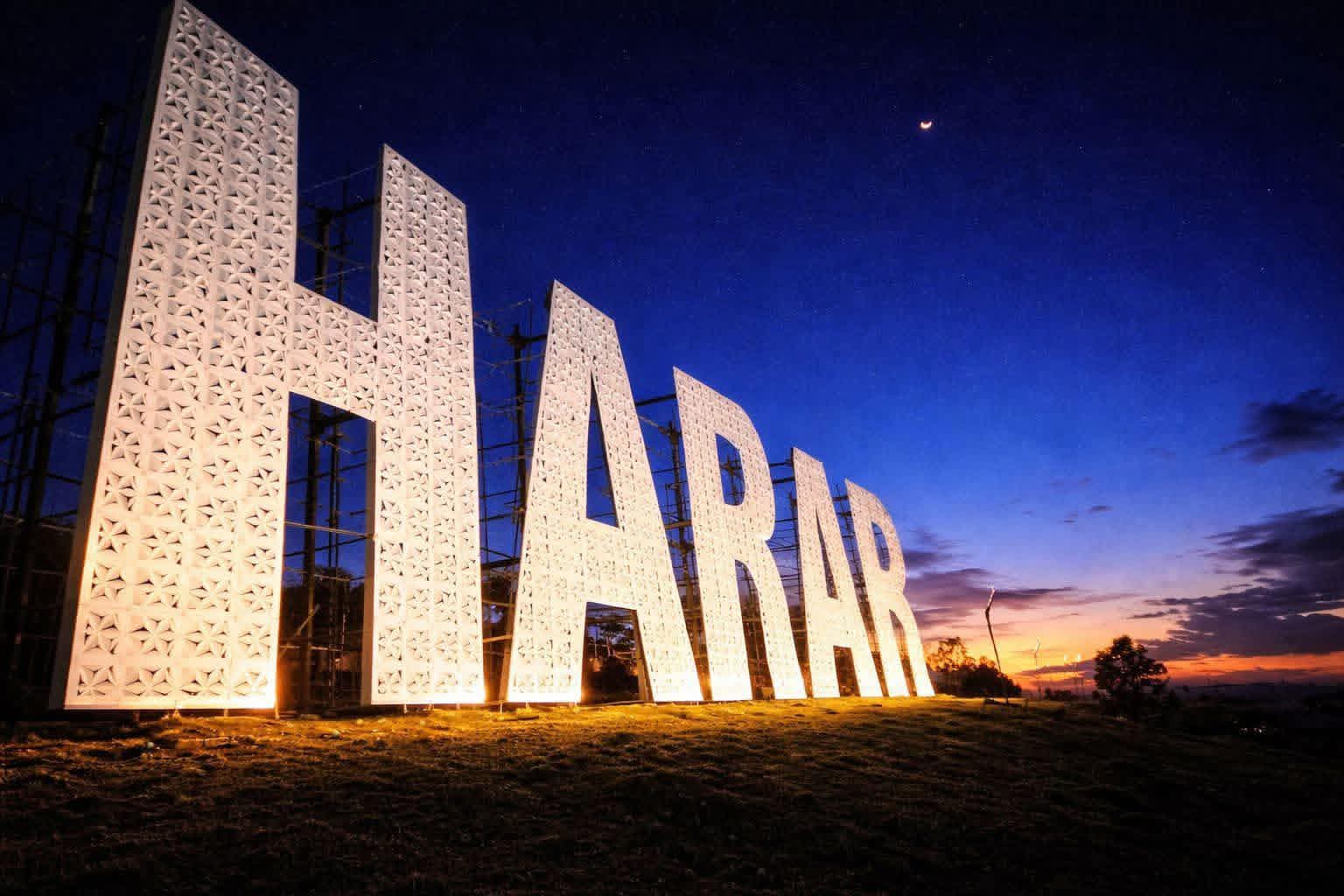
  • Famous growing regions: Yirgacheffe, Sidama, Harrar.
  1. Yemen
  • The first country to cultivate and export coffee.
  • Produces earthy, winey, and spicy coffees with wild complexity.
  • Grown in terraced mountains with minimal irrigation.
  • Traditional dry processing preserves deep, rustic character.
  1. Brazil
  • The world’s largest coffee producer.
  • Known for chocolatey, nutty, and low-acid profiles.
  • Often used in espresso blends for its sweetness and heavy body.
  • Mechanized harvesting and large estates dominate production.
  1. Colombia
  • Offers balanced coffees with caramel, nut, and red fruit notes.
  • Known for clean cup quality and medium body.
  • Coffee is grown across various altitudes and microclimates.
  • A staple for many brewing styles.
  1. Kenya
  • Renowned for vibrant acidity and juicy, wine-like profiles.
  • Notes include blackcurrant, grapefruit, and floral tones.
  • Coffee auctions and grading systems support high quality.
  • Grown on volcanic soil at high elevations.
  1. Guatemala
  • Produces complex coffees with chocolate, spice, and berry notes.
  • Medium to full body and pronounced acidity.
  • Volcanic soils and diverse microclimates offer great variety.
  • Antigua and Huehuetenango are standout regions.
  1. Costa Rica
  • Known for clean, sweet, and bright coffees.
  • Common flavor notes: citrus, stone fruit, brown sugar.
  • Frequently uses honey and washed processes.
  • Strong environmental and quality controls.
  1. Panama
  • Globally recognized for the Geisha variety.
  • Offers floral, jasmine, bergamot, and delicate fruit notes.
  • High-altitude farms like Boquete and Volcán yield prized lots.
  • Among the most expensive coffees in the world.
  1. Indonesia
  • Notable regions: Sumatra, Java, Sulawesi.
  • Produces earthy, bold coffees with heavy body and low acidity.
  • Often processed using traditional wet-hulling.
  • Complex, deep profiles loved in dark roasts.
  1. Honduras
  • Emerging as a high-quality producer.
  • Known for sweet, balanced, sometimes tropical fruit-forward cups.
  • Great for both filter and espresso use.
  • Strong investment in cooperatives and traceability.

Related Stories:

Barista Terminology | Episode 13: Espresso Machine Components Explained

Barista Terminology | Episode 12: Brewing Equipment Maintenance & Hygiene

Barista Terminology | Episode 11: Milk-Based Coffee Drinks

Barista Terminology | Episode 10: Advanced Concepts

Barista Terminology | Episode 9: Sensory Evaluation

Barista Terminology | Episode 8: Customer Service Language in the Café

Barista Terminology | Episode 7: Water & Temperature Control

Barista Terminology | Episode 6: Grind & Extraction Variables

Barista Terminology | Episode 5: Milk Texturing & Latte Art

Barista Terminology | Episode 4: Brew Methods Explained

Barista Terminology | Episode 1: The Coffee Bean – From Seed to Roast

Barista Terminology | Episode 2: Barista Tools & Equipment

Barista Terminology | Episode 3: Espresso Basics


Faisal Abdu Saeed Al-Tahri: The Hero of Al-Udayn and Guardian of Yemeni Coffee

Ibb – August 30, 2025 – (Qahwa World) — In Wadi ‘Annah of Al-Udayn District, where terraced fields rise against the mountain slopes, stands Faisal Abdu Saeed Al-Tahri, known locally as Al-Mahlawi. With determination rooted as deep as his coffee trees, he refuses to let a centuries-old legacy fade. His annual harvest may amount to only 40–50 kilograms, but each bean carries the story of Al-Udayn — a story that has gifted the world a coffee unlike any other.

Despite drought, the absence of modern irrigation, and the high costs of cultivation, Al-Tahri is intent on expansion, not retreat. He plans to plant 500 new seedlings over the next two years. Achieving this goal, however, requires real support, for he lacks the means to build water reservoirs or install irrigation systems. His effort is more than a personal endeavor; it is a model for safeguarding Yemen’s coffee and turning individual resilience into collective success.

Al-Udayn: Valleys Between Mountains and Water

Al-Udayn, in Ibb governorate, is one of Yemen’s most fertile and striking regions. It is home to Wadi Al-Dur and Wadi ‘Annah, two beating hearts of Yemeni coffee. Within these valleys, two distinct coffees thrive:

  • Mountain coffee: grown at higher altitudes, producing small beans with concentrated, complex flavor.

  • Valley coffee: cultivated along streams and under shade trees, softer in taste and smoother on the palate.

This balance of mountain and valley has given Al-Udayn coffee its singular identity. Here, coffee is not merely a crop — it is heritage. Local historians even suggest that the very name Al-Udayn is linked to the stem of the coffee plant.

From Al-Udayn to Mocha: A Journey That Changed History

Al-Udayn was never isolated. It was part of the supply network that sustained the historic port of Mocha. From its valleys, caravans carried beans across rugged terrain to the coast, where they were shipped abroad. In the mid-15th century (around 1450), the first Yemeni coffee left Mocha, and the word Mocha became synonymous with coffee worldwide.

Enduring Testimonies

In 1587, historian Abdul Qadir Al-Jaziri wrote in Umdat al-Safwah fi Hal al-Qahwa:
“As for the origin of coffee, it is from the lands of Yemen — from Aden, Zabid, Sana’a, Mocha, and others.”

In 1573, German physician Leonhard Rauwolf described coffee for Europeans for the first time:
“A black beverage like ink, sold in Yemen, beloved by the people, useful for stomach ailments.”

And in the 17th century, Ottoman traveler Evliya Çelebi observed:
“In the mountains of Ibb and Al-Udayn are coffee farms that dazzle the eyes, and their people live by this precious crop whose fame spread across horizons.”

These accounts are more than documentation; they are a testament that what Al-Tahri cultivates today is part of a heritage that once transformed global history.

Our Visit to Faisal Al-Tahri

Our visit to Faisal Al-Tahri was not just a meeting with a farmer but a glimpse into the living history of Al-Udayn. Through his determination, he mirrors the perseverance of hundreds of farmers who struggle to preserve coffee against drought, neglect, and the spread of competing crops such as qat, which has consumed large areas of farmland.

He embodies the broader story of Yemen itself: a land that gave coffee to the world and continues, through its devoted farmers, to offer an enduring lesson in resilience.

Faisal: The Face of the Present, the Banner of the Future

Al-Tahri’s humble smile never leaves his face, and his care for his centuries-old trees reflects the Yemeni farmer’s deep bond with the land. Coffee for him is no longer just a crop — it is a struggle for survival against drought, lack of support, and the encroachment of other crops threatening Yemen’s agricultural identity.

In Faisal Abdu Saeed Al-Tahri, Al-Udayn is personified: its fertile valleys, its towering mountains, and its historic link to Mocha, the port that shipped the world’s first coffee. He is the present rooted in the past, cultivating for the future a legacy that endures under one name: Al-Udayni Coffee.

In Turkey, Coffee Is More Than a Drink — It’s a Cultural Ritual

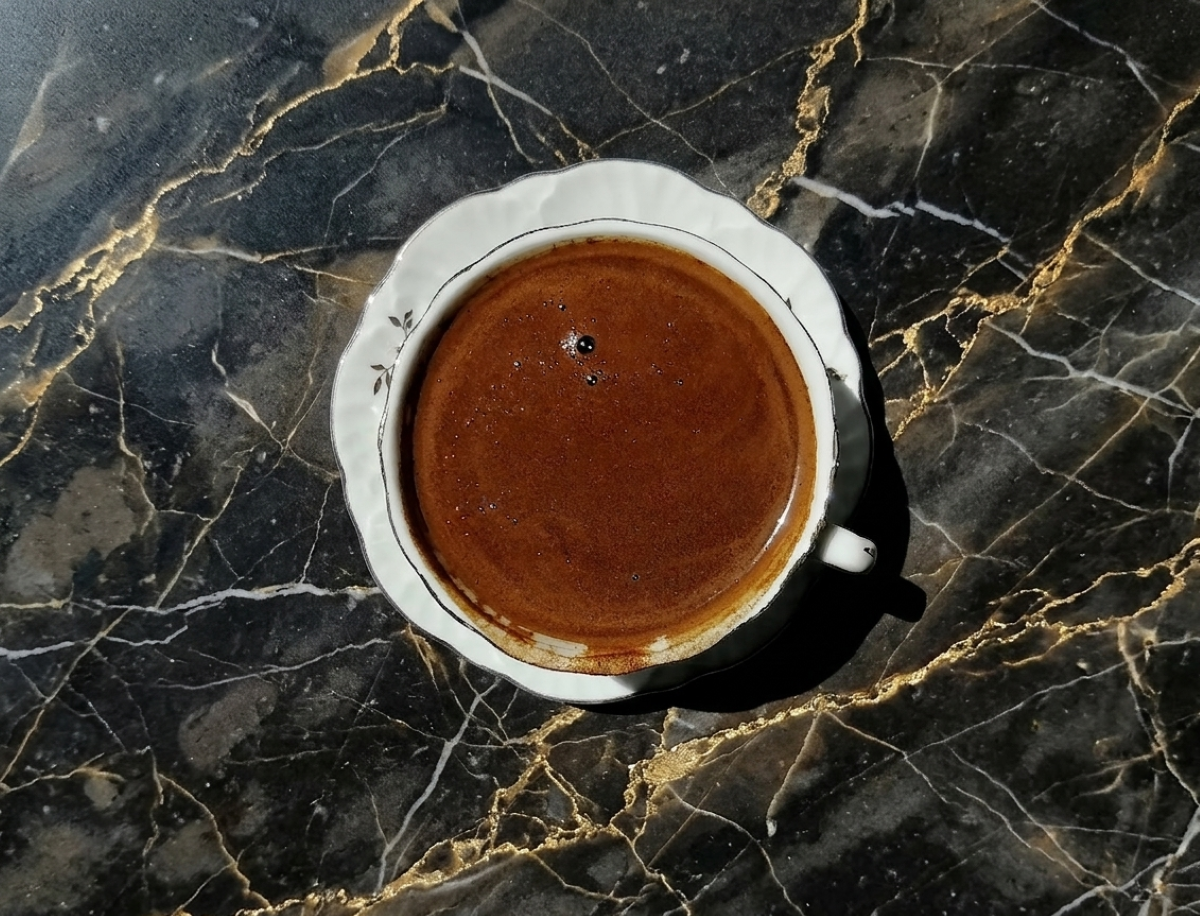
Turkish coffee is not simply a drink. It is a ritual, a social bond, and a cultural heritage that dates back nearly five centuries. Recognized by UNESCO on its Intangible Cultural Heritage of Humanity list, the Ottoman tradition of preparing coffee in a cezve has become a symbol of identity for generations in Turkey and beyond.

From Yemen to the Ottoman Empire

As CNN reports, the story begins in 15th-century Yemen, where Sufi mystics consumed coffee to remain awake during long nights of prayer. When Sultan Süleyman the Magnificent annexed Yemen in 1538, coffee entered the Ottoman Empire and soon reached Istanbul. By the 1550s, the city witnessed the rise of its first kahvehane (coffeehouses), which quickly became central to cultural and political life.

Prepared slowly in a copper pot, Turkish coffee differs from most brewing methods: it is “cooked” in water to produce a strong, unfiltered drink topped with foam. Coffeehouses spread rapidly but often drew suspicion from rulers, who feared they encouraged dissent. Similar anxieties later emerged in England, where King Charles II tried unsuccessfully to close London’s coffeehouses in the 17th century.

A Ritual of Hospitality

CNN highlights that in Turkey, coffee represents community. Guests are traditionally offered coffee with water and lokum (Turkish delight). The drink is consumed slowly, giving grounds time to settle — setting the stage for the playful ritual of coffee-cup reading, where the shapes left behind are interpreted for fun as signs of fortune, journeys, or good news.

Turkish coffee even plays a role in marriage traditions: during courtship, a bride-to-be serves coffee to the groom’s family. As a test, she may add salt instead of sugar to his cup, with his reaction taken as a measure of patience and maturity.

From Istanbul to London and Beyond

The influence of Turkish coffee extended far beyond the empire. CNN recounts how in 1652, London’s first coffeehouse opened in St. Michael’s Alley, introduced by a merchant from İzmir and his servant Pasqua Rosée. For a penny, patrons could drink freely while debating news and politics in what became known as “penny universities.”

Despite this reach, Turkish coffee never achieved the global recognition of espresso. Some scholars, CNN notes, believe this is due to generational shifts: for many young people in Turkey, it has become a drink associated with parents rather than innovation.

Tradition and Modern Revival

Others argue that innovation is vital. Turkish coffee ambassadors are working worldwide to showcase the ritual. In London, workshops teach traditional preparation, while in New York, the “Turkish Coffee Room” blends performance, storytelling, and tasseography to captivate new audiences.

Back home in Istanbul, authentic experiences remain easy to find. CNN recommends iconic spots such as Hafız Mustafa, Mandabatmaz on İstiklal Street, and Nuri Toplar in the Egyptian Bazaar. For a modern twist, Hacı Bekir in Kadıköy offers creative interpretations.

A Living Heritage

As CNN concludes, Turkish coffee endures as a living cultural symbol — one that connects history with hospitality, ritual with storytelling. Whether served in a historic Istanbul café, a family home in Safranbolu, or a workshop abroad, every cup carries with it a taste of heritage and a story waiting to be told.

This article is adapted from a feature originally published by CNN Travel. All rights remain with the original publisher. Qahwa World republishes it here for educational and cultural purposes.

The Unsung Hero of Every Cup: The Story of Coffee Filters

Dubai – Qahwa World

The coffee filter—a simple, unassuming piece of material—is the unsung hero in the art of brewing. While we often praise the beans, roasters, and brewing methods, the story of the coffee filter is one of quiet ingenuity and a vision for a better cup. Behind its creation lies a tale of innovation, perseverance, and a quest for perfection that revolutionized how the world enjoys coffee.

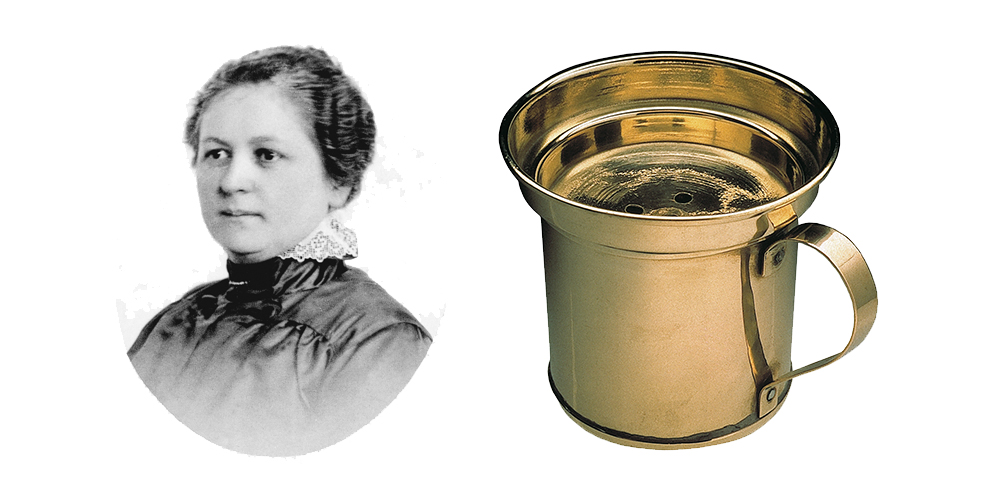
In 1908, in the bustling city of Dresden, Germany, a woman named Melitta Bentz was grappling with a common frustration: gritty, bitter coffee. At the time, coffee grounds were brewed directly in boiling water, leaving behind an unpleasant residue and an over-extracted flavor. Melitta wasn’t an inventor by trade; she was a housewife who loved a clean cup of coffee. Yet her dissatisfaction became the catalyst for change.

One day, as she prepared coffee in her kitchen, inspiration struck. She took a piece of blotting paper from her son’s school notebook, punctured a brass pot with holes, and used the paper as a makeshift filter. The result? A smooth, grit-free coffee that tasted pure and bright. Melitta had not just solved her problem—she had laid the foundation for a brewing revolution.

A Patent and a Family Dream

Recognizing the potential of her invention, Melitta patented her coffee filter on July 8, 1908. What followed was a story of determination. Together with her husband Hugo and their two sons, Melitta began producing and selling her filters from their home. They established the Melitta Company, a small family business that would grow into one of the most respected names in coffee history.

The coffee filter’s popularity soared as households and cafes adopted the innovation, appreciating its ability to transform brewing into an art. It wasn’t just a tool—it was a symbol of progress, of the pursuit of excellence in the everyday.

The Evolution of Coffee Filters: White and Brown

As coffee filters gained traction, their production evolved. The early filters were unbleached, naturally brown, and minimally processed. Over time, white filters were introduced, chemically bleached or oxygen-treated to remove the natural color. These white filters appealed to those who valued a neutral taste profile, as the process removed any residual papery flavor.

But the brown filters remained beloved among environmentally conscious coffee lovers, who appreciated their eco-friendly manufacturing process. Today, the debate between white and brown filters persists—one of taste versus sustainability, preference versus principle.

Beyond Paper: Innovations in Brewing

While paper filters remain a staple, innovation in coffee brewing has led to alternatives. Metal filters, made of stainless steel, preserve the natural oils of coffee, offering a fuller-bodied brew. Cloth filters, though requiring care, provide an eco-friendly and reusable option. These innovations underscore the enduring influence of Melitta’s original invention—a solution designed to perfect the brewing process.

The Legacy of a Visionary

Melitta Bentz’s story is more than an account of invention; it is a testament to how one person’s desire for a better experience can change an entire industry. Today, over a century later, her company remains family-owned, continuing her legacy of quality and innovation. The coffee filter is a reminder that even the simplest ideas, born in the humblest of settings, can shape the way we live.

What Lies Ahead

The coffee filter’s journey isn’t over. With sustainability at the forefront of global concerns, brands are reimagining filters to reduce waste and embrace renewable materials. Specialty coffee enthusiasts demand filters tailored to highlight the unique characteristics of their beans, driving producers to innovate further.

Why the Coffee Filter Matters

In an era of high-tech coffee machines and exotic brewing gadgets, the coffee filter is a grounding force—a humble yet indispensable component of the perfect cup. It reminds us that the pursuit of quality begins with the basics and that even a small improvement can ripple across the world, elevating the everyday into something extraordinary.

The next time you brew your coffee, take a moment to appreciate the filter. Behind that thin sheet of paper lies a history of ingenuity, a dedication to craft, and a legacy of excellence. The coffee filter may not sing its praises loudly, but its quiet contribution is one of the most significant in the world of coffee.

This is the story of the coffee filter: a tale of simplicity, innovation, and timeless brilliance.

World’s Most Famous Coffee Museums to Visit

Coffee is not just a drink. This is the history, culture and tradition of many different peoples. Coffee museums help to understand them.

Dubai Coffee Museum


Here you will learn how drinks prepared according to national recipes differ. You will see the first devices for sorting, grinding, roasting and grinding.
In addition to specific utensils, the museum has an impressive library. A valuable treasure is the world’s oldest book about coffee. You can taste an unforgettable drink in a truly oriental cafe.

Kaffee Museum – in Vienna, Austria


Founded by Edmund Mayr in 2003 from a personal collection. Now it presents more than a thousand exhibits related to coffee and Viennese coffee traditions:
* Serving dishes;
* Roasters for roasting grains;
* Manual coffee grinders;
* Coffee makers of various types;
* Advertising leaflets and posters.

You will be shown an old English coffee maker, which was used by Ludwig Van Beethoven himself. It still works!

Bramach Tea and Coffee Museum in London


It was founded in 1992 by the merchant and collector E. Bramakh. The exhibition tells about the coffee and tea history in the UK, the origin of national rituals. In the cafe-pastry shop you can enjoy great samples of drinks.

Jens Burg Coffee Museum, Hamburg, Germany


3000 exhibits are able to satisfy the curiosity of the most demanding visitors. These are old coffee grinders, unusual varieties of the drink, a unique bagging machine, the first coffee filters that appeared in 1920. And also accompanying spices, sweets, jams. Guided tours and seminars are held.

Coffee Museum in St. Petersburg


It was opened in 2008 and became the first such institution in Russia. The complex has an exhibition exposition, a tasting room, a demonstration area and a coffee terrace with a view of the Neva River. You will be introduced to the history of the drink, the subtleties of cultivation, the peculiarities of varieties from different regions of the planet. Master classes, fairs, festivals are held here.
If you love coffee, visit one of these museums. And everything is better!