Italian-Style Coffee Linked to Lower Risk of Common Liver Disease

Dubai – Qahwa World

A recent Italian study published on 19 March 2026 in a scientific journal has found an association between traditional Italian-style coffee consumption and a reduced risk of metabolically dysfunctional-associated steatotic liver disease (MASLD).

The research was conducted by scientists at the National Institute of Gastroenterology in Bari, Italy, and focused specifically on coffee prepared using traditional Italian methods such as espresso and moka, which rely on pressure extraction.

MASLD is currently one of the most widespread chronic liver diseases globally, affecting more than 30% of adults. It is strongly associated with obesity, insulin resistance, type 2 diabetes, dyslipidemia, and hypertension, and can progress to more severe liver conditions, including cirrhosis and liver cancer.

The study analyzed data from a long-term research project in Southern Italy. A total of 1,079 coffee-drinking participants were included in the final analysis. Liver conditions were assessed using ultrasound examinations, while coffee consumption was evaluated through a validated dietary questionnaire.

The findings showed that, after adjusting for various health and lifestyle factors, higher coffee consumption was associated with a lower risk of MASLD. The risk was 52.1% lower among those who consumed one cup per day, 53.2% lower for two cups, and 55.1% lower for three cups. The greatest reduction, 59.3%, was observed among individuals who consumed four to six cups daily.

In addition, each extra cup of coffee per day was associated with an approximate 15.7% reduction in risk.

Researchers attributed these findings to the high levels of bioactive compounds retained in Italian-style coffee, particularly in unfiltered preparations. These include chlorogenic acids, diterpenes, trigonelline, and melanoidins, which are believed to play a role in reducing inflammation, improving insulin sensitivity, and limiting fat accumulation in the liver.

Despite the findings, the researchers emphasized that the study is observational and does not establish a direct cause-and-effect relationship. Coffee consumption was also self-reported by participants.

The study noted that coffee is a central part of daily life in Italy, with most consumers preferring espresso or moka preparation methods.

According to European health guidance, up to 400 mg of caffeine per day is considered safe for healthy adults, though certain groups such as pregnant women or individuals sensitive to caffeine are advised to limit intake.

The study concludes that moderate consumption of Italian-style coffee may be associated with potential liver health benefits, while further research is needed to confirm these findings.

Italian Coffee Giants Unite to Launch Mazzer x Slayer Grinder

New collaboration brings precision-focused innovation to professional coffee grinding

Milan – Qahwa World

Two leading names in Italy’s coffee equipment industry have joined forces to introduce a new grinder designed for professional use, marking a notable collaboration in the speciality coffee sector.

The partnership between Cimbali Group and Mazzer has resulted in the Mazzer x Slayer grinder, unveiled during the Grind Chronicles. The project represents the first tangible outcome of their combined efforts.

The grinder has been developed to enhance the interaction between barista and equipment, with a focus on design, usability, and precision. Drawing inspiration from the Slayer espresso machine experience, the new model aims to extend that same level of control and attention to detail to the grinding stage.

Presented as a prototype, the machine operates at low speed and incorporates a grind-by-weight system, making it suitable for medium- to high-volume coffee environments. It features an integrated load cell and 69 mm conical burrs, designed to deliver consistent and accurate dosing across different working conditions.

The design also reflects elements associated with Slayer machines, offering a cohesive workflow from grinding through to extraction. This approach is intended to support baristas in maintaining consistency while optimising daily operations.

Frédéric Thil, managing director of Cimbali Group, stated that the collaboration brings together complementary expertise to develop reliable, high-performance solutions for coffee professionals. He emphasised the importance of precision, consistency, and control in elevating both workflow and cup quality.

Giovanni Mazzer, President of Mazzer, described the partnership as a meaningful collaboration between companies that share common values and a strong connection to espresso heritage. He noted the potential to deliver advanced technological solutions alongside a high standard of service.

The final version of the Mazzer x Slayer grinder is expected to be officially introduced to the market at the London Coffee Festival 2026 in May 2026.

Lavazza Museum in Turin: A Journey Through Italian Coffee History

Dubai – Qahwa World

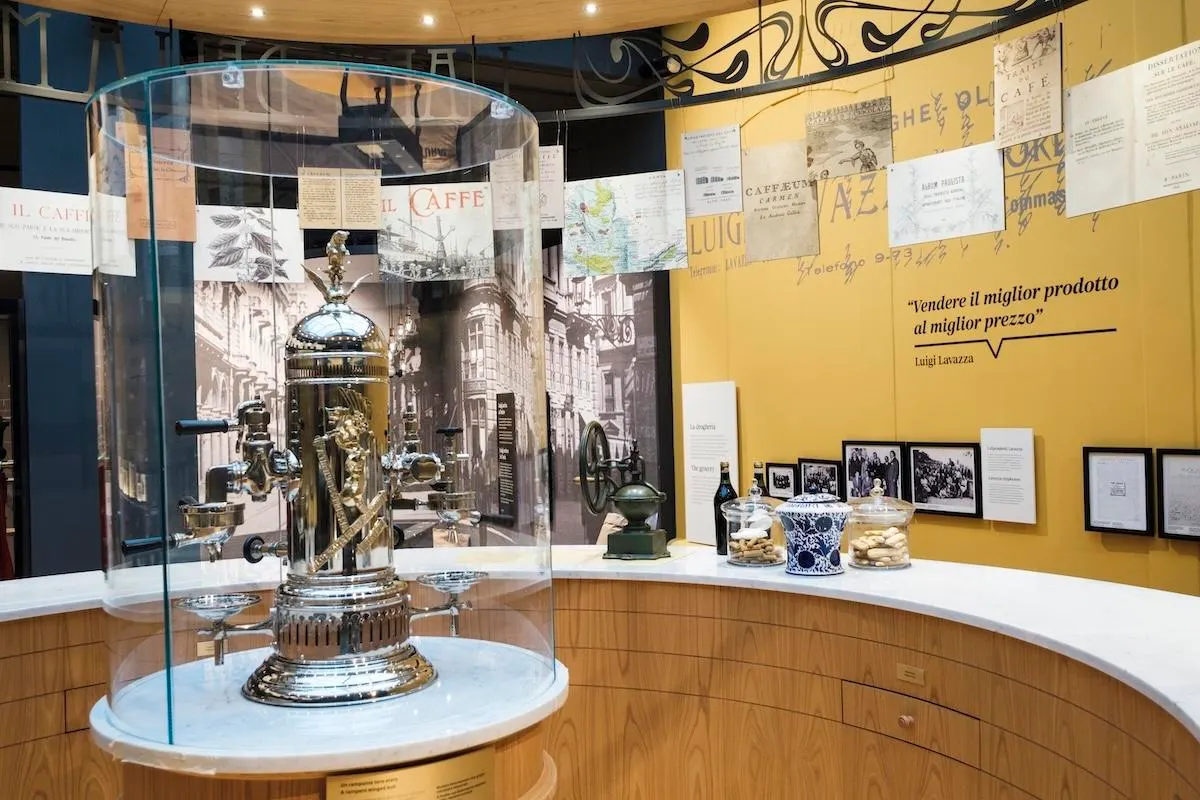
Forbes recently reported on the Lavazza Museum in Turin, Italy, describing it as a must-visit destination for coffee enthusiasts and anyone interested in Italian culture. The museum offers an immersive experience that goes beyond displaying artifacts, engaging visitors through history, technology, and the senses.

  • The Origins of Lavazza

Luigi Lavazza founded his coffee business in Turin in 1895, starting from a small city-centre grocery store. Originally a chemist, Lavazza was a pioneer in creating coffee blends that ensured consistent flavour. He also innovated packaging by using oil-proof paper stamped with his name, preserving aroma and establishing a recognisable brand.

  • Turin and Coffee Culture

While Italy’s first coffeehouse opened in Venice, Turin became a hub for coffee innovation. Historic cafés like Caffè San Carlo, Caffè Florio, and Caffè Bicerin were social centres for intellectuals, politicians, and nobility. In 1884, Turin native Angelo Morindo invented a steam-driven coffee machine, laying the groundwork for modern espresso machines. The city is also known for the Bicerin, a layered coffee, chocolate, and cream drink that remains popular today.

  • A Modern Museum Experience

Housed in the futuristic Nuvola Lavazza building, the museum blends history with interactive technology. Visitors receive a “smart” espresso cup with an embedded chip that activates multimedia exhibits, including videos, recordings, and images.

  • The museum is organised into five main sections:

Casa Lavazza: Chronicles the family business with historical objects, handwritten recipes, and a replica of Lavazza’s original store.

La Fabbrica: Demonstrates the coffee production process from bean to cup, with hands-on and aromatic displays.

La Piazza: Focuses on coffee rituals, featuring antique machines in a piazza-inspired setting.

L’Atelier: Highlights creative projects and collaborations.

L’Universe: Offers a fully immersive 360-degree sensory coffee experience.

The tour concludes with a coffee tasting and a gift shop featuring Lavazza products.

  • Community and Sustainability

The museum is part of the Nuvola Lavazza complex, which includes the company headquarters, restaurants, event spaces, and a design school. Built on the site of a former power plant in Turin’s Aurora district, the project emphasizes community engagement and sustainability, earning Platinum LEED certification.

According to Forbes, the Lavazza Museum is ideal for coffee lovers, history buffs, and anyone curious about Italian traditions, offering a sensory and educational experience that makes it a standout destination in Turin.