Ahmed Bin Sulayem Highlights Expansion Plans at DMCC Coffee Centre

Dubai — Qahwa World

Ahmed Bin Sulayem, Executive Chairman and Chief Executive Officer of DMCC, announced new initiatives aimed at strengthening the regional coffee ecosystem and supporting emerging coffee entrepreneurs through the DMCC Coffee Centre.

Speaking about the Centre’s future plans, Bin Sulayem said the organization is exploring the launch of a community co-roasting space designed to support the next generation of coffee entrepreneurs. At the same time, plans are underway to develop a coffee wholesale facility that would further improve market access for the diverse network of producers and traders operating within the DMCC Coffee Centre.

You may like: DMCC Coffee Centre: Specialty Coffee Redefines the Global Market

According to Bin Sulayem, the DMCC Coffee Centre has handled more than 30,000 metric tonnes of green coffee since its establishment, working with over 30 coffee origins worldwide. In addition, the facility has completed more than 1,000 metric tonnes of value-added processing, serving both the United Arab Emirates’ growing domestic market and over 50 major re-export destinations.

As the coffee sector in the UAE and the wider region continues to expand, the Centre has maintained close engagement with the local coffee community. Through partnerships and industry collaboration, DMCC has supported several major regional events, including World of Coffee Dubai.

DMCC has also launched a number of initiatives aimed at strengthening the specialty coffee sector. These include the Dubai Coffee Auction by DMCC, organized in collaboration with M-Cultivo, an initiative focused on supporting next-generation coffee farmers. The organization also introduced the UAE AeroPress Championship, which forms part of the global World AeroPress Championship.

Read Also: DMCC Coffee Centre: Supply Chain Pressures and Tariffs Threaten Global Coffee Trade

Bin Sulayem added that, in support of growing coffee brands, DMCC has introduced a JLT collection point, enabling members of the Coffee Centre and their customers to conveniently collect roasted coffee.

These initiatives reflect the Centre’s ongoing role in developing Dubai’s position as a growing hub for the global coffee trade and specialty coffee community.
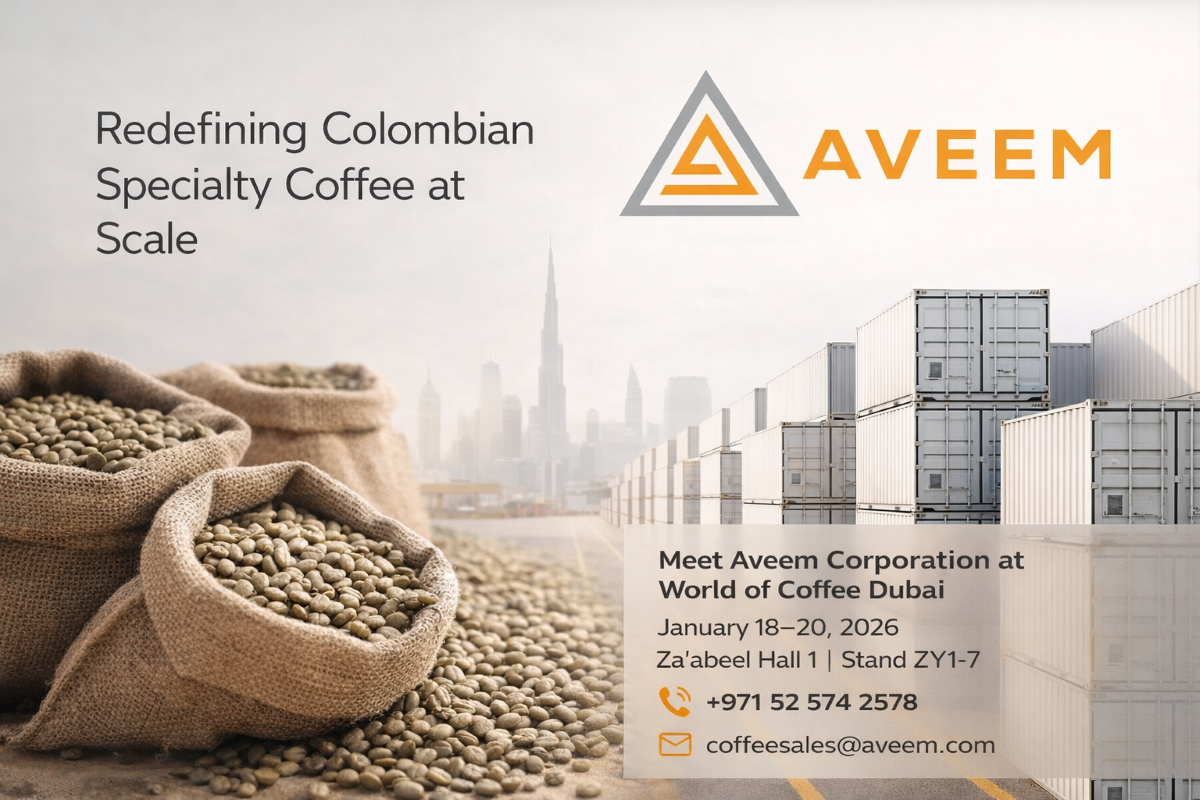
Colombian Specialty Coffee Enters a New Phase of Expansion in the Middle East

Dubai – Qahwa World

Over the past decade, specialty Colombian coffee in the Middle East has largely been defined by small, limited harvests known as microlots. Celebrated for their unique flavors and seasonal character, these microlots helped elevate café culture, introduce consumers to Colombian coffee, and establish the region as one of the fastest-growing specialty coffee markets in the world.

As the market has matured, a major challenge has emerged: consistency. By nature, microlots are small and variable. While they offer distinct sensory experiences, they also create operational challenges. Café owners must continually retrain baristas as flavors change, roasters struggle to maintain consistent roast profiles, and consumers often encounter variability from cup to cup.

With specialty coffee consumption in the Middle East growing at an estimated 8–10% annually, inconsistency has become a barrier to sustainable growth. The market is no longer niche—it now demands scale, reliability, and consistent experiences alongside compelling origin stories.

  • A New Trade Model

Dubai-based Aveem Corporation is introducing a new model by allocating large volumes of Colombian specialty coffee in standardized, repeatable flavor profiles. This approach bridges the gap between microlot exclusivity and market-wide consistency. Two carefully selected profiles are included:

Ecotopo Cusillo – 85 SCA

Regional Nariño – 84.25 SCA

These coffees retain their specialty credentials while offering predictable sensory profiles. Baristas can work with consistent extraction parameters, roasters can maintain stable roast curves, and cafés can deliver a reliable experience to their customers.

  • Market Implications

Importers: Reduced sourcing volatility and improved supply-chain planning.

Roasters: Consistent brand expression across locations and countries.

Cafés: Lower training costs while maintaining high-quality offerings.

Consumers: Reliable, high-quality coffee without compromise.

Data shows that over 60% of specialty coffee consumers value consistency once they find a preferred flavor profile. By transitioning Colombian specialty coffee from fragmented microlots to structured, scalable allocations, Aveem strengthens the entire ecosystem. The move represents a shift from scarcity and experimentation to sustainability and scale in the Middle East’s specialty coffee market.