Coffee Prices Rise on Brazil Dryness and Global Supply Dynamics

Dubai – Qahwa World

Coffee markets moved higher today amid ongoing concerns over dry conditions in Brazil, the world’s largest arabica producer. March arabica futures (KCH26) rose +4.20 (+1.18%), while March robusta futures (RMH26) gained +36 (+0.92%).

The price gains follow last week’s rally, when arabica hit a one-month high due to below-average rainfall in Brazil. Somar Meteorologia reported that Minas Gerais, Brazil’s primary arabica-growing region, received just 26.5 mm of rain for the week ending January 9—only 29% of the historical average—raising fears of smaller harvests.

  • Inventory Levels Support Prices

Tighter stock levels are adding upward pressure on coffee prices. ICE-tracked arabica inventories fell to a 1.75-year low of 398,645 bags on November 20 but rebounded to 461,829 bags last Wednesday. ICE robusta inventories hit a one-year low of 4,012 lots on December 10, later rising to a five-week high of 4,278 lots.

  • Vietnam Exports and Global Supply Trends

While Brazilian dryness is bullish, rising robusta exports from Vietnam are weighing on prices. Vietnam exported 1.58 million metric tons of coffee in 2025, up 17.5% from the previous year. Vietnam’s 2025/26 coffee production is expected to reach 1.76 million metric tons (29.4 million bags), a four-year high. The Vietnam Coffee and Cocoa Association noted that output could increase 10% over the prior year if favorable weather continues.

Globally, coffee supplies are showing mixed signals. The International Coffee Organization reported a slight year-on-year decline in exports for the current marketing year (October–September), totaling 138.658 million bags. Meanwhile, the USDA’s Foreign Agricultural Service (FAS) projects world coffee production in 2025/26 will hit a record 178.848 million bags, with arabica decreasing 4.7% to 95.515 million bags and robusta rising 10.9% to 83.333 million bags. Brazil’s production is expected to fall 3.1% to 63 million bags, while Vietnam’s output may climb 6.2% to 30.8 million bags. Ending stocks are projected to drop 5.4% to 20.148 million bags.

  • Outlook

Market watchers are balancing the bullish signals from Brazil’s dry weather and shrinking inventories against the bearish influence of rising Vietnamese supplies and higher global production forecasts. The net effect has been steady upward pressure on coffee prices, with both arabica and robusta futures posting notable gains in recent sessions.

6 Foods You Should Avoid Eating With Coffee

Dubai – Qahwa World

Coffee is a staple in many people’s daily routines, but what you pair with your cup can significantly impact your digestion and nutrient absorption. While it might seem harmless to enjoy coffee with any meal or snack, certain foods can interfere with your body’s ability to absorb key nutrients or even cause stomach discomfort. Here’s a breakdown of six foods that experts recommend keeping separate from your coffee.

  • 1. Citrus Fruits

Citrus fruits, such as oranges, lemons, and grapefruits, are highly acidic. Drinking coffee alongside these fruits can exacerbate acid-related digestive issues, potentially leading to bloating, heartburn, or nausea. The combination of coffee’s natural acidity and the sharp tang of citrus may also make the beverage taste bitter and less enjoyable.

  • 2. Red Meat

Red meats like beef, pork, and lamb are rich in heme iron, which is crucial for blood health, hormone production, and immune function. Coffee can inhibit the absorption of this iron, reducing the nutritional benefit of a steak or other red meat dishes. To maximize iron intake, it’s best to enjoy coffee separately from meals centered around red meat.

  • 3. Milk and Dairy

Milk is a primary source of calcium, essential for strong bones, muscle function, and blood clotting. However, combining milk with coffee can reduce how much calcium your body absorbs. Over time, this may contribute to deficiencies or increase the risk of kidney stones. Those who prefer milk in their coffee should ensure they get adequate calcium from other meals or snacks throughout the day.

  • 4. Fried Foods

Fried foods, from french fries to fried chicken, are already linked to higher levels of unhealthy cholesterol. Drinking multiple cups of coffee daily while consuming fried foods may further increase the risk of dyslipidemia, a condition characterized by abnormal blood fat levels. For better heart health, it’s wise to limit fried foods when drinking coffee regularly.

  • 5. Fortified Breakfast Cereals

Many breakfast cereals are fortified with minerals such as zinc, which is important for immune function and overall health. Coffee can interfere with zinc absorption, meaning your morning cereal may not provide its full nutritional benefit if consumed alongside coffee. Separating coffee from fortified cereals is recommended to optimize nutrient uptake.

  • 6. High-Sodium Foods

Coffee contains compounds that can influence blood pressure. While moderate coffee consumption is generally safe, excessive caffeine paired with foods high in sodium can increase the risk of hypertension. It’s important to monitor sodium intake and be mindful of pairing salty meals with your coffee habit.

  • Healthier Pairings With Coffee

Certain foods complement coffee and may even enhance its health benefits:

Bread: Eating whole-grain bread with coffee may help reduce visceral fat.

Nuts: Almonds and other nuts provide healthy fats and a satisfying crunch.

Berries: Fresh berries offer vitamins and antioxidants alongside coffee’s rich flavor.

Oatmeal: Rich in fiber, oatmeal can help regulate blood sugar and support sustained energy.

A balanced approach to meals and coffee can maximize both nutrition and enjoyment. Consulting a registered dietitian can help tailor your coffee habits to your individual dietary needs.

  • Tips for Coffee Consumption

Space coffee intake away from meals rich in iron, calcium, or zinc to avoid reduced absorption.

Limit caffeine to roughly 400 mg per day (about 4–5 cups) to prevent negative side effects.

The ideal time to drink coffee is in the morning or early afternoon to avoid disrupting sleep.

Individuals taking medications should consult their doctor regarding interactions with caffeine.

click here to Read the original story

Chemical Arabica Code: Can Arabica Coffee Reduce Dependence on Diabetes Drugs?

Dubai – Qahwa World

In one of the most comprehensive scientific studies of the past decade, a research team from the Kunming Institute of Botany has uncovered unprecedented details about the molecular structure of coffee, transforming it from a simple morning stimulant into what researchers describe as a fully integrated “natural pharmacy.” The study, which drew on years of intensive laboratory work, went beyond confirming health benefits to explaining the precise molecular mechanisms through which coffee interacts with human cells.

Using ultra-high-resolution nuclear magnetic resonance (NMR) techniques, scientists identified six new diterpene esters, most notably Caffaldehydes A–C. These compounds are not incidental byproducts, but biologically active molecules capable of binding to the active sites of the enzyme alpha-glucosidase, a key enzyme involved in carbohydrate digestion.

Alpha-glucosidase acts like molecular “scissors” in the small intestine, breaking down complex carbohydrates such as bread and rice into glucose that is rapidly absorbed into the bloodstream. Discovering coffee-derived compounds that inhibit this process means glucose is absorbed more slowly, reducing sharp blood-sugar spikes that are known to damage blood vessels over time and contribute to diabetes complications.

In comparative laboratory tests, the newly identified coffee compounds demonstrated inhibition values that significantly outperformed the pharmaceutical drug acarbose, which is commonly prescribed for the same purpose. While acarbose requires controlled dosing and is often associated with gastrointestinal side effects, the natural compounds found in roasted Arabica coffee appear to work more harmoniously within the digestive system, lowering the risk of intestinal irritation.

Researchers believe these findings could accelerate the development of a new generation of functional foods, including medicinal coffee extracts in capsule form for prediabetic patients, fortified sweeteners designed to reduce glycemic impact, and even lab-optimized Arabica varieties with enhanced concentrations of these protective compounds.

The study also addressed comparisons with popular GLP-1 receptor agonist drugs, such as Mounjaro, noting that while those medications act through hormonal pathways, coffee operates by directly influencing glucose absorption itself. Scientists cautioned, however, that adding excessive sugar to coffee can completely negate these benefits, emphasizing that sugar intake should not exceed 2.5 grams per cup to preserve coffee’s protective properties.

Although further clinical trials are needed before coffee-based compounds can be considered a medical alternative, the findings raise a compelling question: could coffee soon become a central tool in diabetes prevention and reduce society’s dependence on conventional medications?

Mokha 1450 Set to Unveil Rare Limited-Edition Cuban Coffee

Dubai — Qahwa World

Mokha 1450, a leader in the luxury specialty coffee sector, is preparing to launch its latest limited-edition offering: the Cuban “Extra Turquino Lavado” coffee, recognized as one of the rarest harvests in the world. This exclusive release will be unveiled during a private reception for industry specialists and partners, designed to deliver a sensory experience that aligns with the brand’s philosophy of transforming coffee into a holistic journey.

The rarity of this harvest is rooted in its origin, the Nipe-Sagua-Baracoa region of Cuba. This area is designated as a “Global Biodiversity Hot Spot” and is protected by UNESCO as part of the “Archaeological Landscape of the First Coffee Plantations in the South-East of Cuba”. Such a prestigious heritage provides this edition with exceptional historical and environmental value, making it a significant addition to the luxury coffee market.

The official unveiling of this new edition will take place at 7:00 P.M. on January 19th, 2026. The event will be hosted at the Mokha 1450 x Modora Showroom, located on Umm Suqeim St in Al Barsha Second, Dubai. Invited guests will have the opportunity to explore the unique characteristics of this historic harvest, reflecting Mokha 1450’s ongoing commitment to sourcing the world’s rarest coffees for its audience in the UAE.

Mokha 1450 Explores the Secrets of Competition Coffee in Dubai

DUBAI—Qahwa World

In a significant move for the region’s specialty coffee scene, Mokha 1450 Luxury Specialty Coffee has announced an exclusive collaboration with lohas beans to host a specialized cupping event titled “What’s Behind a Competition Coffee”. Moving beyond mere scoring, the event is designed to delve into the strategic decision-making and technical expertise required to produce world-class competition-grade lots.

The experience will be led by a distinguished panel of industry experts, including Jack Simpson, Jhonatan Gasca, and Juan Pablo Campos. The program is structured into three distinct segments: a guided cupping session, a demonstration of espresso and milk-based beverages by Jack Simpson, and an interactive Q&A session featuring both Simpson and Jhonatan Gasca.

The event is scheduled to take place on January 15 at 6:00 PM at the Mokha 1450 x Modora Showroom, located on Umm Suqeim St, Al Barsha Second, Dubai. Attendees will also have a rare opportunity to access limited Papayo lots available exclusively during the event. This initiative underscores Mokha 1450’s commitment to fostering coffee education and bringing global expertise to the local community in the UAE.

Free Coffee in Dubai for Those Who Walk 10,000 Steps a Day

Dubai, UAE – Qahwa World

As part of Times Square Center’s commitment to community-driven, wellness-focused experiences, Hola Zero Sugar Café—also known as Hola Keto Desserts—has introduced its latest initiative, the “You Move, We Brew” challenge. Located within Times Square Center, the homegrown café is encouraging Dubai residents to embrace a more active lifestyle by offering a complimentary coffee to customers who complete 10,000 steps in a single day.

The café is a key feature of Times Square Center’s broader Picnic Square concept, which aims to create a space that goes beyond the typical food court. “Picnic Square is designed as a place for the community to meet, connect, and enjoy a variety of ‘less fast food, more good food,’” said Nancy Nese Ozbek, General Manager of Times Square Center. “Hola Zero Sugar Café perfectly aligns with this vision, offering mindful dining and experiences that promote wellbeing.”

Every item on the Hola Zero Sugar Café menu is crafted with wholesome ingredients and mindful recipes, catering to those following a ketogenic lifestyle, managing dietary needs, or simply seeking better-for-you options. With a focus on flavor, balance, and guilt-free indulgence, the café demonstrates that clean eating can be both enjoyable and satisfying.

The “You Move, We Brew” challenge reflects Hola Zero Sugar Café and Times Square Center’s shared belief that wellness is built through small, consistent choices. By encouraging movement and rewarding progress, the initiative aims to foster a more active and mindful community in Dubai.

  • How to Claim Your Free Coffee:

Track 10,000 steps using any fitness or health app

Visit Hola Zero Sugar Café at Times Square Center

Show your step count to the staff

Enjoy a complimentary coffee, on the house

“With initiatives like ‘You Move, We Brew,’ we aim to inspire our community to adopt healthier, mindful habits through simple, everyday actions,” added Ozbek. “We are proud to support local concepts like Hola Zero Sugar Café that bring positivity, purpose, and connection to our shared spaces.”

With its focus on intentional living, quality ingredients, and feel-good food, Hola Zero Sugar Café continues to redefine casual dining at Times Square Center, inviting visitors to celebrate movement, connection, and a fresh approach to eating—one step and one cup at a time.

For more information, visit www.timessquarecenter.ae
or follow @timessquaredxb and @hola_keto.ae on Instagram.

  • About Times Square Center

Centrally located on Sheikh Zayed Road, Times Square Center is a community-focused shopping destination offering a mix of well-known international brands, boutique concepts, and exclusive labels unique to Dubai. The center fosters a social, family-friendly atmosphere complemented by weekly artisan markets, while maintaining a strong commitment to local community engagement.

Why the Middle East Is Emerging as a Defining Force in the Global Coffee Industry

By: Shouq Bin Redha

Exhibition Manager at World of Coffee 2026

  • A Shift the Industry Can No Longer Ignore

The global coffee industry is no stranger to confident predictions. Every few years, a new region is crowned the “next big growth market,” only to plateau as structural limits reveal themselves—income ceilings, demographic stagnation, infrastructure gaps, or cultural preferences that evolve more slowly than expected.

But the transformation taking place across the Middle East today is not another cycle of hype. It represents a fundamental shift in where global influence is coming from. If the industry continues to view the region merely as an emerging market, it will misread the scale and significance of what is unfolding.

The Middle East is not simply consuming more coffee. It is reshaping the conditions under which coffee is produced, traded, and valued. Unless the industry recalibrates its assumptions, it will underestimate a region that is, in several ways, better positioned to shape the next decade of global coffee direction than many of the markets that once dominated the narrative.

  • A New Generation, a New Market Logic

The most misunderstood aspect of this shift is demographic. The region’s youthfulness is often cited as a headline statistic, but rarely interpreted correctly. A young population does not automatically create a high-value coffee market; what does is a young population with access, aspiration, and global exposure.

Across the Gulf—where more than 60% of the population is under 35—and increasingly in North Africa, this is precisely the case. A generation raised with international cultural fluency approaches coffee as an extension of taste, identity, and self-expression, more akin to fashion, music, or design than to a morning utility. They are not inheriting a coffee culture; they are creating one—and doing so with remarkably few of the constraints that shaped earlier consumer markets.

Most Western coffee markets took decades to evolve from commodity to specialty. The Middle East did not. It moved from instant coffee to single-origin pour-overs in what feels like the span of a single generation. This compression of time matters. Behaviours that took other regions twenty years to develop have materialised here almost overnight.

In Saudi Arabia, for example, more than 36 million cups of coffee are consumed daily, and the Kingdom now has over 61,000 licensed cafés—figures that would be extraordinary in any context. In the UAE, more than 90% of coffee spending occurs outside the home, one of the highest café-driven consumption ratios globally. Egypt has nearly doubled its annual coffee consumption in five years, rising from around 36,000 to over 70,000 tonnes, while Morocco recorded a 23% rise in coffee imports in 2024 alone.

This emerging baseline of expectation—quality, provenance, processing style, ethical value chains—is reshaping the industry’s economics. Coffee professionals often speak of “premiumisation” as something that gradually filters from niche cafés into the mainstream. In the Middle East, premiumisation did not filter. It arrived fully formed.

  • Where Demand and Capability Rise Together

The willingness to pay for quality is not a marginal behaviour in the region; it is central to how young, urban Middle Eastern consumers engage with food and beverage culture more broadly. Coffee simply happens to be the category where this shift is most visible because the market is evolving so rapidly.

As a result, influence follows. When premium expectations are normalised at scale, global suppliers take notice. Producers from East Africa, Central America, and Southeast Asia increasingly describe the Middle East as a strategic market rather than a secondary one. Many now tailor fermentation styles, natural profiles, and processing innovations specifically for buyers in Riyadh, Dubai, or Kuwait City.

It is unusual for an emerging region to generate this level of pull so early in its development curve. Yet it is happening now—and quickly.

A second force behind the region’s rising relevance is economic cohesion. Consumption growth is occurring simultaneously across multiple layers of the value chain. Café culture is expanding, but so too are at-home brewing, specialty retail, roasting capacity, green coffee trade, logistics infrastructure, and the professional workforce required to sustain them.

In global coffee markets, it is rare to see demand and capability accelerate together. Often, consumption precedes supply-chain maturity, or vice versa. In the Middle East, both are evolving in parallel.

This is why the region’s impact will extend far beyond its borders. When a market becomes not only a high-value consumer but also a capable participant in sourcing, roasting, and trade, it does more than generate revenue—it shapes direction. It becomes a place where reputations are built, partnerships are formed, and new standards are tested.

Geography further amplifies this influence. The Middle East sits at a critical intersection between producing and consuming nations. For East African producers, the GCC is closer, more accessible, and often more commercially reliable than European destinations. For Asian producers, supply routes to the region are efficient and cost-stable.

Much of the coffee entering North Africa and South Asia already routes through the Gulf, with Dubai serving as a key re-export hub. In recent years, the city’s coffee re-export activity has exceeded AED 3.5 billion in cumulative trade value, with 2024 alone seeing a 20% increase in green coffee re-exports as the UAE strengthens its role as a global logistics and distribution centre.

When a region becomes a corridor—a bridge rather than an endpoint—it naturally assumes a greater role in shaping global trade patterns. That is what is happening now. Much of it has yet to be captured in macroeconomic reporting, but it is visible in behaviour—and behaviour almost always precedes data.

  • A Culture Positioned for Reinvention

The final reason the Middle East is poised to define the next decade of coffee growth has less to do with economics and everything to do with culture. Unlike older markets, where coffee traditions are well-established and often rigid, the Middle East is characterised by cultural fluidity. Tradition and innovation coexist with ease.

A Yemeni jebena ceremony can sit comfortably alongside a carbonic maceration Gesha. Café formats evolve quickly. Entrepreneurs experiment freely. This openness—rare in more mature coffee geographies—creates ideal conditions for reinvention.

By 2030, the global industry may look back on this moment as an inflection point: the period when influence began to shift meaningfully toward a region too often viewed through outdated assumptions. The Middle East does not require validation from legacy markets to shape the global coffee industry. It is already doing so—through the expectations of its consumers, the confidence of its entrepreneurs, the evolution of its supply chain, and the growing attention of producers who recognise where the future lies.

The story of global coffee is not static. It is shifting.
And that shift is taking place here.

World of Coffee Dubai 2026 to Host Over 2,100 Exhibitors from 78 Countries

Countdown Begins for the Region’s Largest Coffee Industry Event

Dubai – Qahwa World

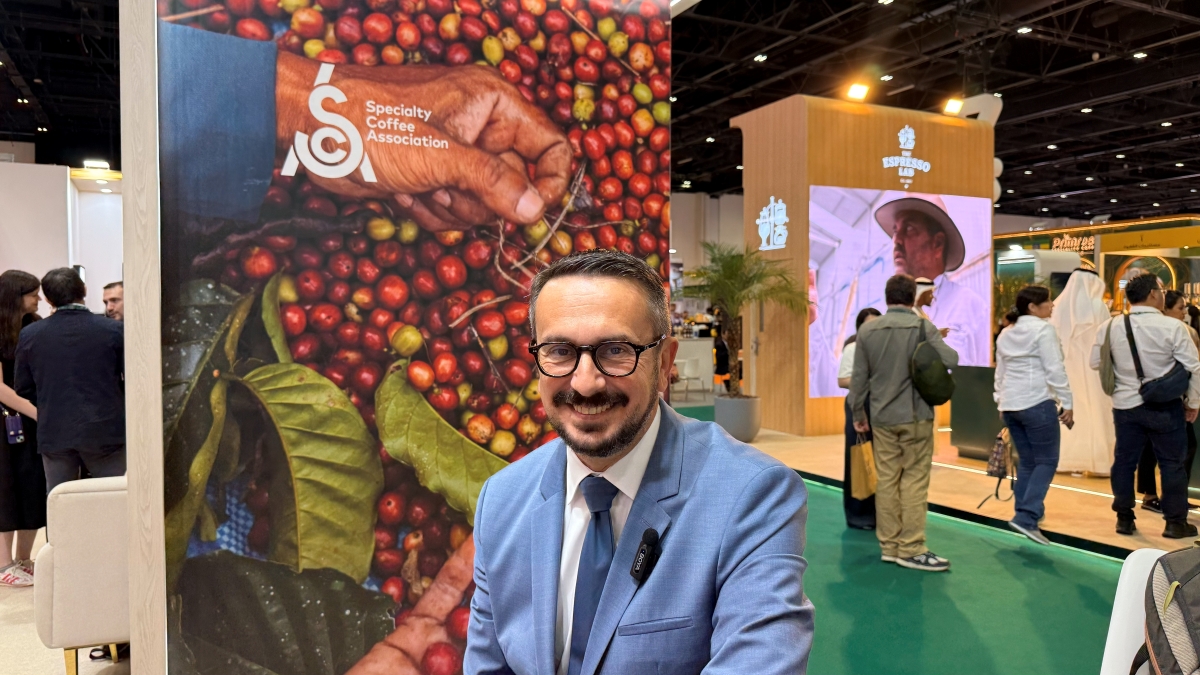
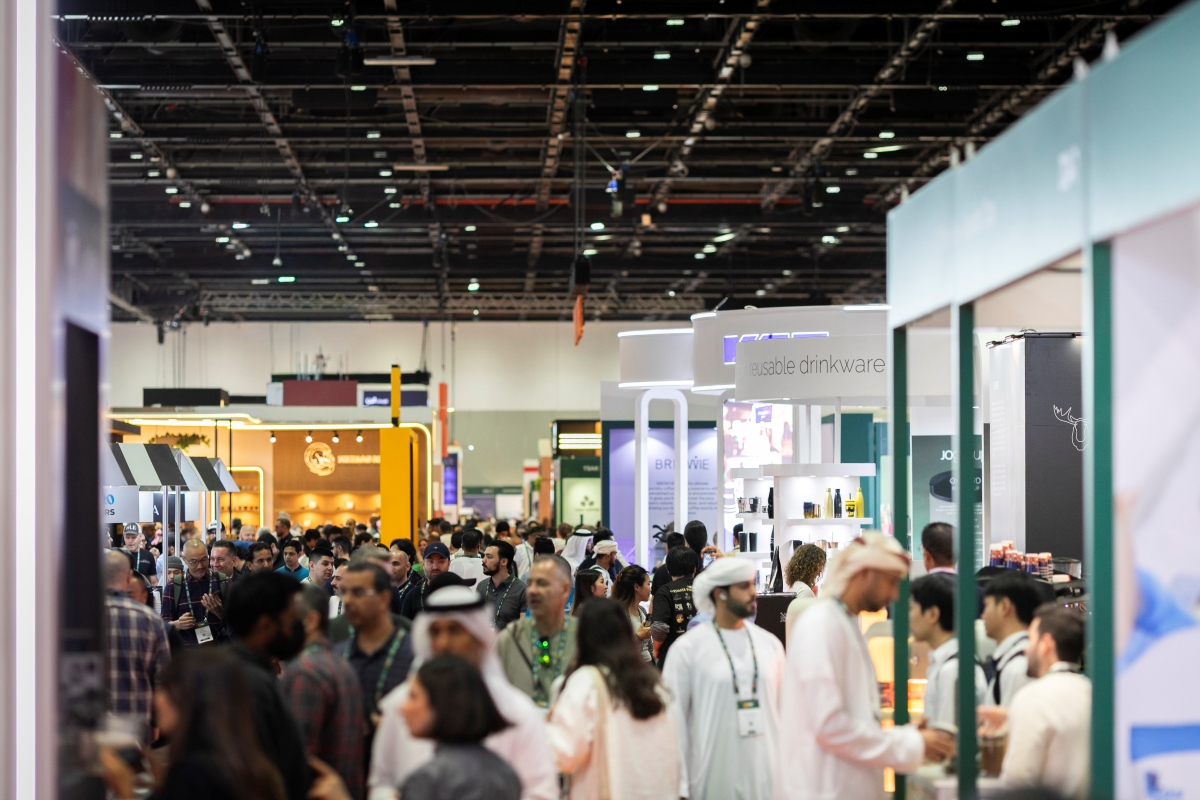
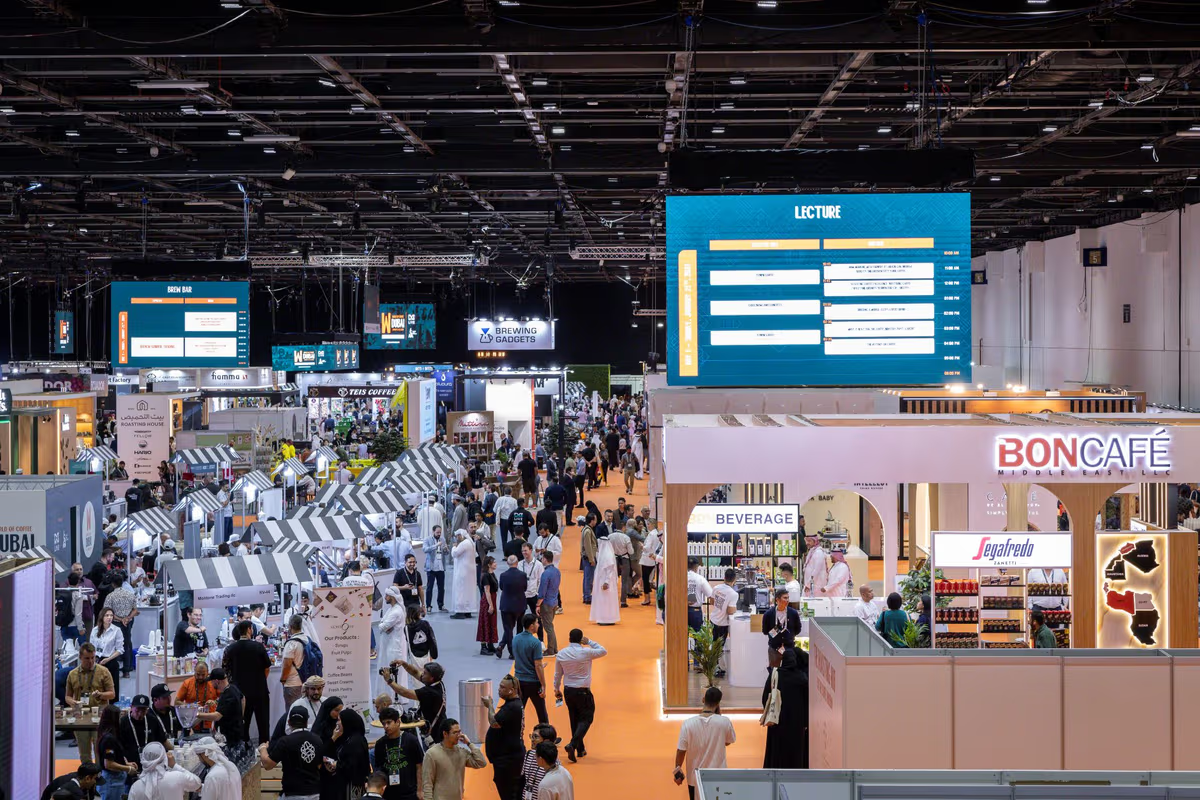
World of Coffee Dubai 2026, the Middle East’s premier specialty coffee trade event, is set to take place from 18 to 20 January at the Dubai World Trade Centre. Now in its fifth edition, the event will bring together more than 2,100 exhibiting companies and brands from 78 countries, representing the full spectrum of the global coffee industry—from producers and roasters to equipment manufacturers, café operators, traders, and hospitality leaders.

Organized by DXB LIVE in partnership with the Specialty Coffee Association (SCA), the event spans 20,000 square metres and offers a dynamic platform for trade, innovation, professional development, and cultural exchange within the specialty coffee sector. Dubai’s strategic location underscores its role as a global hub connecting coffee-producing origins with high-growth consumer markets and international trade centres.

  • A Fully Integrated Experience

World of Coffee Dubai 2026 features immersive experiences across key zones including Roasters Village, Producers’ Village, Cupping Rooms, and the Brew & Espresso Bar. Visitors can engage directly with leading global brands, sample specialty coffees, and participate in hands-on sessions. Dedicated technology zones will highlight innovations in roasting and brewing systems, automation, and sustainability, reflecting the future direction of the specialty coffee industry.

  • Championships Celebrating Expertise and Heritage

The event will host the UAE National Championships, the Roasting Championship, and the Cezve/Ibrik World Championship, showcasing barista artistry, technical precision, and heritage coffee preparation techniques. These competitions spotlight skill, craftsmanship, and the evolving standards of specialty coffee worldwide.

  • Three Live Auctions Over Three Days

The Dubai Coffee Auction programme runs throughout the event, including the Coffee Equipment Auction (18 January), the Microlot Auction (19 January), and the Exhibitors’ Coffee Auction (20 January). These auctions provide transparent platforms for price discovery, connecting international buyers with producers and brands.

  • A Platform for the Global Coffee Economy

“World of Coffee Dubai has evolved into a central platform supporting the global coffee economy,” said Khalid Al Hammadi, Executive Vice President of DXB LIVE. “The 2026 edition highlights the scale and impact of our championship and auction programmes, creating tangible commercial and cultural value for the global coffee community.”

Shouq Bin Redha, Exhibition Director, added: “By bringing together global standards, trade, and education, World of Coffee Dubai strengthens the UAE’s position within the international specialty coffee sector and supports professional growth across the region.”

Shouq Bin Redha, Exhibition Director

Event Details

  • Dates: 18–20 January 2026

  • Venue: Dubai World Trade Centre, Za’abeel Halls 1, 4, 5, and 6

  • Time: 10:00am – 6:00pm daily

  • Registration and Media Accreditation: www.worldofcoffeedubai.com

About World of Coffee Dubai
World of Coffee Dubai is the region’s leading coffee trade exhibition, connecting local, regional, and international professionals. The event features specialty zones, professional competitions, educational sessions, and opportunities for business networking, showcasing the best of coffee innovation and culture.

About SCA
The Specialty Coffee Association is the world’s largest nonprofit membership organization for coffee professionals. It promotes inclusivity, education, and shared knowledge to advance the specialty coffee industry globally.

About DXB LIVE
DXB LIVE, the event management arm of Dubai World Trade Centre, delivers world-class exhibitions, conferences, festivals, and private events. With expertise spanning creative, technical, and operational services, DXB LIVE organizes over 100 major events annually and designs more than 500,000 square feet of exhibition space.

Peet’s Coffee Opens First Drive-Thru Locations in the UAE

Dubai – Qahwa World

Peet’s Coffee has opened its first Drive-Thru locations in the UAE, marking a new phase in the brand’s local expansion. The two outlets are now operating in Motor City, offering customers an additional service format focused on convenience and accessibility.

The Motor City Drive-Thru operates daily from 5:00 AM to 1:00 AM.its intended to serve customers seeking quick service without leaving their vehicles, including commuters and families.

The introduction of the Drive-Thru format reflects Peet’s Coffee’s response to evolving consumer preferences in the UAE, while continuing to offer its established coffee range and service standards.

The openings follow recent Peet’s Coffee launches at Ajman City Centre on 24 December 2025 and the Burjeel Hospital Kiosk on 31 December 2025. Additional locations are scheduled to open later this month at Maryam Island and Al Furjan, with a further opening planned at Al Mutarid in the first week of February.

Peet’s Coffee has also announced the introduction of new menu items, including matcha-based beverages and updated seasonal offerings, scheduled to launch on 15 January 2026.

With the launch of its first Drive-Thru outlets, Peet’s Coffee continues to expand its presence across the UAE through a variety of store formats designed to meet different customer needs.

  • About Peet’s Coffee

Founded in Berkeley, California, in 1966 by Alfred Peet, Peet’s Coffee is recognized for its role in shaping specialty coffee culture in the United States. The brand operates more than 480 locations across the U.S., China, and the Middle East, in addition to online and grocery channels. Peet’s Coffee works with Enveritas to support responsible coffee sourcing in line with Enveritas standards.

Coffee Quality is not connected to price – IT IS connected to pride

A grower’s first reward is pride in his coffee; the market may follow later.

By: Ramya Mohan

For years, we have been taught—almost subconsciously—that expensive coffee must be good coffee. A higher price, a premium label, or an elegant café setting often convinces us that quality is guaranteed. But coffee does not work that way always.

Coffee quality is not born out of price. It is born out of pride.

I have tasted coffees that sold at very modest prices yet were remarkably clean, sweet, and balanced.

I have also encountered expensive coffees that failed in the cup—flat, harsh, or dull in character. The difference was never the market value. The difference was the intention behind the coffee.

Quality begins at the farm, not at the shelf. It begins when a grower chooses to harvest ripe cherries instead of rushing for volume.

It shows up when fermentation is monitored instead of guessed, when drying is slow and even rather than hurried by weather or impatience. These decisions are rarely rewarded immediately by the market, yet they define the cup.

In India, many growers and processors work under severe constraints—labour shortages, volatile weather, unpredictable prices. Yet some of the cleanest coffees emerge from estates where pride outweighs compromise. These are the producers who cup their own coffees, who learn to identify defects, who correct errors quietly and improve year after year, without waiting for applause or higher prices.

Price is shaped by trends, branding, certifications, logistics, and storytelling. But -Quality is shaped by discipline, consistency, and respect for the bean. The two may intersect, but they are not the same. A low-priced coffee can be honest and well-made. A high-priced coffee can still be careless.

True coffee quality is an attitude. It is the pride of the farmer who refuses to mix underripe cherries. It is the care of the processor who protects the coffee during drying and storage.

It is the integrity of the roaster who roasts for clarity, not camouflage. And it is the sensitivity of the brewer who allows the coffee to speak.

When pride is present, quality follows—sometimes loudly, often quietly, but always truthfully.

With love and Coffee

ICO Releases Global Coffee Market Report – December 2025

Dubai – Coffee World

The global coffee market closed 2025 amid sharp volatility, leaving industry stakeholders facing an uncertain outlook at the start of 2026, according to the latest report issued by the International Coffee Organization (ICO). The report highlights a dramatic shift in market dynamics during December, as prices declined significantly following changes in international policy and a temporary easing of supply chain constraints in Asia.

Price Decline: Market Correction or Calm Before the Storm?

The ICO Composite Indicator Price (I-CIP) averaged 304.68 US cents per pound in December, representing a 7.8% decline from November levels. This downturn ended a historic upward trend, with prices falling from a peak of 343.92 cents to a mid-month low of 283.21 cents, before closing the year at 293.09 cents per pound.

According to the report, the decline was driven by three key factors:

  • Improved supply expectations, as major international institutions revised global production estimates for 2025 upward, easing speculative pressure.

  • Reduced regulatory uncertainty, following the European Union’s decision to delay implementation of the EU Deforestation Regulation (EUDR), which curtailed panic buying.

  • Currency effects, as the depreciation of the Brazilian real encouraged producers to accelerate dollar-denominated sales to maximize local currency returns.

Group Performance: Robusta Suffers the Sharpest Losses

All coffee groups recorded price declines in December, with Robusta experiencing the steepest drop. Robusta prices fell 11.3% to 190.53 cents per pound.

In contrast, Arabica prices declined more moderately. Both Colombian Milds and Brazilian Naturals fell by 6.5%, reflecting continued underlying demand for higher-quality coffees despite broader market volatility.

Global Exports: Asia and Africa Lead Growth

Global green coffee exports increased by 4.8% in November 2025, reaching 8.95 million bags, according to ICO data.

  • Asia and Oceania recorded exceptional growth of 47%, driven by Vietnam’s strong return to the market, with exports rising by 60%.

  • Africa continued its positive trajectory, posting a 7.7% increase, led by Uganda, whose exports surged by 72%.

  • South America was the only region to register a decline, with exports falling 14.9%, reflecting a normalization after record shipments earlier in the year and a 25.8% drop in Brazilian Robusta exports.

Supply–Demand Balance: Structural Deficit Persists

Despite the recent price correction, the report underscores ongoing structural imbalances in the global coffee market. The cumulative supply deficit over recent years has reached 17.91 million bags, while inventories in Europe and the United States have fallen to historically low levels.

Certified stocks at the New York exchange declined to just 0.48 million bags, leaving the market with limited buffers against potential future supply shocks.

2026 Outlook: Climate Risks Shape the Path Ahead

As 2026 begins, attention is firmly focused on weather conditions across the world’s major coffee-growing regions. The report warns of below-average rainfall in Brazil’s key producing areas, including Minas Gerais, where precipitation reached only 76% of normal levels. Meanwhile, flooding in Indonesia could reduce exports by up to 15% in the first quarter of the new year.

Conclusion

The global coffee market ended 2025 with a price correction that may suggest temporary stability. However, a deeper analysis of the data points to a fragile equilibrium. Low global inventories and escalating climate risks indicate that 2026 is likely to be a year of significant challenges for both producers and consumers across the coffee value chain.

Temperature Doesn’t Increase Extraction It Redesigns the Cup

By: Estella Zuleta Carmona

When I talk about temperature in coffee extraction, I’m not simply referring to “more heat = more extraction.” Temperature is the energy we give to the system, and that energy defines both the extraction rate and which chemical compounds can be released from the coffee’s solid matrix. Higher temperatures facilitate the extraction of less soluble compounds, as they reduce the energy required for them to dissolve and diffuse into the beverage. At the same time, this increased energy accelerates both the release and the loss of volatile and non-volatile aromatic compounds.

Furthermore, temperature modifies the effective polarity of water, changing its ability to dissolve compounds of different polarities. Therefore, temperature not only determines how much is extracted, but also what is extracted and in what proportion, defining the final chemical and sensory profile of the coffee.

In this context, adjusting the temperature means adjusting the energy available in the extraction system. By doing so, you modify which chemical compounds can be extracted, at what rate, and in what proportion. In practice, changing the temperature is a direct way to “reconfigure” the cup, because it alters the balance between volatile and non-volatile compounds, influences the polarity of the water, and redefines the final chemical and sensory profile of the coffee.
To explore this, I brewed two very different coffees at 85 °C and 95 °C: an Ethiopia natural–anaerobic and a China natural. Same coffees, same parameters. Only energy changed.
At 85 °C, the Ethiopia natural–anaerobic showed medium-high acidity, moderate sweetness, and low bitterness. The cup finished quickly, with a dry, dusty mouthfeel. As it cooled, acidity stayed dominant, sweetness remained low, and bitterness nearly disappeared. Lower energy preserved acidity, but limited structural development and aromatic persistence.
At 95 °C, the same coffee shifted completely. Acidity softened to medium, while sweetness and bitterness increased (bitterness still medium-low). Floral notes became clearer, and the mouthfeel turned juicy and syrupy. Hot, everything felt louder not because more was extracted, but because extraction and aromatic loss were happening faster at the same time.
The China natural behaved in the opposite way. Higher temperatures emphasized sweetness and body, not aromatic collapse. Around 89 °C, sweetness peaked, and with more heat the cup gained structure and weight without a proportional rise in bitterness. In this coffee, energy built the cup instead of compressing it.
This is why temperature has no universal “sweet spot.”
It doesn’t simply extract more it decides what survives in the cup.
Adjusting temperature is not correcting a recipe.
It’s choosing which version of the coffee you allow to exist.
This contrast highlights a critical point: temperature has no universal effect on extraction. Its impact is entirely dependent on the chemical composition of the coffee and the way energy interacts with that composition. Adjusting temperature is therefore not about optimizing a parameter, but about making a deliberate chemical and sensory choice deciding which compounds are prioritized, which are sacrificed, and how the final balance is constructed.