DMCC Webinar Highlights Growth in Coffee Trade Between Colombia and the UAE

Economic and Logistics Partnerships Drive Record Trade Expansion and Strengthen Global Presence of Colombian Coffee

Dubai – Qahwa World

The Dubai Multi Commodities Centre DMCC organized a virtual webinar titled “Made for Trade Live: Colombia in Focus”, in partnership with the Embassy of the United Arab Emirates in Colombia, the Chambers of Commerce of Manizales, Armenia and Quindío, and Cali, as well as IKOR Global. This DMCC Colombia coffee webinar highlighted trade growth by bringing together public and private sector stakeholders to explore trade, investment opportunities, and developments in the coffee sector between Colombia and the UAE. Notably, the DMCC Colombia coffee webinar trade growth emphasis reflects the expanding role of Colombian coffee in international markets.

Ahmed Bin Sulayem, Executive Chairman and Chief Executive Officer of DMCC, stated that the Comprehensive Economic Partnership Agreement signed in 2024 eliminated 95% of tariffs, noting that bilateral trade is expected to exceed USD 1 billion within five years. Moreover, as discussed during the DMCC Colombia coffee webinar, trade growth for Colombian coffee is likely to accelerate under these new measures.

He added that DMCC hosts more than 26,000 companies, contributes over 15% of Dubai’s foreign direct investment flows, and around 7% of Dubai’s GDP. The member base includes more than 200 companies from Latin America, including 30 from Colombia, with Colombian membership growing by 50% over the past two years, representing nearly 20% of DMCC’s South American companies. This expansion aligns with the ongoing DMCC Colombia coffee webinar trade growth strategy.

Colombia, the world’s third-largest coffee producer and exporter, recorded export growth of 17% in 2024, driven by a 132% increase in exports to China, which is expected to overtake the United States as Colombia’s second-largest export destination. Furthermore, the DMCC Colombia coffee webinar trade growth was a key driver discussed during this international event.

The DMCC Coffee Centre spans 15,000 square meters and includes temperature-controlled storage, processing, roasting, packaging, and distribution facilities, serving 350 companies. A total of 8,200 metric tons of coffee were processed in 2025, including Colombian coffee, as highlighted in the DMCC Colombia coffee webinar focused on trade growth.

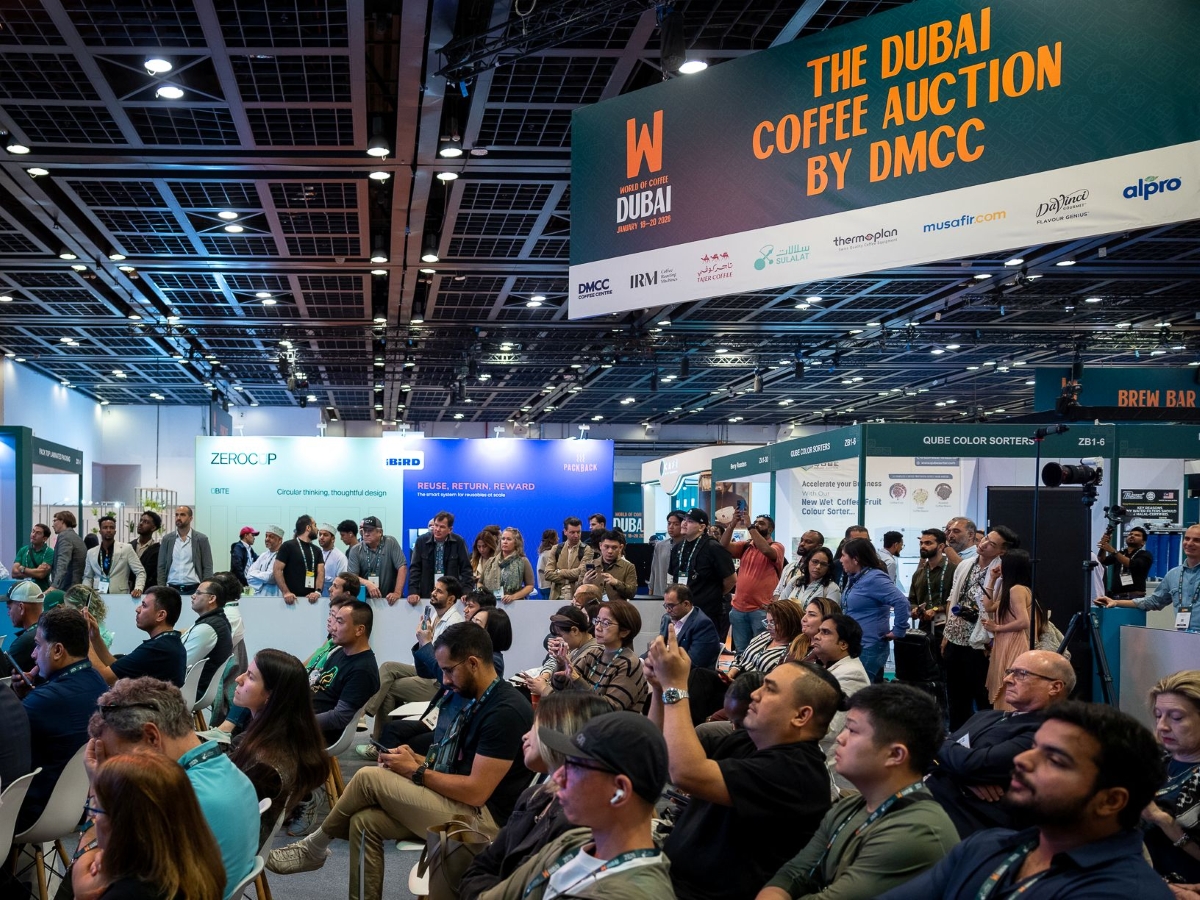
During the second coffee auction at World of Coffee Dubai World of Coffee Dubai, Geisha coffee from Panama achieved a record price of USD 30,240 per kilogram in 2025. The 2026 edition recorded the highest number of international origins ever represented, attracting more than 17,000 participants, with plans for further expansion in 2027. Also, the DMCC Colombia coffee webinar trade growth focus signaled continued opportunities in global coffee markets.

The webinar also announced the launch of the DMCC Cacao Centre, with the global cacao market projected to reach USD 26.2 billion by 2035. The centre currently hosts 88 companies operating in cacao trading, chocolate manufacturing, and confectionery. During the DMCC Colombia coffee webinar trade growth topic, diversification into cacao was discussed as complementary to coffee.

DMCC also hosts more than 4,000 technology companies active in artificial intelligence, robotics, crypto, tokenization, and trade finance. The DMCC Phoenix initiative was launched last November, while DMCC FINEX includes around 2,000 companies and is expected to exceed 5,000 in the future, bringing the total ecosystem close to 50,000 companies. Innovation was a key theme in the DMCC Colombia coffee webinar’s trade growth agenda.

Mohammed Al Shamsi, Ambassador of the United Arab Emirates to Colombia, stated that the UAE has expressed concern regarding recent regional tensions, noting 50 years of diplomatic relations between the two countries. This milestone was acknowledged during the DMCC Colombia coffee webinar trade growth segment.

He said non-oil trade in 2025 exceeded USD 2 billion, surpassing the CEPA target of USD 1 billion within less than two years, even before ratification, with expectations of further doubling after approval. He also highlighted the growing presence of the Juan Valdez brand across UAE cities. Additionally, the DMCC Colombia coffee webinar trade growth theme supports greater market access for Colombian coffee brands.

The Chamber of Commerce of Manizales por Caldas reported that Caldas ranks as the ninth-largest exporting department in Colombia, with exports exceeding USD 1,363 million, representing 3.4% of national exports. Coffee remains the flagship product, with external sales reaching USD 19 million and growth of 52% between 2020 and 2024. This reflects the DMCC Colombia coffee webinar trade growth impact.

The Chamber of Commerce of Cali highlighted a model based on four pillars: investment, internationalization, innovation, and integration. In Valle del Cauca, 71 companies exported coffee in 2025 across 362 export operations, reaching USD 318 million in international sales. Cali accounts for 50% of exporting companies, followed by Cartago at 23% and Sevilla at 14%. The United States represents 46% of exports, followed by Germany, Japan, Canada, the Netherlands, and China. These trends were reviewed in the DMCC Colombia coffee webinar, emphasizing trade growth.

Ricardo Muñoz, Coordinator of the Specialty Coffee Program at the Chamber of Commerce of Armenia and Quindío, stated that the program has been active for 15 years, with coffee accounting for around 80% of Quindío’s exports despite its small size. The region focuses on micro-lots and has developed infrastructure for milling, processing, and roasting. DMCC Colombia coffee webinar trade growth themes were mentioned in relation to the specialty coffee sector.

A DMCC presentation highlighted Dubai’s strategic location, enabling access to 2.5 billion people within a four-hour flight radius and up to 5 billion people within broader connectivity. Dubai is ranked as the most competitive economy in the Arab world and a global hub hosting more than 200 nationalities. The DMCC Colombia coffee webinar trade growth was a major consideration in positioning Dubai as a hub.

Mohammed Mohammed, Senior Manager Corporate Sales at DMCC: “Dubai offers you accessibility and connectivity. With a four-hour flight, Dubai offers you access to around 2.5 billion population. If you double that number of flights, it will get you access to 5 billion population. The most important part, you don’t need to fly to Dubai to set up your business. You can do it digitally.” For example, when considering DMCC Colombia coffee webinar trade growth, digital connectivity makes expanding into new markets easier.

Gulfood Gulfood recorded more than 6,800 participants and 133,000 visitors, generating over USD 20 billion in trade deals, while GITEX GITEX attracted more than 5,500 participants from over 190 countries. Dubai’s trade and wholesale sector accounts for around 23% of its economy, with more than 90 million passengers passing through its airports annually. Notably, DMCC Colombia coffee webinar trade growth supports wider trade events and partnerships.

Mike Butler, Coffee Ecosystem Manager at DMCC, stated that the Coffee Centre was established in 2019 in Jebel Ali Free Zone on a 15,000 square meter site powered by 75% solar energy. It hosts more than 300 members across the global coffee value chain and provides services including storage, logistics, processing, roasting, and capsule production. This infrastructure was highlighted as part of the DMCC Colombia coffee webinar trade growth model.

IKOR Global Managing Director Tatiana Córdoba stated that Colombian coffee exports to the UAE reached USD 16 million in 2024 and USD 17.3 million in 2025, reflecting 9% growth, with 70% of exports directed to the United States, Europe, and Canada. These figures were analyzed at the DMCC Colombia coffee webinar focused on trade growth.

She highlighted that the UAE connects more than 2 billion people within less than four hours of flight time. Additionally, DMCC Colombia coffee webinar trade growth opportunities were emphasized regarding global connectivity.

Anastasia, from Finca Dontulio Group: “When we think about DMCC we consider it’s the backbone of our green coffee logistics… DMCC helps us to eliminate that risk. When we talk about our business model, we definitely think about the coffee and the quality of it, but more importantly we think about building something meaningful across borders, bringing finest Colombian coffee to the world without compromise and this is where DMCC played a key role, it enabled us to scale sustainably and maintain excellence at every step.” The DMCC Colombia coffee webinar trade growth findings support this international approach.

The webinar concluded with the announcement of upcoming events, including World of Coffee from 26 to 28 January, Gulfood from 15 to 19 March Gulfood, and an additional event scheduled in Abu Dhabi in November. This schedule was part of DMCC Colombia coffee webinar trade growth announcements.

World of Coffee San Diego 2026: Last Chance for Early Bird Rates

SAN DIEGO, CALIFORNIA – QHWAW WORLD

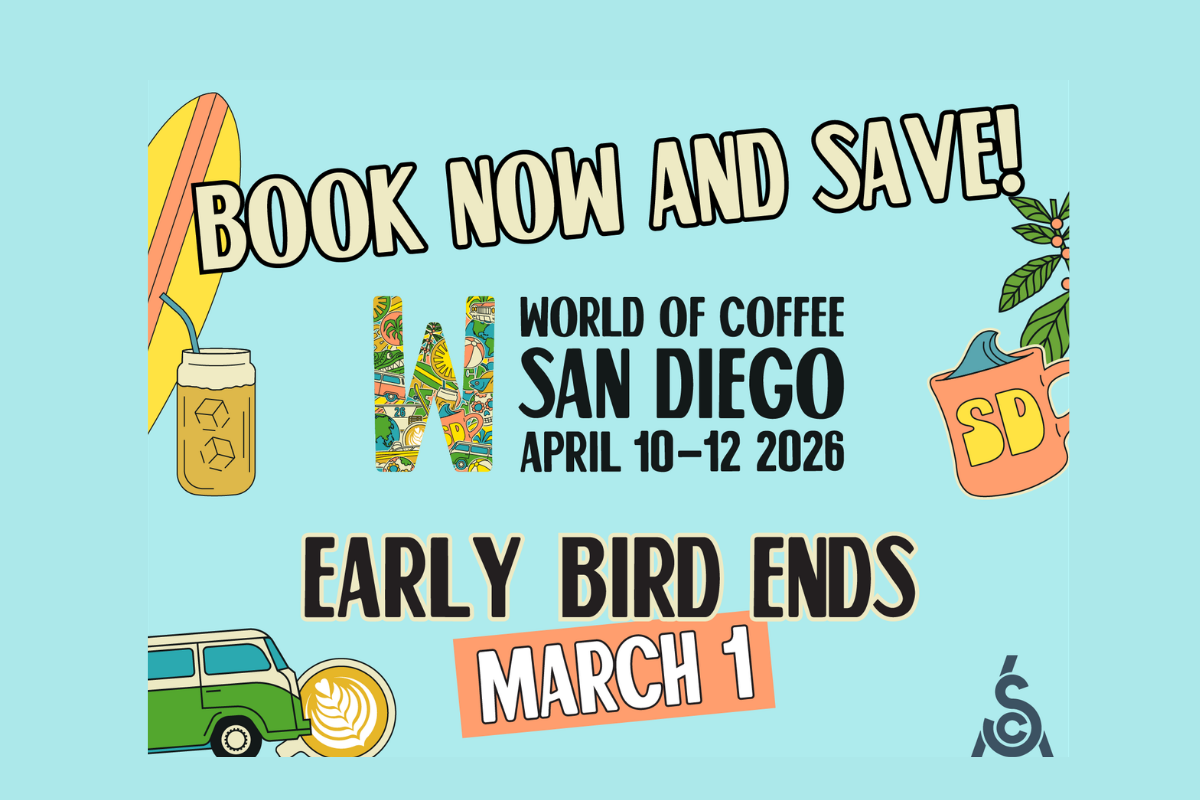
The countdown has officially begun for the global specialty coffee community. With World of Coffee San Diego 2026 just around the corner, the Specialty Coffee Association (SCA) has announced that “Early Bird” registration rates are set to expire on March 1, 2026. This leaves attendees with just one week to take advantage of significant savings before prices increase.

A Strategic Hub for a Growing Industry

Set in the vibrant city of San Diego, this event is expected to be a cornerstone for coffee professionals and enthusiasts alike. From roasters and farmers to equipment suppliers and baristas, the exhibition serves as a premier platform for networking, discovering innovations, and exploring the trends shaping the future of the specialty coffee market.

Badge Options and Pricing Details

The 3-Day World of Coffee Badge provides full access to the exhibit hall, the World Latte Art Championship, the SCA Lecture Series, and public cuppings from April 10 to April 12, 2026.

Pricing Overview (Early Bird ends March 1):

Badge Category (3-Day) Early Bird Price Regular Price (After March 1)
SCA Paid Members $299 $340
Non-Members $360 $399

Single-day badges are also available for Friday, Saturday, or Sunday to accommodate those with tighter schedules.

Expert-Led Workshops and Hands-On Learning

The event features an intensive series of SCA workshops, ranging from 2.5 to 3.5 hours. These sessions offer practical, hands-on solutions to industry challenges, covering everything from flavour development to business management. Early bird rates for workshops start at $250 (with additional discounts for members), and seats are expected to fill quickly due to high demand for specialised training.

Digital-Only Registration and Logistics

The organisers have noted that World of Coffee is a non-cash event, requiring all badge purchases to be made online via credit or debit card. For international visitors, visa invitation letters can be generated during the registration process. Additionally, Maritz has been appointed as the official housing provider, offering curated accommodation options near the venue to ensure a seamless experience for all attendees.

Spill the Bean: The Blueprint for Dubai’s Specialty Coffee Evolution

DUBAI – ALI ALZAKARY

On the sidelines of World of Coffee Dubai 2026, amidst the latest industry innovations, we met with the team from Spill the Bean to capture their unique perspective on this grand event. As a brand that has grown alongside Dubai’s specialty coffee scene since its earliest days, the founders offer a seasoned look at how consumer tastes and industry standards have evolved in the region.

In this conversation, we step away from the hum of the machines to speak with Hannad Abi Haydar about the history of the exhibition through the eyes of a long-time participant. We explore his views on the future of sustainability and ethical sourcing in a market now surging with billion-dirham investments.

We invite you to read this balanced dialogue exploring the reality and the future of coffee in Dubai.

  • Spill the Bean has been attending World of Coffee for many years — why is this event still important for you today?

We’ve been attending the event since before it was called World of Coffee – back in 2011 when it was a convention hosted in Meydan. It’s really nice to see how things have tectonically changed over the years. World of Coffee contributes to the positioning of Dubai on the world’s coffee map. I’d encourage anyone who is interested in coffee – not only the professionals – to attend. You’ll get to try some wonderful coffees which you otherwise wouldn’t have the chance to, while also making valuable connections in the coffee and hospitality sector. Plus, attendees have the opportunity to witness new tools, gadgets, and packaging solutions in the sector.

  • How has World of Coffee Dubai evolved since you first attended, and what does that say about Dubai’s coffee scene?

We can assume that World of Coffee’s predecessor was the Coffee and Tea Convention, which served its purpose at the time. But now – the scale of exhibitors and event attendance, the quality of products offered, and the caliber of local, regional, and international exhibitors and innovations come together to form an accurate reflection of Dubai’s coffee scene.

  • What stood out to you most at World of Coffee Dubai 2026?

The packaging solutions, new equipment (tools, gadgets, filtration systems), as well the showmanship of presenting and serving some non-caffeinated products was really impressive, and I encourage those visiting the 2027 edition to pay attention to these.

  • Looking back, what inspired you to start Spill the Bean, and what gap were you trying to fill in Dubai?

Spill the Bean was born out of spotting a large gap in the local coffee market, back in 2012. Co-founder Ola and I disliked the local coffee scene at the time – it was either mainstream franchises or smaller players offering low-quality coffee. In the summer of 2011, Ola and I visited London and Rome, and that’s where we realized that coffee doesn’t have to taste bad.

Armed with fresh knowledge of how good coffee can actually be, Ola and I immersed ourselves in all the coffee literature and training we could find, and launched Spill the Bean. It presented a good “first mover” advantage into the local specialty coffee market, and I’m thankful the market was forgiving – and competition was virtually non-existent – back then.

Spill the Bean: Insightful Reflections on the Coffee Market from the Heart of World of Coffee Dubai

  • How has the brand evolved from its early days to becoming one of Dubai’s recognised specialty coffee shops?

Back in 2012 and 2013, the coffee scene was nascent – not only in the UAE, but even globally. While specialty coffee has been around in the likes of NYC and San Francisco for a couple of decades – and in London and Berlin for several years – that was considered esoteric knowledge.

I remember when latte art would make a senior barista beam with pride, and now it’s considered an entry-level skill for baristas. At Spill the Bean, we witnessed this evolution of the coffee scene, and we evolved with it – getting better alongside it.

A few years ago, we reflected on the extensive damage that we humans cause to the environment with our everyday activities – including our coffee routines. So we revisited the metrics, quantified the impact our business is making, and have launched numerous initiatives to minimize the footprint of our coffee consumption.

We’re somewhat content with what we’ve achieved on these fronts, and we’re now ready to tackle our next challenge – the most important “node” in the coffee business: the impact on coffee farmers. We want to ensure traceability, so we can collectively be aware of how much farmers toil for months to produce the coffee berries that we so happily consume, and for a handsome sum. But unfortunately, the farmers only receive a tiny fraction of this sum.

  • Sustainability and conscious consumption are central to Spill the Bean — why were these values important from the start?

The data reflecting the current state of our planet is clear. At Spill the Bean, most of the sustainability measures we’ve undertaken are also financially viable. Most of them have always led to either a decrease in costs, or an increase in profit margins or revenue. Conscious consumption is the other side of the coin, where the consumer does their duty of reducing the impact of their “actions” on the environment by either adopting more eco-friendly approaches or pressuring their coffee providers to adopt sustainable practices that will not overburden them financially as a business.

  • How do you see the current state of the speciality coffee scene in the UAE?

The UAE specialty coffee market was valued at roughly AED 2.5B in 2025, driven by a strong café culture, high disposable income, and insatiable appetite for specialty coffee.

The specialty coffee market is expected to grow at a CAGR of roughly 10% through 2030 (far exceeding that of the commodity coffee market – which is expected to have half this growth), with out-of-home consumption accounting for the majority of revenue increase. We will also see more coffeeshops and roasteries sourcing and providing better beans, roasting techniques, and brewing skills. What we hope is that these are done more “consciously” and sustainably.

  • What role do independent coffee shops play in shaping Dubai as a global coffee destination?

There’s a lot that independent coffee shops can do. The fact that they tend to be small businesses helps keep them “ahead” in the game – they can keep innovating and inspiring others. They can – and should – also lead the way in sustainable practices and ethical sourcing.

20 years ago, when there were just a handful of independent coffee shops in town, the chains didn’t need to offer a better experience. But a decade ago, when small independent businesses started opening up around town and offering a better experience, the chains responded by improving the customer experience they offered too.

In a nutshell – independent coffee shops serve better coffee, give customers a better overall experience, lead on improvement and innovation, are better for the coffee community (farmers, roasters, baristas), and they also push chains to try and emulate them.

  • What’s next for Spill the Bean—should we expect growth, new concepts, or a deeper focus on what you already do?

We hope to keep up with our growth. We’re working on ideas and concepts that are deeply related to coffee as we’re independent, so we’re lean and nimble. At the moment, we’re focused on increasing our roasting volumes. We’re also planning a bakery, because what’s better than fresh bread (made with ancestral grains) alongside a fresh brew?

  • Finally, what would you like people to understand about Spill the Bean beyond just the coffee?

I would always want customers – and the general public – to see Spill the Bean as a pioneer that trailblazed in the specialty coffee scene, with limited resources.

We managed to survive and blossom in a very challenging market for independent businesses, while maintaining our neighborhood-feel and ethos. We take pride in doing the right thing (for the environment, for the farmer, for our customers). We’ve also led the way for customers to now know what to expect, and what to demand from their retailers. In short, we’re doing what a neighborhood enterprise is meant to do.

Bridging the Gap: An Exclusive Dialogue with Vanusia Nogueira on the Global Coffee Crisis and the Path to 2026

From regulatory hurdles like the EUDR to the volatile C-Market and climate resilience, the Director General of the International Coffee Organization (ICO) outlines a strategic roadmap for a fairer global coffee value chain.

Dubai – Ali Alzakary

The International Coffee Organization (ICO) is the primary intergovernmental body dedicated to fostering a sustainable coffee sector. At its helm stands Mrs. Vanusia Nogueira, a visionary leader whose tenure has been defined by a relentless pursuit of equity for smallholder farmers.

This exclusive interview marks a historic moment—the first dialogue granted by the Director General to an Arabic media outlet. We are profoundly grateful to Mrs. Nogueira for graciously accepting our invitation. Beyond her professional stature, her humility and the sincerity with which she approached this conversation were truly remarkable. In an industry often characterized by formal diplomacy, her transparency and candor provided a clear and honest look at the challenges facing our sector. We are deeply indebted to her for her time, her precision, and the kindness she showed throughout this significant exchange.

  • Now that we are well into 2026, how do you personally see the ICO’s role in helping smallholder farmers cope with regulations like the EUDR and other environmental requirements?

The ICO acts as a vital bridge between producing and consuming nations. With 75% to 80% of global coffee producers being smallholders, our role is to make policymakers understand the ground-level challenges. There is often a lot of good intentions behind regulations, but policymakers and consumers are often unaware of how difficult it is to comply in the field. We educate these stakeholders and bring together partners—governments, development agencies, and the industry—to provide the technical and financial support that vulnerable communities need to make these transitions feasible and viable.

  • Traceability and data systems are becoming unavoidable. How can we ensure these costs don’t end up being paid mainly by small farmers?

We are building partnerships with the consuming side—the industry and governments—to support the infrastructure needed, from geolocations to databases. In many countries, the key issue is internal infrastructure, such as internet access. We are working with partners like the German, UK, and Italian governments to implement these systems. Furthermore, we need to educate consumers on why it is fair to pay a little more. Transparency is essential; we must show that these margins are necessary for producers to survive and thrive.

  • Looking back at 2025, has the industry made progress toward a “living income,” or are we still stuck with the C-Market logic?

Vanusia Nogueira: The sector learned in the past two years that a living income is not just about price. It is about closing gaps in productivity, yield, and infrastructure like healthcare and education. While producers in some regions reached a comfortable level last year due to higher prices, others are still struggling. A key solution is for small producers to stop working in isolation; they must organize into cooperatives or associations to access new markets and technical assistance together.

  • Regarding the climate impact on specific origins—in Yemen, for example, the harvest has become fragmented into multiple stages and quantities are dropping. How do you view this?

The situation in Yemen—where you have three or four harvests from the same tree instead of one—is a clear symptom of climate change that we must analyze deeply. We have seen similar shifts in Brazil. We need to understand if the traditional varieties in Yemen—which is one of the original homes of Arabica—are still suitable for this new climate or if we need to renovate the plantations with more resilient strains. Yemen’s heritage is a global priority, and scientists must work to find solutions that protect its unique productivity.

  • There is a growing debate about responsibility. Are large roasters and traders doing enough today?

I see major roasters and traders working very closely with producing countries on “pre-competitive” actions to address these challenges. I am in constant contact with global industry leaders, and I am confident they are totally open to new solutions and are supporting the initiatives needed to stabilize the sector.

  • How should the sector approach lab-grown and alternative coffee products without losing the value of natural coffee?

Vanusia Nogueira: Communication and clarity are paramount. It must be clear to everyone what is “real coffee” and what is a substitute. Natural coffee has scientifically proven health benefits, whereas the impact of chemical or artificial alternatives is often unmentioned. In countries like Brazil and Vietnam, regulations already exist to ensure that packaging for substitutes cannot claim to be “coffee.” We must continue to express why natural coffee remains superior for health and culture.

  • Price swings have been extreme. What is actually driving this volatility?

It is a matter of a “short blanket”—supply and demand. Severe weather events since 2021—frosts in Brazil, droughts in Vietnam and Africa, and typhoons—have lowered production while consumption is surging, particularly in the Middle East and Asia. We are currently working with AI experts to create models that can better predict these events to help us protect production in the short and long term.

  • Markets like the Middle East are now shaping their own identities. How does the ICO plan to engage with them?

The Middle East is a driver of the industry. Saudi Arabia became an official member of the ICO six months ago, and I visited Riyadh recently to touch base with the situation there. I also heard incredible things about the “World of Coffee Dubai” event two weeks ago—people told me it was a truly “crazy” and amazing event. We need to be present in these markets, working as partners to improve communication and support these maturing consumer bases.

  • What role can consumer regions—including the Arab world—play in supporting producers beyond certifications?

The Arab world can play a strategic role as a “catalytic investor.” Beyond labels, their impact lies in investment, partnership, and system-building. They can help de-risk innovation and climate adaptation at the origin. By supporting logistics, research, and digital agriculture, they can help reshape how value and responsibility are shared across the sector.

  • If you could speak directly to the global sector in 2026, what would you say needs to change most urgently?

Vanusia Nogueira: What needs to change most urgently is how risk and value are distributed. Today, smallholders absorb most of the impact of price volatility and climate change. Coffee must be treated not just as a commodity, but as a global public good. If producers earn a prosperous income, the entire sector becomes resilient. That change cannot wait.

  • Editorial Highlights

“Coffee must be treated not just as a commodity, but as a global public good that supports livelihoods, ecosystems, and cultures.”

“Yemen is the cradle of Arabica; we must ensure that its historic coffee heritage survives the challenges of a changing climate.”

“The ‘World of Coffee Dubai’ was an amazing, high-energy event that proved the Arab world is now a central driver of the global coffee industry.”

“A living income is not just about prices—it is about productivity, healthcare, and education. Doubling prices is not enough if the foundation is missing.”

“We must be clear with consumers: natural coffee has scientifically proven health benefits that chemical substitutes simply cannot match.”

“The Arab world has the power to be a ‘catalytic investor,’ moving beyond labels to truly de-risk innovation at the origin.”


Gizat Worku Kebede: Ethiopia’s Harvest This Year is Excellent, and We Aim to Expand in the Middle East and Asia

Dubai – Ali Alzakary and Tewodros Balcha

Ethiopia, the birthplace of coffee, is once again taking the spotlight at the World of Coffee exhibition in Dubai, showcasing its unparalleled quality and diversity. With more than 10,000 coffee varieties, including rare wild coffee grown naturally in Ethiopia’s highlands, the country continues to set global standards for premium coffee.

From Dubai, Gizat Worku Kebede, Executive Director of the Ethiopian Coffee Association and Ethiopia’s chapter head in the African Coffee Association, highlighted the excellent current harvest and rising production levels, along with rapid expansion into markets in the Middle East and Far East. He emphasized Ethiopia’s mission to connect smallholder farmers with international buyers, support sustainability, and strengthen African coffee’s presence globally.

  • What is your mission and objective in participating in the World of Coffee Dubai exhibition?

Our mission in Dubai is to promote Ethiopian coffee to international markets, focusing on the Middle East and Far East. We aim to reach coffee lovers and buyers because Ethiopian coffee is naturally organic and unique. Ethiopia is the only country producing wild coffee—coffee that grows naturally in forests, cared for by no one, and harvested once a year by local farmers. With more than 10,000 coffee varieties, Ethiopia truly is the birthplace of coffee.

  • Could you share the latest updates on the current harvest season in Ethiopia?

We are here to showcase this year’s harvest, which is excellent. Total production has increased by around 1.2 million tons, and the new crop is already being exported. It’s a very positive year for Ethiopian coffee farmers and exporters.

  • Which markets are you currently targeting?

“The Middle East is a fast-growing market, particularly Saudi Arabia, which is Ethiopia’s largest coffee buyer. Dubai is also a key trade hub. We are expanding into emerging Far Eastern markets, including China, South Korea, and Japan, which have shown increasing interest in high-quality Ethiopian coffee.”

  • Can you tell us about the African Coffee Association and its role in supporting and developing the coffee sector?

“The African Coffee Association is the largest coffee association in Africa, representing East and Southern African countries. We also work with the African Coffee Union and the Coffee Development Agency to support West African nations. Together, we are preparing the largest coffee exhibition in Africa, scheduled in Addis Ababa from February 4–6, to promote African coffee both as a product and as a growing consumer market. Countries such as Morocco, Algeria, Egypt, South Africa, and Nigeria are consuming more coffee, and we encourage local consumption alongside exports.”

  • How do you support the coffee industry in Ethiopia?

Three years ago, we launched African Coffee Week in collaboration with the African Coffee Association, the African Coffee Union, and the Coffee Development Agency, dedicating a week entirely to celebrating coffee in Africa. At the same time, we run the Harvest Season competition for coffee quality, where winning farmers gain recognition and promotion for their coffee. These initiatives provide significant opportunities for African farmers, support sustainability, and help small-scale producers connect with coffee consumers worldwide.


View this post on Instagram


A post shared by Coffee Qahwa (@qahwaworld)

  • Key Quotes:

“Ethiopia is the only country producing wild coffee—coffee that grows naturally in forests and is harvested once a year by local farmers.”

“This year’s harvest is excellent, with total production increasing by around 1.2 million tons.”

“African Coffee Week and the Harvest Season competition give farmers recognition, support sustainability, and connect them with global coffee consumers.”

  • Conclusion:

Ethiopia continues to solidify its position as a global coffee powerhouse. Through initiatives such as African Coffee Week, the Harvest Season competition, and participation in international exhibitions like World of Coffee Dubai, Ethiopia not only showcases its premium coffee but also empowers smallholder farmers, promotes sustainability, and strengthens Africa’s presence in global markets. With its rich heritage, unique coffee varieties, and ongoing international expansion, Ethiopia remains at the forefront of innovation and excellence in the coffee world.


World of Coffee Dubai 2026 Concludes with Record Engagement

Dubai – Qahwa World

The fifth edition of World of Coffee Dubai 2026 concluded today at the Dubai World Trade Centre, closing a dynamic three-day programme focused on trade, professional learning, and origin engagement. Organised by DXB LIVE in partnership with the Specialty Coffee Association (SCA), the event reinforced its role as a global hub for the specialty coffee industry.

Following a record-breaking opening day, Day Two sustained high engagement across Za’abeel Halls 1, 4, 5, and 6. Producers, roasters, buyers, and suppliers participated in business meetings, live cuppings, technical demonstrations, and networking sessions throughout the exhibition floor.

A key highlight was the World Class Auction, part of the Dubai Coffee Auction programme curated with M-Cultivo. Buyers sampled and bid on high-quality, traceable coffees in real-time, with the top lot—a Natural Geisha—selling for $3,075 per kilogram, reflecting the premium placed on exceptional origin coffees.

The Producer Panel showcased dialogues between origin representatives and industry stakeholders, exploring market access, value creation, and evolving producer–buyer relationships. Discussions emphasized sustainability, transparency, and long-term partnerships as central to the specialty coffee value chain.

Competitive programmes also drew attention. The Roasting Championship advanced into its technical evaluation phase, while the Cezve/Ibrik Championships 2026 celebrated traditional brewing methods through a modern specialty coffee lens.

Exhibitors praised the commercial impact of the event. Sanjeev Dinesh Fernando from Alpro said participation generated strong business leads, while Mohamed Alhammadi, Co-Owner of Tajer Coffee, described their first-time presence and sponsorship as exceeding expectations.

Reflecting on the event, Shouq Bin Redha, Exhibition Manager of World of Coffee Dubai, said:
“World of Coffee Dubai functions as a working marketplace for the specialty coffee sector. From live auctions and producer dialogues to championship progression and educational sessions, the programme delivers practical exchange and quality-driven trade outcomes.”

World of Coffee Dubai 2026 concluded with the final Exhibitors’ Coffee Auction, championship awards, and ongoing educational sessions, leaving participants inspired and connected as the region’s premier specialty coffee event.

For more information, registration, and the full programme, visit: www.worldofcoffeedubai.com.

Largest Edition of World of Coffee Dubai 2026 Kicks Off Tomorrow

Dubai – Qahwa World

The fifth and largest edition of World of Coffee Dubai 2026 will kick off tomorrow, Sunday, in Dubai. The event is organised by DXB Live, the integrated event management and experiential agency of Dubai World Trade Centre, in partnership with the Specialty Coffee Association (SCA), and will run from 18 to 20 January 2026 at the Dubai World Trade Centre.

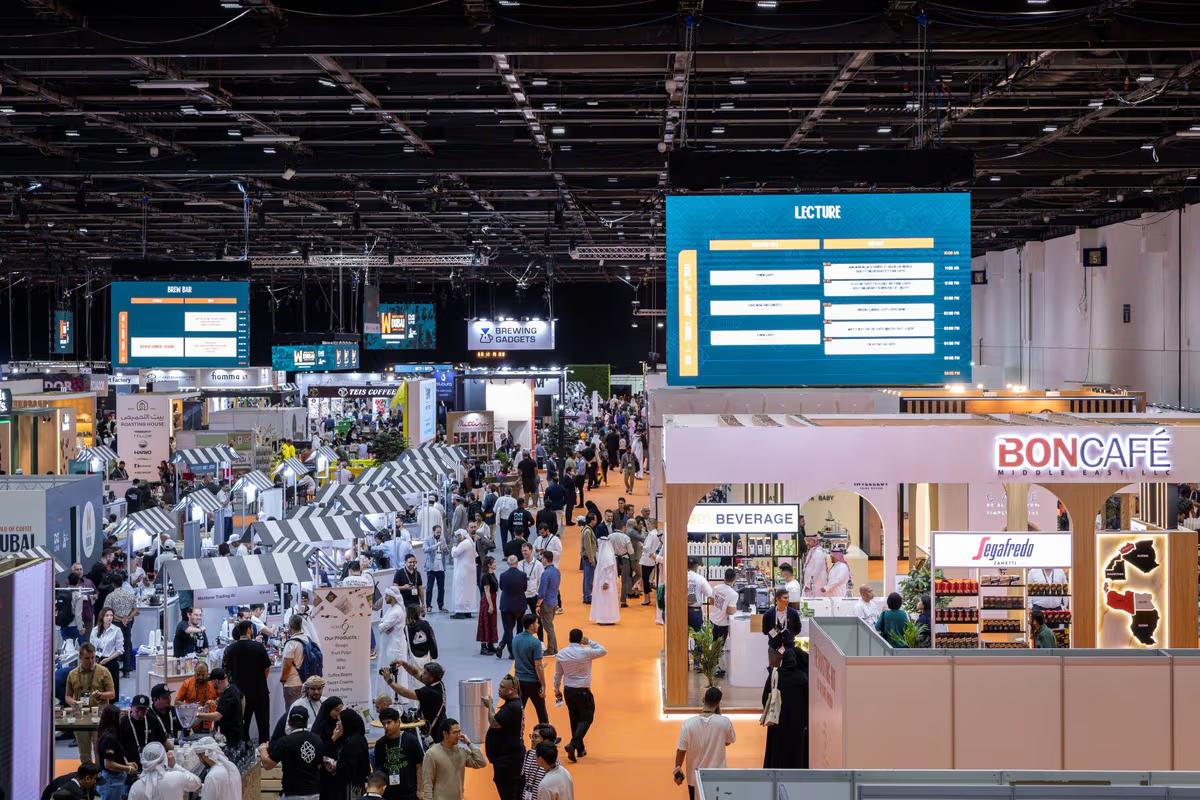
Recognised as the region’s leading specialty coffee trade event, the exhibition brings together more than 2,100 exhibiting companies and brands, alongside industry leaders, experts, and professionals from 78 countries, representing every stage of the coffee value chain. Participants include coffee producers, roasters, traders, equipment and machinery manufacturers and distributors, café operators, hospitality leaders, and industry organisations.

Spanning an exhibition space of 20,000 square metres, the event features strong participation from leading global coffee producers, reinforcing Dubai’s growing role as a global hub for coffee trade and a strategic gateway connecting producing countries with fast-growing consumer markets and international trade centres.

World of Coffee Dubai 2026 offers visitors a comprehensive experience covering all aspects of the specialty coffee industry. Key features include the Roasters Village, Producers Village, Cupping Rooms, Brewing and Espresso Zones, and dedicated Technology Areas, showcasing the latest innovations in roasting and brewing systems, automation, and sustainable technologies, reflecting global future trends in the specialty coffee sector.

The exhibition programme also includes a series of professional championships and competitions, such as the UAE National Coffee and Latte Art Championships, the Roasting Championship, as well as the Cezve/Ibrik World Championship, which celebrates one of the world’s oldest coffee preparation methods rooted in Middle Eastern and Turkish coffee culture, evaluated according to modern specialty coffee standards.

On the commercial front, the event hosts three live auctions across the three exhibition days, including a Coffee Equipment Auction on the first day, a Micro-lot Auction featuring top-rated specialty coffee beans on the second day, and an Exhibitors’ Coffee Auction on the third day. These auctions provide a transparent platform for price discovery, enhance international buyer participation, and support global market access for brands and producers.

World of Coffee Dubai 2026 will be open daily from 10:00 a.m. to 6:00 p.m. at Zabeel Halls 1, 4, 5, and 6 of the Dubai World Trade Centre. Registration remains open for visitors, media representatives, and industry professionals, with full programme details and media accreditation available via the event’s official website.

Why the Middle East Is Emerging as a Defining Force in the Global Coffee Industry

By: Shouq Bin Redha

Exhibition Manager at World of Coffee 2026

  • A Shift the Industry Can No Longer Ignore

The global coffee industry is no stranger to confident predictions. Every few years, a new region is crowned the “next big growth market,” only to plateau as structural limits reveal themselves—income ceilings, demographic stagnation, infrastructure gaps, or cultural preferences that evolve more slowly than expected.

But the transformation taking place across the Middle East today is not another cycle of hype. It represents a fundamental shift in where global influence is coming from. If the industry continues to view the region merely as an emerging market, it will misread the scale and significance of what is unfolding.

The Middle East is not simply consuming more coffee. It is reshaping the conditions under which coffee is produced, traded, and valued. Unless the industry recalibrates its assumptions, it will underestimate a region that is, in several ways, better positioned to shape the next decade of global coffee direction than many of the markets that once dominated the narrative.

  • A New Generation, a New Market Logic

The most misunderstood aspect of this shift is demographic. The region’s youthfulness is often cited as a headline statistic, but rarely interpreted correctly. A young population does not automatically create a high-value coffee market; what does is a young population with access, aspiration, and global exposure.

Across the Gulf—where more than 60% of the population is under 35—and increasingly in North Africa, this is precisely the case. A generation raised with international cultural fluency approaches coffee as an extension of taste, identity, and self-expression, more akin to fashion, music, or design than to a morning utility. They are not inheriting a coffee culture; they are creating one—and doing so with remarkably few of the constraints that shaped earlier consumer markets.

Most Western coffee markets took decades to evolve from commodity to specialty. The Middle East did not. It moved from instant coffee to single-origin pour-overs in what feels like the span of a single generation. This compression of time matters. Behaviours that took other regions twenty years to develop have materialised here almost overnight.

In Saudi Arabia, for example, more than 36 million cups of coffee are consumed daily, and the Kingdom now has over 61,000 licensed cafés—figures that would be extraordinary in any context. In the UAE, more than 90% of coffee spending occurs outside the home, one of the highest café-driven consumption ratios globally. Egypt has nearly doubled its annual coffee consumption in five years, rising from around 36,000 to over 70,000 tonnes, while Morocco recorded a 23% rise in coffee imports in 2024 alone.

This emerging baseline of expectation—quality, provenance, processing style, ethical value chains—is reshaping the industry’s economics. Coffee professionals often speak of “premiumisation” as something that gradually filters from niche cafés into the mainstream. In the Middle East, premiumisation did not filter. It arrived fully formed.

  • Where Demand and Capability Rise Together

The willingness to pay for quality is not a marginal behaviour in the region; it is central to how young, urban Middle Eastern consumers engage with food and beverage culture more broadly. Coffee simply happens to be the category where this shift is most visible because the market is evolving so rapidly.

As a result, influence follows. When premium expectations are normalised at scale, global suppliers take notice. Producers from East Africa, Central America, and Southeast Asia increasingly describe the Middle East as a strategic market rather than a secondary one. Many now tailor fermentation styles, natural profiles, and processing innovations specifically for buyers in Riyadh, Dubai, or Kuwait City.

It is unusual for an emerging region to generate this level of pull so early in its development curve. Yet it is happening now—and quickly.

A second force behind the region’s rising relevance is economic cohesion. Consumption growth is occurring simultaneously across multiple layers of the value chain. Café culture is expanding, but so too are at-home brewing, specialty retail, roasting capacity, green coffee trade, logistics infrastructure, and the professional workforce required to sustain them.

In global coffee markets, it is rare to see demand and capability accelerate together. Often, consumption precedes supply-chain maturity, or vice versa. In the Middle East, both are evolving in parallel.

This is why the region’s impact will extend far beyond its borders. When a market becomes not only a high-value consumer but also a capable participant in sourcing, roasting, and trade, it does more than generate revenue—it shapes direction. It becomes a place where reputations are built, partnerships are formed, and new standards are tested.

Geography further amplifies this influence. The Middle East sits at a critical intersection between producing and consuming nations. For East African producers, the GCC is closer, more accessible, and often more commercially reliable than European destinations. For Asian producers, supply routes to the region are efficient and cost-stable.

Much of the coffee entering North Africa and South Asia already routes through the Gulf, with Dubai serving as a key re-export hub. In recent years, the city’s coffee re-export activity has exceeded AED 3.5 billion in cumulative trade value, with 2024 alone seeing a 20% increase in green coffee re-exports as the UAE strengthens its role as a global logistics and distribution centre.

When a region becomes a corridor—a bridge rather than an endpoint—it naturally assumes a greater role in shaping global trade patterns. That is what is happening now. Much of it has yet to be captured in macroeconomic reporting, but it is visible in behaviour—and behaviour almost always precedes data.

  • A Culture Positioned for Reinvention

The final reason the Middle East is poised to define the next decade of coffee growth has less to do with economics and everything to do with culture. Unlike older markets, where coffee traditions are well-established and often rigid, the Middle East is characterised by cultural fluidity. Tradition and innovation coexist with ease.

A Yemeni jebena ceremony can sit comfortably alongside a carbonic maceration Gesha. Café formats evolve quickly. Entrepreneurs experiment freely. This openness—rare in more mature coffee geographies—creates ideal conditions for reinvention.

By 2030, the global industry may look back on this moment as an inflection point: the period when influence began to shift meaningfully toward a region too often viewed through outdated assumptions. The Middle East does not require validation from legacy markets to shape the global coffee industry. It is already doing so—through the expectations of its consumers, the confidence of its entrepreneurs, the evolution of its supply chain, and the growing attention of producers who recognise where the future lies.

The story of global coffee is not static. It is shifting.
And that shift is taking place here.

World of Coffee San Diego 2026: A New Global Chapter for the Specialty Coffee Industry

San Diego – Qahwa World

The Specialty Coffee Association (SCA) has officially announced World of Coffee San Diego 2026, marking the North American debut of the globally renowned World of Coffee event series. Set to take place from April 10–12, 2026, at the San Diego Convention Center, this exhibition represents the evolution of the beloved Specialty Coffee Expo—North America’s leading coffee trade show for over three decades—into a truly global platform for connection, innovation, and growth.

A Global Expansion of Coffee’s Premier Event

Bringing together over 17,000 visitors and 650+ exhibitors from more than 90 countries, World of Coffee San Diego unites professionals from every segment of the specialty coffee value chain, from farmers and roasters to equipment manufacturers, importers, and café owners. The event will maintain the dynamic spirit of the Specialty Coffee Expo while expanding its reach to align with the international World of Coffee network, which already includes editions in Europe, the Middle East, Central America, and Asia

According to the SCA, the rebranding aims to “connect the North American coffee market with the global community” and offer exhibitors “greater visibility, growth opportunities, and access to international buyers.”

Where Coffee’s Future Happens

The exhibition will host an extensive show floor showcasing the latest in coffee technology, roasting innovations, sustainable solutions, and consumer trends. Participants can explore products across sectors including:

Green and roasted coffee

Brewing and grinding equipment

Packaging, technology, and water treatment solutions

Allied beverages, pastries, and flavorings

More than 76% of attendees are confirmed decision-makers, including roasters, producers, importers, café owners, and business leaders—making the event a premier meeting point for industry professionals

Special Features and Awards

World of Coffee San Diego will feature two major global competitions:

Best New Product Awards, celebrating innovation across coffee equipment, accessories, and beverages.

Coffee Design Awards, recognizing excellence in branding, packaging, and space design that elevate the specialty coffee experience.

These awards, open exclusively to exhibitors, provide unparalleled exposure to global media and buyers.

Roaster Village: A Showcase for Craft Roasters

A highlight of the event, the Roaster Village offers boutique roasters and green coffee importers a dedicated platform to showcase their finest coffees through tastings and cuppings. Participation is reserved for SCA members classified as small or medium businesses with annual revenues under $5 million USD—ensuring the village remains a true celebration of artisan roasting and authentic specialty coffee craftsmanship

Schedule and Activities

The three-day event begins with an Opening Reception on April 9, followed by full exhibition days from April 10–12, 2026, including lectures, workshops, and networking sessions led by industry leaders. Registered exhibitors will receive complimentary passes to sessions valued at over $1,600, access to workshops, and invitations to networking events

Booth Packages and Pricing

Standard 10×10 booth packages start at $3,350 for SCA members and $4,020 for non-members, including complimentary staff badges, guest passes, mobile app listings, and event access. Larger island booths are available up to 1,200 sq ft, with special pricing tiers for members and non-members.

Event Logistics

Venue: San Diego Convention Center, 111 Harbor Dr., San Diego, CA

Dates: April 10–12, 2026 (Move-in begins April 8; move-out ends April 13)

Registration Opens: December 2025

Hotel Reservations Open: August 2025

Organizer: Specialty Coffee Association (SCA)

About the Specialty Coffee Association

The SCA is the world’s largest coffee trade association, dedicated to fostering a global coffee community and promoting sustainability and equity throughout the coffee value chain. Its initiatives encompass research, standards, education, and events that elevate quality and innovation worldwide.

For exhibitor inquiries, contact [email protected] or visit worldofcoffee.org.

Tokyo to Host World of Coffee 2027 and the World Barista Championship

Dubai Qahwa World

The Specialty Coffee Association (SCA), in collaboration with Exporum Inc. and the Specialty Coffee Association of Japan (SCAJ), has officially announced that Tokyo, Japan will host World of Coffee 2027 and the World Barista Championship (WBC). The announcement was made during the SCAJ 2025 World Specialty Coffee Conference held in Japan.

The official signing ceremony brought together Yannis Apostolopoulos, CEO of the Specialty Coffee Association, Danny Shin, CEO of Exporum, and Yoshi Kato, President of the Specialty Coffee Association of Japan. The upcoming event will be the fourth edition of World of Coffee Asia, following successful shows in Busan and Jakarta. It will take place at Tokyo Big Sight from April 28 to May 1, 2027, and will feature the 27th World Barista Championship.

The return of the championship to Japan marks a significant milestone, coming twenty years after Tokyo last hosted the event in 2007. That year, James Hoffmann from the United Kingdom claimed the world title using coffees from Costa Rica and Kenyaan influential performance that transformed how baristas presented coffee origins and storytelling, cementing his place as one of the most respected figures in specialty coffee.

Since then, Tokyo has become a global hub of coffee innovation, precision, and design, with its cafés and roasters recognized for pushing the boundaries of quality and creativity. Japan remains one of the world’s largest coffee markets, known for its dedication to craftsmanship and detail. As the world prepares for World of Coffee Tokyo 2027, the international coffee community once again turns its attention to Japan as a center for inspiration and excellence in specialty coffee.

World of Coffee Tokyo 2027 will welcome exhibitors, sponsors, and attendees from across the global coffee value chain. Visitors will have the opportunity to watch the World Barista Championship live on the World Coffee Championships stage and take part in seminars, workshops, and industry sessions that showcase the latest trends shaping the future of coffee.

Further information regarding registration, exhibition, and event participation will be announced soon through the official channels of the Specialty Coffee Association and the World Coffee Championships.

World of Coffee and World Brewers Cup Head to Bogotá, Colombia in 2027

Dubai – Qahwa World

The Specialty Coffee Association (SCA) has officially announced that World of Coffee Bogotá 2027 will take place in Colombia’s vibrant capital city from September 30 to October 2, 2027, hosting the prestigious World Brewers Cup competition.

The announcement was made during the first round of the 2025 World Barista Championship at HostMilano, where SCA CEO Yannis Apostolopoulos and Federación Nacional de Cafeteros de Colombia (FNC) CEO Germán Alberto Bahamón Jaramillo jointly revealed the exciting news.

Strengthening the SCA–FNC Partnership

This milestone event marks a new chapter in the collaboration between the SCA and FNC. Both organizations are joining forces to bring together the world’s top coffee professionals and competitors in one of the globe’s most dynamic coffee-producing nations. Their partnership recently deepened through a Memorandum of Understanding (MoU) focused on integrating the SCA’s Coffee Value Assessment methodology into the FNC’s national coffee quality processes.

A Return to Latin America’s Coffee Heartland

World of Coffee Bogotá 2027 follows World of Coffee Panama 2026, which will feature the World Barista Championship. Bogotá’s selection continues the SCA’s commitment to hosting world-class coffee events in producing countries, strengthening ties between origin and the global specialty coffee community.

The 2027 edition will also celebrate the return of a World Coffee Championship to Colombia after sixteen years — the last being the 2011 World Barista Championship held in Bogotá. This return underscores Colombia’s enduring importance to the global coffee industry and its role as a leader in quality, innovation, and sustainability.

A Global Gathering for Coffee Professionals

World of Coffee Bogotá 2027 will welcome exhibitors, sponsors, and attendees from every segment of the specialty coffee value chain. Visitors will be able to experience live World Brewers Cup performances, attend professional sessions, and engage with leading experts in coffee innovation and trade.

World of Coffee and World Brewers Cup to Take Place in Bogotá, Colombia in 2027

Additional details regarding exhibitor registration, speaking opportunities, and program highlights will be released in the coming months on the official SCA and World Coffee Championships platforms.

Lameen Abdul-Malik writes: I was at the World of Coffee, Dubai 2024

Dubai, 31 January 2024(QW): I wasn’t sure what to expect from the third edition of the World of Coffee Dubai, which took place from 21-23 January in Dubai, under the auspices of the Specialty Coffee Association (SCA). Sure. I’d been to the previous two and this year promised more excitement with a slightly bigger offering.

Featuring much as before, with experts, coffee roasters, gadgets, coffee farmers, espresso machine and coffee roasting manufacturers and more, I thought I’d go, meet fellow coffee nerds, drink lots of coffee and attend a few lectures. Well, I did most of that and more, but sadly wasn’t able to attend any of the lectures, BUT, all was not lost, as I learnt a lot on the one day that I attended.

So, here’s a quick summary;

First stop was at Harvest Belt, where I learnt about the Link small batch coffee roasting machine that you can programme to roast espresso, filter, etc and even fine tune it for different coffee processes like natural, washed, etc. If I was going to start roasting, I think I’d get this machine.

Just next to them was one of my fave Dubai roasters, Grandmother (I still don’t know where that name comes from ), but their head roaster, Freddie, offered me a delectable Ethiopian anaebroic espresso – it really filled my lips – yum.

Then I was now on the hunt for my first milk based coffee of the day and when I saw Uber Milk, I thought what better place to stop than here. I had already witnessed their ultra automated machine when I visited Rosslyn Coffee in London in January 2023 and just wanted to enquire about their business in the GCC, as most cafe are not as busy as a typical central London coffee shop. Sure enough one cafe in Dubai has it but they have a few of them in Saudi already.

In conversation, I noticed this guy pouring beautiful latte art and they said, that’s the head of coffee at WatchHouse – startled, I walked over and placed an order for a cortado – incidentally, it was Ethiopian beans again.

Never one to miss out on an opportunity to learn from an expert, I chatted with Flavius for about 20 minutes and this is what I learnt;

➡️Brew Ethiopian beans at a higher temperature for both filter and espresso – so much so that for espresso, try 97C – the reason Ethiopian beans have a a higher density.
➡️Store your coffee beans in the freezer in dose batches – so store 18g of beans for your espresso, etc, as opposed to just storing the whole bag to avoid moisture.
➡️WatchHouse shop at Hanover Square (which I wrote about a few months back) is their flagship store for experimentation, so much so that the head barista won a recent competition.
➡️In 2020, the UK Brewers champion was Matteo D’Ottavio and he was head barista at their spitalfields branch and WatchHouse use his winning recipe, which for using 15g of coffee and 250ml water is;

50ml, wait 30 seconds, bloom
50ml, wait 30 seconds, pour

Walking around I saw the famous Dritan Asela – of instagram fame – had a brief chat with his wife.

I noticed that he was at a stand, Toga Coffee of Sharjah that were offering this delicious coconut balls wrapped around white chocolate and fresh raspberries – I boldly asked for 3 and the owner was so kind and hospitable he duly obliged. However, I noticed their strange description of coffee beans with hints of coconut and asked for a piccolo.

wow! even before I drank the coffee I could smell the coconut (one of my fave fruits). I met the roaster, Pirates of Coffee, all the way from Canada and asked where I could buy a bag – he said here and he only had one bag left – destined for me I guess, praise God.

After lunch, I saw the that the Nordic Approach were hosting a coffee tasting session, so off I went.

There were lots of exciting coffees and I must confess I can’t remember which one stood out – was it the Panama Geisha or the Kenyan ? In any case, Nordic Approach are famous for their lighter roots and the tables were set top across continents, Africa, the Americas and Asia.

Still up for more tasting, I passed by quickly to Janson Farms – another famous coffee farm from Panama – saw they were brewing their coffees on a Hario V60 and thought why not – during my experience I bumped into the Indonesian barista champion.

Where to next?

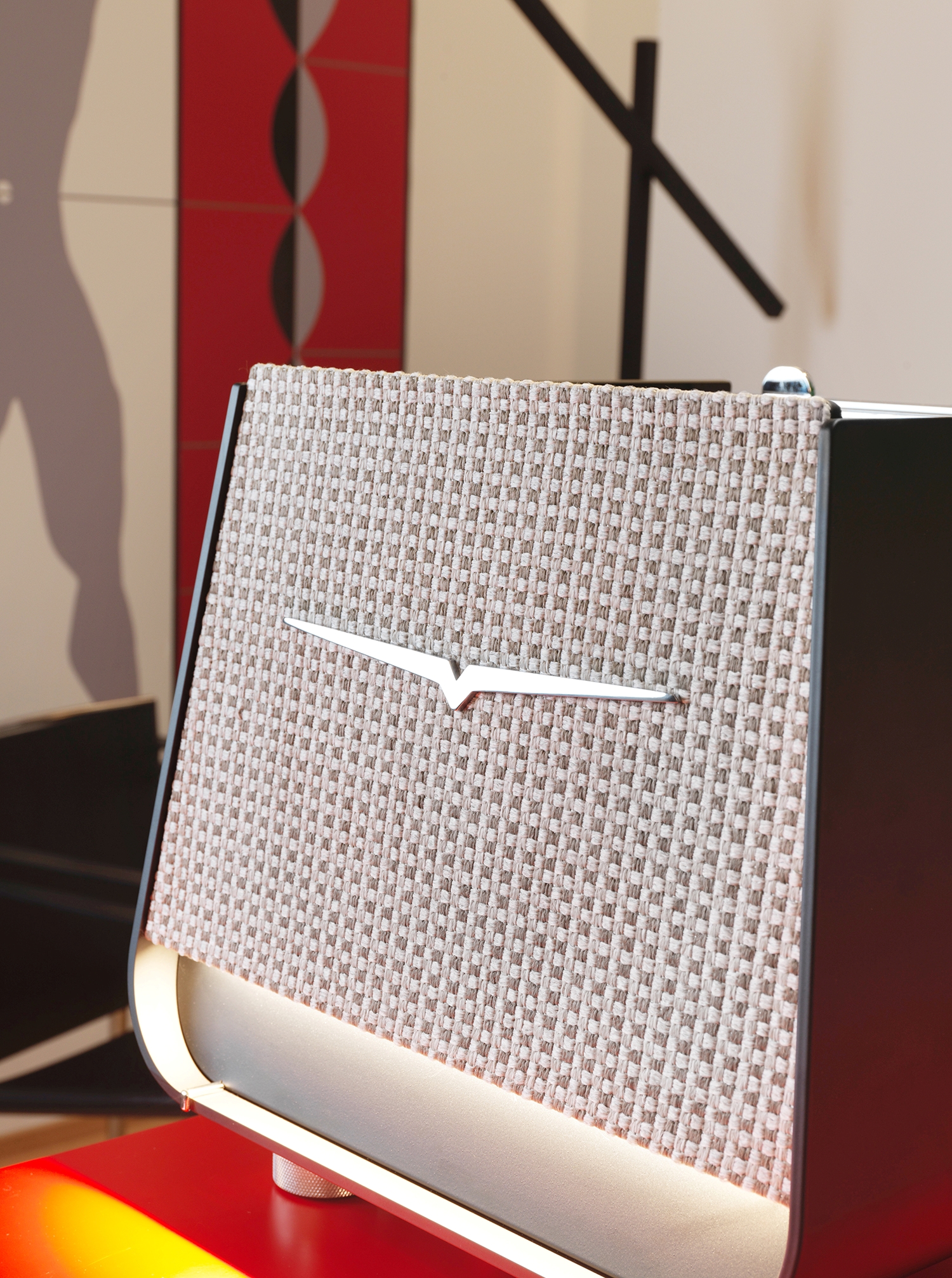
I had heard that my new coffee friend, Antonio Orria, whom I had met in Dubai airport in September, had just joined Victoria Arduino in Dubai and was showcasing their latest espresso machine, the Black Eagle Maverick, so off I went. Lucky for me, he was by himself and I got a quick demo about the machine, which in essence brews both espresso and wait for it….. filter coffee on their Pure Brew system. To quote them,

“PureBrew technology is a revolutionary, three phase, extraction method that uses pulsating frequencies of water pressure to release the purest flavour from your coffee bean according to its freshness, region and type.”

In essence they have a different basket for filter, with a cone shape and for which Antonio kindly brewed for me using 12g of coffee – I can see the advantage for playing around with different brew recipes and of course reducing the time for a barista in a busy coffee shop. It can also brew tea. I’m looking forward to visiting their newly opened outlet to learn more.

I was already having an Ethiopia coffee bean filled day, so why not go over to Boon Coffee, headed by the friendly Orit Mohammed. She got her head baristi to brew me an espresso, using Ethiopian beans of course and very kindly gave me a bag of their premium blend to try at home.

No more coffee!

Well, not quite. I stopped over at Three Coffee, one of my fave Dubai coffee roasters and couldn’t say no, when they offered me an espresso using Yemeni coffee beans.

Then I bumped into my fellow coffee geek friend Shehzeen and she roped me into a latte art competition, which she won with some help but which one do you think was the best?

Incidentally the UAE BARISTA CHAMPIONSHIP was won by Michaela of Typica coffee (one of my faves) again for the fourth time I think.

Before I left I popped over to the SCA stand and bumped into an old acquaintance, Stephen Morrissey, Deputy Chief Commercial and Community Experience Officer (plus WBC 2008) like I did last year, had a brief chat about the state of coffee in the UK and perhaps globally – in short, he shared my concern that many coffee roasters tend to roast quite light these days. Don’t get me wrong I like medium light roasting for filter based coffees but for espresso…. NO!

I still reminisce about espresso coffee from like 10 years ago. It was such that whether you had an espresso or flat white the body wrapped around your tongue with chocolate and dark berries, caramel and nuts and the taste lingered for an hour – not to mention the latte art contrast with milk that was delectable to look at, but nowadays, I think espresso is too bright and in milk, it is almost like flavoured milk. I’m not sure what your thoughts are, but when I launched my coffee brand two years ago, I tried to bring that back.

Also, we felt that the customer experience is beginning to diminish. Again, I recall when I was in London recently, not naming any cafes, I felt like the baristi were not that approachable like the ones in Dubai. I recall trying to film a barista pouring latte art and she abruptly told me to stop. I know that as specialty coffee has grown, you will loose the essence of that coffee nerdy experience, when I used to got to a cafe and just chat with the baristi about the coffee and the art of coffee making, but I miss those days and with so many companies investing in specialty coffee now, perhaps those days may never come back.

But you know what, I still dream about having another cafe in the future and perhaps I will be able to make a difference in bringing that back as after all this is…

By: Lameen Abdul-Malik