Why There Are Fewer Places to Sit Down for Coffee in Moscow

Moscow – Qahwa World

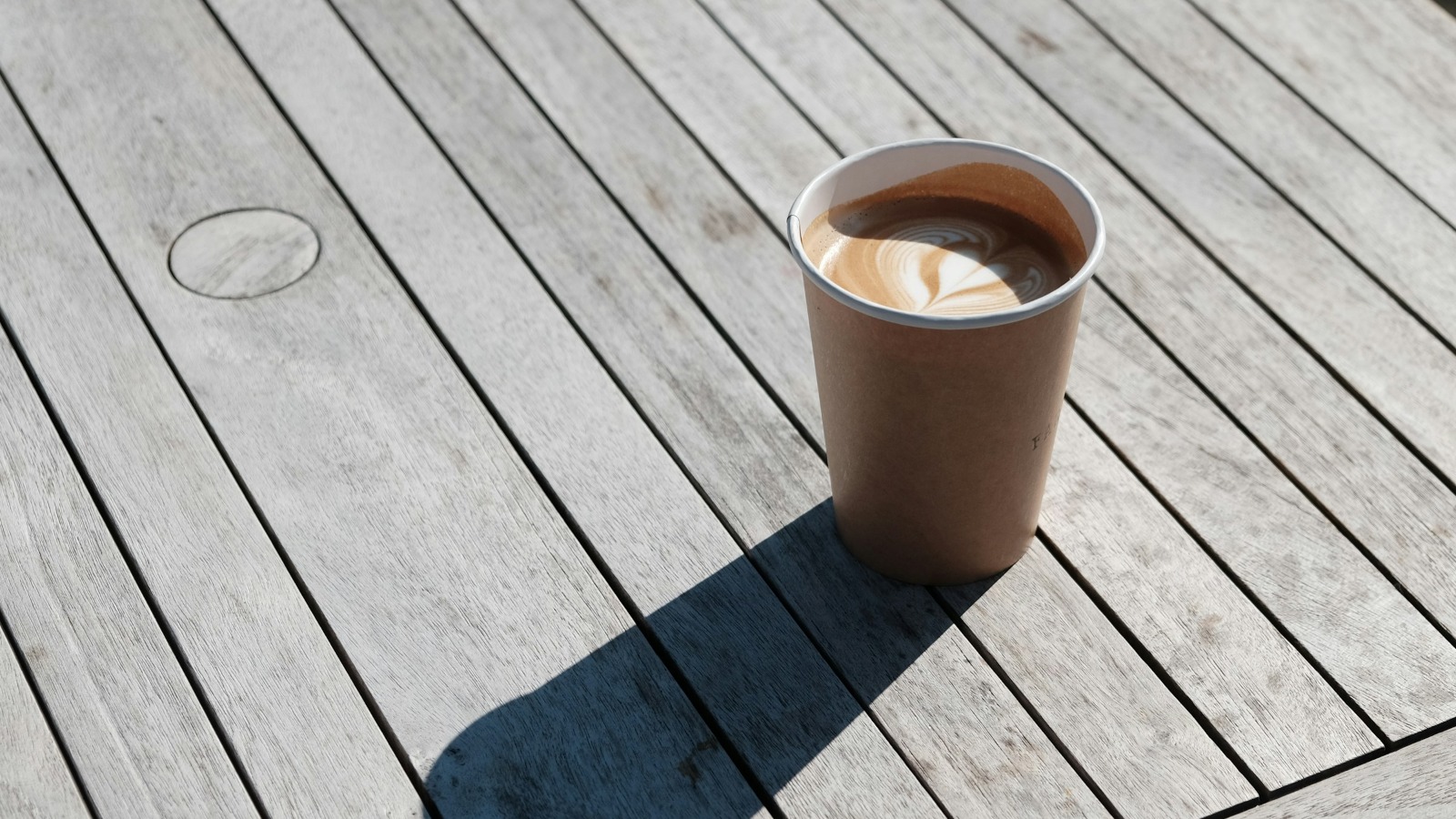
Over the past year, Moscow’s coffee market has undergone a noticeable shift. Grab-and-go coffee outlets continue to expand, while traditional cafés with seating areas are gradually losing ground.

From January 2025 to January 2026, the number of coffee-to-go locations in the city grew by about 5%, rising from roughly 3,900 to 4,100 outlets. These formats typically include small kiosks or compact spaces with little or no seating.

At the same time, the number of classic cafés declined much more sharply. Over the same period, their total fell by 12%, from around 2,900 to 2,500. Earlier reports also pointed to closures by major chains: in 2025, one of Moscow’s largest café operators shut down more than 10% of its locations.

Similar trends are visible outside the capital. In other Russian cities with populations over one million, the number of coffee-to-go outlets increased by an average of 3.5% year on year, while the number of traditional cafés dropped by about 13%.

The highest concentration of cafés and grab-and-go coffee points remains in central districts. Presnensky, Tverskoy and Basmanny lead the way. As of January 2026, Tverskoy district had about 120 cafés and 188 coffee-to-go outlets; Presnensky counted 126 cafés and 183 to-go points; Basmanny had 114 cafés and 159 grab-and-go locations.

The rise of coffee to go comes amid higher prices in traditional cafés. In January 2026, the average bill in Moscow cafés reached 501 rubles. The most expensive coffee is found in Vnukovo and the Obruchevsky district, where a cup can cost more than 800 rubles. The lowest prices are typically seen in residential areas such as Pechatniki, Bibirevo, Vostochnoye Degunino, Altufyevsky district and Veshnyaki.

Market experts note that while the number of cafés had been growing steadily in previous years, consumer demand has recently started to weaken. Rising prices have made it harder for cafés to attract new customers. Higher costs are driven by several factors, including more expensive coffee beans and milk, rising wages, increasing rent, and higher electricity costs.

At the same time, competition from retailers is intensifying. Automated coffee machines in grocery stores are gaining popularity. During the first nine months of 2025, sales of ready-to-drink coffee in retail chains surged both in volume and in value, adding further pressure on traditional café formats.

If you’d like, I can also optimize this version for SEO, adapt it for an international media outlet, or shorten it into a brief news piece.
Rising Prices Redraw Coffee Consumption Habits

Dubai – Qahwa World

Surging coffee prices have not pushed consumers to abandon their daily cup. Instead, higher costs are reshaping how coffee is consumed. As global inflation weighs on household budgets, many consumers are adjusting purchasing habits rather than giving up a routine that has become embedded in everyday life.

Market indicators show that coffee demand remains relatively steady despite higher prices, highlighting the sector’s resilience and ability to adapt. This comes at a time when climate-related challenges and trade pressures continue to drive costs upward across global supply chains.

Production Under Pressure, Prices on the Rise

Coffee markets are facing a widening gap between supply and demand. Output has been affected in several key growing regions, while transportation and logistics costs have risen. Together, these factors have contributed to elevated price levels over the past period.

Top Coffee-Producing Countries

(thousand bags, 60 kg per bag)

Rank Country Expected Production
1 Brazil 63,000
2 Vietnam 30,800
3 Colombia 13,800
4 Indonesia 12,450
5 Ethiopia 11,560
6 Uganda 6,875
7 India 6,050
8 Honduras 5,800
9 Peru 4,200
10 Mexico 3,903

New Ways to Keep the Habit

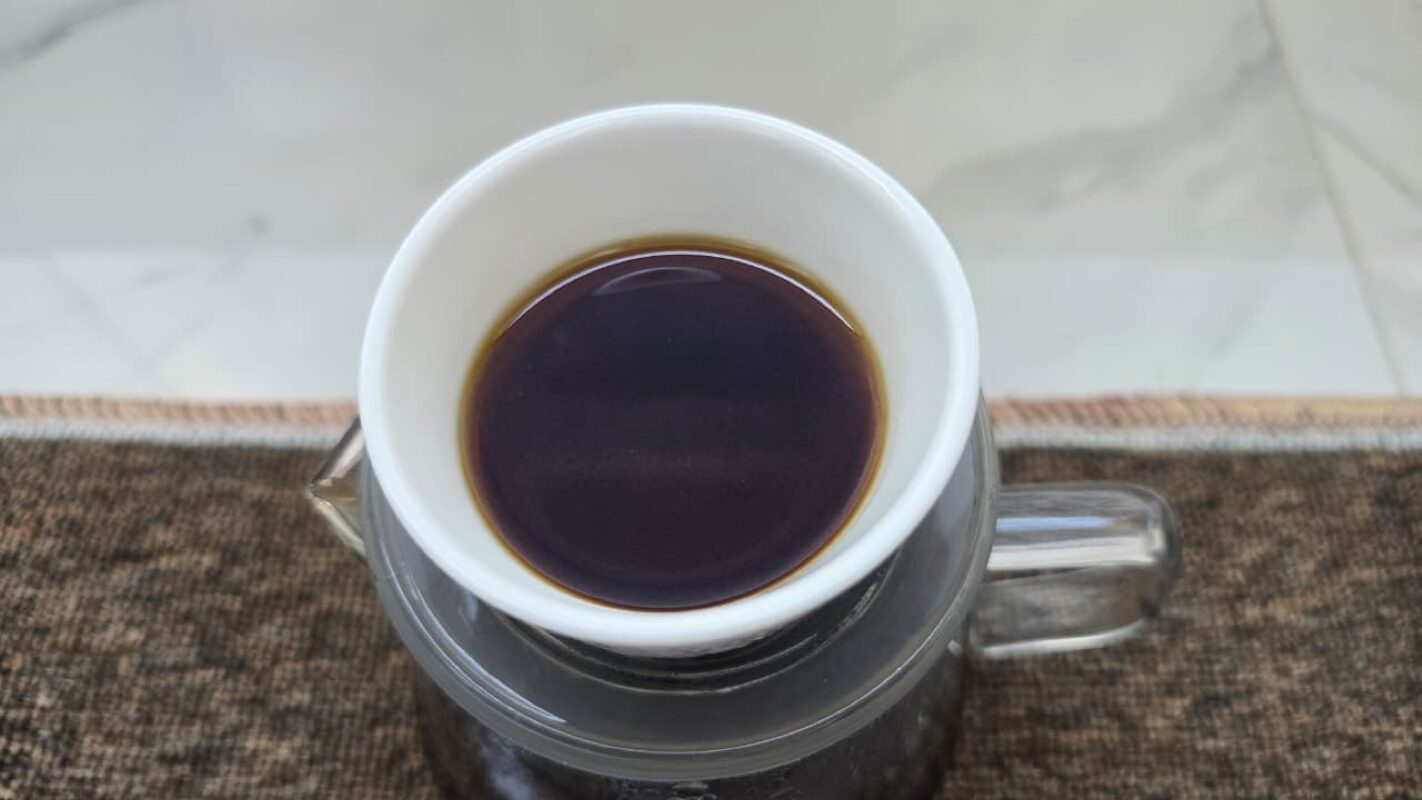
Rather than cutting coffee out altogether, consumers are increasingly turning to lower-cost alternatives. Home brewing has gained popularity, with many attempting to recreate café-style drinks using simple equipment. This approach allows consumers to preserve the experience while reducing spending.

The shift reflects a broader rebalancing of priorities, where enjoyment is maintained but costs are kept under control.

Coffee Shops Adjust Their Strategies

Changes in consumer behavior have also prompted cafés to rethink their business models. Faster service options and more affordable menu choices are becoming more common, as operators respond to growing price sensitivity.

Market observations suggest that coffee consumption has not declined, but has instead taken new forms, with customers opting for simpler or less expensive options rather than stopping purchases entirely.

Coffee as a Resilient Consumer Good

Coffee offers a clear example of a product with relatively flexible demand in the face of price shocks. Even as prices reach historically high levels, consumption remains broadly stable, reflecting coffee’s status as a daily essential for many people.

Largest Coffee-Consuming Markets (2025–2026)

(thousand bags, 60 kg per bag)

Rank Country / Entity Expected Consumption
1 European Union 41,870
2 United States 26,550
3 Brazil 22,162
4 Japan 7,550
5 Philippines 6,780
6 China 5,500
7 Indonesia 4,900
8 Canada 4,800
9 Vietnam 3,750
10 Russia 3,610

South America’s 100 Best Coffee Shops 2025 – Full List Revealed

Dubai – Qahwa World

The global coffee community celebrates a new milestone as The World’s 100 Best Coffee Shops unveils the official list of South America’s 100 Best Coffee Shops 2025, recognizing the continent’s finest cafés for their excellence, creativity, and cultural impact.

After months of evaluation and travel across cities, mountains, and coffee regions, the judges compiled a single, unified ranking that reflects South America’s dynamic coffee landscape — one that continues to inspire and shape global coffee culture.

This year’s edition honors cafés that deliver exceptional quality, unique concepts, sustainable practices, and authentic coffee experiences. From traditional roasteries to modern coffee laboratories, these 100 destinations represent the beating heart of coffee craftsmanship in the region.

South America’s 100 Best Coffee Shops 2025 — Complete List

  1. Tropicalia Coffee / Colombia

  2. Kafi Wasi Café Tostaduría / Peru

  3. Holaste! Specialty Coffee / Chile

  4. Fankør / Ecuador

  5. Tributo Casa de Café – Chacao / Venezuela

  6. Fruto Café / Argentina

  7. Monotono Specialty Coffee / Peru

  8. Cupping Café / Brazil

  9. Puku Puku / Peru

  10. Eco Mapu Coffee Villarica / Chile

  11. Typica Café / Bolivia

  12. Pergamino Café Laureles / Colombia

  13. Caferatto Café Especial / Colombia

  14. Wake Up Coffee Lab / Chile

  15. Masaro Café / Peru

  16. Mulano Coffee Shop / Ecuador

  17. Origen Tostadores de Café / Peru

  18. Casa Canela / Venezuela

  19. Mugen Coffee Project / Bolivia

  20. Coffee Five / Brazil

  21. Café Guayasamín – Centro Quito / Ecuador

  22. Café de Barrio / Argentina

  23. Three Monkeys Coffee Cusco / Peru

  24. Abstrakto Café de Especialidad / Uruguay

  25. Neira Café Lab / Peru

  26. Café Local / Chile

  27. Tasta Café / Peru

  28. Oso Café / Peru

  29. Insignia Coffee / Colombia

  30. Alquimia Specialty Coffee Shop / Bolivia

  31. Antaqa Café / Peru

  32. Café 4 Llamas – Santa Cruz / Bolivia

  33. Café Micelio Puerto Varas / Chile

  34. Rua – Café de Especialidad Curado / Ecuador

  35. Café 18 – El Chicó / Colombia

  36. Cronopios Café / Ecuador

  37. Abisinia Café y Tostaduría / Peru

  38. Slow Brew Coffee Shop Cuenca / Ecuador

  39. HB Bronze Coffeebar / Bolivia

  40. Tres / Argentina

  41. Don Salazar / Peru

  42. Cuervo Café / Argentina

  43. Punto Café / Peru

  44. Famosta Café / Colombia

  45. Negro Cueva de Café / Argentina

  46. Libertario Coffee Roasters – Calle 70A / Colombia

  47. Surry Hills Coffee Palermo / Argentina

  48. Azahar Café / Colombia

  49. D’sala Caffé / Peru

  50. Café Folks / Chile

  51. Café Melosa / Venezuela

  52. Florencia y Fortunata Specialty Coffee / Peru

  53. Roaster Specialty Coffee / Bolivia

  54. Stratto Bodega de Café + Coffee Shop / Ecuador

  55. Raiz Coffee / Peru

  56. Café Buena Vista / Bolivia

  57. Buho Nómada / Chile

  58. Colo Coffee / Colombia

  59. Atmósferico Cafetería de Especialidad / Ecuador

  60. Indera Experience Cafetería de Especialidad / Ecuador

  61. Kofi & Co / Brazil

  62. Típica Café Milla de Oro / Colombia

  63. Coffee Busters Roastery / Peru

  64. Mato Café / Brazil

  65. Cafetería Tunu Katari / Peru

  66. KOF – King of the Fork / Brazil

  67. Café Ao Leu / Brazil

  68. Primates Tostadores / Chile

  69. Lucca Cafés Especiais / Brazil

  70. María Julio Coffee Shop / Colombia

  71. Kaweh Coffee Shop / Ecuador

  72. Puma Café / Peru

  73. Dagada / Ecuador

  74. Somos Specialty Coffee / Bolivia

  75. Coffeestylers / Colombia

  76. Amanecer Coffee Store / Venezuela

  77. ArtemisA Coffee & Cocktail Bar / Chile

  78. Alto Tostado Coffee Roasters – Santa Cruz / Bolivia

  79. Eleganza Coffee Roasters / Chile

  80. Ciclos Café / Peru

  81. Blacksoul Café Brewing Lab / Bolivia

  82. Marrón Café / Venezuela

  83. Laurino Coffee / Colombia

  84. Café Nexos / Venezuela

  85. 9 Gramos Café / Colombia

  86. Manva Natural Market / Venezuela

  87. Rita Specialty Coffee Armenia / Argentina

  88. Café Black Mamba / Chile

  89. Kaffei / Paraguay

  90. Elevaria Café / Peru

  91. Casa Berracos / Uruguay

  92. Senzuru Coffee / Peru

  93. Anella Café / Venezuela

  94. Kajue Café / Argentina

  95. Varietale Chapinero / Colombia

  96. Ninina / Argentina

  97. Guanacoffee / Peru

  98. Barista Coffee House / Argentina

  99. Café Bauda / Chile

  100. Calu’s / Argentina

A Continental Celebration of Coffee Excellence

The 2025 list captures the remarkable growth of specialty coffee in South America, where cafés are increasingly emphasizing sustainability, direct trade, and community connection. From Peru’s mountains to Colombia’s coffee triangle, each café has earned its place through dedication and creativity.

This recognition is more than a ranking — it’s a celebration of coffee as a cultural bridge. Each destination tells a story of farmers, roasters, and baristas working together to redefine what coffee can be.

The organizers extended their gratitude to this year’s sponsors and partners:
@cafedecolombia, @corferias, @fidatecorg, @hechoencafe, Craft Specialty Coffee, and @fedecafeterosc, for their continued support in promoting excellence and sustainability in coffee.

About the Awards

The South America’s 100 Best Coffee Shops 2025 is part of The World’s 100 Best Coffee Shops global initiative, which celebrates the finest cafés worldwide. The listings are curated by international coffee professionals who assess cafés on quality, innovation, design, and overall customer experience.

For the complete story and upcoming global rankings, visit:
https://theworlds100bestcoffeeshops.com/

Worth $58.5 Billion: US Coffee Market Slows Under Cost Pressures

Dubai Qahwa World

The US branded coffee shop industry, one of the largest in the world, is showing signs of strain as growth slows amid rising costs and a tough economic climate. According to new industry research, the market is now worth around $58.5 billion, achieving 6.6% annual sales growth a dip from last year’s 7%.

Despite the cooling pace, the market continues to expand in size and scale. Net outlet growth reached 4.2% in 2025, bringing the total to more than 45,200 stores across 588 brands, although this marks a slowdown from the 5.1% growth recorded in 2024.

Expansion Meets Resistance

Big players are still adding stores. Starbucks, Dunkin’, Dutch Bros, and 7 Brew each expanded by more than 100 outlets over the past year. Yet, broader growth has been curbed by record-high green coffee costs, persistent inflation, and a 50% tariff on Brazilian imports, which together create unprecedented pressure on operators.

Drive-thru coffee chains are leading the charge. Dutch Bros surpassed 1,000 locations, while Arkansas-based 7 Brew posted the fastest expansion rate in the sector. Black Rock Coffee Bar, following its $294 million IPO in September 2025, is also preparing for nationwide growth.

Adding to the competitive landscape, China’s Luckin Coffee and Cotti Coffee have entered the US market. At the same time, more than 50 independent café businesses grew to five or more outlets, officially stepping into the branded chain category.

Consumers Pay More, Confidence Drops

Sales figures were propped up by higher menu prices. Over the last year, the average cost of a 16oz latte, cappuccino, or filter coffee rose by 3%, while iced coffee went up by nearly 5%.

Although more than half of US industry leaders reported positive sales, fewer than a third described overall trading conditions as favorable down sharply from 2024. Just 20% of executives expect conditions to improve in the coming year, and more than one-third now predict that coffee shop sales will lag behind US GDP growth.

Non-Dairy Options Go Mainstream

One of the most notable shifts in consumer trends has been the removal of surcharges for plant-based milks. Eighteen of the 20 largest coffee chains including Starbucks, Dunkin’, and Dutch Bros now serve oat, almond, and other dairy alternatives without extra charges.

Still, nearly two-thirds of industry leaders believe that surcharges remain justified due to higher costs, and more than half of customers indicated they would pay extra for their preferred alternative milk. Almond milk continues to dominate demand.

Outlook to 2030: Resilience and Adaptation

Even with mounting headwinds, the sector shows long-term resilience. Market forecasts project that the US branded coffee shop industry will exceed $63 billion within a year and reach $82.4 billion by 2030, supported by outlet growth to more than 57,700 stores nationwide.

Industry experts say growth will increasingly depend on portfolio adjustments and new strategies to meet evolving customer expectations in a challenging economy.

U.S. Top 100 Coffee Shops for 2025

Dubai – Qahwa World 

Yelp has unveiled its Top 100 Coffee Shops in America for 2025, ranking the most celebrated cafés across the nation. The list reflects the depth of U.S. coffee culture, highlighting everything from innovative roasteries to family-owned shops known for unique drinks and warm community spirit.

At number one, Yaw Farm Coffee Roaster in Las Vegas earned the crown as the best coffee shop in America. Owned by Jillian and Ian, this small but mighty roastery focuses on careful bean sourcing, expert pour-over techniques, and creative syrups such as its signature blackberry blend. Despite offering no seating or Wi-Fi, it has built a devoted fanbase, with 95% of its Yelp reviews rated five stars.

Coffee Trends on the Rise

The 2025 ranking highlights how American coffee drinkers are increasingly embracing creative drinks. Searches for “banana bread latte” surged by more than 6,000% this summer, giving Cassel Earth Coffee in Irvine, California, national attention for its banana latte. Viennese-style einspanners, topped with sweet cream, are also rising in popularity, featured at cafés such as Markario Coffee Roasters in Everett, Washington.

“More than ever, people want coffee that blends flavor, quality, and a sense of connection,” said Tara Lewis, Yelp’s trend expert. “It’s about making the daily ritual something special.”

The Full Top 100 Coffee Shops in the U.S. for 2025

  1. Yaw Farm Coffee Roaster – Las Vegas, Nevada
  2. 1022 Cafe & Gelateria – Oceanside, California
  3. Rainbeau Jo’s – Lihue, Kauai, Hawaii
  4. Mate Conmigo – Los Angeles, California
  5. Makua Banana Bread – Oahu, Hawaii
  6. Cassel Earth Coffee – Irvine, California
  7. Pangolin Café – Reno, Nevada
  8. Makario Coffee Roasters – Everett, Washington
  9. St. Pat’s Coffeehouse – New Orleans, Louisiana
  10. A.T. Oasis Coffee & Tea Shop – Phoenix, Arizona
  11. Classy Hippie Tea – Sacramento, California
  12. Mission Blue – San Francisco, California
  13. Tatiana’s Coffee and Tea – Ventura, California
  14. Elevated Coffee and Confections – Lemon Grove, California
  15. Window Coffee Bar – Phoenix, Arizona
  16. Pursue Coffee – Redondo Beach, California
  17. Acurrucame Cafe – Los Angeles, California
  18. Wolfe Club Coffee Roasters – Tacoma, Washington
  19. Family Cafe – Beaverton, Oregon
  20. The Horn – Nashville, Tennessee
  21. Tim Is Making Great Coffee – San Juan Capistrano, California
  22. Nic and Luc – Longwood, Florida
  23. Medieno Coffee Shop and Roaster – Danville, California
  24. Blue Corn Cafe and Bakery – Glendale, Arizona
  25. Castle Coffee – Albuquerque, New Mexico
  26. Hot ‘n’ Sweet Coffee and Donut Shop – Page, Arizona
  27. Sweet Oven Bakery – Sacramento, California
  28. Koana – Mountain View, Hawaii (Big Island)
  29. Uptown Cafe – Chantilly, Virginia
  30. Afro Joe’s Coffee and Tea – Chicago, Illinois
  31. Mr. Bee’s Coffee and Teas – Santa Rosa, New Mexico
  32. Enderly Coffee Co. – Charlotte, North Carolina
  33. Resurrection Cup Coffee – Fort Lauderdale, Florida
  34. Howlin Hounds Coffee – Omaha, Nebraska
  35. Kaffe Crepe – Reno, Nevada
  36. Jake’s Ice Cream on Siesta Key – Sarasota, Florida
  37. Whistle and Fizz – New York City, New York
  38. Rocklin Donuts and Cinnamon – Rocklin, California
  39. The Early Bird Cafe East Meadow – East Meadow, New York
  40. Dolce Vita – Oxnard, California
  41. Desta Ethiopian Cafe – Oakland, California
  42. Slow Rush – Paso Robles, California
  43. Cinnamon’s Bakery – Estes Park, Colorado
  44. Macadon’s – Renton, Washington
  45. Mad Dogs and Englishmen – Carmel-by-the-Sea, California
  46. Convo Coffee House – Las Vegas, Nevada
  47. Rock Stop – Orderville, Utah
  48. Dog Bar – Brunswick, Maine
  49. Local Coffee – Montclair, New Jersey
  50. Theory Coffee Company – San Antonio, Texas
  51. The Foundry Bakery – Maryland Heights, Missouri
  52. Gathered Grounds Surprise – Surprise, Arizona
  53. K Dessert Cafe – Tampa Bay, Florida
  54. Cafe Porche and Snowbar – New Orleans, Louisiana
  55. Duck Donuts – Irvine, California
  56. Mr. Burro Cafe – Fairplay, Colorado
  57. Matt Robbs Biscuits – Knoxville, Tennessee
  58. J Presso – Atlanta, Georgia
  59. Ginger Beard Coffee – Tampa, Florida
  60. Butteriffic Bakery and Cafe – Memphis, Tennessee
  61. Cutbow Coffee Roastology – Albuquerque, New Mexico
  62. La Perlita – Portland, Oregon
  63. Cafe Zio – Edison, New Jersey
  64. Deltina Coffee Roasters – Oceano, California
  65. Red Captain Coffee Company – Tucson, Arizona
  66. Hole Hot Doughnuts and Fresh Coffee – Asheville, North Carolina
  67. The Red Bud Cafe – Daytona Beach, Florida
  68. Dig It Coffee – Las Vegas, Nevada
  69. Joyful Noise Coffee – Menifee, California
  70. Fraise Cafe – Fullerton, California
  71. Tokyo Premium Bakery – Denver, Colorado
  72. Cream Sugar Coffeehouse – Cincinnati, Ohio
  73. A Special Blend – Greensboro, North Carolina
  74. ICI Macarons and Cafe – Philadelphia, Pennsylvania
  75. Neil’s Donuts – Wallingford, Connecticut
  76. The Bull Shack Coffee and Smoothies – Livingston, Texas
  77. Haan Coffee – Orlando, Florida
  78. White Duck Espresso – New Port Richey, Florida
  79. Recreo Coffee and Roasterie – West Roxbury, Massachusetts
  80. Billie Joe Coffee – Grand Prairie, Texas
  81. Voila French Cafe – Greer, South Carolina
  82. Elephantine Bakery – Portsmouth, New Hampshire
  83. Cali Coffee – Hollywood, Florida
  84. Out There Coffee – Cape May, New Jersey
  85. First Wave Coffee – Maui, Hawaii
  86. Bitty and Beau’s Coffee – Savannah, Georgia
  87. Side Track Coffee – Opelika, Alabama
  88. Roastd Coffee – Fort Lee, New Jersey
  89. Black Coffee Lounge – Cincinnati, Ohio
  90. Amarin Coffee USA – Chincoteague, Virginia
  91. Esteamed Coffee – Cary, North Carolina
  92. Dawn Donuts – Houston, Texas
  93. Hidden Grounds Coffee – Wilmington, North Carolina
  94. Coffee Cove – Hauula, Honolulu, Hawaii
  95. Canon Coffee – Apopka, Florida
  96. The Baker – New Bedford, Massachusetts
  97. Homage Coffee House – Glendale, Arizona
  98. Polcaris Coffee – Boston, Massachusetts
  99. Greenwell Farms – Kealakekua, Hawaii (Big Island)
  100. Cafe Flore – Fort Myers, Florida

A Nation of Coffee Lovers

From creative latte art in California to traditional Ethiopian coffee in Oakland, the 2025 rankings highlight just how diverse and dynamic America’s café scene has become. With demand for unique drinks and community-focused spaces continuing to rise, coffee in the U.S. is more than a beverage — it’s a cultural movement.

One Year Into Change: What’s Happening at Starbucks?

DUBAI, September 10, 2025 (Qahwa World) – One year after taking over as CEO of Starbucks, Brian Niccol says the global coffee chain is “ahead of schedule” in its ambitious turnaround efforts. The company is moving faster than anticipated in reshaping its business through aggressive store redesigns, a revamped rewards program, and the introduction of new food and beverage options, as it works to recover from declining traffic and financial pressures seen in recent years.

Niccol, who became the third CEO of the company in just two years, inherited a business under pressure from unionization drives and falling store visits. He stressed that his first task was to focus on strengthening the fundamentals before building new layers of innovation. He added that Starbucks is now well positioned to move forward with changes to its menu, improvements to the digital rewards program, and investments in technology to enhance the customer experience.

In remarks reported by Fox News, Niccol explained that the redesign efforts are not limited to aesthetics but also intended to enable the company to open more locations with greater efficiency and lower costs. Starbucks has already begun rolling out its “Green Apron Service” model, which uses tools such as the Smart Queue system to sequence orders across mobile pickup, drive-thru, and cafés, reducing wait times and ensuring a smoother flow of service.

According to Niccol, 80% of beverages are now being prepared in under four minutes, compared with just 60% before the changes were introduced, while mobile orders are surpassing a 95% completion rate within the same time benchmark. The company is also set to launch a new protein-focused menu at the end of September, alongside additional food choices designed around snacking, gluten-free products, and protein-forward options.

Niccol emphasized that the company’s plan to redesign thousands of U.S. stores by 2026—out of more than 17,000 nationwide—is central to its transformation. By 2027, he hopes the pace will accelerate further to avoid falling behind on updates. The refreshed look will feature oversized chairs, couches, high-tops, and regular tables, designed to provide “a seat for every occasion.” He also noted that the goal is not to limit how long customers stay but rather to create an environment that encourages them to spend more time in the stores, reflecting the essence of the coffeehouse culture.

He added that the company is reassessing store sizes and equipment needs to bring down operating costs. In the past, Starbucks had invested in larger buildings and unnecessary equipment, but Niccol argued that what truly matters is having “a great coffeehouse with good seats, the right staffing levels, and partners in the right place at the right time to serve customers.”

Despite ongoing economic headwinds that have made consumers more cautious in their spending, Niccol insisted that Starbucks’ value lies in its distinctive mix of high-quality coffee and unique store atmosphere. He highlighted the company’s access to top beans, its advanced Clover Vertica brewing system that ensures freshly ground and brewed coffee for every cup, and the personal connections between baristas and customers.

A new version of the company’s loyalty rewards program is also planned for early 2026. Still under development, the revamped program is expected to strengthen the value proposition for customers and become another driver of growth. Niccol concluded by expressing confidence that Starbucks would finish the current fiscal year on solid footing and enter 2026 “from a position of strength,” closing the first year of change on an optimistic note for one of the world’s most recognized coffee brands.

Coffee Planet Expands in Saudi Arabia with New Coffee Shop in Riyadh’s King Abdullah Financial District

Riyadh, 22 August 2025 (QahwaWorld) – Coffee Planet has officially inaugurated its newest coffee shop in Riyadh’s King Abdullah Financial District (KAFD), marking an important milestone in the company’s commitment to delivering exceptional specialty coffee experiences across the Kingdom.

The opening ceremony was graced by the presence of Coffee Planet’s Chairman, W. Allan Jones, adding a special and distinguished touch to the occasion.

This achievement was made possible through the continued support of Coffee Planet’s strategic partner, HB Brands, as both companies work hand in hand to provide high-quality, sustainably sourced coffee to wider communities in Saudi Arabia and beyond.

The new opening reflects Coffee Planet’s dedication to creating inspiring spaces where coffee lovers can enjoy unique experiences. The company expressed gratitude to its teams, partners, and loyal customers, whose support makes every cup possible.

Coffee Planet reaffirmed its determination to continue its journey of growth and excellence, one cup at a time.

Founded in 2005 in the United Arab Emirates, Coffee Planet began with a vision to transform the local coffee landscape by introducing the finest Arabica beans from around the world. From the very start, the company focused on quality roasting and innovation, establishing itself as a pioneer in specialty coffee.

The journey started with supplying freshly roasted Arabica coffee at highway fuel stations, before rapidly expanding into five-star hotels, airlines, catering companies, and offices. In 2008, Coffee Planet opened its Dubai roastery, gaining full control over the roasting process of its specialty blends and single-origin coffees. This laid the foundation for its retail growth across the UAE and GCC, followed by international franchising of its café concept.

Today, Coffee Planet stands as a multi-million-dollar success story, recognized both through its own brand and private-label roasting for leading global companies, while remaining committed to growth, sustainability, and making 100% Arabica specialty coffee accessible to all.

Why Buying Coffee with Bitcoin Remains Rare in 2025?

Dubai, 14 August 2025 (Qahwa World) – For over a decade, cryptocurrency advocates have promised a revolution in daily transactions—one where you could pay for your morning coffee as easily with Bitcoin as with cash or card. Yet, despite the infrastructure and hype, a closer look reveals that in most cafés around the world, this vision remains firmly out of reach.

Infrastructure Exists — But Usage Is Minimal

Global chains like Starbucks, Whole Foods, Home Depot, Microsoft, and Gucci now technically accept cryptocurrency through payment processors such as Flexa, BitPay, and Coinbase Commerce. These solutions, along with crypto debit cards and gift card platforms, make it possible to pay for coffee—or even a car—using digital assets. El Salvador remains the most notable national experiment, where Bitcoin is legal tender.

Yet in reality, most “crypto payments” aren’t direct transfers on the blockchain. They’re instant conversions from Bitcoin or other tokens into local currency at the point of sale. Merchants still receive dollars, euros, or dirhams—not cryptocurrency.

Three Barriers Brewing Resistance

  1. Tax Complexity
    In many countries, every crypto transaction triggers a taxable event for capital gains. That means buying a cappuccino requires calculating and reporting potential profits or losses on that fraction of your holdings—a deterrent for casual use.

  2. The “Digital Gold” Mentality
    Bitcoin is increasingly seen as a store of value, not a spendable currency. Investors prefer to hold it long-term, spending depreciating fiat currency instead.

  3. Volatility and Fees
    Price swings make merchants wary of direct acceptance. While fees have dropped, payment processors often still charge 1–2%, similar to credit cards.

The Lightning Network and Stablecoin Promise

The Lightning Network—a layer-2 technology—offers fast, low-cost Bitcoin payments, already in use for coffee transactions in places like El Zonte in El Salvador and small towns in Brazil. Meanwhile, stablecoins such as USDC and USDT, pegged to the U.S. dollar, bypass volatility and are gaining traction for retail and cross-border transactions.

Coffee Industry Implications

For the specialty coffee world, crypto could one day mean faster, cheaper international payments to producers, especially in regions underserved by traditional banking. However, until tax regimes adapt, volatility eases, and stablecoin adoption grows, most baristas will keep ringing up your espresso in local currency.

Final Sip

Cryptocurrency’s promise for coffee payments is alive, but for now, it remains more of a future brew than today’s reality. Stablecoins and the Lightning Network might finally make paying for your latte in crypto as smooth as the crema on top—but not quite yet.