Largest Edition of World of Coffee Dubai 2026 Kicks Off Tomorrow

Dubai – Qahwa World

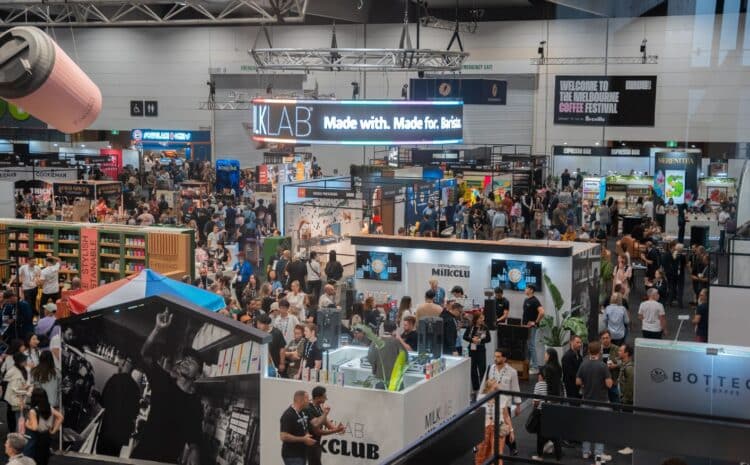
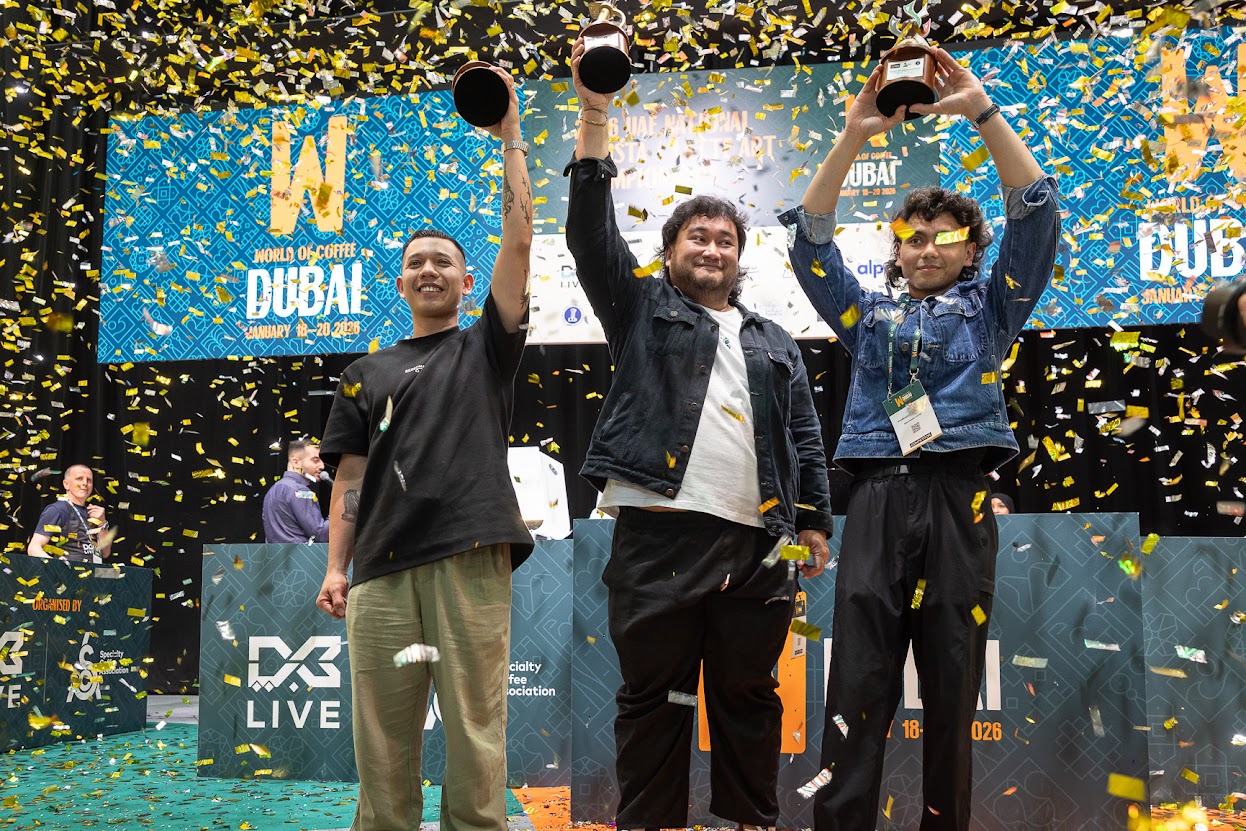
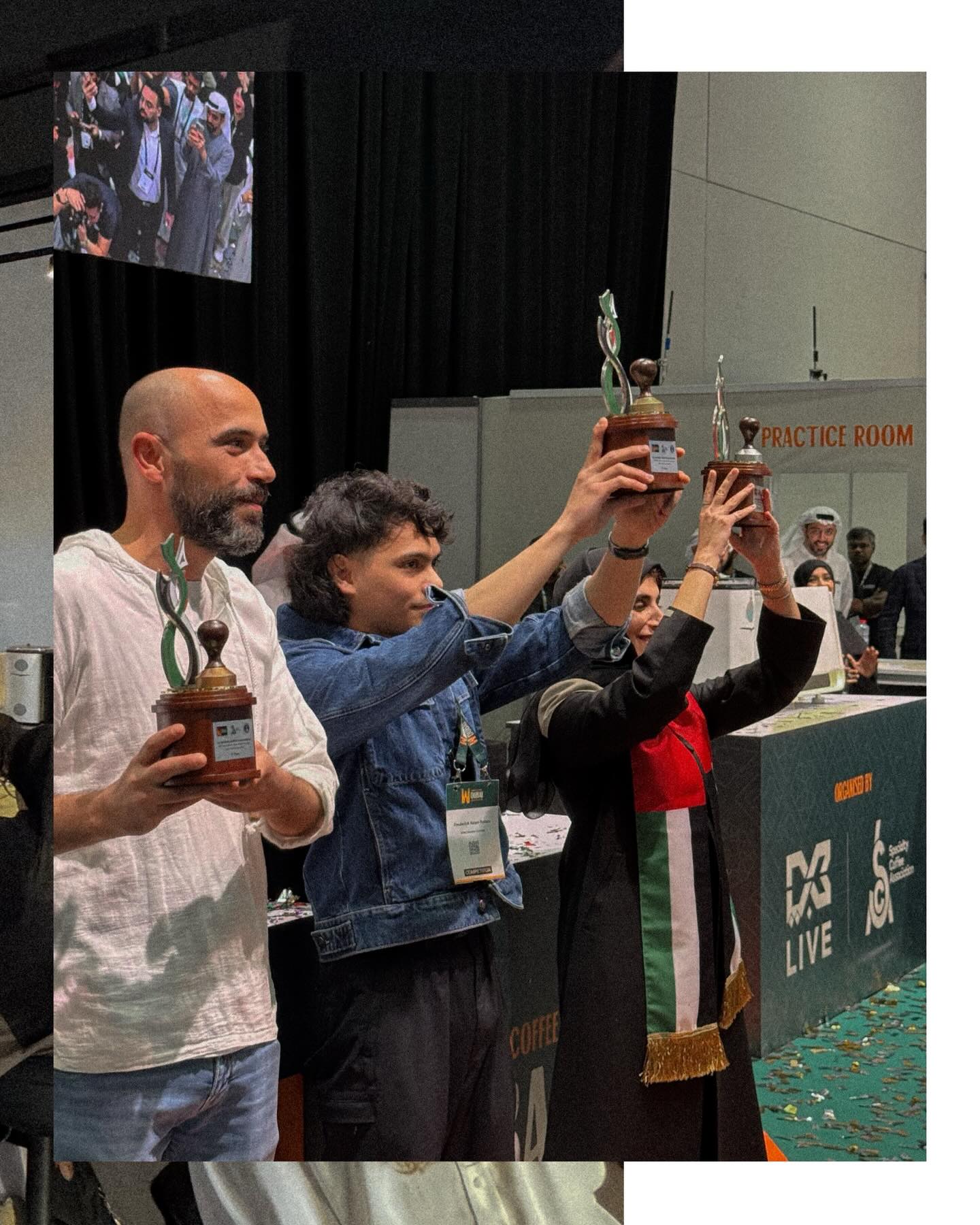
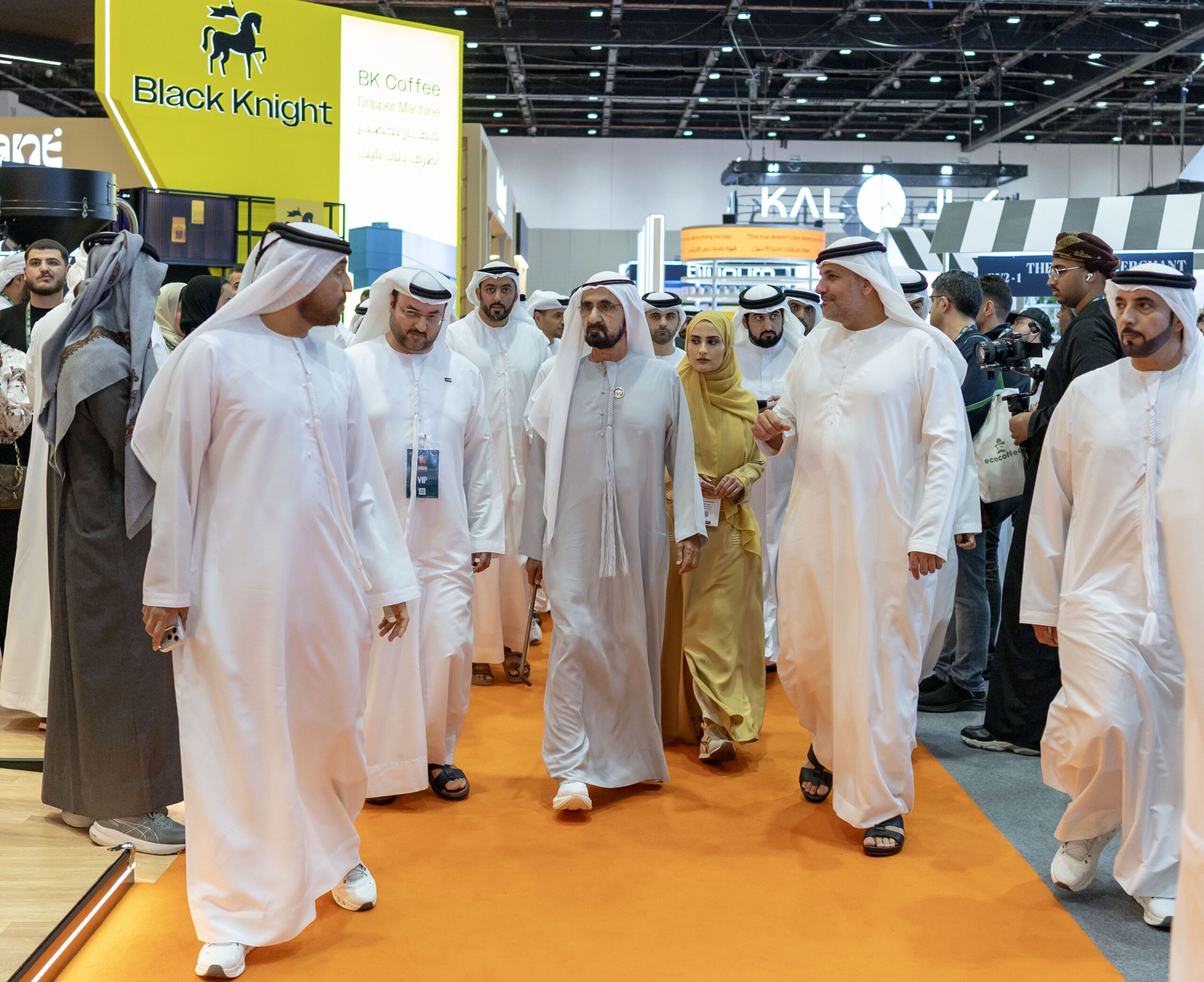
The fifth and largest edition of World of Coffee Dubai 2026 will kick off tomorrow, Sunday, in Dubai. The event is organised by DXB Live, the integrated event management and experiential agency of Dubai World Trade Centre, in partnership with the Specialty Coffee Association (SCA), and will run from 18 to 20 January 2026 at the Dubai World Trade Centre.

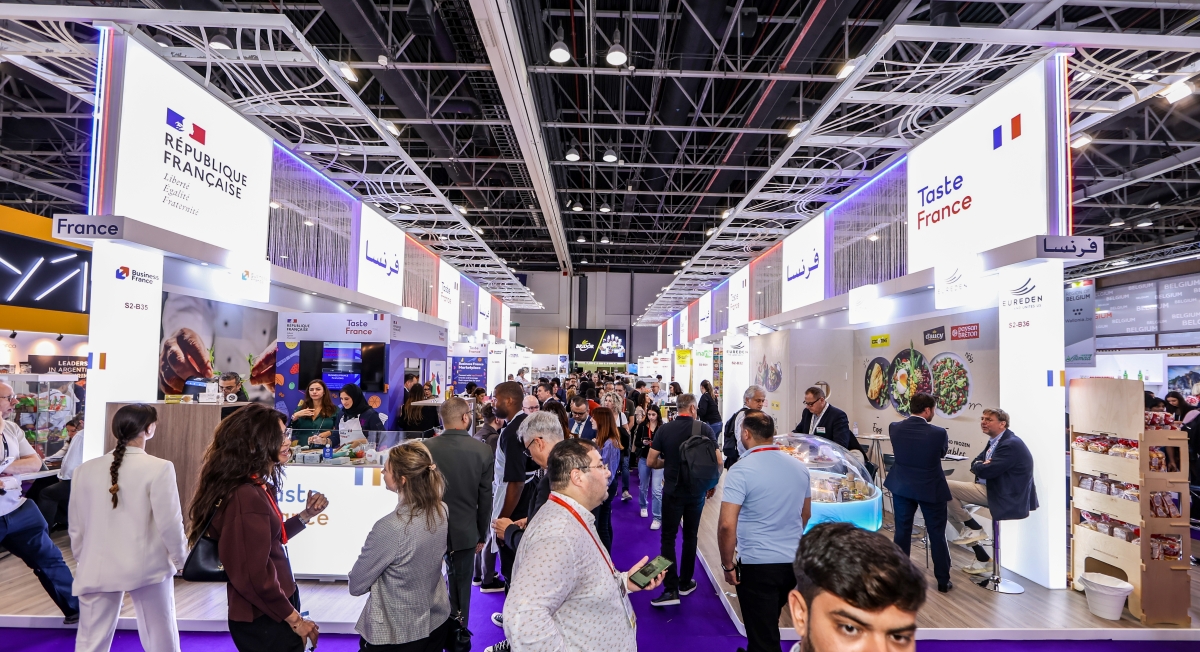
Recognised as the region’s leading specialty coffee trade event, the exhibition brings together more than 2,100 exhibiting companies and brands, alongside industry leaders, experts, and professionals from 78 countries, representing every stage of the coffee value chain. Participants include coffee producers, roasters, traders, equipment and machinery manufacturers and distributors, café operators, hospitality leaders, and industry organisations.

Spanning an exhibition space of 20,000 square metres, the event features strong participation from leading global coffee producers, reinforcing Dubai’s growing role as a global hub for coffee trade and a strategic gateway connecting producing countries with fast-growing consumer markets and international trade centres.

World of Coffee Dubai 2026 offers visitors a comprehensive experience covering all aspects of the specialty coffee industry. Key features include the Roasters Village, Producers Village, Cupping Rooms, Brewing and Espresso Zones, and dedicated Technology Areas, showcasing the latest innovations in roasting and brewing systems, automation, and sustainable technologies, reflecting global future trends in the specialty coffee sector.

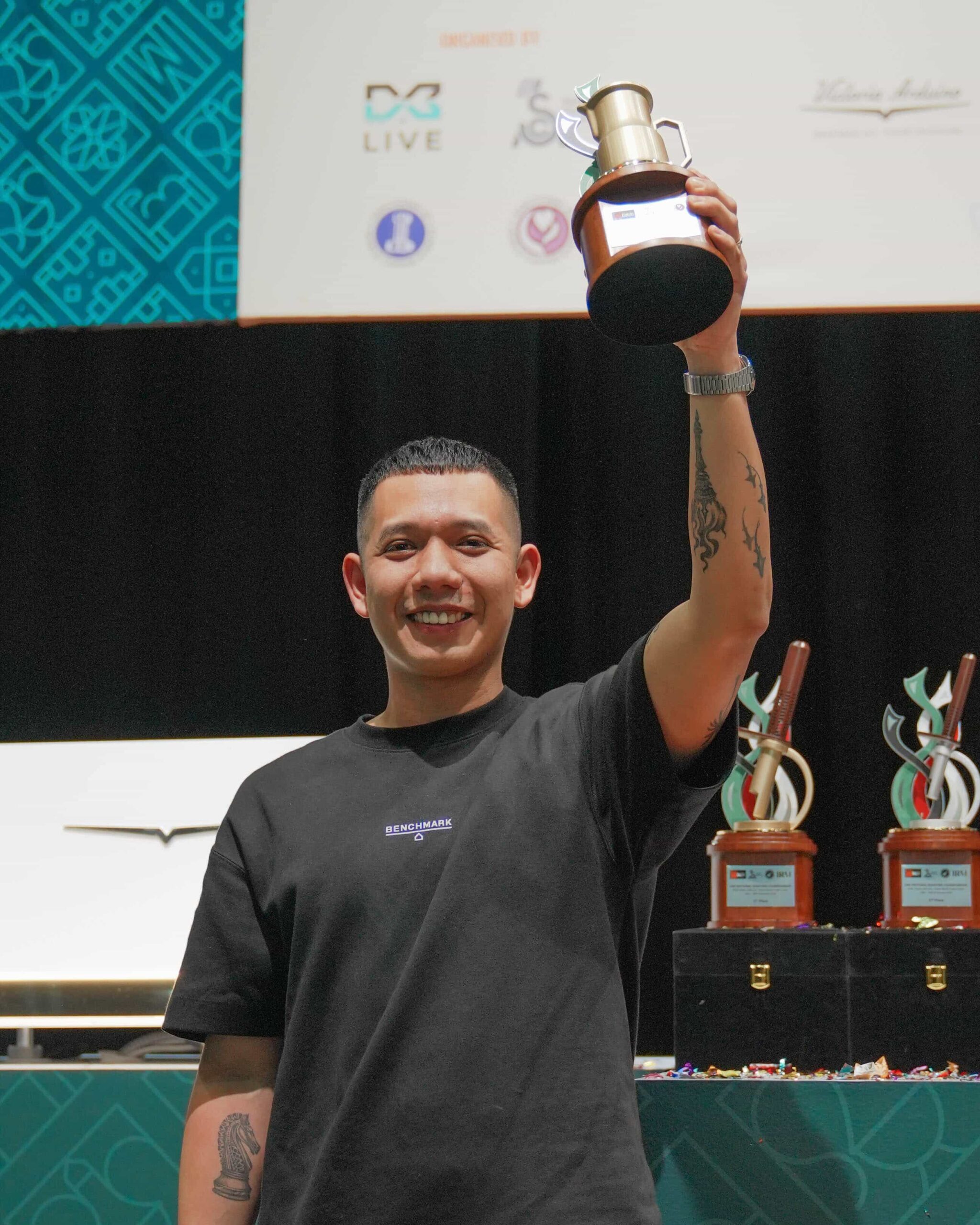
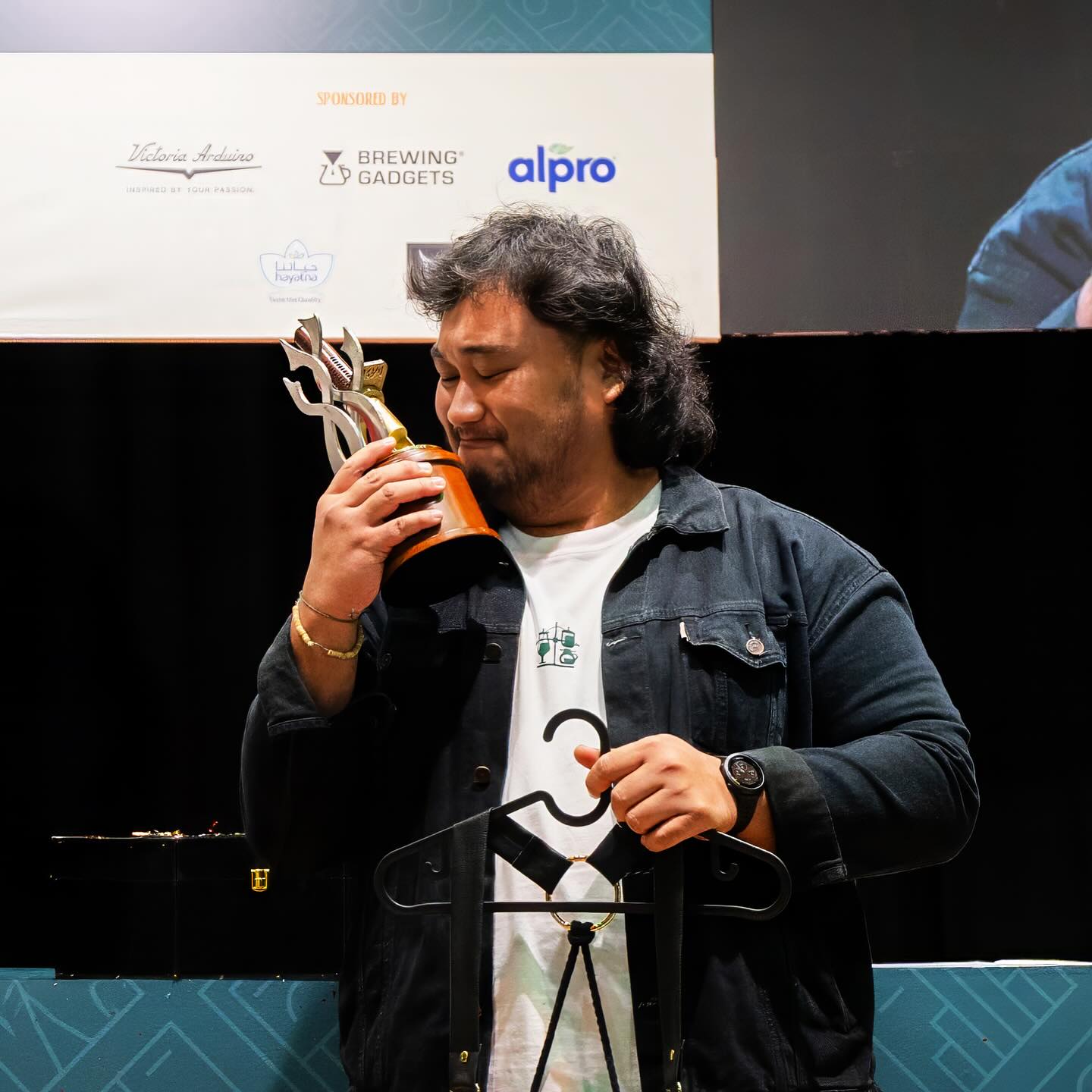
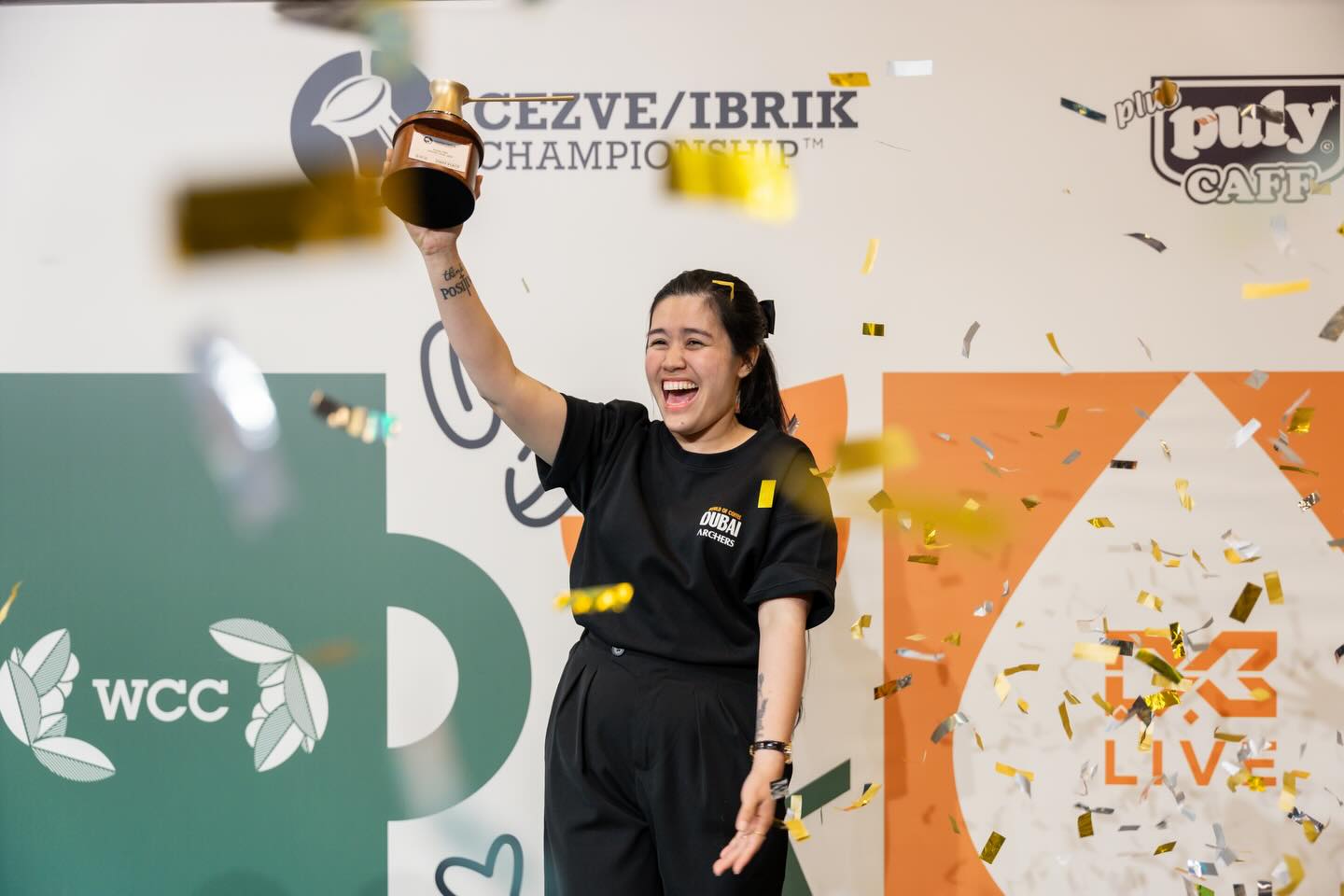
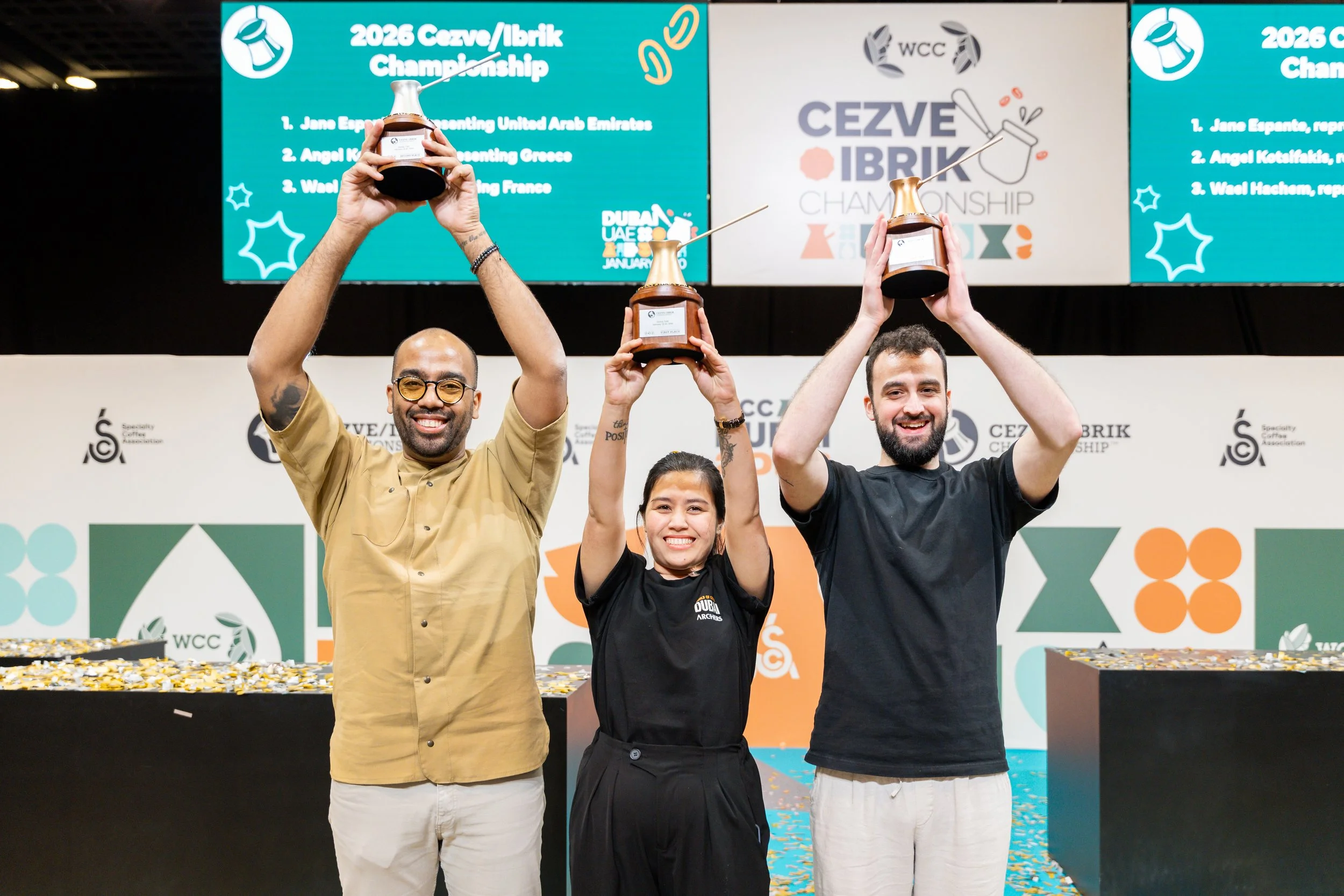
The exhibition programme also includes a series of professional championships and competitions, such as the UAE National Coffee and Latte Art Championships, the Roasting Championship, as well as the Cezve/Ibrik World Championship, which celebrates one of the world’s oldest coffee preparation methods rooted in Middle Eastern and Turkish coffee culture, evaluated according to modern specialty coffee standards.

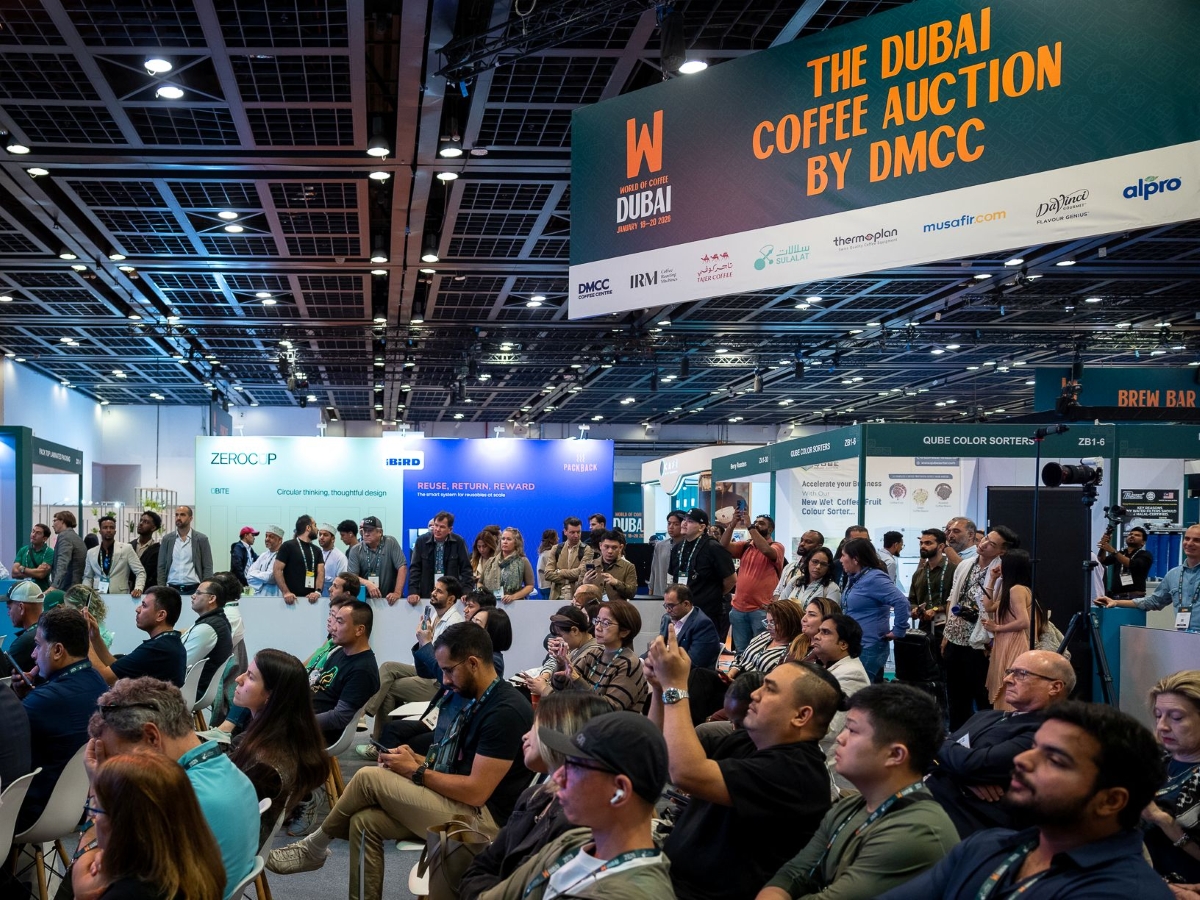
On the commercial front, the event hosts three live auctions across the three exhibition days, including a Coffee Equipment Auction on the first day, a Micro-lot Auction featuring top-rated specialty coffee beans on the second day, and an Exhibitors’ Coffee Auction on the third day. These auctions provide a transparent platform for price discovery, enhance international buyer participation, and support global market access for brands and producers.

World of Coffee Dubai 2026 will be open daily from 10:00 a.m. to 6:00 p.m. at Zabeel Halls 1, 4, 5, and 6 of the Dubai World Trade Centre. Registration remains open for visitors, media representatives, and industry professionals, with full programme details and media accreditation available via the event’s official website.

Why There Are Fewer Places to Sit Down for Coffee in Moscow

Moscow – Qahwa World

Over the past year, Moscow’s coffee market has undergone a noticeable shift. Grab-and-go coffee outlets continue to expand, while traditional cafés with seating areas are gradually losing ground.

From January 2025 to January 2026, the number of coffee-to-go locations in the city grew by about 5%, rising from roughly 3,900 to 4,100 outlets. These formats typically include small kiosks or compact spaces with little or no seating.

At the same time, the number of classic cafés declined much more sharply. Over the same period, their total fell by 12%, from around 2,900 to 2,500. Earlier reports also pointed to closures by major chains: in 2025, one of Moscow’s largest café operators shut down more than 10% of its locations.

Similar trends are visible outside the capital. In other Russian cities with populations over one million, the number of coffee-to-go outlets increased by an average of 3.5% year on year, while the number of traditional cafés dropped by about 13%.

The highest concentration of cafés and grab-and-go coffee points remains in central districts. Presnensky, Tverskoy and Basmanny lead the way. As of January 2026, Tverskoy district had about 120 cafés and 188 coffee-to-go outlets; Presnensky counted 126 cafés and 183 to-go points; Basmanny had 114 cafés and 159 grab-and-go locations.

The rise of coffee to go comes amid higher prices in traditional cafés. In January 2026, the average bill in Moscow cafés reached 501 rubles. The most expensive coffee is found in Vnukovo and the Obruchevsky district, where a cup can cost more than 800 rubles. The lowest prices are typically seen in residential areas such as Pechatniki, Bibirevo, Vostochnoye Degunino, Altufyevsky district and Veshnyaki.

Market experts note that while the number of cafés had been growing steadily in previous years, consumer demand has recently started to weaken. Rising prices have made it harder for cafés to attract new customers. Higher costs are driven by several factors, including more expensive coffee beans and milk, rising wages, increasing rent, and higher electricity costs.

At the same time, competition from retailers is intensifying. Automated coffee machines in grocery stores are gaining popularity. During the first nine months of 2025, sales of ready-to-drink coffee in retail chains surged both in volume and in value, adding further pressure on traditional café formats.

If you’d like, I can also optimize this version for SEO, adapt it for an international media outlet, or shorten it into a brief news piece.

Abu Dhabi Prepares to Welcome “Drinkit” from April

The popular digital café chain announces ambitious expansion plans in the UAE

Abu Dhabi – Qahwa World

Digital café chain Drinkit is set to open its first branch in Abu Dhabi, marking the brand’s entry into the emirate and the next stage of its expansion across the United Arab Emirates. The first café is scheduled to open in April at Al Qana, one of Abu Dhabi’s prominent lifestyle destinations, known for its diverse dining options, informal meeting spaces, and social gatherings. The venue was also awarded the Travelers’ Choice Award for 2025.

After establishing a strong presence in Dubai, Drinkit plans to open at least seven additional branches across the UAE by the end of 2026, bringing the total number of cafés to 15 and doubling its footprint in the local market.

This strategy reflects DrinKit’s goal to offer a high-tech coffee experience to more neighborhoods and make premium coffee accessible to everyone across cities.

The company operates physical cafés that rely on a fully digital model, replacing traditional payment counters with in-store kiosks and a mobile app. Currently, around 90% of orders are completed digitally across all branches, enhancing operational efficiency and providing a consistent experience for customers. This technology-driven model also allows for steady expansion across different markets and locations.

Katerina Borodich, CEO of Drinkit, said: “The UAE has proven to be a strong and thriving market for DrinKit. Our eight branches in Dubai demonstrate the concept’s success in diverse urban environments. We see clear opportunities to continue growing the brand across the country. Our expansion plan through 2026 is carefully considered, focusing on long-term performance and strategic site selection.”

Katerina Borodich, CEO of Drinki

She added: “Our business model has been successfully tested over three years of operations in Dubai. We are proud to say it is a stable model, with an average investment payback period of less than three years depending on location. Interest in DrinKit is growing steadily in business districts, residential areas, and shopping centers, driven by our varied menu, competitive pricing, and easy ordering process.”

  • About Drinkit

Drinkit is a global café chain that follows a digital-first approach. Founded in 2016, it is part of Dodo Brands, a multinational company in the food service sector specializing in developing and franchising quick-service restaurant concepts worldwide.

Since joining Dodo Brands in 2020, Drinkit has expanded to more than 135 cafés across five countries: the United Arab Emirates, the United States, Kazakhstan, Azerbaijan, and Russia.

Drinkit is part of Dodo Brands’ portfolio alongside Dodo Pizza, one of the world’s largest pizza franchise networks. In 2025, Dodo Brands reported over $1 billion in revenue, with a 23% year-on-year growth, operating more than 1,500 units in 27 countries.

Lessons from Jack Simpson, World Barista Champion 2026

By: Sonam Sherpa

What a privilege it was to meet Jack Simpson, World Barista Champion 2026.

I had the opportunity to spend a few moments speaking with him, and the insights he shared were deeply grounding and inspiring. Here are a few lessons that stayed with me:

  • 1. Discipline gives dreams direction

We all have dreams, but without discipline, they remain ideas. True progress happens when dreams are supported by consistent, focused discipline.

  • 2. Compete with purpose

Competition is not just about winning. It’s about why you compete. Having a clear purpose—whatever that may be—becomes the fuel that pushes you through long and demanding training days.

  • 3. Comeback mentality

Imagine reaching the World Barista Championship, finishing as first runner-up, and missing the title by just one point. Instead of stopping, he reset everything and started again from zero—only to return and make it happen the very next time.

  • 4. Building confidence through repetition

Presenting in front of a crowd is never easy. Confidence is built by practice—presenting again and again in front of friends and colleagues until it becomes second nature.

  • 5. It’s okay to make mistakes

Mistakes are part of the process. No one is perfect, and growth comes from accepting that reality.

I asked him a question that had been on my mind ever since he became World Barista Champion 2026:
What was going through your mind when third place was announced, and only two of you remained—just one step away from the title?

His answer was calm, grounded, and incredibly real:
“I was actually preparing myself to accept any result

Sage Launches Oracle Dual Boiler Espresso Machine in UAE

Dubai, UAE — Qahwa World

Sage Appliances®, the global manufacturer of premium kitchen appliances, has announced the launch of the Oracle Dual Boiler, the latest addition to its Oracle espresso machine range. The new model combines dual boiler technology with touchscreen automation, offering users the option to operate the machine in either automatic or manual mode.

The Oracle Dual Boiler is designed for home users seeking consistent espresso preparation with the flexibility to adjust brewing parameters manually. In automatic mode, the machine performs grinding, brewing and milk texturing in a simplified workflow. Manual mode allows users to adjust pre-infusion, blooming, extraction and milk texturing settings.

The machine features a 5.7-inch high-definition touchscreen, the largest display used in a Sage espresso machine to date. The interface provides step-by-step guidance and real-time feedback during coffee preparation. In the UAE, the Oracle Dual Boiler includes built-in Wi-Fi connectivity, enabling software updates and compatibility with the Sage Coffee App for remote machine control.

The Oracle Dual Boiler offers 15 preset beverage options, including espresso, flat white, latte, cappuccino, piccolo, mocha, iced latte and shakerato.

The machine is powered by a triple heating system, comprising a PID-controlled extraction boiler, a dedicated steam boiler and a heated group head. This configuration allows simultaneous espresso extraction and milk texturing while maintaining temperature stability.

The Oracle Dual Boiler also introduces Sage Appliances’ Auto Dial-In System, which automatically monitors espresso extraction and adjusts grind size to improve subsequent shots. The system operates in conjunction with Baratza European Precision burrs, offering 45 grind settings.

  • Key product specifications include:

Triple heating system

Quad-core processor

Auto puck system

Auto Dial-In system

Auto MilQ™ steam wand

Baratza European Precision burrs with 45 grind settings

5.7-inch HD touchscreen

Heated group head

Brew customisation

Stainless steel heated cup tray

Alternative milk settings (soy, almond and oat)

Wi-Fi connectivity

Electronic grind adjustment

Professional 58mm stainless steel portafilter

15 preset beverages

Dedicated hot water spout

Matching Knock Box™ 10

PID temperature control

2.3-litre water tank

The Sage Oracle Dual Boiler is available from 15 December through leading retailers across the UAE and GCC, priced at AED 9,999, and via www.sageappliances.com

About Sage Appliances®

Sage Appliances is a global kitchen appliance brand with over 90 years of history. The company operates under the Sage name in Europe and Breville in other markets. Sage products are sold in more than 70 countries worldwide, focusing on innovation, functional design and consumer-led engineering.

Coffee Prices Climb as Rain Forecasts in Brazil Remain Low

Dubai – Qahwa World

Coffee futures rebounded today following early declines, buoyed by weather forecasts signaling limited rainfall in Brazil’s key coffee-producing regions over the coming week. March arabica (KCH26) gained +1.40 points (+0.39%), while March ICE robusta (RMH26) rose +52 points (+1.31%).

Earlier in the session, arabica fell to a 1.5-week low, pressured by a stronger U.S. dollar, as the DXY index reached a six-week high.

Last week, arabica prices surged to a one-month high amid below-average precipitation in Brazil, the world’s largest arabica coffee exporter. Data from Somar Meteorologia showed that Minas Gerais, Brazil’s main arabica-growing state, received just 26.5 mm of rainfall during the week ending January 9 — only 29% of the historical average.

Shrinking inventories on ICE exchanges are also lending support to prices. Arabica stocks tracked by ICE dropped to a 1.75-year low of 398,645 bags on November 20, before climbing to a 2.5-month high of 461,829 bags last Wednesday. Robusta inventories fell to a one-year low of 4,012 lots on December 10 but recovered to a five-week high of 4,278 lots later in December.

However, a strong supply outlook remains a headwind. Brazil’s crop agency Conab raised its 2025 coffee production estimate by 2.4% in December to 56.54 million bags, up from the September projection of 55.20 million bags.

Vietnam, the largest robusta producer, is also expanding its output, which pressures robusta prices. Its 2025 coffee exports jumped 17.5% year-on-year to 1.58 million metric tons, according to the country’s National Statistics Office. Vietnam’s coffee production for 2025/26 is forecast to rise 6% year-on-year to 1.76 MMT (29.4 million bags), marking a four-year high, with the Vietnam Coffee and Cocoa Association projecting a potential 10% increase if weather conditions remain favorable.

Global coffee supply data show a mixed picture. The International Coffee Organization (ICO) reported November 7 that world coffee exports declined 0.3% year-on-year to 138.658 million bags for the current marketing year (October–September). Meanwhile, the USDA’s Foreign Agriculture Service predicted a 2% increase in global coffee production in 2025/26 to 178.848 million bags, driven by a 10.9% jump in robusta output to 83.333 million bags, despite a 4.7% drop in arabica production to 95.515 million bags. The report also projected Brazil’s production would fall 3.1% to 63 million bags, while Vietnam’s output rises 6.2% to a four-year high of 30.8 million bags. Ending stocks are expected to decline 5.4% to 20.148 million bags from 21.307 million bags in 2024/25.

From Milan to Dubai: World Champion Shares His Expertise in Competition Coffee

Dubai – Qahwa World

Dubai’s specialty coffee scene witnessed a remarkable moment with an exclusive event titled “What’s Behind a Competition Coffee”, organized by Mokha 1450 Luxury Specialty Coffee in collaboration with Lohas Beans. The event offered an in-depth exploration of the technical and strategic decisions behind competition-grade coffee, bringing together world-class expertise and local enthusiasts.

The highlight of the evening was the presence of Jack Simpson, 2025 World Barista Champion, freshly crowned in Milan, whose appearance drew significant attention from leading baristas, coffee professionals, and aficionados across the region. Simpson was joined by esteemed experts Jhonatan Gasca and Juan Pablo Campos, forming a distinguished panel that guided participants through the subtle complexities of producing world-class competition coffees.

Moving beyond traditional cupping sessions, the event delved into the nuances that make championship coffees exceptional, covering everything from farm-level selection and processing methods to roasting profiles, brewing techniques, and presentation strategies. Attendees had the rare opportunity to taste exclusive limited Papayo lots, demonstrating Mokha 1450’s commitment to quality and innovation.

The program featured three key components: a guided tasting session, a live demonstration of espresso and milk-based beverages by Jack Simpson, and an interactive Q&A session with the panelists, creating a platform for knowledge exchange and dialogue between global champions and the local coffee community.

This event is part of the activities accompanying World of Coffee Dubai 2026, taking place from January 18 to 20, highlighting Dubai’s growing role as a hub for specialty coffee. Under the leadership of Mr. Garfield Kerr, Mokha 1450 continues to advance coffee culture in the UAE by leveraging every opportunity to keep the community informed of the latest developments, while fostering connections between champions, coffee makers, and enthusiasts.

Through initiatives like “What’s Behind a Competition Coffee,” Mokha 1450 strengthens the bridge between global expertise and the local coffee scene, reaffirming its commitment to education, cultural exchange, and the pursuit of excellence in specialty coffee.

Simonelli Group at World of Coffee Dubai with Victoria Arduino and 3TEMP

Dubai – Qahwa World

From January 18 to 20, Simonelli Group will be a key player at World of Coffee Dubai (Stand ZN5-4). During the event, the Group will present a comprehensive vision of coffee evolution — from espresso to brewing — through its brands Victoria Arduino and 3TEMP.

  • Victoria Arduino: Where Aesthetics Meets Taste

The Victoria Arduino space at WOC Dubai is designed as an immersive experience, where aesthetics and cutting-edge technology come together to redefine the contemporary espresso ritual.

  • Not to be missed:

Eagle One – Official Espresso Machine of the UAE Barista Competition
Eagle One will stand alongside the best baristas in the region during one of the world’s most prestigious competitions. Iconic, sustainable, and performance-driven, Eagle One represents a new generation of espresso machines, designed to ensure precision, energy efficiency, and excellence in the cup — even at the highest competitive levels.

Victoria Arduino Exclusive Party: L’Atelier Arrives in Dubai
On January 18 at 7:00 PM, Victoria Arduino invites guests to its Experience Lab in Dubai to discover L’Atelier, a new narrative space dedicated to creativity, craftsmanship, and timeless design.
Inspired by the world of luxury ateliers, this project redefines customization, transforming each coffee machine into not only a professional tool, but a unique design piece.
Subscribe here to reserve your spot at the Exclusive Party in Dubai – Victoria Arduino.

Tasting Experiences with Leading Roasters
At Stand ZN5-4, Victoria Arduino will host a series of tasting sessions featuring some of the most important partners in the coffee world. The program includes roasters such as Peet’s, Dukamo, Goldbox, Base Coffee, and Caffeine Lab.
Partners will rotate in a relay of sensory experiences, supported by the Black Eagle Maverick and E1 Prima PRO espresso machines.

Beyond delivering excellence in the cup, Victoria Arduino coffee machines are true design and communication elements, expressing values of aesthetics, precision, and innovation.

  • 3TEMP: Brewing Culture

Simonelli Group’s journey at WOC Dubai continues with 3TEMP, the brand redefining professional brewing. Born from filter coffee culture and designed to offer extraction freedom — hot, cold, or concentrated — 3TEMP introduces boilerless, cloud-connected brewers defined by a sustainable design approach.

At Stand ZN5-4, 3TEMP will host a series of tasting sessions with leading coffee partners, featuring roasters such as Source Coffee, Julith, Benchmark, Joud, Roots by Earth, and Subko.

This year at World of Coffee Dubai, 3TEMP accompanies the journey of the WOC Runners, offering unique tastings and cutting-edge coffee experiences. From hot filter coffee to cold or concentrated brews, every extraction becomes a healthy and functional ingredient — ideal for athletes looking to enhance performance.

The first WOC Runners 2026 event will take place on Monday, January 19 at 6:30 AM (Dubai time) at Salt Kite Beach. The 5-kilometer run, open to coffee lovers from around the world, will follow a scenic out-and-back course along Kite Beach.
To participate, sign up here.

3TEMP empowers a new generation of baristas and consumers, promoting a conscious and contemporary approach to coffee.
It’s not just brewing. It’s Brewing Culture.


Keurig Dr Pepper Launches €31.85-Per-Share Offer for JDE Peet’s

Dubai —Qahwa World

Keurig Dr Pepper Inc. has launched a recommended public cash offer to acquire all outstanding shares of Dutch coffee company JDE Peet’s N.V., valuing the company at €31.85 per share in cash.

The offer is being made through Kodiak BidCo B.V. and follows regulatory approval of the offer memorandum by the Dutch Authority for the Financial Markets. JDE Peet’s shareholders will also receive a previously announced €0.36 cash dividend per share on January 23, 2026, which will not affect the offer price.

The boards of both companies said the transaction remains on the same terms announced in August 2025 and is expected to close in early second quarter of 2026, subject to remaining conditions.

  • Board Support and Shareholder Commitments

JDE Peet’s board of directors has unanimously recommended the offer. Acorn Holdings B.V. and all members of JDE Peet’s board—together representing approximately 69% of the company’s outstanding shares—have irrevocably committed to tender their shares.

The offer period will run from January 16 to March 27, 2026, unless extended.

Keurig Dr Pepper has set a minimum acceptance threshold of 95% of JDE Peet’s shares. This threshold may be reduced to 80% if shareholders approve certain post-closing restructuring measures at an extraordinary general meeting scheduled for March 2, 2026.

  • Post-Closing Structure

If Keurig Dr Pepper secures at least 95% of the shares, it intends to initiate statutory buy-out proceedings and may proceed with a post-closing demerger. If acceptance reaches between 80% and 95%, the company plans to complete a post-closing merger to obtain full ownership of JDE Peet’s.

All required competition clearances for the transaction have already been obtained, and both the Dutch Works Council and European Works Council have been consulted in line with regulatory requirements.

  • Strategic Rationale

Following the acquisition, Keurig Dr Pepper plans to separate into two independent, U.S.-listed publicly traded companies. One would focus on North America’s non-alcoholic refreshment beverages market, while the other would operate as a global pure-play coffee business serving more than 100 countries.

JDE Peet’s is the world’s largest pure-play coffee company, selling approximately 4,400 cups of coffee per second globally. In 2024, the company reported sales of €8.8 billion.

Keurig Dr Pepper, which reported annual revenue of more than $15 billion, owns brands including Dr Pepper, Keurig, Canada Dry, Snapple and Green Mountain Coffee Roasters.

Coffee Processing Methods in the Americas

Dubai – Qahwa World

Understanding how coffee is processed at origin is essential for buyers, roasters, and importers. While traditional classifications—washed, natural, and honey—still dominate the conversation, the reality is far more nuanced. From mechanized harvesting in Brazil to cooperative-led processing in Peru, each producing country has developed its own post-harvest practices.

This guide breaks down the dominant coffee processing methods across key producing countries in the Americas, drawing on insights from our producer network.

Coffee processing directly affects flavor profile, cup quality, shelf life, pricing, sustainability, and water usage. For green coffee buyers, understanding origin-specific practices is crucial for sourcing the right profiles, managing risk, and building transparent supply chains.

  • Brazil: Mechanized Natural Processing at Scale

Brazil leads the world in natural coffee processing due to its scale and mechanization. Harvesting is largely mechanized, using either large machines that shake entire trees or pole-mounted vibrating devices that target individual branches—sometimes still referred to as manual despite their mechanical nature.

A notable feature is the use of “floaters,” cherries that have partially or fully dried on the tree. These often contribute to desirable cup profiles rather than reflecting poor maturation.

After harvest, coffee is initially dried on patios. Once moisture falls below ~20%, mechanical dryers complete the process efficiently. Dry milling is often done on-farm, with a final cleaning stage handled by exporters. Green coffee is typically rested in wooden silos before shipment.

Dominant Process: Natural (60–70%)
Harvesting: Mechanized (machines or vibrating poles)
Drying: Patios + mechanical dryers
Post-Harvest: Dry milling on-farm; beans rested in wooden silos

  • Colombia: Washed Coffee with Infrastructure Support

Over 95% of Colombian coffee is processed using the washed method, despite a reputation for experimental naturals. Cherries are handpicked selectively, often requiring multiple passes. After pulping, beans are fermented in tanks and dried on patios, raised beds, or mechanical dryers.

Centralized collection centers help maintain quality, receiving coffee in wet, semi-wet, or dried states, each priced accordingly. When drying space is limited, submerging parchment in water preserves quality. These systems, guided by the Colombian Coffee Growers Federation (FNC), ensure consistent, high-quality washed coffees.

Dominant Process: Washed
Harvesting: Manual, selective picking
Drying: Patios, raised beds, vertical dryers (guardiolas)

  • Costa Rica: Washed with Innovation

Approximately 94% of Costa Rican coffee is washed. Cherries are manually picked and delivered to roadside collection points, where wet and dry processing occurs.

Many cooperatives use centrifugal demucilagers, reducing water usage and fermentation defects. Drying occurs on patios, raised beds, or mechanical dryers. Costa Rica also experiments with eco-efficient honey processes (white, yellow, red, and black).

Dominant Process: Washed
Innovation: Centrifugal demucilagers reduce water use
Drying: Patios, raised beds, mechanical dryers
Collection: Cherries delivered to collection centers

  • El Salvador: Traditional Washed with Growing Diversity

Washed processing accounts for ~80% of production, with cherries pulped, fermented, and dried on patios or guardiolas. Natural and honey methods each represent ~10%, catering to specialty buyers seeking unique profiles.

Dominant Process: Washed
Drying: Patios and increasing use of guardiolas
Other Methods: 10% natural, 10% honey

  • Guatemala: High-Altitude Washed Coffees

Guatemala primarily produces washed coffee (85–99%). Cherries are pulped, fermented, and dried on patios or rooftops to maximize sun exposure. Honey and natural processes are growing among specialty producers. Mechanical drying is increasingly used in regions with unpredictable weather.

Dominant Process: Washed
Drying: Patios, rooftops
Other Methods: 5–15% honey, 0.5–5% natural

  • Honduras: Cooperative-Driven Washed Production

Honduras favors washed processing, with most coffee handled on-farm and parchment delivered to cooperatives. Some mills experiment with cherry color sorting and centralized reception, but traditional methods prevail. Cooperatives play a key role in quality and market access for smallholders.

Dominant Process: Washed
Processing: On-farm; parchment sent to cooperatives
Innovation: Emerging cherry color sorting
Other Methods: 3% natural, 10–15% honey

  • Mexico: Washed Simplicity

Mexico relies on washed processing, with manual harvesting and patio drying. Practices vary by region, and isolated approaches could benefit from collaborative methods. Increasing Canephora cultivation may impact processing norms.

Dominant Process: Washed
Processing: Mostly on-farm, inherited practices
Drying: Patios

  • Nicaragua: Washed

Washed processing dominates (~97%), with cherries processed on-farm and parchment delivered to central mills. Water channels are used for density sorting, cleaning, and transport. Drying occurs on patios, raised beds, or guardiolas. Honey and natural processes exist but are marginal.

Dominant Process: Washed
Drying: Patios, raised beds, guardiolas
Operations: Water channels for cleaning and sorting

  • Peru: Cooperative-Led Washed Processing

Peru is overwhelmingly washed, with tank fermentation and sun-drying. Drying occurs on patios, lofts, raised beds, or parabolic dryers at cooperative stations. Natural and honey methods are rare but emerging.

Dominant Process: Washed
Fermentation: Tank-based
Drying: Patios, lofts, raised beds, parabolic dryers

  • Key Takeaways for Coffee Buyers
  • Washed processing dominates Latin America; Brazil is the main exception with natural processing.

  • Infrastructure and cooperatives play a crucial role in maintaining quality and consistency.

  • Innovation is rising, particularly in Costa Rica and Colombia, with eco-friendly and hybrid methods.

  • Understanding local practices is key for sourcing, pricing, and building traceable supply chains.

Invisible Microbes: Shaping Coffee, Soil & Health

By: Dr. Steffen Schwarz

We are instinctively drawn to what we can see. A ripening coffee cherry that blushes from green to red. A glossy crema that signals freshness. A rust lesion that alarms us because it is visible proof that something is wrong. Yet the most decisive actors in coffee, in agriculture, and even in our own bodies are neither red nor glossy nor easily photographed. They are everywhere and they are mostly invisible.

Microbes are not a footnote to life; they are the operating system. They are the chemistry department, the security service, the recycling authority and, when conditions allow, the saboteurs. The paradox is that the more fundamental their role, the less our minds register their presence. We do not wake up grateful for the bacteria that helped us digest last night’s meal, or for the fungi that keep pathogens in check, or for the unseen communities in soil that decide whether coffee roots can afford to grow deep, to flower, to carry fruit, and to fill seed cells with the precursors that later become aroma.

We notice microbes when they frighten us: infections, mould, spoilage, toxins, off-notes. But the story of microbes is not primarily a story of threat. It is a story of protection and possibility, and coffee is one of the most compelling stages on which this story plays out.

Consider, for a moment, the human body as a coffee farm. It has roots (our gut lining), pathways (blood vessels), a protective canopy (skin and mucosal surfaces), and a constant flow of nutrients. Now imagine trying to run that farm as a sterile monoculture. You would quickly discover that sterility is not the same as health.

On our skin and in our digestive tract, lactic acid bacteria help create a low-pH, competitive environment that makes it difficult for many unwanted organisms to establish themselves. They are, in a very literal sense, an invisible inner and outer shield. Their protective effect does not come from heroism, but from metabolism: they consume available nutrients, occupy space, produce organic acids and other inhibitory compounds, and communicate with our immune system in ways that shape how aggressively we respond to real danger.

In the same way, the coffee plant is not a solitary organism standing against the world. It is a holobiont: a living consortium in which the plant’s physiology and the microbiome’s chemistry co-produce resilience. When that consortium is diverse and well-fed, the plant often behaves as if it has more options. When it is impoverished, the plant behaves as if it is constantly paying interest on ecological debt.

This is why the discovery of antibiotics was not merely a triumph of medicine; it was an insight into microbial ecology. Penicillin did not arrive as an alien weapon—it was a fungal strategy in a microscopic war over resources. Microbes have been inventing chemical solutions to competition for billions of years, and we have merely learned to borrow some of them.

In coffee production, a similar borrowing is underway, sometimes consciously and often accidentally. We borrow microbial enzymes to break down mucilage, microbial acids to steer fermentation, microbial antagonism to suppress plant disease, and microbial symbioses to mobilise nutrients that would otherwise remain locked in soil minerals. The question for coffee decision-makers is no longer whether microbes matter. It is whether we are willing to manage them with the same seriousness with which we manage varieties, shade, irrigation, logistics, and roasting curves.

To understand what microbes do for coffee, it helps to divide their world into two connected theatres: the living plant in its soil, and the harvested fruit in its processing environment.

In the field, microbes occupy the rhizosphere (the narrow, intensely active zone around roots), the surfaces of plant tissues (the episphere), and the interior of the plant (the endosphere). This is not microbiological trivia; it is functional geography. Roots release exudates—sugars, amino acids, organic acids, and signalling molecules—that act like a targeted investment portfolio. The plant spends carbon to recruit allies. In return, certain bacteria and fungi enhance nutrient uptake, produce phytohormones, suppress pathogens, and improve tolerance to stress.

A coffee farm is therefore also a microbial habitat-engineering project, whether the manager intends it or not.

Research across gradients of management intensification shows that soil microbial community composition often shifts more strongly with management category than with geography. Managed plots tend to show lower soil moisture, lower pH, altered nitrogen and phosphorus patterns, and an increasing C:N ratio. More revealing than chemistry alone is biology: the cast of microbial characters changes even when overall diversity appears similar.

This matters because nutrient cycling is a microbial business. Nitrogen fixation, organic matter mineralisation, phosphorus mobilisation, and carbon turnover all depend on microbial metabolism. When soils acidify under long-term management pressure, enzyme activity shifts, carbon processing changes, and nutrient availability becomes less predictable. From the cup’s perspective, these changes influence precursor formation long before fermentation begins. Coffee flavour is not only post-harvest artistry; it is the downstream expression of upstream microbial economics.

Among the most underappreciated allies are arbuscular mycorrhizal fungi, which extend the plant’s effective foraging area through fungal hyphae that transport water and nutrients in exchange for carbon. These living logistics networks are shaped by agricultural practices, with more ecologically managed systems often supporting richer and more resilient mycorrhizal communities.

Similarly, plant growth-promoting rhizobacteria solubilise phosphate, fix nitrogen, produce hormone-like compounds, and contribute to induced systemic resistance. Yet their application remains limited, partly because microbes are context-sensitive. A strain that thrives in a trial may fail in a field whose pH, moisture, and microbial competition do not support it. The inoculant is only as effective as the habitat built for it.

If the field is one theatre, post-harvest processing is the other. Here, microbes finally step into the spotlight. Coffee fermentation is the managed decomposition of fruit material around a seed. Microorganisms degrade mucilage and produce organic acids, alcohols, and other metabolites that influence sensory outcomes.

Lactic acid bacteria deserve special attention. Much like in the human body, their production of lactic acid lowers pH, suppresses undesirable organisms, and shapes microbial succession. Their influence is not merely “acidity,” but chemistry: enzyme activity, compound diffusion, and microbial competition all respond to pH. Under well-managed conditions, lactic acid bacteria can contribute to cleaner fermentations and structured flavour profiles. Under unmanaged conditions, the same invisibility can become a liability, allowing spoilage pathways or safety risks to emerge.

This is why starter cultures matter. A starter culture is a decision to replace uncertainty with intention. But success depends on ecosystem design: temperature, oxygen availability, hygiene, water quality, and cherry integrity all determine whether a culture becomes a conductor or merely another instrument in a loud orchestra.

Fermentation is not a recipe. It is a living system with feedback loops. Microbes are its sensors and actuators.

When we connect both theatres—field and processing—the picture becomes clear. The microbial community on the cherry does not begin in the tank. It begins in the soil. Soil management shapes plant nutrition; plant nutrition shapes fruit chemistry; fruit chemistry shapes fermentation; fermentation shapes roasting behaviour and cup expression. The cup is a microbial narrative written in chapters.

For quality managers, producers, roasters, and buyers, this means one thing: microbial management is a strategic lever. In the field, organic matter inputs, shade systems, erosion control, and pH stewardship select microbial partners. In processing, hygiene is population control, temperature is succession management, and water quality is a selective pressure.

The invisible is not optional. Microbes will always participate. The only question is whether they participate as allies or as uncontrolled variables.

The most advanced coffee operations of the future will not be those chasing novelty, but those translating applied science into repeatable microbial stewardship—quietly, credibly, and precisely. By finally taking the invisible seriously, we may produce coffees that are more expressive, more consistent, and more sustainable—because we stopped trying to manage coffee without managing life’s smallest majority.

UAE Restaurant Group Holds First Board Meeting of 2026

Dubai, UAE — Qahwa World

The UAE Restaurant Group (UAERG) held its first board meeting of 2026 on January 9, welcoming representatives from the Ministry of Economy & Tourism for a strategic briefing on initiatives supporting the future of the UAE’s food and beverage sector.

Discussions focused on strengthening public-private collaboration, supporting economic growth, advancing tourism clusters, and accelerating practical sustainability initiatives across restaurant operations. Key areas included food waste reduction, resource efficiency, and the potential for used cooking oil collection to support lower-carbon fuel production.

UAERG members highlighted the importance of aligning existing industry practices with national frameworks and supporting pilot programmes that are practical, scalable, and suited to real restaurant operations.

Commenting on the meeting, UAERG Vice Chairman Amit Nayak said the session helped connect industry insight with national priorities, while Vice Chairman Abdulla Al Mulla emphasised UAERG’s role in driving collaboration, innovation, and sustainable growth across the sector.

UAERG reaffirmed its commitment to supporting initiatives that strengthen the UAE’s F&B sector and contribute to the nation’s economic and tourism development.