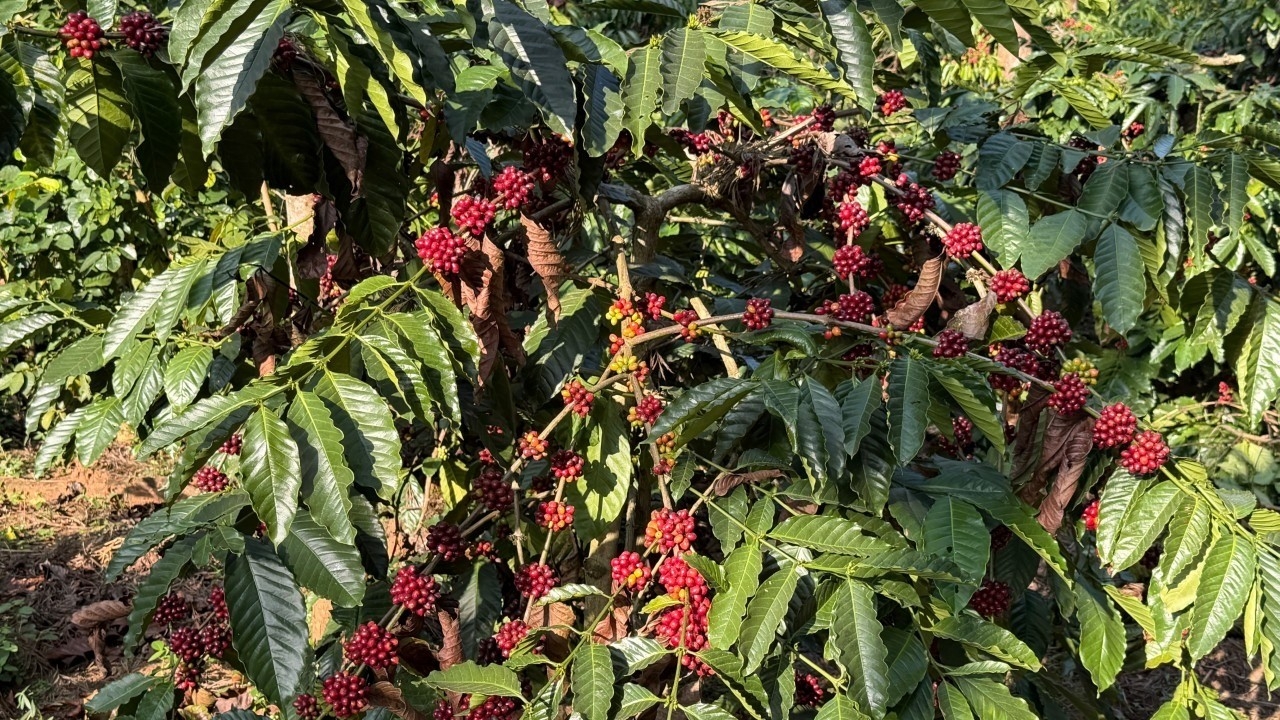
Indian Coffee in April: 4 Key Shifts Shaping the Global Market

Dubai – Qahwa World

The Indian coffee market has experienced significant movement in recent weeks. Data through April 21, 2026, reveals record-breaking export figures and a strategic pivot in global demand. Here are the four primary shifts currently defining the sector:

  • 1. Record-Breaking Export Momentum

India’s coffee exports have reached a historic milestone, surpassing $2.1 billion for the 2025–26 fiscal year. Early data from January 1 to April 21 shows total provisional exports of 159,325 metric tonnes, a substantial increase from the 127,024 tonnes recorded during the same period last year. This surge is driven by a combination of higher global realizations and a robust appetite for Indian origins.

  • 2. Robusta Dominance and Value-Add Growth

Robusta continues to anchor the export volume, particularly the “Robusta Cherry” variety, which saw shipments exceed 68,000 tonnes. Notably, there is a clear structural transition toward value-added products. Instant coffee now accounts for approximately 35–40% of total export volume, signaling India’s successful push to be recognized as a manufacturer of processed coffee rather than just a raw commodity supplier.

  • 3. Price Correction vs. Supply Tightness

Arabica prices have undergone a short-term correction, trading near 289 USc/lb—a decline of roughly 5–6% from recent highs. Conversely, Robusta prices remain firm due to tight global supply. This price gap has led many international buyers to lock in Indian Robusta positions early, utilizing it as a high-quality, cost-effective balancing origin for global blends.

  • 4. Strategic Shift Toward Premium GI Origins

India is aggressively promoting its GI-tagged (Geographical Indication) coffees, such as those from Chikkamagaluru and Bababudangiri, to elevate its global brand positioning. This move toward premiumization comes as producers face increasing climate variability. Farmers are increasingly adopting climate-resilient varieties and adaptive practices to protect flowering and yields against irregular rainfall patterns in key regions like Kodagu.


Why There Are Fewer Places to Sit Down for Coffee in Moscow

Moscow – Qahwa World

Over the past year, Moscow’s coffee market has undergone a noticeable shift. Grab-and-go coffee outlets continue to expand, while traditional cafés with seating areas are gradually losing ground.

From January 2025 to January 2026, the number of coffee-to-go locations in the city grew by about 5%, rising from roughly 3,900 to 4,100 outlets. These formats typically include small kiosks or compact spaces with little or no seating.

At the same time, the number of classic cafés declined much more sharply. Over the same period, their total fell by 12%, from around 2,900 to 2,500. Earlier reports also pointed to closures by major chains: in 2025, one of Moscow’s largest café operators shut down more than 10% of its locations.

Similar trends are visible outside the capital. In other Russian cities with populations over one million, the number of coffee-to-go outlets increased by an average of 3.5% year on year, while the number of traditional cafés dropped by about 13%.

The highest concentration of cafés and grab-and-go coffee points remains in central districts. Presnensky, Tverskoy and Basmanny lead the way. As of January 2026, Tverskoy district had about 120 cafés and 188 coffee-to-go outlets; Presnensky counted 126 cafés and 183 to-go points; Basmanny had 114 cafés and 159 grab-and-go locations.

The rise of coffee to go comes amid higher prices in traditional cafés. In January 2026, the average bill in Moscow cafés reached 501 rubles. The most expensive coffee is found in Vnukovo and the Obruchevsky district, where a cup can cost more than 800 rubles. The lowest prices are typically seen in residential areas such as Pechatniki, Bibirevo, Vostochnoye Degunino, Altufyevsky district and Veshnyaki.

Market experts note that while the number of cafés had been growing steadily in previous years, consumer demand has recently started to weaken. Rising prices have made it harder for cafés to attract new customers. Higher costs are driven by several factors, including more expensive coffee beans and milk, rising wages, increasing rent, and higher electricity costs.

At the same time, competition from retailers is intensifying. Automated coffee machines in grocery stores are gaining popularity. During the first nine months of 2025, sales of ready-to-drink coffee in retail chains surged both in volume and in value, adding further pressure on traditional café formats.

If you’d like, I can also optimize this version for SEO, adapt it for an international media outlet, or shorten it into a brief news piece.