Abu Dhabi Prepares to Welcome “Drinkit” from April

The popular digital café chain announces ambitious expansion plans in the UAE

Abu Dhabi – Qahwa World

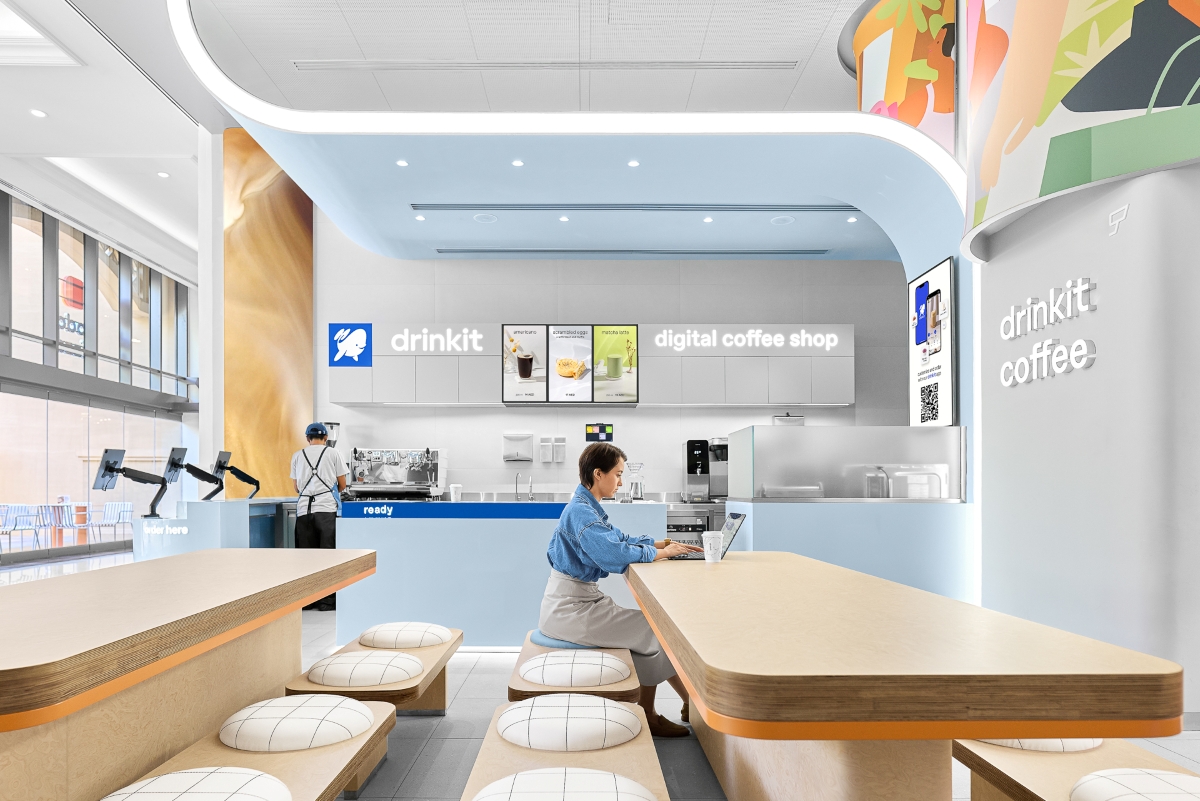
Digital café chain Drinkit is set to open its first branch in Abu Dhabi, marking the brand’s entry into the emirate and the next stage of its expansion across the United Arab Emirates. The first café is scheduled to open in April at Al Qana, one of Abu Dhabi’s prominent lifestyle destinations, known for its diverse dining options, informal meeting spaces, and social gatherings. The venue was also awarded the Travelers’ Choice Award for 2025.

After establishing a strong presence in Dubai, Drinkit plans to open at least seven additional branches across the UAE by the end of 2026, bringing the total number of cafés to 15 and doubling its footprint in the local market.

This strategy reflects DrinKit’s goal to offer a high-tech coffee experience to more neighborhoods and make premium coffee accessible to everyone across cities.

The company operates physical cafés that rely on a fully digital model, replacing traditional payment counters with in-store kiosks and a mobile app. Currently, around 90% of orders are completed digitally across all branches, enhancing operational efficiency and providing a consistent experience for customers. This technology-driven model also allows for steady expansion across different markets and locations.

Katerina Borodich, CEO of Drinkit, said: “The UAE has proven to be a strong and thriving market for DrinKit. Our eight branches in Dubai demonstrate the concept’s success in diverse urban environments. We see clear opportunities to continue growing the brand across the country. Our expansion plan through 2026 is carefully considered, focusing on long-term performance and strategic site selection.”

Katerina Borodich, CEO of Drinki

She added: “Our business model has been successfully tested over three years of operations in Dubai. We are proud to say it is a stable model, with an average investment payback period of less than three years depending on location. Interest in DrinKit is growing steadily in business districts, residential areas, and shopping centers, driven by our varied menu, competitive pricing, and easy ordering process.”

  • About Drinkit

Drinkit is a global café chain that follows a digital-first approach. Founded in 2016, it is part of Dodo Brands, a multinational company in the food service sector specializing in developing and franchising quick-service restaurant concepts worldwide.

Since joining Dodo Brands in 2020, Drinkit has expanded to more than 135 cafés across five countries: the United Arab Emirates, the United States, Kazakhstan, Azerbaijan, and Russia.

Drinkit is part of Dodo Brands’ portfolio alongside Dodo Pizza, one of the world’s largest pizza franchise networks. In 2025, Dodo Brands reported over $1 billion in revenue, with a 23% year-on-year growth, operating more than 1,500 units in 27 countries.

Myanmar Targets 100,000 Acres of Coffee Cultivation in Ambitious Expansion Plan

Yangon – Qahwa World

Myanmar has unveiled an ambitious plan to expand coffee cultivation to 100,000 acres nationwide within the next two years, as part of efforts to boost agricultural exports and enhance rural incomes. The initiative, announced by the Department of Agriculture and reported by state media, includes support for farmers through the provision of seeds, seedlings, and technical assistance.

According to the department, Myanmar currently has about 63,226 acres under coffee cultivation. Two main varieties are being grown: Arabica, which dominates higher-altitude regions, and Robusta, cultivated in lowland areas. Expansion will target key regions including Nay Pyi Taw, Mandalay, Bago, Ayeyarwady, Mon, Tanintharyi, Sagaing, and Magway.

The short-term goal is part of a broader strategy first outlined in 2022, when authorities announced plans to increase total coffee acreage to 300,000 acres over five years. That earlier plan divided cultivation between 200,000 acres of Arabica across four highland zones and 100,000 acres of Robusta across three lowland zones. The latest 100,000-acre target is seen as a first step toward that larger ambition.

Evidence from the regions shows momentum on the ground. In Tanintharyi Region, the Agriculture Department expanded coffee cultivation by nearly 1,874 acres in fiscal year 2024–2025, bringing the total to over 3,000 acres. Officials there aim to add another 1,000 acres in 2025–2026 and have distributed around 170,000 seedlings to farmers alongside technical training.

Coffee has long been considered a promising export crop for Myanmar, though infrastructure and market access remain challenges. A report in 2023 estimated the country’s annual output at more than 9,000 tonnes, with Arabica accounting for nearly 7,000 tonnes and Robusta the remainder. Shan State and other upland regions remain the backbone of production.

Industry observers note that while the government’s targets are ambitious, coffee trees typically require three to five years to reach maturity, meaning today’s plantings will not immediately translate into export growth. Experts also highlight the need for investments in processing facilities, transport infrastructure, and international market linkages to ensure Myanmar’s coffee can compete globally.

Myanmar’s drive to rapidly scale up coffee cultivation underscores its determination to diversify exports and support rural communities. Yet the gap between announced acreage goals and independently verified progress remains significant, leaving questions about how quickly the sector can meet international demand.

Luckin Coffee Gains Market Share as Rivals Struggle

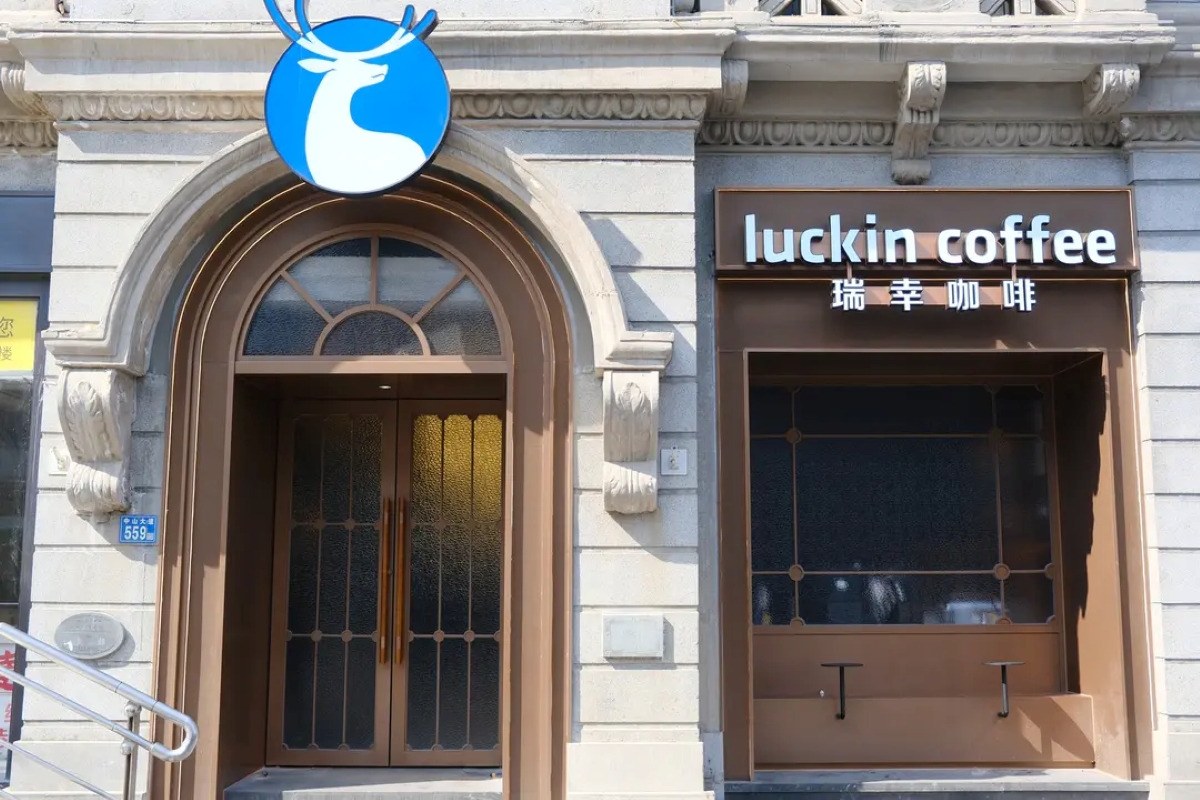
Dubai, September 5, 2025 (Qahwa World) – Luckin Coffee continues its rapid ascent in the global coffee industry, expanding aggressively while key competitors like Starbucks face declining sales.

The Chinese coffee chain, which has already surged ~35% this year, recently entered the U.S. market with new stores in New York City. This move comes as Starbucks undergoes a difficult transformation in both its American and Chinese operations.

Strong Same-Store Sales Growth

Luckin Coffee reported a 13% year-on-year increase in same-store sales at company-owned outlets in Q2 2025. This marks its fourth consecutive quarter of acceleration, rising from a decline in late 2024. In comparison, Starbucks posted a 2% sales decline in the U.S. and only 2% growth in China, where it introduced discounts to counter Luckin’s aggressive promotions.

By outperforming Starbucks’ same-store sales growth by 11 percentage points, Luckin has proven resilient in a strained global economy where many restaurant chains are seeing contractions.

Aggressive Expansion Strategy

The company’s expansion strategy remains unmatched. In Q2 alone, Luckin opened 2,109 new stores, lifting its total footprint to 26,200 – a 31% year-on-year increase. Over the past year, Luckin has added more than 6,200 stores, averaging 17 openings per day.

In contrast, Starbucks expanded its network by just 5% over the same period, adding 1,600 stores worldwide. Luckin’s U.S. debut has been met with favorable reviews, with New York outlets receiving 4–5 star ratings on Google and Yelp.

With RMB 8.2 billion ($1.1 billion) in cash reserves and no debt, Luckin has ample resources to finance its ambitious global rollout.

Differentiation: Menu Innovation and Value Pricing

Luckin distinguishes itself through a bold menu and competitive pricing. While offering classic beverages, it experiments with unique flavors – from fruity Americanos to limited-edition drinks like Roast Duck coffee in China.

Equally important is its pricing advantage: brewed coffee at its U.S. outlets starts at $3.45, below the average price in many American cities. This value-driven approach has fueled customer growth while maintaining a 21% store operating margin.

Valuation Advantage

Despite its momentum, Luckin trades at a far lower valuation than U.S. peers. Its price-to-earnings ratio is around 19x, half that of Starbucks. On revenue multiples, Luckin is valued at a quarter of fast-growing competitor Dutch Bros, even though it is expanding at a faster pace.

Risks and Outlook

While Luckin’s history includes challenges—such as price wars and over-discounting in 2024—the company has since shifted strategy to balance promotions with profitability.

Analysts see more upside than downside as Luckin strengthens its position in China while expanding overseas. Its combination of innovation, affordability, and financial strength makes it one of the most compelling players in the global coffee industry today.