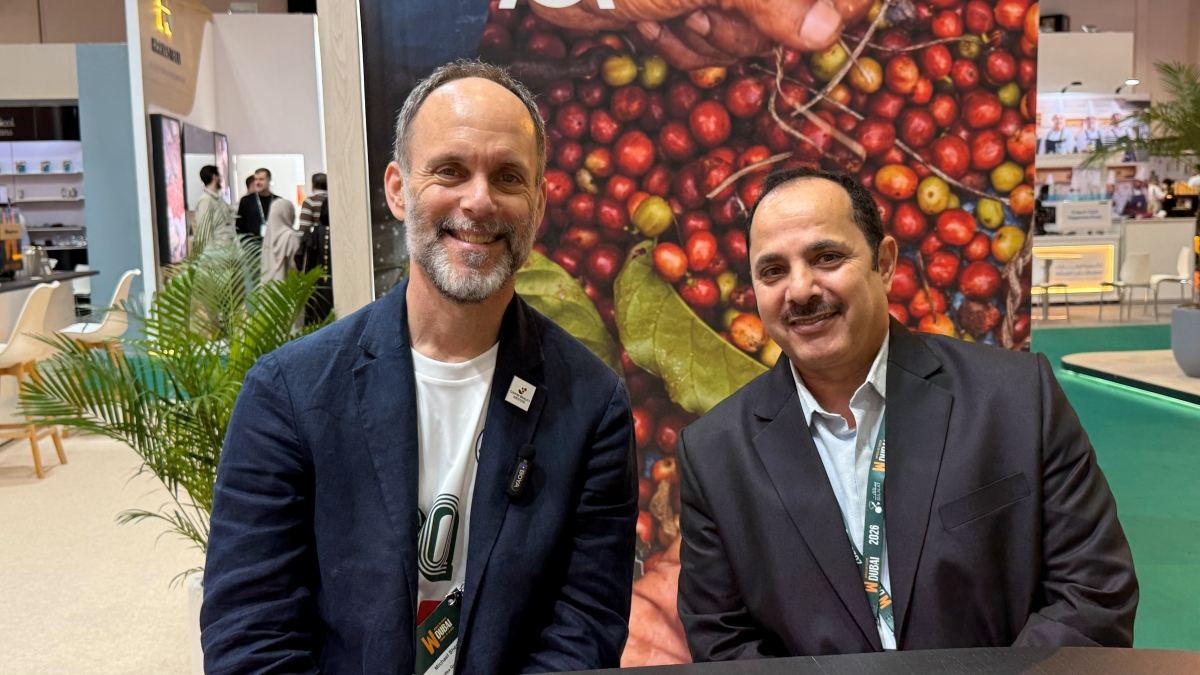
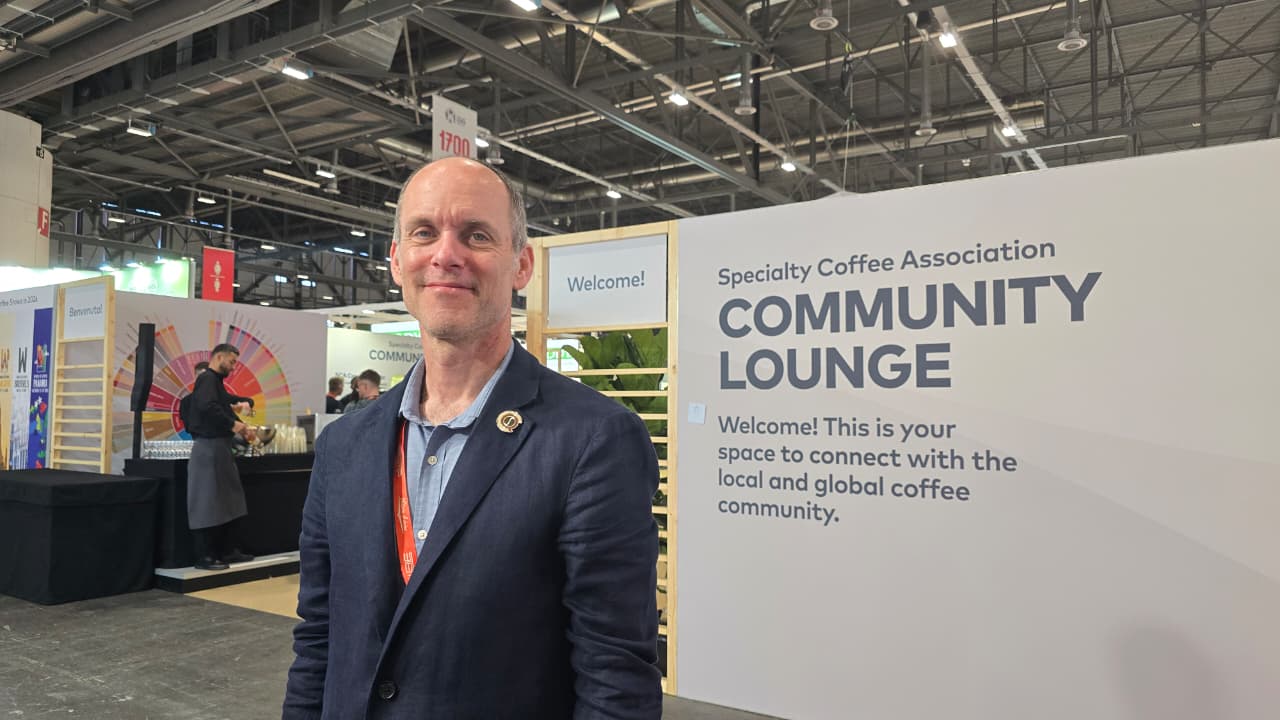
CQI CEO Michael Sheridan Highlights Strong Q1 2026 Momentum

Dubai — Qahwa World

Coffee Quality Institute (CQI) CEO Michael Sheridan has shared an inspiring update with the global coffee community, showcasing a highly active and productive first quarter of 2026 focused on education, innovation, and international outreach.

In his message, Sheridan noted: “It is hard to believe March is almost over. The first quarter of the year has gone by in a flash, partly because we have been so busy improving and expanding our offerings to better serve you and advance our mission.”

You may read: Michael Sheridan in an Exclusive Interview with Qahwa World

  • Post-Harvest Processing Program Expands Globally

A key highlight is the bi-annual Post-Harvest Processing Expert course, now training 25 outstanding coffee professionals from around the world. CQI’s PHP educators have already delivered content in 14 countries this year, with more activities planned.

The organization is also completing a major review and update of its professional course curriculum with input from seasoned instructors while developing new content to cover a wider range of topics.
New Initiatives Launched in Q1

You may like: Coffee Quality Institute CEO Delivers Key Message to Global Coffee Community

  • CQI introduced two significant programs this quarter:

The CQI Insider program, offering dedicated members exclusive access to expert insights and networking.

The Matching Grant program is designed to double the impact of project investments through partnership funding.

Sheridan also highlighted recent in-person engagements with the community in Dubai, Addis Ababa, and Tampa.

  • Ambitious Plans Ahead

The momentum continues into the rest of 2026, with two new initiatives scheduled for rollout in Q2 and Q3, plus upcoming travels to San Diego, Bangkok, Lima, Brussels, and other destinations.
“I look forward to seeing you!” Sheridan concluded.

Read Also:Coffee Quality Institute Launches New CQI Insider Membership Program

  • Advancing Coffee Quality Worldwide

These developments reinforce CQI’s mission to elevate coffee quality and support producers through world-class education and impactful partnerships. Under Michael Sheridan’s leadership, the institute continues to strengthen its role as a global leader in coffee processing knowledge and professional development.

The full message is available to CQI community members, with more details on courses and programs on the official CQI website.

Read this story also: Coffee Quality Institute Announces 2026 Global Coffee Fund Details

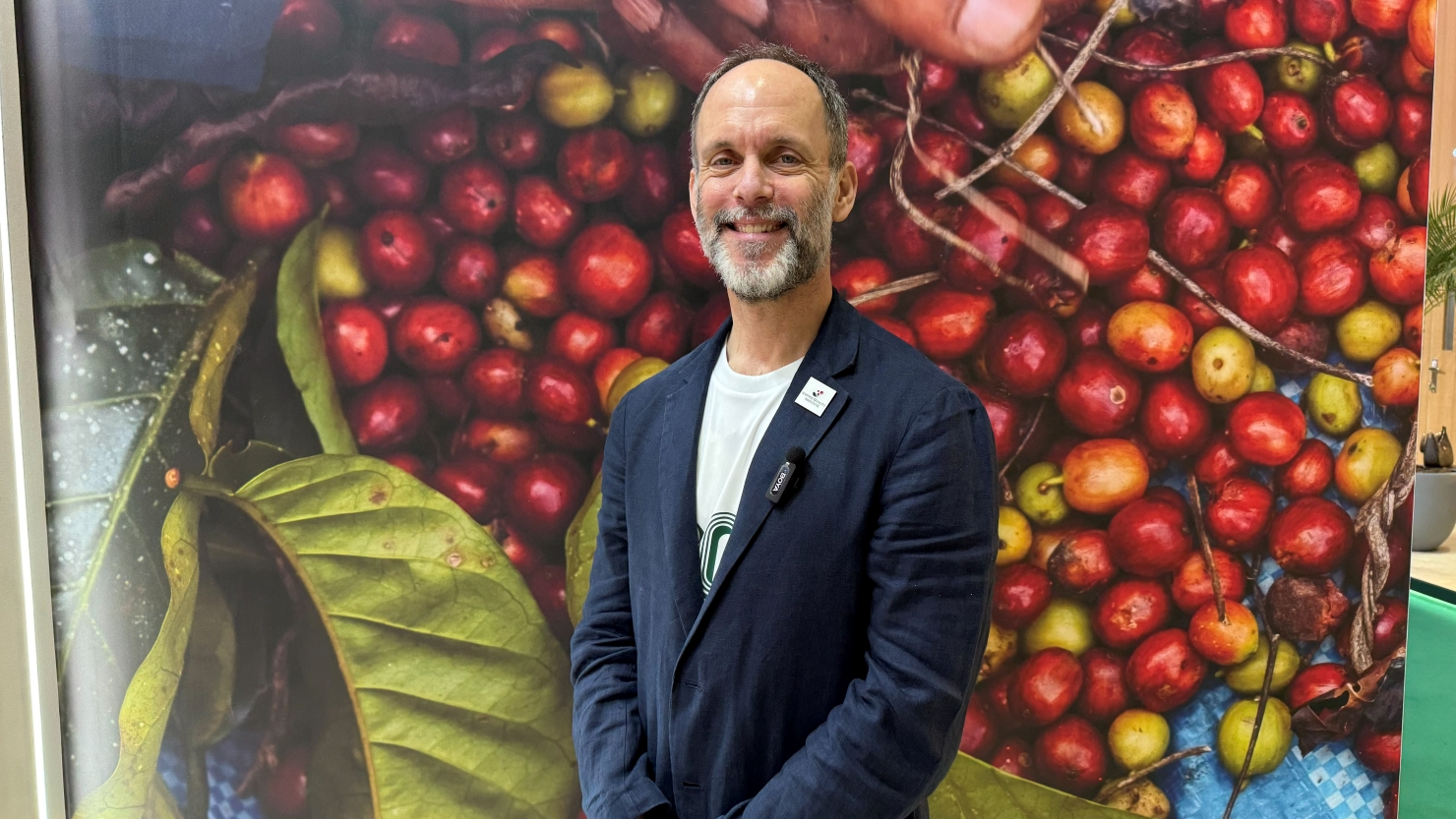
Michael Sheridan in an Exclusive Interview with Qahwa World

CQI CEO Speaks Candidly About Coffee, Community, and 2026 Goals

Dubai – Ali Alzakary

2025 was a year of transformation and challenge for the Coffee Quality Institute (CQI). From transitioning its flagship program, the Q, to SCA, to navigating the sudden loss of USAID funding—the largest donor in CQI’s history—CEO Michael Sheridan reflects on how these shifts shaped the organization’s mission and approach. Amid historic market volatility, Sheridan discusses the importance of recommitting to CQI’s goal of supporting coffee producers, promoting measurable impact for farmers—especially women—and evolving coffee education to meet the demands of a rapidly changing industry. He also shares insights from global conversations on the biggest concerns in the coffee community, including risk reduction, community engagement, and strategies to create meaningful impact.

Join us in this valuable interview to hear directly from Michael Sheridan about CQI’s vision for 2026 and beyond.

  • What did 2025 teach you, and how is that changing your approach for 2026?

Last year was a really consequential one for CQI. We transitioned our biggest program, the Q, to SCA against the backdrop of the shuttering of USAID, which was the biggest source of public funding for development work in coffee communities and the largest donor in CQI’s history. At the same time, the coffee market was experiencing the largest and most sustained rally anyone has ever seen, which caused lots of disruption in the market and undid years of work on trading relationships based on mutual commitment to quality.

We understood in 2025 that we were entering a new phase in CQI’s work, and that effectively advancing our mission in this new context would require thinking carefully about CQI’s role in the coffee ecosystem and listening carefully to members of the community. We are still in this process of reflection and consultation, but two things are clear.

First, we are recommitting to our mission: we are focused on market-based support for coffee producers. Second, we know we can’t get there alone. We know that the changes we introduced last year were disruptive in our community, and we know we need to build that community to be successful. We are working to create new approaches for collaboration with individuals and coffee companies, and expect to be in a position to talk more about those in the coming weeks.

  • How do you know you’re truly making a difference for farmers, especially women?

One of the things I love about this work is how measurable it can be. I got my start in coffee working for an international development agency where many of my peers were working on programs that measured change over very long time horizons. Their work in peacebuilding, gender equity, and social change was as hard to measure as it was important. In contrast, I was always grateful that my work to support coffee producers had annual metrics tied to the coffee cycle: production, average price, gross coffee income, etc.

While some of the structural changes we want to be part of at CQI related to equitable value distribution may require long-term commitment, every year brings an opportunity to check in on how well we are advancing our mission to improve the quality of coffee and the lives of the people who produce it. The mechanism that links those two elements of our mission (one, the improvement of quality, and the other, improvement of lives) is the market. Buyers can convert improvements in quality into improvements in seller livelihoods every coffee cycle by increasing rewards (e.g., premium prices, increased purchase volume, etc.), reducing risks (e.g., longer-term commitments, multi-grade purchases, etc.), or both. This is part of the reason we will be more intentional about engagment with industry parters in 2026 and beyond — to try to ensure quality improvements translate into improvements in the lived realities of the people who grow our coffee.

Women play a prominent role in our thinking about impact. As you may know, CQI has a long history of promoting women’s participation in the benefits generated by coffee. Long before my time, visionary leaders at CQI created the Partnership for Gender Equity, which evolved into an independent organization called Equal Origins that is doing groundbreaking work in this space. We have consistently supported women’s participation over the years, and investment in educational activities by and for women has been a throughline in our project investments over the past two years. I expect more of the same in 2026, which has been designated the International Year of the Woman Farmer by the UN’s Food and Agriculture Organization.

  • How must coffee education evolve to stay relevant right now?

I think coffee education has never been more necessary. There has been so much disruption in recent years — accelerated climate change, historic market volatility, rapidly changing market preferences, sharp changes in policy, and public disinvestment in coffee communities have all created the need for recalibrating traditional approaches, and in many cases that means education to meet new challenges and seize new opportunities.

At CQI, we are thinking hard about the what, how, and who of our educational work. I think the “what” is the relevance question you ask: what are the specific topics that will position producers and other supply stream actors to respond effectively to changes in the operating environment? In a global marketplace in which processing is as important as it has been in our lifetimes, we see lots of opportunities to deliver new and improved content through our Post-Harvest Processing Program that is timely and relevant. We are also eyeing new tools and content relevant to coffee quality beyond post-harvest processing that aim to address pain points that have surfaced in our conversations over the past few months.

Additionally, we are exploring the “how,” seeking ways to deliver educational content that are efficient and accessible. In some cases, that will likely mean creating new content for digital delivery or digitalizing existing analog content. In other cases, it will mean delivering in-person education in shorter-form classes that are not designed to lead to certification but directly to field-level impact through the adoption of good practices.

Finally, we are acutely aware that we need to evolve the “who” and certify more instructors who live and work in the places where coffee is grown. Localising coffee education will be a key to unlocking access.

  • From your global talks, what’s the no. 1 concern you’re hearing from the community?

We have spent the last few months conferring with leaders from the coffee sector to inform the next phase of CQI’s work — producers, processors, traders, roasters, educators, and others. The one thing that seemed to be on everyone’s mind was risk — market risk, price risk, production risk, risk related to quality, etc. As we think about how we can best support coffee producers and the entire coffee community in 2026 and beyond, we find ourselves thinking a lot about how we can partner with actors all along the supply stream to help reduce risk, most especially the smallholder producers who are generally least equipped to bear it. In a market where there is a lot of attention paid to way quality improvement can increase the rewards and premiums growers earn, there may be less appreciation for a focus on risk reduction, but it can help us deliver on our mission to improve the lives of producers every bit as much as increased rewards.

  • At the end of 2026 — what does a “win” look like for CQI?
Well, I think part of the answer is related to your question above about measuring our impact — the outcomes of the work will speak for themselves. But I think an important part of the answer is also related to the process — how effective we are at building community engagement in our work will go a long way to defining how successful we can be. I know that if we can manage to enlist the best of the CQI community in this effort with us, we are going to create real opportunity for producers while addressing pain points in the industry. That sounds like success to me!
 

View this post on Instagram


A post shared by Coffee Qahwa (@qahwaworld)

Coffee Quality Institute CEO Delivers Key Message to Global Coffee Community

DUBAI – Qahwa World

Michael Sheridan, CEO of the Coffee Quality Institute (CQI), delivered an important message to the coffee community and CQI members, reviewing the organization’s key achievements during 2025 and outlining future plans for 2026.

In his message, which coincides with the approaching year-end, Michael Sheridan highlighted a busy fourth quarter of 2025, marked by extensive educational outreach and strategic planning for the organization’s future.

Sheridan noted that the closing quarter was highly active, emphasizing CQI’s role in supporting a growing network of CQI Educators who are conducting coffee processing courses worldwide. The primary focus was on collaborating with both long-time and new partners on projects specifically designed to empower coffee producers.

Sheridan stated: “The three initiatives highlighted below delivered coffee education to more than 350 women coffee producers in Mexico and Colombia, and they don’t even tell the full story of our Q4 project work.”

These efforts underscore CQI’s core mission of creating educational opportunities for the producers who represent the heart of the industry.

Behind the scenes, the CQI team has been intensely focused on strategic planning for the next phase of its work. The organization expressed deep gratitude to its community for generous contributions, which are critical in determining the course for the future.

Consultation efforts spanned the globe, including:

Conversations with producers in El Salvador, Indonesia, Mexico, and Peru.

Hundreds of online surveys completed by producers, processors, traders, roasters, Q Graders, CQI Educators, and other stakeholders.

Dozens of personal interviews.

Sheridan affirmed: “We look forward to reporting back to you on what we heard and how we believe we can best serve CQI’s worthy mission together.”

Despite historic market volatility and massive disinvestment in economic development in coffee-growing regions, Sheridan reaffirmed CQI’s unwavering commitment to its foundational mission.

He said: “The year behind us has been marked by plenty of change and disruption in the coffee sector, and it hasn’t always been easy… Through it all, we have returned again and again for inspiration and orientation to our mission to improve the quality of coffee and the lives of the people who produce it. Against this backdrop, this work has never felt more important.”

Sheridan announced that the team will take a necessary rest period at the end of this month but plans to “hit the ground running in the New Year.”

Sheridan concluded the message by extending warm wishes on behalf of the Institute’s staff and board, saying: “I want to wish you all joy, good health, and peace this holiday season, and a great start to the New Year. And I know I also speak for everyone on the team when I say that I look forward to seeing you and working with you in 2026 to advance our mission together.”

It is worth noting that the Coffee Quality Institute is a non-profit organization dedicated to improving the quality of coffee and the lives of the people who produce it.

CQI CEO Michael Sheridan: 2026 Plans & 350 Women Producers Trained in 2025

The Coffee Quality Institute appoints Michael Sheridan as new CEO

Coffee Quality Institute (CQI) announce the appointment of Michael Sheridan as Chief Executive Officer. The Coffee Quality Institute is nonprofit organization is dedicated to improving coffee quality and the lives of coffee producers through sensory education and post-harvest processing initiatives. Sheridan will assume that role in December of this year.

In his new role, Sheridan will guide CQI in delivering education to drive impact in coffee-producing regions. “I am honored, humbled, and excited to lead Coffee Quality Institute into the future,” Sheridan offered. “CQI’s best-in-class quality education has been making coffee better and driving impact in the places where coffee is grown for more than twenty-five years. What really inspires me is where we go next, and how we build upon that global CQI network to best meet emerging challenges in the landscape to support thriving coffee-producing communities.”

Chair of the CQI Board Kim Giroir, Director of Coffee & Tea Innovation at Starbucks, expressed her enthusiasm about the appointment. “Michael will be an excellent leader for the organization, driving CQI’s mission and vision. His wealth of experience in both nonprofit and value-driven industry work will be invaluable.”

Sheridan has dedicated two decades to the intersection of coffee quality and international development. His previous roles include spearheading coffee programs at Catholic Relief Services (CRS) between 2004 and 2016, where he assisted coffee growers in Central and South America in enhancing the quality of their coffee products and in accessing higher-value segments of the coffee market. From 2016 to 2023, he served as the Director of Sourcing and Shared Value at Coffee in Chicago, leading global green coffee sourcing and sustainability efforts. In his extensive writing for trade publications and presentations to industry audiences, Sheridan has been a steady advocate for a more inclusive and equitable coffee trade.

Bridget Carrington, Interim CEO of CQI and a former Board of Trustees Chair, added her confidence in Sheridan’s ability to lead the organization into the future. “It has been a privilege to guide CQI through the process of engaging Michael as its new CEO. Under his leadership, CQI enters a new chapter, which will result in even more impact in coffee-producing communities.”

The announcement of Sheridan’s appointment comes as the organization’s trustees gather to meet in Costa Rica prior to Sintercafé International Coffee Week, an event that, like CQI, is dedicated to producers while including the entirety of the value chain. With Sheridan at the helm, CQI looks forward to furthering its impact and empowering coffee-producing communities around the world.