Fabricio Scocco: A New Way to Read the Coffee Market

Dubai – Qahwa World

Fabricio Scocco: A New Way to Read the Coffee Market

By any measure, the coffee market is drowning in information—and starving for clarity. Charts, headlines, rumors, and price screens move faster than the coffee itself. Fabricio Scocco is attempting something different.

He’s experimenting with a new format designed to cut through the noise: short, structured, and built for decision-making. The result is a three-page Coffee Trade Intelligence brief that focuses less on opinion and more on what actually matters to buyers, sellers, and origin stakeholders in real time.

This first release—focused on Nicaragua, with a 2–4 week time horizon—marks the launch of an ongoing Coffee Trade Intelligence series. Feedback from roasters, traders, importers, and producers is not only welcome, but encouraged.

Coffee Trade Intelligence | Nicaragua

Time Horizon: 2–4 Weeks

Market Snapshot

Early harvest conditions are defining the current landscape.

  • Harvest arrivals are running 15–30% below peak levels

  • Differential holdings sit 5–10% above seasonal norms

  • Early volumes are largely pre-committed

  • Quality dispersion is widening across producing regions

The message is clear: coffee is moving, but not freely—and not evenly.

What’s Driving Price and Risk

Supply Reality

Harvest still ramping up
Picking is underway, but export-ready volumes remain limited. Supply is improving gradually, not surging. For now, there is not enough physical coffee entering the system to materially ease availability.

Producer selling tied to cash flow
Sales decisions are being paced by working capital needs and production costs. This introduces irregularity into supply timing, rather than a steady flow into the market.

Demand Behavior

Specialty buyers absorbing early lots
High-quality early arrivals are being quickly taken up by specialty buyers. This demand is targeted, quality-driven, and relatively price-inelastic.

Bulk buyers still on the sidelines
For now, larger volume buyers are showing limited urgency, likely waiting for clearer signals on price and peak harvest availability.

Market Disconnect

Physical market trailing futures by 2–3 weeks
There is a noticeable lag between futures market expectations and on-the-ground physical conditions. Paper markets are moving faster than coffee.

Prices not yet reflecting peak arrival pressure
Despite expectations of heavier arrivals, prices have not adjusted accordingly—suggesting potential re-pricing once supply is confirmed.

Buying Positioning

Recommended Strategy

Approach

  • Avoid bulk commitments at current levels

  • Accumulate selectively, targeting 25–30% of total needs

  • Scale purchases as mid-harvest volumes begin to flow

Timing Window

  • Late January through February will be critical for observing supply acceleration and adjusting buying pace accordingly

Key Risks to Watch

  • Weather during peak harvest, which could disrupt picking and logistics

  • FX-driven producer selling, where currency movements could unlock—or restrict—short-term liquidity and supply

Bottom Line

Wait for supply confirmation. Pay for quality, not urgency.
Let verified arrivals guide buying decisions. The premium today should be for cup profile and consistency—not speed.

What to Watch Over the Next 2–4 Weeks

  • Arrival acceleration into export channels

  • Differential softening, signaling improved physical availability

  • Producer selling pace, especially if FX movements shift incentives

Confidence Assessment

Overall Market Visibility: Medium

  • Supply clarity depends on how quickly harvest volumes scale

  • Specialty demand is firm, but bulk demand remains hesitant

  • Futures are moving ahead of physical reality, increasing volatility risk

  • Weather and FX remain persistent external variables

Final Take

Maintain a cautious but engaged posture. The coming weeks will be defined by how quickly supply materializes—and how producers choose to sell. Those signals will determine whether today’s market tightness holds, or finally begins to loosen.

COFFEE vs. TEA: A Funny Anecdote from Sweden

The Swedish “Clinical Trial” Myth: Coffee vs. Tea. And the Winner Is…

By Ennio Cantergiani

Legend has it that King Gustav III of Sweden (reigned 1771–1792) wanted to prove that coffee was harmful. According to the tale, he allegedly took two condemned identical twins, commuted their death sentences, and subjected them to a “scientific” experiment using extreme doses:

Twin A: three pots of coffee per day

Twin B: three pots of tea per day

Two physicians supposedly supervised the experiment and reported the results to the king. Ironically, the tea twin died first—at age 83 (!). Meanwhile, the king was assassinated before seeing the final outcome, and so coffee was declared the “winner.”

That’s the meme. But here’s the uncomfortable truth: the documentation is thin to nonexistent.

  • The Historical Context

Sweden did have multiple periods of coffee restriction and prohibition. Coffee was considered a luxury import and a potential moral and economic threat. Enforcement created a lively underground coffee culture, with Stockholm police records documenting hundreds of cases involving illegal coffee selling, preparation, and consumption.

And yes, Gustav III is a real, well-documented historical figure.

But the specifics of the twin experiment raise many red flags:

No names of the twins

No prison identified

No surviving protocol

No contemporary debate traceable

It’s unusual for such a sensational “first clinical trial” to leave no trace. Even Uppsala University treats the story as unproven, explicitly noting:

“The truth of the story has not been proven.”

COFFEE vs. TEA: A Funny Anecdote from Sweden

  • Where the Story Likely Came From

The oldest description historians have located is not from the 18th century at all—it appeared in 1937, in Science News, via a claim that a museum curator found the experiment in 18th-century records.

This suggests that the story may be a 20th-century packaging of older anti-coffee sentiment, rather than a genuinely documented 18th-century experiment.

Yet, the anecdote is frequently retold in medical-history literature, often without primary evidence. Secondary sources can give the illusion of historical certainty, even when the original records are missing.

  • Why the Myth Persists

The tale is irresistibly viral:

It dramatizes moral panic around coffee

It has a deliciously ironic twist: tea loses

It includes story candy: assassination, doctors, royal hubris

It flatters modern coffee lovers: “coffee was right all along”

All while piggybacking on a kernel of truth: Sweden really did restrict coffee and police its consumption.

Bottom line: The twin experiment is almost certainly a myth—but it’s a charming, cautionary story that shows how coffee culture, historical myth, and human imagination blend into one unforgettable anecdote.

The Fragrant Coffee Season in Khe Sanh and Huong Phung

Dubai – Qahwa WORLD

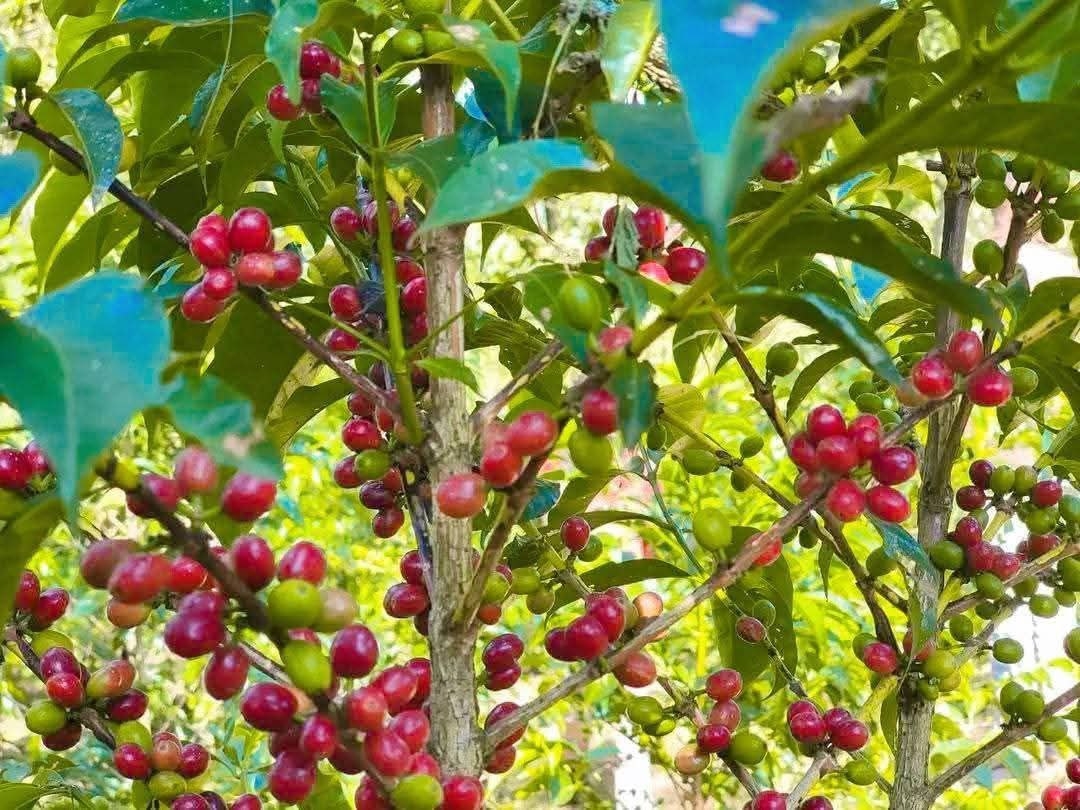
Starting every November, the coffee cherries in Quang Tri’s highlands reach full ripeness. On the rolling hills of Khe Sanh and Huong Phung, bright red Arabica cherries quietly release their rich aroma under the warm sunlight and gentle mountain winds, following the steps of local farmers from their fields to the villages. Each smile of a coffee picker captures a moment of the harvest season, where land, people, and coffee beans come together, telling a gentle story of a region growing stronger through its own fragrant bounty.

Lê Thị Phương Nhi, founder of BruLe Coffee, shared that 2025 was an exceptional year for Khe Sanh and Huong Phung coffee. Harvests were abundant, prices reached record highs, and yields were impressive—some areas produced as much as 25 tons per hectare.

In Xa Ry, coffee is gradually being cultivated organically, transforming from a common crop into a specialty product. This shift has significantly increased farmers’ income, with fresh coffee achieving the highest prices ever recorded, motivating further investments in quality and production expansion.

As the year draws to a close, coffee harvesting becomes a bustling activity across the coffee-growing communes of southwest Quang Tri. Nearly 4,000 hectares of coffee are in full production, and farmers are enthusiastic because this season offers the best yield and prices they have ever seen.

Phan Ngọc Long, Vice Chairman of Huong Phung Commune, reported that the commune has about 2,100 hectares of coffee ready for harvest. Average yields range from 8–10 tons of fresh cherries per hectare, with well-managed farms producing 15–20 tons per hectare. Coffee prices have soared to 24,000–27,000 VND per kilogram, enabling farmers to earn a net profit of 14,000–17,000 VND per kilogram after labor and other costs.

This year’s harvest also provides employment for thousands of seasonal workers, mainly from ethnic minority communities such as Van Kieu and Pa Ko. Daily wages range from 300,000–400,000 VND, giving workers stable income and improving livelihoods, especially at the end of the year.

Local authorities support farmers through marketing partnerships, ensuring transparency in quality and pricing, and preventing fraud. In the fields, the pride of women carefully tending specialty coffee beans is visible in every smile. Coffee cherries are meticulously sorted to ensure premium quality from the very first step.

Huong Phung Arabica is processed through strict procedures: from initial sorting, drying in solar greenhouses, to roasting with modern machinery. Each stage requires precision to preserve the coffee’s elegant aroma, mild acidity, and characteristic sweet finish. Roasted beans emit a captivating fragrance—a harmonious result of earth, climate, and human hands.

This is the unique taste of Huong Phung and Quang Tri, steadily claiming its place on Vietnam’s specialty coffee map.

Khe Sanh and Huong Phung coffee did not reach this success overnight. In previous years, low prices forced many farmers to abandon or replace coffee crops. Between 2010–2015, substantial areas of coffee were cleared for other plants. Today, specialty coffee provides sustainable livelihoods and creates a new path toward green agriculture.

Khe Sanh is no longer just remembered for its turbulent past; it is now recognized as the cradle of Central Vietnam’s Arabica specialty coffee. On hills over 500 meters above sea level, in a year-round mild climate, coffee trees thrive, carrying the aspirations of local highland communities.

Harvesting is done manually with careful selection, ensuring only perfectly ripe cherries are picked—a key factor in producing specialty coffee. According to Lương Thị Ngọc Trâm from Pun Coffee Co., Khe Sanh and Huong Phung’s natural conditions favor Arabica and Catimor varieties. Despite the basin-like terrain not being ideal, the wide day-night temperature difference of 7–9°C allows Arabica to thrive, creating Vietnam’s most distinctive coffee. The tropical monsoon climate, average temperature of 22°C, annual rainfall of 2,262mm, and abundant water resources from lakes, rivers, and streams contribute to high yields and quality.

To promote high-quality Vietnamese coffee globally, the Ministry of Agriculture and Rural Development approved the Vietnam Specialty Coffee Development Project (2021–2030), including Quang Tri. Coffee acreage in the province is projected to expand from 11,500 hectares (2021–2025) to 19,000 hectares (2026–2030), representing a growing share of national production.

During harvest season, the hills of Khe Sanh and Huong Phung come alive with activity. Women in traditional Van Kieu and Pa Ko attire carefully pick the bright red cherries. Handpicking and meticulous selection are crucial steps in producing specialty coffee.

Today, Khe Sanh and Huong Phung coffee is more than an agricultural product—it symbolizes revival, resilience, and the determined spirit of a community rising from a land once scarred by hardship. Among the fragrant hills, Arabica beans narrate a story of Quang Tri: a story of land, people, and a sustainable, hopeful future.

Which Coffee Is Actually the Healthiest? Scientists Share an Unexpected Answer

Dubai – Qahwa World

For many people, mornings begin with coffee—and a familiar dilemma: espresso, cappuccino, or Americano. Yet research suggests that the most health-friendly option is often overlooked and far less trendy.

  • Brewing Method Matters More Than Strength

It turns out that how coffee is prepared can be more important than how strong it is. Long-term population studies conducted in Scandinavia found that people who regularly drank filtered coffee had a lower risk of cardiovascular problems compared to those who favored unfiltered varieties.

The reason lies in the filter itself. Paper filters trap certain natural compounds in coffee that can raise levels of LDL (“bad”) cholesterol. By removing these substances, filtered coffee becomes gentler on the heart. Moderate daily consumption has been associated with improved cardiovascular outcomes.

  • Espresso-Based Drinks and Brain Health

This doesn’t mean espresso is harmful. On the contrary, recent research suggests that compounds found in espresso may help protect the brain. These substances appear to interfere with processes linked to the buildup of abnormal proteins associated with neurodegenerative conditions.

Caffeine also has anti-inflammatory properties and can support alertness and cognitive performance. In this context, drinks like cappuccino or latte may offer more than just comfort—they could contribute to long-term brain health when consumed sensibly.

  • Instant Coffee: Not as Bad as Its Reputation

Instant coffee often gets a bad rap due to its higher levels of acrylamide, a compound formed during high-temperature processing. While large doses have shown harmful effects in laboratory studies, the amounts typically consumed in everyday life are far lower.

Health experts emphasize that moderate intake of instant coffee is unlikely to pose significant risks. In fact, it still contains antioxidants that can support gut health and overall well-being.

  • The Bottom Line

There is no single “perfect” cup of coffee.
Filtered coffee appears to be the best choice for heart health, espresso-based drinks may benefit the brain, and instant coffee is acceptable in moderation.

Ultimately, the best coffee is the one you enjoy and drink responsibly. Any health benefits should be seen as a welcome bonus—not the sole reason to pour another cup.

Finalists for the 2026 UAE National Roasting Championship Announced

Dubai – Qahwa World

The Speciality Coffee Association UAE has released the list of 12 finalists for the 2026 UAE National Roasting Championship, which will take place alongside the World of Coffee Dubai exhibition from January 18 to 20, 2026.

Topping the list is Nizam Pasha Lolowang from Espressi with 243 points, followed by Carlo Bernabe from Llama and Raha Shahsavar from Crack Coffee Roastery. The full list of finalists includes:

Sagar Ghale – Coterra Coffee Roasters

Jefferson Olivas – Memories Roastery

Jonalyn Ortillo Dela Peña – Doppio Roasters

Ajeyudu Pathuri – Brewing Gadgets

Mohammad Fahrul Rachman – Laura Coffee

Deepak Ale – Coterra Coffee Roasters

Adel Alhosani – Meraki Cafe and Roastery

Jundan Bagas – Heaf

Muhammad Rosyid Ubaidillah – Refill Roastery

The championship aims to enhance roasting skills among participants and support the specialty coffee industry in the UAE.

The event will be hosted on the sidelines of World of Coffee Dubai, and the official roasting equipment sponsor, IRM Roasters, will provide all competition roasting machines.

For more information, please contact: [email protected]
.

Is Coffee Good for You?

A Comprehensive Expert Guide to Coffee and Health

Dubai – Qahwa World

Coffee is no longer viewed merely as a morning stimulant or a daily habit. Over the past two decades, it has become one of the most extensively studied beverages in nutritional science. A growing body of research now suggests that coffee—when consumed thoughtfully—may be one of the most beneficial drinks for long-term health.

According to leading researchers in nutrition and epidemiology at Harvard University, the scientific evidence supporting coffee’s health benefits is stronger today than ever before.

This guide examines coffee through both a scientific and professional coffee expert lens: what it contains, how it affects the body, when it helps, when it harms, and how to get the most benefit from every cup.

  • What Is Actually in Coffee?

Coffee beans are among the most chemically complex foods humans consume. They contain more than one thousand biologically active compounds that interact with multiple systems in the body.

1. Caffeine

A natural stimulant of the central nervous system

Improves alertness, concentration, and reaction time

Reduces perceived fatigue by blocking adenosine receptors in the brain

Slightly increases metabolic rate and fat oxidation

2. Antioxidant Plant Compounds

Reduce chronic inflammation

Improve insulin sensitivity

Support gut health and beneficial bacteria

Protect cells from oxidative stress and damage

3. Natural Acids That Regulate Blood Sugar

Slow glucose absorption after meals

Improve blood sugar stability

Associated with a reduced risk of type 2 diabetes

  • 4. Natural Coffee Lipids

Found mainly in unfiltered coffee

Can raise LDL (bad) cholesterol when consumed excessively

Also show protective effects against certain cancers when intake is moderate

  • Proven Health Benefits of Coffee

Brain and Nervous System Health

Regular coffee consumption has been associated with:

A lower risk of Parkinson’s disease

Reduced cognitive decline with aging

Improved mood and lower rates of mild to moderate depression

Heart and Blood Vessel Health

Moderate coffee intake is linked to:

A lower risk of cardiovascular disease

Reduced risk of stroke

The strongest benefits appear at one to three cups per day, without added sugar or heavy cream

Metabolism and Diabetes

Coffee contributes to:

A significantly lower risk of developing type 2 diabetes

Improved insulin response

Benefits observed even with decaffeinated coffee

Liver Health

Coffee is one of the most protective beverages for the liver:

Reduced risk of liver fibrosis and cirrhosis

Lower incidence of liver cancer

Improved liver enzyme levels

Longevity

Large population studies show that moderate coffee drinkers:

Have a lower overall risk of premature death

Experience the greatest benefits with consistent, moderate consumption

  • Decaffeinated Coffee: Is It Worth Drinking?

Yes. Decaffeinated coffee:

Retains most of coffee’s antioxidant and protective compounds

Is associated with lower risks of diabetes and heart disease

Is suitable for individuals sensitive to caffeine or prone to anxiety or sleep disorders

Contains only a very small fraction of the caffeine found in regular coffee

How Brewing Method Affects Health

Healthier Brewing Methods

Paper-filtered coffee

Slow manual filtration methods

These remove most of the cholesterol-raising compounds naturally present in coffee oils.

Methods That Require Moderation

Unfiltered coffee

Boiled coffee preparations

These contain higher levels of natural compounds that may raise LDL cholesterol if consumed in large amounts.

Concentrated coffee prepared under pressure is a special case: although unfiltered, the small serving size limits its impact on cholesterol for most people.

  • Ideal Amount and Timing

How Much Is Optimal?

Up to four moderate cups per day is considered safe for most adults

Even one cup daily provides measurable health benefits

Best Time to Drink Coffee

Morning through late morning

Drinking coffee late in the day may:

Suppress melatonin production

Disrupt circadian rhythms

Impair sleep quality

  • Additions: When Coffee Loses Its Benefits

Coffee’s health benefits decline sharply when:

Excess sugar is added

Large amounts of heavy cream are used

Artificial flavorings or syrups are included

Best options:

Black coffee

Coffee with a small amount of milk

Unsweetened alternatives

  • Coffee and Medications

Caffeine can interact with certain medications by:

Altering how quickly they are absorbed or metabolized

Reducing the effectiveness of some drugs

Medications that may be affected include:

Certain antibiotics

Heart medications

Asthma treatments

Some antidepressants

Individuals taking daily medications should consult a healthcare professional about coffee consumption.

  • Final Expert Summary

Coffee is not merely a stimulant—it is a functional beverage with measurable benefits for brain health, metabolism, cardiovascular health, liver function, and longevity when consumed wisely.

Moderation, proper brewing methods, minimal additives, and mindful timing are the keys to turning coffee into a daily health-supporting habit.

High-quality coffee, prepared correctly and consumed at the right time, can be an investment in long-term health rather than a guilty pleasure.

Loay AlHattali Crowned Champion of the 2ed Gulf Coffee Maker competition

Ras Al Khaimah – Qahwa World

Omani barista Loay AlHattali, representing Historia Roastery from the Sultanate of Oman, was crowned champion of the second edition of the Gulf Coffee Maker Competition 2026, held in Ras Al Khaimah, United Arab Emirates, amid strong and diverse Gulf participation.

The competition witnessed intense competition among 44 skilled baristas from the UAE, Oman, and the Kingdom of Saudi Arabia, all showcasing exceptional technical expertise, creativity, and a deep understanding of specialty coffee, making the judging process highly competitive.

Emirati competitor Aisha AlSuweidi secured second place, while Omani barista Moayed AlHousni claimed third place, reflecting the strong presence and growing professionalism of Gulf coffee talent.

In the Junior Coffee Makers Category, Emirati participant Mohammed AlShumaili won first place in a category introduced for the first time this year to support young home-based coffee makers aged between 15 and 18.

In an exclusive statement to Qahwa World, champion Loay AlHattali expressed his immense happiness with the win, describing it as a starting point rather than a final destination, and emphasizing that the title motivates him to participate in future regional and international championships to achieve further accolades.

For his part, Saeed AlMannaei, founder of S3 Café and organizer of the championship, congratulated all winners and praised the high level of competition displayed throughout the event. Speaking to Qahwa World World, Al-Mannaei highlighted the significant growth of the championship, noting that the number of participants increased from 27 in the first edition to 44 competitors this year. He also announced that the total prize value was doubled from AED 10,000 last year to AED 20,000 in the current edition.

AlMannaei added that the introduction of the Junior Coffee Makers category reflects the organizers’ commitment to discovering and nurturing young talent, providing dedicated trophies and recognition to encourage the next generation of coffee enthusiasts.

The championship attracted a distinguished audience of Gulf coffee professionals and enthusiasts, who enjoyed an energetic and engaging atmosphere further enhanced by the distribution of 100 prizes to attendees, reinforcing the event’s philosophy that everyone is a winner.

The competition was overseen by a highly experienced judging panel consisting of Fatima AlKetbi and Shamma bint Lahij from the United Arab Emirates, and Ahmed AlHabsi from the Sultanate of Oman, ensuring the highest standards of professionalism and evaluation.

The SCA/Q Score Will Probably Disappear

Is This Good News or Bad News?

By Ennio Cantergiani
Owner and Managing Director, L’Académie du Café – Switzerland

For more than twenty years, we have treated a single number as the ultimate truth about coffee quality.

86.25 vs. 87.00 — as if the second coffee were objectively better.

But in sensory science, a score is not a truth. It is a measurement. And every measurement comes with uncertainty, which is almost never communicated.

In sensory science, we use statistics to validate hypotheses. Multiple measurements allow us to calculate an average, a median, and a standard deviation. A score without a standard deviation says nothing.

  • Why the “One-Score” Model Is Reaching Its Limits

1. Reliability Is Often Weaker Than We Admit

Different cuppers, different contexts, different expectations — different numbers.

This is not about “bad cuppers.” It is the nature of human perception:

Anchoring effects (the first sample sets the scale)

Contrast effects (coffee A changes how coffee B is perceived)

Semantic bias (words shape perception)

Fatigue and sensory adaptation

Calibration and alignment drift over time

When the measurement error is larger than the difference you are pricing, the number becomes fragile.

2. We Confuse Measurement with Value

A single score blends multiple dimensions:

Sensory performance (what is in the cup)

Preference (what I like)

Market narratives (what is trendy)

Rarity and social proof (what wins competitions)

Then we pretend this mixture represents one objective axis.

It does not.

  • 3. Scores Influence Money at Origin — Sometimes Unfairly

This is where it becomes uncomfortable.

When price is strongly tied to a number, producers are pushed to optimize for the scoring system, not necessarily for:

Long-term agronomy

Risk management

Climate resilience

Local sensory identity

Realistic processing constraints

  • What Comes Next (and Why It’s Better)

We will not stop evaluating coffee quality. But we should stop pretending that a single number is the best way to do it.

  • The future looks like:

Multi-dimensional assessment (descriptive, affective, and functional)

Confidence ranges, not fake precision (e.g., 86 ± 1)

Clear sensory evidence with traceable data (digital tools and better training loops)

Fit-for-purpose grading (espresso vs. filter vs. blends vs. cold brew)

Contracts combining specifications and sensory profiles, instead of worshipping one score

The score will not disappear overnight, but its monopoly will. No one will continue teaching the 2004 Q form indefinitely.

Will CVA replace the scoring system? Probably — but we need one to two years of feedback from major industry players. It will also need adaptation to better reflect the reality of coffee trading.

And honestly, that would be healthier — for producers, traders, roasters, and for sensory science.

  • A Question for the Industry

If tomorrow we removed the 100-point score, what would you use to trade coffee fairly and transparently?

Coffee Prices Retreat as Stronger Dollar Triggers Selling

Dubai – Qahwa World

Coffee futures ended lower on Thursday after surrendering earlier gains, pressured by a strengthening U.S. dollar that prompted investors to reduce long positions.

March arabica coffee futures declined about 0.8%, while March robusta futures slipped slightly, losing roughly 0.3% by the close.

The pullback came as the U.S. Dollar Index climbed to its highest level in four weeks, making dollar-denominated commodities like coffee less attractive to buyers. This currency move outweighed earlier support that had pushed arabica prices to a one-month high.

Earlier in the session, coffee prices found strength from weather concerns in Brazil. Rainfall in key growing areas remained below normal, particularly in Minas Gerais, the country’s largest arabica-producing region. Weekly precipitation there reached just under two-thirds of the historical average, renewing worries about crop development.

Robusta prices, however, continued to face headwinds from expanding supplies in Vietnam. The country reported a sharp increase in coffee exports for 2025, reflecting strong output from the world’s leading robusta producer.

Inventory trends offered mixed signals. Exchange-tracked arabica stocks, while still relatively low, have rebounded from recent multi-year lows. Robusta inventories also recovered modestly after hitting their weakest levels in over a year.

Trade flows have also influenced the market. Earlier U.S. tariffs reduced American purchases of Brazilian coffee during late summer and early autumn, sharply cutting imports during that period. Although tariffs have since been reduced, U.S. coffee supplies remain tight.

On the supply side, expectations of ample global production continue to weigh on prices. Brazil’s crop agency recently revised its 2025 coffee output forecast higher, while Vietnam is projected to harvest one of its largest crops in several years if favorable weather persists.

That said, some longer-term data point to tightening conditions. Global coffee exports edged lower in the current marketing year, according to international industry figures.

Looking ahead, the USDA projects world coffee production to reach a record level in the 2025/26 season, driven by strong growth in robusta output that offsets a decline in arabica production. Ending global stocks are expected to fall, suggesting that while near-term supply is ample, the balance could tighten further down the road.

Ethiopia and China Strengthen Coffee Sector Cooperation

Addis Ababa – Qahwa World

Ethiopia is strengthening its coffee sector by expanding value-added exports and deepening strategic cooperation with China, particularly in agriculture and coffee, according to senior government officials.

Ethiopia and China are elevating their agricultural cooperation beyond trade into a strategic partnership, with coffee emerging as a central pillar of collaboration. China has rapidly become one of the top destinations for Ethiopian coffee, rising from 33rd to 4th place among export markets within the past five years.

A trade and economic cooperation forum aimed at promoting Ethiopian coffee in the Chinese and global markets was recently held in Jujiao City, China. The forum brought together government officials, buyers, and private-sector stakeholders and resulted in new market linkage agreements.

Officials said the strengthening of cooperation is driven by several factors, including China’s expanding role as a coffee destination, duty-free tariff privileges for African exports, technology and knowledge transfer, growing e-commerce linkages, and Hunan Province’s position as a key trade hub.

State Minister of Agriculture Dr. Efrem Mulleta said Ethiopia is implementing wide-ranging reforms to make its agricultural products competitive in international markets. These reforms focus on increasing production quality and quantity through modern technologies, innovation, and improved agricultural inputs.

He added that the conference in China is part of broader efforts to boost export earnings not only from coffee but also from livestock products, fisheries, and other agricultural outputs.

Ethiopian Coffee and Tea Authority Director General Dr. Adugna Debela said Ethiopia’s strong focus on coffee productivity, quality, and value addition has brought significant improvements in export performance.

In the last fiscal year alone, Ethiopia exported 470,000 tons of coffee, generating USD 2.6 billion in revenue. To further enhance earnings, the country is prioritizing the export of value-added coffee rather than raw beans.

Dr. Adugna noted that a 15-year coffee sector strategy has been developed and implemented to address structural challenges, improve productivity, and expand market access. Old, low-yield coffee trees have been replaced, while millions of new seedlings have been planted under the Green Legacy Initiative.

He emphasized that quality is critical for global competitiveness and said strict monitoring systems are in place to ensure high standards. Policy reforms have also streamlined the coffee marketing system, reduced losses, and minimized quality deterioration.

A newly approved directive now allows domestically roasted and ground coffee to be sold in foreign currency, creating new opportunities for exporters. As a result, several Ethiopian coffee companies have begun selling value-added products through Ethiopian Airlines, major hotels, and tourist destinations.

Dr. Adugna added that Ethiopian specialty coffee is gaining popularity among Chinese consumers, driven by rising demand and China’s duty-free market access for African countries.

State Minister of Government Communication Services Tesfahun Gobezay said China’s large population and rapidly growing coffee consumption make it a reliable and expanding market for Ethiopian coffee.

He also noted that the recent forum introduced Ethiopian coffee culture—from production to consumption—to Chinese audiences and opened a new chapter for expanding bilateral coffee trade and cooperation.

Officials stressed that Ethiopia’s combined focus on value addition, quality improvement, and strategic partnerships—particularly with China—is expected to further strengthen foreign exchange earnings and create sustainable growth in the coffee sector.

WFP Leads Project to Strengthen Coffee Farmers’ Resilience in Guatemala

Dubai – Qahwa World

The World Food Programme (WFP) has released a report highlighting the results of the Resilient Coffee-Growing Communities project in Guatemala’s Dry Corridor, designed to help farmers adapt to climate change and improve food security.

The report notes that the Dry Corridor is increasingly affected by unpredictable weather, with scorching, dry days that crack the soil and drain moisture from young plants, sometimes followed by sporadic nighttime rainfall. These extreme conditions have made it difficult for families to protect staple crops and ensure sufficient food.

The report highlights the experience of the Nájera Lorenzo family in Jalapa, who previously produced around 3,000 pounds of coffee per year—far below the level needed to meet basic household needs. With support from WFP, in partnership with the local organization Funcafé and funding from Starbucks Coffee Company, the family learned improved agricultural techniques, including shade management and early pest control, raising their coffee output to 13,000 pounds per cycle.

The project has also enabled families to establish home gardens. María Nájera, for example, manages a 430-square-foot garden where she grows Swiss chard, chipilín, radishes, and other vegetables. This garden has improved her family’s diet and generated additional income by selling surplus produce in local markets.

The report emphasizes that the project strengthens women’s roles in the community, supporting participation in savings and loan groups and empowering women to take on leadership roles. Farmers are also trained as climate monitors, collecting and interpreting local weather data to plan crop production more effectively and improve resource management, increasing resilience to climate variability.

According to WFP, the project has led to more diverse diets, increased household savings, better-organized and more productive plots, and the spread of knowledge to other families in the community, amplifying the project’s impact.

WFP stresses that this integrated approach improves food security and nutrition, strengthens the sustainability of coffee supply chains, and equips families to withstand climate shocks, contributing to Sustainable Development Goal 2: Zero Hunger.

The report concludes: “Every step toward building the resilience of farming families contributes to a future where every family can access sufficient, nutritious food and live with dignity and hope.”

Are there grounds for including coffee in the Oxford Dictionary?

LONDON — Qahwa World

Few words have travelled as far, or gathered as much cultural sediment, as coffee. In a recent editorial reflection, Phoebe Nicholson, Executive Editor of the Oxford English Dictionary, turned the lexicographical spotlight on a term that, she notes, is “very close to the OED editors’ hearts.” The story of coffee in English, it seems, is as rich, layered, and stimulating as the drink itself.

  • From Qahwa to Coffee

The English language first encountered coffee—then often spelled coffeen—in the late 16th century, borrowing it through Turkish from Arabic roots. One persuasive etymological thread links the word to qahwa, an old poetic Arabic term for wine. When alcohol became prohibited under Qur’anic law, coffee emerged as a permissible and invigorating alternative, inheriting some of wine’s social and symbolic weight.

Early English accounts reveal fascination tinged with suspicion. Travel writers described “a certaine liquor… which wil soone intoxicate the braine,” while observing that Coffa houses in Turkey were “more common than Ale-houses in England.” The drink was exotic, energising, and unmistakably tied to Arab social life.

  • Settling the Spelling, Brewing a Culture

By the mid-17th century, the unruly spellings—caova, choava, coho, among others—began to coalesce into the now-familiar coffee. More importantly, the beverage itself took firm root in England. Coffee was no longer merely imported; it was institutionalised.

The language records this shift vividly. One of the earliest and most influential compounds was coffee-house (noun), denoting not just a place where coffee was served, but a centre of social exchange. Coffee-houses became arenas for political debate, literary criticism, mercantile gossip, and the circulation of news. To frequent such places was to participate in public life.

The culture was so distinctive that coffee-house later evolved into a verb, meaning to loiter and gossip during a hunt—a telling sign of how synonymous the term had become with sociability itself.

  • Coffee and the Cause of Temperance

As the centuries turned, coffee’s linguistic productivity followed social change. In the late 19th and early 20th centuries, terms such as coffee palace and coffee tavern emerged, particularly in British and Australian English. These were not merely grand coffee-houses, but deliberate alternatives to gin palaces, promoted by temperance societies as spaces for sober recreation.

Here, coffee stood for moral reform as much as refreshment, and the dictionary preserves that association: language as a record of social aspiration.

  • Modern Grounds: Conversation Still Brewing

In contemporary English, coffee remains a marker of connection. Expressions such as coffee morning, coffee date, and coffee klatch describe informal gatherings centred on conversation rather than consumption alone. The beverage continues to function as a social lubricant, its name endlessly adaptable.

As Nicholson observes, a word this productive almost demands a pause of its own. In the OED’s pages, coffee is more than a drink: it is a witness to trade routes, religious practice, political debate, moral movements, and everyday companionship.

The only fitting conclusion? Time, perhaps, for a coffee break—double espresso, naturally.