Coffee Quality Institute Launches New CQI Insider Membership Program

Washington, D.C.  – QAHWA WORLD

The Coffee Quality Institute (CQI) has announced the launch of its new CQI Insider Membership Program, designed for coffee professionals seeking close connections with the people, knowledge, and opportunities shaping the future of coffee quality worldwide.

  • Annual Membership Details

Fee: USD $100 per year

You may like: Michael Sheridan in an Exclusive Interview with Qahwa World

  • Member Benefits:
  1. One seat at a CQI Insider networking event each year, held in locations such as San Diego, Bangkok, Brussels, or Panama.
  2. Discounted admission to additional networking events.
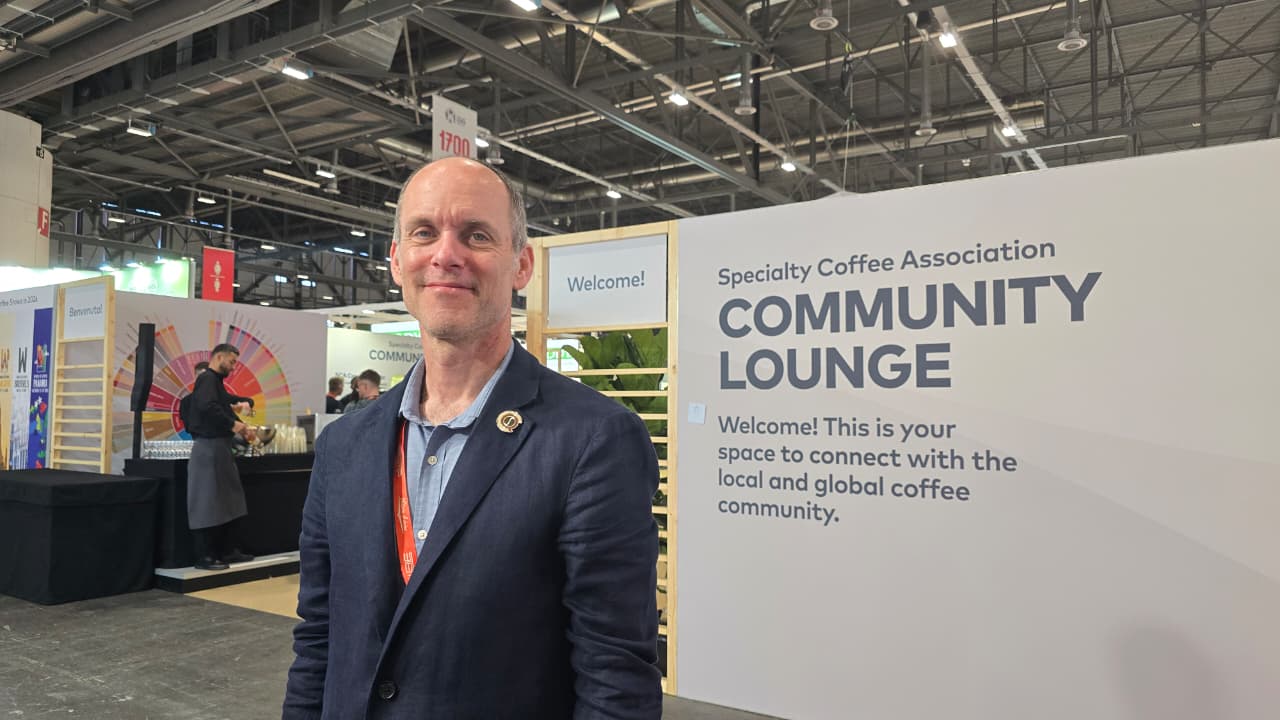
  3. CQI Insider pin for in-person events.
  4. Digital CQI Insider badge to showcase commitment to coffee quality.
  5. Early registration and discounted access to online talks, including expert-led presentations, panels, and lectures supporting ongoing professional development.

You can also read: Coffee Quality Institute CEO Delivers Key Message to Global Coffee Community

  • Why Join

The program provides members with exclusive access, learning opportunities, and networking within CQI’s global community. It supports quality-driven education across the entire coffee value chain, allowing members to build knowledge and engagement without replacing formal CQI certification courses.

  • Who Should Join

Coffee professionals seeking ongoing education and industry connections.

Organizations aiming to provide accessible, high-quality staff development.

CQI certification holders wanting to remain engaged.

Supporters of CQI’s mission to enhance coffee quality worldwide.

  • Special Enrollment

Attendees of CQI’s 30th Anniversary Luncheon at World of Coffee San Diego can register through the World of Coffee platform and will automatically receive CQI Insider membership, with no separate sign-up required.

You can also read:Coffee Quality Institute Announces 2026 Global Coffee Fund Details

By joining the CQI Insider Program, members become part of a global network committed to advancing coffee quality, education, and collaboration across the industry.

For more information and to join, visit the CQI website.

Coffee Quality Institute Announces 2026 Global Coffee Fund Details

Addis Ababa – Qahwa World

Coffee Quality Institute (CQI) announced the details of its 2026 Global Coffee Fund (the Fund) program at the African Fine Coffee Association Conference and Exhibition. The Fund was developed to expand access to coffee quality education and advance CQI’s mission.

“CQI knows that the coffee sector is facing extraordinary challenges, and the Global Coffee Fund is one way we are working to address them,” said Michael Sheridan, chief executive officer of Coffee Quality Institute. “At a time when the public sector is disinvesting in coffee communities, CQI is tripling our commitment to the Global Coffee Fund and inviting the industry to co-invest. Together we can mobilize $500,000 to benefit coffee communities in 2026. I can’t think of a better way to mark our 30th anniversary.”

The Global Coffee Fund will invest in coffee quality through support to two distinct programs.

  • Project Awards

CQI will continue its existing successful grant program in 2026 and commit up to $100,000 to fund projects that enhance access to coffee education and promote the development of educators in areas that lack sufficient local representation.

  • Matching Grants

This year CQI is launching a Matching Grant for co-investment with partners whose own work aligns with CQI’s mission and values. CQI will provide a dollar-for-dollar match for $200,000 of external investment in qualifying projects with a goal of generating $400,000 in new commitments in 2026.

“I am very excited about the expansion of the Global Coffee Fund for 2026. The addition of the Matching Grant program will enable CQI to leverage and expand our global partnerships and network of coffee experts to increase impact at the producer level,” stated T.J. Ryan, managing director of programs at CQI. “More than just a financial match, the fund will seek partners with whom we have shared objectives to build a more resilient coffee sector.”

  • Further information regarding the Fund and application materials are available on the Coffee Quality Institute’s website. Applications will be accepted on a rolling basis.About Coffee Quality Institute

    CQI is a non-profit that works globally to improve the quality of coffee and the lives of the people who produce it. For thirty years, CQI has trained people who produce and process coffee in more than thirty coffee-growing countries around the world.

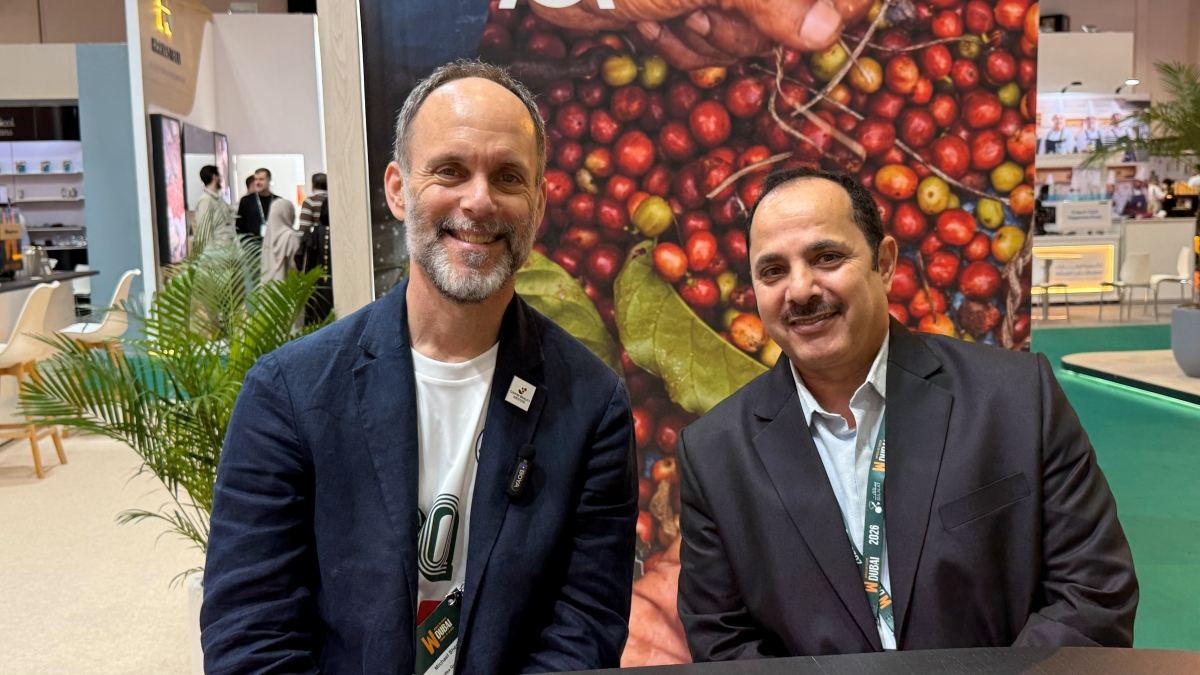
Michael Sheridan in an Exclusive Interview with Qahwa World

CQI CEO Speaks Candidly About Coffee, Community, and 2026 Goals

Dubai – Ali Alzakary

2025 was a year of transformation and challenge for the Coffee Quality Institute (CQI). From transitioning its flagship program, the Q, to SCA, to navigating the sudden loss of USAID funding—the largest donor in CQI’s history—CEO Michael Sheridan reflects on how these shifts shaped the organization’s mission and approach. Amid historic market volatility, Sheridan discusses the importance of recommitting to CQI’s goal of supporting coffee producers, promoting measurable impact for farmers—especially women—and evolving coffee education to meet the demands of a rapidly changing industry. He also shares insights from global conversations on the biggest concerns in the coffee community, including risk reduction, community engagement, and strategies to create meaningful impact.

Join us in this valuable interview to hear directly from Michael Sheridan about CQI’s vision for 2026 and beyond.

  • What did 2025 teach you, and how is that changing your approach for 2026?

Last year was a really consequential one for CQI. We transitioned our biggest program, the Q, to SCA against the backdrop of the shuttering of USAID, which was the biggest source of public funding for development work in coffee communities and the largest donor in CQI’s history. At the same time, the coffee market was experiencing the largest and most sustained rally anyone has ever seen, which caused lots of disruption in the market and undid years of work on trading relationships based on mutual commitment to quality.

We understood in 2025 that we were entering a new phase in CQI’s work, and that effectively advancing our mission in this new context would require thinking carefully about CQI’s role in the coffee ecosystem and listening carefully to members of the community. We are still in this process of reflection and consultation, but two things are clear.

First, we are recommitting to our mission: we are focused on market-based support for coffee producers. Second, we know we can’t get there alone. We know that the changes we introduced last year were disruptive in our community, and we know we need to build that community to be successful. We are working to create new approaches for collaboration with individuals and coffee companies, and expect to be in a position to talk more about those in the coming weeks.

  • How do you know you’re truly making a difference for farmers, especially women?

One of the things I love about this work is how measurable it can be. I got my start in coffee working for an international development agency where many of my peers were working on programs that measured change over very long time horizons. Their work in peacebuilding, gender equity, and social change was as hard to measure as it was important. In contrast, I was always grateful that my work to support coffee producers had annual metrics tied to the coffee cycle: production, average price, gross coffee income, etc.

While some of the structural changes we want to be part of at CQI related to equitable value distribution may require long-term commitment, every year brings an opportunity to check in on how well we are advancing our mission to improve the quality of coffee and the lives of the people who produce it. The mechanism that links those two elements of our mission (one, the improvement of quality, and the other, improvement of lives) is the market. Buyers can convert improvements in quality into improvements in seller livelihoods every coffee cycle by increasing rewards (e.g., premium prices, increased purchase volume, etc.), reducing risks (e.g., longer-term commitments, multi-grade purchases, etc.), or both. This is part of the reason we will be more intentional about engagment with industry parters in 2026 and beyond — to try to ensure quality improvements translate into improvements in the lived realities of the people who grow our coffee.

Women play a prominent role in our thinking about impact. As you may know, CQI has a long history of promoting women’s participation in the benefits generated by coffee. Long before my time, visionary leaders at CQI created the Partnership for Gender Equity, which evolved into an independent organization called Equal Origins that is doing groundbreaking work in this space. We have consistently supported women’s participation over the years, and investment in educational activities by and for women has been a throughline in our project investments over the past two years. I expect more of the same in 2026, which has been designated the International Year of the Woman Farmer by the UN’s Food and Agriculture Organization.

  • How must coffee education evolve to stay relevant right now?

I think coffee education has never been more necessary. There has been so much disruption in recent years — accelerated climate change, historic market volatility, rapidly changing market preferences, sharp changes in policy, and public disinvestment in coffee communities have all created the need for recalibrating traditional approaches, and in many cases that means education to meet new challenges and seize new opportunities.

At CQI, we are thinking hard about the what, how, and who of our educational work. I think the “what” is the relevance question you ask: what are the specific topics that will position producers and other supply stream actors to respond effectively to changes in the operating environment? In a global marketplace in which processing is as important as it has been in our lifetimes, we see lots of opportunities to deliver new and improved content through our Post-Harvest Processing Program that is timely and relevant. We are also eyeing new tools and content relevant to coffee quality beyond post-harvest processing that aim to address pain points that have surfaced in our conversations over the past few months.

Additionally, we are exploring the “how,” seeking ways to deliver educational content that are efficient and accessible. In some cases, that will likely mean creating new content for digital delivery or digitalizing existing analog content. In other cases, it will mean delivering in-person education in shorter-form classes that are not designed to lead to certification but directly to field-level impact through the adoption of good practices.

Finally, we are acutely aware that we need to evolve the “who” and certify more instructors who live and work in the places where coffee is grown. Localising coffee education will be a key to unlocking access.

  • From your global talks, what’s the no. 1 concern you’re hearing from the community?

We have spent the last few months conferring with leaders from the coffee sector to inform the next phase of CQI’s work — producers, processors, traders, roasters, educators, and others. The one thing that seemed to be on everyone’s mind was risk — market risk, price risk, production risk, risk related to quality, etc. As we think about how we can best support coffee producers and the entire coffee community in 2026 and beyond, we find ourselves thinking a lot about how we can partner with actors all along the supply stream to help reduce risk, most especially the smallholder producers who are generally least equipped to bear it. In a market where there is a lot of attention paid to way quality improvement can increase the rewards and premiums growers earn, there may be less appreciation for a focus on risk reduction, but it can help us deliver on our mission to improve the lives of producers every bit as much as increased rewards.

  • At the end of 2026 — what does a “win” look like for CQI?
Well, I think part of the answer is related to your question above about measuring our impact — the outcomes of the work will speak for themselves. But I think an important part of the answer is also related to the process — how effective we are at building community engagement in our work will go a long way to defining how successful we can be. I know that if we can manage to enlist the best of the CQI community in this effort with us, we are going to create real opportunity for producers while addressing pain points in the industry. That sounds like success to me!


View this post on Instagram


A post shared by Coffee Qahwa (@qahwaworld)

Coffee Quality Institute CEO Delivers Key Message to Global Coffee Community

DUBAI – Qahwa World

Michael Sheridan, CEO of the Coffee Quality Institute (CQI), delivered an important message to the coffee community and CQI members, reviewing the organization’s key achievements during 2025 and outlining future plans for 2026.

In his message, which coincides with the approaching year-end, Michael Sheridan highlighted a busy fourth quarter of 2025, marked by extensive educational outreach and strategic planning for the organization’s future.

Sheridan noted that the closing quarter was highly active, emphasizing CQI’s role in supporting a growing network of CQI Educators who are conducting coffee processing courses worldwide. The primary focus was on collaborating with both long-time and new partners on projects specifically designed to empower coffee producers.

Sheridan stated: “The three initiatives highlighted below delivered coffee education to more than 350 women coffee producers in Mexico and Colombia, and they don’t even tell the full story of our Q4 project work.”

These efforts underscore CQI’s core mission of creating educational opportunities for the producers who represent the heart of the industry.

Behind the scenes, the CQI team has been intensely focused on strategic planning for the next phase of its work. The organization expressed deep gratitude to its community for generous contributions, which are critical in determining the course for the future.

Consultation efforts spanned the globe, including:

Conversations with producers in El Salvador, Indonesia, Mexico, and Peru.

Hundreds of online surveys completed by producers, processors, traders, roasters, Q Graders, CQI Educators, and other stakeholders.

Dozens of personal interviews.

Sheridan affirmed: “We look forward to reporting back to you on what we heard and how we believe we can best serve CQI’s worthy mission together.”

Despite historic market volatility and massive disinvestment in economic development in coffee-growing regions, Sheridan reaffirmed CQI’s unwavering commitment to its foundational mission.

He said: “The year behind us has been marked by plenty of change and disruption in the coffee sector, and it hasn’t always been easy… Through it all, we have returned again and again for inspiration and orientation to our mission to improve the quality of coffee and the lives of the people who produce it. Against this backdrop, this work has never felt more important.”

Sheridan announced that the team will take a necessary rest period at the end of this month but plans to “hit the ground running in the New Year.”

Sheridan concluded the message by extending warm wishes on behalf of the Institute’s staff and board, saying: “I want to wish you all joy, good health, and peace this holiday season, and a great start to the New Year. And I know I also speak for everyone on the team when I say that I look forward to seeing you and working with you in 2026 to advance our mission together.”

It is worth noting that the Coffee Quality Institute is a non-profit organization dedicated to improving the quality of coffee and the lives of the people who produce it.

CQI CEO Michael Sheridan: 2026 Plans & 350 Women Producers Trained in 2025

CQI Workshop in Dubai Explores the Science of Post-Harvest Coffee Processing

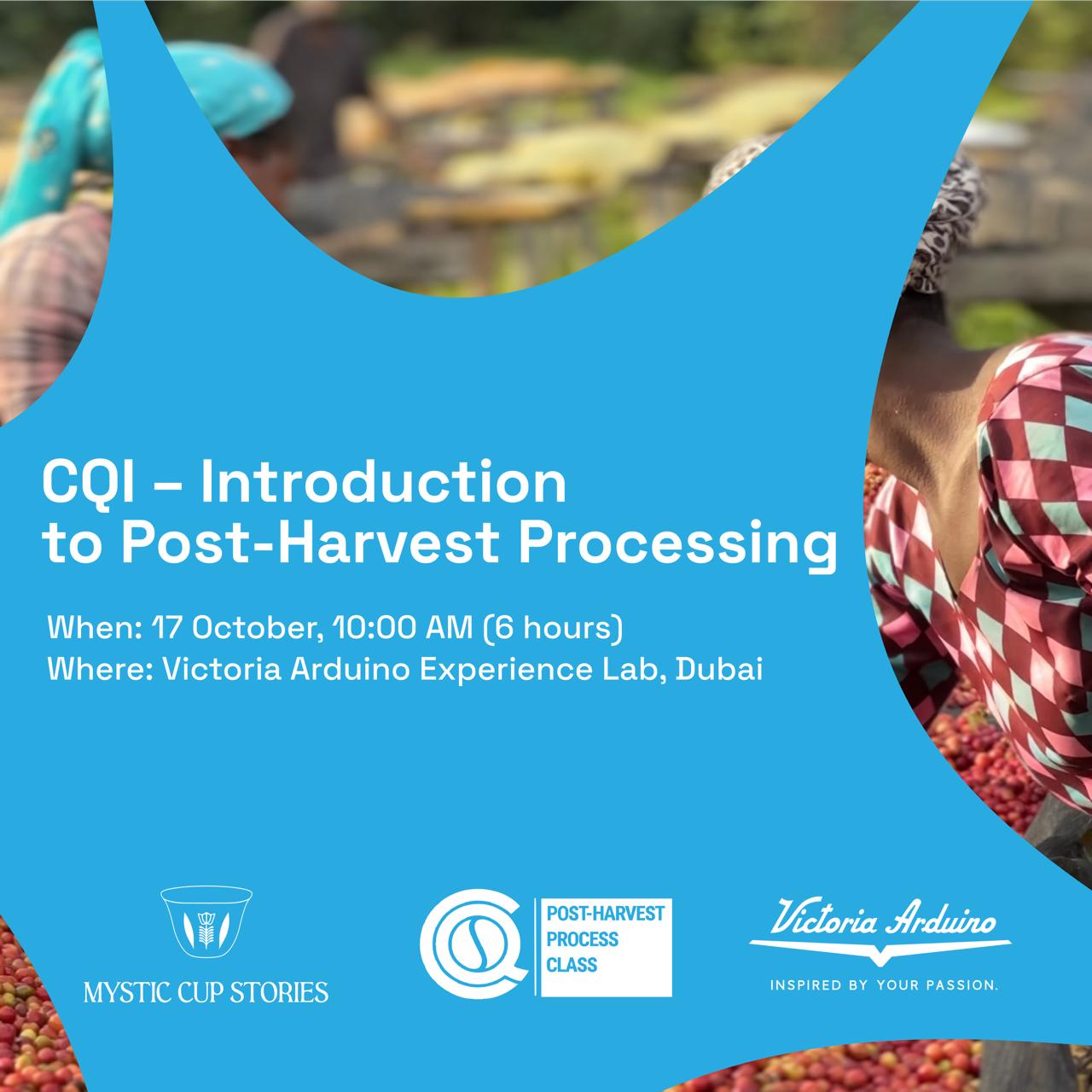
Tomorrow, coffee professionals and enthusiasts in the UAE will gather at the Victoria Arduino Experience Lab in Dubai for a six-hour workshop titled “CQI – Introduction to Post-Harvest Processing.” Organized by Mystic Cup Stories in collaboration with Victoria Arduino, the class promises an in-depth and hands-on introduction to one of the most crucial stages in coffee production.

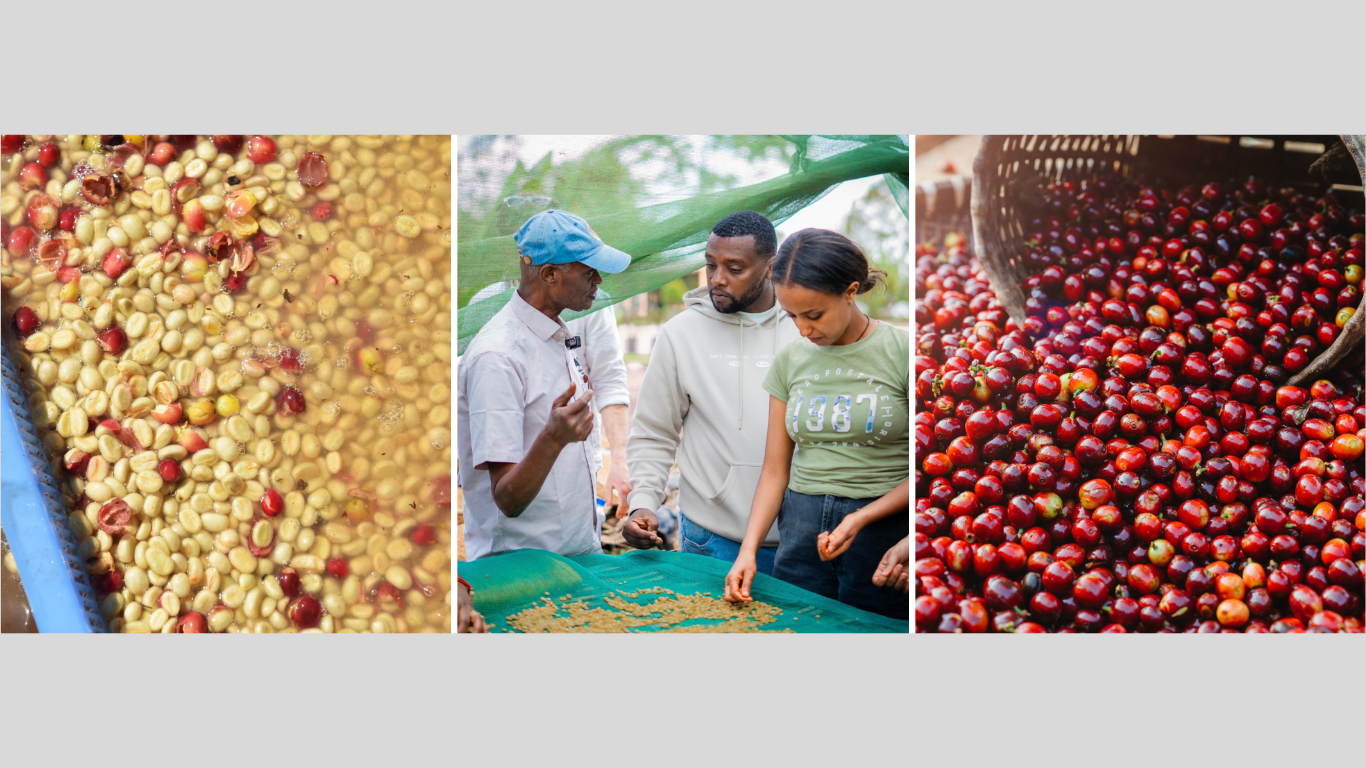
Accredited by the Coffee Quality Institute (CQI), the session will guide participants through major processing methods — Natural, Honey, Mechanically Demucilaged, Fully Washed, and Wet Hulled — explaining how each technique shapes the final flavor profile of coffee.

The workshop will be led by Kristina Bakhtoiarova, an experienced educator, roaster, and consultant with over 15 years in specialty coffee. As a Q Processing Lecturer, Bakhtoiarova has trained professionals around the world and will share her deep understanding of post-harvest systems, from cherry selection and fermentation to drying and pre-cleaning.

Participants can also look forward to a guided coffee cupping featuring coffees from Mystic Cup Stories, offering a sensory exploration of how processing methods affect taste and aroma.

The program is open to baristas, roasters, café owners, coffee lovers, and future green buyers who want to decode common processing terms such as “Washed,” “Honey,” and “Natural.”

By hosting this CQI workshop, Victoria Arduino continues to strengthen Dubai’s reputation as a leading center for specialty coffee education and innovation in the Middle East.

CQI Marks International Coffee Day with New Chapter in Coffee Quality Journey

Dubai – Qahwa World

On International Coffee Day 2025, the Coffee Quality Institute (CQI) announced a historic transition: the conclusion of its Quality Evaluation Program after more than two decades and the launch of a new chapter focused on advancing coffee quality and sustainability.

Michael Sheridan, Chief Executive Officer of CQI, emphasized the milestone: “As we turn the page, I want to honor the nearly 20,000 people who have earned Q Grader Certification since the inception of the program: you are the vanguard in a global movement for coffee quality. And I want to specially recognize the Q Instructors who have trained and certified all those Q Graders: you are pioneers who have held a light to the darkness, and your work helped to catalyze a revolution in coffee quality in the span of a single generation.”

A Fresh Look for a New Era

To mark this transition, CQI unveiled a refreshed logo and website, designed to evoke coffee’s origins. The institute underlined that while its visual identity has evolved, its mission remains constant: improving the quality of coffee and the lives of the people who produce it.

Focus on Post-Harvest Processing

Sheridan highlighted the growing importance of CQI’s Post-Harvest Processing (PHP) Program. In September alone, CQI welcomed 14 new instructors for the PHP Generalist Course, expanded its training pool, and set a course for releasing an all-new PHP Professional Course by the end of 2025. Preparations are also underway for the PHP Expert Course in 2026, with students, instructors, mentors, and guest lecturers already engaged.

“Innovation in post-harvest processing has never been more important in the coffee market,” Sheridan noted. “Our PHP Program is helping reduce risk and expand opportunity for everyone in coffee supply streams.”

Global Partnerships and Impact

CQI also announced new partnerships to expand its global reach. In collaboration with Peet’s Coffee in the U.S., CQI will deliver post-harvest processing education to suppliers, while a partnership with Sinar in the U.K. will enhance access to advanced processing technology.

Additionally, the CQI Global Coffee Fund has awarded support for several initiatives:

Let’s Talk Coffee in Peru

Scholarships for participants in the Women-Powered Coffee Summit (WPCS) in Mexico

Staffing for the Taste of Harvest in Burundi

Engaging the Coffee Community

As CQI transitions beyond the Q program, Sheridan underscored the importance of dialogue with the global coffee community. CQI will convene producer-focused discussions at major events, including the WPCS in Mexico and Sintercafé in Costa Rica, and will launch a global survey in October to gather input from stakeholders worldwide.

“I hope you will take time to respond and make your voice heard,” Sheridan said. “Coffee needs your leadership.”

With this transition, CQI signals a future shaped by collaboration, innovation, and a continued commitment to quality at every stage of the coffee value chain.

CQI Reflects on a Landmark Year and Sets Ambitious Plans for 2025

As the Coffee Quality Institute (CQI) concludes 2024, CEO Michael Sheridan shares reflections on a remarkable year for the organization and its global coffee community. Marking the 20th anniversary of the Q Grader program, CQI celebrated the milestone with podcasts, social media campaigns, and in-person events that underscored the legacy of the industry’s premier coffee cupping credential.

The Q Grader community, which now boasts nearly 10,000 members, saw significant growth this year, alongside the expansion of CQI’s Processing Professionals and Instructor networks. Sheridan welcomed three new team members, including T.J. Ryan, who has taken on the role of Director of Mission Engagement. “Welcoming T.J. was like bringing family home,” Sheridan noted. Ryan will spearhead CQI’s project initiatives and the evolving Global Fund, an area poised for greater impact in the coming year.

Global Fund Expansion: Empowering Coffee Communities Worldwide

In its second year of operation, the CQI Global Fund provided nearly $90,000 in cash and in-kind support to seven initiatives across four continents. Highlights include:

  • Mexico: Two grants supported nearly 100 participants, with post-harvest process training and scholarships empowering smallholder farmers and quality control managers. Collaborations included CAFECOL and the International Women’s Coffee Alliance.
  • Ethiopia: CQI worked with women-led companies to certify seven new Q Graders through the Q Combo course.
  • Latin America: The innovative Girlsplaining initiative, led by Assistant Instructor Camila Khalifé, delivered specialized training to women in coffee.
  • United States: Support for NKG PACE program partners included cupping courses and introductory post-harvest processing classes.

Looking ahead, CQI plans to unveil a comprehensive vision for the Global Fund’s future at its 25th Annual Luncheon in April 2025 in Houston.

Celebrating Dedication: Honoring Outgoing Trustees

As 2024 draws to a close, CQI honors the commitment of outgoing trustees who collectively dedicated 96 years of service to the organization. From Ellen Jordan’s 26-year legacy to the fresh perspective of Liz Caselli-Mechael’s two-year tenure, CQI’s success owes much to these visionaries.

A Message of Growth and Gratitude

Sheridan’s year-end message also highlighted plans for 2025, including expanded coffee events, new courses, and continued certification projects, such as the impressive five-fold increase in certified Q Graders in Burundi. As CQI looks to the future, it remains deeply committed to improving coffee quality and the lives of those who produce it.

With deep gratitude for the past and ambitious goals for the future, CQI enters 2025 with renewed energy to strengthen its impact in the global coffee community.