Youth Academy Applications Open in Malaysia, UK, and UAE for 2026

Author: Qahwa World Dubai
Source: Official announcement
Date: May 18, 2026

Executive Summary:

  • Applications for Youth Academy are now open in Malaysia, the United Kingdom, and the United Arab Emirates.
  • Malaysia deadline is June 7, 2026, with interviews on June 18 and 19, and winners announced June 30.
  • UK deadline is June 14, 2026, with interviews on June 22 and 23, and winners announced June 29.
  • UAE deadline is June 21, 2026, with interviews from June 29 to July 10, and winners announced July 27.
  • Applicants should complete their Coffee Knowledge Hub profile before applying.
  • Strong applications are authentic, specific, and use real examples from coffee experiences.
  • Shortlisted candidates will be invited for an interview focused on conversation and genuine curiosity.

Applications for Youth Academy are now open in Malaysia, the United Kingdom, and the United Arab Emirates. If you plan to apply, this is the right time to get organized. Understanding the timeline, preparing your profile, and allowing enough time to submit a thoughtful application are essential steps.

Youth Academy is more than a scholarship program. It is also a community. When applying, think not only about what you hope to gain, but also about what you can contribute to the coffee community. Your attitude, your willingness to share knowledge, your local coffee scene, and the way you support others as you grow all matter.

Key Dates by Country

Country Applications Close Interviews Winners Announced
Malaysia June 7, 2026 June 18–19, 2026 June 30, 2026
United Kingdom June 14, 2026 June 22–23, 2026 June 29, 2026
UAE June 21, 2026 June 29 – July 10, 2026 July 27, 2026

Before You Apply

Start by completing your Coffee Knowledge Hub profile. Use your real first and last name, upload a clear photo, and ensure your profile reflects the information in your application. It does not need to be long. It just needs to feel genuine and current.

Read the application process carefully. Each country has its own application page and process. Take time to read the instructions properly before starting your answers.

Give your application direction. Strong applications are rarely the ones trying to sound perfect. The best applications are focused, specific, and authentic. Use real examples. Keep your answers consistent with your profile. Avoid leaving everything until the final day.

Concrete Examples Matter

Rather than simply saying you are passionate about coffee, show it through your actions. Mention cupping sessions you have attended, cafés or roasteries you visited to learn, routines you developed for practice, mentors who influenced you, and projects or events you contributed to. Small experiences still matter when they are real and meaningful.

Preparing for the Interview

If you are shortlisted, you will be invited for an interview. The best way to approach it is as a conversation rather than a test. Before the interview, think clearly about a challenge you faced in coffee and what it taught you, a moment that made you want to go deeper into the industry, and a few genuine questions you would like to ask about the program. Curiosity is part of the learning journey. Strong interviews usually come from candidates who are honest, engaged, and present, not from those trying to perform.

It Is Not Only About What You Want to Learn

Youth Academy is more than a scholarship program. It is also a community. When applying, think not only about what you hope to gain, but also about what you can contribute to the coffee community. Consider your attitude, your willingness to share knowledge, your local coffee scene, and the way you support others as you grow.

If you are applying in Malaysia, the United Kingdom, or the UAE, take your time. Review your profile carefully and write an application that genuinely reflects who you are.

Frequently Asked Questions (FAQ)

1. When is the application deadline for Malaysia?

The application deadline for Malaysia is June 7, 2026. Interviews will be held on June 18 and 19, and winners will be announced on June 30.

2. When is the application deadline for the UK?

The UK deadline is June 14, 2026. Interviews take place on June 22 and 23, with winners announced on June 29.

3. When is the application deadline for the UAE?

The UAE deadline is June 21, 2026. Interviews run from June 29 to July 10, and winners will be announced on July 27.

4. What should I do before applying?

Complete your Coffee Knowledge Hub profile with your real name and a clear photo. Read the application process for your country carefully and prepare authentic answers with concrete examples from your coffee experience.

5. How should I prepare for the interview?

Think of the interview as a conversation. Prepare to discuss a challenge you faced in coffee, a moment that deepened your interest in the industry, and genuine questions about the program. Honesty and engagement are more important than performing.

6. What is Youth Academy looking for in applicants?

Youth Academy seeks applicants who are not only eager to learn but also willing to contribute to the coffee community. Your attitude, knowledge sharing, support for others, and connection to your local coffee scene are all important.

Qahwa World Dubai – Based on an official announcement regarding Youth Academy applications for 2026.
Published: May 18, 2026

FIX Dessert Chocolatier Launches “Messages from the UAE” at Kite Beach

Community installation invites residents to share messages of kindness and positivity in collaboration with Careem

Dubai, UAE – Qahwa World

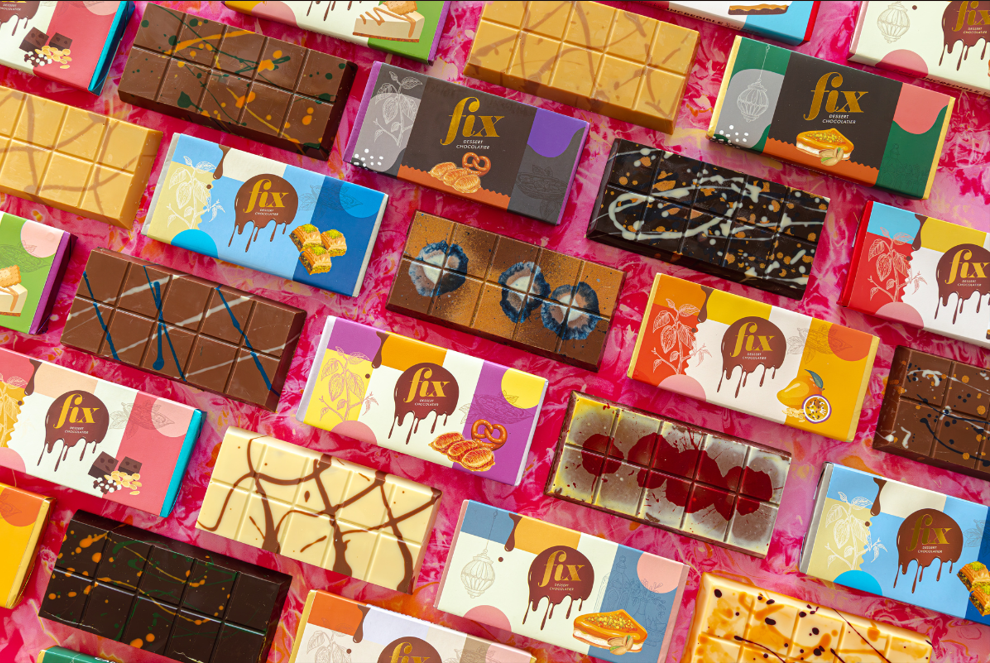
FIX Dessert Chocolatier, the home-grown brand behind “The Original Dubai Chocolate,” will host a two-day interactive community installation at Kite Beach on 9–10 May, encouraging residents to share personal messages of kindness, unity, and positivity.

In partnership with Careem, the activation will run daily from 4pm to 12am and centres around a large-scale digital “FIX Hero Box.” Visitors will be invited to contribute messages via tablets, which will form a live word cloud displayed as part of the installation.

The messages collected over the two days will later be curated into artwork and transformed into a limited-edition FIX Hero Box, scheduled for release later this year.

The event will also feature the distribution of more than 5,000 goodie bags containing products and vouchers from UAE-based home-grown brands, including Careem, Humantra, Parker’s, BRED, Karen Wazen, Salt, Bake My Day, Public, Somewhere, Kumo, Shalwa, The Reborn Society, The Scent Library, Polished, House of Habanero, and Fracs, along with additional surprises from FIX.

Sarah Hamouda, Co-Founder of FIX Dessert Chocolatier, said the initiative was inspired by simple acts of human connection and aimed to create a shared space for reflection and community participation. She also highlighted the UAE’s role in supporting local brands and creative initiatives.

The installation will update in real time throughout the weekend, turning visitor contributions into a live visual artwork at Kite Beach. The final collection of messages will later be featured in a limited-edition product distributed through Careem and at Dubai International Airport (DXB).

The installation opens to the public on Saturday, 9 May at 4pm.

  • Related stories:

Coffee Break Dubai: Government Confidence, Market Shifts, and Hard Truths Facing the Coffee Industry

Mokha 1450 Immersive Coffee Experience Redefines Tasting in Dubai

Dubai Technicians Competition 2026 Returns for 2nd Edition

Yango Group Robots to Serve Coffee at Soil Café in Dubai

Yango Group Robots to Serve Coffee at Soil Café in Dubai

Dubai – Qahwa World

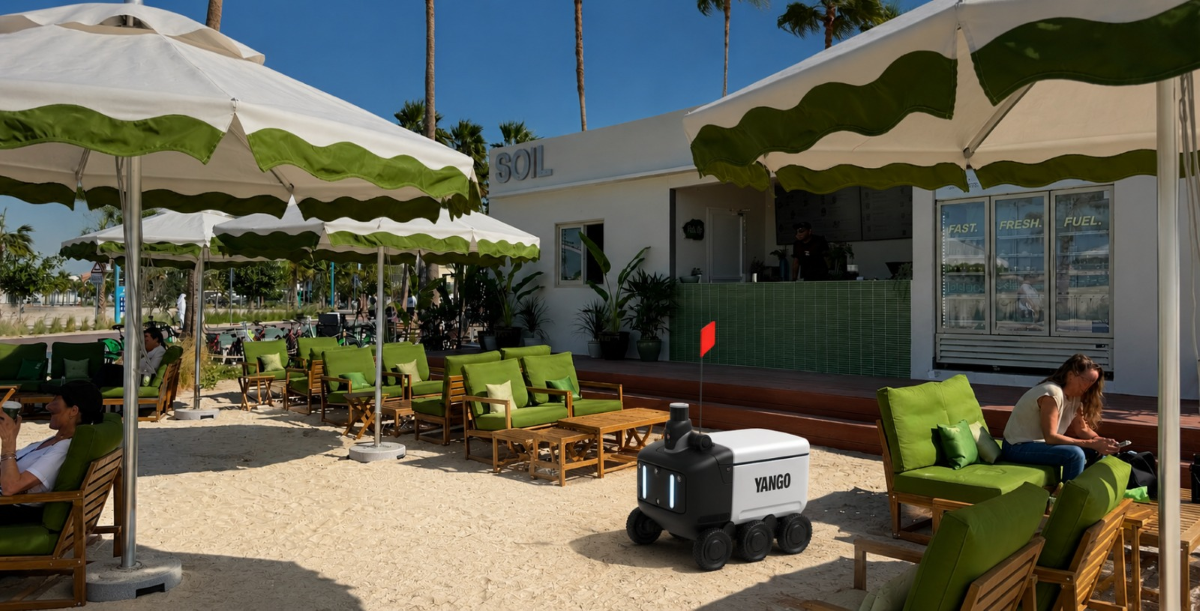
Yango Group robots will deliver coffee to guests at Soil Café on Kite Beach in Dubai from May 8 to 10, bringing the company’s robotics technology into an everyday café setting.

From 3:00 pm to 8:00 pm Yango Group robots will deliver drinks directly to customers, while Yasmina, the company’s AI assistant, will help staff with simple tasks such as answering questions, recommending drinks, and supporting order requests.

The setup is designed to reduce pressure on staff during busy periods and improve service flow, demonstrating how AI and robotics can handle routine interactions while employees focus on higher-value, human-led service. Taking place in a live café environment, the experience also provides a practical demo at how these technologies can be applied across hospitality and retail sectors, where demand for efficiency and scalable service models continues to grow.

Another experiment being conducted by Sweden: Sweden Experiments With a Café Run by an AI Manager

Yango’s delivery robots are already being deployed across urban environments, supporting last-mile logistics and food delivery operations. Designed to navigate sidewalks and pedestrian areas autonomously, they can carry multiple orders, optimize delivery routes, and operate in high-density city settings. In the GCC, Yango Group has partnered with noon to scale autonomous delivery, reflecting growing interest in robotics as a solution to rising demand in e-commerce and food delivery.

Islam Abdul Karim, Regional Head of Yango Group Middle East, said: “Dubai is one of the most dynamic markets globally for testing new technologies, with high customer expectations and a strong appetite for innovation. It’s a natural place to show how AI and robotics can work in real service environments, supporting staff during peak times, improving speed and consistency, and helping businesses manage growing demand. We show how Yango Group technology can help staff to focus on what matters most: customer interaction and experience.

The Soil Café experience forms part of Yango’s broader efforts to develop practical AI solutions across everyday use cases, including mobility, logistics, and customer service.

DMCC Webinar Highlights Growth in Coffee Trade Between Colombia and the UAE

Economic and Logistics Partnerships Drive Record Trade Expansion and Strengthen Global Presence of Colombian Coffee

Dubai – Qahwa World

The Dubai Multi Commodities Centre DMCC organized a virtual webinar titled “Made for Trade Live: Colombia in Focus”, in partnership with the Embassy of the United Arab Emirates in Colombia, the Chambers of Commerce of Manizales, Armenia and Quindío, and Cali, as well as IKOR Global. This DMCC Colombia coffee webinar highlighted trade growth by bringing together public and private sector stakeholders to explore trade, investment opportunities, and developments in the coffee sector between Colombia and the UAE. Notably, the DMCC Colombia coffee webinar trade growth emphasis reflects the expanding role of Colombian coffee in international markets.

Ahmed Bin Sulayem, Executive Chairman and Chief Executive Officer of DMCC, stated that the Comprehensive Economic Partnership Agreement signed in 2024 eliminated 95% of tariffs, noting that bilateral trade is expected to exceed USD 1 billion within five years. Moreover, as discussed during the DMCC Colombia coffee webinar, trade growth for Colombian coffee is likely to accelerate under these new measures.

He added that DMCC hosts more than 26,000 companies, contributes over 15% of Dubai’s foreign direct investment flows, and around 7% of Dubai’s GDP. The member base includes more than 200 companies from Latin America, including 30 from Colombia, with Colombian membership growing by 50% over the past two years, representing nearly 20% of DMCC’s South American companies. This expansion aligns with the ongoing DMCC Colombia coffee webinar trade growth strategy.

Colombia, the world’s third-largest coffee producer and exporter, recorded export growth of 17% in 2024, driven by a 132% increase in exports to China, which is expected to overtake the United States as Colombia’s second-largest export destination. Furthermore, the DMCC Colombia coffee webinar trade growth was a key driver discussed during this international event.

The DMCC Coffee Centre spans 15,000 square meters and includes temperature-controlled storage, processing, roasting, packaging, and distribution facilities, serving 350 companies. A total of 8,200 metric tons of coffee were processed in 2025, including Colombian coffee, as highlighted in the DMCC Colombia coffee webinar focused on trade growth.

During the second coffee auction at World of Coffee Dubai World of Coffee Dubai, Geisha coffee from Panama achieved a record price of USD 30,240 per kilogram in 2025. The 2026 edition recorded the highest number of international origins ever represented, attracting more than 17,000 participants, with plans for further expansion in 2027. Also, the DMCC Colombia coffee webinar trade growth focus signaled continued opportunities in global coffee markets.

The webinar also announced the launch of the DMCC Cacao Centre, with the global cacao market projected to reach USD 26.2 billion by 2035. The centre currently hosts 88 companies operating in cacao trading, chocolate manufacturing, and confectionery. During the DMCC Colombia coffee webinar trade growth topic, diversification into cacao was discussed as complementary to coffee.

DMCC also hosts more than 4,000 technology companies active in artificial intelligence, robotics, crypto, tokenization, and trade finance. The DMCC Phoenix initiative was launched last November, while DMCC FINEX includes around 2,000 companies and is expected to exceed 5,000 in the future, bringing the total ecosystem close to 50,000 companies. Innovation was a key theme in the DMCC Colombia coffee webinar’s trade growth agenda.

Mohammed Al Shamsi, Ambassador of the United Arab Emirates to Colombia, stated that the UAE has expressed concern regarding recent regional tensions, noting 50 years of diplomatic relations between the two countries. This milestone was acknowledged during the DMCC Colombia coffee webinar trade growth segment.

He said non-oil trade in 2025 exceeded USD 2 billion, surpassing the CEPA target of USD 1 billion within less than two years, even before ratification, with expectations of further doubling after approval. He also highlighted the growing presence of the Juan Valdez brand across UAE cities. Additionally, the DMCC Colombia coffee webinar trade growth theme supports greater market access for Colombian coffee brands.

The Chamber of Commerce of Manizales por Caldas reported that Caldas ranks as the ninth-largest exporting department in Colombia, with exports exceeding USD 1,363 million, representing 3.4% of national exports. Coffee remains the flagship product, with external sales reaching USD 19 million and growth of 52% between 2020 and 2024. This reflects the DMCC Colombia coffee webinar trade growth impact.

The Chamber of Commerce of Cali highlighted a model based on four pillars: investment, internationalization, innovation, and integration. In Valle del Cauca, 71 companies exported coffee in 2025 across 362 export operations, reaching USD 318 million in international sales. Cali accounts for 50% of exporting companies, followed by Cartago at 23% and Sevilla at 14%. The United States represents 46% of exports, followed by Germany, Japan, Canada, the Netherlands, and China. These trends were reviewed in the DMCC Colombia coffee webinar, emphasizing trade growth.

Ricardo Muñoz, Coordinator of the Specialty Coffee Program at the Chamber of Commerce of Armenia and Quindío, stated that the program has been active for 15 years, with coffee accounting for around 80% of Quindío’s exports despite its small size. The region focuses on micro-lots and has developed infrastructure for milling, processing, and roasting. DMCC Colombia coffee webinar trade growth themes were mentioned in relation to the specialty coffee sector.

A DMCC presentation highlighted Dubai’s strategic location, enabling access to 2.5 billion people within a four-hour flight radius and up to 5 billion people within broader connectivity. Dubai is ranked as the most competitive economy in the Arab world and a global hub hosting more than 200 nationalities. The DMCC Colombia coffee webinar trade growth was a major consideration in positioning Dubai as a hub.

Mohammed Mohammed, Senior Manager Corporate Sales at DMCC: “Dubai offers you accessibility and connectivity. With a four-hour flight, Dubai offers you access to around 2.5 billion population. If you double that number of flights, it will get you access to 5 billion population. The most important part, you don’t need to fly to Dubai to set up your business. You can do it digitally.” For example, when considering DMCC Colombia coffee webinar trade growth, digital connectivity makes expanding into new markets easier.

Gulfood Gulfood recorded more than 6,800 participants and 133,000 visitors, generating over USD 20 billion in trade deals, while GITEX GITEX attracted more than 5,500 participants from over 190 countries. Dubai’s trade and wholesale sector accounts for around 23% of its economy, with more than 90 million passengers passing through its airports annually. Notably, DMCC Colombia coffee webinar trade growth supports wider trade events and partnerships.

Mike Butler, Coffee Ecosystem Manager at DMCC, stated that the Coffee Centre was established in 2019 in Jebel Ali Free Zone on a 15,000 square meter site powered by 75% solar energy. It hosts more than 300 members across the global coffee value chain and provides services including storage, logistics, processing, roasting, and capsule production. This infrastructure was highlighted as part of the DMCC Colombia coffee webinar trade growth model.

IKOR Global Managing Director Tatiana Córdoba stated that Colombian coffee exports to the UAE reached USD 16 million in 2024 and USD 17.3 million in 2025, reflecting 9% growth, with 70% of exports directed to the United States, Europe, and Canada. These figures were analyzed at the DMCC Colombia coffee webinar focused on trade growth.

She highlighted that the UAE connects more than 2 billion people within less than four hours of flight time. Additionally, DMCC Colombia coffee webinar trade growth opportunities were emphasized regarding global connectivity.

Anastasia, from Finca Dontulio Group: “When we think about DMCC we consider it’s the backbone of our green coffee logistics… DMCC helps us to eliminate that risk. When we talk about our business model, we definitely think about the coffee and the quality of it, but more importantly we think about building something meaningful across borders, bringing finest Colombian coffee to the world without compromise and this is where DMCC played a key role, it enabled us to scale sustainably and maintain excellence at every step.” The DMCC Colombia coffee webinar trade growth findings support this international approach.

The webinar concluded with the announcement of upcoming events, including World of Coffee from 26 to 28 January, Gulfood from 15 to 19 March Gulfood, and an additional event scheduled in Abu Dhabi in November. This schedule was part of DMCC Colombia coffee webinar trade growth announcements.

Coffee Break Dubai: Government Confidence, Market Shifts, and Hard Truths Facing the Coffee Industry

Dubai — Qahwa World

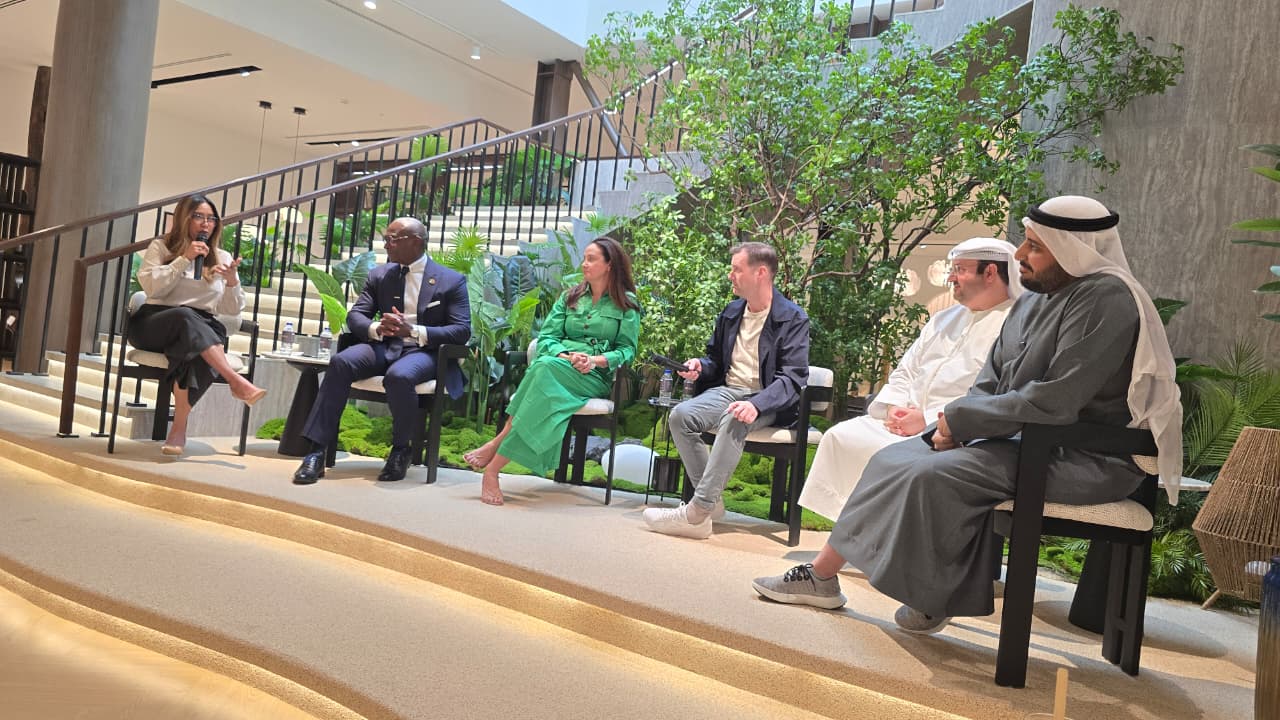
The first Coffee Break forum, held yesterday in Dubai, brought together senior leaders from the coffee, hospitality, logistics, media, and investment sectors to discuss the growing structural pressures facing the global coffee industry.

Organized by Mokha 1450 in partnership with Modora, the event went beyond discussion, offering a detailed real-time reading of how the sector is reacting to overlapping global disruptions.

Despite the complexity of challenges, a consistent theme emerged throughout the sessions: Dubai’s business environment continues to operate with a high level of institutional confidence, repeatedly linked by speakers to government crisis management performance and long-term economic stability.

  • SPEAKERS LIST (FULL PARTICIPANTS)

The session featured a high-level panel including:

  • Abdulla Al Shaibani — Group CEO, Axceed LLC
  • Garfield Kerr — CEO, Mokha 1450 and Former President of the Specialty Coffee Association
  • Khalid Al Mulla — CEO, Dubai Coffee Museum
  • Jennifer Pettinger-Haines — Founder and CEO, The GRIF Collective
  • Paul Clifford — Industry Editor and Analyst
  • Zeena Zalamea — Moderator, Broadcaster and Entrepreneur

GOVERNMENT CONFIDENCE AS A CORE BUSINESS FOUNDATION

A central thread across discussions was the role of government performance during crises, particularly the COVID 19 pandemic.

Speakers described how the UAE maintained operational continuity during global shutdowns, reopened faster than most major economies, and minimized long-term disruption to business ecosystems.

This experience created what participants described as a “structural confidence layer” that continues to shape decision-making today.

Rather than reacting defensively to current market pressures, companies are maintaining operations, focusing on internal stability, and prioritizing workforce wellbeing.

One speaker emphasized that during crises, the primary concern shifted away from business survival toward emotional and organizational stability within teams, supported by confidence in national systems.

  • ABDULLA AL SHAIBANI: LEADERSHIP UNDER STRUCTURAL CHANGE

Abdulla Al Shaibani highlighted that leadership in the current cycle is no longer defined by expansion, but by resilience management.

He emphasized that the priority for landlords and operators alike is stability rather than aggressive growth, stressing that maintaining continuity with tenants and partners is now the key objective.

He also noted that supporting smaller business ecosystems through flexible operational frameworks is essential during periods of uncertainty.

  • GARFIELD KERR: SUPPLY CHAIN DISRUPTION AND INDUSTRY PRESSURE

Garfield Kerr described significant disruption across global coffee logistics, particularly in air freight and container movement.

He explained that shipping costs have increased sharply, forcing businesses to pause shipments, delay projects, and reallocate inventory already positioned at origin.

He added that specialty coffee operators are now managing a fragile balance between cost pressure and quality preservation, especially as green coffee prices continue to rise globally.

  • JENNIFER PETTINGER-HAINES: THE TWO SPEED MARKET

Jennifer Pettinger-Haines presented data analysis covering approximately 400 venues across Dubai, revealing a clear structural divide:

  • Community cafés and neighborhood venues: growth of 30 to 40 percent in some cases
  • Fine dining restaurants: declines reaching 70 to 80 percent

She explained that this divergence reflects a fundamental shift in consumer behavior toward proximity, affordability, and familiarity.

Community driven venues are benefiting from consistent local demand, while high-end restaurants remain heavily dependent on tourism and discretionary spending.

  • PAUL CLIFFORD: PRICING STRATEGY AND BRAND RISK

Paul Clifford warned against aggressive discounting strategies, stating that repeated price reductions can permanently damage brand perception.

Once a brand is positioned at a lower price point, restoring premium positioning becomes significantly more difficult.

He noted that many operators are instead restructuring offerings by simplifying menus, reducing service formats, adjusting portions, and forming supplier collaborations rather than competing through pricing alone.

  • KHALID AL MULLA: LOGISTICS AND SYSTEM STABILITY

Khalid Al Mulla emphasized that government intervention extends beyond regulation into active operational support during crises.

He referenced past interventions that protected businesses from immediate financial collapse and ensured continuity of operations.

He also highlighted current logistics diversification strategies, including alternative shipping routes and regional port redistribution to reduce dependency on single supply corridors.

  • INDUSTRY TRANSFORMATION ACROSS OPERATIONS

Across the sector, businesses are adjusting core operations:

  • Reduced operating hours in line with demand
  • Workforce restructuring
  • Menu redesign due to cost inflation
  • Ingredient substitution and sourcing recalibration
  • Training program expansion

At the same time, companies are investing in internal capability development to prepare for post-crisis recovery cycles.

  • DIFFERENT ECONOMIC REALITIES WITHIN ONE MARKET

Speakers noted a widening gap between companies:

  • Well capitalized operators are investing and repositioning
  • Smaller operators are focused on survival and liquidity management

Overall performance remains below historical averages, with many businesses operating near break-even thresholds.

  • HOSPITALITY ASSET UNDERUTILIZATION

Hotel infrastructure was identified as an underutilized resource due to reduced occupancy rates.

Proposals included repurposing unused spaces into coworking environments, delivery kitchens, and hybrid operational models to improve asset efficiency.

  • SHIFTING CUSTOMER DEMOGRAPHICS

A key strategic concern raised was the under engagement of younger consumer groups.

Speakers noted that this demographic represents a growing opportunity but requires new approaches in branding, product development, and communication strategy.

  • ORIGIN LEVEL PRESSURE IN THE COFFEE CHAIN

At production level, rising costs and low farmer returns continue to threaten long-term sustainability.

Some producers are exiting the industry entirely, while younger generations are increasingly avoiding agricultural participation.

Sustainability investment and fairer value distribution were highlighted as critical structural requirements.

  • OUTLOOK: CONTROLLED OPTIMISM

Despite challenges, sentiment remained cautiously positive.

Most participants expect partial recovery within 12 to 24 months based on historical cycles in hospitality markets.

A widespread view emerged that current disruptions are cyclical rather than structural, shaping investment and operational decisions across the sector.

  • CONCLUSION

The Coffee Break forum in Dubai highlighted an industry under simultaneous global pressures but actively adapting across every layer of its value chain.

From supply chains to consumer behavior, the sector is undergoing structural recalibration.

At the center of this transition is sustained confidence in the UAE’s institutional stability and crisis management capability, which continues to influence strategic decisions across the industry.

Coffee Planet continues expansion in the Gulf after 20 years in the UAE

Dubai – Qahwa World

UAE-based coffee company Coffee Planet is planning further expansion across the GCC and selected international markets as it marks 20 years of operations in the region.

The company, which began in 2005 supplying coffee to petrol station convenience stores in the UAE, has since expanded into retail, hospitality, and corporate channels. A roasting facility established in Dubai in 2008 supported its early growth and helped broaden its distribution capabilities.

Coffee Planet now operates across roasting, distribution, retail, and technical services. Its production is based in the UAE, which the company says supports its supply chain and operational flexibility as demand grows.

The company reports it supplies coffee to a wide range of sectors, including hospitality, corporate clients, public sector entities, travel, and retail. It states that its products are used by a significant share of higher-end hotels in the UAE, alongside a wider network of business customers and retail partners.

Over the past decade, Coffee Planet reports a compound annual growth rate (CAGR) of 10.7%, with revenue increasing by 19% in 2025. It says it now serves more than 1,000 business-to-business clients and distributes over 21 million cups of coffee per month across the GCC.

“Allan Jones, Founder & Chairman, said the company has focused on building long-term partnerships and consistent service delivery. He also noted a broader regional shift towards locally based operations, which he said supports responsiveness and scale.”

The company operates a roasting facility in Jebel Ali with an annual capacity of around 5,000 tonnes and a site area of approximately 26,000 sq. ft. It produces a range of coffee products and operates an in-house laboratory for quality control and product development.

Coffee Planet estimates its facility produces more than 450 stock-keeping units (SKUs) per month across its proprietary and private label ranges. It also states that local production has helped reduce reliance on imports and improve supply continuity.

Looking ahead, the company expects roasting volumes to grow by 25–30% in 2026. Planned expansion includes new roasting operations in the UAE and Saudi Arabia, as well as further growth in existing and new markets including the GCC, UK, Egypt, Pakistan, Seychelles, and Singapore.

In addition to its roasting operations, Coffee Planet provides equipment management and technical services, overseeing more than 8,000 coffee machines in the UAE and handling over 2,000 service calls per month, according to the company.

As part of its leadership update, Founder and Chairman Allan Jones will assume the additional role of Chief Executive Officer. The company said the change is intended to align strategic direction with day-to-day operations as it enters its next phase of expansion.

About Coffee Planet
Founded in Dubai in 2005, Coffee Planet is a coffee company operating across roasting, distribution, retail, and related services. It serves business and consumer markets across the GCC and selected international locations, with a portfolio that includes private label production, café operations, and technical support services.

Rached Dabdob: When Media Strategies are Brewed with the Aroma of Coffee

Dubai – Qahwa World

For journalist and communications expert Rached Dabdob, drinking coffee is more than a daily habit; it is a mental ritual that accompanies his creative journey through the world of strategic communication. Since the launch of his career in Dubai in 2001, through to leading economic departments and building media content for major global events like Expo 2020 Dubai, coffee has remained the “silent engine” helping him transform complex visions into inspiring stories and impactful narratives.

  • From the Banks of the Orontes to the Shores of Dubai

At the heart of this journey lies the city of Homs—his birthplace and primary source of inspiration. Despite years of living abroad and achieving success in Dubai, Rached carries an exceptional love for this ancient city, its minarets, its scholars, and the endless tales of its people. Rached believes that Homs is not just a geographical location, but a school of patience, humor, and the art of simplification. It is from there that he derived his passion for documenting memory and his love for the Arabic language, which he polished in its alleys to become his most powerful tool for addressing the world today from international platforms.

  • The National Pavilion UAE in Venice: A Global Cultural Bridge

Today, Rached Dabdob is deeply involved in crafting the media narrative for the National Pavilion UAE at the Venice Biennale. He leverages his expertise to provide specialized consultancy in Arabic communications, supporting strategic outreach to ensure the nation’s cultural message is delivered with precision and influence.

The Pavilion stands as one of the UAE’s most prominent global cultural initiatives, acting as a bridge that connects Emirati creators with the world’s most prestigious art circles. It presents visual and philosophical narratives that reflect the depth of the human experience in the United Arab Emirates. The Pavilion enjoys continuous support and patronage from the UAE Ministry of Culture, while the Salama bint Hamdan Al Nahyan Foundation serves as its permanent commissioner—a testament to the unified institutional efforts to showcase the nation’s cultural identity in its finest form to a global audience.

  • Rituals of Focus: Three Cups of “Lavazza”

From his comfortable sofa, while planning these major national projects, Rached adheres to a precise regimen: he drinks two to three cups of Lavazza coffee daily before noon. This specific choice provides him with the mental clarity necessary to draft high-level correspondence and official speeches—tasks that require extreme linguistic precision and meanings that leave no room for ambiguity. Meanwhile, the aroma of the coffee reminds him of morning dialogues in his hometown and the verses of its legendary poet, “Dik al-Jinn.”

  • From Al Bayan to Venice

Following a successful 12-year tenure at Al Bayan newspaper, where he led a team of 26 editors and translators, through the spectacular journey of Expo 2020 Dubai and subsequently Expo City Dubai—the “heart of Dubai’s future”—Rached now carries his expertise to international arenas. At every stage, a cup of coffee has been the witness to the birth of ideas that bridge the UAE’s rich heritage, the deep roots of Homs, and the future ambitions of Emirati society as told in the heart of historic Venice.

The creative “whisper” that Rached seeks to instill in the world’s mind through his media plans always begins with the scent of brewed coffee, transforming moments of contemplation into robust action plans that place the United Arab Emirates at the forefront of the global cultural and economic scene.


bkry and Brooki Bakehouse Expand Crookie Collaboration Across the UAE

Dubai – Qahwa World

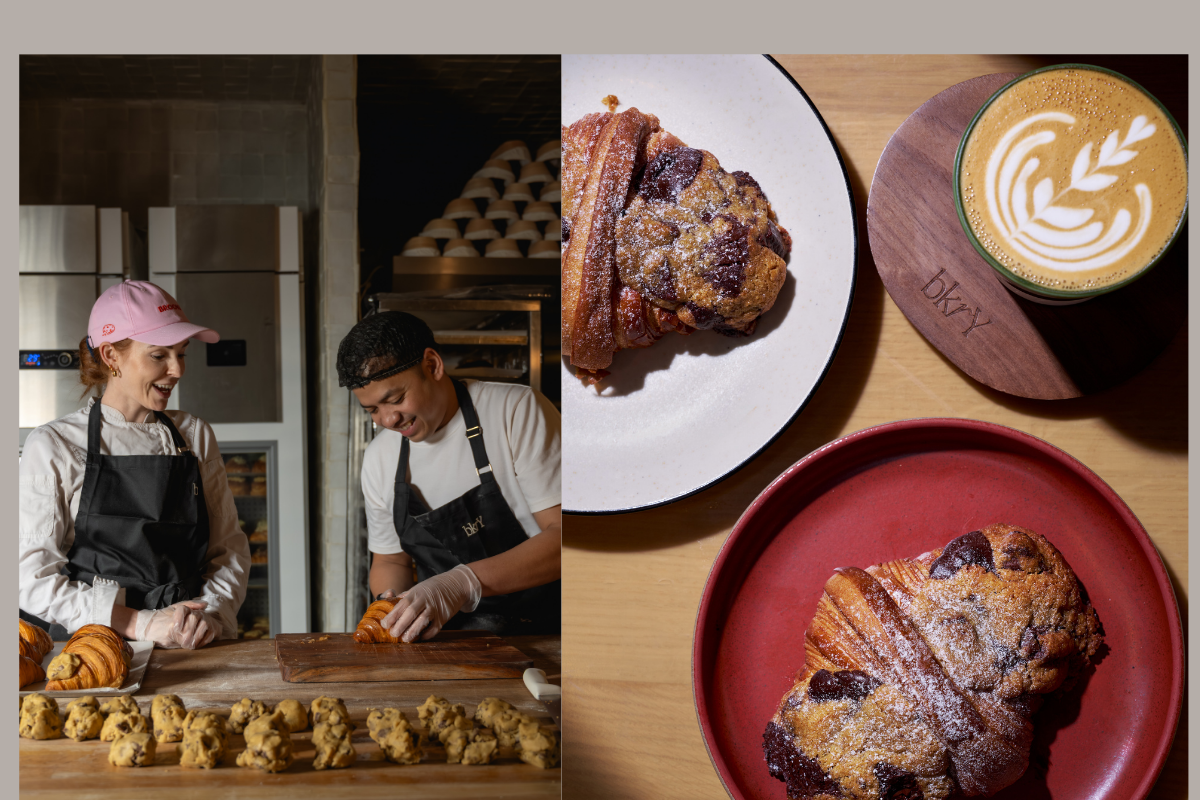
Following a successful launch during Ramadan, the popular Crookie collaboration between bkry and Brooki Bakehouse is now expanding across multiple locations in the UAE. After debuting at Marsa Boulevard, the Crookie will also be available at Alserkal Avenue and ADEC starting 28 March, continuing throughout April.

The Crookie combines a buttery, flaky croissant with wholewheat brown-butter cookie dough, both inside and on top, all coated in Tanzanian milk chocolate. The pastry offers a crisp golden exterior and a soft, gooey centre, making it a sought-after treat for indulgent moments, particularly after sunset. Each piece is priced at AED 39 and is available in limited daily quantities.

The collaboration reflects a shared vision of playful, comfort-focused baking. Brooki Bakehouse, founded by Brooke Bellamy, is known for its globally inspired take on classic flavors, while Kameel Rasyid leads bkry as an experimental bakespace in Dubai that blends local craftsmanship with international innovation.

Since its debut, the Crookie has become one of the season’s most talked-about pastries, drawing attention for its combination of texture, flavor, and inventive baking techniques.

The Crookie is available daily throughout April at Marsa Boulevard, Alserkal Avenue, and ADEC, in limited quantities.

For more information, visit https://www.instagram.com/bkry.space/

Spill the Bean: The Blueprint for Dubai’s Specialty Coffee Evolution

DUBAI – ALI ALZAKARY

On the sidelines of World of Coffee Dubai 2026, amidst the latest industry innovations, we met with the team from Spill the Bean to capture their unique perspective on this grand event. As a brand that has grown alongside Dubai’s specialty coffee scene since its earliest days, the founders offer a seasoned look at how consumer tastes and industry standards have evolved in the region.

In this conversation, we step away from the hum of the machines to speak with Hannad Abi Haydar about the history of the exhibition through the eyes of a long-time participant. We explore his views on the future of sustainability and ethical sourcing in a market now surging with billion-dirham investments.

We invite you to read this balanced dialogue exploring the reality and the future of coffee in Dubai.

  • Spill the Bean has been attending World of Coffee for many years — why is this event still important for you today?

We’ve been attending the event since before it was called World of Coffee – back in 2011 when it was a convention hosted in Meydan. It’s really nice to see how things have tectonically changed over the years. World of Coffee contributes to the positioning of Dubai on the world’s coffee map. I’d encourage anyone who is interested in coffee – not only the professionals – to attend. You’ll get to try some wonderful coffees which you otherwise wouldn’t have the chance to, while also making valuable connections in the coffee and hospitality sector. Plus, attendees have the opportunity to witness new tools, gadgets, and packaging solutions in the sector.

  • How has World of Coffee Dubai evolved since you first attended, and what does that say about Dubai’s coffee scene?

We can assume that World of Coffee’s predecessor was the Coffee and Tea Convention, which served its purpose at the time. But now – the scale of exhibitors and event attendance, the quality of products offered, and the caliber of local, regional, and international exhibitors and innovations come together to form an accurate reflection of Dubai’s coffee scene.

  • What stood out to you most at World of Coffee Dubai 2026?

The packaging solutions, new equipment (tools, gadgets, filtration systems), as well the showmanship of presenting and serving some non-caffeinated products was really impressive, and I encourage those visiting the 2027 edition to pay attention to these.

  • Looking back, what inspired you to start Spill the Bean, and what gap were you trying to fill in Dubai?

Spill the Bean was born out of spotting a large gap in the local coffee market, back in 2012. Co-founder Ola and I disliked the local coffee scene at the time – it was either mainstream franchises or smaller players offering low-quality coffee. In the summer of 2011, Ola and I visited London and Rome, and that’s where we realized that coffee doesn’t have to taste bad.

Armed with fresh knowledge of how good coffee can actually be, Ola and I immersed ourselves in all the coffee literature and training we could find, and launched Spill the Bean. It presented a good “first mover” advantage into the local specialty coffee market, and I’m thankful the market was forgiving – and competition was virtually non-existent – back then.

Spill the Bean: Insightful Reflections on the Coffee Market from the Heart of World of Coffee Dubai

  • How has the brand evolved from its early days to becoming one of Dubai’s recognised specialty coffee shops?

Back in 2012 and 2013, the coffee scene was nascent – not only in the UAE, but even globally. While specialty coffee has been around in the likes of NYC and San Francisco for a couple of decades – and in London and Berlin for several years – that was considered esoteric knowledge.

I remember when latte art would make a senior barista beam with pride, and now it’s considered an entry-level skill for baristas. At Spill the Bean, we witnessed this evolution of the coffee scene, and we evolved with it – getting better alongside it.

A few years ago, we reflected on the extensive damage that we humans cause to the environment with our everyday activities – including our coffee routines. So we revisited the metrics, quantified the impact our business is making, and have launched numerous initiatives to minimize the footprint of our coffee consumption.

We’re somewhat content with what we’ve achieved on these fronts, and we’re now ready to tackle our next challenge – the most important “node” in the coffee business: the impact on coffee farmers. We want to ensure traceability, so we can collectively be aware of how much farmers toil for months to produce the coffee berries that we so happily consume, and for a handsome sum. But unfortunately, the farmers only receive a tiny fraction of this sum.

  • Sustainability and conscious consumption are central to Spill the Bean — why were these values important from the start?

The data reflecting the current state of our planet is clear. At Spill the Bean, most of the sustainability measures we’ve undertaken are also financially viable. Most of them have always led to either a decrease in costs, or an increase in profit margins or revenue. Conscious consumption is the other side of the coin, where the consumer does their duty of reducing the impact of their “actions” on the environment by either adopting more eco-friendly approaches or pressuring their coffee providers to adopt sustainable practices that will not overburden them financially as a business.

  • How do you see the current state of the speciality coffee scene in the UAE?

The UAE specialty coffee market was valued at roughly AED 2.5B in 2025, driven by a strong café culture, high disposable income, and insatiable appetite for specialty coffee.

The specialty coffee market is expected to grow at a CAGR of roughly 10% through 2030 (far exceeding that of the commodity coffee market – which is expected to have half this growth), with out-of-home consumption accounting for the majority of revenue increase. We will also see more coffeeshops and roasteries sourcing and providing better beans, roasting techniques, and brewing skills. What we hope is that these are done more “consciously” and sustainably.

  • What role do independent coffee shops play in shaping Dubai as a global coffee destination?

There’s a lot that independent coffee shops can do. The fact that they tend to be small businesses helps keep them “ahead” in the game – they can keep innovating and inspiring others. They can – and should – also lead the way in sustainable practices and ethical sourcing.

20 years ago, when there were just a handful of independent coffee shops in town, the chains didn’t need to offer a better experience. But a decade ago, when small independent businesses started opening up around town and offering a better experience, the chains responded by improving the customer experience they offered too.

In a nutshell – independent coffee shops serve better coffee, give customers a better overall experience, lead on improvement and innovation, are better for the coffee community (farmers, roasters, baristas), and they also push chains to try and emulate them.

  • What’s next for Spill the Bean—should we expect growth, new concepts, or a deeper focus on what you already do?

We hope to keep up with our growth. We’re working on ideas and concepts that are deeply related to coffee as we’re independent, so we’re lean and nimble. At the moment, we’re focused on increasing our roasting volumes. We’re also planning a bakery, because what’s better than fresh bread (made with ancestral grains) alongside a fresh brew?

  • Finally, what would you like people to understand about Spill the Bean beyond just the coffee?

I would always want customers – and the general public – to see Spill the Bean as a pioneer that trailblazed in the specialty coffee scene, with limited resources.

We managed to survive and blossom in a very challenging market for independent businesses, while maintaining our neighborhood-feel and ethos. We take pride in doing the right thing (for the environment, for the farmer, for our customers). We’ve also led the way for customers to now know what to expect, and what to demand from their retailers. In short, we’re doing what a neighborhood enterprise is meant to do.

An Exclusive Interview with UAE Roaster of the Year 2026, Nizam Pasha Lolowang

Dubai – Ali Alzakary

When the announcement echoed across the venue and his name was called as UAE Roaster of the Year 2026, Nizam Pasha Lolowang’s first response was not celebration—but gratitude. Rooted in faith, discipline, and an unwavering respect for coffee’s true character, his journey to this national title reflects a deeper philosophy that goes far beyond competition scores and trophies.

In this exclusive interview, Nizam speaks candidly about the emotions of winning, the long process behind the achievement, the responsibility that comes with recognition, and his vision for the future of specialty coffee roasting in the UAE.

  • How did it feel the moment you were announced as UAE Roaster of the Year 2026?

Alhamdulillah was the first thing that came to my mind. Not just happiness, but deep gratitude. I know this didn’t happen by my ability alone, but by Allah’s permission and help.

  • Can you take us through your journey to this achievement? Were there any particular challenges along the way?

The journey was long and full of process. There were many failures, many lessons, and many moments of doubt. The biggest challenges were consistency and belief—maintaining quality in every condition and staying open to learning from anyone.

  • What does winning this title mean to you personally and professionally?

Personally, it’s a reminder to stay grateful and not feel bigger than I am. Professionally, it’s a responsibility—an amanah—to continue maintaining quality and creating wider benefit.

  • When it comes to roast development and flavor profiling, what was your approach for the competition?

The approach was simple: understand the origin’s character and don’t over-intervene. I focused on clarity, balance, and sweetness, rather than chasing over-promising flavors.

  • How do you ensure consistency and quality across every batch you roast?

Through data, regular cupping, discipline, and most importantly, truly understanding the machine.

  • Did you try any specific techniques or innovations that you feel gave you an edge?

No “magic” techniques. It was more about understanding airflow, heat application, knowing when to hold back, and knowing the right timing.

  • How important was your team or support network in preparing for this championship?

Very important. There are no big results without a team. I’m truly grateful to be surrounded by people who support each other.

  • Did working with colleagues or mentors influence the way you approached the competition?

Yes, very much. Their feedback helped me stay objective and not get trapped in ego. That was invaluable.

  • How do you see the future of specialty coffee roasting here in the UAE?

InshaAllah, it will continue to improve. More roasters will take quality and values seriously, not just chase trends.

  • Are there any trends or innovations in roasting that excite you most right now?

I’m interested in more precise, sustainable approaches that stay honest to the coffee’s true character.

  • How do competitions like this help raise professional standards in the region?

Competitions push people to level up. People become more serious about quality, process, and detail—and that impacts the whole industry.

  • What advice would you give to aspiring roasters who dream of competing?

Enjoy the process. Even if it’s heavy, baby steps are okay. Just know your purpose. Fix your intentions, strengthen your fundamentals, and never stop learning. InshaAllah, the results will follow.

Jane Espante: Cezve Is a Trust and Winning a Responsibility

Dubai – Ali Al zakary

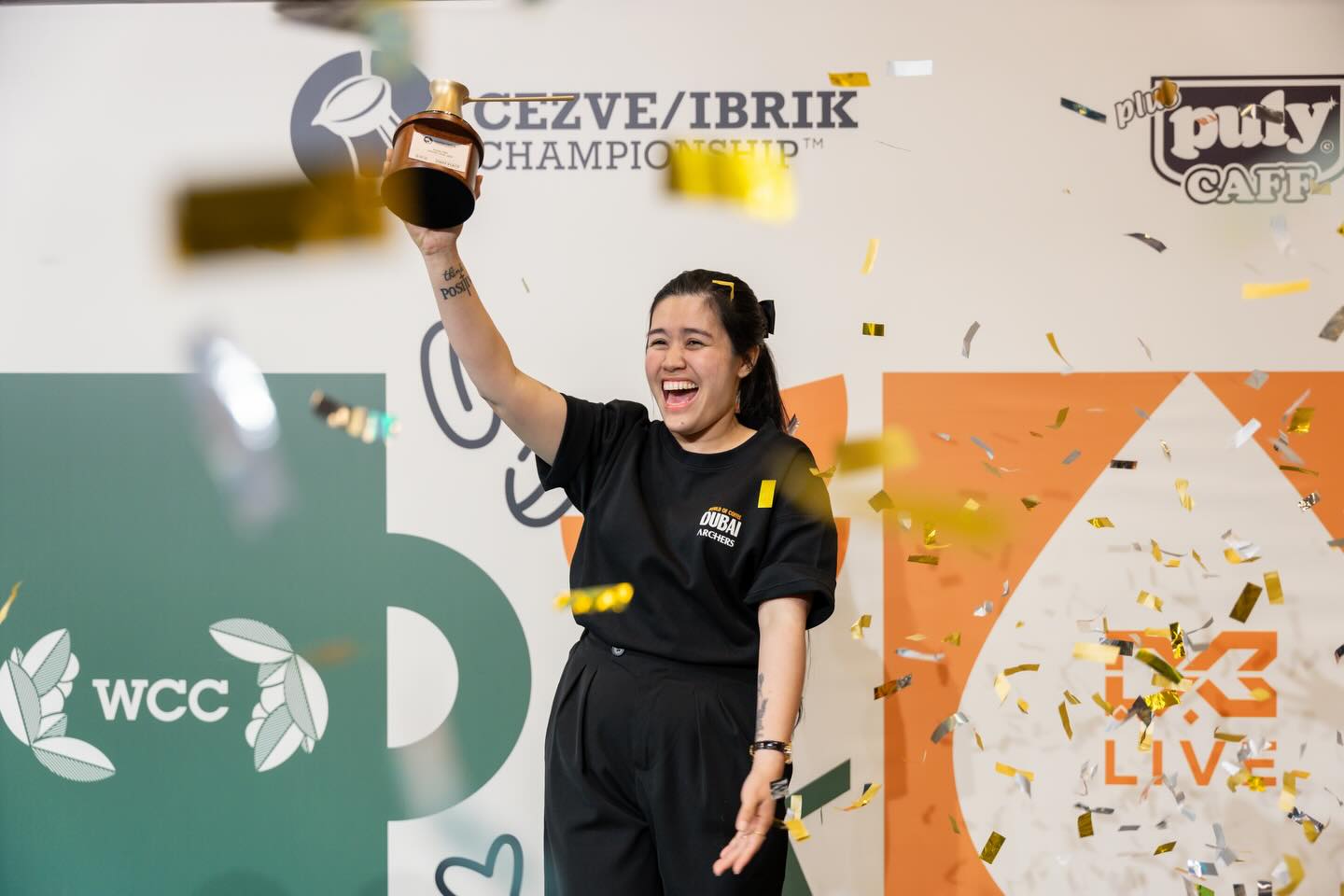
Fresh from being crowned 2026 World Cezve/Ibrik Champion, Jane Espante spoke to Qahwa World in her first interview following the historic win. The championship, the first World Coffee Championship of the year, was held as part of World of Coffee Dubai.

Representing the United Arab Emirates, Espante claimed the title after a strong final-round performance in a competition hosted in Dubai for the first time in its history. Her victory reaffirmed that one of coffee’s oldest brewing methods remains fully capable of expressing the present and shaping the future—when approached with respect and authenticity.

Asked what winning the 2026 World Cezve/Ibrik Championship meant to her, Espante’s answer was clear and direct.
“It means trust,” she said, explaining that cezve is the oldest coffee brewing method and one that shaped the coffee culture we know today—from brewing techniques to the idea of gathering around a shared cup. “Holding this title is a great honor because it allows me to respect this heritage and continue carrying it forward. This win confirmed to me that patience and sincere intention still matter in today’s coffee world.”

Reflecting on the moment her name was announced, Espante described the feeling as surreal. “I thought about the hours of training, the mistakes, and everyone who believed in me and supported me. My team gave their time, effort, and dedication to reach this moment. This win is for them.”

Jane Espante to Qahwa World: Cezve Is a Trust and Winning a Responsibility

On balancing tradition with her own creative identity, Espante said she viewed tradition as a foundation rather than a limitation. “I stayed true to the core techniques, then expressed my story through flavor, pacing, and presentation—without compromising the soul of cezve coffee.”

Speaking about representing the UAE and winning on home ground in Dubai, she said the moment was deeply meaningful. “The UAE gave me the space to grow, learn, and dream bigger. Winning here feels like giving something back to the place that shaped my professional journey.”

As for the impact of the title on her future, Espante emphasized the responsibility that comes with it. “I want to teach more, share knowledge, and show that traditional coffee is not just part of the past—it has a real place in the future of the industry.”

She concluded with a message to future competitors: “Respect the craft, but don’t erase yourself. Learn the rules deeply, then let your story guide how you present them. Honesty is always felt in the cup.”

Mokha 1450 Launches Rare Cuban Coffee in Dubai for the First Time

Dubai – Qahwa World

Year after year, Mokha 1450 continues to reinforce its distinctive annual tradition of celebrating innovation and achievement, while honoring the creators behind them—its exceptional team. As a leading name in the luxury specialty coffee sector in Dubai and the UAE, the brand remains committed to showcasing excellence at every level.

This annual celebration traditionally takes place on the sidelines of the World of Coffee Dubai exhibition, bringing together an elite group of industry leaders, including farmers, producers, traders, coffee professionals, and coffee enthusiasts from around the world. Beyond recognizing the team’s efforts, the event also marks the launch of a rare and prestigious specialty coffee edition each year.

This year, Mokha 1450 unveiled its latest limited release: the rare Cuban coffee “Extra Turquino Lavado,” considered one of the finest and rarest coffees in Cuba. The coffee originates from the Nipe–Sagua–Baracoa region, a globally recognized biodiversity hotspot and a UNESCO World Heritage Site listed as the “Archaeological Landscape of the First Coffee Plantations in the Southeast of Cuba.”

  • Unprecedented Attendance

This year’s celebration stood out for its unprecedented attendance, both in scale and caliber. The event welcomed senior officials, entrepreneurs, and leading figures from the global coffee industry, alongside coffee lovers and members of the Dubai and UAE community.

In his keynote address, Mr. Garfield Kerr, CEO of Mokha 1450, welcomed guests and described the event as exceptional, marking a significant transitional phase in the brand’s journey.

Kerr began by congratulating Mr. Andrew Tully on his appointment as President of the Specialty Coffee Association and welcomed a former SCA president, thanking both for their presence and support.

He stated: “The World of Coffee exhibition has been truly outstanding. If you’ve enjoyed this exceptional organization, the credit goes to Mr. Khaled Al Mulla, Chairman of the Specialty Coffee Association UAE. Much of the hard work happens behind the scenes, and that effort is the key to this event’s success.”

He added a special note of thanks to Mr. Andres, saying: “While everything looks perfect upon arrival, there are major challenges behind the scenes. Thanks to Khaled and Andres, everything comes together seamlessly in the end.”

Kerr emphasized that Mokha 1450’s message this year was also directed at newcomers to the coffee industry:
“The greatest minds in coffee are gathered here. If you’re looking to validate investing in this sector, this is the place to be. We meet every year to showcase innovation and shape the future of coffee.”

  • Arabic Coffee and the Palace Recipe

Garfield Kerr revealed that this year’s innovation at Mokha 1450 was crafted by Ms. Sigrid Ballard, featuring a creative reinterpretation of Arabic coffee.

“Many of our guests have never tasted Arabic coffee before, so we created a coffee cocktail inspired by it—perhaps for the first time, to my knowledge. I firmly believe that understanding any new innovation begins with tasting the original.”

He explained that Mokha 1450 had previously avoided serving Arabic coffee due to its deeply personal and cultural nature. That changed after a unique experience with a coffee-loving minister, during which a special Arabic coffee recipe was prepared inside a palace in Abu Dhabi.

“After returning to Dubai, we received a call requesting that exclusive palace recipe. This is the coffee we are serving you today, alongside Sigrid’s newly developed blend for comparison.”

Kerr noted that while “Crystal Coffee” remains one of Mokha 1450’s most iconic innovations, the Arabic coffee project holds a special place within the brand.

  • A Human Gesture and Special Tribute

In a heartfelt and dignified gesture, Kerr paid tribute to Julian, one of Mokha 1450’s earliest team members, who is no longer with the company but played a foundational role in its success.

“Julian was our first manager, and everything Mokha 1450 has achieved today is thanks to him. He challenged traditional coffee rules and relied on experimentation rather than theory alone.”

Kerr added that Julian possesses one of the finest palates in the industry, having won the UAE Coffee Tasting Championship and reached the semifinals of the World Championship. He now resides in London, where he works as a senior coffee roaster.

  • The Rare Cuban Coffee

Kerr concluded his speech by presenting this year’s rare coffee release, praising the efforts of Joey, a member of the Mokha 1450 team.

“We always strive to offer exceptionally rare coffees, and Cuban coffee is a perfect example. To my knowledge, we are the only specialty coffee café in Dubai serving Cuban coffee.”

He revealed that sourcing this edition required three years of continuous effort, beginning with initial contact with the Cuban Embassy during Expo, and expressed his hope that guests would truly enjoy this extraordinary coffee.