UNIDO and European Coffee Federation Sign Joint Declaration to Strengthen Sustainable African Coffee Value Chains

Source: Press Release – UNIDO & European Coffee Federation |
Author: Qahwa World |
Date: June 25, 2026

UNIDO and European Coffee Federation Sign Joint Declaration to Strengthen Sustainable African Coffee Value Chains

Key Takeaways:

  • UNIDO and the European Coffee Federation signed a Joint Declaration in Brussels to promote sustainable transformation across African coffee value chains.
  • The Declaration establishes a cooperation framework focused on climate resilience for smallholder farmers, improved traceability at origin, and sustainable investment.
  • A Consultative Group will be established as a neutral, pre-competitive platform for knowledge exchange among traders, roasters, exporters, and development partners.
  • The signing followed a high-level roundtable with representatives from DG INTPA, the ICO, IACO, illycaffè, Sucafina, and Volcafe.
  • The ACT Coffee Programme will drive implementation through concrete activities in Ethiopia, Kenya, Tanzania, Uganda, and Malawi.
  • ECF Secretary General: “Sustainable coffee supply chains cannot be built by the private sector or by development agencies alone.”

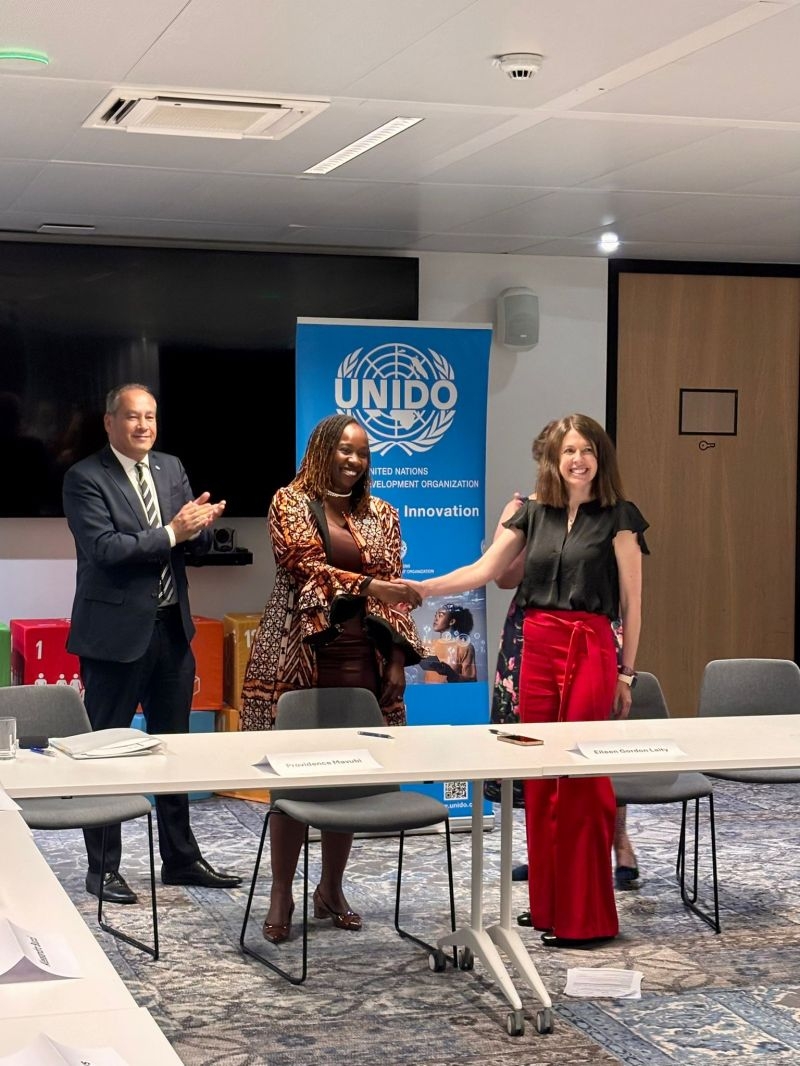
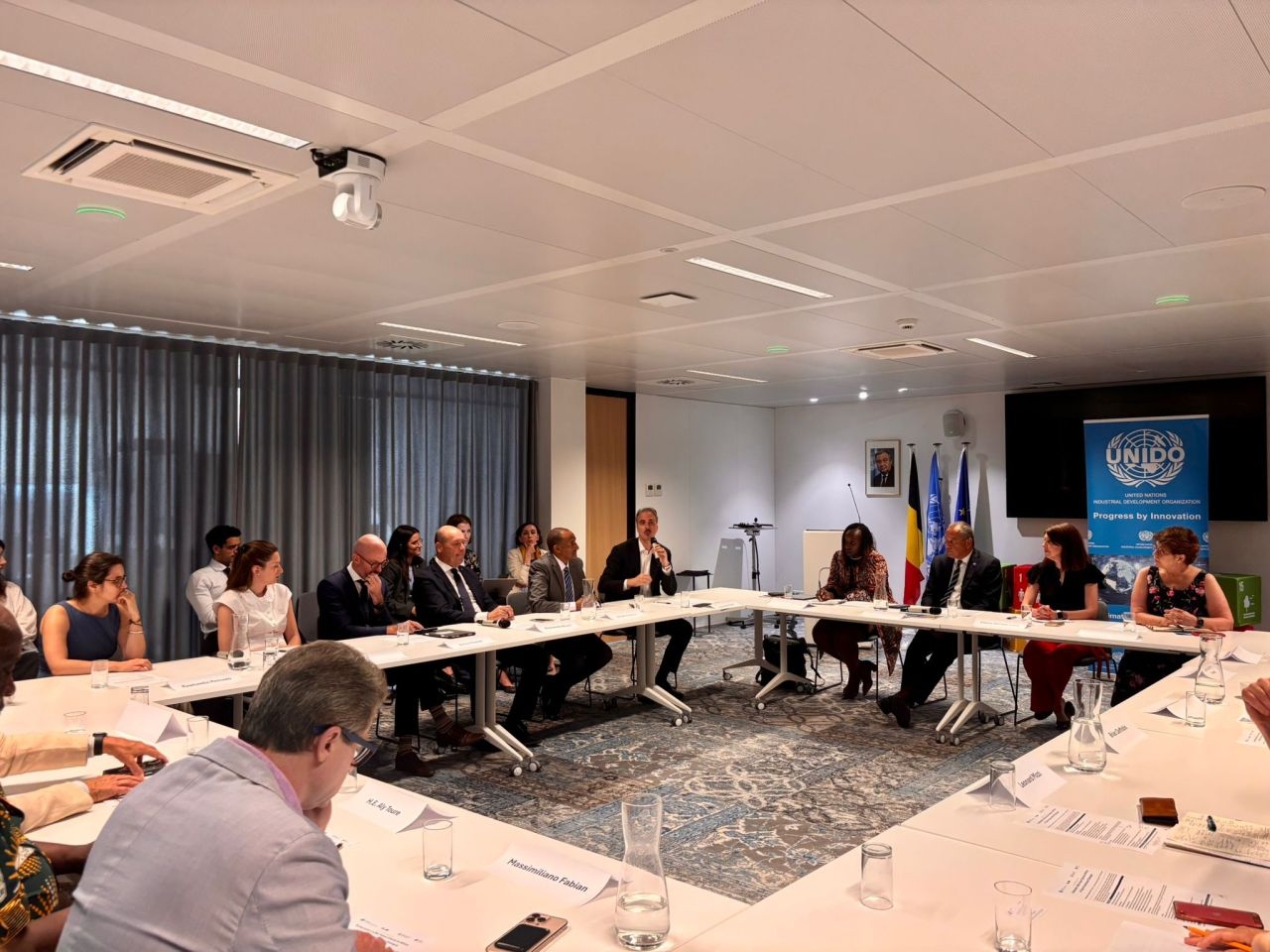
The United Nations Industrial Development Organization (UNIDO) and the European Coffee Federation (ECF) today signed a Joint Declaration at UN House Brussels, formalising a public-private commitment to promote sustainable transformation across African coffee value chains. The signing took place at the close of a high-level roundtable on “Sustainable Coffee Value Chains in Africa: A Public-Private Sector Dialogue,” convened with the participation of the European Commission’s DG INTPA, EU Member States, international organisations, and leading European coffee companies.

This Declaration comes at a critical time, as African coffee value chains face structural challenges ranging from climate change and weak infrastructure to limited access to finance, making public-private cooperation an urgent necessity to ensure the sector’s sustainability and improve the lives of millions of smallholder farmers across the continent.

A New Cooperation Framework Focused on Farmers and Sustainability

The Declaration establishes a structured cooperation framework between the two organisations, with a clear focus on supporting African coffee-producing countries, in particular smallholder farmers, to build climate resilience, improve traceability, and attract sustainable investment. A concrete outcome is the agreement to set up a Consultative Group serving as a pre-competitive, neutral platform for knowledge exchange among traders, roasters, exporters, and development partners.
Leaders: “Choosing Partnership Over Fragmentation”

Eileen Gordon Laity, Secretary General of the European Coffee Federation, said: “This Declaration formalises what the coffee sector has long recognised: sustainable coffee supply chains cannot be built by the private sector or by development agencies alone. Today, we reaffirm our shared commitment and take our collaboration one step further.”

Providence Mavubi, Managing Director, Directorate of SDG Innovation and Economic Transformation, Officer-ad-Interim, UNIDO, emphasised: “With this Joint Declaration, UNIDO and the European Coffee Federation are choosing partnership over fragmentation — a shared commitment to the producers, traders, roasters, policymakers and consumers connected in a single value chain, and to the millions of farming families whose futures depend on how we act together. This is precisely the spirit that drives the ACT Coffee Programme: turning global cooperation into concrete change on the ground for Africa’s coffee communities.”

Party Role
UNIDO United Nations Industrial Development Organization
European Coffee Federation (ECF) Representing Europe’s coffee industry
European Commission (DG INTPA) International partnerships
International Coffee Organization (ICO) Intergovernmental coffee body
Inter-African Coffee Organization (IACO) Representing African producing countries
Private Sector Companies illycaffè, Sucafina, Volcafe, Tchibo

The Consultative Group: A Neutral Platform for Knowledge Exchange

The Consultative Group agreed upon will serve as a neutral platform bringing together different stakeholders across the coffee value chain, with the aim of sharing knowledge and expertise and developing concrete technical proposals and investment projects. This platform will help guide private sector engagement in coffee policy processes at both African and global levels, enhancing coordination among different initiatives.

High-Level Roundtable with Industry Leaders

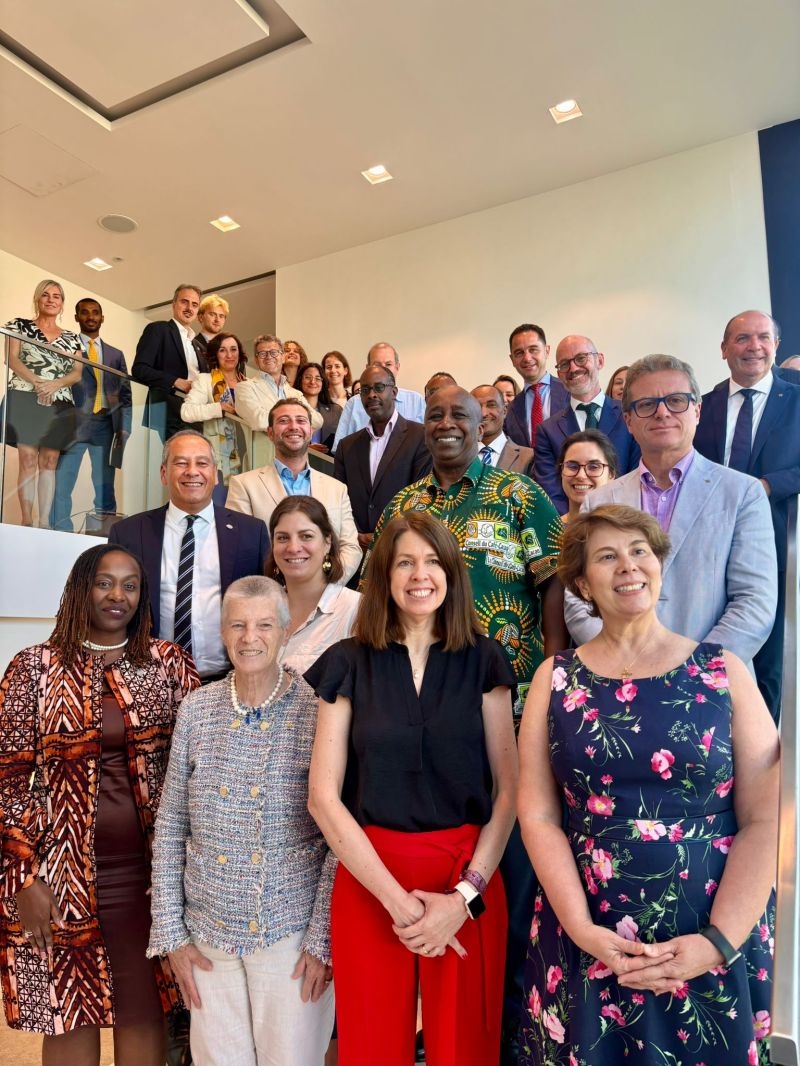
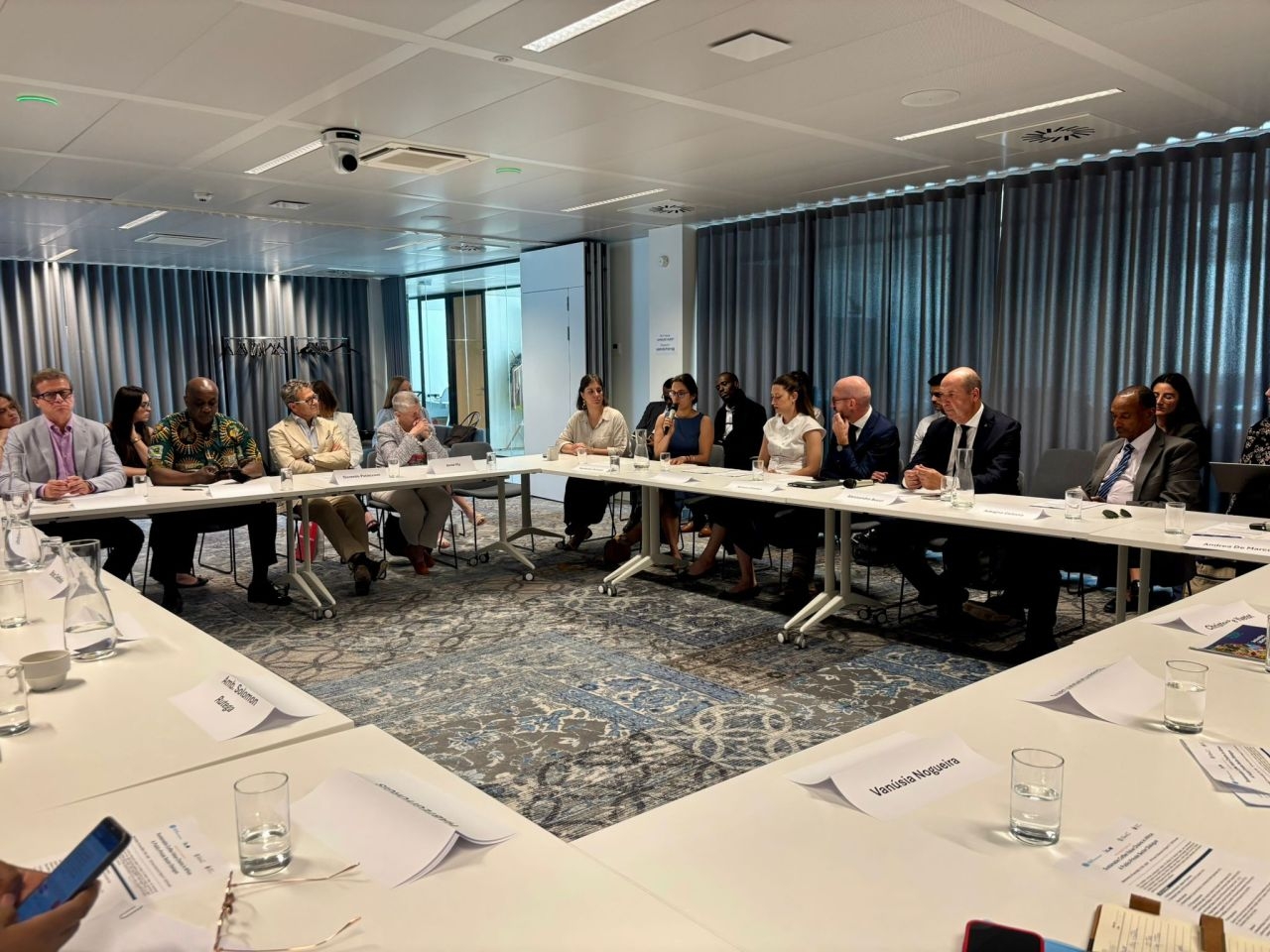
The roundtable that preceded the signing brought together private-sector leaders from illycaffè, Sucafina, Volcafe, and Tchibo, alongside senior officials from DG INTPA, the International Coffee Organization (ICO), the Inter-African Coffee Organization (IACO), the embassies of Italy and Ethiopia to the European Union, and the Ethiopian Coffee and Tea Authority (ECTA). This broad participation reflects the growing interest in enhancing the sustainability of African coffee value chains.

The ACT Coffee Programme: Driving Implementation

The ACT Coffee Programme (Advancing Climate Resilience and Transformation in African Coffee) will lead the implementation of the cooperation through targeted workshops and roundtables to develop concrete technical proposals and investment pipelines. The Programme, implemented by UNIDO and funded by the Italian Cooperation within the framework of Italy’s Mattei Plan and the EU Global Gateway Strategy, is currently active in Ethiopia, Kenya, Tanzania, Uganda, and Malawi, with the potential to expand to other African coffee-producing countries.
Why This Declaration Matters for the Coffee Sector

This Declaration represents a significant step forward in public-private cooperation in the coffee sector. By combining UNIDO’s expertise in industrial development with the ECF’s representation of the European coffee industry (which accounts for approximately 90% of all coffee imported and processed in the EU), this partnership can create tangible impact in the lives of millions of smallholder farmers in Africa while enhancing the sustainability of global supply chains.

Frequently Asked Questions About the UNIDO-ECF Joint Declaration

Q: What is the main purpose of the Joint Declaration?

A: To promote sustainable transformation across African coffee value chains through public-private cooperation, with a focus on smallholder farmers.

Q: What are the key areas of cooperation?

A: Building climate resilience, improving traceability, and attracting sustainable investment in African coffee-producing countries.

Q: What is the Consultative Group?

A: A neutral platform bringing together traders, roasters, exporters, and development partners for knowledge exchange and developing concrete technical and investment proposals.

Q: What is the ACT Coffee Programme?

A: A UNIDO-implemented programme funded by Italian Cooperation, aiming to strengthen climate resilience and transformation in African coffee, currently active in five African countries.

Q: Which countries are currently covered by the programme?

A: Ethiopia, Kenya, Tanzania, Uganda, and Malawi, with potential for expansion to other countries.

The signing of this Joint Declaration marks a pivotal moment in the development of Africa’s coffee sector. By bringing together political will, the expertise of international organisations, and the resources of the private sector, this partnership can help build more sustainable and equitable value chains, improving the lives of millions of farming families who form the backbone of Africa’s coffee industry.

Prepared and edited by: Qahwa World – Based on the press release from UNIDO and the European Coffee Federation, issued June 24, 2026.

All rights reserved. Republication with attribution permitted.

Publication date: June 25, 2026
European Commission Expands EUDR Scope to Include Soluble Coffee

Dubai – Qahwa World

The European Commission has unveiled a new package of measures aimed at simplifying the implementation of the EU Deforestation Regulation (EUDR), while also expanding the regulation to include soluble coffee.

The announcement brings greater clarity to a regulation that has faced repeated delays since it was first proposed in 2021. The EUDR officially entered into force in 2023 and was initially scheduled to apply by the end of 2024. However, concerns from industries and producing countries over preparedness and compliance requirements led to multiple postponements.

The Commission now says it is focused on ensuring the regulation becomes fully operational by 30 December 2026.

As part of the latest revisions, EU officials estimate the simplification measures could lower annual compliance and administrative costs for affected companies by approximately 75 per cent compared with the original framework.

For the coffee sector, one of the most significant developments is the decision to add soluble coffee to the regulation’s scope. Industry representatives believe the move will create more consistent rules across coffee categories and strengthen fair competition within the European market.

Eileen Gordon-Laity, Secretary General of the European Coffee Federation, said the inclusion of soluble coffee would support equal treatment across the sector while reinforcing the environmental objectives of the regulation. She noted that aligned requirements are important for companies preparing for compliance ahead of the implementation deadline.

The updated package also includes changes to the EUDR digital system, with simplified paperwork requirements for smaller producers such as farmers and foresters.

Meanwhile, companies placing products on the market for the first time, including coffee roasters and major importers, will continue to face full due diligence obligations. Businesses further down the supply chain will mainly be responsible for collecting supplier reference numbers rather than independently verifying compliance.

The Commission also proposed removing leather and retreaded tyres from the regulation’s scope. Certain packaging materials, waste products, and product samples would also receive exemptions. In addition, several palm oil derivatives are expected to be added alongside soluble coffee.

Environmental groups have called on the European Union to avoid further delays in implementing the law. Anke Schulmeister-Oldenhove from WWF’s European Policy Office said the regulation must now move from discussion to action, warning that continued postponements could weaken both enforcement efforts and environmental credibility.

The draft Delegated Act is open for public feedback until 1 June 2026.


European Coffee Federation (ECF): Shaping the Future of Coffee Trade and Sustainability in Europe

The European Coffee Federation (ECF) is the single voice of the European coffee trade and industry, facilitating the development of an environment in which the industry can meet the needs of consumers and society, while competing effectively to ensure the resilience and long-term sustainability of the coffee supply chain, from farm to cup. Established in 1981, ECF represents the interests of the European green coffee traders, roasted and soluble coffee manufacturers, decaffeinators, coffeehouses and warehousekeepers.

The European Coffee Federation counts 16 national associations and 37 company members across Europe, and speaks for over 700 companies, ranging from SMEs to internationally operating companies, representing an estimated total import volume of 40 million coffee bags, or approximately 35% of the world coffee trade volume.

ECF PRIORITIES

ECF offers a forum for exchange, identifying industry-wide issues of common interest in the areas of food safety, sustainability and international trade. The European Coffee Federation is engaged in an open dialogue with the European authorities and relevant stakeholders. We do recognise the need for an effective EU regulatory framework guaranteeing a high level of consumer protection and a level playing field for industry across Europe.

The European Coffee Federation represents the interests of its members towards the European institutions, industry and consumer associations, as well as consumers.

The European Coffee Federation is registered in the EU Transparency Register (no. 958482431512-92), a database of special interest groups whose goal is to influence the law-making and policy implementation process of the EU institutions. The European Coffee Federation complies with their Code of Conduct in all its relations with the EU institutions and their representatives.

The European Coffee Federation, as the voice of the European coffee industry, is engaged in an open dialogue with the European authorities and relevant stakeholders. We do recognise the need for an effective EU regulatory framework guaranteeing a high level of consumer protection and a level playing field for industry across Europe.

Food safety is paramount to the coffee industry. ECF works closely with regulators, scientists and stakeholders to collect and analyse data and achieve the highest compliance possible. We do anticipate emerging risks or changes in the regulatory framework, as well as advocate for a favourable regulatory environment so that our members’ products meet the highest food safety standards, the latest legal requirements and other established international safety standards.

We work closely with our Members to gather sectorial expertise and science-based evidence to support our sector’s engagement towards EU decision-makers. We do raise awareness and share expertise in the appropriate regulatory fora by providing scientific data and knowledge. We collaborate and engage with the European Food Safety Authority (EFSA) and EU authorities – by providing sectorial data and contributing to public consultations – in order to ensure that science-based decisions are adopted.

Coffee is a sought-after commodity, as it is estimated that 500 billion cups of coffee are consumed every year across the globe. Europe accounts for around 30% of global coffee consumption, making it a large and attractive coffee market. Europe has also the highest yearly consumption per capita in the world, even if consumption differs from one country to the other.

As ECF, we advocate for sustainable and resilient food systems that will develop and enhance the lives of coffee growing communities and encourage increasing consumers ethical, economic and environmental aspirations in order to embrace social responsibility and reduce their environmental footprint.

ECF and its members offer all their knowledge and experience from existing private sustainability initiatives in view of contributing to the consolidation of a global level playing field for the coffee sector.

AT ORIGIN

We support and encourage dialogue and engagement with the international coffee community to ensure that conditions are in place to improve the wellbeing, livelihoods and economic success of coffee farming communities.

The coffee sector is involved in numerous private projects, certification and verification schemes and industry-wide voluntary initiatives. The European Coffee Federation and its members strongly believe that sustainability is a shared responsibility and are therefore active in the sector-wide dialogue launched to build consensus and find actionable solutions to drive long-term sustainability in the coffee sector.

We work together and in partnership with other stakeholders in the coffee chain to ensure that coffee is sourced and products are manufactured in a responsible manner. We act as facilitators between the different sustainability initiatives, fostering mutual learning from our actions and experiences, as well as contributing to Public-Private partnerships that are so valuable to ensure sustainability programmes’ effectiveness and efficiency.

Take a look at the various sustainability initiatives in the coffee sector.

AT DESTINATION

We encourage continuous improvement of the environmental performance of coffee products, including by promoting the use of more sustainable packaging throughout the product’s life cycle.

Together with our members, we collaborate with a wide range of stakeholders, from those that source the raw materials to those that dispose of post-consumer waste to gather qualitative information to understand the sector’s performance and to minimise its footprint.

We seek new ways of improving resource efficiency and strive to reduce the environmental footprint of our products through research and innovation. We promote waste reduction in the food chain and a circular economy for coffee. We are committed to identifying efficient, responsible and sustainable solutions for the collection and recycling of coffee single serve units extracted by beverage systems.

We maintain regular discussions to ensure an evidence-based dialogue with EU and national decision-makers on policies targeting packaging and related items used to serve food & drink.

Coffee is produced in over 60 countries, in the area known as the “Coffee belt” which is located between the Tropics of Capricorn and Cancer. Each year, the EU imports over 3 million tons of green coffee from the different coffee origins.

Most of the coffee imported in 2019 originated from Brazil (980 262 tonnes) and Vietnam (725 525 tonnes). They were followed by Honduras (235 088 tonnes), Colombia (180 227 tonnes, Uganda (146 009 tonnes), India (139 688 tonnes), Peru (119 799 tonnes) and Ethiopia (83 722 tonnes).

The five main EU importers of coffee in 2019 were Germany (1.1 million tonnes) and Italy (603 983 tonnes), followed by Belgium (301 454 tonnes), Spain (270 108 tonnes), and France (233 600 tonnes).

PROMOTING COFFEE TRADE

The European Coffee Federation promotes the value of the coffee trade to the EU policy- and decision-makers and ensures that appropriate EU policies are adopted to increase the EU import capabilities, especially considering that coffee cannot be grown in the EU. ECF also informs origin countries about the latest EU policy developments and establishes solid links with them in order to coordinate the efforts towards guaranteeing sustainable imports of coffee into the European Union.

GREEN COFFEE STOCKS IN EUROPE

ECF has built ties with major coffee carrying shipping lines and European ports in order to ensure smooth logistics operations and minimize speculations in the coffee trade.

Green coffee stocks in the major coffee ports of Europe

ECF BEST SHIPPING LINE OF THE YEAR AWARD

Since 2018, ECF has been evaluating shipping line performance and awarding the best performer with the ECF Best Shipping Line of the Year award.

The award is granted based on the results of the ECF survey for shipping line performance that is distributed amongst the members of the ECF Logistics Committee.  Amongst others, the following aspects are taken into consideration: schedule, frequency, transit time performance, availability of suitable containers and vessel space, booking acceptance, timely release of container at destination or customer service.

For two consecutive years, ECF members have recognized Hapag-Lloyd as the best shipping line of the year.

EUROPEAN STANDARD CONTRACT FOR COFFEE

The trade in green coffee is facilitated if a shipment is bought and sold under the same conditions of sale. ECF provides a common contract – that is well established in the sector – to simplify the procedure and avoid misunderstandings. The ECF European Standard Contract for Coffee (ESCC) facilitates a common framework to enable an agreement between two parties, creating a legal obligation for both to perform specific acts.