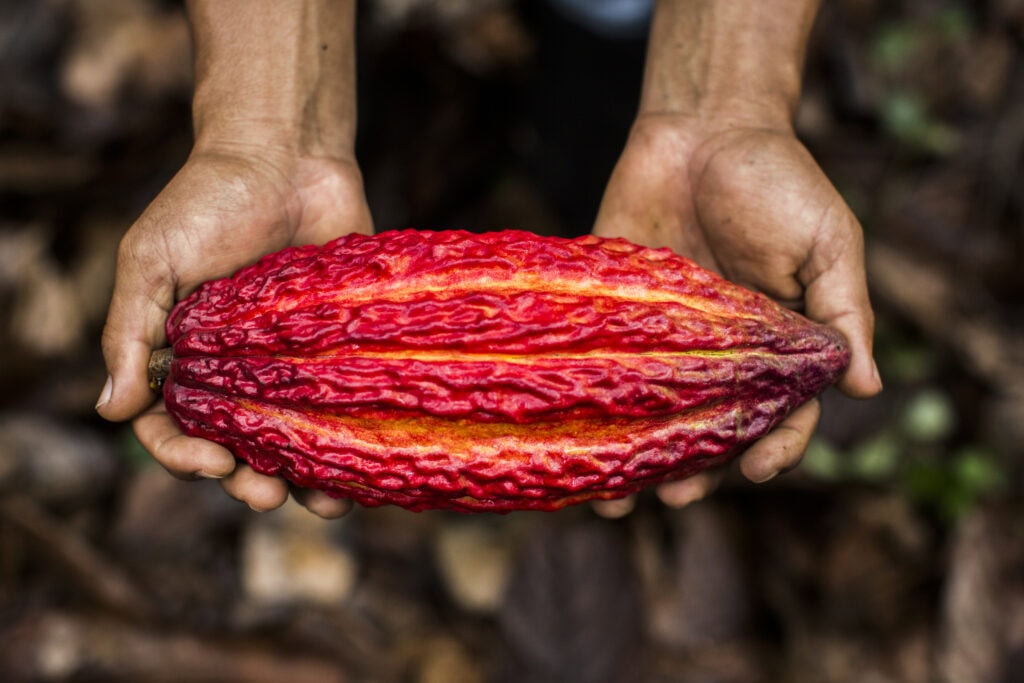
Ecuador Leads Cocoa Sector in Meeting EU Deforestation Rules

Ecuador – Qahwa World

Ecuador is positioning itself as one of the most advanced countries in adapting to the European Union Deforestation Regulation (EUDR), which is scheduled to take effect on December 30, 2026. Unlike many other cocoa origins, Ecuador’s cocoa sector already exceeds 90% compliance and is approaching full alignment, according to the National Association of Cocoa Exporters. This reflects significant progress in traceability, sustainability, and transparency, all of which are essential for continued access to the European market.

The country’s progress is supported by a long-term national strategy. For five consecutive years, Ecuador has led exports of organic products to the European Union, according to the Ministry of Agriculture and Livestock. This leadership strengthens its position in a global market where environmental compliance is becoming a mandatory requirement rather than an optional standard.

The EUDR requires proof that agricultural products are not linked to deforestation. For cocoa, this means implementing geolocation systems, farm-level monitoring, and full traceability across the supply chain. Ecuador has made notable progress in these areas through coordination between exporters, producers, and public institutions, reducing the risk of exclusion from the European market.

The country is also expanding its compliance base by integrating more producers into formal systems. National programs aim to register and support up to 100,000 cocoa and coffee farmers, helping them meet EUDR requirements and avoid potential export losses. These efforts also contribute to strengthening sector formalization and improving long-term competitiveness.

The EUDR, first proposed in 2019 and approved in 2023 by the European Parliament and the Council of the European Union, represents a major shift in global agricultural trade. After two implementation delays, the regulation is still set to apply at the end of 2026, leaving a limited adjustment period for exporting countries.

Within this context, Ecuador is not only reducing compliance risks but also gaining a competitive advantage. Its high level of readiness positions it as a reliable supplier in an increasingly strict regulatory environment.

The strength of Ecuador’s position is also linked to the scale of its cocoa industry. The country produces between 380,000 and 420,000 tons of cocoa annually and is the world’s leading exporter of fine aroma cocoa, accounting for around 60% of global supply in this segment. More than 70% of production is exported, generating between 3.5 and 4 billion US dollars annually, with the European Union as the main destination.

Cocoa production is concentrated in provinces such as Los Ríos, Guayas, and Manabí, along with other important areas including Esmeraldas and El Oro, and expanding regions in the Amazon such as Sucumbíos and Orellana. The sector involves around 600,000 families, mostly smallholder farmers. Between 15% and 25% of Ecuadorian cocoa already carries sustainability or organic certification, further reinforcing its readiness for new regulatory standards.

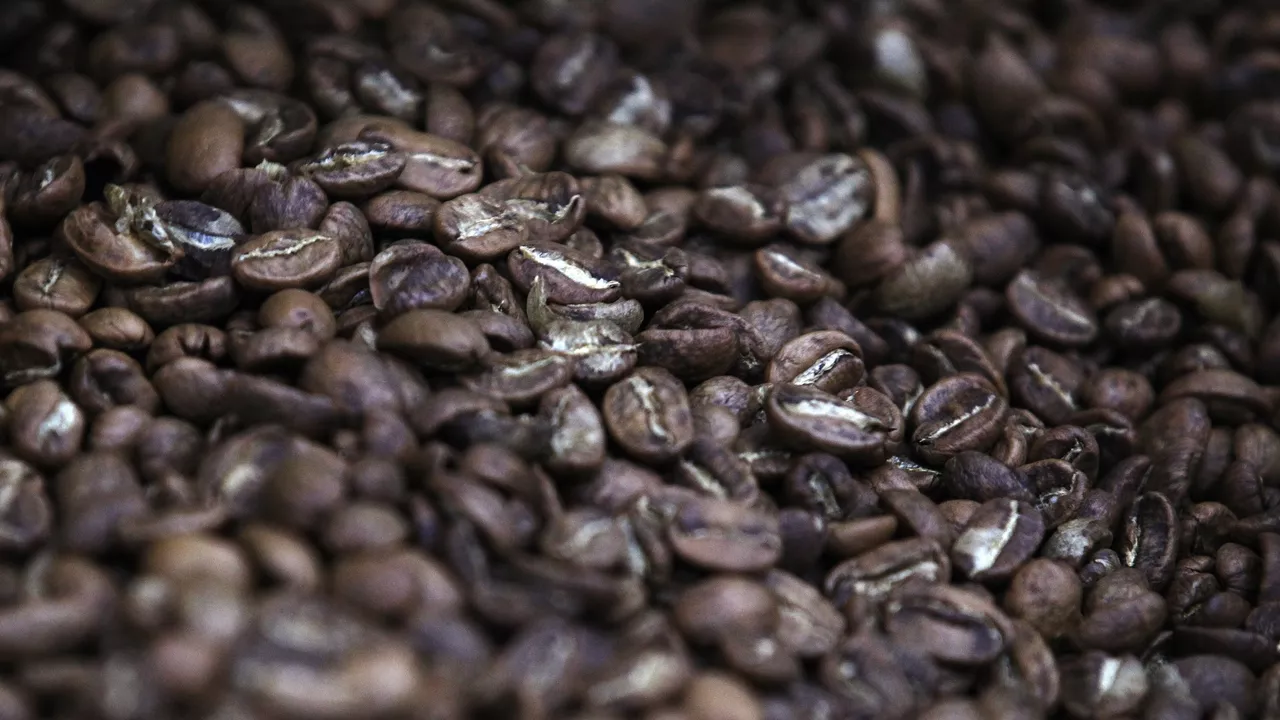
Coffee Slides on Supply Surge Signals

London – Qahwa World

Coffee futures dropped notably, with arabica hitting its lowest level in about a week and robusta sinking to a multi-month low. The decline comes as expectations grow for a significantly larger global supply, led by Brazil.

Forecasts from multiple analysts point to a record-breaking Brazilian harvest in the 2026/27 season, with estimates clustering around the mid-70 million bag range—marking a strong year-over-year increase. This optimistic outlook has weighed heavily on prices in recent sessions.

The downturn intensified as the U.S. dollar strengthened to its highest level in over ten months, adding further pressure to commodity markets, including coffee.

You may like: CQI CEO Michael Sheridan Highlights Strong Q1 2026 Momentum

Despite the broader bearish tone, some factors are offering support—particularly for robusta. Exchange-monitored inventories have tightened recently, signaling short-term supply constraints.

Logistical challenges have also emerged as shipping disruptions in key global routes have pushed up freight, insurance, and fuel costs, indirectly impacting coffee trade flows and pricing dynamics.

Weather conditions in Brazil remain another point of concern. Key growing regions have received less rainfall than usual, which could affect crop development if dryness persists.

On the inventory front, Arabica stocks tracked by exchanges have been rising, contributing to downward pressure on prices.

Read also: Roseville’s Coffee Passport brews community and business growth

Export data adds a mixed picture. Brazil reported a sharp decline in green coffee shipments in February compared to last year, alongside a broader drop in total coffee exports.

Earlier in the year, prices had already come under pressure following projections of a bumper crop in Brazil. Government and private forecasts have consistently pointed to strong production growth, especially in arabica output.

Globally, coffee supply is expected to expand further. Estimates suggest total production could reach new highs in the upcoming season, supported by gains in both Brazil and Vietnam.

Vietnam, the leading robusta producer, continues to boost exports, with shipments rising in the early months of the year. Production is also expected to increase, adding to global availability.

Meanwhile, some international data indicates only a slight dip in global exports so far this season, while overall production forecasts remain strong. However, ending stock levels are expected to tighten modestly, reflecting steady demand.

Global Coffee Exports Surge Amid Asian Growth and Latin American Decline

LONDON – Qahwa World

The latest report from the International Coffee Organization reveals profound shifts in the global trade landscape, as total coffee exports across all forms surged to 12.62 million bags in January, marking a 13.7% increase compared to the same month last year. This growth was primarily driven by an exceptional performance in the Robusta sector, which successfully offset a significant contraction in shipments from major producers in South America, reflecting a fundamental change in the global supply structure.

Data highlights a dominant performance by the Asia & Oceania region, which achieved a 54.4% growth in exports. Vietnam led this surge with 3.99 million bags exported—a 73.3% annual increase—as the country accelerated shipments to clear inventories ahead of national holidays. Africa also maintained a strong presence with 14.2% growth, notably led by Ethiopia, which saw a 51.5% jump in shipments, confirming the recovery of supply chains and the continent’s ability to capture new market shares.

You may Read: ICO February 2026 Report: Has the Inflationary Wave Receded?

In contrast, South America faced a different reality, with exports declining by 21.3%. This downturn was directly impacted by a drop in shipments from Brazil and Colombia, ranging between 19% and 22%, following unfavorable localized weather conditions. This trend extended to Mexico and Central America, which recorded a 4.2% decrease, with Honduras suffering a sharp 28.7% drop in shipments due to logistical challenges and seasonal labor shortages still hindering the pace of exports in that region.

By category, Robusta exports grew by a staggering 49.1% to reach 5.25 million bags, accounting for a larger share of the global green bean trade at 48.4%. Furthermore, the data reveals a strategic shift toward value addition in origin countries, as exports of roasted coffee jumped by 25.2%. This indicates a growing desire among producers to move beyond raw material exports toward local manufacturing to maximize economic returns amidst the rapid changes in the global coffee sector.

Uganda Projects 558,000-Ton Coffee Crop, a 15% Increase for 2025/2026

Kampala — Qahwa World

Uganda is forecasting a major rise in coffee production, projecting a 15% increase for the 2025/2026 crop year (October–September), as new coffee plantations begin to yield harvests, according to Gerald Kyalo, Commissioner of the Coffee Department at the Ministry of Agriculture.

The East African country—Africa’s leading coffee exporter—expects to harvest 558,000 metric tons, equivalent to 9.3 million 60-kilogram bags, up from 8.1 million bags in the previous season. The projection represents a 14.8% rise, or 72,000 tons more than last year’s output of 486,000 tons.

“The major reason is increased planting. Many farmers have planted coffee which we anticipate will come into production this year and will inevitably push up exports as well,” Kyalo told Reuters.

Over the past years, the government of President Yoweri Museveni has distributed free coffee seedlings to both new and existing farmers to expand their acreage or open up new farmland. Additionally, the government has been providing free fertilisers to help the country reach its ambitious target of producing 30 million bags annually by 2030.

Uganda predominantly grows the Robusta variety, though Arabica is also cultivated in highland regions. Production and export volumes have been climbing steadily, boosted by global coffee price gains and maturing new trees that have begun producing fruit.

In the 12 months to August 2025, Uganda earned $2.2 billion from coffee exports, up 57% from the previous year—a record performance that underscores the sector’s growing strength. Since the country exports nearly 95% of its coffee, the larger 2025/2026 crop is expected to further boost export revenues and consolidate Uganda’s position as a key player in the global coffee market.

With expanded planting, favourable weather, and strong global demand, Uganda continues to reinforce its status as one of Africa’s fastest-growing coffee producers—well on its path toward becoming a top global coffee powerhouse.