China Opens Market to African Coffee from July 20, 2026

Author: Qahwa World
Source: Xinhua News Agency
Date: May 29, 2026

China Opens Market to African Coffee from July 20, 2026

Executive Summary:

  • China’s General Administration of Customs announced it will allow qualified coffee beans from 53 African countries starting July 20, 2026.
  • Coffee is the second African agricultural product to receive full phytosanitary clearance after dried chili peppers.
  • Ethiopia and Burundi have already obtained export permits, while others like Mauritius, Angola, and Togo have applied.
  • China has introduced unified phytosanitary requirements, eliminating the need for separate bilateral agreements.
  • The clearance does not exempt shipments from border inspections; all must comply with customs announcement No. 68 of 2026.
  • China will continue green channel facilitation for high-quality African agricultural products.

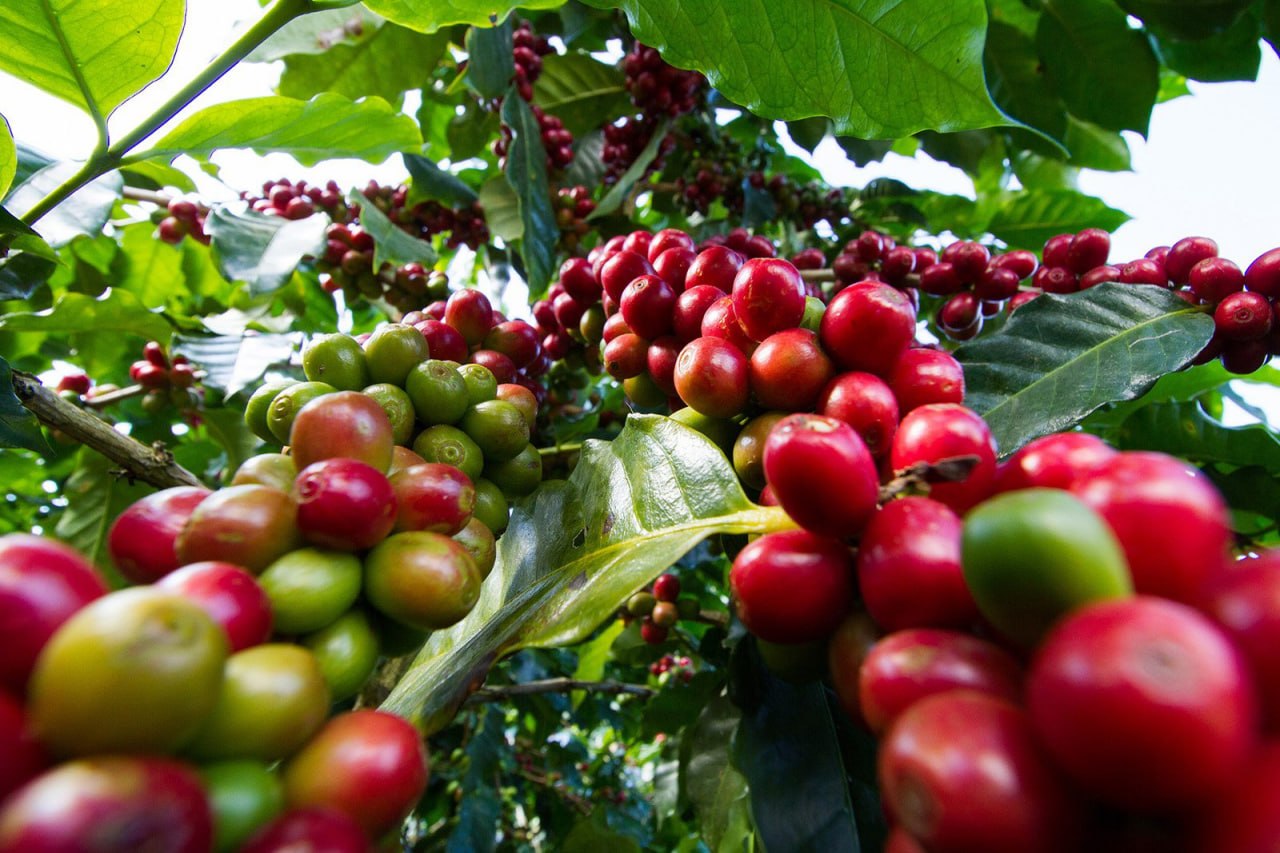
China’s General Administration of Customs has announced that the country will allow qualified coffee beans from all 53 African countries with which it has diplomatic relations to enter its market starting July 20, 2026. Coffee is a distinctive agricultural product and a key economic pillar for many African nations. It is the second African agricultural product to receive full phytosanitary clearance to enter the Chinese market after dried chili peppers, according to customs data.

Official data indicates that African countries such as Ethiopia and Burundi have already obtained permission to export coffee beans to China, while other countries including Mauritius, Angola, Togo, Guinea, Liberia, and Sao Tome and Principe have submitted export applications.

Simplified Phytosanitary Procedures

After a comprehensive assessment of African coffee production systems and pest risk management frameworks, the customs administration has established unified phytosanitary requirements. This step eliminates the previous practice of negotiating separate bilateral quarantine agreements with each applicant country, significantly streamlining entry procedures. Industry experts noted that obtaining full phytosanitary clearance does not mean exemption from border inspections. All shipments must comply with the requirements set forth in customs announcement No. 68 of 2026.

Strengthening Trade Cooperation with Africa

A customs official added that the administration will continue to apply advanced facilitation measures under the “green channel” to bring more high-quality, safe African agricultural and food products to the Chinese market. This step is part of broader efforts to enhance trade cooperation between China and African countries, open new markets for African producers, and meet the growing demand for coffee in China’s rapidly expanding coffee market.

Frequently Asked Questions (FAQ)

1. When does the policy take effect?

Starting July 20, 2026.

2. How many African countries are eligible?

53 African countries with diplomatic relations with China.

3. Does clearance mean no border inspections?

No, all shipments must comply with customs announcement No. 68 of 2026 requirements.

4. Which African countries already have export permits?

Ethiopia and Burundi, with others like Mauritius, Angola, Togo, Guinea, Liberia, and Sao Tome and Principe having applied.

5. What is the goal of this measure?

To enhance China-Africa trade cooperation, simplify import procedures, and meet China’s growing coffee demand.

6. What was the first African product to receive full clearance?

Dried chili peppers, with coffee as the second.

Qahwa World – Based on Xinhua News Agency reporting.
Published: May 29, 2026

Africa at 63: Coffee Quietly Takes Its Place in the African Union’s Continental Vision

Source: Qahwa World – Special coverage from Addis Ababa
Author: Qahwa world × Buna Kurs – ADDIS ABABA
Photographer: Antonio Fiorente
Date: May 26, 2026

Africa at 63: Coffee Quietly Takes Its Place in the African Union’s Continental Vision

Executive Summary

  • At the 2026 Africa Day celebrations at the African Union headquarters in Addis Ababa, coffee emerged as a central element of the continent’s identity and economic vision.
  • Ethiopia’s Akoya Group was the most visible private-sector presence, with an Akoya Coffee pavilion serving Ethiopian filter coffee to diplomats and guests.
  • In February 2024, African heads of state formally adopted coffee as a strategic commodity under Agenda 2063 and recognized the Inter-African Coffee Organisation (IACO) as an AU specialized agency.
  • The decision followed G25 African Coffee Summits in Nairobi, Kampala, and Dar es Salaam, pushing for roasting, branding, and value retention within Africa.
  • Coffee supports an estimated 60 million Africans, yet the continent captures only a fraction of global coffee value, which remains concentrated outside Africa.
  • AU Commission Chairperson Mahmoud Ali Youssouf highlighted Africa’s growing global role, including permanent G20 membership.

At this year’s Africa Day celebrations inside the headquarters of the African Union, coffee was never officially the central theme. And yet, across the atmosphere of the three-day commemoration – from weekend sports competitions and cultural showcases to the private-sector presence surrounding the event – the continent’s most iconic crop appeared increasingly intertwined with the larger conversation Africa is now having about identity, trade, value creation and global positioning.

Among the most visible private-sector presences throughout the celebrations was Akoya Group, the Ethiopian conglomerate whose activities span real estate, tourism, automotive and coffee export through Akoya Coffee.

Across much of the AU compound, “Akoya Africa Day 2026” branding framed the public-facing atmosphere of the commemorations, while an Akoya Coffee pavilion at the entrance of the main ceremonial hall served Ethiopian filter coffee to diplomats, dignitaries and invited guests.

From Cultural Symbol to Strategic Commodity

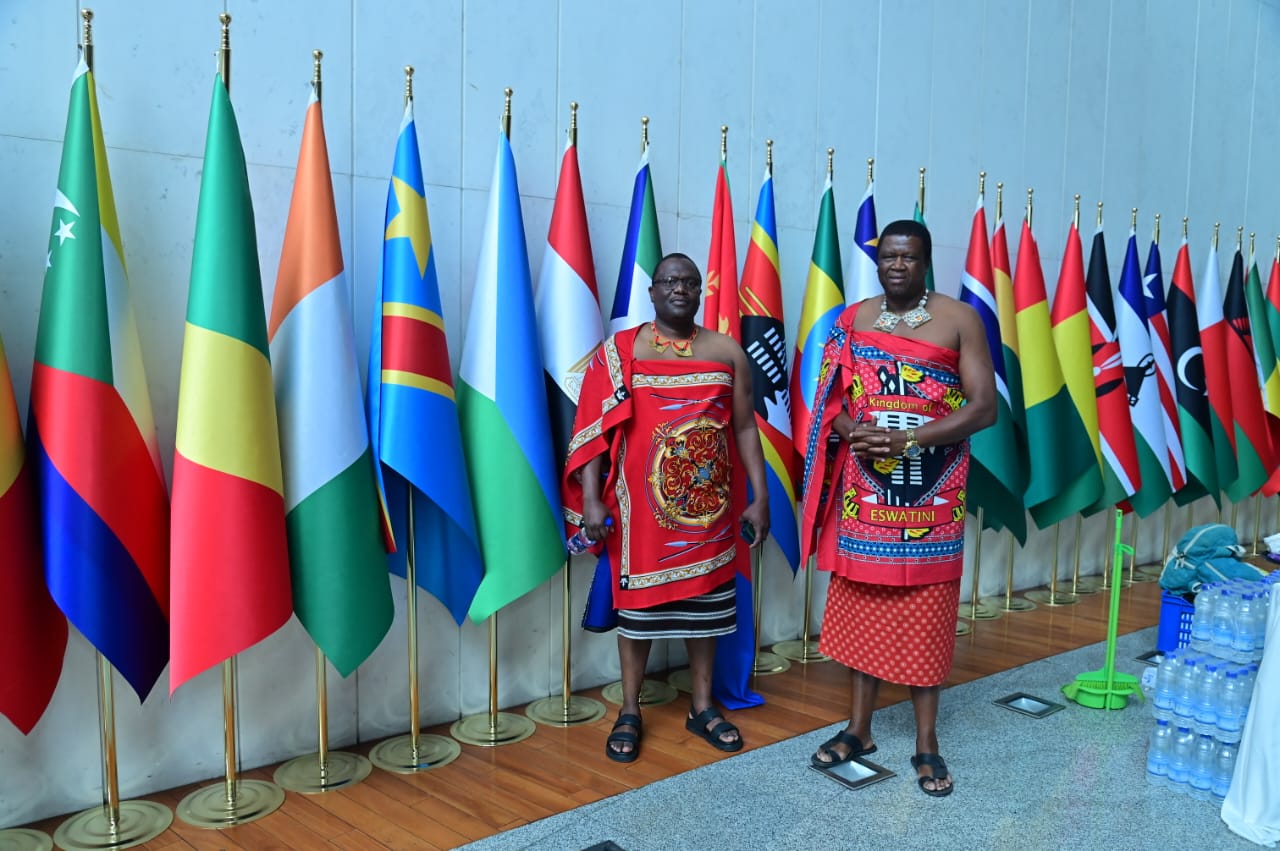
Held under the theme “Sixty-Three Years of Unity, Integration and Development – Let’s Celebrate Together,” Africa Day 2026 brought diplomats, artists, exhibitors, youth representatives and families together inside the AU headquarters in Addis Ababa, the diplomatic capital of Africa and the city most closely associated with the origins of arabica coffee itself.

As cultural performances, artisan exhibitions and public celebrations unfolded across the AU compound, coffee lingered not merely as ceremony or hospitality, but increasingly as strategy.

In his official Africa Day address, African Union Commission Chairperson Mahmoud Ali Youssouf described the occasion as both “a celebration of our shared heritage” and recognition of “Africa’s growing role in shaping global affairs,” while reaffirming the continent’s commitment to Agenda 2063 and deeper continental integration.

The Chairperson pointed to Africa’s growing global role, including the continent’s permanent membership in the G20, as evidence that Africa intends to participate more actively in shaping international economic discussions – a direction increasingly echoed in conversations surrounding African coffee, trade and value addition.

Coffee as a Strategic Commodity Under Agenda 2063

That shift is no longer symbolic. In February 2024, during the 37th Ordinary Session of the AU Assembly in Addis Ababa, African heads of state formally adopted coffee as a strategic commodity under Agenda 2063 while also recognizing the Inter-African Coffee Organisation (IACO) as a specialized agency of the African Union.

The move followed a series of G25 African Coffee Summits in Nairobi, Kampala and Dar es Salaam, where African leaders and sector stakeholders pushed for the continent to move beyond exporting raw beans toward roasting, branding and retaining more value on African soil.

For many within the sector, the message is becoming increasingly clear: the continent that gave coffee to the world is beginning to ask how much more of the coffee economy should remain within Africa itself.

Coffee today supports the livelihoods of an estimated 60 million Africans, yet the continent still captures only a fraction of the value generated by the global coffee economy, much of which remains concentrated in roasting, branding and retail markets outside Africa.

Indicator Figure
Africans whose livelihoods depend on coffee Approximately 60 million
Date of adoption as strategic commodity under Agenda 2063 February 2024
G25 African Coffee Summits locations Nairobi, Kampala, Dar es Salaam

A Distinctly African Atmosphere

Inside the AU compound over the three-day celebration, textiles, artisan stands, music, public gatherings and coffee ceremonies blended into an atmosphere that felt distinctly African and noticeably public-facing, far removed from the often formal diplomatic image associated with the institution. And perhaps that is where the deeper symbolism of coffee at Africa Day 2026 ultimately rested. At a continental gathering built around unity, integration and development, the beverage that originated in Africa appeared quietly aligned with many of the ambitions the African Union now places at the center of Agenda 2063: local manufacturing, youth employment, cross-border trade, cultural identity and stronger African ownership over globally recognized products.

At 63, Africa is not merely celebrating its heritage. It is increasingly attempting to reclaim ownership over how that heritage is processed, valued and presented to the world.

Frequently Asked Questions (FAQ)

1. What event brought coffee into the African Union’s strategic vision?

The 2026 Africa Day celebrations at the AU headquarters in Addis Ababa, where coffee emerged as a central element of identity and economic strategy.

2. When did the AU adopt coffee as a strategic commodity?

In February 2024, during the 37th Ordinary Session of the AU Assembly in Addis Ababa, under Agenda 2063.

3. What is the Inter-African Coffee Organisation (IACO)?

It is recognized as a specialized agency of the African Union, working to advance the coffee sector across the continent.

4. How many Africans depend on coffee for their livelihoods?

Approximately 60 million people.

5. Which Ethiopian company stood out at the celebration?

Akoya Group, through its Akoya Coffee pavilion.

6. What is the main message of coffee’s presence at Africa Day?

Africa is seeking to reclaim ownership of processing, valuing, and presenting its heritage, keeping more coffee value within the continent.

Author: Qahwa world × Buna Kurs – ADDIS ABABA  |
Photographer: Antonio Fiorente  |
Source: Qahwa World – Special coverage  |
Publication date: May 26, 2026

African Fine Coffees Conference 2026 Ends with Strong Market Signals

Addis Ababa  – Qahwa World × Buna Kurs

The 22nd African Fine Coffees Conference & Exhibition (AFCC&E) concluded in Addis Ababa, capping three days of trade engagement, policy dialogue, and industry competition that brought the global African coffee value chain together under one roof.

Held at the Addis International Convention Center (AICC) alongside the 3rd African Coffee Week, the conference drew a strong international turnout, reinforcing AFCC&E’s role as the central meeting point for the continent’s coffee sector.

The final day focused on concluding business discussions, announcing competition outcomes, and consolidating the policy and market signals that shaped the week’s conversations. Across the exhibition floor, exporters, roasters, and traders used the final hours to finalize cupping sessions and advance logistics discussions. Activity remained high in the B2B Cupping Pavilion, where verified seller sessions offered buyers access to late-stage samples and origin briefings.

The Africa Barista Championship concluded with the crowning of the 2026 Champion, following a closely contested finale that highlighted the growing professionalism of Africa’s coffee service sector. In the Regional Taste of Harvest competition, top honors were awarded to leading producers, reflecting the momentum for African specialty coffees in premium markets.

The Burundi Taste of Harvest Auction also closed on the final day, with winning lots achieving premium prices, underlining sustained buyer appetite for traceable, high-quality African coffees.

Beyond competitions, discussions highlighted producer preparedness for the European Union Deforestation Regulation (EUDR). Exhibitors showcased geolocation mapping and traceability systems aimed at securing continued access to European markets. The UNIDO-led ACT Coffee Programme was also referenced as a framework for strengthening competitive value chains through industrial development at origin.

International roasters noted that logistics, financing, and risk management remain the primary constraints to scaling sourcing from Africa. The conference formally concluded with the official handover ceremony, where the African Fine Coffees Association announced the host for the 23rd AFCC&E in 2027.

The event closed with a gala dinner and awards ceremony at Friendship Park, bringing together delegates and partners to mark the end of the African Coffee Week programme.

Sustainability Day Sets the Technical and Policy Tone at AFCC&E

Addis Ababa – Qahwa World × Buna Kurs

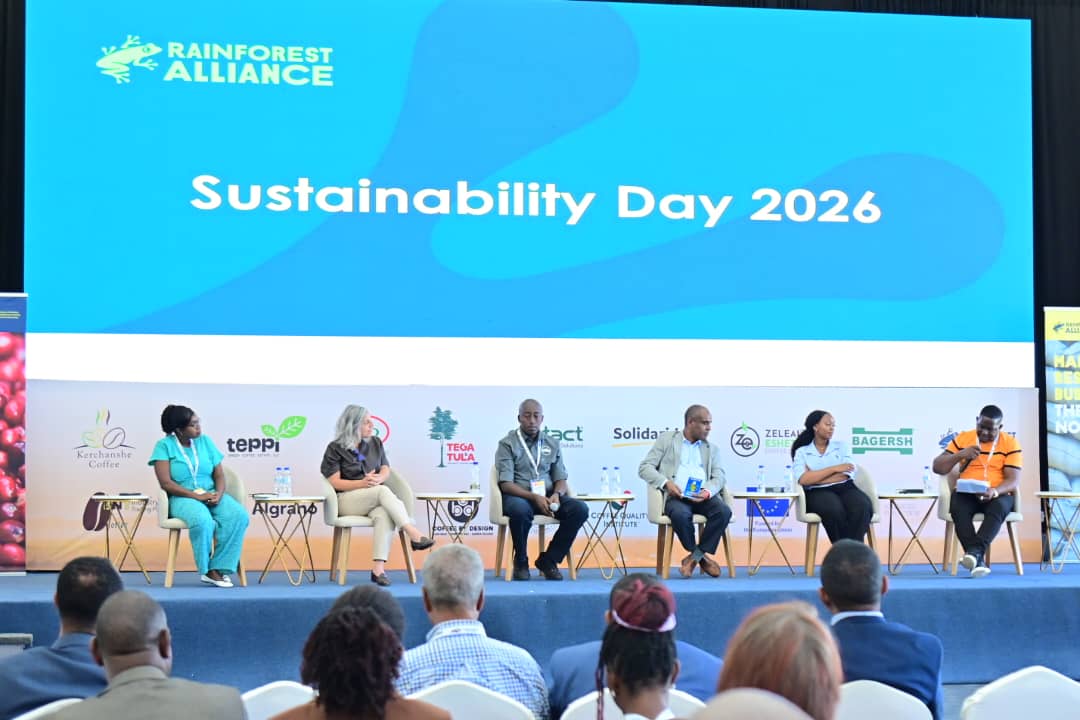
Day One of the 22nd African Fine Coffees Conference & Exhibition (AFCC&E) concluded in Addis Ababa with sustainability firmly positioned as the cornerstone of this year’s continental coffee dialogue. Following the morning’s high-level opening ceremony, the conference program transitioned into the 7th AFCA Sustainability Day, delivered in partnership with the Rainforest Alliance under the theme “Sustainability in Every Cup: Brewing a Regenerative Future, Today.”

At the center of the day’s agenda was the presentation and launch of the Rainforest Alliance Regenerative Agriculture Standard (RAS), a new certification framework designed to move beyond compliance toward ecosystem restoration and long-term farmer resilience across tropical landscapes.

Across the venue, the exhibition hall remained active throughout the day, with strong foot traffic from producers, exporters, buyers, service providers, and development partners. Exhibitors noted a visibly expanded floor layout and higher engagement compared to previous editions, reflecting both the growing scale of the event and renewed market interest in African coffee origins.

The Sustainability Day program highlighted how regenerative agriculture is being applied in practice across East Africa, with experiences shared from Kenya, Uganda, and Ethiopia, including MSuLLi, Mountain Harvest, Moplaco Farm, and sector partners working at farm, landscape, and market levels. A dedicated youth testimony segment reinforced a growing generational consensus: sustainability is no longer an add-on, but a prerequisite for remaining competitive in the global coffee sector.

Afternoon sessions shifted the discussion to the value of sustainability standards within the global supply chain, examining how certification, traceability, and transparency are increasingly shaping trade relationships. Panels featuring exporters, producers, and international buyers addressed the commercial realities of sustainability, with participation from Midrock Investments Group, Touton, ECOM, AMG Coffee Export, Preferred by Nature, and regional producer representatives.

Beyond the conference hall, B2B cupping sessions continued alongside networking activities, offering international buyers early exposure to coffees from across Africa while reinforcing the link between quality, sustainability, and market access.

Day One concluded with an invitation-only policy and networking reception, followed by the Opening Cocktail at the AICC Amphitheater, marking the informal start of a week expected to shape Africa’s coffee sustainability agenda for years to come.

Africa’s Coffee Leaders Launch Climate Transformation Plan in Addis

Addis Ababa – Qahwa World × Buna Kurs

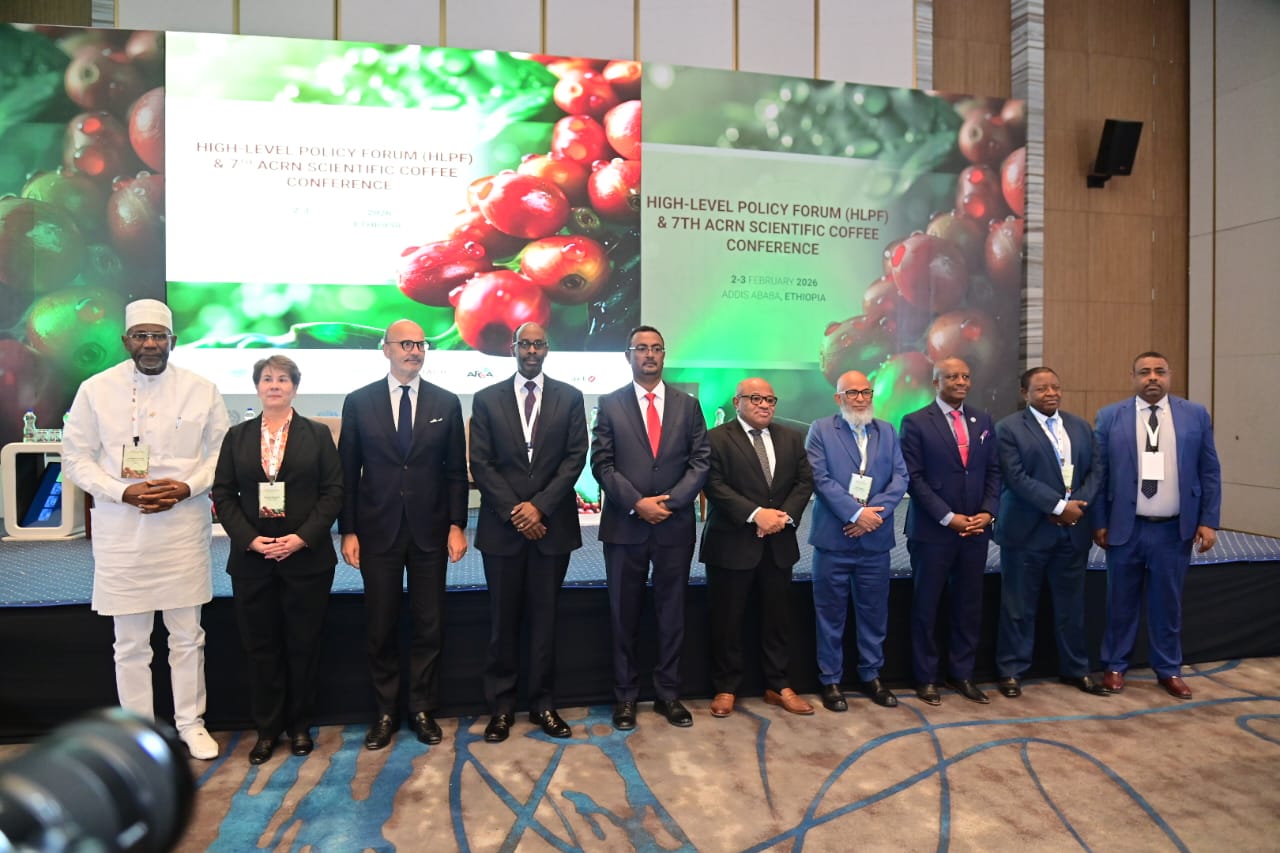
African governments, international institutions, and private sector leaders convened today in Addis Ababa for the High-Level Policy Forum held during the Third African Coffee Week. The assembly issued a strong call for coordinated action to safeguard the future of Africa’s coffee sector amid escalating climate and market pressures.

Organized by the Inter-African Coffee Organisation (IACO)—the African Union’s specialized agency for coffee—in collaboration with UNIDO, the Forum is being held under the theme: “Advancing Climate Resilience and the Transformation of the African Coffee Sector.” The event, hosted at the Skylight Hotel, brings together ministers, ambassadors, development partners, regulators, researchers, and industry executives from across Africa and beyond.

In the opening session, senior representatives of the Ethiopian government, IACO member states, the African Union, UN agencies, and international partners underscored the strategic importance of coffee to Africa’s economies and export earnings. While coffee supports millions of smallholder farmers across the continent, it faces growing risks from climate change, regulatory shifts, and limited local value addition.

The High-Level Policy Forum is anchored in the ACT Programme (Advancing Climate-Resilience and Transformation of the African Coffee Sector), a continental framework structured around five key pillars:

  1. Climate resilience

  2. Value addition and industrial transformation

  3. Compliance with international market standards

  4. Research, innovation, and knowledge sharing

  5. Social inclusion and sustainable livelihoods

Day One discussions focused on five outcome-oriented policy panels, each aimed at producing actionable recommendations and investment pathways:

  • The First Panel addressed social inclusion, emphasizing the need to place farmers, women, and youth at the center of sector transformation. Speakers highlighted inclusive business models, access to finance, and skills development as essential to long-term resilience in coffee-growing communities.

  • The Second Panel examined value addition, noting that Africa still exports the majority of its coffee as green beans. Panelists discussed the investments needed to expand local processing, roasting, and branding, specifically looking at opportunities under the African Continental Free Trade Area (AfCFTA).

  • The Third Panel was dominated by climate resilience and adaptation. Experts outlined climate-smart production systems, agroforestry, and the role of climate finance in supporting smallholder farmers, stressing that adaptation must move from pilot projects to scalable, financed solutions.

  • The Fourth Panel focused on research and innovation, calling for the integration of scientific data and digital tools into policymaking. Regional collaboration and South–South knowledge exchange were identified as key enablers of quality improvement.

  • The Final Panel addressed market access and compliance, with particular attention to the European Union Deforestation Regulation (EUDR). Speakers discussed traceability systems and how harmonized African standards can transform compliance from a barrier into a competitive advantage.

The day concluded with the official launch of the African Coffee Sustainability Standards, led by the African Organisation for Standardisation (ARSO)—a milestone aimed at strengthening market access and regulatory alignment for African producers.

The High-Level Policy Forum continues tomorrow, focusing on consolidating policy recommendations and partnership commitments under the ACT Programme.

African Coffee: Re-Engineering the 2026 Global Market

Dubai – Qahwa World

At a time when global commodity markets are reeling from extreme climate volatility hitting traditional production belts in Brazil and Vietnam, the African continent has emerged in the 2026 season as an indispensable strategic player. This year is more than just a bountiful harvest; it represents a geopolitical turning point in the coffee sector. Africa has successfully bridged a critical global production gap, preventing Arabica and Robusta prices on international exchanges from reaching catastrophic inflationary levels.

  • The Angolan Renaissance

The Angolan experience deserves careful analytical scrutiny. Having invested heavily in its coffee sector over recent years, Angola is no longer a marginal player in 2026. It has become a primary alternative supplier of high-quality Robusta. Land reclamation in regions such as Uíge has not been limited to farming; it included the commissioning of modern centralised processing units that significantly reduced post-harvest losses. This production surge has provided international roasters, particularly in Russia, with a “third option” shielded from the fluctuations of the Vietnamese market, benefiting from preferential shipping rates through recently modernised Atlantic ports.

  • Deciphering the Figures

Looking at raw data, Uganda has achieved an extraordinary milestone with exports nearing 7.05 million bags. This growth, exceeding 50% in certain annual periods, is a direct result of “agricultural intensification” policies and the distribution of high-yield seedlings. In Ethiopia, surpassing the 11 million bag mark amidst logistical challenges is an economic feat. In-depth analysis suggests that Ethiopia capitalised on a “quality premium”. While global Arabica prices surged, Ethiopia offered premium strains with moderate price increases of approximately $2 per kilogram compared to last year—a cost absorbed by quality-hungry markets, providing vital foreign exchange to support the Ethiopian trade balance.

  • Free Trade Logistics

Beyond the farms, a revolution is taking place in supply routes. In 2026, the African Continental Free Trade Area (AfCFTA) began leaving a concrete mark by reducing customs barriers between origin countries and ports. Previously, transit complexities inflated final costs unjustifiably. Today, thanks to digital coordination and standardised procedures, there has been a significant reduction in cross-border transport costs. This logistical saving is the true driver behind African exporters’ ability to offer competitive prices in the Russian market, ensuring African coffee reaches roasting facilities in Moscow and Saint Petersburg with high efficiency and freshness, despite global inflationary pressures.

  • Sustainability as an Economic Shield

African coffee in 2026 is acquiring the status of a “safe haven” for investors. Strains planted in Kenya and Tanzania have shown increased resistance to plant diseases and water scarcity. Economically, this translates to long-term stability. International roasters signing futures contracts with these origins are guaranteed supply continuity, insulated from the recurring climate shocks seen in Latin America. Today, Africa is not just selling its harvest; it is selling “sustainability” as a value-add in a turbulent global market.


Note: This analytical reading is based on Q1 2026 performance indicators and preliminary data issued by coffee development authorities in origin countries (such as UCDA and ECTA), taking into account Intercontinental Exchange (ICE) fluctuations and futures contracts reflecting growing confidence in the African crop’s ability to balance global supply and demand.


AFCA and ICO to Hold Webinar on EUDR Compliance in African Coffee Sector

Dubai, August 16, 2025 (Qahwa World) – The African Fine Coffees Association (AFCA), in partnership with the International Coffee Organization (ICO) and with support from the project “Unlocking the Potential of African Coffee” funded by the Belgian Development Agency (ENABEL), announced an upcoming webinar on the European Union Deforestation Regulation (EUDR) and its implications for Africa’s coffee sector.

The 90-minute online session will take place on September 10, 2025, from 3:00 to 4:30 PM EAT. It will cover the new requirements of the EU regulation, supply chain responsibilities, digital traceability tools, and case studies from African countries that have begun implementing compliance measures. A live Q&A with trade, sustainability, and legal experts will also be included.

EUDR: A New Era for Coffee Trade

The EUDR entered into force in December 2024. From December 30, 2025, large operators must comply, followed by small and medium businesses from June 30, 2026. Coffee entering the EU must be:

  • Proven deforestation-free after December 31, 2020

  • Traceable with precise geolocation data (GPS)

  • Supported with production dates, volumes, and sub-regional origin

  • Covered by a due diligence statement

Non-compliance could lead to import bans, product confiscation, and fines of up to 4% of annual EU turnover.

Africa’s Reliance on the EU Market

Europe is the largest destination for African coffee, importing more than €2 billion annually. Recent figures show:

  • Uganda: 72% of exports went to the EU in 2024.

  • Kenya: 57.8% of exports were EU-bound in MY 2023/24.

  • Ethiopia: Over 30% of exports went to Germany, Belgium, and Italy.

  • Rwanda: Nearly 18% of exports went to EU countries including the Netherlands and Germany.

  • Burundi: At least 45% of exports in 2023 went to Europe, mainly Germany and Italy.

  • Tanzania: Italy and Germany purchased almost $98 million worth of coffee in 2023.

A Defining Moment for African Coffee

Experts note that while compliance poses challenges for millions of smallholder farmers, who produce over 70% of Africa’s coffee, it also represents an opportunity to enhance the reputation of African coffee globally and secure long-term access to premium markets.

Registration is open via AFCA’s official channels.