Brazil’s Coffee Reality: When Climate Pressure Collides With Market Demand

Dubai – Qahwa World

This analysis is based on reporting first published by Dialogue Earth and written by Kevin Damasio. It has been adapted and republished by Qahwa World.

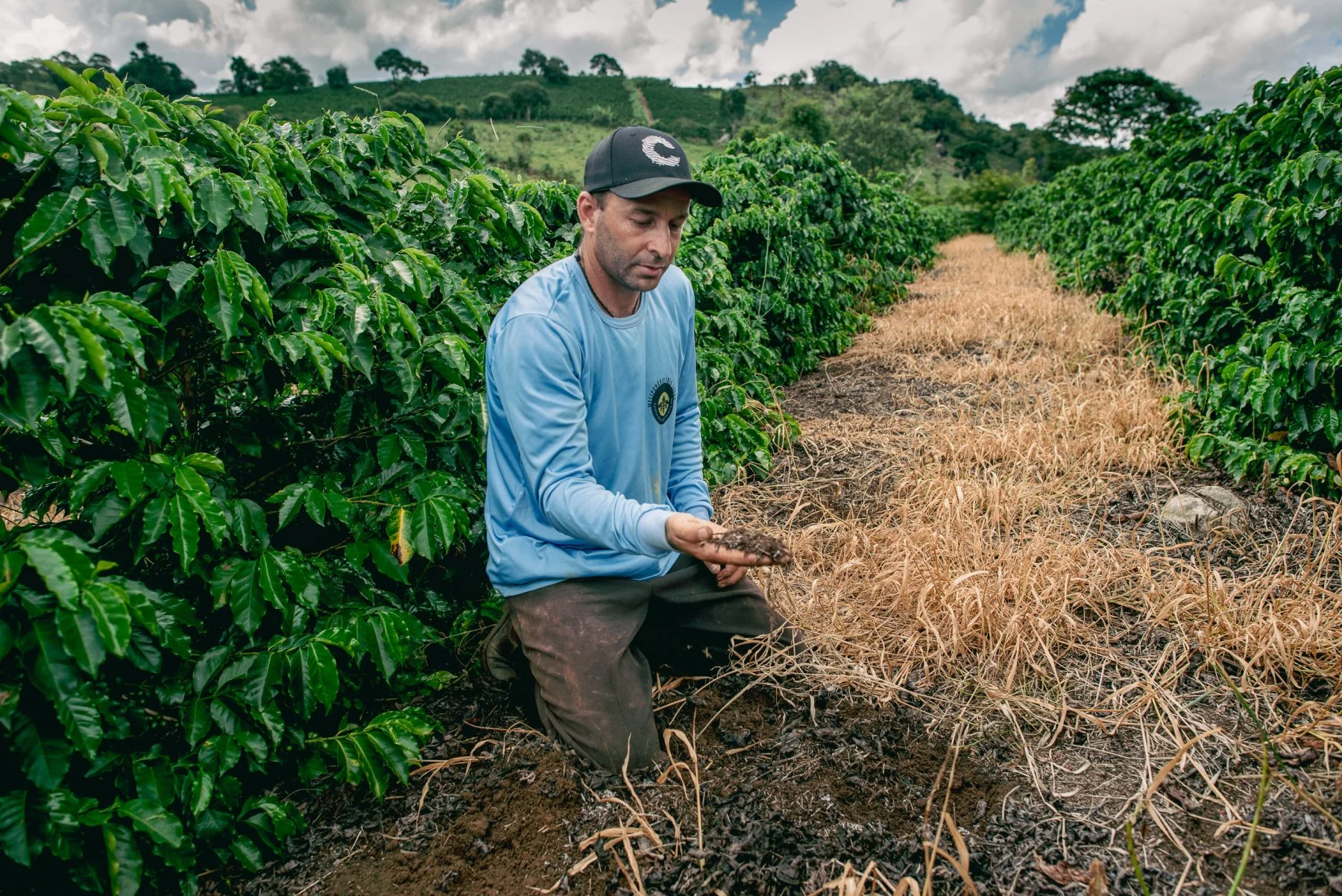
In the hills of Minas Gerais, where much of the world’s Arabica coffee is grown, a quiet transformation is underway. What was once a cycle of seasonal uncertainty has become a continuous struggle shaped by climate instability and shifting global demand.

This is no longer just a farming challenge. It is a defining moment for the future of coffee.

From Climate Variability to Climate Disruption

For generations, Brazilian coffee farmers adapted to occasional droughts, frosts, and irregular rains. Today, those events are no longer exceptions. They are part of a persistent pattern.

Longer dry periods, rising temperatures, and unpredictable rainfall are disrupting the biological rhythm of coffee itself. Flowering cycles are affected. Bean development becomes uneven. Yields lose consistency.

In regions like southern Minas Gerais, farmers are not asking if the weather will affect production. They are asking how severe the impact will be each year.

Scientific projections reinforce what farmers already experience on the ground. A significant share of Brazil’s Arabica-growing land faces the risk of becoming economically unviable in the coming decades if warming trends continue.

High Prices, Fragile Foundations

At the global level, coffee prices have surged as supply tightens. Brazil continues to generate record export revenues, even as shipment volumes fluctuate.

But this apparent strength hides a more fragile reality.

Higher prices are not translating into long-term security for producers. The cost of keeping coffee trees productive is rising. Irrigation systems, soil management, and climate-resistant varieties require investment. Losses from extreme weather events reduce financial resilience.

For many farmers, especially smallholders, the margin between survival and loss is narrowing.

The market is rewarding scarcity, but the conditions behind that scarcity are weakening the system that produces coffee.

The Retreat From Organic

One of the most telling shifts is happening in the field. Organic coffee production, once a growing segment, is under pressure.

Organic methods demand more labor, stricter management, and often higher costs. Under stable conditions, these systems can deliver value through quality and certification premiums. Under climate stress, they become harder to sustain.

As a result, some farmers are returning to conventional practices to secure more predictable yields. Even when they continue to limit chemical use, the shift reflects a deeper tension between sustainability and economic survival.

This raises an important question for the global coffee industry. Can sustainability commitments hold when producers face increasing climate risk and financial pressure?

Adaptation Becomes a Daily Practice

Across Minas Gerais, adaptation is no longer a long-term strategy. It is part of daily decision-making.

Farmers are replanting with more resilient Arabica varieties. They are improving soil cover to retain moisture. They are installing protective systems against hail and excessive sun.

Tree planting is gaining ground as a practical response. Shade reduces heat stress, stabilizes production, and creates microclimates that are more forgiving under extreme conditions.

Yet adaptation comes at a cost. Not every producer has equal access to credit, technical knowledge, or time to experiment. This creates a widening gap between those who can adjust and those who struggle to keep up.

Agroforestry and the Search for Balance

Among the emerging approaches, agroforestry stands out as both a return to coffee’s origins and a potential path forward.

By integrating trees, crops, and ecological processes, agroforestry systems aim to recreate the natural environment in which Arabica evolved. These systems can improve soil health, regulate water cycles, and reduce exposure to extreme weather.

Early results suggest strong potential in terms of resilience and quality. However, productivity gains are not always immediate, and management is more complex.

For many farmers, the question is not whether agroforestry works, but whether it is economically viable in the short term.

Without stronger institutional support, technical guidance, and market incentives, adoption is likely to remain limited.

A Changing Demand Landscape

While production faces mounting pressure, demand continues to expand.

Asia is becoming an increasingly influential force in global coffee consumption. Countries such as China, India, Indonesia, and Vietnam are reshaping how coffee is consumed, marketed, and valued.

For Brazilian producers and cooperatives, this shift offers new opportunities. It also introduces new expectations around volume, consistency, and price competitiveness.

This creates a delicate balance. Expanding into new markets may require scaling production, while climate realities are pushing toward more cautious and diversified farming systems.

The Future Is Being Rewritten in the Field

What is happening in Minas Gerais reflects a broader transformation across the global coffee sector.

Climate change is no longer a distant threat. It is actively redefining how coffee is grown. At the same time, market dynamics continue to evolve, creating both opportunity and pressure.

Farmers are responding with a mix of resilience, experimentation, and compromise. Some invest in new technologies. Others return to conventional methods. A few explore more complex ecological systems.

There is no single path forward.

What is clear is that the future of coffee will not be shaped by price alone. It will depend on how well the industry supports those at its foundation, the farmers who are adapting in real time to an increasingly uncertain environment.

For coffee, this is not just a moment of challenge. It is a moment of redefinition.
Coffee Sector Lags on Deforestation Commitments, Forest 500 Finds

DUBAI – Qahwa World

The European Union’s landmark Deforestation Regulation (EUDR) is driving corporate change across Europe, yet the coffee sector remains one of the weakest performers on key deforestation-risk indicators, according to the 2026 edition of the Forest 500 report released by UK-based environmental NGO Global Canopy.

Now in its 12th year, the annual Forest 500 assessment ranks 500 companies with the greatest influence over nine forest-risk commodities: beef, cocoa, coffee, leather, palm oil, pulp and paper, rubber, soy, and timber, using only publicly available information disclosed on company websites.

Global Canopy has publicly opposed further delays or simplifications to the EUDR. The Forest 500 initiative is supported by Climate Arc and the Norwegian Agency for Development Cooperation (Norad).

“While some battles have been won, this year’s Forest 500 data shows that the fight against deforestation is still being needlessly lost,” the report’s executive summary states. “The year 2025 was at the heart of high-profile corporate targets to end deforestation, but these have now been missed. As in previous years, too few companies are acting with enough urgency.”

Limited Progress Across Sectors

Just 68 of the 500 companies (14%) referenced the EUDR in their public deforestation-related disclosures. Traceability mechanisms showed improvement across eight of the nine commodities. However, the report describes the EUDR as arriving “in a delayed and diluted form” following the EU’s decision to postpone enforcement to December 30, 2026 for large and medium operators and traders, and June 30, 2027 for micro and small operators.

The regulation, adopted in 2023 and originally scheduled for late 2024 enforcement, aims to block deforestation-linked products from entering European supply chains.

Mixed Results for Coffee

The coffee sector delivered a mixed performance. The share of Forest 500 companies with a public deforestation-free commitment for coffee rose to 47% in 2025, up from 44% the year before. Public evidence of traceability systems also improved, climbing to 18% from 14%.

Yet on one of the report’s most concrete metrics, the percentage of companies publicly reporting that more than half their coffee volumes are deforestation- and conversion-free, coffee ranked near the bottom of all nine commodities at just 5%, down from 7% in 2024. Only leather scored lower, at 1%.

How Companies Are Scored and Categorized

Each company receives a percentage score: 25% based on the strength of its commitments and 75% on implementation, reporting, and verification.

The report groups companies into three categories:

  • Leaders: Strong commitments across all relevant commodities and significantly stronger implementation than peers.
  • Late Majority: Some intent to address deforestation, but only partial commitments and weak implementation progress.
  • Laggards: No zero-deforestation or conversion-free commitments at all.

Separately, the report identifies 14 companies that backtracked on deforestation action and 24 “persistent laggards” that have failed to publish any deforestation commitment since 2014.

Coffee Sector Standouts

Among coffee-relevant companies, Nestlé is the only Leader highlighted, scoring 71%. The company disclosed that at least 80% of its volumes in beef, coffee, palm oil, pulp and paper, and soy were deforestation- and conversion-free in 2025.

Italian firm FinLav appears in the Laggard category with a 23% score. Vietnamese coffee company Thang Loi Coffee Joint Stock Company is listed among the 14 backtrackers.

Several major roasters and buyers fall into the Late Majority: Starbucks (36%), JDE Peet’s (41%), Keurig Dr Pepper (26%), and JM Smucker (14%). On the trading side, scores include Louis Dreyfus (65%), Neumann Kaffee Gruppe (45%), Ecom Agroindustrial (38%), and Sucafina (36%).

Important Context

The Forest 500 captures only a slice of the global coffee industry and evaluates companies solely on what they publicly disclose on their own websites; it does not independently verify on-the-ground performance.

The full 2026 Forest 500 report is available at forest500.org.

Coffee Etiquette in 2026

 12 Rules for an Elegant and Mindful Café Experience

Dubai – Qahwa Word

In 2026, coffee is no longer just a morning drink. It reflects modern life: digital speed, environmental awareness, remote work, and the human need for genuine connection in a fast-paced world.

From London and Berlin streets to traditional cafés in Dubai, cafés have become spaces combining comfort and productivity, speed and reflection, technology and human warmth. Baristas are now partners in a daily experience blending craftsmanship, smart ordering techniques, and human warmth.

Twelve Rules for Coffee Etiquette in 2026

1. Choose Before You Arrive

Browse the menu in advance to save time and make a mindful choice for your health and the environment.

2. Smile and Make Eye Contact

Even with digital orders, greet the barista to keep the café warm and welcoming.

3. Be Clear and Polite

Specify milk type, temperature, and additions with a friendly smile to reduce stress and improve quality.

4. Respect the Café’s Rhythm

Use pre-ordering during peak hours to avoid disrupting workflow and other guests’ experience.

5. Trust the Barista’s Expertise

Ask for seasonal or sustainable recommendations for a unique coffee experience. Baristas may introduce you to drinks better than what you initially planned.

6. Value Time Like Coffee

After finishing, free the table for other guests, especially in fast-turnover cafés. The café is not a private office, and everyone deserves access.

7. Maintain a Quiet Atmosphere

Use headphones for calls or music, and keep your voice low. Psychological calm is now an essential part of the café experience.

8. Keep Interactions Balanced

Friendly conversation is welcome, but lengthy discussions are best outside busy hours. Don’t turn the barista into a platform for lectures.

9. Show Appreciation

Tipping demonstrates respect for the human effort behind every cup, even in budget-friendly chains.

10. Share Space Mindfully

Do not occupy large tables with devices if the café is crowded. The café is a shared space, not a temporary office.

11. Be a Sustainability Partner

Return reusable cups or leftover coffee to the barista. Sustainability in 2026 is no longer optional but a shared value.

12. Balance Technology and Humanity

Apps and kiosks are great for speed, but do not ignore the barista completely. Say thank you when receiving your order and avoid lingering at the counter. The balance between speed and warmth is key to a successful experience.

In Conclusion

Following these rules not only makes your coffee taste better, but also contributes to creating an elegant, respectful, and sustainable café culture. The café in 2026 is more than a place—it is a mirror reflecting our community values.

  • Related story:

Coffee Etiquette: 11 Tips for Café Visitors

When Coffee Enters the Age of Rules

By: Dr. Steffen Schwarz, Coffee Consulate

The future of circular coffee will not be determined by innovation alone, but by whether standards, policies and institutions recognise what coffee is becoming before the market moves on.

For many years, the coffee industry focused on taste, trade and technology, while policy was mostly background noise through customs, export paperwork, food safety, waste rules, or occasional certifications. Coffee seemed too sensory and culturally nimble to be governed like steel, energy or chemicals. That illusion is fading. Coffee now enters a new age, shaped by what institutions are ready to recognise, reward, regulate and scale.

This requires attention to standards, policy frameworks, trade rules, public-private programmes and the governance around circular coffee. The Coffee Development Report 2022–23 places coffee in a global context, linking it to European circular economy policy, ISO standards, initiatives in Brazil, Africa, India, Indonesia, and even the G7 political process supporting circular and regenerative coffee value chains.

Coffee is appearing in the language of industrial transformation, climate governance and systems design. Concepts like circular economy gain force when embedded in standards, procurement, customs codes, infrastructure, regulatory adaptation, financing and political communiqués. Coffee is approaching that threshold, and the question is whether the sector understands what is at stake.

You may like: Coffee Pulp in Brazil: When the Coffee Cherry Refuses to Be Waste

The European Circular Economy Action Plan illustrates how circularity moves from aspiration to administration. Updated monitoring frameworks include material footprint, resource productivity and consumption footprint. Supply chains are scrutinised in packaging, transport, waste systems, by-product valorisation and end-of-life pathways. Circularity becomes part of ordinary business expectations, not just a niche innovation topic.

The European Union Circular Economy Resource Centre will mobilise expertise, policies, standards, technologies, business models and learning exchange globally. Circularity is projected outward as an industrial transition and international cooperation model, placing coffee directly in its path. The sector can shape this global exchange or have standards imposed externally.

Circularity is not only a Northern invention. Brazil integrates circular economy into its 2024 G20 presidency and national strategy, redefining resource use, production chains and nature regeneration. Africa, through the Africa Circular Economy Facility, builds institutional capacity, supports private sectors, promotes circular policies and strengthens alliances. India and Indonesia embed circularity into development plans, linking coffee to bioeconomy, rural communities and women’s empowerment.

The G7 Summit 2024 included coffee in its communiqué, supporting multi-stakeholder programmes, public-private funds, and resilient circular coffee value chains. ISO standards 59004, 59010, and 59020 now guide circular economy principles, defining vocabulary, guidance and performance metrics, translating global concepts into sector-specific action.

Standards and policy frameworks are vital for fragmented coffee supply chains. Harmonised customs codes, certifications, and regulations make circular coffee legible to trade and finance, while education, training, and collaborative platforms enable practical implementation across farms, mills, roasteries, and municipalities.

For coffee businesses, value increasingly depends on compliance, circular performance, traceability, packaging, and alignment with governance infrastructure. Power in the circular age is defined by the ability to set categories, metrics, and pathways. Standards, regulations and monitoring frameworks shape coffee’s material, environmental and economic reality.

The future of coffee belongs not just to innovators, but to those who help write the rules that make innovation ordinary, trusted and scalable. Coffee has entered the age of rules, and the key question is whether the sector will arrive ready to shape them.

Rising Heat Threatens the Future of Coffee

New York – Qahwa World

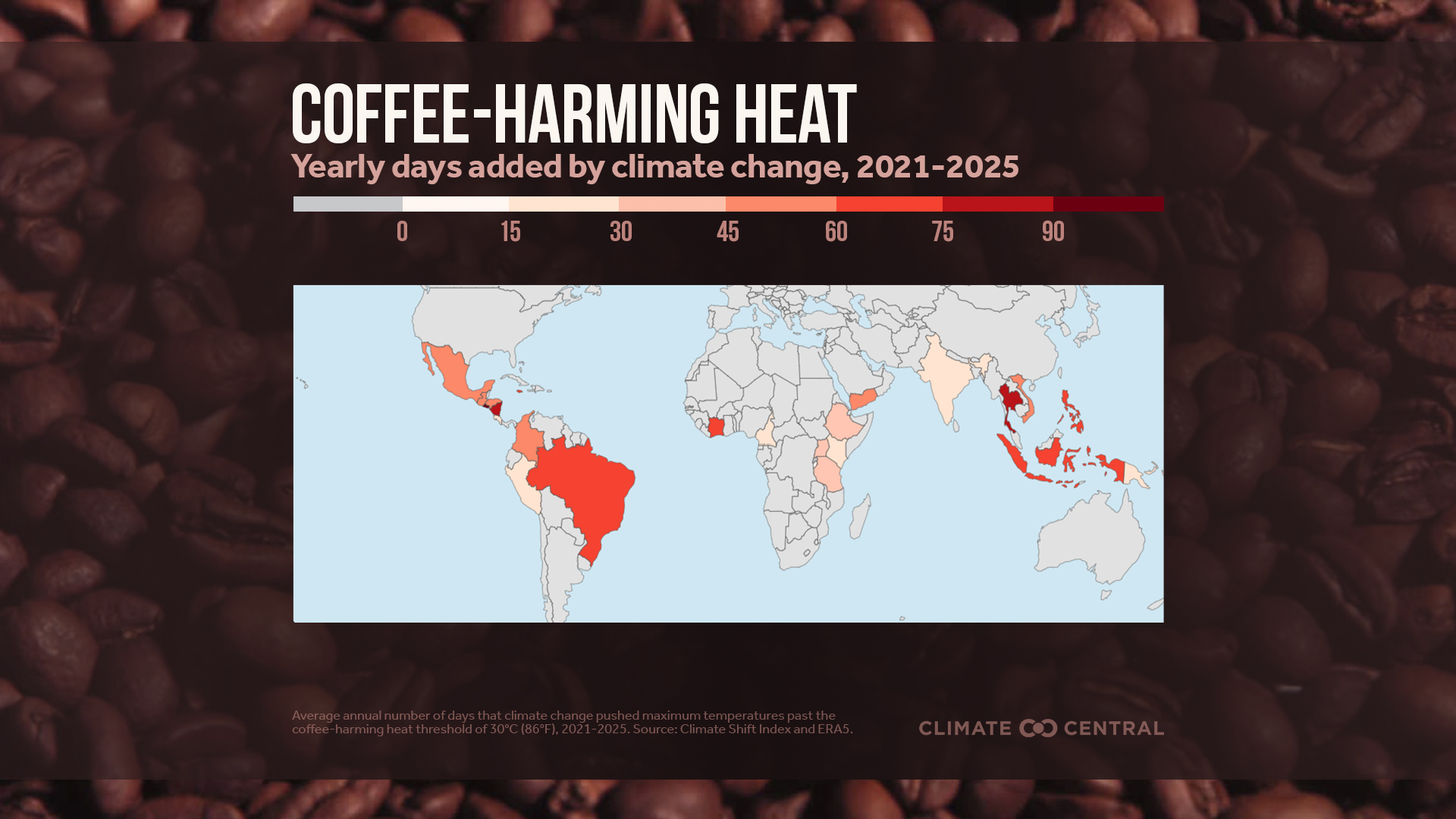
A new analysis by Climate Central (an independent group of scientists and communicators that studies and reports on climate change and its impacts on people’s lives, operating as a policy-neutral nonprofit) is raising a clear warning for the global coffee industry.

Data shows that coffee-growing regions across Latin America, Africa, and Southeast Asia are experiencing rising temperatures at an accelerated pace, faster than at any time in the modern agricultural era. An analysis of daily temperatures across coffee-producing areas reveals that plants are increasingly exposed to heat levels beyond their natural limits, placing significant pressure on yields, bean quality, and farm sustainability.

The findings indicate that extreme heat events exceeding critical thresholds for coffee plants are becoming more frequent in major producing countries such as Brazil, Colombia, Vietnam, Ethiopia, and Indonesia. These conditions are negatively affecting both major types of coffee, including those known for higher quality and those considered more resilient, impacting both quantity and quality of production.

This trend is occurring alongside broader climate instability, including irregular rainfall patterns and longer periods of drought. Farmers are reporting noticeable disruptions in flowering seasons, faster development cycles, and sudden weather shifts that damage flowers and coffee cherries. These changes make it increasingly difficult to predict key production stages and raise the risks of lower yields and soil stress.


View this post on Instagram


A post shared by Coffee Qahwa (@qahwaworld)

The impact is not limited to farms. It is also affecting global markets, where reduced harvests have led to sharp price volatility. These conditions have contributed to elevated coffee prices in recent periods, driven by tighter supply and growing uncertainty in the market.

The analysis also points to a possible shift in coffee-growing geography, with production gradually moving toward higher elevations or areas previously considered unsuitable. While this may create new economic opportunities, it also poses environmental risks, particularly deforestation as farming expands into cooler and ecologically sensitive regions.

At the same time, experts stress the importance of adaptation. Proposed solutions include the use of shade trees, improving soil health, adjusting farming practices, and supporting smallholder farmers to strengthen their resilience to rising temperatures. There is also a strong emphasis on adopting long-term strategies rather than short-term fixes.

The message is clear. Coffee-growing regions around the world are entering a period of profound climate change. Adaptation is no longer optional. It is becoming a decisive factor in determining the future of coffee production and its sustainability in the years ahead.

IHOP revamps coffee program with new exclusive blend

Dubai – Qahwa World

United States-based casual dining chain IHOP has unveiled a major update to its coffee offering, marking the first change to its program in nearly 20 years with the launch of a new proprietary blend across its locations.

Known for its focus on American breakfast cuisine, the brand operates more than 1,300 restaurants globally, with the majority based in the United States.

The newly introduced coffee, branded as the IHOP Coffee Blend, is made from 100% sustainably sourced Arabica beans from Brazil. Alongside the new blend, the company has expanded its iced coffee range with additional flavours including dulce de leche, vanilla, and chocolate.

According to Lawrence Kim, president of Dine Brands Global, the update was driven by customer feedback and evolving consumer preferences.

He noted that the company continues to monitor guest input and market trends, adding that the new coffee is intended to complement IHOP’s value offerings while reinforcing its focus on delivering a high-quality breakfast experience.

Nestlé, ILO launch two-year coffee labour rights project

Dubai – Qahwa World

Nestlé and the International Labour Organization (ILO) are expanding their long-standing partnership by launching a new, two-year project, “From fair recruitment to worker protection in coffee supply chains,” focused on promoting labour rights in the coffee supply chains of three key sourcing countries: Brazil, Colombia and Mexico.

Building on its standard-setting role and convening power, the ILO will facilitate social dialogue among governments, employers’ and workers’ organizations to identify and address key drivers of decent work deficits and labour-related risks in coffee supply chains. Based on these insights, the project will implement targeted country-level interventions to promote fair recruitment practices and labour rights. Interventions at the country level will also support global knowledge-sharing across the coffee sector.

You may also be interested in: Nestlé Considers Selling Blue Bottle Coffee Stake

Dan Rees, Director, ILO Priority Action Programme on Decent Work in Supply Chains, said: “Coffee production sustains the livelihoods of approximately 20–25 million families worldwide, generating vital income and employment. However, decent work deficits in coffee supply chains persist, particularly among seasonal and migrant workers. Through this project, we aim to advance labour rights and promote decent work and contribute to more sustainable supply chains.”

Antje Shaw, Head of Sustainability for Coffee at Nestlé, said: “Our partnership with the ILO represents a significant step to advancing and promoting human rights in coffee supply chains. By working together, we can progress faster in creating more resilient and inclusive coffee value chains, where workers are treated with dignity.”

You may also be interested in: Nestlé to Reduce Workforce as Part of Cost-Saving Drive

The project is supported by the Nescafé Plan, Nestlé’s global sustainability programme for the brand, and will contribute to the ILO Fair Recruitment Initiative, which supports the promotion and implementation of fair recruitment principles worldwide, as well as to the ILO flagship programme Safety + Health for All, particularly its Vision Zero Fund, which promotes the fundamental right to a safe and healthy working environment in supply chains.

Nestlé is a founding member of the Child Labour Platform (CLP) convened by the ILO and a partner in projects aimed at promoting decent work in agricultural supply chains.

Ethiopia Bolsters Global Coffee Competitiveness with Landmark Digital Handover

ADDIS ABABA – Qahwa World

The Ethiopian coffee industry achieved a significant digital milestone on 27 March 2026, as the Ethiopian Coffee and Tea Authority (ECTA) officially concluded the technical handover of the Ethiopian Coffee Traceability and Management System (ECTMS).

Developed in collaboration with the Deutsche Gesellschaft für Internationale Zusammenarbeit (GIZ) through its SUVASE project, and with technical implementation by the Ethiopian software firm Vulcan ICT, the ECTMS represents a state-of-the-art digital platform. It aims to deliver end-to-end transparency and traceability for the world’s most iconic coffee origin—home to the ancient forests that gave birth to Arabica coffee.

You may read: Ethiopia Strengthens Coffee Ties with China

  • A Digital Shield Against Stringent Global Regulations

As international sustainability requirements tighten—especially the EU Deforestation Regulation (EUDR)—the ECTMS equips Ethiopia with a critical technological advantage. The system addresses the EUDR’s core demands for geolocation data, proof of deforestation-free production (post-31 December 2020 cutoff), and full supply chain traceability.

The system features three core functionalities:

Precision Geodata Collection: A dedicated mobile application enables field agents and farmers to capture exact GPS coordinates and plot-level details from coffee farms across the country.

Seamless Logistics Tracking: Real-time digital documentation of the entire goods flow, from farm to export, replacing outdated paper-based processes.

Read Also: Chinese Firm Huichuan to Invest in Ethiopia Coffee Processing

Advanced Deforestation Risk Analysis: Integrated mapping tools assess cultivation areas against deforestation risks, helping ensure compliance with global sustainability standards.

By generating verifiable, auditable data, the ECTMS helps European importers fulfill their due diligence obligations, safeguarding continued access for Ethiopian coffee to one of its largest and most lucrative markets.

  • Efficiency, Trust, and Farmer Empowerment

At the handover workshop, ECTA Director General H.E. Dr. Adugna Debela emphasized the evolving demands of the global coffee market.

“Trustworthy traceability is no longer optional; it is the backbone of Ethiopia’s global competitiveness,” Dr. Adugna stated. “We are committed to leveraging technology to enhance sustainability, ensuring better market access and, ultimately, increased revenue for our farmers. We extend our sincere gratitude to GIZ and Vulcan ICT for their partnership in developing this essential trust mechanism.”

Read Also: Ethiopia and China Strengthen Coffee Sector Cooperation

The ECTMS shifts Ethiopia from traditional paper-based certifications to a modern, user-friendly digital ecosystem. For the millions of smallholder farmers who form the backbone of the sector, this means their coffee’s origin, ethical production, and environmental footprint can now be reliably documented and promoted.

  • Strategic Importance in a Booming Sector

This initiative comes as Ethiopia’s coffee sector continues to post impressive gains. In the 2024/25 fiscal year, the country achieved record exports of approximately 470,000 tons, generating over USD 2.6 billion in revenue. Early performance in 2025/26 has also been strong, with ambitions targeting up to USD 3 billion in coffee earnings for the full year.

Projections for the 2025/26 marketing year estimate production at around 11.6 million 60-kg bags, with exports potentially reaching 7.8 million bags, supported by favorable conditions, tree rejuvenation programs, and policy reforms. By aligning with global expectations, the ECTMS positions Ethiopian coffee—prized for unique flavor profiles from regions like Yirgacheffe, Sidama, and Guji—to command premium prices in both specialty and mainstream segments.

  • Looking Ahead

While the system marks major progress, full-scale adoption remains a challenge due to the fragmented nature of Ethiopia’s roughly four million smallholder farms. ECTA has indicated plans to issue directives for centralizing geolocation data to avoid fragmentation.

As the EUDR enforcement deadline approaches (December 2026 for large operators), full implementation and widespread adoption across cooperatives, exporters, and regional authorities will be key to translating this technological milestone into tangible benefits for farmers and sustained growth for the national economy.

Gostoso Coffee: Redefining Brazilian Specialty Coffee

Dubai – Qahwa World

In recent years, Brazil has reaffirmed its position as the world’s largest coffee producer and a growing hub of innovation within the specialty coffee sector. In this evolving landscape, a new generation of Brazilian‑born brands is emerging, shifting coffee’s image from a bulk commodity to a crafted experience. Among them, Gostoso Coffee is beginning to stand out for its clarity of vision, authenticity, and long‑term direction.

  • From Dubai to the Origin: A New Chapter

Gostoso Coffee was founded in 2019 by Brazilian entrepreneur Colin James Francis, after his move to the UAE and his decision to launch a brand that would represent Brazil on the global stage. Over time, the company combined Brazilian agronomy with Emirati‑based roasting operations (Karam Food Inds., Dubai), positioning itself at the intersection of origin and innovation.

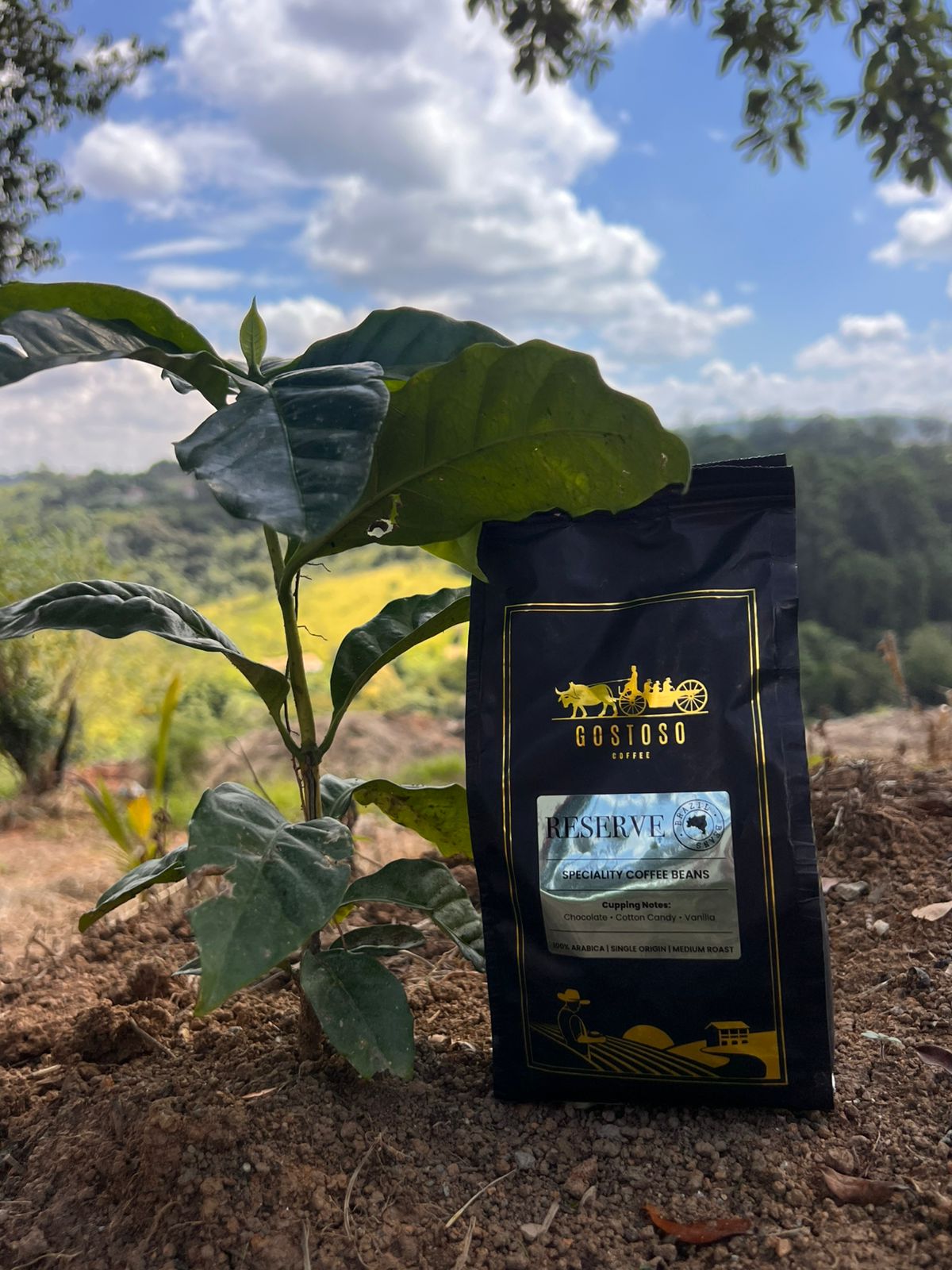
Recently, Gostoso made a strategic return to its roots by establishing a coffee plantation in Brazil, in the prestigious region of São Roque, São Paulo—internationally known as the “City of the Wine Route.” Following rigorous soil analysis, terroir selection, and assessment of climatic conditions suited to rare Arabica varieties, the company chose an estate that blends natural beauty, heritage architecture, and production potential.

The property is set in a mountainous landscape surrounded by the Atlantic Forest, with a historic headquarters built in Riga pine wood using Norman architecture. Designed to be open to the public, the farm will host visits, educational tours, and immersive experiences on coffee, origin, and the global trends shaping the world’s second‑most‑consumed beverage. This project aims to re‑establish São Paulo as a globally recognized specialty‑coffee region, echoing the state’s prominence in the 1950s and 1960s—this time with a focus on quality, rarity, and sustainability.

  • Beyond Commodity: A Global Vision Guided by Ethics

Gostoso Coffee was created to challenge the traditional power structure in coffee: to reduce the role of exploitative middlemen and protect farmers, cooperatives, and origin. From Brazil, the brand controls the entire value chain, from rare plantations to its roastery in Dubai, UAE, ensuring transparency, traceability, and fair practices at every stage.

Under the leadership of CEO Colin James Francis, recognized internationally for ethical sourcing and manufacturing excellence in the UAE, India, and Hong Kong, Gostoso supports and expands Brazilian cooperatives, helping them produce higher‑quality outputs at a larger scale using rare Arabica and Liberica varieties. With a strategic base in Dubai, the brand is positioned to scale across the Middle East, Asia, and the Far East, bringing Brazilian excellence to the world without compromise.

  • Farm and Plantation: Innovation Meets Nature

Located in a mountainous region of Brazil, the Gostoso Coffee Farm is opening new pathways in specialty production. The farm is developing Geisha Arabica, one of the world’s most exclusive coffee varieties, traditionally associated with high altitude Panama, where micro‑lots have recently reached around USD 30,000 per kg. At Gostoso, this cultivar grows under the natural shade of the Atlantic Forest, a terroir that imparts remarkable complexity, elegance, and cup identity.

Sustainability is central to the farm’s operations. Over 15% of the property is preserved as a legally protected Permanent Preservation Area (APP), in full compliance with Brazilian environmental law. The estate lies within the São Roque Atlantic Forest, a region recognized by UNESCO for its ecological value and biodiversity.

The native forest hosts species such as peroba, cedar, pau‑d’alho, mulberry, white fig, jatobá, cinnamon, and ipê, along with a rich variety of wildlife. The farm also cultivates more than 30 fruit varieties, including jabuticaba, uvaia, cacao, pecans, chestnuts, passion fruit, bananas, berries, avocado, jambo, pitanga, and mango, while maintaining beehives to support pollination of coffee plants. As the team puts it: “Nature is our alliance; we work as a cohesive unit.”

  • More Than a Farm — A Destination at Origin

Gostoso Coffee is designed to attract both national and international visitors, not only for its rare coffees but also for the natural and cultural beauty of the region. The farm offers eco‑walks, birdwatching spots, and meaningful experiences that connect guests with the land, the process, and the story behind every cup. As the estate expands, visitors will encounter an ever‑growing diversity of rare coffee varieties, all cultivated with precision and care.

  • Rare Coffee Varieties: Geisha, Arabica, and more

Geisha Arabica is one of the rarest and most celebrated coffee varieties worldwide, renowned for its extraordinary cup complexity, with delicate jasmine‑like florals, vibrant citrus notes, and subtle hints of tropical fruits. The variety gained global fame after winning the Best of Panama competition in 2004 and has since become a benchmark for excellence in specialty coffee.

Demanding cultivation, low yields, and exceptional quality have made Geisha synonymous with luxury and exclusivity. Traditionally grown in Panama, it now also flourishes at Gostoso Coffee Farm in São Roque, São Paulo. Geisha is one of seven exclusive coffee varieties cultivated at the estate, where terroir, technical precision, and passion converge to create a distinctive profile.

  • Empowering Women in Agriculture

Women are at the heart of the Gostoso story. Globally, women represent nearly 47% of the agricultural workforce, shaping farming with resilience and care. At the Gostoso Coffee Farm, 25% of the labor force consists of skilled, experienced women working across seedling production, nursery management, harvesting, and quality control.

Their presence enriches every stage of production and reinforces the brand’s mission to deliver coffee that is Gostoso—good, authentic, and deeply human. Their dedication can be tasted in every cup, from the first seedling to the final brew. As the farm grows, it does so driven by respect for people, partners, and consumers.

  • Scaling with Technology, Genetics, and Vision

Gostoso Coffee is scaling not only in size but also in scientific and technological sophistication. The farm employs state‑of‑the‑art agricultural technology, advanced agronomic methods, and rare coffee genetics to redefine the future of coffee production. The mission extends beyond the farm: it aims to reshape the geography and history of the global coffee industry, restoring São Paulo as a strategic and influential origin on the world coffee map.

This long-term project is built on innovation, sustainability, traceability, and excellence, targeting those who see coffee as more than a beverage—as a legacy. Partners and investors who share this vision are invited to co‑build a project that is timeless, scalable, and globally relevant.

  • Plantation Progress and Technical Precision

The farm recently completed a root development test 60 days after planting, with highly promising results. Seedlings showed over 15 cm of root growth, with strong, healthy structures and excellent formation. This confirms that soil preparation, planting depth, spacing, and fertilization were executed with precision.

Deep root systems enhance drought resistance, nutrient uptake, and uniform growth, laying a solid foundation for future productivity. Every stage is closely monitored to ensure quality from the very beginning—coffee is planted today but harvested with strategy tomorrow.

  • Conclusion: Brazilian Coffee in Motion

Gostoso Coffee reflects a broader shift in the specialty coffee sector. Consumers are increasingly interested in origin, traceability, and environmental impact, and brands that articulate these values clearly gain a competitive edge—even before full operational maturity. The specialty market remains highly demanding, with traditional regions such as Sul de Minas, Cerrado Mineiro, and Alta Mogiana having built their reputations over decades. Entering this space requires both a compelling narrative and consistent delivery and transparency.

Initiatives like Gostoso Coffee demonstrate that Brazilian coffee is evolving — and that the future of the industry will be shaped not only by the quality of the bean but also by the quality of the story that accompanies it.

As a result of this journey, the team behind Gostoso Coffee launched Tawa Arabic Coffee in 2026 at the Museum of Coffee in Dubai, UAE—a new chapter that bridges Brazilian excellence with the rich heritage of Arabic coffee culture.


Brazil’s Robusta Coffee Expands as Climate Hits Global Crops

Dubai – Qahwa World

A report published by The Guardian highlights how Brazil’s long-overlooked robusta coffee is gaining new importance as climate change disrupts traditional coffee cultivation worldwide.

In the Brazilian Amazon, the story of robusta is closely tied to the resilience of Indigenous communities. When the Paiter Suruí people regained control of their land in 1981 after expelling invaders, they faced a difficult choice: whether to keep the coffee plantations left behind. While some associated the crop with a painful past and chose to destroy it, others preserved the trees.

Decades later, those surviving plantations have become a source of livelihood and environmental stewardship. Today, coffee is not only an economic activity but also part of a broader effort to protect the forest.

You may read: Brazil Crop Expectations Pressure Global Coffee Prices

Celeste Paytxayeb Suruí, an Indigenous barista and producer, has become one of the leading voices promoting what is now known as “Amazonian robusta,” grown in Rondônia, in Brazil’s western Amazon. Around 140 Suruí families cultivate coffee on small plots within the Sete de Setembro Indigenous territory, where high temperatures and abundant rainfall provide ideal conditions for the crop—similar to its origins in Central Africa.

A Changing Role for Robusta

For decades, robusta coffee was widely viewed as inferior to arabica, often criticized for its bitterness and relegated to low-cost blends. However, as The Guardian reports, this perception is shifting.

Researchers and farmers are working to improve robusta’s quality, while its natural tolerance to heat is making it increasingly important in a warming world. Its share of global coffee production has risen significantly, reaching 44% in 2023 compared to 28% in the early 1990s.

Climate change is a key driver behind this shift. Rising temperatures are affecting all major coffee-producing regions, including Brazil, which now experiences significantly more extreme heat days each year.

You may also read: Brazil’s Specialty Coffee Sector Gains Global Momentum

Yet robusta is not immune. In 2024, drought conditions in Rondônia reduced production on Suruí lands by 40%, reflecting the crop’s dependence on rainfall. Similar weather events in Brazil and Vietnam contributed to sharp increases in global coffee prices.

Looking ahead, research suggests that the land suitable for growing coffee could shrink by at least half by 2050, affecting both arabica and robusta.

Science and Innovation

To address these challenges, Brazilian researchers have been working to develop more resilient coffee varieties. The country’s agricultural research body, Embrapa, has spent over two decades improving robusta, significantly increasing its productivity.

Read also: Coffee Prices Drop on Brazil Weather and Rising Stocks

Amazonian robusta itself is the result of natural crossings between conilon and robusta plants. Scientists are now testing dozens of new hybrids designed to withstand higher temperatures, resist drought, and deliver improved flavor.

Experts also emphasize the importance of proper harvesting and post-harvest techniques. Selecting ripe cherries and carefully processing them can dramatically enhance the final cup quality, helping reposition robusta in specialty markets.

Coffee and Forest Conservation

The report underscores the close relationship between coffee cultivation and forest ecosystems. Coffee plants benefit from shaded environments, stable temperatures, and natural pollinators—all of which forests provide.

Despite this, large areas of Rondônia were cleared in past decades for cattle ranching, leaving coffee to occupy only a small portion of the land. In contrast, the Suruí community has followed a different path, implementing a long-term environmental management plan since 2004 that prioritizes reforestation and sustainable land use.

A Model from Family Farms

The report also highlights the example of the Bento family near the city of Cacoal. On their 12-hectare farm, they manage the entire coffee process—from cultivation to roasting—and welcome visitors to learn about their methods.

Their approach includes water-efficient irrigation, tree planting to protect water sources, beekeeping to support pollination, and crop rotation to maintain soil health. These practices have earned them repeated sustainability awards and demonstrate how small-scale farming can remain both productive and environmentally responsible.

Read Also: Coffee Pulp in Brazil: When the Coffee Cherry Refuses to Be Waste

Balancing Opportunity and Risk

Rising coffee prices and growing demand for robusta present new opportunities, but also potential risks. Some experts warn that expansion could lead to large-scale monoculture plantations, increasing pressure on forests.

They stress that sustainable outcomes depend on careful planning, strong environmental policies, and support for small farmers. There are also calls for consumers to make more informed choices when purchasing coffee.

Redefining Taste and Value

Another challenge lies in changing how robusta is evaluated. Traditionally judged by standards developed for arabica, robusta has often been misunderstood.

Researchers are now developing new tasting frameworks tailored specifically to canephora coffees, recognizing that robusta has its own distinct flavor profile rather than being a lower-quality alternative.

A Broader Vision for the Amazon

Beyond coffee, scientists and advocates are calling for a broader shift toward valuing forest-based products such as Brazil nuts, açaí, cocoa, and cupuaçu. They argue that Indigenous knowledge—historically overlooked—should play a central role in shaping sustainable economic models.

As Paytxayeb Suruí emphasizes in The Guardian’s report, protecting the Amazon must also mean supporting the people who live within it.

Her message reflects a wider call for collective responsibility: safeguarding the future of coffee, and the forests that sustain it, will require coordinated action from producers, governments, and consumers alike.

Global Study Maps the “Carbon Footprint” of Latin American Coffee

Dubai – Qahwa World

A comprehensive international study released in March 2026 has revealed a sharp disparity in the carbon footprint of coffee production across five major Latin American nations. This landmark report establishes the first precise scientific baseline—using primary data collected directly from farms—to address climate change challenges within the global coffee sector.

The study, conducted by Conservation International in collaboration with the Sustainable Coffee Challenge and Meo Carbon Solutions, analyzed supply chains in Brazil, Colombia, Honduras, Mexico, and Peru. The findings provide a “wake-up call” for the industry, highlighting how specific farming practices, particularly fertilization and waste management, dictate environmental impact.

  • The Emission Gap: Colombia Leads while Mexico Sets a Benchmark

Detailed data shows that coffee production in Colombia generates the highest greenhouse gas emission intensity, averaging 5.59 kg of carbon dioxide equivalent (CO2-eq) per kilogram of green coffee. Honduras followed with 4.87 kg. In Brazil, the results varied by variety, with Arabica recording 3.22 kg compared to 2.51 kg for Robusta.

Conversely, Mexico emerged as the country with the lowest emissions in the study group, averaging just 1.46 kg. Experts attribute this lower footprint to specific traditional farming practices, including greater reliance on natural shade and organic soil health.

  • Fertilizers: The Primary Climate Culprit

According to the extensive technical report, the most significant “hotspot” for emissions in Latin American coffee is fertilizer and nutrient application. In Colombia and Brazil, fertilization accounts for approximately 60% of the total carbon footprint. This is primarily due to the heavy use of nitrogen-based inputs, which release potent greenhouse gases when interacting with the soil.

In other regions, the drivers differ. In Peru, “crop residues” and unmanaged organic decomposition were identified as the primary sources of emissions. Meanwhile, in Honduras, the traditional wet processing of coffee cherries—specifically the management of wastewater at the farm level—contributes significantly to the national baseline.

  • A “Pre-Competitive” Global Alliance

The study is the result of an unprecedented “pre-competitive” alliance involving major global coffee brands, roasters, and suppliers. Giants such as Nestlé, Starbucks, and JDE Peet’s contributed by sharing primary data and technical oversight to harmonize carbon accounting standards across the industry.

This collaboration aims to empower stakeholders to direct investments toward “regenerative agriculture.” These practices focus on reducing chemical dependency, improving on-farm waste management, and enhancing the soil’s ability to sequester carbon rather than release it.

  • A Roadmap for Investors and Farmers

The report concludes with actionable recommendations, stressing that reducing the carbon footprint is no longer just an environmental goal but a commercial necessity. As international environmental regulations tighten, understanding these baselines is essential for maintaining global market access.

The findings confirm that transitioning to integrated nutrient management, improving water efficiency, and recycling coffee by-products into natural fertilizers are the most effective ways to bridge the carbon gap revealed in countries like Colombia and Honduras.

Madrid celebrates Valentine’s weekend with CoffeeFest 2026

Madrid brews love, business and global coffee energy

Madrid – Qahwa World & Buna Kurs: Media Partners

Madrid is celebrating Valentine’s weekend with more than flowers and romance this year. From February 14–16, the Spanish capital has transformed into Europe’s beating heart of specialty coffee as CoffeeFest Madrid 2026 takes over IFEMA Madrid.

With more than 250 brands, a 40% expansion in exhibition space, and thousands of professionals and enthusiasts gathering under one roof, CoffeeFest has once again positioned Madrid as a continental capital of quality coffee and hospitality trends.

While couples filled the city’s streets on February 14, inside Hall 14 it was clear: coffee was the real love story.

  • A European hub with global reach

Founded and directed by César Ramírez of NEO Drinks, CoffeeFest Madrid has rapidly evolved into one of Europe’s most influential coffee gatherings. The 2026 edition reflects a sector that is more professionalized, more innovative, and more connected to gastronomy and sustainability than ever before.

This year’s program features internationally recognized voices, including World Barista Champion Jack Simpson and educator and roaster Kat Melheim (RoasterKat), alongside a strong lineup of European and global experts shaping the future of coffee.

Beyond specialty coffee, the festival expands into tea, matcha, cacao, bean-to-bar chocolate, and boutique pastry—reinforcing how coffee culture is increasingly interwoven with broader premium hospitality experiences.

  • The World’s 100 Best Coffee Shops gala returns

One of the most anticipated moments of the weekend is the second edition of The World’s 100 Best Coffee Shops international gala, taking place on February 16.

The ranking has quickly become a benchmark for global coffee excellence, celebrating cafés that combine quality, service, design, innovation, and community impact. The Madrid stage once again becomes the epicenter of global recognition in the coffee world.

  • Competition, origin and industry momentum

CoffeeFest also hosts Spain’s Specialty Coffee Association (SCA) championships, including the Spanish Barista Championship, Brewers Cup, and Coffee Roasting Championship—platforms that spotlight technical precision, creativity, and craft at the highest level.

A major highlight remains the international green coffee auction, showcasing exceptional lots from producing countries and emphasizing traceability, direct trade, and social responsibility. The auction reinforces a growing commitment within the European market to origin transparency and long-term producer relationships.

  • CoffeeFest as a trend thermometer

More than a trade show, CoffeeFest has become a living laboratory of emerging coffee trends—from sustainability innovation to digitalization, new brewing formats, and evolving consumer behavior.

On Valentine’s weekend, Madrid is not just celebrating romance. It is celebrating a global industry built on connection, culture, and craft.

As coffee professionals, roasters, producers, and brands gather from across Europe and beyond, one message is clear:

Coffee is not just in the cup. It is in the air.