Ethiopian Women Lead Coffee Sustainability via Cascara

Addis Ababa – Qahwa World x Buna Kurs

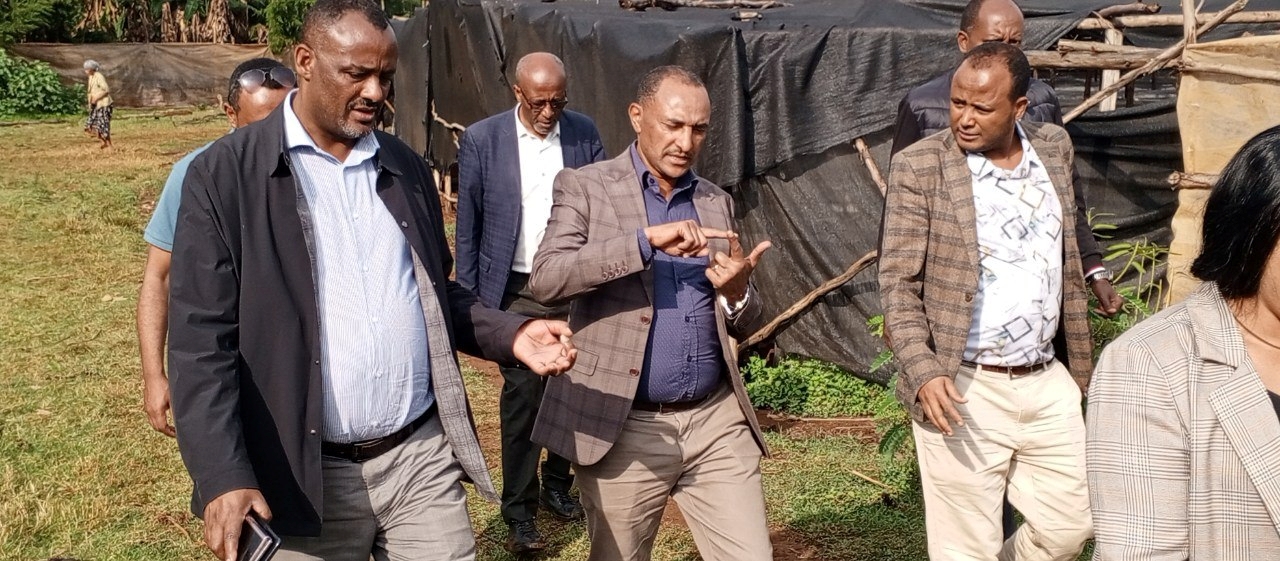
As the AFCA conference continues, a focused side event at Creative Hub Ethiopia turned attention to an often-overlooked part of the coffee cherry: cascara. Sip, Savor, Sustain: Ethiopian Cascara Tasting brought together industry professionals, creatives, coffee producers, and coffee enthusiasts to explore how circular economy practices can create new opportunities—particularly for women in coffee.

The event was organized by the Center for Circular Economy in Coffee (C4CEC) in collaboration with Women in Coffee Ethiopia (WiCE) and Muna Mohammed, Founder and CEO of Eight50 Coffee in Canada, with support from the Italian Agency for Development Cooperation (AICS) and UNIDO, and in partnership with Ethiopia’s Ministry of Labor and Skills. Spanish Cooperation supported research on women in coffee and facilitated the participation of a woman coffee farmer to share firsthand experience from the field. The initiative builds on a research and pilot capacity-building program focused on coffee by-product valorization, implemented with women producers.

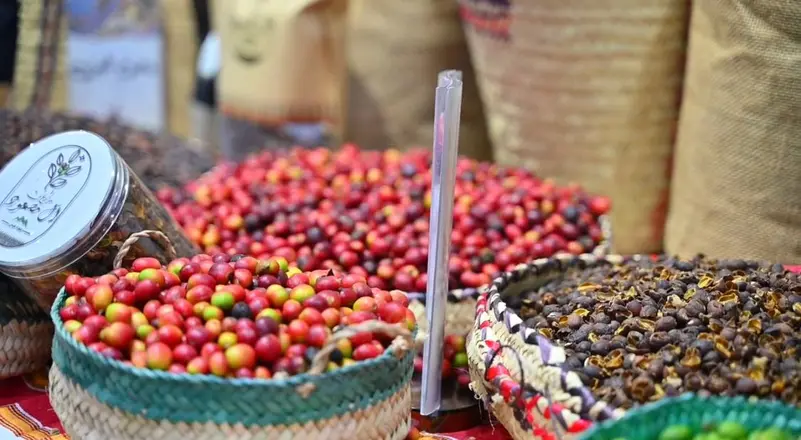
While cascara is gaining international attention, Ethiopian communities—especially women—have long brewed the dried coffee cherry as hashara tea, embedding sustainability into daily life long before it became a global concept.

During the event, cascara was served as tea, offering participants a sensory introduction to how coffee by-products can be transformed into market-ready products with export potential.

A key highlight of the evening was the emphasis on women’s participation in value addition across the coffee value chain. Women in Coffee Ethiopia (WiCE) emphasized that cascara represents a practical pathway for women producers to diversify income while reducing environmental waste from coffee processing.

The human impact of this approach was reflected in a presentation by a woman coffee producer representing a women-led cooperative from a major coffee-growing region of Ethiopia. Sharing her experience, she noted that cascara production and related training have improved household income, strengthened technical skills, and expanded economic opportunities for women in her community.

By turning what was once considered waste into a high-value product, cascara creates a second income stream that can directly benefit women-led cooperatives without requiring additional land or resources. At the same time, it supports environmental sustainability by reducing by-product disposal and promoting circular economy models within Ethiopia’s coffee sector.

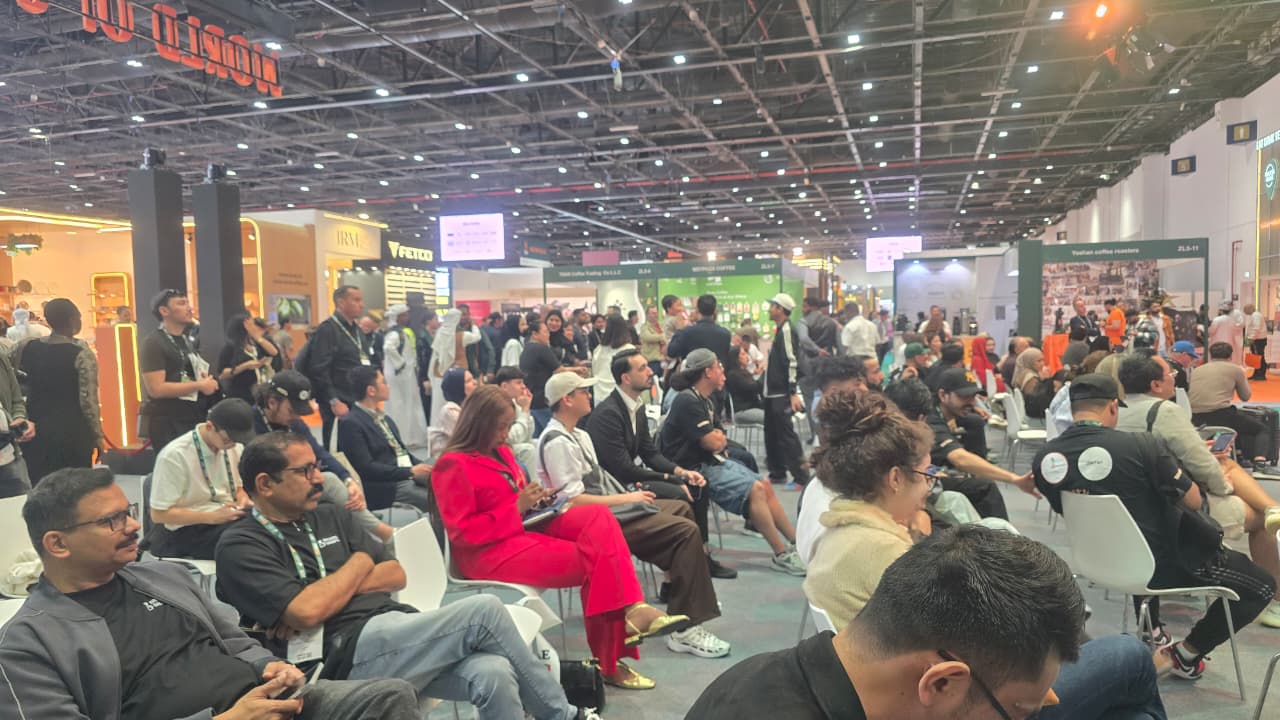
The event drew a diverse audience of development partners, cooperatives, entrepreneurs, and industry representatives, reinforcing growing interest in inclusive, women-centered coffee innovations.

As Ethiopia continues to position itself as a global leader in specialty coffee, initiatives like Sip, Savor, Sustain demonstrate that the future of the sector lies not only in the bean, but in the full coffee fruit—and in empowering the women who have long been at the heart of its journey.

AFCA 2026 Officially Opens in Addis Ababa

Brewing Africa’s Next Generation

Addis Ababa – Qahwa World x Buna Kurs

The 22nd African Fine Coffees Conference & Exhibition (AFCC&E) officially opened today at the Addis International Convention Center (AICC), marking a major milestone for Africa’s coffee sector. Following yesterday’s pre-conference Sustainability Day workshops, the event welcomed over 2,000 delegates from more than 25 countries, including government officials, private sector leaders, international buyers, and coffee experts.

A Vision for the Future This year’s theme, “Brewing Africa’s Next Generation,” underscores a commitment to modernizing the value chain, integrating youth into the sector, and building climate resilience. AFCA Chairperson Amir Hamza described the event as a “homecoming for coffee,” adding: “Africa will no longer just supply fine coffees to the world—we will define the future of coffee.”

Breaking Trade Barriers A highlight of the opening was the high-level panel discussion, “Why Do Roasters Find It Harder to Buy Directly from Africa?” presented by Algrano. Strategic partner Algrano brought a delegation of over 20 international buyers from the US and Europe to engage directly with African producers. Panelists focused on solutions to logistics bottlenecks, financing gaps, and late contracting that often hinder smallholder farmers from accessing global markets.

Exhibition Floor Highlights The trade floor is now fully buzzing with booths showcasing innovations in coffee technology, logistics, and premium green coffee. Cupping sessions are underway, featuring the winners from AFCA’s flagship competition, the Taste of Harvest, in addition to fresh Ethiopian harvests.

Delegates also explored value-addition technologies aimed at moving beyond raw bean exports to roasting and branding at origin. Policy initiatives introduced today include a gender-responsive framework designed to increase women’s participation in agricultural extension and decision-making, developed in partnership with the Ethiopian government and GIZ.

Economic and Sectoral Momentum The conference is already shaping critical discussions on coffee strategy, and analysts note that initiatives highlighted at AFCA are being seen as a platform to position Africa as a proactive player in global coffee pricing and innovation. The conference continues tomorrow and will feature the finals of the Africa Barista Championship and the Regional Taste of Harvest Competition, in addition to AFCA’s Burundi Taste of Harvest Auction.

Coffee Quality Institute Announces 2026 Global Coffee Fund Details

Addis Ababa – Qahwa World

Coffee Quality Institute (CQI) announced the details of its 2026 Global Coffee Fund (the Fund) program at the African Fine Coffee Association Conference and Exhibition. The Fund was developed to expand access to coffee quality education and advance CQI’s mission.

“CQI knows that the coffee sector is facing extraordinary challenges, and the Global Coffee Fund is one way we are working to address them,” said Michael Sheridan, chief executive officer of Coffee Quality Institute. “At a time when the public sector is disinvesting in coffee communities, CQI is tripling our commitment to the Global Coffee Fund and inviting the industry to co-invest. Together we can mobilize $500,000 to benefit coffee communities in 2026. I can’t think of a better way to mark our 30th anniversary.”

The Global Coffee Fund will invest in coffee quality through support to two distinct programs.

  • Project Awards

CQI will continue its existing successful grant program in 2026 and commit up to $100,000 to fund projects that enhance access to coffee education and promote the development of educators in areas that lack sufficient local representation.

  • Matching Grants

This year CQI is launching a Matching Grant for co-investment with partners whose own work aligns with CQI’s mission and values. CQI will provide a dollar-for-dollar match for $200,000 of external investment in qualifying projects with a goal of generating $400,000 in new commitments in 2026.

“I am very excited about the expansion of the Global Coffee Fund for 2026. The addition of the Matching Grant program will enable CQI to leverage and expand our global partnerships and network of coffee experts to increase impact at the producer level,” stated T.J. Ryan, managing director of programs at CQI. “More than just a financial match, the fund will seek partners with whom we have shared objectives to build a more resilient coffee sector.”

  • Further information regarding the Fund and application materials are available on the Coffee Quality Institute’s website. Applications will be accepted on a rolling basis.About Coffee Quality Institute

    CQI is a non-profit that works globally to improve the quality of coffee and the lives of the people who produce it. For thirty years, CQI has trained people who produce and process coffee in more than thirty coffee-growing countries around the world.

Coffee Prices Slide on Improved Supply Outlook

Dubai – Qahwa World

Coffee prices extended their week-long decline on Wednesday, pressured by signs of improving global supply. March arabica coffee (KCH26) closed down 8.45 cents (-2.66%), while March ICE robusta coffee (RMH26) fell 49 points (-1.29%).

Arabica prices dropped to a 5.75-month low, and robusta touched a six-week low. The market has been weighed down by favourable weather and rising production expectations, particularly in Brazil and Vietnam.

Above-average rainfall in Brazil has eased concerns about dryness in key growing regions. Somar Meteorologia reported that Minas Gerais—the country’s largest Arabica-producing state—received 69.8 mm of rain in the week ended January 30, or 117% of the historical average.

Brazil’s supply outlook also turned more bearish after Conab, the country’s crop forecasting agency, raised its 2025 coffee production estimate by 2.4% to 56.54 million bags, up from 55.20 million bags projected in September.

Robusta prices have been further pressured by strong export and production prospects in Vietnam, the world’s largest robusta producer. Vietnam’s National Statistics Office reported that 2025 coffee exports rose 17.5% year over year to 1.58 million metric tonnes. Meanwhile, Vietnam’s 2025/26 coffee production is projected to increase 6% year over year to 1.76 million metric tonnes (29.4 million bags), a four-year high. The Vietnam Coffee and Cocoa Association has also said output could rise 10% from the previous season if weather conditions remain favourable.

Rising exchange inventories have added to bearish sentiment. ICE-monitored Arabica inventories rebounded to 461,829 bags on January 7, a 3.25-month high, after falling to a 1.75-year low in mid-November. ICE robusta inventories also recovered, climbing to a two-month high of 4,662 lots after reaching a 13-month low in December.

Some factors have provided limited support. Brazil’s coffee exports declined sharply in December, according to Cecafe. Total green coffee exports fell 18.4% year over year to 2.86 million bags, with Arabica exports down 10% and Robusta exports down 61%.

The International Coffee Organization reported that global coffee exports for the current October–September marketing year slipped 0.3% year over year to 138.66 million bags, signalling tighter trade flows.

Looking ahead, the USDA’s Foreign Agriculture Service projects global coffee production in 2025/26 will rise 2.0% year over year to a record 178.85 million bags. Arabica production is forecast to fall 4.7% to 95.52 million bags, while robusta output is expected to jump 10.9% to 83.33 million bags. Brazil’s production is projected to decline 3.1% to 63 million bags, while Vietnam’s output is forecast to rise 6.2% to a four-year high of 30.8 million bags. Global ending stocks are expected to fall 5.4% to 20.15 million bags.

Sustainability Day Sets the Technical and Policy Tone at AFCC&E

Addis Ababa – Qahwa World × Buna Kurs

Day One of the 22nd African Fine Coffees Conference & Exhibition (AFCC&E) concluded in Addis Ababa with sustainability firmly positioned as the cornerstone of this year’s continental coffee dialogue. Following the morning’s high-level opening ceremony, the conference program transitioned into the 7th AFCA Sustainability Day, delivered in partnership with the Rainforest Alliance under the theme “Sustainability in Every Cup: Brewing a Regenerative Future, Today.”

At the center of the day’s agenda was the presentation and launch of the Rainforest Alliance Regenerative Agriculture Standard (RAS), a new certification framework designed to move beyond compliance toward ecosystem restoration and long-term farmer resilience across tropical landscapes.

Across the venue, the exhibition hall remained active throughout the day, with strong foot traffic from producers, exporters, buyers, service providers, and development partners. Exhibitors noted a visibly expanded floor layout and higher engagement compared to previous editions, reflecting both the growing scale of the event and renewed market interest in African coffee origins.

The Sustainability Day program highlighted how regenerative agriculture is being applied in practice across East Africa, with experiences shared from Kenya, Uganda, and Ethiopia, including MSuLLi, Mountain Harvest, Moplaco Farm, and sector partners working at farm, landscape, and market levels. A dedicated youth testimony segment reinforced a growing generational consensus: sustainability is no longer an add-on, but a prerequisite for remaining competitive in the global coffee sector.

Afternoon sessions shifted the discussion to the value of sustainability standards within the global supply chain, examining how certification, traceability, and transparency are increasingly shaping trade relationships. Panels featuring exporters, producers, and international buyers addressed the commercial realities of sustainability, with participation from Midrock Investments Group, Touton, ECOM, AMG Coffee Export, Preferred by Nature, and regional producer representatives.

Beyond the conference hall, B2B cupping sessions continued alongside networking activities, offering international buyers early exposure to coffees from across Africa while reinforcing the link between quality, sustainability, and market access.

Day One concluded with an invitation-only policy and networking reception, followed by the Opening Cocktail at the AICC Amphitheater, marking the informal start of a week expected to shape Africa’s coffee sustainability agenda for years to come.

Robusta: A Climate-Resilient Future

Dubai – Qahwa World

As climate change and escalating environmental pressures create unprecedented challenges for global coffee production, the industry is facing a critical turning point that threatens the sustainability of the entire supply chain. In response, World Coffee Research (WCR) is spearheading a massive international effort to develop high-performing, climate-resilient varieties designed to thrive in an increasingly volatile environment. A major strategic shift occurred in late 2025 when WCR integrated Robusta breeding into its Innovea Global Coffee Breeding Network. This expansion recognizes that relying solely on Arabica is no longer a viable long-term strategy in the face of rapid global warming. As a committed member of WCR, Sucafina has expressed its pride in supporting this essential research, emphasizing that investing in variety development is the only definitive way to safeguard the future of coffee and secure the livelihoods of millions of farmers who form the backbone of the industry.

Coffee-growing conditions worldwide are undergoing forced evolution, requiring farmers at origin to adapt to weather patterns that no longer follow traditional predictability. Additionally, they must battle new strains of pests and diseases that thrive in rising temperatures. Strengthening the long-term resilience of the coffee supply has become a top priority, as high-performing varieties act as a vital shield, helping farmers mitigate climate stress while ensuring reliable, high-quality yields. However, the industry faces a significant temporal challenge: the process of developing, scientifically testing, and commercially releasing a new variety typically spans several decades—a timeframe the world cannot afford given the acceleration of climate change. Addressing these challenges requires practical, long-term collaboration, which is the core mission of WCR as an industry-driven research organization dedicated to identifying and developing the coffee varieties of tomorrow.

The launch of the Innovea program in 2022 marked a revolution in coffee breeding, designed to accelerate development by uniting national research institutes, governments, and the private sector across 11 countries in Latin America, Africa, and Asia. Operating under standardized trial protocols, the network coordinates breeding efforts on a global scale, testing candidates across diverse soils, climates, and disease pressures. By pooling massive datasets and cross-border expertise, promising varieties are identified far more rapidly than through traditional methods, while ensuring they are perfectly suited for local farming systems. This innovative approach received global acclaim when Innovea was named one of TIME’s Best Inventions of 2025, recognizing its power to provide tangible solutions to one of agriculture’s most complex challenges.

Vern Long, CEO of WCR, explains that the program’s structure allows for a step change in variety performance faster than ever before, shortening development timelines from 30 years down to just eight. As climate challenges intensify, a continuous global pipeline of improved varieties will provide farmers with the tools needed to reduce risk and stabilize their income. Historically, breeding efforts focused almost exclusively on Arabica, despite the rise of Robusta, which now accounts for approximately 40% of global production. This shift is driven by Robusta’s natural heat tolerance and market dynamics. Robusta possesses greater genetic diversity than Arabica, yet its breeding is more complex as it cannot self-pollinate, requiring sophisticated management of parent plants. By late 2025, Robusta was fully integrated into the Innovea network, bringing in major producers like Vietnam and Ghana alongside enhanced programs in India, Indonesia, Rwanda, and Uganda. Together, these nations represent 64% of global Robusta production. The ultimate goal is to move these varieties from the lab to the field, evaluating thousands of candidates to identify the best performers that will secure a stable and sustainable foundation for the future of coffee.

Arabica Coffee Gains on Technical Support Amid Mixed Market Performance

Dubai – Qahwa WORLD

March Arabica coffee (KCH26) concluded Monday’s session with a gain of +1.00 (+0.30%), while March ICE Robusta coffee (RMH26) saw a notable decline, closing down -84 (-2.04%) at a four-week low. The market showed a mixed performance as substantial rainfall in Brazil improved yield prospects but pressured prices. Somar Meteorologia reported that Minas Gerais, Brazil’s premier Arabica region, received 69.8 mm of rain during the week ending January 30, representing 117% of the historical average.

Further weighing on the market, Brazil’s crop agency, Conab, recently increased its 2025 total coffee production forecast by 2.4% to 56.54 million bags. Meanwhile, Robusta prices faced significant headwinds from surging exports in Vietnam, the world’s top Robusta producer. Official statistics from January 5 indicated a +17.5% year-over-year jump in Vietnamese coffee exports to 1.58 MMT. Production for the 2025/26 cycle in Vietnam is projected to rise +6% to 1.76 MMT, a four-year high, with Vicofa suggesting a potential 10% increase if weather remains favorable.

The recovery of ICE-monitored inventories has also exerted downward pressure on prices. Arabica stocks climbed to a 3.25-month high of 461,829 bags in early January, recovering from a multi-year low recorded in November. Similarly, Robusta inventories reached a two-month high of 4,662 lots last Monday. On the supportive side, Cecafe reported an -18.4% decline in Brazil’s December green coffee exports, with Arabica shipments down -10% and Robusta exports falling sharply by -61%.

Globally, the International Coffee Organization noted a marginal -0.3% decrease in exports for the current marketing year. However, the USDA’s Foreign Agriculture Service predicts record global production of 178.848 million bags for 2025/26, a +2.0% increase. This forecast anticipates a -4.7% drop in Arabica output alongside a +10.9% surge in Robusta production. Ending stocks for the 2025/26 period are expected to decline by -5.4% to 20.148 million bags.

Climate Innovation Takes Center Stage at 7th African Coffee Scientific Conference

Addis Ababa – Qahwa World × Buna Kurs

Following yesterday’s high-level policy commitments, the focus of the Third African Coffee Week shifted today from the corridors of power to the laboratory and the field. Scientists, researchers, and agronomists gathered at the Skylight Hotel for the 7th African Coffee Scientific Conference, under the theme “Climate-Resilient Coffee: Innovation for a Sustainable Future”.

While Day One established the policy framework for the continent, Day Two provided the scientific “how-to,” focusing on breeding, pest management, and the institutionalization of African coffee research.

A New Era for Robusta: The Regional Breeding Network

A major highlight of the morning session was the formal launch of the Robusta breeding network, a collaborative initiative involving Ghana, Uganda, and Rwanda. Led by Robert Kawuki, the network aims to modernize breeding efforts for a variety that is increasingly seen as a cornerstone of climate adaptation due to its relative heat tolerance compared to Arabica.

The session, moderated by Dr. Geofrey Arinaitwe, also delved into the genetic foundations of Ethiopian coffee. Researchers Natol Bakala and Wakuma Merga presented findings on the genetic diversity of “Laage” coffee landraces, emphasizing that preserving Ethiopia’s unique genetic reservoir is critical for the global coffee industry’s survival.

Science-Driven Adaptation and Pest Management

As climate change shifts ecological zones, the conference addressed the alarming migration of pests and diseases. Kifle Belachew Bekele presented a critical study on why Coffee Leaf Rust (Hemileia vastatrix) has begun migrating to highland Arabica growing areas in Ethiopia—territories previously considered “safe” due to their altitude.

Other scientific breakthroughs discussed included:

  • Disease Resistance: Admikew Getaneh shared research on the phytochemical basis of resistance to Coffee Wilt Disease, while Monyo Grace presented new F1 hybrid genotypes resistant to Coffee Berry Disease.

  • Eco-Innovation: Mariamawit S. Kassa explored “Beyond the Brew,” highlighting the hidden potential of spent coffee grounds, while Mohammed Aman discussed using the Desmodium plant for sustainable production.

  • Pest Control: Innovative “locally made” traps for the Black Coffee Twig Borer in Northern Tanzania were showcased by Aden Mbuba as a low-cost, high-efficiency solution for smallholders.

Institutionalizing Knowledge: The African Coffee Research Center

The afternoon session marked a pivotal moment for the continent’s intellectual infrastructure. The Inter-African Coffee Organisation (IACO) and the African Coffee Research Network (ACRN) announced the establishment of the African Coffee Research Center. This center is designed to be the “brain” of the continent’s coffee sector, ensuring that the research presented today translates into scalable field solutions.

To wrap up the day’s proceedings, the Secretary General of IACO and the Chairperson of the ACRN officially launched the new coffee manual, a comprehensive guide intended to harmonize best practices across Africa’s diverse coffee-growing regions.

The conference concluded with closing remarks from the IACO Chairman, signaling a transition from scientific theory to a unified, continental implementation strategy.

Peru Hits Record Coffee Sales of Over $1.5 Billion in 2025

Dubai – Qahwa World

Peru’s coffee industry reached an unprecedented historical milestone in 2025, with the latest official data from the Ministry of Agrarian Development and Irrigation (MIDAGRI) reporting record-breaking sales of $1.57 billion between January and November. This figure represents a staggering 54.1% year-on-year growth compared to the same period in the previous year, firmly positioning the coffee sector as one of the most vital pillars of the Peruvian national economy over the last decade.

This exceptional success is the result of Peru’s long-term strategic commitment to solidifying its status as the world’s leading producer and exporter of organic coffee. This commitment has perfectly aligned with a major shift in global consumer behaviour, where buyers are increasingly prioritising sustainable, eco-certified, and ethically sourced crops. Furthermore, favourable international prices for high-value speciality coffee lots played a decisive role in maximising financial returns. Peruvian exporters have successfully navigated and met the rigorous quality standards and strict traceability requirements demanded by major strategic markets, most notably the United States and the European Union.

Field reports indicate that this growth was not accidental but the product of intensive investment in improving logistical supply chains and advancing post-harvest processing technologies within the rugged Andean highlands. This prosperity has had a direct and tangible impact on the national income, significantly enhancing the livelihoods of more than 223,000 farming families across the Andes and the Amazon rainforest. In these regions, coffee cultivation serves as the primary socioeconomic lifeline and a fundamental social pillar for rural communities. Building on these historic results, the Peruvian government now aims to leverage this momentum to further promote regional brands in international forums and ensure the long-term sustainability of these record-breaking figures in future seasons.

Coffee Prices Sink as Brazil Rainfall Outlook Improves

Dubai – Qahwa World

Coffee futures faced a sharp retreat on Friday, with Arabica falling -13.25 (-3.85%) to a five-and-a-half-month low, and Robusta sliding -66 (-1.58%) to a three-and-a-half-week low. The primary downward pressure stems from weather forecasts predicting steady, beneficial rains over the next week in Minas Gerais, Brazil’s premier coffee-growing region.

The bearish sentiment is further reinforced by an ample supply outlook. Brazil’s crop agency, Conab, recently raised its 2025 production estimate to 56.54 million bags, a 2.4% increase from previous forecasts. Simultaneously, Vietnam—the world’s top Robusta producer—reported a 17.5% year-over-year surge in 2025 exports, reaching 1.58 MMT. Vietnam’s 2025/26 output is projected to climb another 6% to a four-year high, potentially reaching 10% growth if favorable weather holds.

Inventory recoveries at the Intercontinental Exchange (ICE) have added to the price pressure. Arabica inventories rose to a two-and-a-half-month high of 461,829 bags in mid-January, while Robusta inventories hit a seven-week high of 4,609 lots last Friday.

However, some factors continue to provide underlying support. Cecafe reported that Brazil’s December green coffee exports dropped 18.4% to 2.86 million bags, with Robusta exports specifically plummeting 61%. Additionally, while rains are forecasted, recent data shows that Minas Gerais received only 53% of its historical average rainfall in mid-January.

Looking ahead, the USDA’s Foreign Agriculture Service projects record global production of 178.848 million bags for 2025/26. While Arabica production may see a 4.7% dip, a significant 10.9% increase in Robusta output is expected to drive global totals to new heights, even as global ending stocks are forecasted to tighten slightly.

Africa’s Coffee Leaders Launch Climate Transformation Plan in Addis

Addis Ababa – Qahwa World × Buna Kurs

African governments, international institutions, and private sector leaders convened today in Addis Ababa for the High-Level Policy Forum held during the Third African Coffee Week. The assembly issued a strong call for coordinated action to safeguard the future of Africa’s coffee sector amid escalating climate and market pressures.

Organized by the Inter-African Coffee Organisation (IACO)—the African Union’s specialized agency for coffee—in collaboration with UNIDO, the Forum is being held under the theme: “Advancing Climate Resilience and the Transformation of the African Coffee Sector.” The event, hosted at the Skylight Hotel, brings together ministers, ambassadors, development partners, regulators, researchers, and industry executives from across Africa and beyond.

In the opening session, senior representatives of the Ethiopian government, IACO member states, the African Union, UN agencies, and international partners underscored the strategic importance of coffee to Africa’s economies and export earnings. While coffee supports millions of smallholder farmers across the continent, it faces growing risks from climate change, regulatory shifts, and limited local value addition.

The High-Level Policy Forum is anchored in the ACT Programme (Advancing Climate-Resilience and Transformation of the African Coffee Sector), a continental framework structured around five key pillars:

  1. Climate resilience

  2. Value addition and industrial transformation

  3. Compliance with international market standards

  4. Research, innovation, and knowledge sharing

  5. Social inclusion and sustainable livelihoods

Day One discussions focused on five outcome-oriented policy panels, each aimed at producing actionable recommendations and investment pathways:

  • The First Panel addressed social inclusion, emphasizing the need to place farmers, women, and youth at the center of sector transformation. Speakers highlighted inclusive business models, access to finance, and skills development as essential to long-term resilience in coffee-growing communities.

  • The Second Panel examined value addition, noting that Africa still exports the majority of its coffee as green beans. Panelists discussed the investments needed to expand local processing, roasting, and branding, specifically looking at opportunities under the African Continental Free Trade Area (AfCFTA).

  • The Third Panel was dominated by climate resilience and adaptation. Experts outlined climate-smart production systems, agroforestry, and the role of climate finance in supporting smallholder farmers, stressing that adaptation must move from pilot projects to scalable, financed solutions.

  • The Fourth Panel focused on research and innovation, calling for the integration of scientific data and digital tools into policymaking. Regional collaboration and South–South knowledge exchange were identified as key enablers of quality improvement.

  • The Final Panel addressed market access and compliance, with particular attention to the European Union Deforestation Regulation (EUDR). Speakers discussed traceability systems and how harmonized African standards can transform compliance from a barrier into a competitive advantage.

The day concluded with the official launch of the African Coffee Sustainability Standards, led by the African Organisation for Standardisation (ARSO)—a milestone aimed at strengthening market access and regulatory alignment for African producers.

The High-Level Policy Forum continues tomorrow, focusing on consolidating policy recommendations and partnership commitments under the ACT Programme.

US Coffee Market: The End of a Monopoly

Dubai – Qahwa World

The United States retail sector in 2026 is undergoing a radical economic shift that financial market analysts describe as the “loosening of the caffeine grip”. While Starbucks dominated the “third place” concept for decades, it now finds itself trapped between two forces: the Chinese technological expansion of Luckin Coffee and the rise of Yemeni coffee empires that have restored the soul of the original product—most notably Qamaria, Qahwah House, and Haraz. This report reveals through figures and field analysis how the green giant’s market share has declined from 52% in 2023 to 48% today.

  • The Triangle of Authenticity and the Erosion of Luxury

Starbucks committed a major strategic error by pivoting toward full automation and reducing seating areas to accelerate digital orders. This cultural vacuum was brilliantly filled by high-end Yemeni coffee houses, led by Qamaria, Haraz, and Qahwah House.

The Economics of Authenticity at Qamaria: Yemeni coffee is no longer just a niche beverage; it has transformed into a luxury brand. In Qamaria branches stretching from Michigan to Manhattan and California, the price of a cup—sourced from rare mountain strains—reaches $9. Nevertheless, consumers stand in long lines. The value added here is the “story and ritual”, something missing for the Starbucks customer who now feels they are buying from a factory rather than a café.

Restoring the Social Dimension: While major chain branches have turned into rapid “pickup stations”, Qamaria and its peers have revived the concept of the café as a social and cultural hub. Field data indicates that the average customer dwell time in these cafes is 40% longer than in traditional chains. This boosts sales of secondary products such as traditional sweets, dates, and private blends, supporting a higher average transaction value.

  • Chinese Tech Expansion and Cost Efficiency

From the other side, Starbucks faces an existential technological threat coming from China, as Luckin Coffee began an aggressive expansion in major US cities using the “Smart Mini-Store” model.

Cost Analysis: This model relies on rental spaces 60% smaller than traditional stores, with minimal human staff. This efficiency has allowed them to provide coffee of competitive quality at a price 25% lower, attracting the younger generation looking for fast, digitally programmed caffeine.

Algorithms vs. History: While American chains rely on their history, Chinese startups rely on demand-prediction algorithms. This reduces waste by 15% and increases service speed, placing legacy chains in the category of “bloated corporations”.

  • Market Saturation and the Supply Surplus Dilemma

Retail experts point to a bitter reality: there is too much coffee and too little distinction. With more than 34,500 chain-affiliated cafes in America, the market has reached a point of complete saturation.

The Rise of Drive-Thru: Drive-thru chains are no longer just kiosks; they have turned into massive profit engines thanks to their absolute specialisation in speed. This sector has syphoned off the “rushed” customers from major chains, who represent 60% of morning traffic.

Operational Inflation: The year 2026 saw a 12% increase in labour wages and an 8% rise in commercial real estate rents. For chains with large branches, this was a painful blow to profit margins, while Yemeni cafes like Qamaria were better able to absorb costs due to their premium pricing aimed at the elite.

  • Is the Era of the Single Pole Over?

Starbucks’ attempts to add 25,000 seats and launch smaller-format stores are seen by analysts as a late attempt to repair its identity. The problem is not the number of seats but the loss of specialisation.

The success of Qamaria and Haraz proves that the American consumer in 2026 has become “brand-agnostic”. They seek authentic Yemeni coffee on weekends for social connection, choose fast tech-driven coffee while heading to work, and only return to traditional chains when specialised alternatives are unavailable.

  • Economic Conclusion

We are witnessing the end of the “Universal Platform” era. The US coffee market today is shaped by two poles: the cultural quality pole (led preeminently by Yemen) and the technological efficiency pole (led by China and drive-thru chains). As for traditional powers, they are struggling to survive in the “middle”—the most dangerous place in modern retail economics, where price advantage is absent and cultural authenticity fades.


This report is based on performance data analysis for the period 2024–2026, periodic financial reports, and a field survey of the growth of Qamaria, Qahwah House, and Haraz branches in Michigan, New York, Texas, and California, in addition to National Coffee Association data on new American consumption patterns.