World Coffee Research releases 2025 annual report


Qahwa World – Dubai |
May 14, 2026 |
7 min read |
Source: WCR Annual Report 2025

Executive Summary

  • World Coffee Research released its 2025 annual report covering January 1 to December 31, 2025
  • Innova Global Coffee Breeding Network named a TIME Best Invention of 2025
  • Network expands to include robusta coffee with six partner countries producing 64% of global robusta
  • 11 countries now in Innova network, producing 40% of world’s coffee supply
  • WCR aims to reduce breeding timeline from 30 years to 8 years using genetic markers
  • 10-year IMLVT trial results: Up to half of arabica land could become unsuitable by 2050 due to climate change
  • $4.96 million in industry contributions; $9.85 million total financial position
  • Seed system expansions in Peru, Uganda, Guatemala, Honduras to produce millions of new trees annually
  • WCR helped secure $175 million in U.S. funding for agricultural R&D including coffee

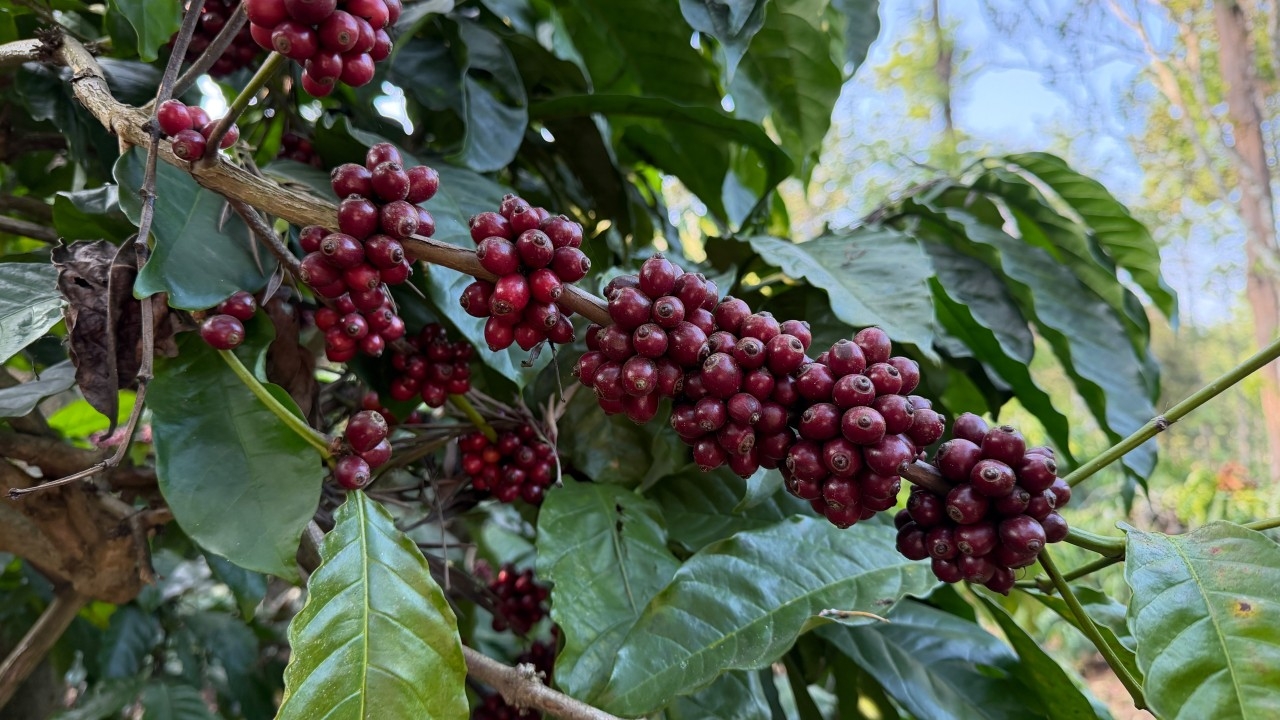
World Coffee Research (WCR) announced the release of its 2025 annual report on December 31, 2025, detailing the expansion of its TIME-recognized Innova Global Coffee Breeding Network into robusta coffee, new data showing that half of current arabica land could become unsuitable by 2050, and seed system expansions across four producing countries.

The report, which covers the period between January 1, 2025 and December 31, 2025, confirmed that WCR’s Innova network has expanded to include Coffea canephora (robusta) breeding, adding Vietnam and Ghana as new national partners. Six countries now participate in robusta breeding: Vietnam, Ghana, India, Indonesia, Rwanda, and Uganda, which together produce 64 percent of the world’s robusta supply. Overall, 11 countries make up the Innova network, producing 40 percent of global coffee supply.

An independent panel of global breeding experts commissioned by WCR’s board of directors reviewed the organization’s breeding programs in early 2025 and described the approach as a “radical step forward” that sets a new bar for coffee breeding worldwide. The Innova network was subsequently named a TIME Best Invention of 2025. The robusta breeding program combines multiple genetic groups, including a collection provided by French research institute CIRAD. Propagation began in 2025, and starting in 2027 each robusta partner will receive 1,000 unique new trees from WCR.

The report detailed that WCR is working to reduce coffee breeding timelines from the traditional 30 years to just 8 years. In 2025, the organization initiated a collaboration with Cenicafe, one of the world’s leading national coffee research institutions, and the U.S. Department of Agriculture Tropical Agricultural Research Station (USDA TARS) in Puerto Rico to develop low-cost genetic markers for Coffee Leaf Rust (CLR), the world’s most economically devastating coffee disease. In 2026, WCR will expand this work to cover Coffee Berry Disease (CBD), Coffee Fruit Rot (CFR), and Coffee Berry Borer (CBB). Once validated between 2025 and 2028, these markers will be publicly released through scholarly publication.

According to the report, 10-year results from the International Multilocation Variety Trial (IMLVT), launched in 2015 with 31 arabica varieties shared by 11 breeding programs, confirmed that coffee leaf rust resistance depends on both genetics and environment. A 2015 study by WCR and CIAT that guided site selection for the trial network identified that up to half of today’s arabica land could become unsuitable for coffee production by 2050. The IMLVT has identified high-performing varieties with strong rust resistance and stable yields. In 2026, WCR will launch CafeClima, a free online platform integrating climate modeling with IMLVT variety performance data to help farmers make data-driven replanting decisions.

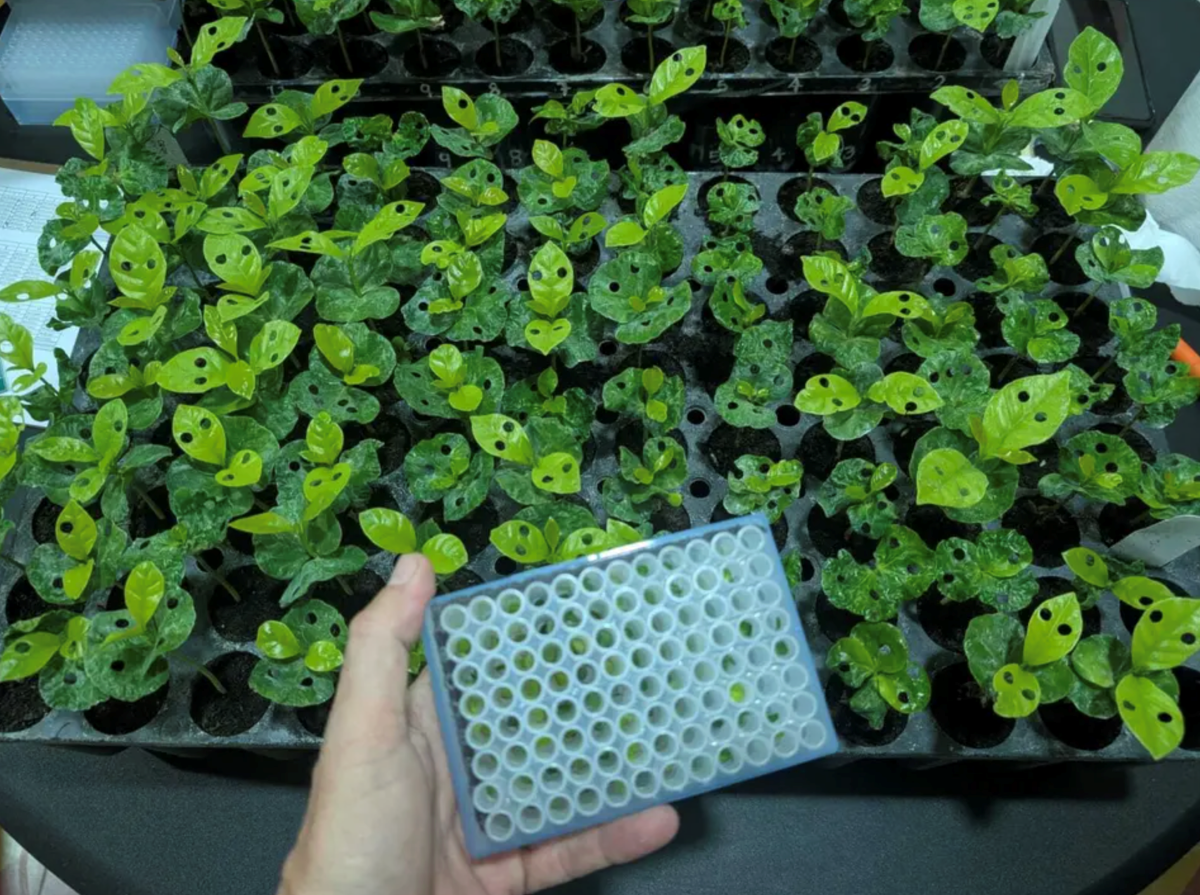
WCR installed 10,000 F1 hybrid plantlets across 10 trial sites in Peru, Guatemala, and Costa Rica, planted directly in farmers’ fields through member-led trials. The report also detailed seed system expansions across four countries. In Peru, 10 new arabica seed lots were installed with 8 cooperatives, targeting 15 seed lots by 2028 producing up to 6 million seeds annually. In Uganda, 11 mother gardens for disease-resistant robusta were installed or expanded with national coffee institute NaCORI, targeting over 40 mother gardens by 2028 producing 560,000 trees per year. In Guatemala and Honduras, 12 new seed lots will be installed in 2026, producing 5.4 million seeds annually starting in 2029.

The report highlighted advocacy wins including $175 million secured in FY26 “hard earmarks” for international agricultural R&D through coordinated advocacy by U.S. member companies, with a legal requirement that a portion support coffee research. A separate coalition mobilized $850,000 for Uganda’s coffee future from UNIDO, JDE Peet’s, Lavazza Foundation and The J.M. Smucker Co.

According to the financial section of the report, total contributions earned from the coffee industry in 2025 was $4,962,000. The total year-end financial position reached $9,852,000. Figures are pre-audit. WCR confirmed the commitment of its 194 member companies from 30 countries, with 59 additional companies and individuals providing financial support in 2025. WCR’s knowledge products, including the Coffee Varieties Catalog, Sensory Lexicon, and nursery manuals, were viewed 239,722 times in 195 countries during 2025. The organization also installed a small-batch processing facility at its research farm in El Salvador, custom-designed for breeding programs to process samples from thousands of individual trees.

Frequently Asked Questions

What is the Innova Global Coffee Breeding Network?

It is the most ambitious and globally coordinated coffee breeding program in history, bringing together 11 countries to transform coffee breeding and create enhanced genetics at an accelerated pace.

What recognition did WCR receive in 2025?

The Innova network was named a TIME Best Invention of 2025, and an expert panel described WCR’s breeding approach as a “radical step forward” for coffee.

How will climate change affect coffee production according to the report?

A 2015 study by WCR and CIAT that guided the IMLVT trial network found that up to half of today’s arabica land could become unsuitable by 2050.

Which countries are part of the Innova robusta breeding program?

Vietnam, Ghana, India, Indonesia, Rwanda, and Uganda — which together produce 64 percent of the world’s robusta.

How many member companies does WCR have?

194 member companies from 30 countries, with 59 additional companies and individuals providing financial support in 2025.

What is CafeClima?

A free online platform launching in 2026 that integrates climate modeling with variety performance data to help farmers make data-driven replanting decisions.

Source: World Coffee Research Annual Report 2025
Report period: January 1, 2025 – December 31, 2025
Author: Qahwa World – Dubai
Publication date: May 14, 2026


The Coffee That Was Never as “Robust” as Its Name Promised

By: Dr. Steffen Schwarz, Coffee Consulate

There is a word in coffee that has done more damage than most people realise. It is short, convenient, commercially familiar, and scientifically careless. The Coffea canephora Robusta myth is a prime example of how a term can become misleading in the world of coffee.

For decades, the global coffee industry has used the name “Robusta” as if it described a species, a flavour profile, a production system, a price category, and a climate promise all at once. It is a compression of botany into marketing. Like many convenient mistakes, it has quietly shaped how people think.

“Robusta” is not just a name. It is a mindset that has shaped how the industry underestimates Coffea canephora.

Say the word often enough and the assumption follows. Canephora must be robust. Tougher. Simpler. Less fragile. Less complex. Less deserving of precision. Less worthy of sensory ambition. Less in need of science.

But Coffea canephora is not a slogan. It is a species with deep genetic history, regional diversity, ecological vulnerability, breeding potential, and a future that may become central to the survival of coffee as we know it.

The false name has made the industry lazy. Worse, it has made the industry dangerously confident.

When Language Meets Climate Reality

The irony is difficult to ignore. At the moment coffee is entering one of the most unstable climatic periods in its cultivated history, the species most often described as “robust” is revealing how misleading that label can be.

Canephora can be productive. It can be vigorous. It can tolerate conditions under which many Arabica systems struggle. Yet drought does not read marketing language. Heat stress does not respect trade vocabulary.

Climate does not respond to terminology. Drought and heat expose biological reality, not branding.

Across Africa, Asia, and Latin America, the real question is no longer whether Canephora sounds strong. It is whether the right genetics, farming systems, nursery practices, disease resistance, root architecture, flowering behaviour, pollination compatibility, and processing ambitions can be brought together fast enough to make the crop resilient in the world that is arriving.

A Species of Diversity, Not Simplicity

Coffea canephora is not a single blunt instrument. It is a complex diploid species, largely outcrossing, genetically diverse, and historically rooted in the tropical forests of Central and West Africa.

Its major genetic groups, often described as Congolese and Guinean, express very different traits. Growth habit, caffeine content, bean weight, drought response, disease resistance, maturation timing, and agronomic behaviour vary across the species. The Brazilian conilon group adds further complexity, shaped by hybridisation and farmer selection.

This diversity is not a complication. It is the foundation of Canephora’s future.

The future of Canephora will not be built from a single type, but from its genetic diversity.

Progress depends on understanding which genetic resources carry the traits that matter, where they perform best, under which production systems, and for which market demands.

The Cost of Assumptions

The problem with calling a species “robust” is not linguistic. It is strategic.

It encourages underinvestment in fragility. It replaces measurement with assumption. It links lower market prices with lower intellectual attention.

Climate change is now exposing the cost of that mindset.

Assumed resilience is one of the most dangerous risks in a climate-unstable future.

Prolonged drought, higher temperatures, irregular flowering, shifting pest pressure, and changing disease dynamics cannot be addressed with outdated assumptions. They require precision.

Climate Stress Is Not Singular

Drought is perhaps the clearest example. Canephora does not simply tolerate dry conditions without consequence.

Water deficit reduces photosynthesis, increases oxidative stress, and disrupts flowering and fruit development. When combined with heat, the effects intensify.

In Uganda, prolonged drought and high temperatures have been linked with increased vulnerability to black coffee twig borer and Coffee Wilt Disease. In Asia and Brazil, drought stress and elevated soil temperatures increase the impact of root knot nematodes.

Climate stress rarely acts alone. It weakens plants, favours opportunistic pests and pathogens, and turns manageable challenges into systemic risks.

Coffee Wilt Disease and the Limits of Rhetoric

Coffee Wilt Disease remains one of the most powerful reminders that Canephora’s future cannot be secured through language alone.

Resilience is not a label. It is a result of science, systems, and execution.

Caused by Fusarium xylarioides, the disease devastated production in Uganda in the 1990s and early 2000s. Nearly half of the country’s Canephora trees were lost, with economic damage estimated at around 100 million US dollars.

This was not theoretical. It was a national agricultural crisis.

Uganda’s response was significant. Research institutions developed and released ten Coffee Wilt Disease resistant KR varieties. It was a major achievement in applied breeding.

But resistance alone does not solve the problem.

The Nursery Bottleneck

Canephora’s biology complicates propagation. As an outcrossing species, seed propagation produces variability. Seedlings do not reliably retain the characteristics of the parent plant.

For disease resistance, uniformity, and quality, clonal propagation becomes essential.

This shifts attention to nurseries, where the success or failure of breeding programmes is determined in practical terms.

The future of coffee can depend on something as simple as how a mother plant is bent.

A 2025 study examining KR1, KR3, and KR4 varieties demonstrated how simple interventions can transform outcomes. By adjusting the bending angle of mother plants and applying targeted NPK fertilisation, researchers significantly improved suckering performance.

Horizontally bent mother plants produced the strongest results. Fertiliser further enhanced growth. The interaction between variety, plant architecture, and nutrient management proved decisive.

This is not a minor technical detail. It is the logistics of resilience.

Where Science Becomes Operational

Applied coffee science is most powerful when it connects theory with practice.

Breeders may develop resistant genotypes. Pathologists may understand disease mechanisms. Geneticists may map diversity. Yet without effective nursery systems, these advances do not reach farmers.

A horizontally bent mother plant may not appear as significant as genomic innovation, but it can determine how quickly improved material is deployed at scale.

Rethinking Canephora Quality

The long standing perception of Canephora as inherently inferior in cup quality is no longer defensible.

High quality Canephora is not a contradiction. It is a frontier.

Selective breeding for cup potential, improved harvesting practices, better post harvest processing, controlled fermentation, and precise roasting are all necessary.

Canephora does not need to replicate Arabica. It has its own sensory identity, including structure, body, spice, cocoa, nutty profiles, and tactile depth.

A System That Must Work Together

The future of Canephora depends on coordination across the value chain.

Breeders, farmers, nurseries, processors, roasters, researchers, and buyers must operate within aligned systems. Without this, progress remains fragmented.

Why Naming Still Matters

Calling the species Coffea canephora is not a matter of academic correctness.

It is about restoring clarity.

Accurate language drives accurate thinking. Accurate thinking drives better coffee systems.

Accurate thinking drives investment. Investment enables science. Science shapes outcomes in the field.

The Decade Ahead

Canephora is not invincible. It is not inferior.

It is diverse, vulnerable, productive, promising, and still insufficiently understood.

  • Can breeding cycles be shortened without losing rigour?
  • Can resistant varieties be multiplied efficiently?
  • Can quality become a primary breeding objective?
  • Can climate adaptation become proactive rather than reactive?

Conclusion

The coffee industry has spent decades hiding Canephora behind the wrong name.

That era is ending.

Coffea canephora must be understood as it is. A species with its own biology, its own challenges, and its own future.

Its resilience will not be assumed. It will be built through science, precision, and attention.

And that begins with calling it by its proper name.

Robusta: A Climate-Resilient Future

Dubai – Qahwa World

As climate change and escalating environmental pressures create unprecedented challenges for global coffee production, the industry is facing a critical turning point that threatens the sustainability of the entire supply chain. In response, World Coffee Research (WCR) is spearheading a massive international effort to develop high-performing, climate-resilient varieties designed to thrive in an increasingly volatile environment. A major strategic shift occurred in late 2025 when WCR integrated Robusta breeding into its Innovea Global Coffee Breeding Network. This expansion recognizes that relying solely on Arabica is no longer a viable long-term strategy in the face of rapid global warming. As a committed member of WCR, Sucafina has expressed its pride in supporting this essential research, emphasizing that investing in variety development is the only definitive way to safeguard the future of coffee and secure the livelihoods of millions of farmers who form the backbone of the industry.

Coffee-growing conditions worldwide are undergoing forced evolution, requiring farmers at origin to adapt to weather patterns that no longer follow traditional predictability. Additionally, they must battle new strains of pests and diseases that thrive in rising temperatures. Strengthening the long-term resilience of the coffee supply has become a top priority, as high-performing varieties act as a vital shield, helping farmers mitigate climate stress while ensuring reliable, high-quality yields. However, the industry faces a significant temporal challenge: the process of developing, scientifically testing, and commercially releasing a new variety typically spans several decades—a timeframe the world cannot afford given the acceleration of climate change. Addressing these challenges requires practical, long-term collaboration, which is the core mission of WCR as an industry-driven research organization dedicated to identifying and developing the coffee varieties of tomorrow.

The launch of the Innovea program in 2022 marked a revolution in coffee breeding, designed to accelerate development by uniting national research institutes, governments, and the private sector across 11 countries in Latin America, Africa, and Asia. Operating under standardized trial protocols, the network coordinates breeding efforts on a global scale, testing candidates across diverse soils, climates, and disease pressures. By pooling massive datasets and cross-border expertise, promising varieties are identified far more rapidly than through traditional methods, while ensuring they are perfectly suited for local farming systems. This innovative approach received global acclaim when Innovea was named one of TIME’s Best Inventions of 2025, recognizing its power to provide tangible solutions to one of agriculture’s most complex challenges.

Vern Long, CEO of WCR, explains that the program’s structure allows for a step change in variety performance faster than ever before, shortening development timelines from 30 years down to just eight. As climate challenges intensify, a continuous global pipeline of improved varieties will provide farmers with the tools needed to reduce risk and stabilize their income. Historically, breeding efforts focused almost exclusively on Arabica, despite the rise of Robusta, which now accounts for approximately 40% of global production. This shift is driven by Robusta’s natural heat tolerance and market dynamics. Robusta possesses greater genetic diversity than Arabica, yet its breeding is more complex as it cannot self-pollinate, requiring sophisticated management of parent plants. By late 2025, Robusta was fully integrated into the Innovea network, bringing in major producers like Vietnam and Ghana alongside enhanced programs in India, Indonesia, Rwanda, and Uganda. Together, these nations represent 64% of global Robusta production. The ultimate goal is to move these varieties from the lab to the field, evaluating thousands of candidates to identify the best performers that will secure a stable and sustainable foundation for the future of coffee.

The Future of Arabica: Between Climate Threats and Breeding Innovations

By: Matin Yazdi

Arabica coffee could look very different by 2050. Climate models warn that half of today’s Arabica-growing land is at risk of disappearing under the weight of rising heat, drought, pests, and erratic weather. This isn’t just a farmer’s crisis — it’s a challenge for every coffee drinker around the globe.

Yet, amid these sobering warnings, there is reason for optimism. Science is advancing at an unprecedented pace, ushering in what many experts are calling a “golden age” of coffee breeding. As climate pressures mount, new tools and innovations are reshaping the possibilities for resilient and sustainable coffee.

F1 Hybrids: Climate Champions

First-generation hybrids (F1 Hybrids), first pioneered in Central America, are showing extraordinary promise. These varieties deliver 30–60% higher yields compared to traditional Arabica and thrive in agroforestry systems that integrate shade trees and crops. They combine resilience with cup quality — a balance once thought difficult to achieve. The main challenge remains affordability and large-scale distribution, but advances in tissue culture and seed-based propagation are steadily closing that gap.

The Genome Maps Flavor and Resistance

A major breakthrough in recent years has been the sequencing of Arabica’s genome at chromosome level. This allows breeders to pinpoint genes tied to drought tolerance, disease resistance, and even sensory quality. With these tools, the process of developing new varieties can shrink from decades to just a few years — a radical transformation in the coffee world.

Diversity as Insurance for the Future

Genetic diversity is perhaps the most powerful safeguard for coffee’s survival. Robusta harbors hidden clusters of genes that could be tapped for resilience. Liberica is offering new species with surprising disease resistance. Meanwhile, wild relatives such as Coffea charrieriana — naturally caffeine-free — are no longer curiosities, but strategic resources. Preserving these species is not charity; it is a direct investment in the sustainability of coffee supply chains.

From Molecules to the Field

The next frontier is molecular breeding. Tools like metabolomics (the study of chemical compounds in plants) and DNA markers are moving out of research labs and into real-world breeding programs. That means breeders can select plants for sweetness, body, or resilience before they ever reach the field. This leap in precision is poised to redefine how quality and resilience are achieved in coffee.

Collaboration as the Accelerator

Scientific breakthroughs alone are not enough. True impact depends on collaboration across research institutions, companies, and producers. Initiatives such as World Coffee Research’s Innovea network and corporate-backed genome projects demonstrate that progress is fastest when stakeholders align. The critical challenge now is scaling funding and ensuring smallholder farmers — who grow most of the world’s coffee — gain access to these innovations.

A Race Between Climate and Innovation

The story of Arabica’s future is not one of despair, but of urgency. It is a race between mounting climate pressures and the speed of scientific innovation. The question is not whether coffee will change, but how we prepare to face that change. With the tools already available, the industry has the chance to secure a resilient, flavorful, and sustainable future for coffee lovers everywhere.

Even decaf enthusiasts may have reason to celebrate. Wild caffeine-free species could herald a new era of decaf coffee that finally delivers all the flavor — with none of the compromise.

Conclusion: The future of Arabica is not predetermined. It hangs in the balance between threats and opportunities. By embracing innovation and expanding collaboration, the global coffee community can ensure that future generations will continue to enjoy rich, sustainable, and high-quality coffee.

Liberica Coffee Reimagined: Three New Species Could Transform Farming and Conservation

Dubai, 12 August 2025, (Qahwa World) – A landmark study published in Nature Plants (DOI: 10.1038/s41477-025-02073-y) has redrawn the coffee world’s genetic map.
Researchers led by A.P. Davis have confirmed—through high-resolution genomic, morphological, and ecological analyses—that what was long considered a single species, Coffea liberica, is actually three distinct species:

  • C. liberica (Liberica)

  • C. dewevrei (Excelsa)

  • C. klainei

This bold reclassification raises the official number of known coffee species from 131 to 133, ending decades of taxonomic uncertainty and opening new opportunities for coffee breeding, cultivation, and conservation—especially in the face of climate change.

From One to Three: How the Split Was Proven

The team sequenced 353 nuclear genes across 55 accessions using the Angiosperms353 target capture kit, and examined 2,240 SNPs, morphology, and geographic distribution.
The results revealed three monophyletic clades, each genetically distinct and occupying its own ecological range:

  • C. liberica (Liberica): Wild in upper West Africa—Sierra Leone, Liberia, Ivory Coast, Ghana, Nigeria.

  • C. dewevrei (Excelsa): Native to Central Africa—Republic of the Congo, Cameroon, DRC, Central African Republic, South Sudan, Uganda.

  • C. klainei: Endemic to West-Central Africa—Cameroon, Gabon, Republic of the Congo, Cabinda.

Why This Matters for Farmers

Though Liberica and Excelsa together make up less than 0.01% of global coffee exports (under 1,000 tonnes in 2024), production is being upscaled in Uganda, South Sudan, India, Vietnam, Malaysia, the Philippines, Indonesia, and even the Pacific.
The two cultivated species offer complementary advantages:

C. dewevrei (Excelsa)

  • Higher yield, more flowers per node.

  • Smaller, Arabica-like seeds (9.3 × 6.6 mm) with thinner pulp and parchment—better outturn and compatibility with existing Arabica/Robusta post-harvest systems.

  • Grows at 500–1,200 m, cooler climates (22–25 °C), lower rainfall (1,500–1,800 mm).

  • Notable drought tolerance, making it a candidate to replace robusta in warming climates.

C. liberica (Liberica)

  • Larger seeds (12.6 × 8.4 mm), distinct flavor profiles for niche markets.

  • Thrives at 10–500 m, hotter climates (24–27 °C), high rainfall (2,000–4,000 mm), and more seasonal precipitation.

  • Historically valued for leaf rust resistance and adaptation to lowland tropics.

The study also suggests hybrid potential between Liberica and Excelsa—offering breeders the chance to combine Excelsa’s yield with Liberica’s resilience.

Morphology and Climate Niches

The paper’s Table 1 shows clear physical distinctions:

  • Excelsa: Longer, broader leaves; smaller fruits; thinner pulp (0.31 mm parchment vs 0.57 mm in Liberica).

  • Klainei: Morphologically closer to Liberica but with sessile, unbranched inflorescences and narrowly ellipsoid fruits.

Climatically, Liberica’s tolerance for seasonal rainfall suits regions with pronounced wet/dry cycles, while Excelsa thrives in more consistent rainfall zones, often riverine or gallery forests.

A Conservation Wake-Up Call

The refined species ranges reveal a much smaller natural footprint:

  • C. liberica’s Extent of Occurrence (EOO) drops from 6.8 million km² to 352,310 km² (−94.8%).

  • Area of Occupancy (AOO): now just 52 km².

This could move Liberica from “Least Concern” to Vulnerable under IUCN criteria.
C. klainei also faces habitat loss; C. dewevrei is less threatened but still impacted by deforestation.
Wild populations hold irreplaceable genetic diversity essential for climate-resilient breeding—losing them could weaken the coffee sector’s future adaptability.

The Bigger Picture for the Coffee Industry

By clarifying where Liberica ends and Excelsa begins, the study equips:

  • Breeders with accurate genetic boundaries to target traits.

  • Farmers with species better matched to their climate and elevation.

  • Conservationists with precise maps to protect threatened wild populations.

As Arabica and Robusta face climate stress, these redefined Liberica species could anchor a more diverse and resilient coffee supply—if the industry acts now to invest in breeding, cultivation trials, and habitat conservation.


Reference: Davis, A.P. et al. (2025). Genomic data define species delimitation in Liberica coffee with implications for crop development and conservation. Nature Plants. DOI: 10.1038/s41477-025-02073-y.