Ethiopia to Host 4th G-25 African Coffee Summit in Addis Ababa in 2027

Author: Qahwa World – Dubai
Source: Official announcement
Date: May 16, 2026

Executive Summary

  • Ethiopia signed a host country agreement with the Inter-African Coffee Organization to host the 4th G-25 African Coffee Summit in 2027
  • The agreement also establishes IACO first country office in Ethiopia
  • The summit aligns with African Union Agenda 2063 recognizing coffee as a strategic commodity
  • Africa currently contributes only 12 percent of global coffee production despite being the birthplace of coffee
  • Ethiopia aims to become one of the world leading coffee exporters by 2033
  • The African Union recently designated IACO as a specialized agency

Ethiopia has signed a host country agreement with the Inter-African Coffee Organization to establish the organization first country office in Ethiopia and to host the 4th G-25 African Coffee Summit in Addis Ababa in 2027.

The agreement was signed between State Minister of Foreign Affairs Ambassador Hadera Abera and IACO Secretary-General Ambassador Solomon Rutega.

According to officials, the agreement aligns with the African Union Agenda 2063, which recognizes coffee as a strategic commodity for the continent economic transformation.

Africa coffee production challenges

Speaking at the signing ceremony, Ambassador Hadera noted that although Africa is the birthplace of coffee, the continent currently contributes only 12 percent of global coffee production. This low share persists due to several challenges including low productivity, value chain imbalances, and climate-related pressures.

He stated that the partnership will support Ethiopia ambition to become one of the world leading coffee exporters by 2033. He added that the agreement creates a stronger framework for continental cooperation and sectoral transformation.

Historic milestone for IACO

IACO Secretary-General Ambassador Solomon Rutega described the agreement as a historic milestone. He said it reconnects the organization with the origin of coffee while advancing efforts to improve the livelihoods of millions of coffee-dependent households across Africa.

He also recalled the African Union recent decision to designate the 66-year-old IACO as a specialized agency. This recognition further strengthens the organization mandate to promote African coffee on the global stage.

Context: The G-25 African Coffee Summit is a high-level gathering of Africa top coffee-producing nations. It aims to address challenges facing the continent coffee sector and promote sustainable development.

Strategic importance

The agreement marks a significant step in Ethiopia efforts to strengthen its position in the global coffee market. As the birthplace of coffee, Ethiopia holds a unique cultural and historical connection to the beverage. The establishment of IACO first country office in Addis Ababa reinforces this connection.

The 4th G-25 African Coffee Summit in 2027 is expected to draw participants from across the continent. It will focus on boosting productivity, improving value chains, and building climate resilience in the African coffee sector.

Frequently Asked Questions

What is the G-25 African Coffee Summit?
The G-25 African Coffee Summit is a high-level meeting of Africa major coffee-producing nations. It addresses challenges facing the continent coffee sector and promotes cooperation among member states.

When and where will the 4th summit take place?
The 4th G-25 African Coffee Summit will be held in Addis Ababa, Ethiopia, in 2027. Specific dates have not yet been announced.

What is the Inter-African Coffee Organization?
IACO is a 66-year-old specialized agency of the African Union. It works to promote and develop the coffee sector across Africa.

Why is Ethiopia hosting the summit and IACO office?
Ethiopia is the birthplace of coffee and aims to become a leading global coffee exporter by 2033. Hosting the summit aligns with these ambitions.

How much coffee does Africa produce globally?
Despite being the birthplace of coffee, Africa currently produces only 12 percent of the world coffee supply due to productivity, value chain, and climate challenges.

What is African Union Agenda 2063?
Agenda 2063 is the African Union strategic framework for the continent socio-economic transformation. It recognizes coffee as a strategic commodity.


Author: Qahwa World – Dubai
Source: Official announcement
Date: May 16, 2026

Ethiopia Elevates Its Coffee Ceremony to the Global Stage

Founder Seada Mustefa Leads UNESCO Recognition Push Through Ethiopian Coffee Culture Day

Addis Ababa – Qahwa World × Buna Kurs – Media

At a moment when global coffee discussions revolve around traceability, sustainability, and value distribution at origin, Ethiopia is redirecting attention toward something more foundational: culture.

At the Adwa Victory Memorial Museum, industry leaders, diplomats, cultural institutions, exporters, and development stakeholders convened for Ethiopian Coffee Culture Day 2026—an initiative led by Warka Coffee to advance UNESCO Intangible Cultural Heritage recognition for the Ethiopian coffee ceremony.

Yet the gathering went beyond heritage recognition. It marked a strategic move to formalize Ethiopia’s ceremonial tradition as both a cultural legacy and an economic instrument.

A Living Cultural System, Not a Symbol

For generations, the Ethiopian coffee ceremony has structured social life across communities—embedding dialogue, patience, hospitality, and shared presence into daily interaction.

At this year’s celebration, more than eleven regional expressions of the ceremony were presented in what organizers described as a “living museum” format. Participants did not merely observe; they engaged. Coffee was roasted, ground, brewed, and served under the guidance of cultural custodians from across Ethiopia’s regions.

The experience was immersive. Coffee was framed not simply as a beverage, but as social architecture—a ritual that organizes community life and reinforces collective identity.

For international observers, the message was clear: Ethiopia is not only the botanical birthplace of Coffea arabica but also the guardian of one of coffee’s most enduring and sophisticated social traditions.

From Ceremony to Strategy

The event drew representatives from government ministries, the Ethiopian Heritage Authority, tourism and trade institutions, women-led enterprises, development organizations, and members of the diplomatic corps.

Panel discussions moved beyond symbolism to policy and positioning, exploring:

  • Coffee as soft power and diplomatic bridge

  • Women as custodians of ceremony and drivers of small-business growth

  • The integration of farmers, exporters, tourism, and technology

  • The role of communal brewing in well-being and social cohesion

The framing was deliberate: Ethiopia’s coffee ceremony is not folklore. It is diplomatic capital, economic leverage, and narrative authority within the global coffee sector.

By pursuing a formal UNESCO pathway, organizers aim to protect the integrity of the ceremony while reinforcing Ethiopia’s leadership role in shaping the global coffee narrative.

Founder-Led Cultural Stewardship

At the center of the initiative is Seada Mustefa, founder and CEO of Warka Coffee, who has positioned Ethiopian Coffee Culture Day as a bridge between heritage preservation and industry advancement.

Her approach reflects an emerging model of origin leadership—one that views geography not merely as a site of production, but as a source of cultural governance and institutional influence.

Under her direction, the event brought together women entrepreneurs, traditional pottery artisans, exporters, and technology stakeholders into a unified ecosystem. A notable feature was the Embassy Coffee Culture Exchange, where diplomatic missions based in Addis Ababa shared their own coffee traditions—reinforcing Ethiopia’s role as both origin and global convener.

The ambition is clear: elevate a domestic ritual into an internationally recognized institutional platform.

Cultural Value in a Commodity Market

The global coffee market continues to wrestle with volatility, sustainability metrics, and uneven value distribution. Ethiopian Coffee Culture Day reframed that conversation.

If the future of coffee depends on strengthening equity at origin, safeguarding cultural systems may be as critical as improving yields or optimizing logistics.

The 2026 edition welcomed thousands of participants across industry, community, and diplomatic sectors. It signaled Ethiopia’s intention to anchor its global coffee identity not only in export volumes but also in ceremony.

In an industry that often reduces origin to tasting notes and lot numbers, Addis Ababa delivered a reminder: coffee’s enduring power lies in relationship.

And in Ethiopia, that relationship still begins with a jebena—shared slowly, in a circle.

Coffee Interpretation Center Inaugurated in Ethiopia

A New Chapter in Value Chain Storytelling

Addis Ababa – Qahwa World x Buna Kurs

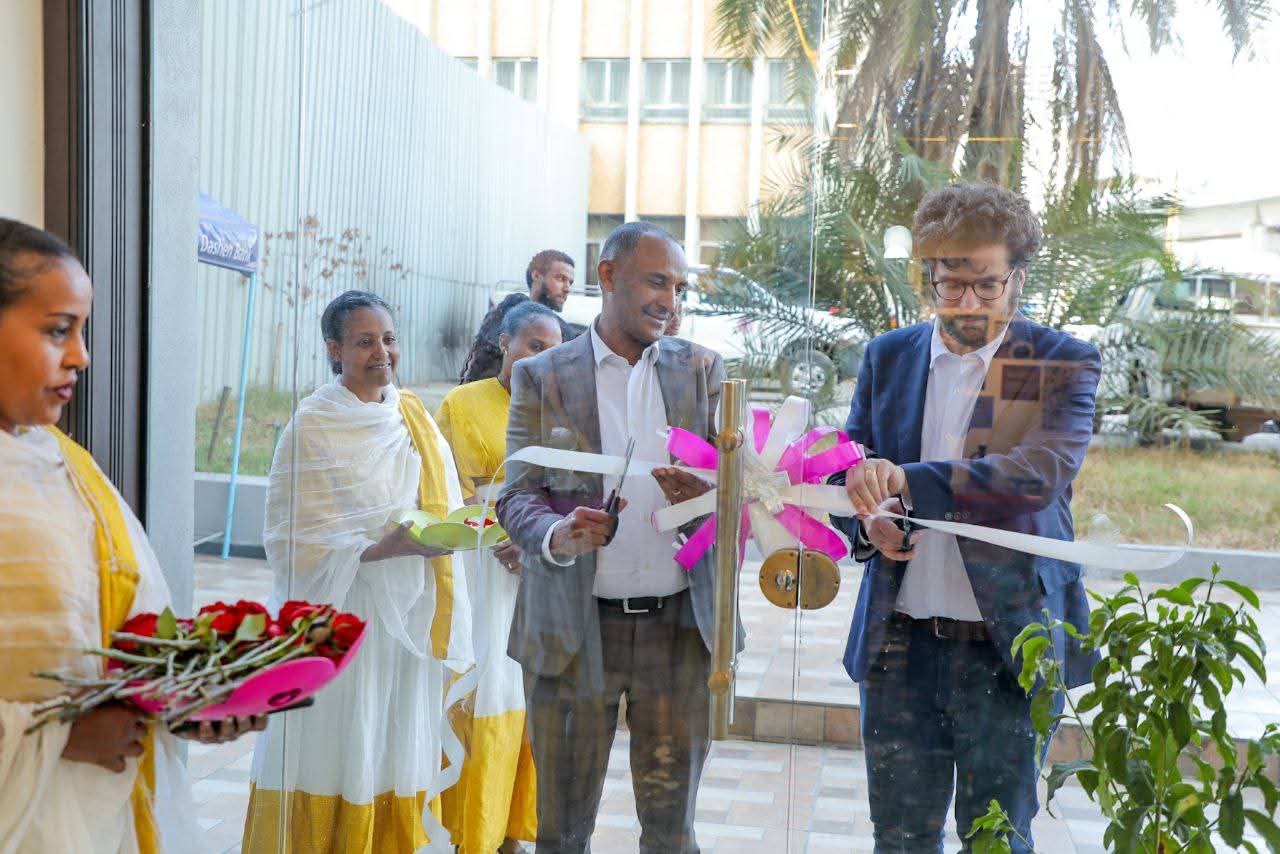
Ethiopia has officially inaugurated its Coffee Interpretation Center (CIC), a landmark institution designed to showcase the nation’s coffee value chain from seed to export while strengthening global awareness of its rich coffee heritage.

The center was launched by the Ethiopian Coffee and Tea Authority (ECTA) in partnership with Spanish Cooperation. ECTA Director General Dr. Adugna Debela and Deputy Director Shafi Omer presided over the ceremony, joined by representatives from various partner institutions.

Officials confirmed that research and content development were supported by OSSREA and Women in Coffee. Both organizations played pivotal roles during the construction phase by contributing specialized studies and gathering historical materials.

According to the Authority, the CIC serves as a knowledge and skills hub, illustrating the journey of coffee across the full value chain. Exhibits highlight historical narratives, the vital role of women in the sector, and the economic and social significance of coffee to the country. One of the center’s key roles is to present, as comprehensively as possible, Ethiopia’s traditional coffee ceremonies and the diverse cultural uses of coffee across communities. By demonstrating these ceremonial practices to visitors, the CIC also strengthens the link between coffee heritage and tourism, positioning traditional coffee rituals as a living cultural experience for both domestic and international audiences. The facility is intended to act as a primary platform for communicating Ethiopia’s comprehensive coffee legacy to an international audience.

The project is being implemented in phases. This inauguration marks the completion of the first phase, with the second phase focusing on the full digitalization of the facility.

Digital development is being led by Ablaze Lab, a local Ethiopian firm tasked with organizing both stages of the center. The company’s founder explained that two dedicated software systems and applications are currently under development. These will integrate animation and multimedia technologies, transforming the center into a fully audiovisual, interactive experience.

The inauguration aligns with broader institutional efforts to expand Ethiopia’s global presence through thematic centers and international engagement initiatives.

African Fine Coffees Conference 2026 Ends with Strong Market Signals

Addis Ababa  – Qahwa World × Buna Kurs

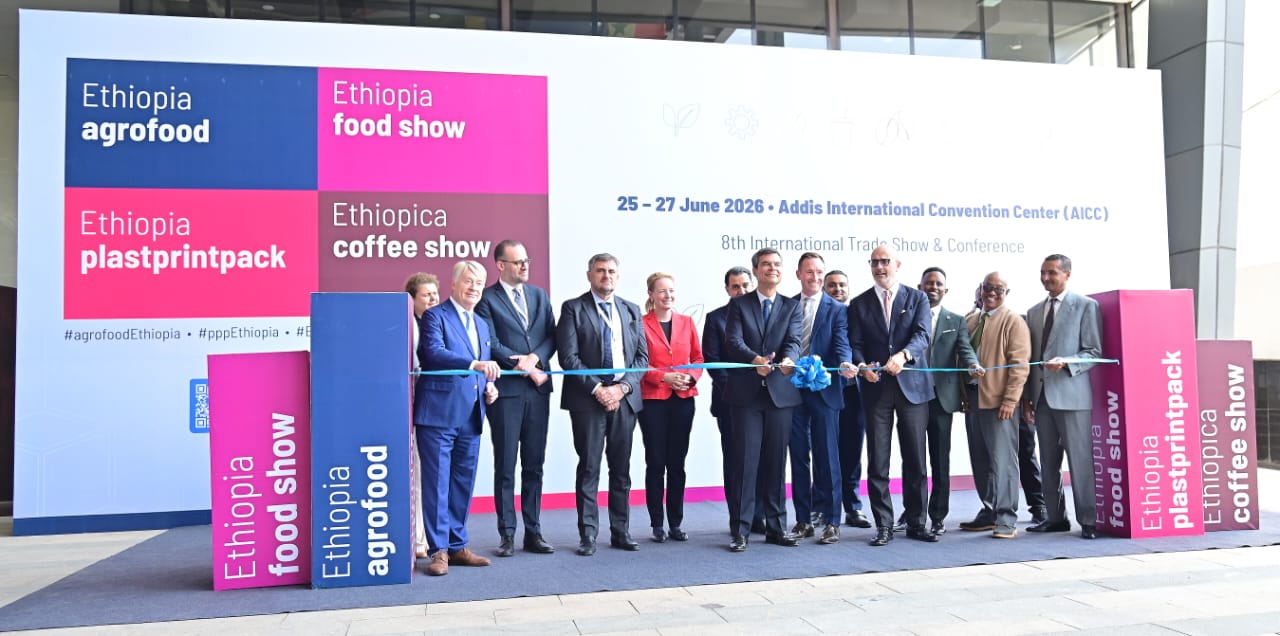
The 22nd African Fine Coffees Conference & Exhibition (AFCC&E) concluded in Addis Ababa, capping three days of trade engagement, policy dialogue, and industry competition that brought the global African coffee value chain together under one roof.

Held at the Addis International Convention Center (AICC) alongside the 3rd African Coffee Week, the conference drew a strong international turnout, reinforcing AFCC&E’s role as the central meeting point for the continent’s coffee sector.

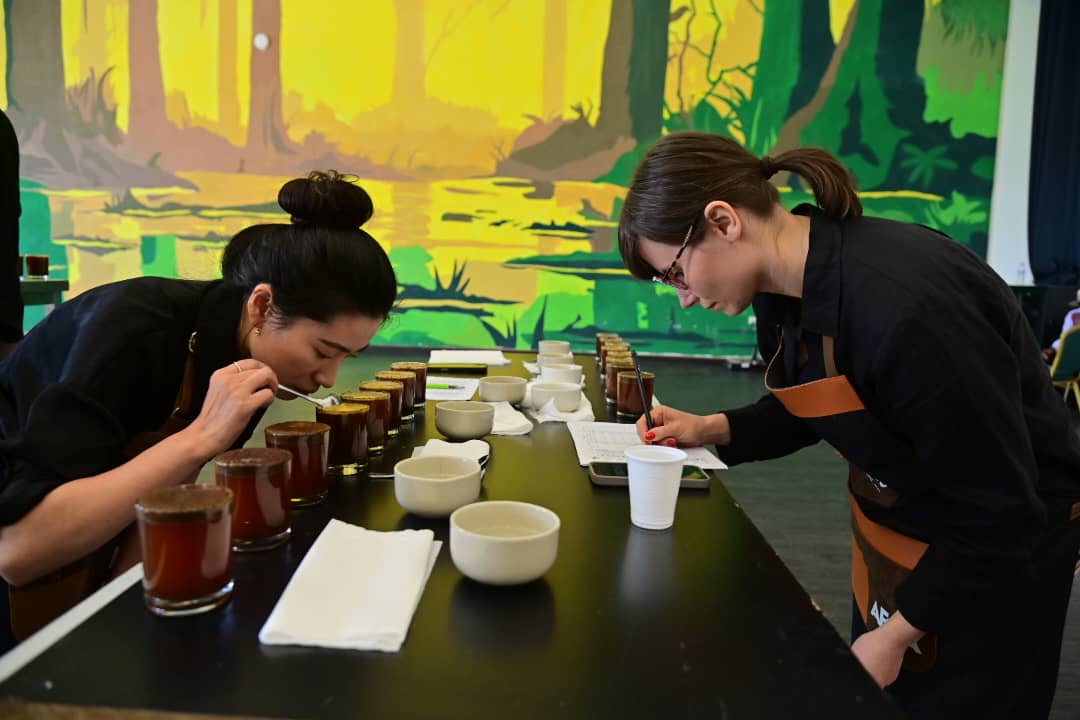
The final day focused on concluding business discussions, announcing competition outcomes, and consolidating the policy and market signals that shaped the week’s conversations. Across the exhibition floor, exporters, roasters, and traders used the final hours to finalize cupping sessions and advance logistics discussions. Activity remained high in the B2B Cupping Pavilion, where verified seller sessions offered buyers access to late-stage samples and origin briefings.

The Africa Barista Championship concluded with the crowning of the 2026 Champion, following a closely contested finale that highlighted the growing professionalism of Africa’s coffee service sector. In the Regional Taste of Harvest competition, top honors were awarded to leading producers, reflecting the momentum for African specialty coffees in premium markets.

The Burundi Taste of Harvest Auction also closed on the final day, with winning lots achieving premium prices, underlining sustained buyer appetite for traceable, high-quality African coffees.

Beyond competitions, discussions highlighted producer preparedness for the European Union Deforestation Regulation (EUDR). Exhibitors showcased geolocation mapping and traceability systems aimed at securing continued access to European markets. The UNIDO-led ACT Coffee Programme was also referenced as a framework for strengthening competitive value chains through industrial development at origin.

International roasters noted that logistics, financing, and risk management remain the primary constraints to scaling sourcing from Africa. The conference formally concluded with the official handover ceremony, where the African Fine Coffees Association announced the host for the 23rd AFCC&E in 2027.

The event closed with a gala dinner and awards ceremony at Friendship Park, bringing together delegates and partners to mark the end of the African Coffee Week programme.

AFCA 2026 Officially Opens in Addis Ababa

Brewing Africa’s Next Generation

Addis Ababa – Qahwa World x Buna Kurs

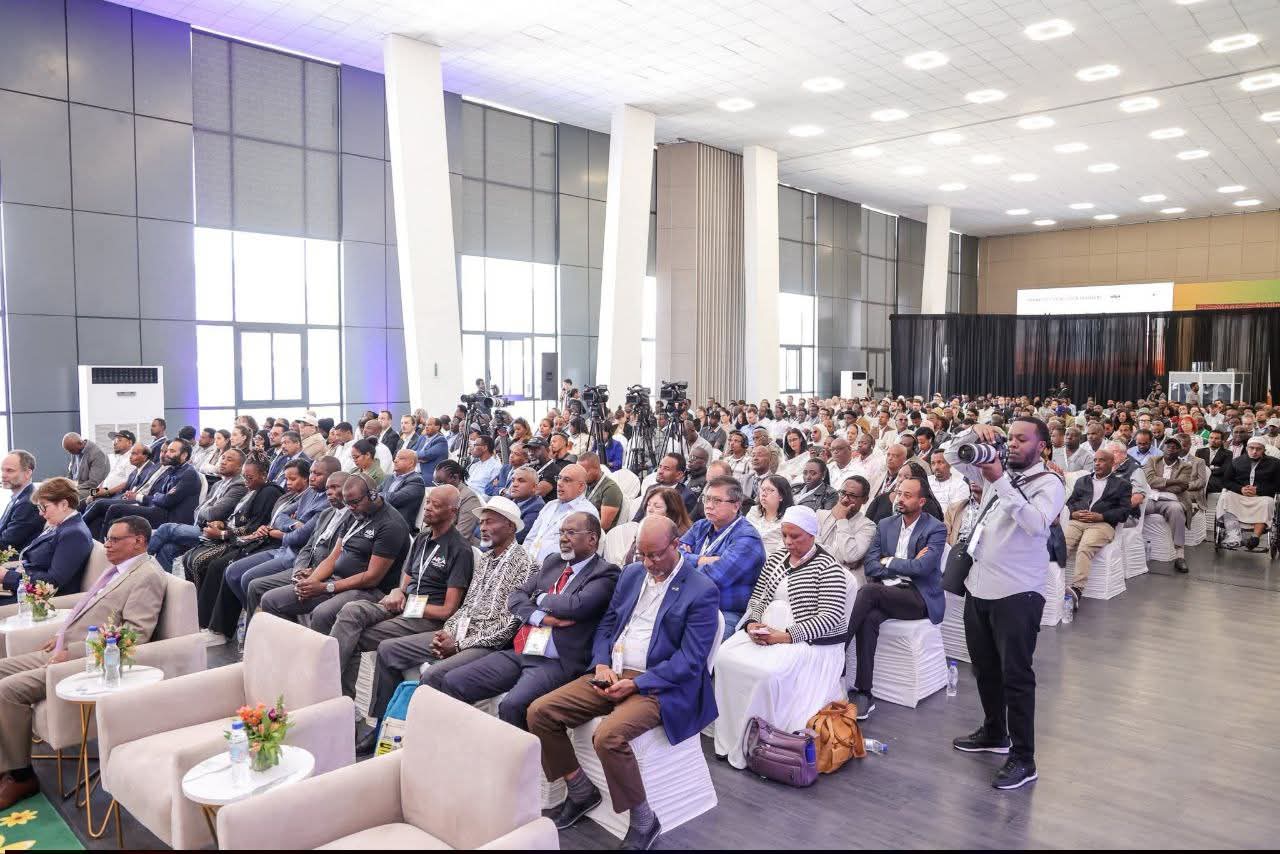
The 22nd African Fine Coffees Conference & Exhibition (AFCC&E) officially opened today at the Addis International Convention Center (AICC), marking a major milestone for Africa’s coffee sector. Following yesterday’s pre-conference Sustainability Day workshops, the event welcomed over 2,000 delegates from more than 25 countries, including government officials, private sector leaders, international buyers, and coffee experts.

A Vision for the Future This year’s theme, “Brewing Africa’s Next Generation,” underscores a commitment to modernizing the value chain, integrating youth into the sector, and building climate resilience. AFCA Chairperson Amir Hamza described the event as a “homecoming for coffee,” adding: “Africa will no longer just supply fine coffees to the world—we will define the future of coffee.”

Breaking Trade Barriers A highlight of the opening was the high-level panel discussion, “Why Do Roasters Find It Harder to Buy Directly from Africa?” presented by Algrano. Strategic partner Algrano brought a delegation of over 20 international buyers from the US and Europe to engage directly with African producers. Panelists focused on solutions to logistics bottlenecks, financing gaps, and late contracting that often hinder smallholder farmers from accessing global markets.

Exhibition Floor Highlights The trade floor is now fully buzzing with booths showcasing innovations in coffee technology, logistics, and premium green coffee. Cupping sessions are underway, featuring the winners from AFCA’s flagship competition, the Taste of Harvest, in addition to fresh Ethiopian harvests.

Delegates also explored value-addition technologies aimed at moving beyond raw bean exports to roasting and branding at origin. Policy initiatives introduced today include a gender-responsive framework designed to increase women’s participation in agricultural extension and decision-making, developed in partnership with the Ethiopian government and GIZ.

Economic and Sectoral Momentum The conference is already shaping critical discussions on coffee strategy, and analysts note that initiatives highlighted at AFCA are being seen as a platform to position Africa as a proactive player in global coffee pricing and innovation. The conference continues tomorrow and will feature the finals of the Africa Barista Championship and the Regional Taste of Harvest Competition, in addition to AFCA’s Burundi Taste of Harvest Auction.

Coffee Quality Institute Announces 2026 Global Coffee Fund Details

Addis Ababa – Qahwa World

Coffee Quality Institute (CQI) announced the details of its 2026 Global Coffee Fund (the Fund) program at the African Fine Coffee Association Conference and Exhibition. The Fund was developed to expand access to coffee quality education and advance CQI’s mission.

“CQI knows that the coffee sector is facing extraordinary challenges, and the Global Coffee Fund is one way we are working to address them,” said Michael Sheridan, chief executive officer of Coffee Quality Institute. “At a time when the public sector is disinvesting in coffee communities, CQI is tripling our commitment to the Global Coffee Fund and inviting the industry to co-invest. Together we can mobilize $500,000 to benefit coffee communities in 2026. I can’t think of a better way to mark our 30th anniversary.”

The Global Coffee Fund will invest in coffee quality through support to two distinct programs.

  • Project Awards

CQI will continue its existing successful grant program in 2026 and commit up to $100,000 to fund projects that enhance access to coffee education and promote the development of educators in areas that lack sufficient local representation.

  • Matching Grants

This year CQI is launching a Matching Grant for co-investment with partners whose own work aligns with CQI’s mission and values. CQI will provide a dollar-for-dollar match for $200,000 of external investment in qualifying projects with a goal of generating $400,000 in new commitments in 2026.

“I am very excited about the expansion of the Global Coffee Fund for 2026. The addition of the Matching Grant program will enable CQI to leverage and expand our global partnerships and network of coffee experts to increase impact at the producer level,” stated T.J. Ryan, managing director of programs at CQI. “More than just a financial match, the fund will seek partners with whom we have shared objectives to build a more resilient coffee sector.”

  • Further information regarding the Fund and application materials are available on the Coffee Quality Institute’s website. Applications will be accepted on a rolling basis.About Coffee Quality Institute

    CQI is a non-profit that works globally to improve the quality of coffee and the lives of the people who produce it. For thirty years, CQI has trained people who produce and process coffee in more than thirty coffee-growing countries around the world.

Sustainability Day Sets the Technical and Policy Tone at AFCC&E

Addis Ababa – Qahwa World × Buna Kurs

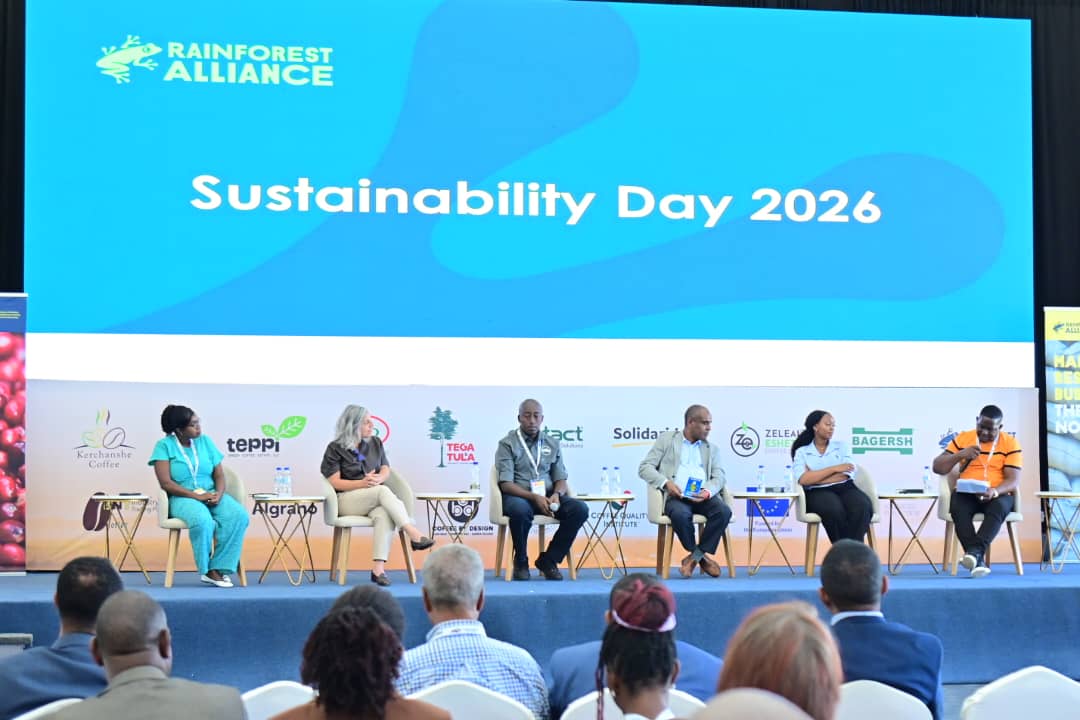
Day One of the 22nd African Fine Coffees Conference & Exhibition (AFCC&E) concluded in Addis Ababa with sustainability firmly positioned as the cornerstone of this year’s continental coffee dialogue. Following the morning’s high-level opening ceremony, the conference program transitioned into the 7th AFCA Sustainability Day, delivered in partnership with the Rainforest Alliance under the theme “Sustainability in Every Cup: Brewing a Regenerative Future, Today.”

At the center of the day’s agenda was the presentation and launch of the Rainforest Alliance Regenerative Agriculture Standard (RAS), a new certification framework designed to move beyond compliance toward ecosystem restoration and long-term farmer resilience across tropical landscapes.

Across the venue, the exhibition hall remained active throughout the day, with strong foot traffic from producers, exporters, buyers, service providers, and development partners. Exhibitors noted a visibly expanded floor layout and higher engagement compared to previous editions, reflecting both the growing scale of the event and renewed market interest in African coffee origins.

The Sustainability Day program highlighted how regenerative agriculture is being applied in practice across East Africa, with experiences shared from Kenya, Uganda, and Ethiopia, including MSuLLi, Mountain Harvest, Moplaco Farm, and sector partners working at farm, landscape, and market levels. A dedicated youth testimony segment reinforced a growing generational consensus: sustainability is no longer an add-on, but a prerequisite for remaining competitive in the global coffee sector.

Afternoon sessions shifted the discussion to the value of sustainability standards within the global supply chain, examining how certification, traceability, and transparency are increasingly shaping trade relationships. Panels featuring exporters, producers, and international buyers addressed the commercial realities of sustainability, with participation from Midrock Investments Group, Touton, ECOM, AMG Coffee Export, Preferred by Nature, and regional producer representatives.

Beyond the conference hall, B2B cupping sessions continued alongside networking activities, offering international buyers early exposure to coffees from across Africa while reinforcing the link between quality, sustainability, and market access.

Day One concluded with an invitation-only policy and networking reception, followed by the Opening Cocktail at the AICC Amphitheater, marking the informal start of a week expected to shape Africa’s coffee sustainability agenda for years to come.

Ethiopia launches Specialty Coffee Association (SCAE) to elevate global profile

Addis Ababa – Qahwa World×Buna Kurs Media

Ethiopia has officially inaugurated the Specialty Coffee Association of Ethiopia (SCAE), a national platform aimed at strengthening the global presence and competitiveness of its specialty coffee sector. The launch took place on Tuesday, November 25, 2025, at the Skylight Hotel in Addis Ababa, attended by prominent coffee industry stakeholders, including H.E. Dr. Efa Muleta, State Minister of the Ministry of Agriculture, H.E. Dr. Adugna Debela, Director of the Ethiopian Coffee and Tea Authority, and leading specialty coffee exporters.

Leadership and Mission

SCAE is led by President Ashenafi Argaw and a board of industry experts. The association’s mission is to promote Ethiopian specialty coffee internationally, uphold high quality standards, support sustainability, and create opportunities for producers, exporters, and cooperatives. The launch event also recognized the legends who have shaped Ethiopia’s specialty coffee journey and highlighted the strategic pillars that will guide the sector’s future.

Key Initiatives

A central program under SCAE is the “Best of Ethiopia” national specialty coffee auction, designed to showcase the country’s top coffees to international buyers. Inspired by successful auctions in Panama and Colombia, this initiative aims to strengthen Ethiopia’s visibility in the premium coffee segment while ensuring quality, traceability, and direct market access for producers.

SCAE will also serve as a hub for training, research, professional development, and market expansion, offering resources to strengthen Ethiopia’s coffee sector while protecting its unique varietals and biodiversity.

Global Significance

Specialty coffee associations worldwide play a vital role in connecting producers to high-value markets, professionalizing the sector, and sharing knowledge. With SCAE, Ethiopia now has a dedicated platform to ensure its story of origin, quality, and sustainability reaches the international specialty coffee community.