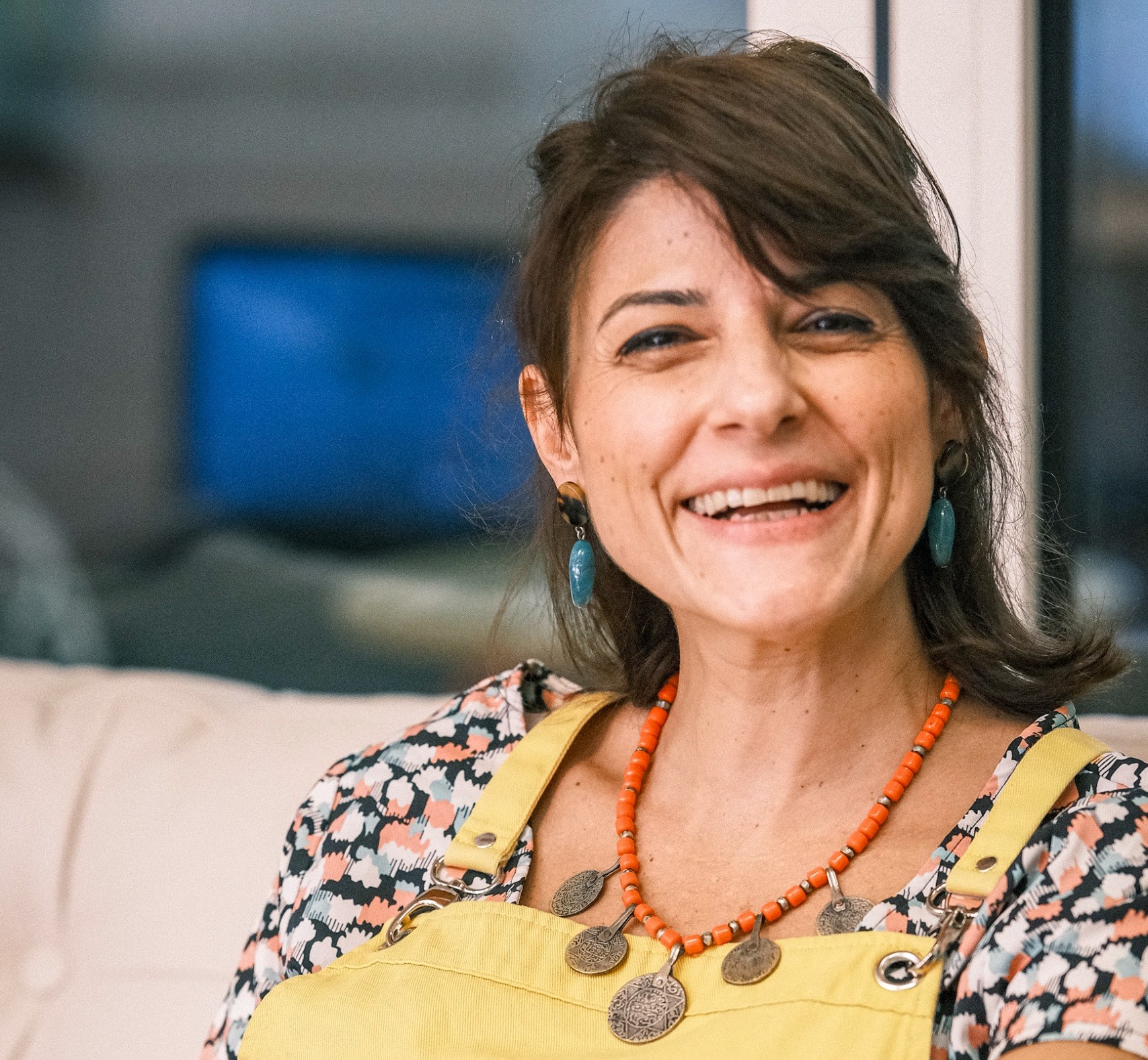
Amal Al-Ekadi: A Woman’s Voice Showcasing the Value of Yemeni Coffee

Dubai Ali Alzakary

At the heart of coffee’s long story, Yemeni coffee remains one of its most authentic and fascinating chapters. From the mountains of Yemen—where coffee first began its journey to the rest of the world—the beans still carry the aroma of history and the character of a land cultivated by generations of farmers. Yet such a rich legacy always needs voices capable of telling its story and bringing it back into the global spotlight.

Among those voices is Amal Al-Ekadi, a Yemeni coffee advocate and marketing specialist who has dedicated years to promoting Yemeni coffee and highlighting its place in the global market. In this conversation with Qahwa World, Al-Ekadi shares her personal journey, the challenges she has faced, and her hopes for the future of Yemeni coffee. Through the following lines, readers are invited to discover her story and vision.

  • A Journey into the World of Coffee

Amal Al-Ekadi describes herself as someone who has been deeply engaged in the world of Yemeni coffee for several years, particularly in promoting and introducing Yemeni beans to wider audiences. Her professional path began at a foreign company where she worked in the production department before gradually advancing into shipping and export operations.

Throughout this journey, she says her goal remained clear: to help the world recognise the true value and rich heritage of Yemeni coffee. Today she is based in Riyadh, but she still considers herself part of the ongoing effort to amplify the voice of Yemeni coffee internationally.

  • Passion Behind the Idea

Al-Ekadi explains that her decision to work in promoting Yemeni coffee grew from her deep love for it and her belief that it represents a true treasure. Yemen, she notes, is the birthplace of coffee, yet marketing efforts have not always reflected this historical importance. This realization motivated her to become part of a movement that introduces people to this remarkable product and restores its rightful place in the global coffee scene.

  • A Flavor That Tells a Story

What fascinates Amal Al-Ekadi most about Yemeni coffee is its unique flavor profile and the diversity that appears from one region to another. For her, Yemeni coffee is far more than a beverage—it is a story, a culture, and a way of life shaped by farmers who dedicate years of work and care to cultivating these beans before they reach a cup.

  • First Steps

Her beginnings in the field were modest. Amal Al-Ekadi started by communicating directly with farmers and learning about the different varieties of Yemeni coffee. She also acknowledges the support she received from her former manager, Shubair Ezi, whose guidance played an important role in her early career.

Through her work in shipping and export, she gained practical experience while also introducing Yemeni coffee to wider audiences through social media and professional connections with coffee enthusiasts both inside and outside Yemen.

  • Challenges Along the Way

The path, however, was not without obstacles. Al-Ekadi points to the difficult circumstances Yemen has experienced in recent years, including war and the logistical challenges of transportation and export.

Despite these difficulties, Yemeni coffee has continued to find its way to global markets, thanks to the efforts of people who believe deeply in its value and remain committed to sharing it with the world.

Amal Al-Ekadi: A Yemeni Voice Promoting Yemeni Coffee

  • Growing Global Interest

According to Amal Al-Ekadi, the past few years have brought a noticeable shift in how people perceive Yemeni coffee. With the rapid growth of the specialty coffee movement worldwide, more consumers and professionals have begun to recognize the exceptional quality and distinctive character of Yemeni beans.

This renewed interest has helped return Yemeni coffee to the international conversation about premium and specialty origins.

  • The Distinctive Flavors of Yemen’s Mountains

While she believes every Yemeni coffee origin has its own charm, Amal Al-Ekadi says she is particularly drawn to coffees from mountainous regions such as Haraz and Yafa. Beans from these areas often display complex and rich flavor profiles that appeal strongly to specialty coffee enthusiasts.

  • The Growing Role of Yemeni Women

Amal Al-Ekadi also highlights the important role Yemeni women play in the coffee sector, from farming and processing to marketing and promotion. She believes women’s presence in the industry has become increasingly visible and influential in recent years, a development she considers both encouraging and essential for the sector’s future.

  • A Dream for Yemeni Coffee

For Amal Al-Ekadi, the long-term dream is for Yemeni coffee to fully reclaim its global reputation. Equally important is ensuring that Yemeni farmers receive the recognition and fair prices they deserve for the tremendous effort they invest in cultivating this historic crop.

  • A Message to Farmers and Young Entrepreneurs

In closing, Amal Al-Ekadi offers a message to farmers and young people interested in entering the coffee sector. Farmers, she says, are the foundation of this precious heritage, while the younger generation holds the key to its future development.

With greater awareness, thoughtful work, and professional marketing, she believes Yemeni coffee can become not only a source of pride but also an important economic pillar for Yemen.

Amal Al-Ekadi also expressed her appreciation to Qahwa World and to Mr Ali for the opportunity to share her experience with Yemeni coffee, expressing hope that collective efforts will continue to highlight the value of this historic product and bring it the recognition it deserves.
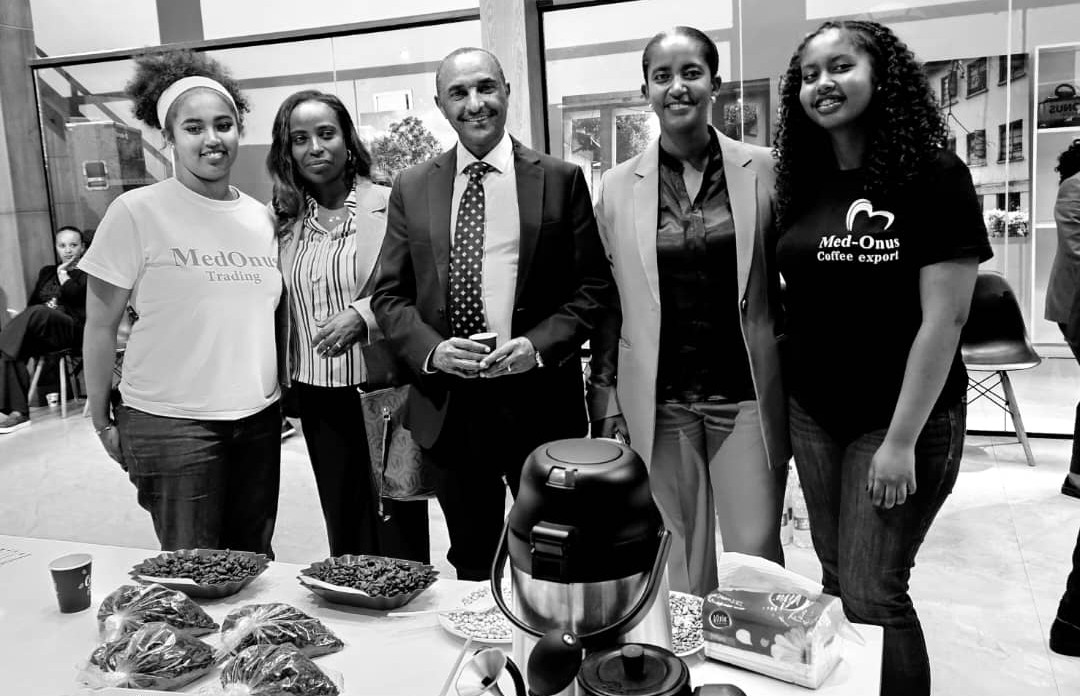
 

Ethiopian Women Lead Coffee Sustainability via Cascara

Addis Ababa – Qahwa World x Buna Kurs

As the AFCA conference continues, a focused side event at Creative Hub Ethiopia turned attention to an often-overlooked part of the coffee cherry: cascara. Sip, Savor, Sustain: Ethiopian Cascara Tasting brought together industry professionals, creatives, coffee producers, and coffee enthusiasts to explore how circular economy practices can create new opportunities—particularly for women in coffee.

The event was organized by the Center for Circular Economy in Coffee (C4CEC) in collaboration with Women in Coffee Ethiopia (WiCE) and Muna Mohammed, Founder and CEO of Eight50 Coffee in Canada, with support from the Italian Agency for Development Cooperation (AICS) and UNIDO, and in partnership with Ethiopia’s Ministry of Labor and Skills. Spanish Cooperation supported research on women in coffee and facilitated the participation of a woman coffee farmer to share firsthand experience from the field. The initiative builds on a research and pilot capacity-building program focused on coffee by-product valorization, implemented with women producers.

While cascara is gaining international attention, Ethiopian communities—especially women—have long brewed the dried coffee cherry as hashara tea, embedding sustainability into daily life long before it became a global concept.

During the event, cascara was served as tea, offering participants a sensory introduction to how coffee by-products can be transformed into market-ready products with export potential.

A key highlight of the evening was the emphasis on women’s participation in value addition across the coffee value chain. Women in Coffee Ethiopia (WiCE) emphasized that cascara represents a practical pathway for women producers to diversify income while reducing environmental waste from coffee processing.

The human impact of this approach was reflected in a presentation by a woman coffee producer representing a women-led cooperative from a major coffee-growing region of Ethiopia. Sharing her experience, she noted that cascara production and related training have improved household income, strengthened technical skills, and expanded economic opportunities for women in her community.

By turning what was once considered waste into a high-value product, cascara creates a second income stream that can directly benefit women-led cooperatives without requiring additional land or resources. At the same time, it supports environmental sustainability by reducing by-product disposal and promoting circular economy models within Ethiopia’s coffee sector.

The event drew a diverse audience of development partners, cooperatives, entrepreneurs, and industry representatives, reinforcing growing interest in inclusive, women-centered coffee innovations.

As Ethiopia continues to position itself as a global leader in specialty coffee, initiatives like Sip, Savor, Sustain demonstrate that the future of the sector lies not only in the bean, but in the full coffee fruit—and in empowering the women who have long been at the heart of its journey.

Bloomberg… Colombian Women Push Against Coffee’s Patriarchy

Dubai – Qahwa World

Bloomberg published an investigation titled “From Bean to Cup, Colombian Women Push Against Coffee’s Patriarchy”, which stated:

The mist-covered hills of Colombia’s Huila region, lined with dense coffee trees, are witnessing a gradual but determined shift. Women across the country’s renowned coffee sector are stepping into roles once dominated almost entirely by men. They are running farms, forming cooperatives, and launching their own brands, yet deep-rooted gender barriers continue to limit their economic participation—despite historically high coffee prices.

Industry Boom and Leadership Barriers

Colombia’s coffee industry is experiencing one of its strongest periods in decades. Arabica prices reached record levels in October after US tariffs on Brazilian coffee coincided with weak global harvests. Even after the tariffs were reversed, prices remained high, with buyers scrambling to rebuild inventories.

In the twelve months through October, Colombia produced nearly 15 million 60-kg bags of coffee—up 14% from the previous year and the highest level for this time period since 1992, according to the National Federation of Coffee Growers.

Exports rose more than 11% to 13.4 million bags, with roughly 40% headed to the United States.

Women are slowly benefiting from this boom. For the first time in almost a century, they now lead two of the federation’s 15 regional committees. They also represent nearly one-third of Colombia’s 525,000 registered coffee farmers, a rise of more than ten percentage points since the late 1990s. Still, their visibility has not translated into equal access to leadership roles, decision-making power, or financial resources.

  • Daily Realities in the Coffee Heartland

In Huila, gender inequality often begins at home. Nery Muñoz, 47, leads a small coffee-growers association in the town of Palestina. Like thousands of women in the region, she manages household responsibilities while working long hours in the fields. “When I have to attend a training session or a meeting, I make sure breakfast, lunch and dinner are ready,” she says. “I also take care of my grandson when my son is working.”

The region also faces the long-term impact of Colombia’s internal conflict and the pressures of illicit crop economies. President Gustavo Petro has encouraged farmers to replace coca with crops such as coffee, but insecurity still affects daily life for many women trying to build sustainable livelihoods.

Cultural Barriers and Financing Challenges

In nearby Pitalito, ten women—including 34-year-old Yineth Sánchez—spent almost a year registering their cooperative, Asoproca. Their goal is to produce and sell coffee under their own brand, but limited legal and technical knowledge slowed progress.

According to adviser Andrea Cano, who works with women entrepreneurs in Huila, deep-rooted gender norms continue to block women from equal participation. “It’s not seen well for a woman to leave her household duties to attend meetings or training,” she says. Many also lack the formal education needed to write proposals or manage projects.

  • The Credit Challenge

While 51% of Colombians have access to formal credit, the figure drops to 17–20% in rural areas. The gender gap itself is small (18% of rural men versus 16% of rural women have access), but hidden biases and structural barriers make loans harder to secure.

Loan officers often perceive women as riskier borrowers, especially when they lack property titles or appear less confident, says Jaime Rincón of Asobancaria. Yet data shows women have lower delinquency rates on 90-day loans.

Women manage 26% of Colombia’s planted coffee area and produce roughly 25% of national output.

Their farms also tend to be smaller: 59% cultivate under one hectare, compared with 51.2% of male farmers.

  • A Year of High Prices—and High Costs

In San Agustín, 44-year-old Edmy Yojana Correa farms 1.5 hectares with her husband, raising 7,450 coffee trees across four varieties. While she avoided chemical fertilizers and earned Rainforest Alliance certification, enabling her to secure higher prices, rising costs for organic fertilizer and labor are squeezing profits.

Edmy sought a private bank loan this year but was rejected. She later secured a small loan from Banco Agrario—about $2,000—after an official from the coffee federation informed her about a financing program she had never heard of. The loan, backed by Finagro, is just enough to fertilize her crops and prepare for next year.

Most women-led cooperatives still struggle to sell their coffee at competitive rates, especially compared with farmers who rely on the federation’s strong logistics and marketing networks.

“Our goal is to export our coffee at a fair price that compensates for all the processing and effort we invest,” says Asmuer leader Blanca Elcy Ome. Yet barriers persist. As global demand for Colombian coffee grows, many women who sustain the industry are still waiting to see the full benefits.

“We do need more support,” Edmy says ahead of a coffee fair in Bogotá. “I know there’s a customer for my coffee. I just have to look for them.”

Raha Shahsavar: From the First Crack of the Bean to the Peak of Roasting in the UAE

Dubai – Ali Al-Zakary

Between the tongues of flame and the warmth of glowing beans, the story of Raha Shahsavar was born — a young woman who redefined roasting as an art that balances science and intuition. Her journey began in Iran with a childlike fascination for aromas, heat, and wonder, but it was in the UAE that her talent found a home. There, she refined her passion through study and practice until she became the UAE National Coffee Roasting Champion 2025.

Her path is more than a tale of professional success — it is a saga of passion and perseverance, showing how a dream can ignite into a flame of creativity when guided by responsibility and love for the craft. Between Raha the artist, who paints with color and shadow, and Raha the roaster, who paints with aroma and flavor, stands a woman who turned the “first crack” into a symbol of transformation and creation.

In this inspiring conversation, Raha opens the pages of her journey — from her humble beginnings at the Coffee Museum to founding Crack Coffee Roastery, from her early experiments with fire and flavor to winning the highest title in the UAE roasting scene.

Join us as we discover the story of Raha Shahsavar — her passion, philosophy, and vision for the role of women in specialty coffee.

What inspired you to enter the world of coffee? Did your journey begin in Iran or in the UAE?

My journey with coffee started in Iran, where I first became fascinated by the sensory world behind it , the aromas, the science, and the emotions it evokes. But it truly flourished in the UAE, where I found the opportunity and freedom to turn that curiosity into a career.

What were the first steps you took in roasting? Did you face any technical or cultural challenges at the start?

In the beginning, I had very limited access to proper roasting equipment or mentors, so I learned by observing, experimenting, and failing a lot. I started with a small sample roaster in coffee Museum and slowly built my understanding of heat transfer, bean behavior, and sensory calibration. The biggest challenge wasn’t just technical ,it was cultural. As a woman entering a very male-dominated part of the coffee industry, I had to prove  my knowledge and precision. It took persistence, humility, and constant learning.

Raha Shahsavar: Redefining Coffee Roasting in the UAE

Who has been your biggest supporter throughout your professional journey?

I’ve been lucky to have supportive family and   partner who was always there for me and friends  in the coffee community , people who believed in my potential before I even did.

What’s the story behind founding Crack Coffee Roastery? And why did you choose that name?

Crack Coffee Roastery was born out of both passion and necessity. I wanted a space where I could roast freely, teach, experiment, and express the art of coffee without limitation. The name “Crack” comes from the first  crack in roasting,  it symbolizes both change and creation: the moment when something ordinary becomes extraordinary.

How do you translate your passion for coffee into a final product that reaches the customer?

I try to make sure that every coffee we release has a soul that it represents the farmer’s effort, the origin’s character, and my own interpretation of flavor. I spend a lot of time on sensory evaluation and consistency, but also on  presentation, because how people see and feel a coffee is part of the experience. Whether it’s a café supply, a course, or a single retail bag, I want customers to sense that care in every detail.

What is your philosophy when it comes to roasting? Do you follow a specific approach to bring out flavor profiles?

My philosophy is balance between data and intuition, control and creativity. I rely  on sensory feedback, but I also respect the chemistry  of roasting. Every origin and process needs a different dialogue with heat. I like to roast transparently, keeping the coffee’s identity intact rather than forcing a style. My goal is always to reveal the bean’s potential, not to hide it under roast character.

How did it feel to win the title of UAE National Roasting Champion 2025? How did you prepare for the competition?

It was an emotional moment  not only because of the title but because it validated years of hard work  at the roastery. I prepared intensely, specially last 2 weeks, studying the rules and regulations , recalibrating my skills, and pushing myself to perform under pressure also roasting every day.

Winning was never about beating others it was about proving to myself that passion and persistence can truly change your path. It was also a proud moment for women in coffee, showing that our voices and craftsmanship belong on that stage.

Raha Shahsavar: Redefining Coffee Roasting in the UAE

How have your certifications, such as Q Arabica Grader and Q Processing, shaped your skills?

They’ve been transformative. The Q system taught me to evaluate coffee objectively and communicate flavor precisely. Q Processing expanded my understanding of how post harvest methods shape cup quality  something I now apply to every sourcing and roasting decision. And as an AST, I’ve learned that teaching others is one of the best ways to deepen your own understanding. And every time I’m learning something new.

As a judge in World Coffee Competitions, what are the key criteria you focus on during evaluations?

Consistency, clarity, and emotional impact. Of course, we have technical protocols and sensory standards, but beyond the score sheets, I always look for intent the competitor’s story, and whether their cup or performance truly communicates something meaningful. It’s not just about perfection; it’s about connection.

Do you still practice visual art? And do you see a connection between artistic sensibility and your work in coffee?

Yes, art has always been part of me. I still paint, sketch, and design  and I see roasting as another form of art. Both require observation, patience, and sensitivity to balance. My artistic side helps me visualize flavor and emotion; it’s what guides me when I create concept based blends. Coffee, for me, is where science and art meet.

How would you describe the role of women in the specialty coffee scene—whether in Iran or the UAE?

Women have always been present, but often not visible. In both Iran and the UAE, more women are now entering roasting, judging, and business and they’re doing it with strength We bring empathy, creativity, and resilience to this industry. The more we support each other, the faster the culture evolves beyond old stereotypes.

What advice would you give to women who aspire to enter the world of coffee, whether in roasting, judging, or entrepreneurship?

Don’t wait for permission. Learn, fail, try again  and never let anyone make you feel that you need to “prove” your value. Build your knowledge, trust your palate, and be consistent. The coffee world can be tough, but it rewards authenticity and passion.

Your favorite brew method: filter or espresso?

Filter coffee . But I enjoy espresso also.

A roastery you admire globally?

Phoenix Roastery in the U.S. I admire their approach to experimentation and their respect for craftsmanship.

A coffee farm you dream of visiting one day?

Finca Deborah in Panama — their innovation in processing and sensory development is fascinating. I’d love to experience that environment firsthand.

The strangest flavor you’ve ever discovered in a cup?

A Liberica from Malaysia honey process. It had this wild combination of jackfruit, rose syrup, and ferment-like sweetness that felt completely outside the normal arabica spectrum. It reminded me how endless coffee flavor can be.

Rana Ibrahim: Coffee Is Art and Life for Me… and “edda arabica” Is a Space for Stories and Humanity

Dubai – Ali Alzakary

In the presence of coffee, conversation becomes a musical piece: every sip has a note, every bean a story, every hand that plants or brews leaves a lasting trace. This is how Rana Ibrahim sees coffee: not a passing drink, but a space for art, soul, and humanity. In her interview with Qahwa World, she reveals how a simple cup turned into an existential journey, and how she shaped her cafés and projects as an extension of the art she loved since childhood.

Between edda arabica, US Coffee Shop  in Beirut and Qahwat Al-Souq in the town of Baakline, between teaching and experimentation, and between the paintbrush and the cup, Rana has woven a world of her own—where coffee is not merely a beverage, but a language of presence, identity, and creativity.
We invite you now to enjoy this rich and inspiring conversation with Rana Ibrahim, where coffee intersects with art and daily rituals turn into stories worth telling.

How did your journey in the world of coffee begin, and when did you realize that this field would become part of your professional and personal identity?

Coffee has always been part of my upbringing, it was something my family enjoyed every day, and eventually, it became second nature to me too.
Things began to change, though, when I moved to London. While studying Fine Arts at Central Saint Martins, I kept a studio in East London, an area that happened to be surrounded by some of the first third-wave roasters. That’s where I started looking at coffee differently. It shifted from being a routine I hardly thought about into something I began to approach with more intention.

The third-wave movement opened my eyes to the story behind every cup, where the beans come from, the people who grow them, and what that means. That perspective completely reshaped my relationship with coffee. It stopped being just about drinking it, it became about understanding it.

A big turning point came when I took my very first course, Introduction to Coffee, at Prufrock in London. My trainer was Jeremy Challender, who’s now the Dean of Studies at Barista Hustle. He asked me a simple but powerful question: “Why do you want to learn about coffee?” I remember stopping to think, because up until then, my interest was mostly about pairing coffee with food, imagining I might one day open a café. But his question pushed me to go deeper.

I eventually answered, “Because one day, I’d like to open a coffee shop.” At the time, my focus wasn’t so much on coffee itself, but more on the idea of bringing people together through food and hospitality.

Since childhood, I had always been surrounded by the food and beverage world. I worked in F&B, enjoyed being around people, and valued the connections that sharing food and drinks creates. Jeremy’s question helped me realize what tied it all together. My goal wasn’t to become a coffee trainer or educator then—it was simply to create a place of my own, a welcoming spot where good coffee and simple food could bring people together.

Years later, when I opened edda arabica, I felt I had finally found my voice in coffee. The shop became more than just a business; it was where everything I cared about ritual, art, coffee, community, and hospitality came together in one space.

If you weren’t in the coffee industry today, where do you think you would be?

To this day, I’m still deeply connected to the world I came from, I continue to paint. Art has always been a constant in my life, and I imagine I’d still be in that field if I hadn’t chosen coffee, exploring the same themes that continue to inspire me: space, culture, identity, and transformation.
Most of my creative work, whether visual or spatial, revolves around building environments thinking about how people come together, how communities take shape, and how public life is experienced. That’s why I often collaborate with public practitioners and urban thinkers; I’m fascinated by how spaces can be designed not only to function, but to hold meaning.

Even when I design a café, I approach it as if it were a canvas. I think about flow, movement, silence, and interaction. To me, every space is an opportunity for people to pause, connect, or feel a sense of belonging. That thread runs through both my art and my vision of hospitality.

Painting remains at the core of everything I do. The way I describe coffee—its body, acidity, aftertaste, often echoes how I describe art: in terms of color, form, and composition. Those languages overlap more than most people realize.

So, if I weren’t in coffee, I’d still be working with people, with space, and with form through painting, design, and storytelling. Coffee just happened to become the medium where all of these passions could converge.

What is the relationship between art and coffee for you? Do you see both as expressions of creativity?

For me, coffee and art have always been connected. Both depend on structure, rhythm, and a kind of logic—what I think of as parameters.

In coffee, you work with things like dose, yield, brew time, temperature, and grind size. Those aren’t limits; they’re the foundation that makes creativity possible. Painting works the same way. Composition, balance, color, and layering create the framework you use to express meaning.

When I’m painting, I’m focused on form, texture, space, and movement. When I’m making coffee, I’m paying attention to body, acidity, aftertaste, and mouthfeel. At their core, both are languages of expression. The way a brush moves across canvas isn’t so different from the way water flows through coffee grounds.

What ties both together is presence. You have to be fully in it—with your tools, with your intention, and with the people who will experience it. Whether it’s a painting or a cup of coffee, the result is shaped by countless small decisions that often go unnoticed by others.

That’s why I see coffee and art as parallel practices. They’re creative, yes, but they also demand discipline. Both give you freedom within structure, and both speak to the same part of me.

What distinguishes edda arabica from other cafes in Beirut? How did the idea for it come about?

edda arabica came to life in 2021, during a very uncertain moment in Lebanon, when the banking system was collapsing. Strangely enough, those difficult times brought people closer. Conversations shifted; coffee stopped being just coffee and became about presence, slowing down, and holding on to something grounding like a cup in your hands.
From the very beginning, I wanted edda to be an open space and not just in its physical design, but in its spirit. A place where I could brew coffee and people could interact, ask questions, and start conversations. Less of a transaction, more of an exchange. Of course, we’ve always cared about the fundamentals the roast, the origin, the process but chasing perfection was never the goal. What mattered was connection.

Slowly, edda became that kind of place. Baristas from other cafés would drop by after shifts, bringing beans to share, cupping together, or simply hanging out. None of it was planned, it just unfolded naturally. Over time, it turned into a gathering point for the community, where ideas and experiences were exchanged as easily as coffee.

Being in Clemenceau, right across from the American University Hospital, also shaped the space. It attracted a wide mix of people and not just those already interested in specialty coffee, but many who were new to it. Little by little, curiosity grew. People began asking questions, tasting, and understanding more about sourcing, roasting, and traceability. For many, edda became more than a ritual; it became a place to belong.

There’s also a personal story behind it. Walid, my partner, an architect and chef, was the one who asked me to open a coffee space inside one of his restaurants. The funny part is that three years earlier, I had asked him the same thing, but it didn’t happen then. When he finally asked, I couldn’t refuse. His spaces are always layered, intentional, and full of contrast, and that’s exactly why the edda bar looks the way it does. It’s not just a counter, it’s a real bar, designed with care, but for coffee.

Even the name carries weight. edda comes from Norse mythology, referring to old collections of stories, myths, and shared knowledge passed down through generations. arabica is the bean we work with. Together, edda arabica isn’t just about serving coffee, it’s about sharing stories, passing things on, and creating real connections.

Over the years, the bar has become a hub for communication, training, and exchange. It has opened up a channel for what we now call specialty coffee, but in a way that feels human, approachable, and rooted in community.

How do you evaluate the current coffee scene in Lebanon? What challenges do you face in running a specialty coffee shop in light of the economic climate?

The specialty coffee scene in Lebanon is still young and developing. We’ve made real progress, especially when you think about what the country has been through economic collapse, inflation, shortages, yet many of us are doing our best just to keep things moving forward. Compared to more established markets, there’s still a lot of groundwork to be done.

The challenges never really stop. Some days I run out of basic supplies. Tasks you expect to finish in one day might stretch into three. You’re constantly dealing with power cuts, delays, and broken supply chains—but over time, that unpredictability becomes part of daily life. It’s something we all share, which makes the stress feel a little more bearable, a little more human.

Working in that environment shifts your perspective. You start to realize that if you have water, heat, and coffee, you already have enough. Any coffee is better than no coffee, and everything beyond that is a gift. Living and working this way teaches humility. It forces you to stay flexible, to focus on the present, and to be grateful for what you do have.

us coffee shop

What prompted you to co-found US Coffee Shop? Is it different in terms of audience or visibility?

US Coffee Shop is based right in the center of Beirut, in Starco. It feels like a new chapter, but in many ways, edda arabica made it possible. At edda, I spent a lot of time focusing on guiding, teaching people about origin, brewing, taste, and process. US carries the same spirit, but with a lighter, more playful tone. It’s younger, more vibrant, full of life. The coffee is still thoughtful, the quality is there, but it isn’t about chasing perfection. It’s about celebrating movement, community, and everyday life. With food on the menu too, it feels casual, accessible, and easy to enjoy.

What I love most is how naturally it all came together. One of my partners originally approached me for coffee consulting, and from there, the idea grew. I gathered people I trust and enjoy working with, and together we created something we all believed in. We actually started building US during the war, and despite everything, we kept going until we opened. That resilience and determination shaped the spirit of the place.

The design of the shop reflects that same energy. Even the colors are drawn from my own paintings, which makes the space feel personal bright, joyful, and full of light. And since the team from edda rotates between both cafés, the heart and essence of what we do flows seamlessly into US as well.

The people who come in are just as important to the identity of the space. The crowd is incredibly diverse designers, artists, students, Gen Z, young professionals, curious coffee drinkers. It’s not limited to a niche; it’s open to everyone. That’s what I love most about US. It feels welcoming and unpretentious, a place where people can just come as they are. At its core, it’s still about coffee but it’s also about life.

Why did you decide to launch “Barista Hustle in Arabic”? And how important is it to provide Arabic training content for coffee professionals?

Back in 2017, Jeremy Challender, now the Dean of Studies at Barista Hustle, reached out to me with the idea of launching Barista Hustle in Arabic. I immediately felt it was the right thing to do. We kept talking, refining the idea, and by 2019, we finally brought it to life.

Barista Hustle has always stood out to me because it’s such an accessible platform. It’s straightforward, engaging, and doesn’t require you to travel or spend a fortune to learn. Making it available in Arabic wasn’t just about translating words, it was about creating access and inclusion. Not everyone in our region can attend international trainings, and this gave more people the opportunity to grow their skills and knowledge without barriers.

For me, though, it was never only about baristas. I’ve always wanted to widen the circle to reach home brewers, people from different professions, or just anyone curious about coffee. It’s not only about expanding the language we use around coffee, but also about expanding who gets to be part of the conversation. Education, after all, should feel open, welcoming, and within reach for everyone.

Did you encounter any difficulties translating or transferring the training content to the Arab world? What was the interaction like?

Of course, there were challenges along the way. Translating coffee education into Arabic was never just a matter of swapping words from English. In many cases, the technical vocabulary simply didn’t exist in Arabic, so we had to create terms that felt logical, approachable, and easy to understand. On top of that, Arabic itself is not one unified language. What works in Lebanon might not resonate in Morocco or the Gulf. We had to find a balance, a modern, neutral Arabic that could reach people across the region without sounding overly formal or distant.
Another challenge was tone. Barista Hustle can be quite technical, but our goal was to make it accessible and engaging. We weren’t speaking only to professional baristas, we wanted to include home brewers, café owners, and anyone curious about coffee. The material needed to feel useful and approachable, not intimidating or exclusive.

The response from the region was incredibly encouraging. People were ready for this. We received so much positive feedback, especially from those who had never had access to structured coffee education in Arabic before. For many, it was the first time they felt truly part of the global coffee conversation and that made every bit of effort worthwhile.

What does being a Q Grader mean to you? How does this certification affect the way you taste coffee or evaluate crops?

For me, being a Q Grader is more of a responsibility than a certificate. It gave me a structured way to taste and evaluate coffee, but more than that, it taught me to pay attention differently, to how I taste, how I listen to the cup, and how I represent the work of producers. It’s not about judging from a distance; it’s about being fair, present, and honest with what’s in front of me.

The training definitely sharpens your senses. You taste with more focus and consistency. But at the same time, it humbles you. You realize coffee isn’t just about numbers or scores, it’s about people, places, climate, and intention. As a Q Grader, I try to hold both sides: the technical precision, and the human story. When I evaluate a crop, I’m not only asking, “Is this an 86 or an 87?” I’m also thinking about how it will show up in a café, how people will experience it, and how to highlight its strengths without losing the story behind it.

That’s why, for me, Q is a tool and not a title. It helps me communicate better, serve better, and stay connected to the people and work behind every cup.

And honestly, these days, I find myself enjoying coffees that aren’t about high scores at all. The story of how they arrived to me, and the journey behind them, often matters more than how refined or complex the cup is. Maybe that’s just where I am right now, especially with everything going on in the world. It reminds me to stay grounded, to stay close to the human side of coffee and to be grateful for what’s in the cup.

How would you describe your experience taking the Q Grader tests? Would you recommend it to Arab professionals?

Honestly, taking the Q Grader exam wasn’t part of my plan at all. I hadn’t set it as a goal. But then Mohammad Merhi from Cypher reached out and supported me in a way I’ll always be grateful for. I think he sensed I needed that push not only on a professional level, but personally too, especially with everything that had been happening around us in Beirut. He gave me the flexibility and space to pursue it, without adding pressure around money or timing. That gesture meant a lot. It’s those quiet, generous acts that really show you how human and supportive this coffee community can be.

The exam itself was tough intense, very detailed, and highly technical. It forces you to trust your senses, stay calm under pressure, and refine how you taste and evaluate. I would definitely encourage Arab professionals to take it, not for the title or status, but for the awareness and clarity it brings. It gives you a shared language, a framework to connect with coffee in a more intentional way, and to communicate more clearly with others across the supply chain.

That said, it’s not the only way forward. There are many different paths in coffee. But if you’re curious and want to go deeper, the Q can be a truly valuable tool.

women in coffee

How do you view women’s presence in the Arab coffee scene today?

There’s definitely been a shift. More women are showing up in the Arab coffee scene taking space, leading, and speaking out. You see it across the board: baristas, roasters, café owners, trainers, even producers. Women are stepping into roles that weren’t always visible before, and that presence is growing in a really powerful way.

Of course, there’s still progress to be made. Like most industries, coffee has its gaps in access, visibility, and representation, especially behind the scenes. But I’ve noticed a real change in recent years. There’s more openness, more willingness to listen and make space. And women are claiming that space naturally, not as a token gesture but as part of the fabric of the industry.

It’s a process, and it’s happening step by step. The more women show up, the more it becomes normal, not the exception. What gives me a lot of hope is the network of women forming across the region. They’re supporting each other, sharing knowledge, and building each other up. And on the other side, I’ve seen audiences, customers, peers, communities listening differently. There’s a readiness now to hear women’s voices in coffee, to value the way they lead.

For me, it’s not only about having women “present” in the room. It’s about presence with impact creating space for different leadership styles, different stories, and different ways of working. And every time women show up, that space grows more real.

What do you think of the new evaluation system by the Specialty Coffee Association?

To be honest, I haven’t had the chance to sit down and really go through it in detail yet, but I will. I’m curious, and I’m open to it.
From what I’ve seen so far, I like the direction it’s taking. It feels more human, less about chasing numbers, more about the experience itself. It still values the sensory side, but it also weaves in context, story, and intention. That really resonates with how I connect to coffee these days. For me, it’s no longer just about scores; it’s about meaning.
So, I’m looking forward to digging deeper into it and seeing how it might fit within our part of the world.

Qahwat Al-Souq

What is the story behind “Qahwat Al-Souq”? Can we consider it more of a social and cultural project than a commercial one?

Qahwat Al-Souq sits inside what used to be my father-in-law’s father’s store, one of the oldest shops in Baakline, Chouf. Back in the day, it was the kind of store that sold a bit of everything. Over time, it closed down, but the structure and character of the space remained. One day, my father-in-law came to me with an idea: to bring it back to life not as a store this time, but as a place for the community.

He wanted something modern, but still true to the town’s spirit. So we preserved much of what was already there, the old shelves, the original lighting, even the safe that no one’s ever managed to open. All of it stayed, and we built around those details.

Now, Qahwat Al-Souq has become a gathering place. Locals come together, art is displayed, music fills the space, and coffee is shared. It’s not driven by business, it’s about presence. About giving something back to a place that’s given us so much. The history, the people, and the intention behind it are what make it special.
And yes, it’s still there and I still love it just as much.

A coffee whose taste you will never forget?

Honestly, it’s hard to pick just one. Every time I think of a cup that stayed with me, five more come to mind. For me, taste is never separate from people or context, the story around the cup matters just as much as what’s in it.

One cup that really shifted things for me was a light roast by Patrick from April Roastery. It was my first real introduction to that style of coffee, and it opened up a whole new way of thinking about flavor, clarity, and balance. That cup changed something in me, I’ll never forget it.

Another memory that stands out was at 90+ in Panama, drinking coffee with Joseph. The setting was breathtaking the landscape, the atmosphere, the energy of the moment. I felt completely alive. That cup, that place, that conversation… it all stayed with me.

Then there was a surreal experience in Beirut, during the bombings. I brewed a 2018 Barista Hustle coffee I had in my freezer, with Samer. In that moment, it felt like it could be the last cup I’d ever drink. It’s impossible to forget something like that.

And then in Colombia, visiting Norman’s farm with Nikolai, his wife served us coffee at home. Nothing fancy, just a simple cup but it was full of heart, and it turned out to be one of the most special brews I’ve ever had.

So no, I can’t name just one. Each of those cups was unforgettable in its own way. And these days, I find myself drawn more to coffees that aren’t chasing high scores, but carry meaning. They’re still sensory experiences, but woven together with story, context, and intention. Maybe it’s the times we’re living in, but lately, it’s the meaning behind the cup that lingers with me most.

What advice would you give to coffee lovers who want to enter this field?

Start with curiosity and keep that curiosity alive. When I first got into coffee, I wasn’t aiming for a title or a role. I was simply curious. I brewed a lot, tasted a lot, asked endless questions, and watched how others worked. That’s still how I learn today.

You don’t need the best gear, and you don’t need to know everything before you begin. Be around people who care. Start small. Learn by doing.

Don’t feel pressured to rush into certifications or chase perfection. Those things might come later, or you might realize they’re not as important as you once thought. What matters most is understanding coffee, and building a real sense of hospitality because at the end of the day, this work is about people, not just technique.

Coffee will teach you a lot if you let it, not just about taste and brewing, but about patience, failure, resilience, and openness. So be kind to yourself, stay grounded, and most importantly, make sure you’re doing it for you. When it’s real, everything else has a way of falling into place.

Living Legacy: Yemen’s Coffee Farmers Shine in Best of Yemen 2025

Dubai / Sana’a – August 2025 (Qahwa World) – The mountains of Yemen have spoken once again. The Best of Yemen 2025 auction has revealed its winners: 33 rare coffees, each carrying the taste of history and the strength of survival. This year’s theme, Living Legacy, honors the people, practices, and places that have kept Yemeni coffee alive for more than five centuries.

At the summit stands Yahya Al Faqeeh, a farmer from Al Jidan in Hayma Kharijiya. His Yemenia natural, just 37 pounds in total, scored 90.45 points—the highest of the competition. In his cup: jasmine, yellow lily, peach, macerated strawberry, blueberry gummies, and green apple. Behind it is a family tradition stretching back three centuries, with women at the heart of harvest and terraces carved into stone that have endured drought, pests, and time itself.

He is joined by other remarkable producers: Maghrib Ans XV (90.29), a Kent variety shaped through Qima’s Alchemy fermentation; Hejrat Al Ain Women Farmers XV (90.16), a women-led lot grown at 2,300m; and Bait Yaseen XI (90.16), a community coffee that blends history with floral vibrancy.

This year, women played a defining role. Fourteen of the winning lots—42 percent—came from women farmers, either through individual entries or collective groups. From Hejrat Al Ain to Al Mezab, their stories echo sacrifice and determination: planting seedlings instead of qat, selling gold to buy new trees, and working from dawn to dusk so their children inherit both terraces and tradition.

The auction also highlighted Yemen’s unique balance of tradition and innovation. Natural processes preserved terroir at its purest, Alchemy lots introduced layers of clarity and sweetness, and Carbonic Honey, represented by Bani Zaidan, added rare vibrancy while conserving water.

From 12 highland villages, perched between 1,800 and 2,300 metres, these coffees are more than agricultural products—they are monuments of endurance. Each terrace tells a story of families who, against scarcity and isolation, continue to farm the world’s most legendary coffee.

On 18 September 2025, buyers worldwide will compete for these treasures at the seventh edition of the Best of Yemen auction, held in collaboration with the Alliance for Coffee Excellence. For them, it will be a chance to secure rare coffees of unmatched flavour. For Yemen, it is another chapter in a legacy written across mountains, families, and centuries.

Because Yemeni coffee is not just grown. It is lived.

Inspiring Women in Coffee: An Unmissable Event in Abu Dhabi and Dubai

Abu Dhabi, February 3, 2024(QW): Simonelli Group Middle East has announced the upcoming event “Women in Coffee: Inspiring Leaders on the Road”, which will be held in Abu Dhabi and Dubai.

Federico Ortel, Managing Director of Simonelli Group Middle East, invites coffee lovers, industry professionals and the public to participate in this inspiring event designed to celebrate and recognize the voices of women in the global coffee community.

Event overview:

The international coffee community is committed to promoting inclusivity and driving change in critical areas such as diversity, gender equality and sustainability.

Federico Ortel said: “During this roundtable discussion, we will hear from influential and inspiring female leaders who show us the way. Learn about their journey, what they have achieved, and how they became sources of inspiration to create positive change in their work… Join us for an interactive conversation where you have your voice.” Important and influential as well.”

Schedule:

60-minute Roundtable Discussion

Q&A and Audience Questions

Audience Sharing Insights and Answering Panelists’ Questions


Abu Dhabi Event Details:

Date and Time: Monday, February 12, 4:30-6:30 pm

Venue: Joud Coffee, Khalifa City, Abu Dhabi

Panelists:

International Guest: Jeanine Niyonzima, SCA Board of Directors, Owner of JNP Coffee

UAE Local/Expat Women Leaders:

May Al Suwaidi, Owner of Joud Café

Waqar Al Hammadi, CEO of Relam Coffee Roastery

Moderator: Mersa Auda, Writer & Journalist


Dubai Event Details:

Date and Time: Tuesday, February 13, 4:30-6:30 pm

Venue: Boon Coffee Roasters – Jumeirah Park, Dubai

Panelists:

International Guest: Jeanine Niyonzima, SCA Board of Directors, Owner of JNP Coffee

UAE Local/Expat Women Leaders:

Orit Abdurahman, Founder/CEO of Boon Coffee Roaster

Aparna Barretto, Managing Director of Boncafe Middle East

Zainab Moosawi, Founder/Owner of To the Moon and Back

Barbara Croce, Founder and MD of Gold Box Roastery

Moderator: Hayley Jane Watson, Founder Base Brews

This event is a unique opportunity for coffee enthusiasts, professionals, and the public to engage with and learn from remarkable women leaders in the coffee industry. Simonelli Middle East is committed to fostering a diverse and inclusive coffee community.