Brazil Breeds New Coffee to Face Climate Threat

Campinas – Qahwa World

A recent report published by Reuters highlights growing efforts by Brazilian researchers to safeguard the future of arabica coffee as climate pressures intensify worldwide.

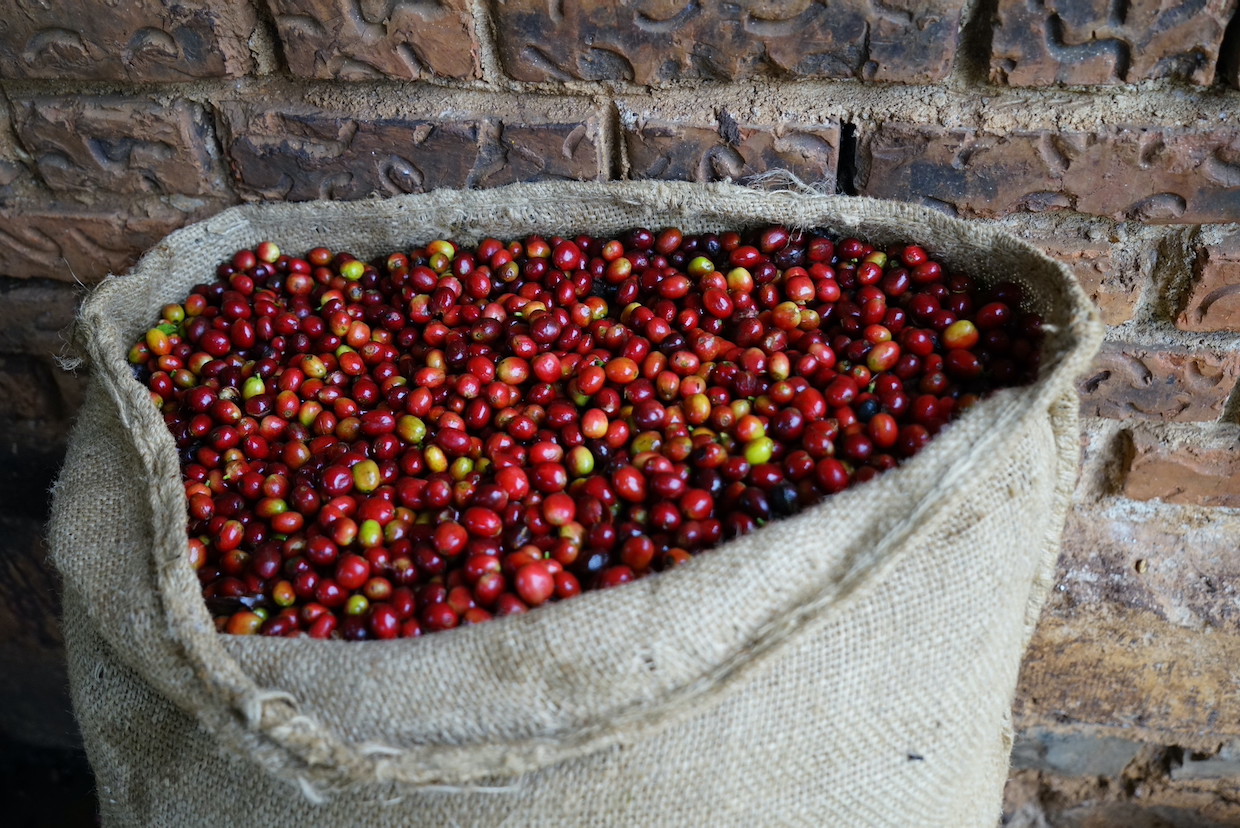
At the Campinas Agronomy Institute in southeastern Brazil, agronomist Oliveiro Guerreiro Filho is working among a diverse collection of coffee plants that differs sharply from the uniform rows seen across most commercial farms. The site brings together a wide range of species, including 15 rare and non-commercial varieties such as racemosa, liberica and stenophylla.

Researchers believe these lesser-known species may hold the genetic traits needed to strengthen arabica, which remains the most widely consumed coffee in the world.

You may like: Brazilian farmer aims to sell rare coffee for nearly $20,000 per bag

Scientists warn that arabica is increasingly vulnerable to rising temperatures and shifting weather patterns. Production in key countries, including Brazil, is expected to face mounting pressure in the coming decades.

According to a report by Rabobank, up to 20 percent of current arabica-growing areas could become unsuitable for cultivation by 2050.

In response, researchers are working to introduce genetic material from more resilient species into arabica plants. The goal is to develop new varieties that can better tolerate heat, drought and disease.

Liberica has attracted particular attention due to its ability to withstand hotter and drier conditions. Farmers in Southeast Asia, especially in Indonesia and Malaysia, have already begun testing the species on a small scale.

Jason Liew, founder of a coffee plantation in Malaysia’s Johor state, said liberica performs well in high temperatures and shows strong resistance to disease.

Brazilian researchers are focusing on transferring such traits into arabica, given its dominant position in global markets.

Guerreiro Filho said the institute has spent years working to transfer drought-tolerance genes from racemosa into arabica in an effort to produce more resilient plants.

The process is long and complex. It involves cross-breeding and exposing new hybrids to harsh conditions to identify the strongest varieties. This work can take between 20 and 30 years.

You may like to read: Coffee Pulp in Brazil: When the Coffee Cherry Refuses to Be Waste

Beyond climate resilience, researchers are also testing hybrids for improved resistance to pests and diseases while maintaining quality. Some crosses have shown stronger resistance to coffee rust, while others perform better against leaf miner larvae.

Rodolfo Oliveira of Brazil’s agricultural research agency emphasized that working with alternative coffee species is essential, noting that arabica has a very narrow genetic base, which increases its vulnerability to environmental threats.

As climate challenges continue to grow, efforts like those underway in Campinas may play a critical role in securing the future of coffee production.

Keurig Dr Pepper and JDE Peet’s: What Comes After the Deal Completion?

Amsterdam / Texas / Massachusetts – Qahwa World

The completion of Keurig Dr Pepper’s acquisition of JDE Peet’s is no longer the story itself. The real focus now shifts to what this deal means for the future of the global coffee industry.

With the transaction valued at approximately $18 billion now finalized, attention is turning to how this combined entity will reshape competition across more than 100 markets worldwide. The deal brings together a strong single-serve coffee platform in North America with a broad international footprint spanning multiple coffee segments.

Keurig Dr Pepper acquired 96.22% of JDE Peet’s shares at €31.85 per share, representing a total consideration of about €14.86 billion. The offer saw strong shareholder participation, with more than 466 million shares tendered by the close of the acceptance period on March 27, 2026.

You may like: JDE Peet’s Transfers Shares to Employees Under Incentive Plans

Having surpassed the 95% ownership threshold, the company is moving toward delisting JDE Peet’s from the Amsterdam exchange by the end of April, with the possibility of further steps to fully acquire the remaining shares.

A New Global Coffee Giant

This combination goes beyond a traditional merger. It creates a business expected to generate nearly $16 billion in annual revenue within a global coffee market valued at around $400 billion.

The new entity brings together a wide portfolio of well-known brands, including Jacobs, Douwe Egberts, Peet’s, L’OR, and Senseo. This positions it to compete across all segments—from roast and ground coffee to single-serve systems and premium offerings—covering a broad range of consumer preferences and price points.

Strategic Separation: Coffee and Beverages

One of the most significant next steps is the planned separation into two independent companies by the end of 2026.

The first will be a dedicated global coffee company, built to expand its international presence while leveraging brand strength, innovation, and local market expertise.

Read also: KDP Acquires JDE Peet’s, Names Oliveira Coffee CEO

The second will focus on refreshment beverages in North America, generating more than $11 billion in revenue and built on a portfolio of established brands across soft drinks, energy, and functional beverages.

This strategic split is designed to give each business greater operational focus and flexibility, allowing them to pursue growth strategies tailored to their respective markets.

Leadership and Integration Focus

Rafael Oliveira will lead the coffee business during this transition, bringing extensive international experience in consumer goods. Tim Cofer will lead the beverage-focused company following the separation.

Integration efforts are centered on delivering approximately $400 million in cost synergies over three years, alongside strengthening innovation capabilities and product development.

Financing Structure and Financial Outlook

The transaction was financed through a combination of new debt, preferred equity investment, industrial partnerships, assumption of existing liabilities, and available cash.

The deal is expected to be around 10% accretive to earnings per share in the first full year after closing, with combined net leverage estimated at approximately 4.5 times.

A Turning Point for the Coffee Industry

This transaction comes at a time when the global coffee sector faces ongoing supply challenges and shifting consumer preferences toward higher-quality and more diverse offerings.

You may read: Keurig Dr Pepper Seals $15.7 Billion JDE Peet’s Deal as 96% of Shares Tendered

Against this backdrop, the combined company is positioned to accelerate innovation, expand across channels, and strengthen its presence in fast-growing segments.

Integration is already underway, with a focus on operational efficiency and ensuring a smooth transition for employees, customers, and partners.

The completion of the deal marks the beginning of a new phase—one that could significantly reshape the structure and competitive dynamics of the global coffee industry.

70% of Russians drink coffee daily

Moscow – Qahwa World

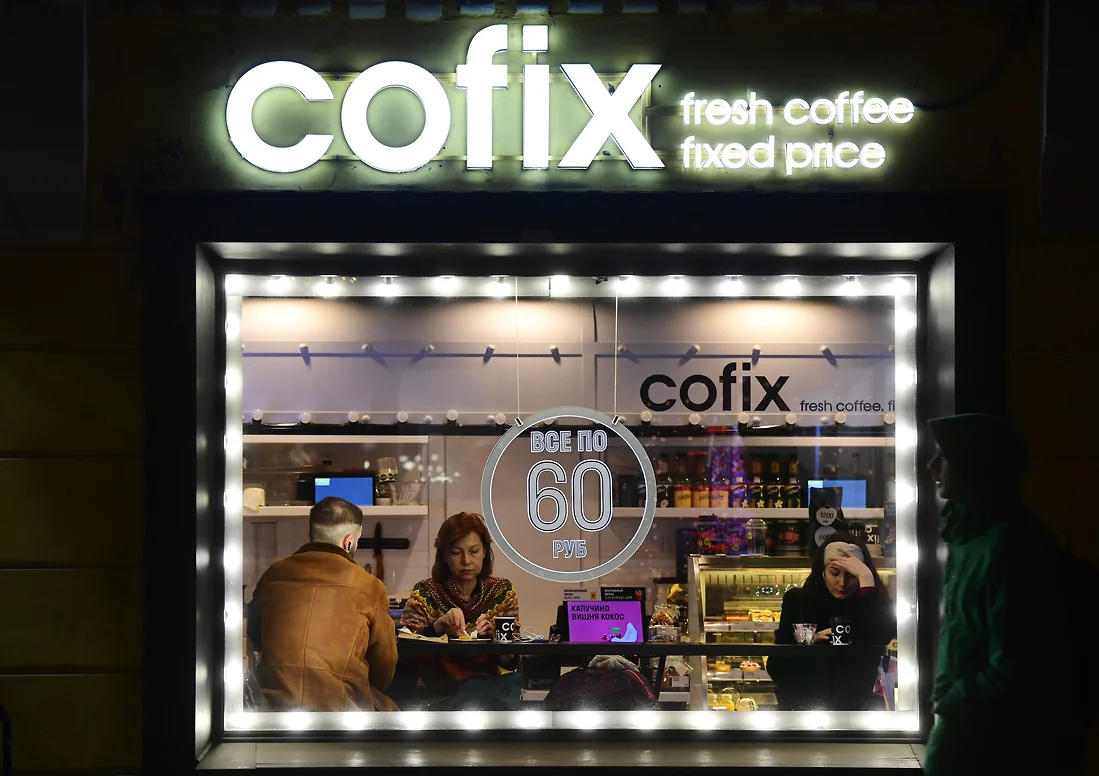
The Russian coffee market in 2026 is hitting record milestones, with nearly 70% of the population consuming the beverage every day. Recent analytical data confirms that coffee has firmly established itself as the primary national drink, shaping a new and sophisticated culture of consumption across the country.

Consumption Statistics and Habits

A detailed breakdown of daily rituals among Russians reveals a clear hierarchy:

  • Daily Consistency: 68.4% of respondents cannot imagine their day without a cup of coffee.

  • The Golden Mean: Nearly half of those surveyed (49.5%) limit themselves to 1–2 cups per day.

  • High Intensity: Approximately 12% consume 3–4 cups, while 6.9% exceed this limit.

  • Alternative Choices: Only 31.6% of citizens prefer other beverages or decaffeinated options.

You may like to read: Russian Instant Coffee Exports Rise 28% to $366 Million

2026 Market Transformation: Logistics and Specialty

In 2026, import structures have undergone significant shifts. Russia has expanded direct supply chains from Latin America and East Africa, bypassing traditional European intermediaries. This strategic pivot has maintained access to high-quality specialty coffee despite global price volatility.

Analysts note a surge in interest for “micro-lots”—beans from specific individual farms. This indicates a maturing Russian consumer who now values terroir and unique flavor profiles over generic commercial branding.

2026 Trends: The Home Barista and AI Technology

The headline trend of the industry is the massive shift toward professional-grade brewing at home. With a projected 20% increase in the cost of imported raw green coffee, consumers are rapidly changing their habits:

  1. Economic Advantage: Home brewing costs an average of 5–6 times less than a purchase at a high-end coffee chain.

  2. AI Integration: 2026 has seen the rise of AI-powered espresso machines that automatically adjust extraction parameters based on specific bean density and water hardness.

  3. Sustainability: There is a growing demand for biodegradable packaging and reusable capsules, which has become a decisive factor for the younger demographic (ages 18–35).

Experts predict that by the end of 2026, the home consumption segment will grow by another 15%, turning the morning cup from a simple habit into a conscious, high-tech, and premium ritual.

You me also like to read: Russian Coffee and Roasted Coffee Market 2026

JDE Peet’s Transfers Shares to Employees Under Incentive Plans

Amsterdam – Qahwa World

JDE Peet’s N.V. today announced the transfer of shares to participants under its employee incentive plans, in line with applicable Dutch regulations and ongoing corporate governance practices.

This announcement is made pursuant to section 13, paragraph 1, and section 17, paragraph 3, of the Dutch Decree on Public Takeover Bids, in connection with the recommended public offer by Keurig Dr Pepper, Inc. for all issued and outstanding shares in JDE Peet’s.

The company confirmed that a total of 431,238 shares have been transferred, free of charge, to 22 participants under previously granted or committed incentive awards.

You may like: KDP Acquires JDE Peet’s, Names Oliveira Coffee CEO

The transfers were executed in accordance with Dutch offer rules, which require disclosure of share movements during the offer period. Each share has a nominal value of EUR 0.01.

Following the transaction, JDE Peet’s total issued share capital remains unchanged at 488,178,642 shares, including 2,713,719 treasury shares held by the company.

JDE Peet’s also stated that it does not hold any shares in Keurig Dr Pepper, Inc., while noting that the offeror currently holds 466,712,270 shares in JDE Peet’s.

This press release does not constitute an offer or solicitation to buy or subscribe for securities. Any such offer will be made solely through an official offer memorandum approved by the Dutch Authority for the Financial Markets. Distribution of this release may be restricted in certain jurisdictions in accordance with applicable laws and regulations.

Dunkin’ Gives Away Over 1 Million Free Coffees for April Fools’

Dubai – Qahwa World

Dunkin’ launched its annual April Fools’ Day promotion on Wednesday, April 1, 2026, offering more than 1,000,001 free coffees to members of its Rewards program across the United States, one more than last year’s giveaway to prove that the promotion was not a prank.

According to the official announcement on Dunkin’s blog, last year the chain distributed one million free coffees, which some customers doubted. To address this, Dunkin’ increased the giveaway by one coffee this year to demonstrate the offer’s authenticity.

Rewards members could claim any size hot or iced brewed coffee (excluding cold brew and extra-large hot coffee in most descriptions) by entering the promo code StillNotAJoke in the Dunkin’ app on April 1 only. The offer was limited to the first 1,000,001 members to enter the code.

The free coffee certificate could be redeemed within seven days after entering the code, approximately until April 8. Each member could redeem one coffee only, and no purchase was required. The offer remained valid while supplies lasted.

The promotion received widespread media attention, as it returned after last year’s successful but heavily doubted giveaway. Marketing experts note that initiatives like this strengthen customer engagement and loyalty to the brand.

With this campaign, Dunkin’ turned April Fools’ Day into a real celebration for coffee lovers, proving that the promotion was genuine and not a joke for members of its Rewards program.

Arabica Drops, Robusta Rises Amid Global Coffee Supply

Dubai – Qahwa World

Global coffee prices showed mixed trends this week. Arabica coffee declined to a one-and-a-half-week low, while Robusta coffee gained support from tight supply conditions.

The main pressure on Arabica prices comes from forecasts of a record Brazil coffee crop, the world’s largest coffee producer. Several international agencies raised estimates for the 2026/27 season to around 75 million bags, a strong year-on-year increase boosting the global supply outlook.

Despite climatic challenges, such as below-average rainfall in key regions like Minas Gerais, Brazilian production continues to rise.

The strength of the Brazilian real limited Arabica losses by reaching a three-week high against the U.S. dollar, reducing exporters’ incentives to sell.

Meanwhile, Robusta coffee prices were supported by falling ICE-certified inventories to a 3.5-month low, reflecting tight supply amid strong demand, especially for instant coffee production.

Global logistics disruptions, including the closure of the Strait of Hormuz, increased shipping, insurance, and fuel costs, affecting importers and roasters worldwide.

Market pressures persist due to rising Arabica inventories and declining Brazilian green coffee exports, reflecting fluctuations in the global coffee market.

Globally, coffee production is expected to reach record levels in 2026/27, driven mainly by Robusta growth. Vietnam, the largest Robusta producer, continues to expand exports and output, adding downward pressure on prices.

Overall, the global coffee market reflects a delicate balance between abundant Arabica supplies and relatively tight Robusta stocks, along with climate effects, currency fluctuations, and logistical challenges, keeping prices volatile in the near term.

KDP Acquires JDE Peet’s, Names Oliveira Coffee CEO

BURLINGTON, Mass., FRISCO, Texas and AMSTERDAM  — Qahwa World

Keurig Dr Pepper Inc. (KDP) said it has acquired 96.22% of JDE Peet’s N.V., advancing its strategy to build a global coffee business alongside its North American beverage operations.

The deal combines JDE Peet’s global coffee platform with KDP’s Keurig system, bringing together established brands, distribution networks, and category expertise. The company said integration efforts are underway, focusing on operations, cost synergies, andorganisationall alignment.

KDP reiterated plans to split into two publicly traded U.S. companies after an interim period:

a North America-focused beverage business, and
a standalone global coffee company.

You may like: Keurig Dr Pepper Seals $15.7 Billion JDE Peet’s Deal as 96% of Shares Tendered

As part of the move, KDP appointed Rafael Oliveira as CEO of its coffee unit and future head of the planned Global Coffee Co. Oliveira, who has led JDE Peet’s since 2024, will join KDP’s executive leadership team and report to CEO Tim Cofer, who is expected to lead the beverage company post-separation.

KDP Chair Pam Patsley said Oliveira was selected following a comprehensive review process, citing his experience in global markets and recent performance at JDE Peet’s. Cofer said the combination and leadership structure position the company to scale its coffee operations globally.

Oliveira said the combined business aims to operate across all coffee segments and markets, leveraging global reach and local expertise.

The company said it is targeting operational readiness for the separation by the end of 2026, subject to market conditions and internal milestones.

A post-closing acceptance period for remaining shareholders runs through April 13, 2026. With KDP now holding more than 95% of shares, JDE Peet’s will be delisted from Euronext Amsterdam, with the last trading day set for April 29 and delisting expected on April 30.

IHOP revamps coffee program with new exclusive blend

Dubai – Qahwa World

United States-based casual dining chain IHOP has unveiled a major update to its coffee offering, marking the first change to its program in nearly 20 years with the launch of a new proprietary blend across its locations.

Known for its focus on American breakfast cuisine, the brand operates more than 1,300 restaurants globally, with the majority based in the United States.

The newly introduced coffee, branded as the IHOP Coffee Blend, is made from 100% sustainably sourced Arabica beans from Brazil. Alongside the new blend, the company has expanded its iced coffee range with additional flavours including dulce de leche, vanilla, and chocolate.

According to Lawrence Kim, president of Dine Brands Global, the update was driven by customer feedback and evolving consumer preferences.

He noted that the company continues to monitor guest input and market trends, adding that the new coffee is intended to complement IHOP’s value offerings while reinforcing its focus on delivering a high-quality breakfast experience.

Nestlé, ILO launch two-year coffee labour rights project

Dubai – Qahwa World

Nestlé and the International Labour Organization (ILO) are expanding their long-standing partnership by launching a new, two-year project, “From fair recruitment to worker protection in coffee supply chains,” focused on promoting labour rights in the coffee supply chains of three key sourcing countries: Brazil, Colombia and Mexico.

Building on its standard-setting role and convening power, the ILO will facilitate social dialogue among governments, employers’ and workers’ organizations to identify and address key drivers of decent work deficits and labour-related risks in coffee supply chains. Based on these insights, the project will implement targeted country-level interventions to promote fair recruitment practices and labour rights. Interventions at the country level will also support global knowledge-sharing across the coffee sector.

You may also be interested in: Nestlé Considers Selling Blue Bottle Coffee Stake

Dan Rees, Director, ILO Priority Action Programme on Decent Work in Supply Chains, said: “Coffee production sustains the livelihoods of approximately 20–25 million families worldwide, generating vital income and employment. However, decent work deficits in coffee supply chains persist, particularly among seasonal and migrant workers. Through this project, we aim to advance labour rights and promote decent work and contribute to more sustainable supply chains.”

Antje Shaw, Head of Sustainability for Coffee at Nestlé, said: “Our partnership with the ILO represents a significant step to advancing and promoting human rights in coffee supply chains. By working together, we can progress faster in creating more resilient and inclusive coffee value chains, where workers are treated with dignity.”

You may also be interested in: Nestlé to Reduce Workforce as Part of Cost-Saving Drive

The project is supported by the Nescafé Plan, Nestlé’s global sustainability programme for the brand, and will contribute to the ILO Fair Recruitment Initiative, which supports the promotion and implementation of fair recruitment principles worldwide, as well as to the ILO flagship programme Safety + Health for All, particularly its Vision Zero Fund, which promotes the fundamental right to a safe and healthy working environment in supply chains.

Nestlé is a founding member of the Child Labour Platform (CLP) convened by the ILO and a partner in projects aimed at promoting decent work in agricultural supply chains.

Italian Coffee Giants Unite to Launch Mazzer x Slayer Grinder

New collaboration brings precision-focused innovation to professional coffee grinding

Milan – Qahwa World

Two leading names in Italy’s coffee equipment industry have joined forces to introduce a new grinder designed for professional use, marking a notable collaboration in the speciality coffee sector.

The partnership between Cimbali Group and Mazzer has resulted in the Mazzer x Slayer grinder, unveiled during the Grind Chronicles. The project represents the first tangible outcome of their combined efforts.

The grinder has been developed to enhance the interaction between barista and equipment, with a focus on design, usability, and precision. Drawing inspiration from the Slayer espresso machine experience, the new model aims to extend that same level of control and attention to detail to the grinding stage.

Presented as a prototype, the machine operates at low speed and incorporates a grind-by-weight system, making it suitable for medium- to high-volume coffee environments. It features an integrated load cell and 69 mm conical burrs, designed to deliver consistent and accurate dosing across different working conditions.

The design also reflects elements associated with Slayer machines, offering a cohesive workflow from grinding through to extraction. This approach is intended to support baristas in maintaining consistency while optimising daily operations.

Frédéric Thil, managing director of Cimbali Group, stated that the collaboration brings together complementary expertise to develop reliable, high-performance solutions for coffee professionals. He emphasised the importance of precision, consistency, and control in elevating both workflow and cup quality.

Giovanni Mazzer, President of Mazzer, described the partnership as a meaningful collaboration between companies that share common values and a strong connection to espresso heritage. He noted the potential to deliver advanced technological solutions alongside a high standard of service.

The final version of the Mazzer x Slayer grinder is expected to be officially introduced to the market at the London Coffee Festival 2026 in May 2026.

EFICO GROUP: A Century of Responsible Coffee – 2025 Report

Brussels – Qahwa World

EFICO GROUP has officially published its 2025 Communication on Progress (CoP), reaffirming its commitment to the ten principles of the United Nations Global Compact. The report highlights how the company integrates human rights, labour standards, environmental responsibility, and anti-corruption practices into operations, partnerships, and decision-making across the global coffee value chain.

  • Sustainability at the Core

For EFICO, sustainability is central to its identity. As a specialist in green coffee since 1926, the company embeds responsible practices at every stage — from sourcing and supplier engagement to efficient internal operations. EFICO ensures a consistent supply of high-quality, fully traceable coffee while creating lasting positive impact for producers, communities, and stakeholders.

You may Like: EU’s New Organic Regulation Reshapes Coffee Value Chains Worldwide

In 2025, EFICO strengthened its focus on traceable and sustainable sourcing, collaborating directly with farmers, cooperatives, and local exporters to promote economic resilience and environmental stewardship. By prioritising verified and certified coffees, the group supports practices that protect biodiversity, conserve natural resources, and improve livelihoods in coffee-growing regions.

  • Transparency: The Foundation of Trust

Transparency guides EFICO’s operations. The 2025 CoP provides clear insights into practices, measurable progress, ongoing initiatives, and areas targeted for improvement. By openly sharing successes and challenges, the company ensures decisions are informed, accountable, and aligned with the expectations of partners, clients, and civil society.

You may like: Brazil Coffee Harvest 2025/2026: A Decent Crop Amid Market Volatility

  • The Power of Partnerships

Meaningful change requires collaboration. EFICO maintains long-term relationships with coffee producers, cooperatives, roasters, traders, institutional partners, and civil society organisations. These partnerships deliver practical solutions that empower communities, strengthen the coffee sector, and support environmental protection. Joint projects, knowledge sharing, and co-developed programmes help address challenges like climate change, market volatility, and social inequalities in coffee-growing regions.

  • Walking the Talk: Action and Impact

EFICO emphasises measurable action. The 2025 CoP highlights the company’s approach to monitoring outcomes, reviewing performance indicators, and adapting strategies based on results. This cycle drives improvements in product quality, service excellence, operational efficiency, and sustainability performance. Through transparent reporting, EFICO ensures commitments translate into tangible benefits — from better farming practices and reduced environmental footprints to stronger community development.

  • Celebrating 100 Years and Looking Ahead

2026 marks 100 years of EFICO GROUP in the coffee industry. A century of experience, trusted partnerships, and deep market knowledge has enabled EFICO to consistently deliver high-quality, traceable coffee while supporting producers and communities.

Read Also: Harvesting Coffee and Carbon: A New Chapter in Sustainable Coffee Production

Entering its second century, EFICO remains committed to responsible sourcing, ethical trading, and long-term positive impact. Lessons from the past, combined with forward-looking innovation, position the company to navigate future challenges and opportunities in the evolving coffee landscape.

The full EFICO Group 2025 Communication on Progress is available in English, French, and Spanish. Stakeholders worldwide can access the detailed report to explore the company’s sustainability, transparency, and partnership-driven initiatives.

🔗 Access the report: EFICO 2025 Communication on Progress

  • About EFICO Group

EFICO, along with CUPRIMA, the EFICO Foundation, and SEABRIDGE, forms a dynamic group dedicated to responsible practices in the global coffee industry. Quality, sustainability, and meaningful long-term impact define every aspect of its operations — from green coffee trading and roasting solutions to community-focused projects and efficient logistics.

By combining nearly a century of heritage with a progressive vision, EFICO Group strives to build a sustainable, equitable, and resilient coffee sector for generations to come.

Coffee Sector Adopts Procurement Principles to Strengthen Farmer Livelihoods

BONN – Qahwa World

Leading players in the global coffee sector have announced two new procurement principles aimed at supporting the long-term economic sustainability of coffee farmers. The principles, developed over nine months by the Global Coffee Platform (GCP), IDH, and Solidaridad, focus on building strategic partnerships and promoting sustainable coffee production, marking a coordinated effort to encourage more responsible sourcing practices across the industry.

The initiative involved 14 major coffee companies, including Caravela, ECOM, illycaffè, JDE Peet’s, Louis Dreyfus Company, Neumann Kaffee Gruppe, Taylors of Harrogate, UCC, and Volcafe. The principles build on insights from the 2024 report The Grounds for Sharing, which examined the challenges and opportunities for farmer resilience in global coffee supply chains.

You may Like: Launch of Global Platform for Coffee Industry to Transform 40 Million Tons of Biowaste into Business Opportunities

  • Shifting Toward Long-Term Collaboration

The first principle, strategic partnerships, emphasizes moving away from short-term transactions and toward longer-term, trust-based collaborations between farmers, traders, roasters, and retailers. According to Annette Pensel, Executive Director of GCP, “Ensuring the long-term economic viability of sustainable coffee farming and overall farmer prosperity is essential for a resilient supply and competitive coffee sector. This requires shared responsibility and a more coordinated approach across the industry.”

The second principle, Sustainable Coffee Production, encourages conditions that allow farmers to recover their costs and invest in long-term improvements to both their livelihoods and farming systems. Mette-Marie Hansen of IDH said, “By embedding longer-term partnerships and sustainable production conditions, companies can contribute to more resilient supply chains and improved economic viability for farmers. At IDH, this work is seen as a foundation for scaling more responsible purchasing practices across the sector.”

You may read: ICO Launches 2026 Global Campaign: Coffee is Part of the Solution

Andrea Olivar from Solidaridad added that the principles are intended to create a framework where all stakeholders in coffee supply chains—farmers, traders, and retailers—benefit from their efforts. “These principles are fundamental to promoting the prosperity of coffee producers while securing supply for the global market,” she said.

The release of the principles highlights the critical role of procurement in shaping the conditions in which farmers operate. While procurement alone cannot solve all challenges facing coffee producers, when combined with supportive public policies, inclusive finance, and improved farm practices, it can significantly enhance farmer resilience and economic outcomes.

Read also: ICO Relaunches Global Coffee Sustainability Platform with Enhanced Tools

The publication Identifying Common Procurement Principles Specific to Coffee is now available, signaling a growing industry commitment to responsible sourcing and long-term sustainability in coffee production.