Global Coffee Market to Hit $380B by 2033

Dubai – Qahwa World

The global coffee market is advancing rapidly, driven by strong consumer demand that shows no signs of slowing. Around half a trillion cups of coffee are consumed worldwide each year—more than 2 billion cups every day—making coffee one of the world’s most popular daily beverages and a core pillar of the global beverage industry.

According to the latest data from Grand View Research (as of early 2026), the market was valued at approximately USD 249.34 billion in 2025 and is projected to reach USD 380.28 billion by 2033, reflecting a compound annual growth rate (CAGR) of 5.4% from 2026 to 2033. This growth continues despite economic pressures, climate-related challenges in key producing regions, and evolving consumer preferences. Other industry analyses present slightly more conservative estimates, ranging from $214 billion to $239 billion by 2031–2033, depending on methodology, but all projections indicate continued expansion.

Consumption Leaders: Volume vs. Per Capita

The United States remains the largest coffee-consuming country in total volume, supported by a large population and a deeply rooted coffee culture. On average, Americans drink around three cups per day, resulting in significant national consumption.

On a per-capita basis, Northern Europe leads global rankings. Recent data suggests Luxembourg ranks among the highest per-person consumers at over five cups daily, influenced in part by cross-border commuting. Finland also maintains a leading position, with approximately 3–4 cups per person per day and annual consumption of around 10–12 kg per capita, among the highest levels globally.

This strong Nordic consumption culture is deeply embedded in daily life. In Finland, coffee is a social staple, commonly consumed black and frequently enjoyed during regular coffee breaks known as “kahvihetki.”

Asia-Pacific: The Fastest Growing Region

While established markets are maturing, the Asia-Pacific region is emerging as a major growth engine for the global coffee industry. Rising incomes, rapid urbanization, and a young, digitally connected population are driving demand across China, Japan, India, and other markets.

China has surpassed the United States in terms of branded coffee shop presence, with more than 50,000 outlets and rapidly expanding chains such as Luckin Coffee. In India, café culture continues to develop and is expected to significantly expand market potential by 2030. Indonesia has also experienced strong growth, with domestic consumption reportedly tripling since pre-pandemic levels.

The Asia-Pacific coffee market is projected to grow faster than the global average, with estimated CAGR ranges of 6–8% in recent forecasts. Growth is being supported by premium café expansion, ready-to-drink coffee products, and shifting preferences in urban areas away from traditional tea consumption.

The Quality Shift: Specialty Coffee and Arabica Dominance

Global coffee consumption is not only increasing in volume but also shifting toward higher quality. Arabica beans continue to dominate due to their smoother flavor profile, while demand for specialty coffee is accelerating, particularly among younger consumers.

Millennials and Gen Z consumers are increasingly prioritizing single-origin sourcing, traceability, and distinctive flavor profiles over mass-market products. The global specialty coffee segment is expanding faster than the broader market, with projected CAGR near 10.8% through 2033.

Convenience and Changing Lifestyles

Modern consumption habits are driving demand for convenience-focused coffee products. Capsules, instant coffee, liquid concentrates, and ready-to-drink (RTD) beverages are increasingly popular, allowing consumers to access premium coffee experiences at home, in the workplace, or on the move.

Sustainability and Supply Chain Pressures

Sustainability has become a central requirement in the coffee industry. Ethical sourcing, organic certification, and transparent supply chains are increasingly important to consumers, particularly in premium segments.

Many consumers are willing to pay higher prices for coffee that supports farmers, reduces environmental impact, and carries certifications such as Fair Trade or Rainforest Alliance. At the same time, climate change continues to pose risks to major coffee-growing regions, prompting greater focus on resilient crop varieties and sustainable farming practices.

Challenges and Market Outlook

The coffee sector faces increasing competition from alternative beverages, including tea, herbal infusions, energy drinks, and functional beverages, as consumers diversify their preferences toward health-oriented options.

Supply chain volatility, driven by weather events and geopolitical factors, also remains a persistent challenge for producers and roasters.

Despite these pressures, the long-term outlook for the coffee industry remains positive. Strong cultural demand, combined with innovation in product formats, sustainability initiatives, and experiential retail, is expected to support continued growth through the next decade.

From specialty cafés in Tokyo to espresso bars in Dubai and traditional filter coffee in Helsinki, global coffee culture continues to expand. The coming years are expected to bring greater product diversity, improved sustainability practices, and new consumption experiences for one of the world’s most widely enjoyed beverages.
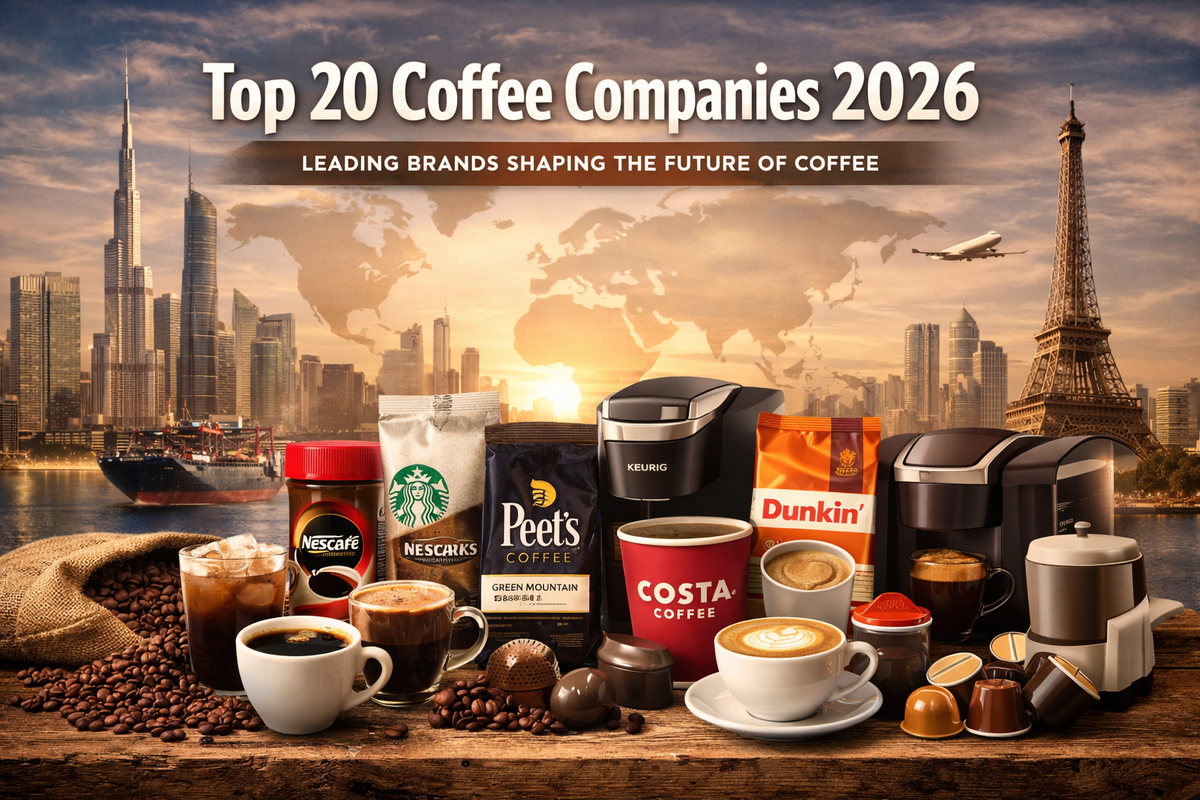
Top 20 Coffee Companies 2026

Dubai – Qahwa World

The global coffee market in 2026 is valued at around USD 145–176 billion, with projections reaching USD 227–275 billion by 2032–2034 at a CAGR of 5.1–6.6%. Growth is driven by premiumization, ready-to-drink (RTD) formats, single-serve pods, at-home brewing innovations, and sustainability-focused sourcing. Asia-Pacific is the fastest-growing region, while North America and Europe dominate in value through high-margin specialty products.

This report provides an independent ranking of the Top 20 Coffee Market Players for 2026, based on 2025–early 2026 industry data, including revenue analyses, packaged/at-home segment performance, and competitive landscape assessments. The ranking covers estimated global market share across packaged, at-home, and branded coffee products.

Key 2026 Developments

  • Nestlé leads in instant coffee and premium capsules.
  • JDE Peet’s and Keurig Dr Pepper remain separate; their $18 billion merger is expected to close in Q2 2026.
  • U.S. packaged giants like J.M. Smucker and Kraft Heinz maintain strong at-home segment presence.
  • Market fragmentation continues below the top tier, with specialty and regional players driving innovation.

Global Coffee Market Context (2026)

  • Market Value: USD 150–180 billion (estimated)
  • Key Formats: Packaged/at-home (dominant), ready-to-drink, single-serve, out-of-home retail
  • Growth Drivers: Premium/specialty demand, convenience, sustainability certifications, Asia-Pacific expansion
  • Challenges: Climate volatility affecting Brazil and Vietnam, traceability costs, ethical/direct-trade consumer preferences

Top 20 Coffee Companies (2026 Estimates)

Rank Company Name Key Coffee Brands Origin Country Estimated Market Share (%)
1 Nestlé S.A. Nescafé, Nespresso, Starbucks (at-home license) Switzerland 22.0
2 JDE Peet’s Jacobs, Douwe Egberts, Peet’s Coffee, Senseo, L’OR Netherlands 13.5
3 Keurig Dr Pepper Keurig pods, Green Mountain Coffee USA 9.8
4 Starbucks Corporation Starbucks pods, ground, RTD at-home USA 9.2
5 The J.M. Smucker Company Folgers, Dunkin’ (packaged/at-home) USA 5.5
6 The Kraft Heinz Company Maxwell House, other mass-market blends USA 4.8
7 Lavazza (Luigi Lavazza S.p.A.) Lavazza, Carte Noire Italy 4.5
8 Melitta Group Melitta (filter/pods), brewing products Germany 4.0
9 Tchibo GmbH Tchibo, European blends Germany 3.2
10 Strauss Group / UCC Strauss Coffee, UCC Coffee Israel / Japan 2.8
11 illycaffè (Illy) Illy, Segafredo Zanetti Italy 2.4
12 Tata Consumer Products Tata Coffee, Coffee Bean & Tea Leaf (at-home) India 2.1
13 Massimo Zanetti Beverage Group Segafredo, foodservice brands Italy 1.9
14 UCC Ueshima Coffee Co. UCC (canned/RTD) Japan 1.6
15 Farmer Bros. Co. Caribou Coffee (at-home) USA 1.3
16 JAB Holding Company (select assets) Peet’s, other premium holdings Belgium 1.1
17 The Coca-Cola Company (Costa) Costa Coffee (RTD/packaged) UK / USA 0.9
18 Intelligentsia Coffee / Blue Bottle Blue Bottle (premium) USA 0.7
19 Stumptown Coffee Roasters Stumptown (specialty) USA 0.6
20 Dutch Bros. Coffee Dutch Bros (packaged/RTD) USA 0.5

Total share of Top 20: Approximately 85–88%, with the remainder split among hundreds of independent and specialty roasters.

Strategic Positioning of Top Players

Global Giants (Ranks 1–4)

Nestlé dominates instant coffee and premium capsules while managing the Starbucks at-home license. JDE Peet’s and Keurig Dr Pepper lead in pods and convenience segments. Starbucks leverages its brand for strong at-home and ready-to-drink presence.

U.S. Packaged Leaders (Ranks 5–6)

J.M. Smucker (Folgers) and Kraft Heinz (Maxwell House) maintain significant U.S. market share with affordable, widely distributed coffee products.

European & Premium Specialists (Ranks 7–11)

Lavazza, Melitta, Tchibo, Strauss/UCC, and illycaffè focus on espresso and filter traditions, emphasizing quality-driven growth in Europe and emerging markets.

Niche & Emerging Players (Ranks 12–20)

Tata leverages Indian origin strength, Massimo Zanetti and UCC focus on RTD and foodservice, and specialty brands like Intelligentsia and Stumptown capture premium niches. Dutch Bros. and Caribou expand into packaged products.

Market Outlook 2026 and Beyond

The top 6–8 players control over 60% of the packaged and at-home market. Innovation flows from independent and specialty players. The pending Keurig Dr Pepper–JDE Peet’s merger could create a new global competitor rivaling Nestlé.

Critical success factors:

  • Investments in sustainability and traceability
  • Innovation in recyclable pods, functional RTD, and premium single-origin products
  • Adaptation to climate-driven supply risks and rising Robusta demand

This ranking is based on cross-verified industry data as of April 2026. The coffee market remains dynamic, culturally vital, and full of opportunity for players balancing scale with quality and consumer trust.

Data sourced from Coffeeness, Global Growth Insights, Expert Market Research, and other industry analyses for the packaged and at-home coffee segment.


EFICO GROUP: A Century of Responsible Coffee – 2025 Report

Brussels – Qahwa World

EFICO GROUP has officially published its 2025 Communication on Progress (CoP), reaffirming its commitment to the ten principles of the United Nations Global Compact. The report highlights how the company integrates human rights, labour standards, environmental responsibility, and anti-corruption practices into operations, partnerships, and decision-making across the global coffee value chain.

  • Sustainability at the Core

For EFICO, sustainability is central to its identity. As a specialist in green coffee since 1926, the company embeds responsible practices at every stage — from sourcing and supplier engagement to efficient internal operations. EFICO ensures a consistent supply of high-quality, fully traceable coffee while creating lasting positive impact for producers, communities, and stakeholders.

You may Like: EU’s New Organic Regulation Reshapes Coffee Value Chains Worldwide

In 2025, EFICO strengthened its focus on traceable and sustainable sourcing, collaborating directly with farmers, cooperatives, and local exporters to promote economic resilience and environmental stewardship. By prioritising verified and certified coffees, the group supports practices that protect biodiversity, conserve natural resources, and improve livelihoods in coffee-growing regions.

  • Transparency: The Foundation of Trust

Transparency guides EFICO’s operations. The 2025 CoP provides clear insights into practices, measurable progress, ongoing initiatives, and areas targeted for improvement. By openly sharing successes and challenges, the company ensures decisions are informed, accountable, and aligned with the expectations of partners, clients, and civil society.

You may like: Brazil Coffee Harvest 2025/2026: A Decent Crop Amid Market Volatility

  • The Power of Partnerships

Meaningful change requires collaboration. EFICO maintains long-term relationships with coffee producers, cooperatives, roasters, traders, institutional partners, and civil society organisations. These partnerships deliver practical solutions that empower communities, strengthen the coffee sector, and support environmental protection. Joint projects, knowledge sharing, and co-developed programmes help address challenges like climate change, market volatility, and social inequalities in coffee-growing regions.

  • Walking the Talk: Action and Impact

EFICO emphasises measurable action. The 2025 CoP highlights the company’s approach to monitoring outcomes, reviewing performance indicators, and adapting strategies based on results. This cycle drives improvements in product quality, service excellence, operational efficiency, and sustainability performance. Through transparent reporting, EFICO ensures commitments translate into tangible benefits — from better farming practices and reduced environmental footprints to stronger community development.

  • Celebrating 100 Years and Looking Ahead

2026 marks 100 years of EFICO GROUP in the coffee industry. A century of experience, trusted partnerships, and deep market knowledge has enabled EFICO to consistently deliver high-quality, traceable coffee while supporting producers and communities.

Read Also: Harvesting Coffee and Carbon: A New Chapter in Sustainable Coffee Production

Entering its second century, EFICO remains committed to responsible sourcing, ethical trading, and long-term positive impact. Lessons from the past, combined with forward-looking innovation, position the company to navigate future challenges and opportunities in the evolving coffee landscape.

The full EFICO Group 2025 Communication on Progress is available in English, French, and Spanish. Stakeholders worldwide can access the detailed report to explore the company’s sustainability, transparency, and partnership-driven initiatives.

🔗 Access the report: EFICO 2025 Communication on Progress

  • About EFICO Group

EFICO, along with CUPRIMA, the EFICO Foundation, and SEABRIDGE, forms a dynamic group dedicated to responsible practices in the global coffee industry. Quality, sustainability, and meaningful long-term impact define every aspect of its operations — from green coffee trading and roasting solutions to community-focused projects and efficient logistics.

By combining nearly a century of heritage with a progressive vision, EFICO Group strives to build a sustainable, equitable, and resilient coffee sector for generations to come.

Ethiopia Elevates Its Coffee Ceremony to the Global Stage

Founder Seada Mustefa Leads UNESCO Recognition Push Through Ethiopian Coffee Culture Day

Addis Ababa – Qahwa World × Buna Kurs – Media

At a moment when global coffee discussions revolve around traceability, sustainability, and value distribution at origin, Ethiopia is redirecting attention toward something more foundational: culture.

At the Adwa Victory Memorial Museum, industry leaders, diplomats, cultural institutions, exporters, and development stakeholders convened for Ethiopian Coffee Culture Day 2026—an initiative led by Warka Coffee to advance UNESCO Intangible Cultural Heritage recognition for the Ethiopian coffee ceremony.

Yet the gathering went beyond heritage recognition. It marked a strategic move to formalize Ethiopia’s ceremonial tradition as both a cultural legacy and an economic instrument.

A Living Cultural System, Not a Symbol

For generations, the Ethiopian coffee ceremony has structured social life across communities—embedding dialogue, patience, hospitality, and shared presence into daily interaction.

At this year’s celebration, more than eleven regional expressions of the ceremony were presented in what organizers described as a “living museum” format. Participants did not merely observe; they engaged. Coffee was roasted, ground, brewed, and served under the guidance of cultural custodians from across Ethiopia’s regions.

The experience was immersive. Coffee was framed not simply as a beverage, but as social architecture—a ritual that organizes community life and reinforces collective identity.

For international observers, the message was clear: Ethiopia is not only the botanical birthplace of Coffea arabica but also the guardian of one of coffee’s most enduring and sophisticated social traditions.

From Ceremony to Strategy

The event drew representatives from government ministries, the Ethiopian Heritage Authority, tourism and trade institutions, women-led enterprises, development organizations, and members of the diplomatic corps.

Panel discussions moved beyond symbolism to policy and positioning, exploring:

  • Coffee as soft power and diplomatic bridge

  • Women as custodians of ceremony and drivers of small-business growth

  • The integration of farmers, exporters, tourism, and technology

  • The role of communal brewing in well-being and social cohesion

The framing was deliberate: Ethiopia’s coffee ceremony is not folklore. It is diplomatic capital, economic leverage, and narrative authority within the global coffee sector.

By pursuing a formal UNESCO pathway, organizers aim to protect the integrity of the ceremony while reinforcing Ethiopia’s leadership role in shaping the global coffee narrative.

Founder-Led Cultural Stewardship

At the center of the initiative is Seada Mustefa, founder and CEO of Warka Coffee, who has positioned Ethiopian Coffee Culture Day as a bridge between heritage preservation and industry advancement.

Her approach reflects an emerging model of origin leadership—one that views geography not merely as a site of production, but as a source of cultural governance and institutional influence.

Under her direction, the event brought together women entrepreneurs, traditional pottery artisans, exporters, and technology stakeholders into a unified ecosystem. A notable feature was the Embassy Coffee Culture Exchange, where diplomatic missions based in Addis Ababa shared their own coffee traditions—reinforcing Ethiopia’s role as both origin and global convener.

The ambition is clear: elevate a domestic ritual into an internationally recognized institutional platform.

Cultural Value in a Commodity Market

The global coffee market continues to wrestle with volatility, sustainability metrics, and uneven value distribution. Ethiopian Coffee Culture Day reframed that conversation.

If the future of coffee depends on strengthening equity at origin, safeguarding cultural systems may be as critical as improving yields or optimizing logistics.

The 2026 edition welcomed thousands of participants across industry, community, and diplomatic sectors. It signaled Ethiopia’s intention to anchor its global coffee identity not only in export volumes but also in ceremony.

In an industry that often reduces origin to tasting notes and lot numbers, Addis Ababa delivered a reminder: coffee’s enduring power lies in relationship.

And in Ethiopia, that relationship still begins with a jebena—shared slowly, in a circle.

Why the Middle East Is Emerging as a Defining Force in the Global Coffee Industry

By: Shouq Bin Redha

Exhibition Manager at World of Coffee 2026

  • A Shift the Industry Can No Longer Ignore

The global coffee industry is no stranger to confident predictions. Every few years, a new region is crowned the “next big growth market,” only to plateau as structural limits reveal themselves—income ceilings, demographic stagnation, infrastructure gaps, or cultural preferences that evolve more slowly than expected.

But the transformation taking place across the Middle East today is not another cycle of hype. It represents a fundamental shift in where global influence is coming from. If the industry continues to view the region merely as an emerging market, it will misread the scale and significance of what is unfolding.

The Middle East is not simply consuming more coffee. It is reshaping the conditions under which coffee is produced, traded, and valued. Unless the industry recalibrates its assumptions, it will underestimate a region that is, in several ways, better positioned to shape the next decade of global coffee direction than many of the markets that once dominated the narrative.

  • A New Generation, a New Market Logic

The most misunderstood aspect of this shift is demographic. The region’s youthfulness is often cited as a headline statistic, but rarely interpreted correctly. A young population does not automatically create a high-value coffee market; what does is a young population with access, aspiration, and global exposure.

Across the Gulf—where more than 60% of the population is under 35—and increasingly in North Africa, this is precisely the case. A generation raised with international cultural fluency approaches coffee as an extension of taste, identity, and self-expression, more akin to fashion, music, or design than to a morning utility. They are not inheriting a coffee culture; they are creating one—and doing so with remarkably few of the constraints that shaped earlier consumer markets.

Most Western coffee markets took decades to evolve from commodity to specialty. The Middle East did not. It moved from instant coffee to single-origin pour-overs in what feels like the span of a single generation. This compression of time matters. Behaviours that took other regions twenty years to develop have materialised here almost overnight.

In Saudi Arabia, for example, more than 36 million cups of coffee are consumed daily, and the Kingdom now has over 61,000 licensed cafés—figures that would be extraordinary in any context. In the UAE, more than 90% of coffee spending occurs outside the home, one of the highest café-driven consumption ratios globally. Egypt has nearly doubled its annual coffee consumption in five years, rising from around 36,000 to over 70,000 tonnes, while Morocco recorded a 23% rise in coffee imports in 2024 alone.

This emerging baseline of expectation—quality, provenance, processing style, ethical value chains—is reshaping the industry’s economics. Coffee professionals often speak of “premiumisation” as something that gradually filters from niche cafés into the mainstream. In the Middle East, premiumisation did not filter. It arrived fully formed.

  • Where Demand and Capability Rise Together

The willingness to pay for quality is not a marginal behaviour in the region; it is central to how young, urban Middle Eastern consumers engage with food and beverage culture more broadly. Coffee simply happens to be the category where this shift is most visible because the market is evolving so rapidly.

As a result, influence follows. When premium expectations are normalised at scale, global suppliers take notice. Producers from East Africa, Central America, and Southeast Asia increasingly describe the Middle East as a strategic market rather than a secondary one. Many now tailor fermentation styles, natural profiles, and processing innovations specifically for buyers in Riyadh, Dubai, or Kuwait City.

It is unusual for an emerging region to generate this level of pull so early in its development curve. Yet it is happening now—and quickly.

A second force behind the region’s rising relevance is economic cohesion. Consumption growth is occurring simultaneously across multiple layers of the value chain. Café culture is expanding, but so too are at-home brewing, specialty retail, roasting capacity, green coffee trade, logistics infrastructure, and the professional workforce required to sustain them.

In global coffee markets, it is rare to see demand and capability accelerate together. Often, consumption precedes supply-chain maturity, or vice versa. In the Middle East, both are evolving in parallel.

This is why the region’s impact will extend far beyond its borders. When a market becomes not only a high-value consumer but also a capable participant in sourcing, roasting, and trade, it does more than generate revenue—it shapes direction. It becomes a place where reputations are built, partnerships are formed, and new standards are tested.

Geography further amplifies this influence. The Middle East sits at a critical intersection between producing and consuming nations. For East African producers, the GCC is closer, more accessible, and often more commercially reliable than European destinations. For Asian producers, supply routes to the region are efficient and cost-stable.

Much of the coffee entering North Africa and South Asia already routes through the Gulf, with Dubai serving as a key re-export hub. In recent years, the city’s coffee re-export activity has exceeded AED 3.5 billion in cumulative trade value, with 2024 alone seeing a 20% increase in green coffee re-exports as the UAE strengthens its role as a global logistics and distribution centre.

When a region becomes a corridor—a bridge rather than an endpoint—it naturally assumes a greater role in shaping global trade patterns. That is what is happening now. Much of it has yet to be captured in macroeconomic reporting, but it is visible in behaviour—and behaviour almost always precedes data.

  • A Culture Positioned for Reinvention

The final reason the Middle East is poised to define the next decade of coffee growth has less to do with economics and everything to do with culture. Unlike older markets, where coffee traditions are well-established and often rigid, the Middle East is characterised by cultural fluidity. Tradition and innovation coexist with ease.

A Yemeni jebena ceremony can sit comfortably alongside a carbonic maceration Gesha. Café formats evolve quickly. Entrepreneurs experiment freely. This openness—rare in more mature coffee geographies—creates ideal conditions for reinvention.

By 2030, the global industry may look back on this moment as an inflection point: the period when influence began to shift meaningfully toward a region too often viewed through outdated assumptions. The Middle East does not require validation from legacy markets to shape the global coffee industry. It is already doing so—through the expectations of its consumers, the confidence of its entrepreneurs, the evolution of its supply chain, and the growing attention of producers who recognise where the future lies.

The story of global coffee is not static. It is shifting.
And that shift is taking place here.

Dubai Leads the Future Dialogue of the Global Coffee Sector

Dubai – Qahwa World

In a move that reinforces Dubai’s position as a global center of gravity in the coffee economy, the city is preparing to host World of Coffee Dubai 2026, an event that seeks to outline a new chapter in the history of the industry, shifting coffee from a traditional commodity trade to a knowledge- and innovation-driven sector.

  • A Journey of Quality Through Time

The exhibition’s vision is grounded in the historical progression that shaped today’s coffee culture, while correcting misconceptions and offering authoritative reference content:

The Era of Mass Production (1890–1960):
This period was dominated by “coffee for the masses,” with the focus placed on volume and ease of preparation at the expense of quality.

The Emergence of Specialization (1960–1990):
The early signs of a shift toward higher quality appeared in the 1960s, a movement that led to the official emergence of the term “specialty coffee” in the 1970s. This era marked a growing global focus on origin, quality, and roasting methods.

The Age of Craft and Sustainability (2000–Present):
Today, the industry has entered a professional and mature phase, where coffee has become a social experience supported by technology, alongside an intensified focus on transparency and sustainability.

  • Figures and Ambitions

The fifth edition of the exhibition will take place from 18 to 20 January 2026 at the Dubai World Trade Centre. What began with just 3,000 visitors has grown into an event attracting more than 17,000 visitors and 450 international exhibitors, positioning it as the primary gateway to the regional coffee market, which is projected to reach revenues of USD 38 billion by 2030.

  • Participation Opportunities and Activities

The exhibition offers a range of opportunities for professionals, including:

Roasters Village: A dedicated area for small roasteries to showcase their products directly (AED 9,000).

Brewing Zone and Cupping Rooms: Professional platforms that enable the tasting and evaluation of rare coffees by industry experts.

Innovation Awards and Coffee Auctions: Activities that celebrate creativity and bring exporters and buyers together in a dynamic setting.

“Be a Speaker” Program: A knowledge-sharing platform that allows experts to present their insights on the future of the industry and the impact of technology and artificial intelligence.

An Invitation to Regional Cafés

The exhibition invites cafés across the region to join the World of Coffee Café Network, benefiting from direct sourcing opportunities and professional networking with more than 1,980 brands from 130 countries.

World of Coffee Dubai 2026 is not merely a trade event; it is a global platform that brings farmers together with roasters, investors with baristas, collectively shaping the future of the global coffee landscape from the heart of Dubai.

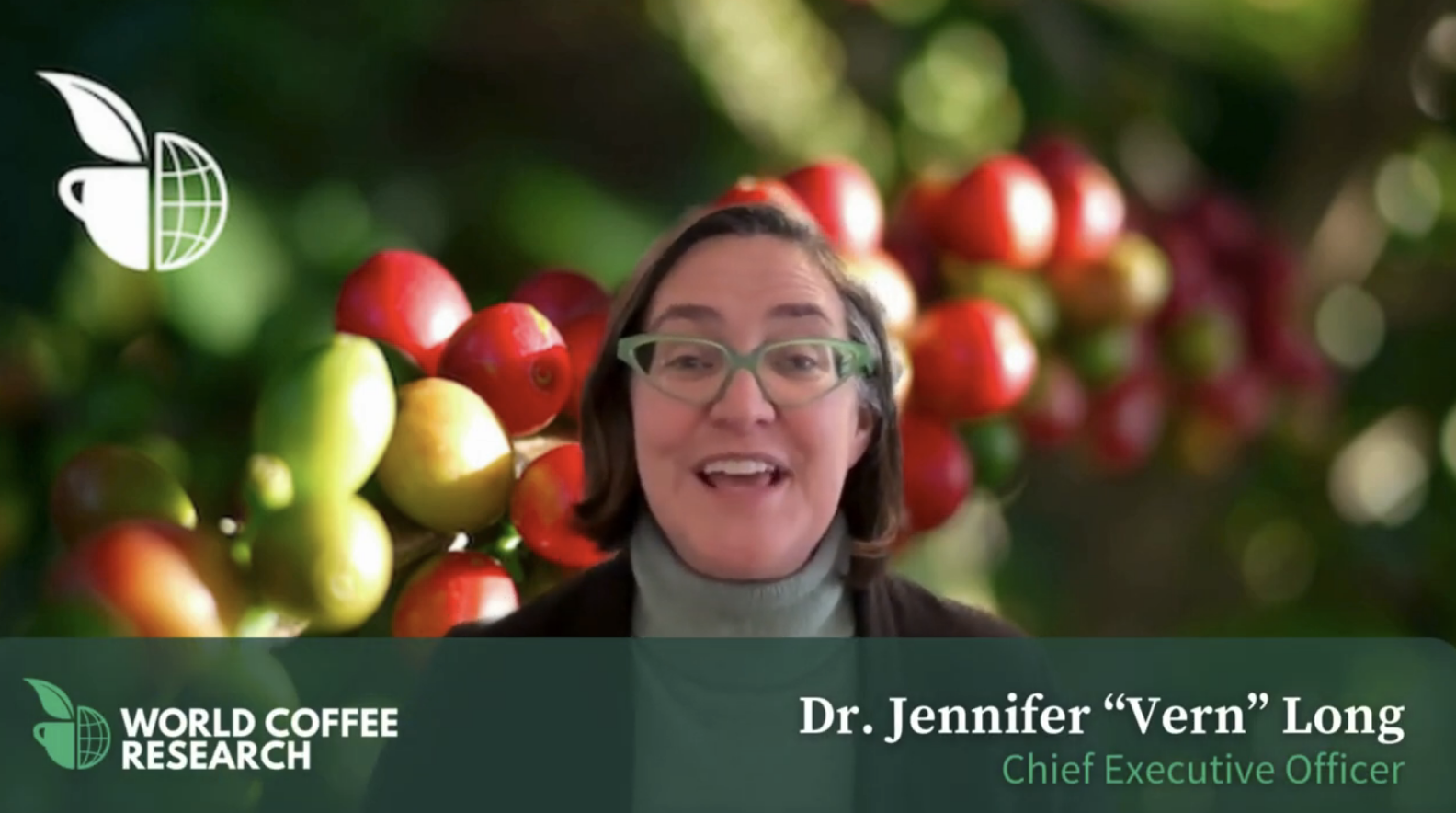
WCR CEO Reviews 2025 Achievements in Coffee Innovation

An annual update from CEO Vern Long highlights scientific progress, global partnerships, and climate resilience

Dubai – Qahwa World

World Coffee Research (WCR) has described 2025 as a defining year for the organization and the wider coffee industry, citing accelerated innovation, strengthened global partnerships, and tangible progress in developing climate-resilient coffee varieties.

In his annual review, WCR Chief Executive Officer Vern Long emphasized that the organization’s achievements this year were driven by sustained investment from more than 200 member companies across 30 countries, alongside close collaboration with national coffee institutes worldwide. These partnerships enabled WCR to move improved coffee varieties from research into farmers’ fields at an unprecedented pace.

According to WCR, the focus on variety development is critical as coffee-producing regions face increasing pressure from climate change, disease, and production volatility. The organization positions its work as essential to safeguarding the long-term stability and diversity of global coffee supplies.

Key achievements in 2025

  • Improving access to proven varieties
    In Peru, WCR installed 10 new arabica seed lots of the varieties IPR 107 and Paraneima in partnership with eight local organizations. These varieties were previously identified as top performers under local conditions through WCR’s International Multilocation Variety Trial, which has been running since 2015.
    In Uganda, WCR supported the installation of 15 mother gardens and nurseries of disease-resilient robusta varieties in cooperation with the national coffee institute NaCORI, expanding farmers’ access to improved planting material.

  • Advancing global arabica breeding efforts
    WCR began arabica field trials and recorded the first harvests under the Innovea Global Coffee Breeding Network. The initiative, recognized as one of TIME magazine’s Best Inventions of 2025, is described as the most ambitious and globally coordinated coffee breeding program to date, aimed at delivering high-performing, high-quality varieties for future generations.

  • Launching robusta breeding under Innovea
    A robusta breeding program was added to the Innovea network, with Vietnam and Ghana joining as national collaborators. This expansion brings total participation to 11 countries, collectively accounting for around 40% of global coffee production. The robusta program is designed to run in parallel with arabica efforts, focusing on resilience while supporting origin diversity.

  • Strengthening scientific collaboration worldwide
    WCR reported unprecedented levels of collaboration among scientists, governments, and coffee companies. One study published in 2025 brought together researchers from 15 countries across 23 trial sites to examine how 29 arabica varieties respond to leaf rust under different growing conditions. The findings are intended to support the development of more resilient coffee trees.

Looking ahead

Despite ongoing challenges facing the coffee industry, WCR underscored that innovation and collaboration remain powerful tools for risk mitigation and long-term sustainability. As the organization enters the new year, it expressed gratitude to its global community of members and partners for their continued commitment to securing the future of coffee.

Russia Sets Record for Brazilian Coffee Imports

Moscow – Qahwa World

Russia significantly increased its imports of coffee from Brazil between January and November, with the total value reaching nearly $390 million — the highest level recorded to date, according to official Brazilian statistics.

Since the beginning of the year, Brazilian coffee shipments to Russia amounted to approximately $392.6 million, compared with about $232.3 million over the same period last year, highlighting a sharp expansion in bilateral trade within this segment.

Import volumes also rose in physical terms, totaling 62.3 thousand tonnes, which represents a 13% year-on-year increase.

As a result of the higher purchases, Russia ranked 11th among the world’s largest importers of Brazilian coffee. Germany remained the leading destination with imports worth around $2.1 billion, followed by the United States at $1.8 billion and Italy at approximately $1.2 billion.

Other major markets for Brazilian coffee during the period included Japan and Belgium, as well as the Netherlands, Türkiye, and Spain, while China also featured among the top ten importing countries.

Luckin Coffee’s Major Investor Weighs Acquisition of Costa Coffee

Beijing — Qahwa World

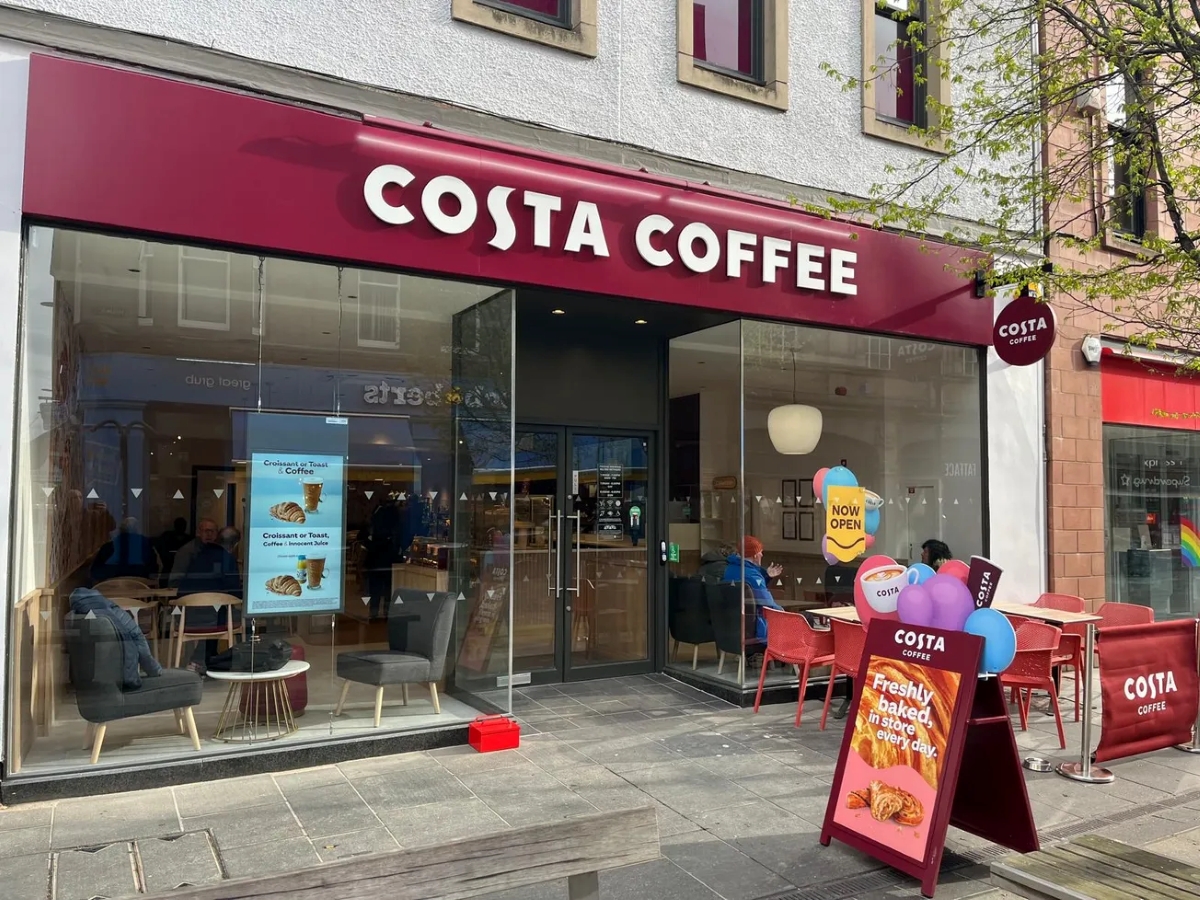
The majority stakeholder of Luckin Coffee, Centurium Capital, is reportedly considering a bid to acquire Costa Coffee from The Coca-Cola Company, in what could become one of the most significant international coffee transactions in recent years.

According to sources familiar with the matter, the Beijing-based private equity firm is evaluating whether to proceed with an offer for the British coffee chain. The discussions come as Coca-Cola continues to review its investment in Costa Coffee, which it purchased from Whitbread in 2019 for $4.9 billion.

Coca-Cola Reassesses Its Coffee Strategy

Coca-Cola began exploring potential buyers for Costa in August 2025, signaling a possible retreat from its café business. Speaking to investors, CEO James Quincey admitted that Costa’s financial performance “is not where we wanted it to be,” adding that the company was “reflecting on the right way forward” for the brand.

Reports indicate that Coca-Cola has received fewer bids than anticipated, with Costa’s current valuation estimated at less than $2 billion less than half of what the beverage giant originally paid.

Centurium Capital’s Expanding Coffee Footprint

Centurium Capital has been a major force behind Luckin Coffee’s resurgence. The Chinese private equity firm first invested in Luckin during its early funding rounds and became instrumental in stabilizing the company following its 2020 accounting scandal. In 2021, Centurium led a $260 million private placement that helped Luckin restructure debt and resolve issues with the U.S. Securities and Exchange Commission (SEC).

By January 2022, Centurium had become Luckin’s controlling shareholder, holding over 50% of the company’s voting rights. Under its direction, Luckin has grown rapidly, operating more than 26,000 stores across China, surpassing Starbucks in store count and establishing itself as the country’s leading coffee brand.

Industry analysts suggest that acquiring Costa could give Centurium a strong international platform, combining Luckin’s digital strength and value-based strategy in Asia with Costa’s established brand presence in Europe and the Middle East.

Costa Coffee’s Global Operations

Founded in London in 1971, Costa Coffee today operates around 4,100 coffee shops across 38 countries and manages nearly 17,000 self-service machines under the Costa Express brand. The company has also expanded into the ready-to-drink (RTD) sector, with products distributed through supermarkets and vending platforms worldwide.

However, under Coca-Cola’s ownership, Costa has struggled to achieve consistent profitability and adapt to evolving market dynamics. Analysts say that its integration within a soft-drink-focused corporation limited the brand’s agility in competing with fast-growing specialty coffee chains.

Other Interested Bidders

Besides Centurium Capital, Bain Capital, investor in Gail’s Bakery and Pizza Express, and TDR Capital, owner of Asda supermarkets, have also shown interest in acquiring Costa, according to Bloomberg.

If Centurium proceeds, the deal would mark a rare case of a Chinese investment group acquiring a major Western coffee brand, highlighting China’s growing influence in the global coffee market and reinforcing the country’s ambition to shape the next chapter of the café industry.

Starbucks Sells 60% Stake in China Business for $4 Billion

Dubai – Qahwa World

Starbucks has reached a major agreement to sell a 60 percent controlling stake in its China operations to Hong Kong-based private-equity firm Boyu Capital for $4 billion. The partnership marks one of the largest foreign coffee-sector transactions in Asia, positioning both companies to accelerate Starbucks’ expansion in the world’s biggest branded coffee market.

China remains Starbucks’ most strategic growth region outside the United States. The company currently operates around 8,000 stores nationwide and aims to scale that number to 20,000 in the coming years. Boyu’s local experience and financial backing are expected to support Starbucks’ next phase of growth, particularly in lower-tier Chinese cities where coffee culture is rapidly expanding.

Under the deal, Starbucks will keep its Shanghai headquarters and retain 40 percent ownership of the new joint venture. It will continue to license its brand and intellectual property while maintaining control over store design, training standards, and product development.

Brian Niccol, Chairman and CEO of Starbucks, said the collaboration would strengthen the company’s presence in China:

“Boyu’s deep understanding of Chinese consumers and regional markets will help us reach new communities while staying true to our values of exceptional partner experience and world-class customer service.”

Founded in 2011, Boyu Capital manages investments across Hong Kong, mainland China, and Singapore. Its portfolio exceeds 200 companies, including leading Chinese names such as Mixue Ice Cream and Alibaba Group—one of Starbucks’ delivery partners in China.

Alex Wong, Partner at Boyu Capital, described the partnership as “a shared belief in the strength of the Starbucks brand and a commitment to local innovation and customer connection.”

Starbucks’ decision follows months of speculation since late 2024 about a potential sale of its China division. The move comes as the company continues to recover from pandemic-era declines, reporting four consecutive quarters of growth in 2025. In its fiscal fourth quarter ending September 28, 2025, Starbucks recorded $831.6 million in China sales, a 6 percent increase year on year.

With this new alliance, Starbucks seeks to reinforce its market leadership amid mounting competition from domestic rivals such as Luckin Coffee and Cotti Coffee—companies that have gained ground with value-driven strategies and aggressive store rollouts.

Specialty Coffee Association Releases Its 2024 Annual Report

The Specialty Coffee Association (SCA) has released its 2024 Annual Report, signed by Chief Executive Officer Yannis Apostolopoulos, highlighting a transformative year marked by new quality standards, record membership growth, scientific advancements, and unprecedented global expansion in education and events — all with a strong focus on sustainability, research, and equitable value distribution across the coffee industry.

According to the report, 2024 represented a pivotal year for the SCA, as it officially adopted and published the new Coffee Value Assessment (CVA) standards, replacing the long-standing 2004 cupping form. This milestone positioned the CVA as the official protocol for global coffee quality evaluation. The association recorded more than 10,000 downloads of the CVA forms, over 1,500 learners enrolled in the “CVA for Cuppers” course, and more than 130,000 views on its CVA educational video series on YouTube. Additionally, the SCA waived course fees for over 500 coffee professionals in producing countries, ensuring broader and fairer access to professional education.

A major achievement highlighted in the report was the introduction of a new membership model offering free access to the SCA’s resources, educational programs, and events. This initiative led to exponential growth, bringing the association’s global community to over 100,000 companies and coffee professionals within just six months — a reflection of its ongoing mission to make knowledge and opportunities accessible to all who contribute to the specialty coffee industry.

The report also emphasized the strong research momentum driven by the Coffee Science Foundation (CSF), which supported six flagship projects in 2024. These included studies on physical defects in green coffee, developing a universal roast measurement system, exploring sweetness perception, analyzing the impact of packaging on consumer experience, and understanding how value is created and distributed throughout the coffee value chain. These efforts underscore the SCA’s commitment to fostering data-driven innovation and sustainability.

Globally, the SCA expanded its footprint through multiple major events. The “World of Coffee” trade shows took place in Dubai, Chicago, Busan, and Copenhagen, serving as platforms for knowledge exchange, business, and innovation. Notably, 2024 marked the first-ever World of Coffee held in Asia — in Busan, South Korea. The year also saw the launch of the Coffee Value Summit in Shenzhen, China, focusing on value creation and the implementation of the CVA. Other initiatives included “Green Coffee Connect,” fostering relationships between producers and importers, and the “Retail Buyer’s Lounge,” designed to enhance business networking during trade shows.

Following a period of financial stabilization from 2020 to 2023, the SCA strategically reinvested in 2024 to expand access to education, fund critical research, and strengthen partnerships. The association maintained a balance between program growth and fiscal responsibility, ensuring its ability to continue serving the global coffee community despite economic uncertainty.

In the area of education, the SCA organized five Educator Summits across Asia and the United States, providing platforms for trainers and educators to enhance their teaching and professional development. Comprehensive multilingual surveys were also conducted to gather feedback from trainers and learners, leading to further curriculum improvements and the development of new systems to support global education in coffee.

Looking ahead, the report outlined ambitious plans for 2025, including the launch of a comprehensive coffee evaluation program in partnership with the Coffee Quality Institute (CQI), expanded educational offerings for green coffee sellers and retailers, the creation of online forums to connect the global coffee community, and continued research into equitable value distribution and sustainability across the coffee value chain.

The 2024 Annual Report reaffirms the SCA’s role as a leading global organization uniting research, education, standards, and events to build a more sustainable, inclusive, and equitable future for the specialty coffee industry worldwide.

Dubai: The Next Global Coffee Trade Nexus

Dubai — Qahwa World

Dubai is rapidly establishing itself as one of the world’s most influential players in the international coffee trade. Once renowned for its dominance in gold, oil, and logistics, the emirate is now redefining itself as a global coffee hub connecting producing countries in Africa, Asia, and Latin America with consuming markets across Europe, the Middle East, and North America. With its strategic location, advanced infrastructure, and thriving specialty coffee culture, Dubai is emerging as the next global nexus of the coffee industry.

Coffee is far more than a daily beverage — it is a $200 billion global economy that sustains over 25 million smallholder farmers and fuels more than two billion cups consumed every day. Yet the industry is under intense pressure. Climate change, volatile prices, supply chain disruptions, and changing consumer tastes have reshaped global trade dynamics. Amid these challenges, Dubai has positioned itself as a stabilising force that combines innovation, transparency, and accessibility to create new opportunities for producers and traders worldwide.

The Dubai Multi Commodities Centre (DMCC) has been at the forefront of this transformation through its state-of-the-art Coffee Centre located in the Jebel Ali Free Zone. The facility offers integrated services for roasting, storage, packaging, logistics, and trade, serving more than 300 members across the global coffee value chain. Designed on a pay-as-you-go model, it allows small producers and independent traders to access world markets without the burden of fixed commitments. According to Mike Butler, Associate Director of Coffee at DMCC, this flexible approach “makes the Coffee Centre extremely friendly for small businesses” and allows them to scale as they grow.

“Dubai is defining the global trend in specialty coffee today,” said Garfield Kerr, President of the Specialty Coffee Association (SCA) and founder of Mokha1450. “In Dubai, coffee functions like wine elsewhere — it’s a cultural experience built around craftsmanship and taste.” Over the past decade, independent roasteries and boutique cafés have replaced international chains across the city. Consumers have become increasingly informed about freshness, roast profiles, and sustainability, pushing the market toward higher quality and transparency.

Dubai’s geographical advantage is another factor behind its success. Situated almost exactly between the world’s top producing nations — Brazil, Vietnam, Colombia, Indonesia, and Ethiopia — the emirate offers unmatched access to global shipping routes. Its proximity to East Africa, one of the fastest-growing specialty coffee regions, gives it a natural advantage over traditional European hubs. “If you map the world’s major coffee producers, Dubai sits almost exactly in the centre,” Butler explained. “It’s only a matter of time before Dubai challenges Hamburg as the global leader in coffee trade.”

The DMCC Coffee Centre’s Tradeflow platform has introduced a new level of digital transparency to an industry often criticised for its opacity. Every batch traded through the system is physically verified and stored within the centre’s temperature-controlled facility, ensuring quality and trust between producers and buyers. By integrating blockchain-based traceability and tokenised finance options, DMCC has reduced intermediaries and opened new financing channels for smallholder farmers. Its partnership with the African Fine Coffees Association (AFCA) further supports African producers through logistics, warehousing, and buyer introductions, helping them retain greater value from their exports.

Dubai’s rise as a coffee capital is also cultural. The World of Coffee Dubai exhibition, held annually at the Dubai World Trade Centre, has become a magnet for industry leaders and enthusiasts alike. The 2025 edition drew nearly 17,000 visitors and 2,000 exhibitors, hosting auctions of the world’s rarest coffees and showcasing 131 debut brands — three-quarters of them international. “The world showed up,” said Kerr. “The coffee innovation coming out of Dubai is now influencing global trends.”

As global coffee trade evolves, sustainability has become central to Dubai’s vision. The emirate is investing in climate-smart agriculture, low-carbon logistics, and advanced digital systems that track environmental compliance. Experts warn that by 2050, up to half of existing coffee-growing land could become unsuitable due to rising temperatures, making adaptation essential. Initiatives such as agroforestry, drought-resistant varieties, and circular-economy recycling of coffee by-products are gaining momentum.

Through innovation and technology, Dubai is setting new standards for transparency and sustainability in coffee trading. Artificial intelligence now supports quality monitoring, while blockchain ensures traceable supply chains. Companies are exploring compostable packaging, recycling capsules, and transforming used coffee grounds into new products, aligning commerce with environmental responsibility.

“Whether it’s the supermarket, the sports club, or the cinema, coffee standards are rising everywhere,” Butler observed. “Dubai is uniquely positioned to lead this evolution, combining innovation, logistics, and sustainability into one cohesive ecosystem.”

In an era of shifting trade routes and unpredictable markets, Dubai has turned its vision into action. The city’s integration of culture, technology, and commerce is rewriting the rules of how coffee is traded and valued. More than a gateway between continents, Dubai has become the command centre of global coffee commerce — a place where beans, business, and innovation converge to shape the future of one of the world’s most beloved drinks.