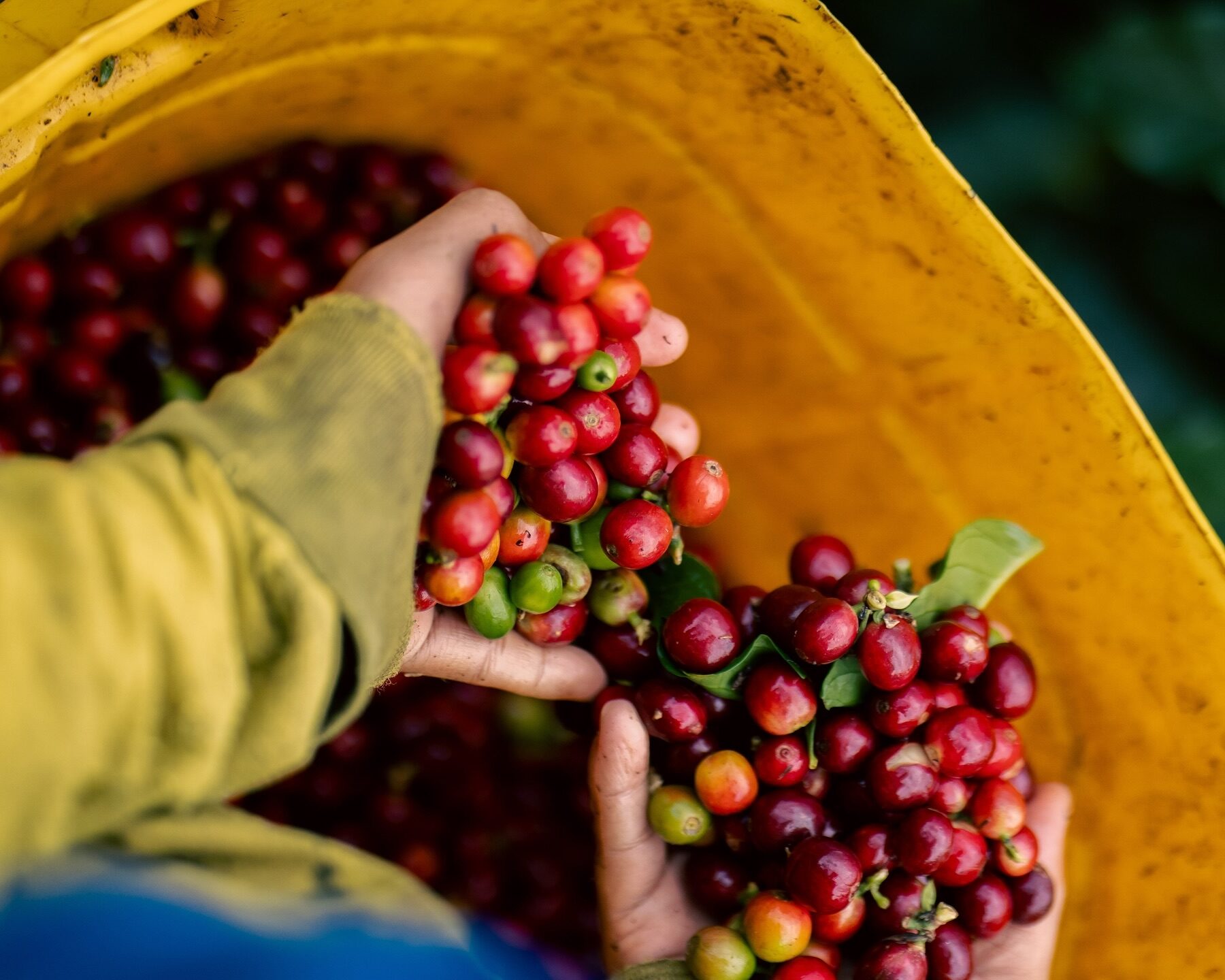
DMCC Webinar Highlights Growth in Coffee Trade Between Colombia and the UAE

Economic and Logistics Partnerships Drive Record Trade Expansion and Strengthen Global Presence of Colombian Coffee

Dubai – Qahwa World

The Dubai Multi Commodities Centre DMCC organized a virtual webinar titled “Made for Trade Live: Colombia in Focus”, in partnership with the Embassy of the United Arab Emirates in Colombia, the Chambers of Commerce of Manizales, Armenia and Quindío, and Cali, as well as IKOR Global. This DMCC Colombia coffee webinar highlighted trade growth by bringing together public and private sector stakeholders to explore trade, investment opportunities, and developments in the coffee sector between Colombia and the UAE. Notably, the DMCC Colombia coffee webinar trade growth emphasis reflects the expanding role of Colombian coffee in international markets.

Ahmed Bin Sulayem, Executive Chairman and Chief Executive Officer of DMCC, stated that the Comprehensive Economic Partnership Agreement signed in 2024 eliminated 95% of tariffs, noting that bilateral trade is expected to exceed USD 1 billion within five years. Moreover, as discussed during the DMCC Colombia coffee webinar, trade growth for Colombian coffee is likely to accelerate under these new measures.

He added that DMCC hosts more than 26,000 companies, contributes over 15% of Dubai’s foreign direct investment flows, and around 7% of Dubai’s GDP. The member base includes more than 200 companies from Latin America, including 30 from Colombia, with Colombian membership growing by 50% over the past two years, representing nearly 20% of DMCC’s South American companies. This expansion aligns with the ongoing DMCC Colombia coffee webinar trade growth strategy.

Colombia, the world’s third-largest coffee producer and exporter, recorded export growth of 17% in 2024, driven by a 132% increase in exports to China, which is expected to overtake the United States as Colombia’s second-largest export destination. Furthermore, the DMCC Colombia coffee webinar trade growth was a key driver discussed during this international event.

The DMCC Coffee Centre spans 15,000 square meters and includes temperature-controlled storage, processing, roasting, packaging, and distribution facilities, serving 350 companies. A total of 8,200 metric tons of coffee were processed in 2025, including Colombian coffee, as highlighted in the DMCC Colombia coffee webinar focused on trade growth.

During the second coffee auction at World of Coffee Dubai World of Coffee Dubai, Geisha coffee from Panama achieved a record price of USD 30,240 per kilogram in 2025. The 2026 edition recorded the highest number of international origins ever represented, attracting more than 17,000 participants, with plans for further expansion in 2027. Also, the DMCC Colombia coffee webinar trade growth focus signaled continued opportunities in global coffee markets.

The webinar also announced the launch of the DMCC Cacao Centre, with the global cacao market projected to reach USD 26.2 billion by 2035. The centre currently hosts 88 companies operating in cacao trading, chocolate manufacturing, and confectionery. During the DMCC Colombia coffee webinar trade growth topic, diversification into cacao was discussed as complementary to coffee.

DMCC also hosts more than 4,000 technology companies active in artificial intelligence, robotics, crypto, tokenization, and trade finance. The DMCC Phoenix initiative was launched last November, while DMCC FINEX includes around 2,000 companies and is expected to exceed 5,000 in the future, bringing the total ecosystem close to 50,000 companies. Innovation was a key theme in the DMCC Colombia coffee webinar’s trade growth agenda.

Mohammed Al Shamsi, Ambassador of the United Arab Emirates to Colombia, stated that the UAE has expressed concern regarding recent regional tensions, noting 50 years of diplomatic relations between the two countries. This milestone was acknowledged during the DMCC Colombia coffee webinar trade growth segment.

He said non-oil trade in 2025 exceeded USD 2 billion, surpassing the CEPA target of USD 1 billion within less than two years, even before ratification, with expectations of further doubling after approval. He also highlighted the growing presence of the Juan Valdez brand across UAE cities. Additionally, the DMCC Colombia coffee webinar trade growth theme supports greater market access for Colombian coffee brands.

The Chamber of Commerce of Manizales por Caldas reported that Caldas ranks as the ninth-largest exporting department in Colombia, with exports exceeding USD 1,363 million, representing 3.4% of national exports. Coffee remains the flagship product, with external sales reaching USD 19 million and growth of 52% between 2020 and 2024. This reflects the DMCC Colombia coffee webinar trade growth impact.

The Chamber of Commerce of Cali highlighted a model based on four pillars: investment, internationalization, innovation, and integration. In Valle del Cauca, 71 companies exported coffee in 2025 across 362 export operations, reaching USD 318 million in international sales. Cali accounts for 50% of exporting companies, followed by Cartago at 23% and Sevilla at 14%. The United States represents 46% of exports, followed by Germany, Japan, Canada, the Netherlands, and China. These trends were reviewed in the DMCC Colombia coffee webinar, emphasizing trade growth.

Ricardo Muñoz, Coordinator of the Specialty Coffee Program at the Chamber of Commerce of Armenia and Quindío, stated that the program has been active for 15 years, with coffee accounting for around 80% of Quindío’s exports despite its small size. The region focuses on micro-lots and has developed infrastructure for milling, processing, and roasting. DMCC Colombia coffee webinar trade growth themes were mentioned in relation to the specialty coffee sector.

A DMCC presentation highlighted Dubai’s strategic location, enabling access to 2.5 billion people within a four-hour flight radius and up to 5 billion people within broader connectivity. Dubai is ranked as the most competitive economy in the Arab world and a global hub hosting more than 200 nationalities. The DMCC Colombia coffee webinar trade growth was a major consideration in positioning Dubai as a hub.

Mohammed Mohammed, Senior Manager Corporate Sales at DMCC: “Dubai offers you accessibility and connectivity. With a four-hour flight, Dubai offers you access to around 2.5 billion population. If you double that number of flights, it will get you access to 5 billion population. The most important part, you don’t need to fly to Dubai to set up your business. You can do it digitally.” For example, when considering DMCC Colombia coffee webinar trade growth, digital connectivity makes expanding into new markets easier.

Gulfood Gulfood recorded more than 6,800 participants and 133,000 visitors, generating over USD 20 billion in trade deals, while GITEX GITEX attracted more than 5,500 participants from over 190 countries. Dubai’s trade and wholesale sector accounts for around 23% of its economy, with more than 90 million passengers passing through its airports annually. Notably, DMCC Colombia coffee webinar trade growth supports wider trade events and partnerships.

Mike Butler, Coffee Ecosystem Manager at DMCC, stated that the Coffee Centre was established in 2019 in Jebel Ali Free Zone on a 15,000 square meter site powered by 75% solar energy. It hosts more than 300 members across the global coffee value chain and provides services including storage, logistics, processing, roasting, and capsule production. This infrastructure was highlighted as part of the DMCC Colombia coffee webinar trade growth model.

IKOR Global Managing Director Tatiana Córdoba stated that Colombian coffee exports to the UAE reached USD 16 million in 2024 and USD 17.3 million in 2025, reflecting 9% growth, with 70% of exports directed to the United States, Europe, and Canada. These figures were analyzed at the DMCC Colombia coffee webinar focused on trade growth.

She highlighted that the UAE connects more than 2 billion people within less than four hours of flight time. Additionally, DMCC Colombia coffee webinar trade growth opportunities were emphasized regarding global connectivity.

Anastasia, from Finca Dontulio Group: “When we think about DMCC we consider it’s the backbone of our green coffee logistics… DMCC helps us to eliminate that risk. When we talk about our business model, we definitely think about the coffee and the quality of it, but more importantly we think about building something meaningful across borders, bringing finest Colombian coffee to the world without compromise and this is where DMCC played a key role, it enabled us to scale sustainably and maintain excellence at every step.” The DMCC Colombia coffee webinar trade growth findings support this international approach.

The webinar concluded with the announcement of upcoming events, including World of Coffee from 26 to 28 January, Gulfood from 15 to 19 March Gulfood, and an additional event scheduled in Abu Dhabi in November. This schedule was part of DMCC Colombia coffee webinar trade growth announcements.

Coffee Quality Institute Announces Educator of the Year

ALISO VIEJO, Calif. –  Qahwa World

Coffee Quality Institute (CQI) recognized their Educator of the Year at their recent thirtieth anniversary luncheon in San Diego. Javier Hoyos Garcia of Colombia has been selected as the 2026 recipient.

“Educators are the unsung heroes in CQI’s work and enable our small organization to have an outsized impact,” said Coffee Quality Institute CEO Michael Sheridan. “We develop the curriculum, and recruit, train, and certify distinguished coffee professionals to deliver it. Even among the very impressive ranks CQI educators, Javier really stood out over the past year.”

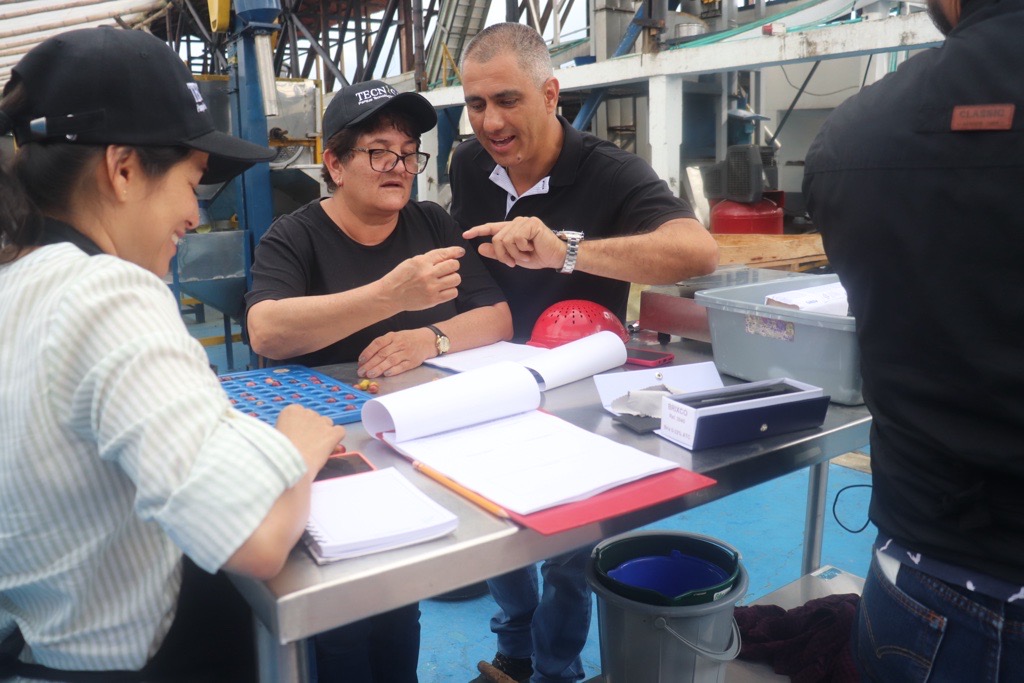
Hoyos García has dedicated much of his life to education as both an agronomist and a university professor. He began his work as a CQI Instructor in 2019. He has trained more than 1,000 students, contributing significantly to the development of coffee professionals across Colombia in different areas including post-harvest processing. In addition to his teaching roles, he serves as CEO of TECNiCAFE (Technological Innovation Park for Coffee), a leading training campus located in the department of Cauca, Colombia.

“What I value most is being able to share what I know with people who need it. It’s incredible how much you can influence or impact people’s lives by sharing knowledge, best practices, experience, and technical understanding, stated Hoyos Garcia. “The changes real. I hope to continue expanding this impact beyond Colombia. This year, I begin teaching in Peru and Thailand—experiences that truly excite me.”

One example of Hoyos Garcia’s impact in 2025 was his commitment to deliver training for four hundred women from Cauca, Colombia, in fermentation practices that strengthen quality and consistency in coffee processing. Participants are part of the EntreAmigos network and represent various farmer organizations across the region. Each has received a scholarship through the CQI Global Coffee Fund, and upon completion, a CQI certificate.

“It is a privilege to recognize Javier Hoyos García for the passion and dedication he brings to his work every day, both with CQI and throughout his career. This recognition highlights his trajectory, discipline, and commitment to teaching, sharing, and guiding others. Javier leads through education; something that is not just what he does, but a genuine and constant expression of who he is. It is an honor to celebrate our incredible instructors, and in this case, a professional like Javier,” said CQI Senior Post-Harvest Program Manager, Yimara Martínez Agudelo.

Through his work in post-harvest processing education, Hoyos Garcia has not only strengthened individual’s coffee skills—he has restored confidence, opened opportunities, and transformed lives. His impact is felt not just in the quality of coffee, but in the people behind it.

About Coffee Quality Institute

CQI is a non-profit that works globally to improve the quality of coffee and the lives of the people who produce it. For thirty years, CQI has trained people who produce and process coffee in more than thirty coffee-growing countries around the world.

Global Coffee Exports Surge Amid Asian Growth and Latin American Decline

LONDON – Qahwa World

The latest report from the International Coffee Organization reveals profound shifts in the global trade landscape, as total coffee exports across all forms surged to 12.62 million bags in January, marking a 13.7% increase compared to the same month last year. This growth was primarily driven by an exceptional performance in the Robusta sector, which successfully offset a significant contraction in shipments from major producers in South America, reflecting a fundamental change in the global supply structure.

Data highlights a dominant performance by the Asia & Oceania region, which achieved a 54.4% growth in exports. Vietnam led this surge with 3.99 million bags exported—a 73.3% annual increase—as the country accelerated shipments to clear inventories ahead of national holidays. Africa also maintained a strong presence with 14.2% growth, notably led by Ethiopia, which saw a 51.5% jump in shipments, confirming the recovery of supply chains and the continent’s ability to capture new market shares.

You may Read: ICO February 2026 Report: Has the Inflationary Wave Receded?

In contrast, South America faced a different reality, with exports declining by 21.3%. This downturn was directly impacted by a drop in shipments from Brazil and Colombia, ranging between 19% and 22%, following unfavorable localized weather conditions. This trend extended to Mexico and Central America, which recorded a 4.2% decrease, with Honduras suffering a sharp 28.7% drop in shipments due to logistical challenges and seasonal labor shortages still hindering the pace of exports in that region.

By category, Robusta exports grew by a staggering 49.1% to reach 5.25 million bags, accounting for a larger share of the global green bean trade at 48.4%. Furthermore, the data reveals a strategic shift toward value addition in origin countries, as exports of roasted coffee jumped by 25.2%. This indicates a growing desire among producers to move beyond raw material exports toward local manufacturing to maximize economic returns amidst the rapid changes in the global coffee sector.

Global Study Maps the “Carbon Footprint” of Latin American Coffee

Dubai – Qahwa World

A comprehensive international study released in March 2026 has revealed a sharp disparity in the carbon footprint of coffee production across five major Latin American nations. This landmark report establishes the first precise scientific baseline—using primary data collected directly from farms—to address climate change challenges within the global coffee sector.

The study, conducted by Conservation International in collaboration with the Sustainable Coffee Challenge and Meo Carbon Solutions, analyzed supply chains in Brazil, Colombia, Honduras, Mexico, and Peru. The findings provide a “wake-up call” for the industry, highlighting how specific farming practices, particularly fertilization and waste management, dictate environmental impact.

  • The Emission Gap: Colombia Leads while Mexico Sets a Benchmark

Detailed data shows that coffee production in Colombia generates the highest greenhouse gas emission intensity, averaging 5.59 kg of carbon dioxide equivalent (CO2-eq) per kilogram of green coffee. Honduras followed with 4.87 kg. In Brazil, the results varied by variety, with Arabica recording 3.22 kg compared to 2.51 kg for Robusta.

Conversely, Mexico emerged as the country with the lowest emissions in the study group, averaging just 1.46 kg. Experts attribute this lower footprint to specific traditional farming practices, including greater reliance on natural shade and organic soil health.

  • Fertilizers: The Primary Climate Culprit

According to the extensive technical report, the most significant “hotspot” for emissions in Latin American coffee is fertilizer and nutrient application. In Colombia and Brazil, fertilization accounts for approximately 60% of the total carbon footprint. This is primarily due to the heavy use of nitrogen-based inputs, which release potent greenhouse gases when interacting with the soil.

In other regions, the drivers differ. In Peru, “crop residues” and unmanaged organic decomposition were identified as the primary sources of emissions. Meanwhile, in Honduras, the traditional wet processing of coffee cherries—specifically the management of wastewater at the farm level—contributes significantly to the national baseline.

  • A “Pre-Competitive” Global Alliance

The study is the result of an unprecedented “pre-competitive” alliance involving major global coffee brands, roasters, and suppliers. Giants such as Nestlé, Starbucks, and JDE Peet’s contributed by sharing primary data and technical oversight to harmonize carbon accounting standards across the industry.

This collaboration aims to empower stakeholders to direct investments toward “regenerative agriculture.” These practices focus on reducing chemical dependency, improving on-farm waste management, and enhancing the soil’s ability to sequester carbon rather than release it.

  • A Roadmap for Investors and Farmers

The report concludes with actionable recommendations, stressing that reducing the carbon footprint is no longer just an environmental goal but a commercial necessity. As international environmental regulations tighten, understanding these baselines is essential for maintaining global market access.

The findings confirm that transitioning to integrated nutrient management, improving water efficiency, and recycling coffee by-products into natural fertilizers are the most effective ways to bridge the carbon gap revealed in countries like Colombia and Honduras.

Coffee Prices Rise Amid Surging Shipping Costs

Dubai – Qahwa World

Coffee markets saw gains on Wednesday, with May arabica (KCK26) climbing +3.10 (+1.09%) and May robusta (RMK26) rising +29 (+1.78%).

Analysts attribute the rebound to supply-side concerns. The ongoing conflict in Iran has disrupted shipping through the Strait of Hormuz, driving up global freight rates, insurance costs, and fuel expenses—factors that are expected to push costs higher for coffee importers and roasters.

Meanwhile, favorable weather in Brazil is supporting the country’s coffee crop but is acting as a bearish influence on prices. Somar Meteorologia reported that Minas Gerais, Brazil’s largest arabica-growing region, received 78 mm of rainfall in the week ending February 20, 131% of the historical average.

You may read: War Redraws Global Shipping Map and Pressures Coffee Supply Chains

Despite this, coffee prices had sharply declined over the past five weeks, with arabica hitting a 15-month low last Tuesday and robusta dropping to a 6.75-month low last Monday. Brazil’s crop forecasts show strong production ahead: the national agency Conab predicts 2026 coffee output will reach a record 66.2 million bags, up +17.2% year-on-year. Arabica production is expected at 44.1 million bags (+23.2% y/y), and robusta at 22.1 million bags (+6.3% y/y).

On a global scale, Rabobank projects coffee production in 2026/27 to hit 180 million bags, an increase of 8 million bags from the previous year.

Vietnam, the largest robusta producer, is also contributing to market pressure. January coffee exports surged +38.3% y/y to 198,000 metric tons, while total 2025 exports jumped +17.5% y/y to 1.58 MMT. Vietnam’s 2025/26 production is projected to reach 1.76 MMT (29.4 million bags), a four-year high.

Inventory dynamics are mixed. ICE-monitored arabica stocks, which fell to a 1.75-year low of 396,513 bags on November 18, have rebounded to a four-and-three-quarter-month high of 528,028 bags. Robusta inventories also recovered to a 3.25-month high of 4,721 lots after hitting a 14-month low in December.

Brazilian exports, however, fell sharply in January, with 141,000 MT shipped (-42.4% y/y), while Colombia’s smaller output supports price levels. The National Federation of Coffee Growers reported that January arabica production fell -34% y/y to 893,000 bags.

The International Coffee Organization noted a slight global export decline for the marketing year (Oct-Sep) of -0.3% y/y to 138.658 million bags. USDA forecasts for 2025/26 show total world coffee production rising +2.0% y/y to a record 178.848 million bags. Arabica output is expected to fall -4.7% to 95.515 million bags, while robusta climbs +10.9% to 83.333 million bags. Brazil’s production is projected at 63 million bags (-3.1%), and Vietnam’s at 30.8 million bags (+6.2%). Ending stocks are forecast to decline -5.4% to 20.148 million bags.

Historic Colombian Coffee Harvests Face Labour Shortages

Líbano, Colombia – Qahwa World

The Guardian has reported on a striking paradox in Colombia’s coffee industry: even amid record-breaking global coffee prices, farmers are struggling to find enough pickers to harvest their crops.

In Líbano, Tolima, Mary Luz Pérez Arrubla and her brother Rodrigo, fourth-generation coffee growers, experienced one of the best harvests in recent memory in 2025. Prices soared as U.S. tariffs on Brazil and Vietnam, coupled with poor harvests in those countries, boosted Colombia’s high-altitude regions. Yet labour shortages meant that up to 10% of the crop was left on the ground.

“Every week, for two-and-a-half months, we worked from dawn to dusk. I had to collect coffee from the floor—it seemed there was more there than on the branches,” Mary said. Wilder Gomez, the farm manager, echoed her frustration: “Even offering higher wages doesn’t solve the problem. People move from farm to farm chasing the best daily harvest.”

The challenges reflect a decades-long rural exodus. Violence, economic inequality, and urban job opportunities have pulled workers away from Colombia’s coffee-growing regions, leaving an ageing workforce. The National Coffee Growers Federation reports that the proportion of workers over 60 has more than doubled, while the overall workforce has shrunk by a quarter.

Unlike Brazil, where flat plantations allow mechanised harvesting, Colombia’s steep Andean slopes prevent widespread machine use. “Every slope is different,” said agronomist Yinson Javier Díaz. Mechanisation is further limited by the uneven ripening of cherries, a common trait in Colombian coffee regions.

Emerging technologies could help. Eco-friendly mills reduce labour needs, AI-powered sorting machines separate ripe beans from spoiled ones, and drones can apply pesticides precisely. Yet fewer than 5% of farmers can afford these innovations, with costs starting at 22 million pesos (£4,150).

Climate change compounds the difficulties. Average mountain temperatures have risen 1.2°C since the 1980s, sunlight hours have dropped by nearly 20%, and pests and diseases are increasingly frequent. Experts predict that by 2041–2060, low-altitude yields may fall while high-altitude production could rise, prompting shifts in cultivation practices.

Despite Colombia’s central role in global coffee production, most of the profits bypass small farmers. Half a million coffee-growing families cultivate an average of just 1.4 hectares each, while industrial estates in Brazil often span hundreds or thousands of hectares. Only around 10% of coffee profits reach these small producers, even as global consumption continues to grow, with an estimated three billion cups consumed daily.

The Guardian’s report underscores a stark reality: record harvests and soaring prices cannot compensate for labour shortages, climate instability, and economic inequality, leaving Colombia’s coffee sector at a critical juncture.

South America’s 100 Best Coffee Shops 2025 – Full List Revealed

Dubai – Qahwa World

The global coffee community celebrates a new milestone as The World’s 100 Best Coffee Shops unveils the official list of South America’s 100 Best Coffee Shops 2025, recognizing the continent’s finest cafés for their excellence, creativity, and cultural impact.

After months of evaluation and travel across cities, mountains, and coffee regions, the judges compiled a single, unified ranking that reflects South America’s dynamic coffee landscape — one that continues to inspire and shape global coffee culture.

This year’s edition honors cafés that deliver exceptional quality, unique concepts, sustainable practices, and authentic coffee experiences. From traditional roasteries to modern coffee laboratories, these 100 destinations represent the beating heart of coffee craftsmanship in the region.

South America’s 100 Best Coffee Shops 2025 — Complete List

  1. Tropicalia Coffee / Colombia

  2. Kafi Wasi Café Tostaduría / Peru

  3. Holaste! Specialty Coffee / Chile

  4. Fankør / Ecuador

  5. Tributo Casa de Café – Chacao / Venezuela

  6. Fruto Café / Argentina

  7. Monotono Specialty Coffee / Peru

  8. Cupping Café / Brazil

  9. Puku Puku / Peru

  10. Eco Mapu Coffee Villarica / Chile

  11. Typica Café / Bolivia

  12. Pergamino Café Laureles / Colombia

  13. Caferatto Café Especial / Colombia

  14. Wake Up Coffee Lab / Chile

  15. Masaro Café / Peru

  16. Mulano Coffee Shop / Ecuador

  17. Origen Tostadores de Café / Peru

  18. Casa Canela / Venezuela

  19. Mugen Coffee Project / Bolivia

  20. Coffee Five / Brazil

  21. Café Guayasamín – Centro Quito / Ecuador

  22. Café de Barrio / Argentina

  23. Three Monkeys Coffee Cusco / Peru

  24. Abstrakto Café de Especialidad / Uruguay

  25. Neira Café Lab / Peru

  26. Café Local / Chile

  27. Tasta Café / Peru

  28. Oso Café / Peru

  29. Insignia Coffee / Colombia

  30. Alquimia Specialty Coffee Shop / Bolivia

  31. Antaqa Café / Peru

  32. Café 4 Llamas – Santa Cruz / Bolivia

  33. Café Micelio Puerto Varas / Chile

  34. Rua – Café de Especialidad Curado / Ecuador

  35. Café 18 – El Chicó / Colombia

  36. Cronopios Café / Ecuador

  37. Abisinia Café y Tostaduría / Peru

  38. Slow Brew Coffee Shop Cuenca / Ecuador

  39. HB Bronze Coffeebar / Bolivia

  40. Tres / Argentina

  41. Don Salazar / Peru

  42. Cuervo Café / Argentina

  43. Punto Café / Peru

  44. Famosta Café / Colombia

  45. Negro Cueva de Café / Argentina

  46. Libertario Coffee Roasters – Calle 70A / Colombia

  47. Surry Hills Coffee Palermo / Argentina

  48. Azahar Café / Colombia

  49. D’sala Caffé / Peru

  50. Café Folks / Chile

  51. Café Melosa / Venezuela

  52. Florencia y Fortunata Specialty Coffee / Peru

  53. Roaster Specialty Coffee / Bolivia

  54. Stratto Bodega de Café + Coffee Shop / Ecuador

  55. Raiz Coffee / Peru

  56. Café Buena Vista / Bolivia

  57. Buho Nómada / Chile

  58. Colo Coffee / Colombia

  59. Atmósferico Cafetería de Especialidad / Ecuador

  60. Indera Experience Cafetería de Especialidad / Ecuador

  61. Kofi & Co / Brazil

  62. Típica Café Milla de Oro / Colombia

  63. Coffee Busters Roastery / Peru

  64. Mato Café / Brazil

  65. Cafetería Tunu Katari / Peru

  66. KOF – King of the Fork / Brazil

  67. Café Ao Leu / Brazil

  68. Primates Tostadores / Chile

  69. Lucca Cafés Especiais / Brazil

  70. María Julio Coffee Shop / Colombia

  71. Kaweh Coffee Shop / Ecuador

  72. Puma Café / Peru

  73. Dagada / Ecuador

  74. Somos Specialty Coffee / Bolivia

  75. Coffeestylers / Colombia

  76. Amanecer Coffee Store / Venezuela

  77. ArtemisA Coffee & Cocktail Bar / Chile

  78. Alto Tostado Coffee Roasters – Santa Cruz / Bolivia

  79. Eleganza Coffee Roasters / Chile

  80. Ciclos Café / Peru

  81. Blacksoul Café Brewing Lab / Bolivia

  82. Marrón Café / Venezuela

  83. Laurino Coffee / Colombia

  84. Café Nexos / Venezuela

  85. 9 Gramos Café / Colombia

  86. Manva Natural Market / Venezuela

  87. Rita Specialty Coffee Armenia / Argentina

  88. Café Black Mamba / Chile

  89. Kaffei / Paraguay

  90. Elevaria Café / Peru

  91. Casa Berracos / Uruguay

  92. Senzuru Coffee / Peru

  93. Anella Café / Venezuela

  94. Kajue Café / Argentina

  95. Varietale Chapinero / Colombia

  96. Ninina / Argentina

  97. Guanacoffee / Peru

  98. Barista Coffee House / Argentina

  99. Café Bauda / Chile

  100. Calu’s / Argentina

A Continental Celebration of Coffee Excellence

The 2025 list captures the remarkable growth of specialty coffee in South America, where cafés are increasingly emphasizing sustainability, direct trade, and community connection. From Peru’s mountains to Colombia’s coffee triangle, each café has earned its place through dedication and creativity.

This recognition is more than a ranking — it’s a celebration of coffee as a cultural bridge. Each destination tells a story of farmers, roasters, and baristas working together to redefine what coffee can be.

The organizers extended their gratitude to this year’s sponsors and partners:
@cafedecolombia, @corferias, @fidatecorg, @hechoencafe, Craft Specialty Coffee, and @fedecafeterosc, for their continued support in promoting excellence and sustainability in coffee.

About the Awards

The South America’s 100 Best Coffee Shops 2025 is part of The World’s 100 Best Coffee Shops global initiative, which celebrates the finest cafés worldwide. The listings are curated by international coffee professionals who assess cafés on quality, innovation, design, and overall customer experience.

For the complete story and upcoming global rankings, visit:
https://theworlds100bestcoffeeshops.com/

Colombia Records Its Best Coffee Harvest in Over 30 Years

Bogotá — Qahwa World

Colombia, the world’s third-largest coffee producer after Brazil and Vietnam, has celebrated its most productive coffee year in more than three decades. The impressive rebound, driven by favorable weather conditions and extensive crop renewal, brought total production between October 2024 and September 2025 to 14.87 million 60-kg bags, marking a 17% year-on-year increase and exceeding the country’s estimated output of 14 million bags, according to the National Federation of Coffee Growers.

However, the Federation warned that this peak may not continue into the next season.

We are now beginning the 2025/2026 coffee cycle, which, due to the natural physiological response of the coffee tree and significant rainfall in the first half of the year, is projected to be a year of lower production,” said Federation Manager Germán Bahamón on X.

Colombia, home to about 840,000 hectares of coffee cultivation, supports roughly 540,000 farming families who depend on the crop for their livelihoods.

Strong Output and Export Growth

In September 2025, Colombia’s production of washed Arabica coffee rose 7% year-on-year, reaching 1.14 million bags, slightly below 1.24 million bags in August. Coffee exports increased 6% in September, totaling 1.06 million bags, the Federation reported.

The Colombian statistics agency DANE noted that the value of coffee exports surged 79.7% year-on-year between January and August 2025, reaching $3.67 billion, largely driven by high international coffee prices.

Monthly Coffee Output and Exports (Oct 2024 – Sep 2025)

Month Output (1,000 bags) Exports (1,000 bags)
September 2025 1,142 1,063
August 2025 1,243 1,128
July 2025 1,373 1,150
June 2025 909 1,086
May 2025 819 910
April 2025 703 796
March 2025 1,064 1,268
February 2025 1,361 1,187
January 2025 1,356 1,151
December 2024 1,798 1,282
November 2024 1,761 1,189
October 2024 1,339 1,047
September 2024 1,071 987
Source: National Federation of Coffee Growers of Colombia (FNC), DANE  |  Data in thousand 60-kg bags

These figures illustrate a strong performance throughout the year, particularly in late 2024, when monthly output peaked above 1.7 million bags before stabilizing in 2025. Despite slight fluctuations, both production and exports remained consistently high, reflecting the resilience of Colombia’s coffee sector amid shifting weather patterns and global market volatility.

As Colombia enters a new production cycle, growers remain cautiously optimistic, balancing the recent record harvest with expectations of a natural slowdown in the coming year.

Historic Drop in Certified Coffee Stocks Threatens Global Market Stability

Dubai Qahwa World

The global coffee market is entering a period of heightened uncertainty as certified coffee stocks fall to their lowest level in years, signaling tightening supply chains and growing pressure on prices. According to the International Coffee Organization’s (ICO) September 2025 Coffee Market Report, both Arabica and Robusta certified inventories saw steep declines, raising alarm among traders and producers about the sustainability of global coffee flows.

The ICO reported that certified Arabica stocks in the United States dropped by 19.3%, falling to 0.66 million 60-kg bags, while certified Robusta stocks in London declined by 4.3% to 1.08 million bags. The organization described these figures as a “clear indicator of tightening supply,” warning that if this trend continues, it could lead to further market volatility and stronger upward pressure on coffee prices into 2026.

The decline in certified stocks comes at a time when global coffee prices are already at a two-year high. The ICO Composite Indicator Price (I-CIP) averaged 324.62 US cents per pound in September up 9.3% from August and 25.4% year-on-year. This sustained rally reflects a combination of supply shortages, export delays, and speculative momentum, according to the report. Analysts also note that the depletion of certified stocks is a major driver behind the surge, as roasters and traders draw down existing inventories to meet ongoing demand.

In Brazil, the world’s largest coffee producer and exporter, the situation remains complex. Despite a healthy harvest, export performance continues to weaken, with the Brazilian Coffee Exporters Council (Cecafé) reporting a tenth consecutive monthly decline. Shipments have been slowed by logistical congestion at the Port of Santos and delayed customs procedures, resulting in slower replenishment of certified stocks. Much of the crop, although harvested, remains stored domestically awaiting transport a factor that continues to strain global availability.

Colombia, the world’s top producer of washed Arabica, is also struggling with weather disruptions in key coffee-growing regions and infrastructure setbacks that have limited its export capacity. Meanwhile, Vietnam, the largest Robusta supplier, has maintained stable production but faces supply chain bottlenecks that delay shipments to major consuming markets, particularly Europe and North America.

The ICO emphasized that these combined factors have created a fragile equilibrium in which global coffee demand remains resilient, but the flow of physical supply is insufficient to keep inventories stable. “The rate of certified stock depletion is now nearing levels not seen since 2021,” the report warned, adding that the balance between consumption and production is increasingly difficult to maintain amid logistical and policy-related challenges.

Trade policies are adding further complications. The United States’ 50% import tariff on coffee, still in place as of September 2025, continues to weigh heavily on trade volumes. Many importers have avoided purchasing new shipments at elevated costs, instead relying on existing certified reserves. This has accelerated the drawdown of available stock, pushing certified inventories closer to critical thresholds.

At the same time, monetary policy decisions have influenced speculative activity across commodity markets. The Federal Reserve’s recent 25-basis-point rate cut its first since 2024 triggered renewed investor interest in coffee futures, pushing prices even higher. The report noted that this speculative demand has intensified the pressure on physical stocks, as traders anticipate continued price gains and hedge against potential shortages.

The ICO also pointed to regulatory uncertainty in Europe as a factor contributing to the decline in certified inventories. Exporters are recalibrating their shipment schedules due to the forthcoming EU Deforestation Regulation (EUDR), which mandates traceability and geolocation data for coffee imports. While the European Commission has signaled a potential one-year delay in enforcement, many traders are opting to postpone shipments until compliance frameworks are clarified, further limiting short-term supply availability.

Market analysts caution that the combination of depleted stocks, policy delays, and persistent trade restrictions could lead to supply shortages in early 2026 if current trends persist. “The market is walking a fine line,” one analyst cited by the ICO noted. “With certified inventories at record lows, even minor disruptions whether from weather, logistics, or policy shifts could have an outsized impact on prices.”

This tightening supply scenario has already been reflected in the futures markets. ICE Arabica prices in New York rose by 11.5% in September, averaging 366.31 US cents per pound, while ICE Robusta prices in London climbed 8.9% to 197.56 US cents per pound. The price differential between the two markets widened by 14.7% to 168.75 US cents per pound, the highest level recorded in 2025. The ICO said the widening gap highlights uneven stock conditions and structural imbalances between Arabica and Robusta markets.

Furthermore, intra-day price volatility increased to 13.8%, compared to 10.6% in August, underscoring how thin inventories amplify market sensitivity to short-term developments. The report noted that low stock levels make the market more reactive to speculative trading, currency fluctuations, and export data releases.

Despite these challenges, some optimism remains tied to upcoming harvests in Central America and East Africa, which could provide temporary relief to global supplies. However, the ICO cautioned that recovery will likely be slow, as high fertilizer and labor costs continue to limit farm investment and productivity gains across several producing countries.

Ultimately, the ICO concluded that the historic decline in certified coffee stocks represents more than a temporary fluctuation it reflects a deep structural imbalance in the global coffee economy. Persistent trade barriers, logistical delays, and delayed regulatory decisions have combined to restrict availability at a time when global demand remains robust. The report warned that unless export performance and stock replenishment improve by early 2026, the market could face an extended period of high prices and intensified volatility.

As the global coffee sector navigates this critical juncture, the ICO urged stakeholders from producers to importers to focus on efficient supply chain management, sustainable farming practices, and regulatory coordination to restore stability to the market. Without such measures, the world’s coffee supply chain risks remaining on edge well into the coming year.

Global Coffee Prices Surge to 2-Year High

Dubai – Qahwa World

The global coffee market witnessed a significant price surge in September 2025, marking one of the strongest monthly performances in recent years. According to the latest Coffee Market Report issued by the International Coffee Organization (ICO), the ICO Composite Indicator Price (I-CIP) averaged 324.62 US cents per pound, representing a 9.3% increase compared to August 2025 and a striking 25.4% rise year-on-year. The report reveals that while prices rose across all coffee groups, tightening certified stocks and persistent trade uncertainties continue to define the market’s volatile landscape.

The ICO noted that Arabica varieties led the monthly increase, with Colombian Milds climbing 10.1% to 403.77 US cents/lb, Other Milds advancing 9.3% to 400.21 US cents/lb, and Brazilian Naturals gaining 11.3% to 374.91 US cents/lb. Robusta, meanwhile, registered a more moderate yet notable 5.9% increase to 210.85 US cents/lb. The rise was mirrored on both major futures exchanges, with New York ICE prices up 11.5% to 366.31 US cents/lb, and London ICE prices increasing by 8.9% to 197.56 US cents/lb. The I-CIP fluctuated between 298.14 and 360.74 US cents/lb during the month, maintaining a median value of 323.44.

The report attributes much of September’s price escalation to several interconnected macroeconomic and policy-related developments that placed upward pressure on the market during the first half of the month. Among these, concerns over the long-term supply of coffee to the United States stood out, especially given the continued uncertainty surrounding import tariffs. Although on 8 September the U.S. administration issued an executive order revising tariffs for “aligned partners” with established trade agreements, coffee remained excluded from the list. The commodity continues to face a 50% import tariff imposed earlier in the year, as it is not yet categorized among products that the U.S. cannot sufficiently produce domestically. This policy has led to sustained apprehension among traders and exporters, particularly as U.S. certified Arabica stocks continue to decline.

The ICO underlined that certified stocksused as a short-term substitute for coffee importsare shrinking at an alarming rate, reinforcing market tightness. U.S. certified stocks of Arabica fell 19.3% in September to 0.66 million 60-kilogram bags, while London-certified Robusta stocks decreased 4.3% to 1.08 million bags. These drawdowns, the report states, indicate that the market is “starting to feel the squeeze,” signaling a bullish outlook for prices if replenishment remains weak.

However, the latter half of September brought developments that introduced downward pressure and tempered speculative enthusiasm. On 15 and 17 September, the ICE Futures U.S. exchange raised margin requirements for Arabica contracts twice in a single week. Higher margin requirements force investors to deposit more capital with brokers to cover increased credit risk, thus raising borrowing costs for both new and existing positions. The ICO explained that such moves can reduce liquidity and limit speculative demand, potentially stabilizing prices in overheated markets.

At the same time, discussions at the United Nations General Assembly between U.S. and Brazilian officials provided a momentary boost to market optimism. As the world’s largest coffee producer and the largest destination market sought to improve bilateral trade relations, investors interpreted the talks as a signal that tariff détente might eventually follow. Brazil’s exports have been under severe strain, declining for ten consecutive months due to both cyclical production factors and logistical issues at the port of Santos.

On the monetary front, the U.S. Federal Reserve’s 25-basis-point interest rate cut on 17 September had a nuanced impact. While the policy was intended to lower borrowing costs across the economy, it indirectly affected coffee prices by making speculative trading less expensive. The ICO noted that cheaper credit may have helped sustain trading volumes, adding volatility to a market already under pressure from tightening supplies.

The European Union also entered the spotlight in September after the EU Commissioner for Environment, Water Resilience and a Competitive Circular Economy raised concerns over the readiness of the EU Deforestation Regulation (EUDR) IT system. The Commissioner indicated that the system might not be able to handle the expected transaction volume, suggesting a possible one-year extension before enforcement begins. The EUDR, which aims to ensure that coffee and other commodities imported into the EU are deforestation-free, has been a major topic of concern among exporters since its adoption, and any delay could temporarily ease compliance-related pressures on coffee-producing nations.

Despite these counterbalancing developments, overall volatility continued to rise. The ICO reported that intra-day volatility of the I-CIP increased by 2.8 percentage points compared to August, averaging 13.8% in September. By category, Colombian Milds and Other Milds showed volatility of 14.0% and 13.7%, respectively, Brazilian Naturals 14.7%, and Robustas 15.0%. At the futures level, New York volatility stood at 15.2%, while London measured 16.2%, reflecting a minor uptick in speculative activity.

Price differentials also widened notably. The Colombian MildsOther Milds differential expanded from 0.41 to 3.56 US cents/lb, while the Colombian MildsRobustas differential rose 15.1% to 192.92 US cents/lb. The arbitrage between the London and New York markets, a key indicator of the spread between Arabica and Robusta, widened by 14.7% to 168.75 US cents/lb, the highest level of the year.

Overall, the ICO described September as a month defined by tightening supplies, speculative activity, and geopolitical uncertainty. The consistent decline in certified stocks, combined with unresolved tariff tensions and potential EUDR delays, continues to reinforce a bullish sentiment across the market. As the fourth quarter of 2025 begins, analysts expect coffee prices to remain elevated, with volatility likely to persist until structural issuessuch as logistics bottlenecks, regulatory clarity, and weather-related production concernsare addressed.

In summary, the ICO’s latest data depict a coffee market under strain but also opportunity. Prices are buoyed by constrained supply and investor sentiment, while trade policies and financial dynamics continue to influence short-term movements. With the I-CIP climbing above 320 US cents/lb for the first time in over two years and certified stocks hitting new lows, September 2025 may well be remembered as a turning point in the evolving balance between global coffee supply and demand.