Coffee Quality Institute Announces Educator of the Year

ALISO VIEJO, Calif. –  Qahwa World

Coffee Quality Institute (CQI) recognized their Educator of the Year at their recent thirtieth anniversary luncheon in San Diego. Javier Hoyos Garcia of Colombia has been selected as the 2026 recipient.

“Educators are the unsung heroes in CQI’s work and enable our small organization to have an outsized impact,” said Coffee Quality Institute CEO Michael Sheridan. “We develop the curriculum, and recruit, train, and certify distinguished coffee professionals to deliver it. Even among the very impressive ranks CQI educators, Javier really stood out over the past year.”

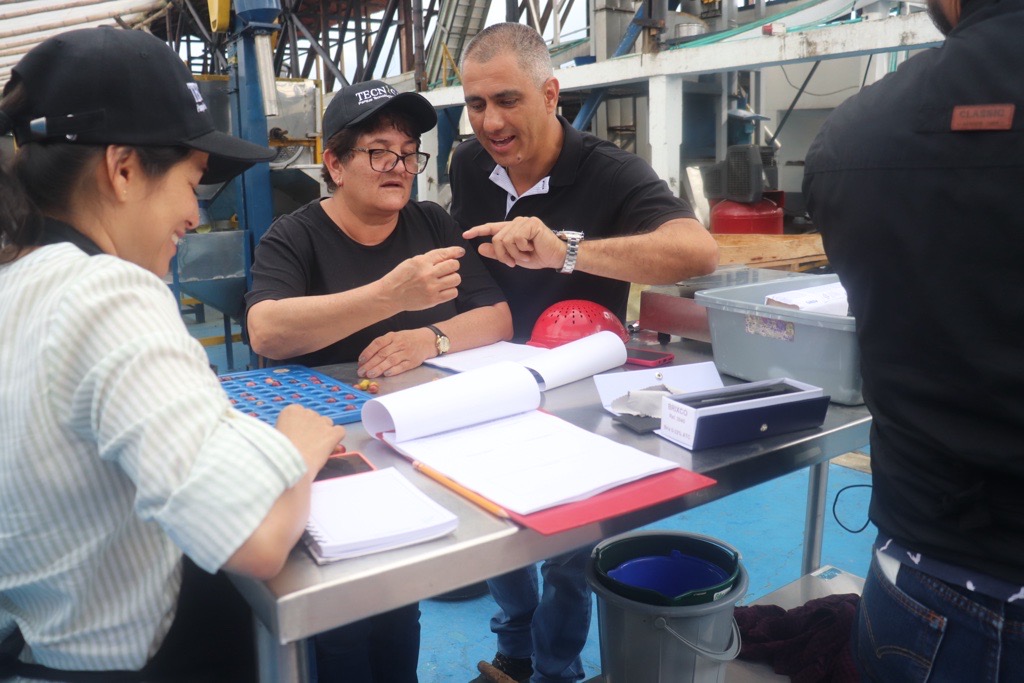
Hoyos García has dedicated much of his life to education as both an agronomist and a university professor. He began his work as a CQI Instructor in 2019. He has trained more than 1,000 students, contributing significantly to the development of coffee professionals across Colombia in different areas including post-harvest processing. In addition to his teaching roles, he serves as CEO of TECNiCAFE (Technological Innovation Park for Coffee), a leading training campus located in the department of Cauca, Colombia.

“What I value most is being able to share what I know with people who need it. It’s incredible how much you can influence or impact people’s lives by sharing knowledge, best practices, experience, and technical understanding, stated Hoyos Garcia. “The changes real. I hope to continue expanding this impact beyond Colombia. This year, I begin teaching in Peru and Thailand—experiences that truly excite me.”

One example of Hoyos Garcia’s impact in 2025 was his commitment to deliver training for four hundred women from Cauca, Colombia, in fermentation practices that strengthen quality and consistency in coffee processing. Participants are part of the EntreAmigos network and represent various farmer organizations across the region. Each has received a scholarship through the CQI Global Coffee Fund, and upon completion, a CQI certificate.

“It is a privilege to recognize Javier Hoyos García for the passion and dedication he brings to his work every day, both with CQI and throughout his career. This recognition highlights his trajectory, discipline, and commitment to teaching, sharing, and guiding others. Javier leads through education; something that is not just what he does, but a genuine and constant expression of who he is. It is an honor to celebrate our incredible instructors, and in this case, a professional like Javier,” said CQI Senior Post-Harvest Program Manager, Yimara Martínez Agudelo.

Through his work in post-harvest processing education, Hoyos Garcia has not only strengthened individual’s coffee skills—he has restored confidence, opened opportunities, and transformed lives. His impact is felt not just in the quality of coffee, but in the people behind it.

About Coffee Quality Institute

CQI is a non-profit that works globally to improve the quality of coffee and the lives of the people who produce it. For thirty years, CQI has trained people who produce and process coffee in more than thirty coffee-growing countries around the world.
CQI CEO Michael Sheridan Highlights Strong Q1 2026 Momentum

Dubai — Qahwa World

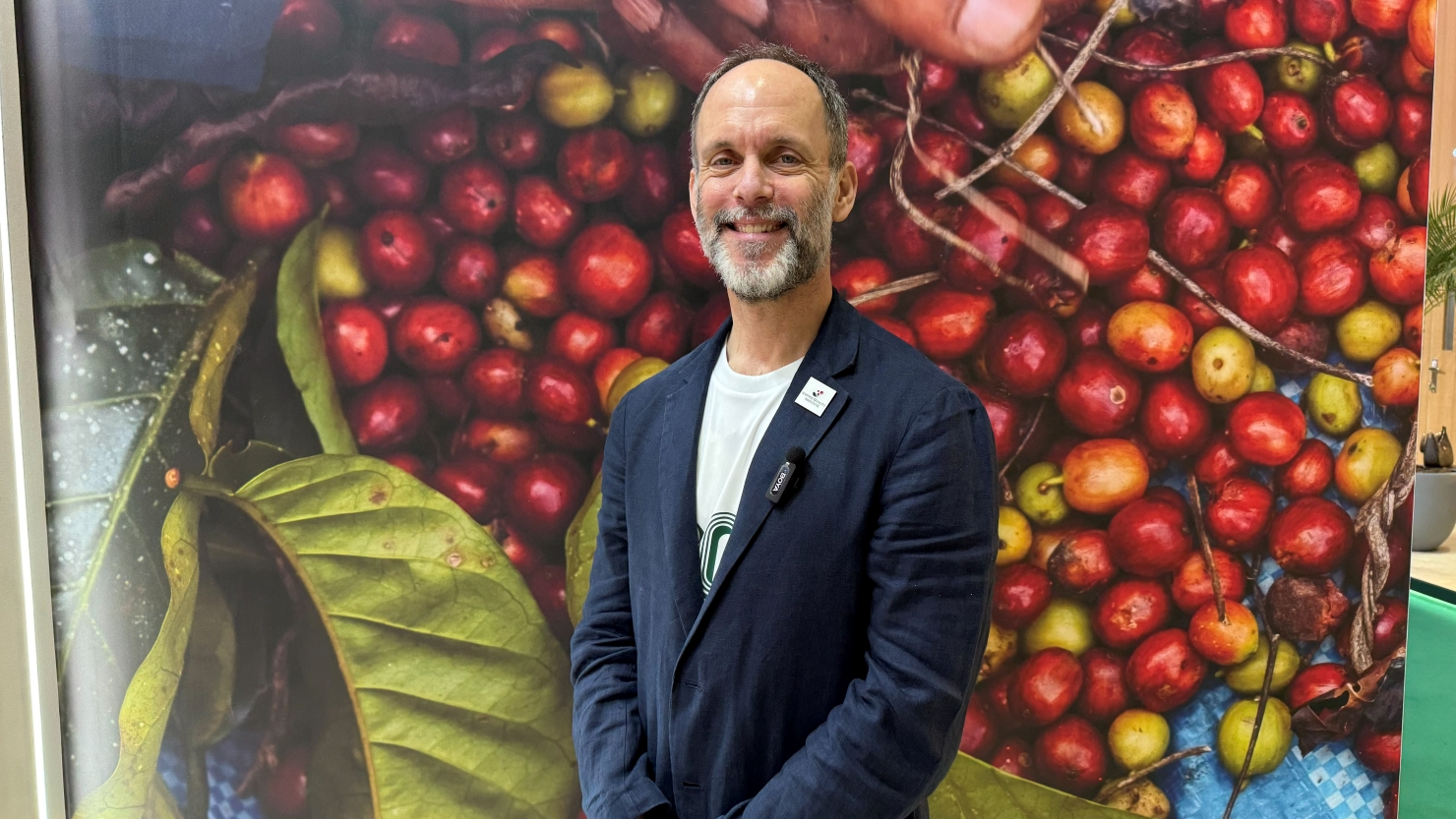
Coffee Quality Institute (CQI) CEO Michael Sheridan has shared an inspiring update with the global coffee community, showcasing a highly active and productive first quarter of 2026 focused on education, innovation, and international outreach.

In his message, Sheridan noted: “It is hard to believe March is almost over. The first quarter of the year has gone by in a flash, partly because we have been so busy improving and expanding our offerings to better serve you and advance our mission.”

You may read: Michael Sheridan in an Exclusive Interview with Qahwa World

  • Post-Harvest Processing Program Expands Globally

A key highlight is the bi-annual Post-Harvest Processing Expert course, now training 25 outstanding coffee professionals from around the world. CQI’s PHP educators have already delivered content in 14 countries this year, with more activities planned.

The organization is also completing a major review and update of its professional course curriculum with input from seasoned instructors while developing new content to cover a wider range of topics.
New Initiatives Launched in Q1

You may like: Coffee Quality Institute CEO Delivers Key Message to Global Coffee Community

  • CQI introduced two significant programs this quarter:

The CQI Insider program, offering dedicated members exclusive access to expert insights and networking.

The Matching Grant program is designed to double the impact of project investments through partnership funding.

Sheridan also highlighted recent in-person engagements with the community in Dubai, Addis Ababa, and Tampa.

  • Ambitious Plans Ahead

The momentum continues into the rest of 2026, with two new initiatives scheduled for rollout in Q2 and Q3, plus upcoming travels to San Diego, Bangkok, Lima, Brussels, and other destinations.
“I look forward to seeing you!” Sheridan concluded.

Read Also:Coffee Quality Institute Launches New CQI Insider Membership Program

  • Advancing Coffee Quality Worldwide

These developments reinforce CQI’s mission to elevate coffee quality and support producers through world-class education and impactful partnerships. Under Michael Sheridan’s leadership, the institute continues to strengthen its role as a global leader in coffee processing knowledge and professional development.

The full message is available to CQI community members, with more details on courses and programs on the official CQI website.

Read this story also: Coffee Quality Institute Announces 2026 Global Coffee Fund Details

CQI Workshop in Dubai Explores the Science of Post-Harvest Coffee Processing

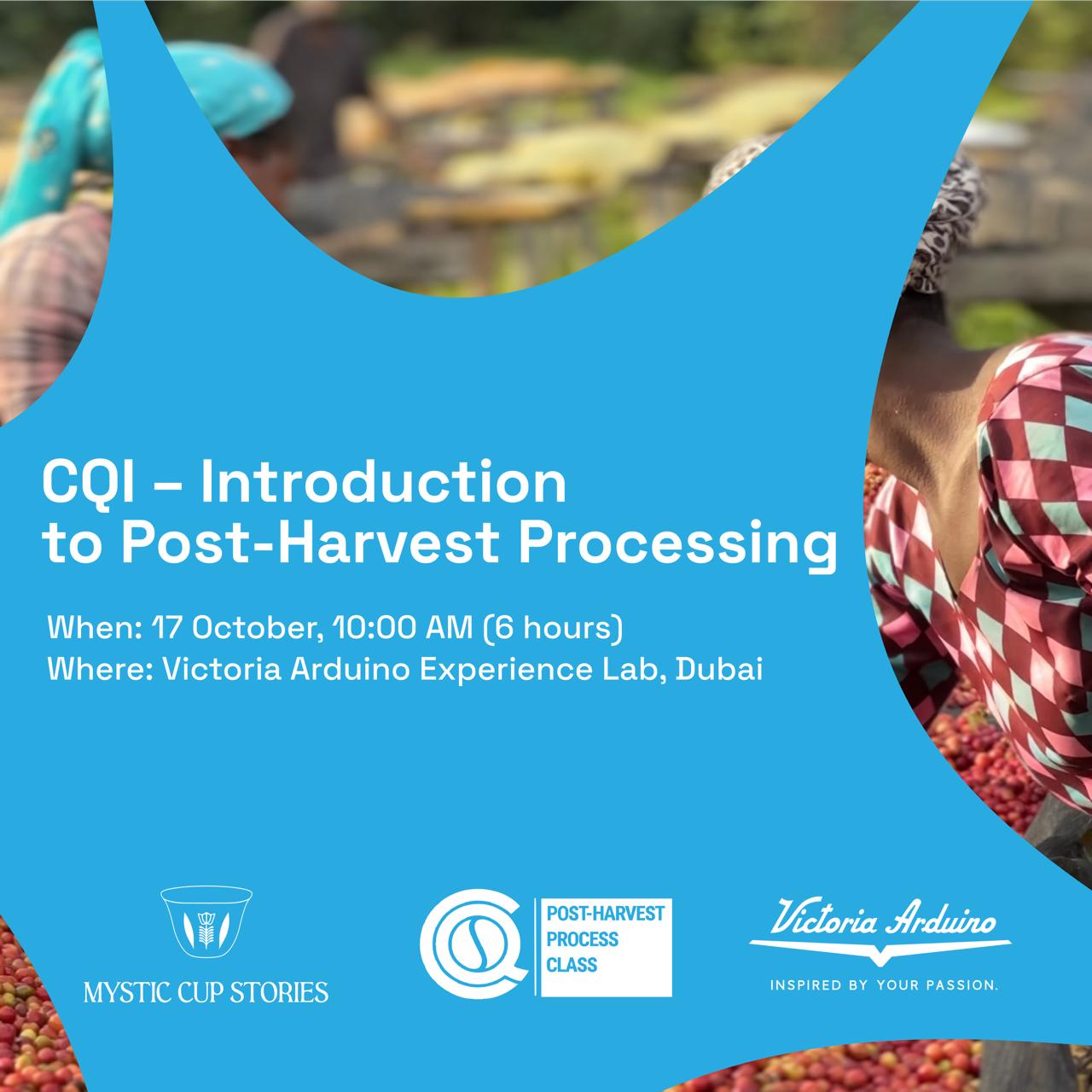
Tomorrow, coffee professionals and enthusiasts in the UAE will gather at the Victoria Arduino Experience Lab in Dubai for a six-hour workshop titled “CQI – Introduction to Post-Harvest Processing.” Organized by Mystic Cup Stories in collaboration with Victoria Arduino, the class promises an in-depth and hands-on introduction to one of the most crucial stages in coffee production.

Accredited by the Coffee Quality Institute (CQI), the session will guide participants through major processing methods — Natural, Honey, Mechanically Demucilaged, Fully Washed, and Wet Hulled — explaining how each technique shapes the final flavor profile of coffee.

The workshop will be led by Kristina Bakhtoiarova, an experienced educator, roaster, and consultant with over 15 years in specialty coffee. As a Q Processing Lecturer, Bakhtoiarova has trained professionals around the world and will share her deep understanding of post-harvest systems, from cherry selection and fermentation to drying and pre-cleaning.

Participants can also look forward to a guided coffee cupping featuring coffees from Mystic Cup Stories, offering a sensory exploration of how processing methods affect taste and aroma.

The program is open to baristas, roasters, café owners, coffee lovers, and future green buyers who want to decode common processing terms such as “Washed,” “Honey,” and “Natural.”

By hosting this CQI workshop, Victoria Arduino continues to strengthen Dubai’s reputation as a leading center for specialty coffee education and innovation in the Middle East.

Anaerobic Fermentation Transforms Unripe Coffee Cherries into Specialty-Grade

Dubai,August 15, 2025 – (Qahwa World) – Unripe coffee cherries, long discarded for their harsh and astringent taste, may now hold hidden value thanks to a breakthrough study from Brazil. Researchers at the Federal University of Uberlândia (UFU) have demonstrated that self-induced anaerobic fermentation (SIAF) can transform immature beans from the Arara cultivar into beverages scoring above 80 points on the Specialty Coffee Association (SCA) scale—the threshold for specialty coffee.

Rethinking the Role of Unripe Cherries

In the specialty coffee sector, greenish unripe beans are typically excluded for producing bitter, pungent flavors. The UFU team challenged this assumption by fermenting unripe Arara cherries in 200-liter hermetically sealed bioreactors for up to 96 hours, with variations in temperature, pH control, water content, and yeast inoculation.

Blind cupping by professional Q-graders revealed that fermented lots containing 13% to 30% unripe cherries not only matched but in some cases outperformed beverages produced solely from ripe cherries. When temperature was carefully controlled at 27 °C, the results were particularly striking, with tasters awarding higher scores than those given to control samples of ripe fruit processed without anaerobic fermentation.

How It Works

The SIAF process places cherries in sealed tanks without oxygen. Naturally occurring microorganisms in the fruit initiate biochemical reactions, releasing carbon dioxide and altering the beans’ chemical profile. These changes reduce the undesirable qualities of immature beans and create new flavor attributes.

The research team also developed a monitoring device to track temperature and pH inside the bioreactors in real time, ensuring precision without disturbing the fermentation process.

Wider Impact for Coffee Growers

The implications are significant. Roughly 70% of the cherries harvested in the UFU trials were unripe, identified using an AI tool created by the research group. Traditionally considered a loss, these cherries now represent a potential source of added value for farmers, particularly in regions where inconsistent ripening reduces yields of high-quality beans.

“Using SIAF with temperature and pH control can minimize the negative effects of immature beans and even elevate the beverage, adding value while still on the farm,” explains Luiza Braga, lead author of the study and a master’s researcher at UFU’s Faculty of Chemical Engineering.

A Collaborative Effort

The project, titled Transforming Challenges into Quality: The Power of Controlled Fermentation in Immature Arara Coffee Beans, was published in Food and Bioprocess Technology. It was supported by FAPESP in partnership with Brazil’s Ministry of Science, Technology, and Innovation (MCTI), with additional funding from FAPEMIG, CAPES, CNPq, and FINEP.

The study forms part of the “Da Semente à Xícara” (Seed to Cup) research group, established in 2019 to advance post-harvest coffee innovations.

What’s Next?

The researchers aim to identify the specific compounds in fermented unripe coffee responsible for the positive sensory attributes and to test the technique on other Arabica varieties.

If successful, anaerobic fermentation could become a vital tool for producers navigating volatile markets, offering a way to extract more value from every harvest. In a world where coffee demand is rising and prices fluctuate, turning waste into quality may be one of the most promising innovations yet.