UAE AeroPress Championship 2025 Opens Registration Tomorrow

Dubai – Qahwa World

The organizing committee of the UAE AeroPress Championship 2025 has announced that registration will open tomorrow, Monday, for the regional rounds across the Emirates.

Registration for Abu Dhabi, Ras Al Khaimah, Sharjah, and Umm Al Quwain will take place on September 22, 2025, from 9am to 5pm. Competitors from Dubai, Ajman, and Fujairah can register on September 25, 2025, during the same hours. Registration links will be shared via the official Instagram account and the championship’s website.

Participation Rules

Under the new World AeroPress Championship guidelines, competitors may register in any Emirate of their choice.

A passport or permanent residence in the UAE is not required.

A valid passport or Emirates ID must be uploaded with the online registration form.

Only one registration is allowed per person. Multiple entries will result in automatic disqualification.

Each Emirate will accept up to 36 competitors on a first-come, first-served basis.

Fees and Confirmation

Confirmed competitors will receive an official confirmation email no later than October 6, 2025, at 9pm.

A registration fee of AED 150 (non-refundable) must be paid in cash when collecting the official practice coffee.

Practice coffee distribution will take place from October 8 to October 10, 2025, at Mokha 1450, Palm Jumeirah, Dubai.

With registration about to open, the countdown begins for the UAE AeroPress Championship 2025, as coffee enthusiasts and professionals gear up for an exciting competition showcasing skill, creativity, and passion for specialty coffee.

For registration click here

Sweetness in Coffee: From the Cherry to the Cup

Dubai – Qahwa World

When coffee lovers describe their perfect cup, sweetness is almost always part of the conversation. It is the quality that balances acidity and bitterness, lending harmony and depth to the drink. But sweetness in coffee is not a coincidence—it is the result of a long chain of factors that begins in the orchard and continues through processing, roasting, and brewing before it finally reaches the cup.

The Beginning: The Coffee Cherry

Coffee is not truly a “bean” but a seed that grows inside a fruit known as the coffee cherry. As the cherry ripens, it naturally develops sugars such as glucose and fructose. These sugars form the foundation of sweetness in coffee, but whether they survive to the final brew depends on how carefully they are protected and enhanced at every stage of the journey.

Processing Methods and Their Role

After harvest, the way coffee is processed has a profound impact on how much of this sweetness makes it into the cup.

Natural (Dry) Process: Beans are dried inside the fruit, absorbing sugars and developing pronounced fruity and sweet notes.

Honey Process: Some of the fruit’s mucilage is left on the beans during drying, creating a balance of sweetness and clarity.

Washed Process: All fruit layers are removed before drying, producing a cleaner and more transparent taste, though usually less sweet than natural or honey methods.

The choice of processing is not merely a technical decision; it is also a cultural and economic one. Farmers and producers select methods that align with tradition, climate, and the preferences of their target markets, shaping the final flavor profile and the level of sweetness in the cup.

Roasting: Where Sugars Caramelize

Once dried, coffee enters the roaster, where natural sugars undergo caramelization. Under the watchful eye of a skilled roaster, these sugars transform into flavors reminiscent of caramel, honey, or chocolate. Proper roasting preserves and highlights sweetness, while excessive heat risks burning away delicate sugars. In many ways, the roaster serves as the final guardian of the bean’s innate sweetness.

Brewing: The Fine Line of Extraction

Even the best beans and the most careful roast can be undone at the brewing stage. Extraction is everything. A balanced brew draws out natural sweetness and harmony, while over-extraction produces bitterness and under-extraction leaves the cup sour and thin. Brewing requires an understanding of variables such as coffee-to-water ratio, temperature, and time—each of which plays a role in whether sweetness shines through or disappears.

Terroir and Variety: The Signature of Nature

Beyond human intervention, nature herself determines much of coffee’s sweetness. Terroir—the combination of soil, altitude, and climate—alongside genetic variety shapes unique sugar profiles.

Ethiopian coffees are often prized for their berry-like sweetness and vibrant fruit notes.

Coffees from Central America tend to lean toward flavors of chocolate and caramel.

Historic Yemeni coffees frequently display a layered complexity of dried fruits and spice, offering a sweetness unlike any other origin.

Each region, each variety, and even each harvest reflects a unique balance of sugars, reminding us that sweetness is as much a story of geography as it is of craftsmanship.

Sweetness as a Symphony of Nature and Craft

Ultimately, sweetness in coffee cannot be traced to a single stage. It is the sum of many factors: the sugars formed in the cherry, the processing choices made on the farm, the precision of the roast, the care of the brew, and the natural imprint of terroir and variety.

Sweetness in coffee is never accidental. It is crafted and carried forward through the hands of farmers, roasters, and baristas—all working in harmony with what nature provides. And when all of these elements align, the result is a cup that delights with balance, depth, and a touch of natural sweetness that turns every sip into a moment worth savoring.

James Hoffmann: From Coffee Hater to One of Its Global Icons

Dubai — Qahwa World

On September 20, 2025, the Financial Times published an in-depth feature tracing the extraordinary journey of James Hoffmann, who began his career hating coffee but went on to become one of its most recognized global figures. The story details how he rose from reluctant beginnings to world champion barista, YouTube celebrity, author, and one of the most influential voices in the specialty coffee movement.

From Rejection to Passion

In his early life, Hoffmann was anything but a coffee enthusiast. He worked as a casino employee in Leeds before moving to London, where he joined espresso machine companies such as Gaggia and La Spaziale. During quiet hours he experimented with the machines, discovering how small adjustments in grind or pressure could change the taste. He still disliked the drink, but his curiosity was triggered by the realization that some cups were “less bad” than others.

The turning point came in 2005, when Hoffmann tasted a Kenyan coffee from a small estate. It shocked him: the flavor resembled blackcurrant juice, a revelation that convinced him coffee could be something extraordinary. Just two years later, after refining his skills and delegating tasting duties to a coach, he was crowned World Barista Champion in Tokyo 2007.

In 2008, together with award-winning taster Anette Moldvaer, Hoffmann founded Square Mile Coffee Roasters in London. It became one of the country’s first specialty roasters and helped transform the UK market from generic blends to single origins and traceable coffees. His rise was framed within the broader “waves of coffee”: the first wave of mass consumption, the second wave of café culture through chains like Starbucks, the third wave of artisanal, single-origin appreciation, and now the debated “fourth wave,” which emphasizes science, sustainability, and scalability — a movement in which Hoffmann is seen as a key figure.

From Barista Champion to YouTube Star

Hoffmann’s influence didn’t stop at cafés or roasteries. In 2016, he launched a YouTube channel to share simple coffee content. By 2020, when the pandemic forced millions to brew at home, his videos became the go-to guide worldwide. From equipment reviews to quirky experiments like tasting 1930s Harrods coffee, Hoffmann turned home brewing into a global hobby.

Today his channel has over two million subscribers and generates up to £200,000 annually. Yet his success isn’t just about numbers. He resonates with both beginners and experts: never mocking casual drinks like Frappuccinos, but always nudging his audience toward specialty coffee with patience and authority.

Hoffmann is also known for obsessive precision. He has CT-scanned espresso pucks, used lab-grade particle size analyzers, and tested milk foams with food additives. Even April Fool’s videos meant as jokes sometimes led to practical discoveries. Inspired by this scientific mindset, thousands of hobbyists now document their brews in apps like BEANCONQUEROR and debate mineral ratios on Reddit and Discord.

The “home barista” wave even pushed brands such as Breville (Sage) and La Marzocco to create professional-grade equipment for consumers. Hoffmann’s influence has therefore reshaped not only enthusiasts’ kitchens but the entire specialty coffee industry.

Challenges and Future Mission

Despite his success, Hoffmann remains wary of coffee’s future. He recalls how London’s coffeehouses thrived in the 17th century only to vanish decades later. Climate change is shrinking suitable land for arabica, while rising costs may drive farmers to switch to more profitable crops like macadamia or avocado.

For Hoffmann, the solution lies in consumer awareness and willingness to pay fairer prices that sustain farmers. He is preparing the third edition of his landmark World Atlas of Coffee, aiming to educate, inspire, and elevate appreciation of coffee worldwide.

The paradox of Hoffmann’s story is striking: from someone who once despised coffee to a world champion, author, and educator shaping global taste. Balanced between inclusivity and rigor, he has persuaded millions to move from stale supermarket grounds toward vibrant specialty beans.

Today James Hoffmann stands as a cultural icon of modern coffee — where craft meets science and community. Through his roastery, his books, and his YouTube channel, he continues a mission to keep coffee alive as a shared art, science, and culture for generations to come.

BBC: Cutting Back on Coffee Could Lead to More Vivid Dreams

Dubai – Qahwa World

Many people who reduce their caffeine intake report a curious side effect within just a few days: their dreams become unusually vivid, detailed, and sometimes unsettling. While cutting down on caffeine is known to bring health benefits such as whiter teeth and fewer bathroom visits, one unexpected outcome that continues to draw attention is the sudden surge of memorable, often strange dreams.

The science behind caffeine and sleep

Caffeine is a powerful stimulant that disrupts the function of adenosine, a natural brain chemical that accumulates throughout the day and signals the body to rest. Normally, adenosine builds up as we stay awake, creating pressure for sleep by night. During sleep, the body clears adenosine, allowing us to wake feeling refreshed.

When caffeine enters the system, it blocks adenosine’s effect, keeping us awake and alert. However, since caffeine has a half-life of three to six hours, it can linger in the body for much of the day. A late afternoon coffee, for instance, may still be active well into the night, disrupting the ability to fall asleep.

Research consistently shows that caffeine reduces deep, restorative non-REM sleep and increases night-time awakenings. The more caffeine consumed—and the later in the day it is taken—the greater the disruption to overall sleep quality.

How does this affect dreams?

There is little direct research proving that cutting caffeine leads to more vivid dreams. Most studies focus on caffeine’s influence on sleep rather than dream content. But since sleep and dreaming are tightly connected, the link is plausible.

Reducing caffeine allows the body to rebound by spending more time in rapid eye movement (REM) sleep—the stage of sleep most closely tied to dreaming. REM sleep is when the brain is highly active, producing emotionally rich and visually detailed dream experiences. The more REM sleep we get, the greater the chances of having vivid dreams and remembering them clearly.

Some studies, including research on veterans, suggest that a higher percentage of REM sleep correlates with more frequent reports of vivid dreams. Waking up directly from REM sleep also makes dream recall more likely, as the content is still fresh in memory.

What exactly are vivid dreams?

Vivid dreams feel real and immersive. They are marked by strong imagery, detailed storylines, and intense emotions—sometimes positive, sometimes frightening. These dreams often linger long after waking, making them especially memorable compared to ordinary ones.

Timing is everything

Caffeine isn’t limited to coffee and energy drinks. It is also present in tea, chocolate, soft drinks, certain supplements, and even some medications. Sleep researchers recommend avoiding caffeine for at least eight hours before bedtime to reduce sleep disruption, and steering clear of large doses within 12 hours of sleep for maximum effect.

The double-edged nature of caffeine

While caffeine can interfere with sleep, it also offers well-documented benefits. Studies have linked regular coffee consumption to a reduced risk of depression and neurodegenerative diseases such as Parkinson’s. Coffee is also rich in B vitamins and antioxidants that contribute to a healthy diet. For many, especially night-shift workers, caffeine remains an essential tool to combat fatigue and maintain alertness.

The bottom line

There is no definitive scientific proof that reducing caffeine directly causes vivid dreams. However, the connection is clear: caffeine influences sleep, and sleep shapes our dreams. By lowering caffeine intake, the body may gain more restorative sleep and longer REM phases, giving the brain more opportunity to generate—and remember—dreams that are strikingly vivid.

Coffee Gadgets: A Guide to Finding Your Perfect Brewing Method

Dubai – Qahwa World

Coffee preparation has become more than just a morning ritual; it is a pursuit of precision, design, and personal preference. Across the world, enthusiasts choose from a wide variety of brewing devices, each catering to different needs — from quick convenience to meticulous craftsmanship. This guide offers a structured overview of the most notable coffee gadgets, their features, and how to identify which one might be best suited to your lifestyle.

Choosing the Right Gadget

A simple question often helps narrow the choices: Are you making coffee for lots of people?

Yes

If you prefer the ease of automation, an Espresso Machine or Sage Precision Brewer may be ideal.

If you value design and group brewing, the Chemex is a strong candidate.

For portable brewing with larger capacity, consider the Giant AeroPress.

No

If automation is important, a Bean-to-Cup machine offers a seamless experience.

For simplicity, the Coffee Bag provides a quick option.

For those who enjoy measuring and fine-tuning, the V60 Pourover is a classic.

If experimentation excites you, the Picopresso or Syphon provide unique experiences.

For mechanical elegance and complete control, the Lever Espresso stands out.

Coffee Bag

Single-use drip bags offer convenience and portability, functioning like a tea bag but designed for better water contact with coffee grounds. They are ideal for pre-portioned, ready-ground coffee when simplicity is the goal.
Example: Ueshima Pour Over Coffee Bag (~£5).

V60 Pourover

A cone-shaped brewer with a global following, the V60 is inexpensive but requires additional tools — grinder, gooseneck kettle, and scales — for precision. It is popular among those who enjoy the ritual of measured brewing.
Example: Hario V60 Coffee Dripper (~£6).

Chemex

Designed in the 1940s, the Chemex combines glass, wood, and leather in an iconic brewer. Its thicker paper filters produce a “cleaner” cup, though the slower percolation makes it less practical for quick brewing. Larger sizes make it well-suited for groups.
Example: 10-Cup Chemex (~£65).

Giant AeroPress

Known for portability and ease of cleaning, the AeroPress steeps coffee in a sealed chamber before plunging. The larger model caters to groups, while the standard version remains a gateway device for new enthusiasts.
Example: AeroPress XL (~£80).

Syphon

Also called a vacuum pot, the syphon is both functional and theatrical. Water is heated in a lower chamber, rises to mix with coffee in an upper chamber, then filters back down. While fragile and demanding to clean, it produces a distinct cup and serves as a centerpiece for coffee demonstrations.
Example: Hario Technica Coffee Syphon (~£125).

Picopresso

A compact, handheld espresso maker designed for experimentation. It appeals to those who want to test techniques outside of traditional machines while keeping portability in mind.

Sage Precision Brewer

A programmable filter brewer that delivers consistency for larger batches. Its thermal carafe preserves flavor better than hotplates, and the auto-brew function allows preparation in advance.
Example: Sage Precision Brewer Thermal (~£250).

Lever Espresso

A spring- or piston-driven machine that emphasizes manual control. Pulling the lever compresses water through the coffee puck, giving full oversight of extraction variables. Quiet and mechanical, it requires patience but rewards with mastery.
Example: Flair Pro 3 (~£325).

Espresso Machine

Countertop espresso machines allow variety, from straight espresso to milk-based drinks with latte art. They are essential for anyone who prioritizes serving café-style beverages at home, though they require significant space and investment.
Example: Sage Dual Boiler (~£1,250).

Bean-to-Cup

These machines automate the entire process, from grinding beans to extraction, often controlled through digital displays. They provide luxury and convenience, though at the cost of reduced manual experimentation.
Example: Jura Giga 10 (~£3,800).

Conclusion

The diversity of coffee gadgets reflects the diversity of coffee drinkers. Whether one values speed, design, experimentation, or tradition, there is a tool to match. For some, a simple coffee bag suffices. For others, the precision of a lever espresso machine or the indulgence of a bean-to-cup system becomes part of daily life. Understanding each device’s strengths helps not only in choosing the right gadget but also in appreciating the culture of coffee innovation.

Shocking Report: Industrial and Environmental Contaminants Found in All Organic Coffee Samples

Dubai – Qahwa World

The Clean Label Project in the United States has released an extensive report that has stirred debate across the coffee world, revealing findings that undermine the long-standing perception of organic coffee as a guarantee of purity. The report shows that every single organic coffee sample tested contained industrial and environmental contaminants, including residues of pesticides that are officially banned in organic agriculture, raising fundamental questions about certification credibility and agricultural oversight.

The investigation covered fifty-seven different coffee products representing forty-five leading brands in both the U.S. and global markets. Each product was subjected to a rigorous series of laboratory analyses, with more than seven thousand individual tests performed in total. Samples included coffees across all common roast levels—light, medium, and dark—and were taken from the most prevalent packaging formats on the market, from bags and pods to metal cans.

The most striking and controversial result was the detection of aminomethylphosphonic acid, or AMPA, in one hundred percent of the organic samples. AMPA is a breakdown product of glyphosate, a herbicide that has generated global controversy due to its suspected health risks and that is strictly prohibited in certified organic farming. According to the report, the universal presence of AMPA in every sample tested delivers a shock to consumers, many of whom turn specifically to organic coffee in search of a product free from chemical residues.

Although glyphosate itself was detected in only a few of the samples, the consistent appearance of its by-product across all organic coffees raises alarming concerns about the pathways through which contamination occurs. Researchers point to multiple possibilities: runoff from neighboring conventional farms contaminating organic fields, wind drift carrying spray particles across boundaries, or legacy residues lingering in soils for decades that continue to affect crops long after application has ceased.

The report did not stop at AMPA. It also revealed the presence of heavy metals in every single sample, including lead, cadmium, mercury, and arsenic. While most levels remained below the maximum thresholds set by the European Union for food safety when measured against typical daily consumption volumes, experts stress that cumulative exposure over long periods cannot be dismissed as harmless. For regular coffee drinkers, this raises concerns that extend well beyond a single cup.

Equally concerning was the universal detection of acrylamide, a chemical that naturally forms during the roasting process and is classified as a potential carcinogen. Levels of acrylamide were particularly high in medium roasts compared to very light or dark roasts, suggesting that the most popular roast category among consumers could also pose the greatest risk.

The study further highlighted the role of packaging in contamination. Phthalates, chemical compounds associated with plastics and known for their potential to leach into food and beverages, were especially prevalent in canned coffees, followed by pods, with bagged coffee showing the lowest levels. Researchers emphasized that packaging is not simply a marketing tool or a method to preserve flavor; it plays a direct role in determining the chemical purity of the product consumed.

Geographic origin was another factor influencing contamination. African coffees tested in the study generally displayed lower levels of heavy metals, while Hawaiian coffees showed higher concentrations, a result attributed to the mineral-rich volcanic soils in which they are cultivated. This underscores that agricultural environments themselves can significantly shape the safety profile of the beans, regardless of organic practices.

The Clean Label Project stressed that the purpose of this study is not to frighten consumers or to dissuade them from drinking coffee, but rather to raise awareness of hidden risks and equip people with the knowledge they need to make informed decisions. Among its recommendations: consumers should look for brands with independent certifications that verify product testing, favor darker or very light roasts to reduce acrylamide exposure, avoid canned coffee in favor of bagged products, and follow ongoing testing results published regularly by the organization.

The broader implications of the report are profound. Coffee is one of the most consumed beverages in the world, with more than one billion people drinking it daily and a U.S. market valued at more than 269 billion dollars in 2024 alone. The findings remind us that the coffee industry, despite its global cultural and economic importance, is not immune to environmental and industrial contamination. For producers, regulators, and consumers alike, the lesson is clear: the label “organic” does not automatically guarantee absolute purity.

The report concludes with a call for stricter oversight of organic certification processes, greater transparency across supply chains, and more independent research to restore and sustain consumer confidence. In a world where billions of cups of coffee are consumed every single day, the integrity of this industry matters not only for enjoyment and tradition but also for the health and trust of communities worldwide.

International Coffee Day 2025: ICO Launches Global Campaign “Embracing Collaboration More Than Ever”

London – Qahwa World

The International Coffee Organization (ICO) has announced the theme for International Coffee Day 2025, celebrated worldwide on October 1: “Embracing Collaboration More Than Ever.”

The annual event brings together millions of people across the globe to celebrate coffee and recognize the farmers, cooperatives, traders, roasters, baristas, and consumers who contribute to making coffee the world’s most beloved beverage. This year’s campaign underscores that coffee is synonymous with collaboration and calls on all stakeholders to unite in a spirit of solidarity and shared purpose.

Collaboration at the Core

The ICO emphasizes that the 2025 theme highlights the essential role of collaboration across the coffee value chain in ensuring sustainable livelihoods and shared prosperity. By strengthening links from crop to cup, the campaign positions coffee as a driver of income generation, sustainable development, and resilient communities.

Vanúsia Nogueira, Executive Director of the ICO, stated:

“Coffee is a product of many hands and many hearts. When farmers, cooperatives, researchers, roasters, traders, baristas and consumers work together, we create opportunities for income, resilience and environmental stewardship. This year’s campaign calls for practical collaboration that delivers real benefits along the whole chain. Join us — take part in the challenges and show how, together, coffee can be a force for good.”

Digital Campaign and Global Participation

The 2025 initiative will feature a refreshed, interactive website and encourage digital participation through the hashtag #ICD2025. Among the activities, participants will be invited to complete the phrase “Coffee is collaboration because…” in posts or videos, showcasing the many ways coffee connects people across the globe.

The ICO invites governments, industry partners, civil society, cooperatives, and consumers to get involved by:

Registering events and activities on the official campaign website

Promoting the hashtag #ICD2025 through their communication channels

Recording short videos with the campaign phrase and tagging @icocoffeeorg

A full communications toolkit and multilingual resources are available at www.internationalcoffeeday.org

About the ICO

The International Coffee Organization is the only intergovernmental body focused on enhancing the sustainability of the global coffee sector. It provides official statistics on production, trade, and consumption, and develops public-private partnerships and technical cooperation projects to foster progress and resilience in the industry. More information is available at www.ico.org

Yemeni Coffee Achieves Record Heights at the Best of Yemen 2025 Auction

Dubai – September 2025 (Qahwa World) – The Best of Yemen 2025 auction, organized by Qahwa Al Qimma (Qima Coffee), has come to a historic close after two days of global bidding that stretched across 12 intense hours. The event not only broke price records but also highlighted the resilience of Yemeni farmers and the global demand for their unique coffees.

The auction witnessed unprecedented participation, with servers overwhelmed after 11 hours of bidding and forced into a temporary pause. When resumed the following day, just one more hour of spirited competition was enough to crown this year’s winners.

The Top Lots

1st Place: Yahya Al Faqeeh, offering the rare Yemenia variety processed naturally, achieved the highest price of the auction at $851.50 per pound for 37 lbs. The winning buyer was Black Sip Coffee Roasters, securing one of the most expensive Yemeni coffees in history.

2nd Place: Maghrib Ans XV (Kent, Alchemy process), 110 lbs, sold for $320.50/lb to Sulalat.

3rd Place: Hejrat Al Ain Women Farmers XV (Yemenia, Alchemy process), 88 lbs, reached $327.50/lb, purchased by Albhaa Roastery and Out of Line.

4th Place: Bait Yaseen XI (Yemenia, Alchemy process), 110 lbs, sold for $196.50/lb to Entro Coffee Egypt and ESS’s Roasters Saudi Arabia.

Women Farmers in the Spotlight

Women-led lots stole the spotlight this year. Coffees from Hejrat Al Ain, Hayma Dakhiliya, Bait Al Yaziji, and Al Mezab all ranked among the top positions, underscoring the growing role of Yemeni women in shaping the country’s specialty coffee renaissance.

Global Buyers

Bidders came from across the Middle East, Asia, Europe, and North America. Notable names included George Howell Coffee Company (USA), Slope Roastery (Saudi Arabia), Andes Coffee Roaster (Latin America), and several specialty roasters from China and Europe. The diversity of buyers confirmed Yemen’s status as a global benchmark for rare and exclusive coffees.

Auction Figures

Total lots: 33

Total weight: 2,857 lbs

Total value: $391,632

Average price (weighted): $137.08/lb

Median price: $109/lb

Highest price: $851.50/lb

Lowest price: $50.50/lb

Lots over $100/lb: 21

In its closing statement, the organizer said: “This milestone is not only about record prices—it is about the resilience of Yemeni coffee and the farming communities behind it. The unwavering commitment of our buyers and partners makes these moments possible year after year.”

The Best of Yemen 2025 auction was more than a commercial success; it was a cultural milestone. It brought together farmers cultivating coffee in the mountains of Yemen with roasters across the globe, uniting two ends of a shared story: those who grow coffee at its birthplace and those who bring it to the world’s cups.

Coffee Varietals: From Genetic Roots to Your Daily Cup

Dubai – Qahwa World


When we explore the diversity of flavors in coffee cups from different corners of the world, we find a hidden yet decisive factor at play: coffee varietals. These are the genetic roots that define coffee’s identity, much like grape varieties shape the character of wine. Through these variations, we experience the difference between a Kenyan cup bursting with blackcurrant and wine-like acidity, and an Ethiopian cup laced with jasmine and bergamot. Each varietal carries a story — historical, agricultural, and sensory — that deserves to be told.

Arabica coffee, which originated in East Africa and spread through Yemen to the world, forms the foundation of most commercial varietals today. Typica stands at the forefront as the classic Arabica archetype, renowned for its clean sweetness and balance despite low yields and high disease susceptibility. From Typica emerged mutations such as Maragogipe in Brazil with its giant beans, Mundo Novo, a natural cross between Typica and Bourbon that became a cornerstone in Brazilian plantations, and Pacamara, a Salvadoran hybrid famous for its complex floral and fruity character.

Bourbon, a natural mutation of Typica discovered on Réunion Island, grew into one of specialty coffee’s pillars with its rich, smooth, chocolatey and fruity notes. From Bourbon arose varietals such as Caturra with its compact growth and bright acidity, Pacas from El Salvador, and Catuai, a hybrid balancing adaptability with mild cup quality. In Kenya, Scott Agricultural Laboratories introduced SL28 and SL34, now synonymous with winey acidity and blackcurrant flavors, cementing Kenya’s global reputation. Meanwhile, Laurina (Bourbon Pointu) from Réunion stands out for its naturally low caffeine content and delicate, tea-like qualities.

If Typica and Bourbon laid the foundation, Ethiopian landraces represent coffee’s treasure trove of genetic diversity. From Ethiopia’s highlands came varietals that became global icons: Gesha (Geisha), which found fame in Panama for its jasmine and bergamot notes; Yirgacheffe, prized for its lemony, floral clarity; Sidamo, known for its fruity, wine-like complexity; and Harrar, bold with blueberry and chocolate tones.

The 20th century brought new challenges such as coffee leaf rust, prompting the creation of resistant hybrids. Varietals like Catimor and Sarchimor gained traction for their high yields and resilience, while Castillo became a strategic crop in Colombia. In Kenya, Ruiru 11 and Batian were developed to balance disease resistance with cup quality. Brazil contributed with Obata and Icatu, robust hybrids designed for resilience in harsher climates.

Other important varietals include Villa Sarchi and Villalobos from Costa Rica, Typica Mejorado from Ecuador (with Gesha-like floral complexity), and even the wild species Eugenioides, not grown commercially but crucial as one of Arabica’s parents, offering unique insights into coffee’s evolution.

Varietals are not just agricultural classifications — they are a language spoken by producers, roasters, and consumers. They define farm identity, influence auction prices, and shape how coffee is perceived in global markets. More importantly, they are a tool for tackling the future, as climate change and disease reshape the landscape. Understanding varietals is not a luxury but a necessity for anyone seeking to truly understand coffee — from seed to cup.

Lineage Maps: Families of Coffee Varietals

  • Typica lineage: the classic foundation; gave rise to Maragogipe, Mundo Novo, Pacamara.

  • Bourbon lineage: rich and versatile; produced Caturra, Pacas, Catuai, SL28, SL34, Laurina.

  • Ethiopian landraces: unmatched diversity; Gesha, Yirgacheffe, Sidamo, Harrar.

  • Modern hybrids: bred for resistance and productivity; Catimor, Sarchimor, Castillo, Ruiru 11, Batian, Obata, Icatu.

  • Other notable varietals: Villa Sarchi, Villalobos, Typica Mejorado, Mocha, Liberica, Eugenioides.

Encyclopedic List of Varietals

Typica Lineage

  • Typica: East Africa → Yemen → Asia → Americas; sweet, clean, balanced, low yields.

  • Maragogipe: Brazil; giant beans, delicate flavors, lighter body.

  • Mundo Novo: Typica × Bourbon (Brazil); high yield, nutty, full-bodied.

  • Pacamara: Pacas × Maragogipe (El Salvador); complex, floral, fruity, large beans.

Bourbon Lineage

  • Bourbon: Réunion Island; rich, smooth, fruity, often chocolatey.

  • Caturra: Brazil, dwarf Bourbon mutation; bright acidity, lighter body.

  • Pacas: El Salvador; sweet, balanced, citrus notes.

  • Catuai: Caturra × Mundo Novo (Brazil); mild, adaptable, easy-drinking.

  • SL28: Kenya; winey acidity, blackcurrant notes.

  • SL34: Kenya; full-bodied, fruity, excellent in wet conditions.

  • Laurina (Bourbon Pointu): Réunion; naturally low caffeine, delicate, tea-like.

Ethiopian Landraces

  • Gesha/Geisha: Ethiopia → Panama; floral, tea-like, jasmine, bergamot.

  • Yirgacheffe: Ethiopia; lemony, floral, clean.

  • Sidamo: Ethiopia; fruity, wine-like, complex.

  • Harrar: Ethiopia; bold, blueberry, chocolate.

Modern Hybrids

  • Catimor: Caturra × Timor Hybrid; high yield, rust-resistant, variable cup quality.

  • Sarchimor: Villa Sarchi × Timor Hybrid; adaptable, mild cup.

  • Castillo: Colombia; rust-resistant, clean, balanced.

  • Ruiru 11: Kenya; disease-resistant, blackcurrant notes.

  • Batian: Kenya; recent hybrid, balanced, bright acidity.

  • Obata: Brazil; resistant, fruity, mild.

  • Icatu: Brazil (Arabica × Robusta backcross); sweet, nutty, resilient.

  • Colombia (varietal): Colombia; good body, clean citrus notes.

Other Notable Varietals

  • Villa Sarchi: Costa Rica; sweet, citrusy, bright.

  • Villalobos: Costa Rica; aromatic, balanced.

  • Typica Mejorado: Ecuador; intensely floral, Gesha-like complexity.

  • Mocha: small, round beans; strong chocolate notes.

  • Liberica: West Africa → Asia; woody, aromatic, bold.

  • Eugenioides: wild species; low caffeine, sweet, mild flavors.

Factors That Change a Varietal’s “Voice” in the Cup

  1. Altitude: slower maturation, denser beans, higher acidity and complexity.

  2. Soil & Climate: minerals, rainfall, and microclimates shape flavor nuances.

  3. Processing:

    • Washed: clean, bright acidity.

    • Natural: fruity, wine-like.

    • Honey/anaerobic: sweet, tropical, experimental flavors.

  4. Harvest & Sorting: selective picking enhances uniform quality.

  5. Roasting: reveals varietal distinctions, from floral notes to chocolate tones.

Diseases and Climate Adaptation

  • Coffee leaf rust: the biggest threat; spurred hybrids like Catimor and Castillo.

  • Heat & drought: push demand for hardier hybrids and modern agroforestry.

  • Farm strategy: planting multiple varietals reduces risk and ensures resilience.

Conclusion

Varietals are the backbone of the coffee world. They carry history, define flavor, and shape the future of farming. For drinkers, they deepen appreciation of the cup. For farmers, they provide tools to survive climate and market pressures. To understand coffee in its essence, one must understand its varietals — the living genetic stories in every bean.

Update on Intended Recommended Public Offer by Keurig Dr Pepper for JDE Peet’s

Burlington (Mass.), Frisco (Texas) & Amsterdam – 19 September 2025 – Qahwa World – Keurig Dr Pepper (KDP) and JDE Peet’s have issued a joint update on the intended recommended public offer by KDP for all issued and outstanding ordinary shares of JDE Peet’s. The all-cash offer, first announced on 25 August 2025, values each share at €31.85, alongside a previously declared dividend of €0.36 per share to be paid prior to closing.

The companies confirmed that preparations for the offer are progressing as planned. A request for review and approval of the Offer Memorandum will be filed with the Dutch Authority for the Financial Markets (AFM) no later than 16 November 2025.

Subject to regulatory approvals and customary conditions, both parties continue to expect the transaction to close in the first half of 2026. Once completed, the deal will significantly reshape the global coffee landscape by uniting KDP’s North American strength with JDE Peet’s worldwide portfolio of brands, including Peet’s, L’OR, Jacobs, Douwe Egberts and Moccona.

The €18.2bn acquisition also aligns with JDE Peet’s “Reignite the Amazing” strategy, focused on simplifying its portfolio, strengthening leading brands, and delivering efficiency savings of €500m ($590m).

The tender offer will be made under Dutch law and will also comply with U.S. securities regulations via the Tier II exemption. U.S. shareholders are advised that the process will follow Dutch disclosure and procedural requirements, which differ from U.S. tender offer rules.

KDP, a leading North American beverage company with revenues exceeding $15bn, is known for its broad portfolio of over 125 owned, licensed and partner brands, including Green Mountain Coffee Roasters and Dr Pepper. JDE Peet’s, the world’s largest pure-play coffee company, serves approximately 4,400 cups of coffee per second across more than 100 markets worldwide.

Both companies stressed that the transaction remains subject to market, legal and regulatory risks, but reaffirmed their confidence in completing the offer within the projected timeline.

Keurig Dr Pepper Appoints Olivier Lemire to Lead US Coffee Division

Texas – 19 September 2025 – Qahwa World – Keurig Dr Pepper (KDP) has named Olivier Lemire as the new President of its US coffee business, a strategic move ahead of its $18.2bn acquisition of Amsterdam-based coffee and tea group JDE Peet’s, expected to finalize next year.

Lemire succeeds Patrick Minogue and transitions from his role as President of KDP Canada, where he has been at the helm since 2021. His appointment ends a 14-year tenure in the Canadian arm of the company, during which he held senior roles in sales, supply chain, HR, and commercial strategy.

“Olivier is a strong, people-centred leader who will help take our coffee business to the next level. He has done an exceptional job leading our Canadian coffee business, strengthening our position in that market while fostering a world-class team and culture,” said Tim Cofer, CEO of KDP.

In a LinkedIn post, Lemire highlighted the pivotal timing of his new role: “The acquisition of JDE Peet’s will open the door to a transformational change, one that combines global scale with our North American strength. It’s a privilege to begin this journey alongside colleagues and partners as we shape the future of our coffee business.”

Lemire will play a central role in integrating JDE Peet’s into KDP’s coffee operations, which will be spun off in 2026 into a new US-listed entity, Global Coffee Co. The new company will manage KDP’s 125 proprietary and licensed capsule ranges, alongside JDE Peet’s packaged coffee brands such as Peet’s, L’OR, and Jacobs.

The acquisition is also expected to accelerate JDE Peet’s “Reignite the Amazing” strategy, aimed at streamlining its portfolio and generating €500m ($590m) in efficiency savings.

At the same time, Lemire faces the challenge of reviving KDP’s declining US coffee sales, which have been weighed down by record-high green coffee prices and reduced consumer demand for affordable capsule brands like Green Mountain, Café Escapes, and Barista Prima.

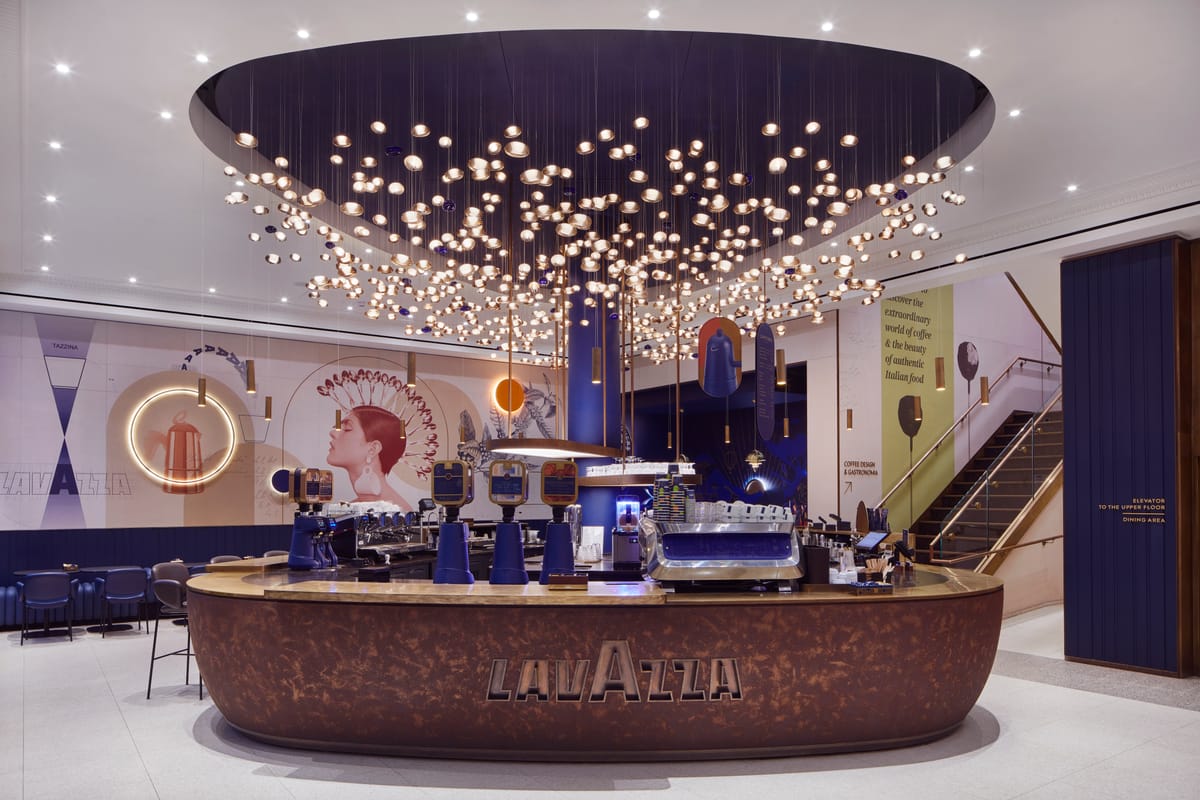
KDP is betting on premium single-serve partnerships with brands such as La Colombe and Lavazza, along with collaborations featuring pop culture icons like Ghostface Killah, Green Day, and actress Millie Bobby Brown, to capture younger consumers and reshape its coffee portfolio.

Coffee Prices Plunge on Rain Forecasts for Brazil

Dubai, September 18, 2025 – (Qahwa World) – Global coffee markets faced a sharp downturn on Wednesday as prices tumbled amid forecasts of long-awaited rainfall in Brazil, the world’s largest coffee producer. December arabica futures (KCZ25) closed down -33.70 cents, a steep -8.23%, marking a one-week low. November ICE robusta futures (RMX25) also plunged by -331 points, or -6.92%.

The sudden reversal came just a day after arabica reached a contract high and robusta hit a three-week peak, driven by drought conditions. Forecasts now indicate showers in Brazil’s key coffee-growing regions beginning next week, triggering heavy long liquidation in the market.

Brazil’s Cooxupe cooperative, the largest in the country, announced that the harvest among its members was 98.9% complete as of September 12, adding further bearish pressure. The completion of the harvest, coupled with improved weather outlooks, weighed heavily on investor sentiment.

Yet underlying fundamentals remain tense. Earlier this month, Brazil’s crop forecasting agency Conab revised its 2025 arabica production estimate down by -4.9% to 35.2 million bags, while total coffee output was trimmed to 55.2 million bags. Global supply challenges also persist: the International Coffee Organization (ICO) reported that July exports fell -1.6% year-on-year, while cumulative exports from October to July slipped -0.3%.

On the demand side, U.S. buyers continue to face supply strain due to 50% tariffs on Brazilian coffee, effectively tightening the American market, where one-third of unroasted coffee imports come from Brazil. Meanwhile, ICE-monitored inventories continue to dwindle, with arabica stocks dropping to a 16.5-month low of 659,949 bags and robusta inventories falling to a 1.5-month low of 6,551 lots.

Vietnam, the world’s second-largest coffee producer, is also under scrutiny. Severe drought reduced the 2023/24 crop by -20% year-on-year to 1.472 million metric tons, the smallest harvest in four years. Exports in 2024 declined -17.1%, though shipments from January to August 2025 were up +7.8% year-on-year, showing signs of recovery.

Looking ahead, the USDA’s Foreign Agriculture Service projects global coffee production in 2025/26 will reach a record 178.68 million bags, up +2.5% year-on-year, supported by strong robusta output. However, research firm Volcafe warns that arabica will face a deficit of -8.5 million bags in 2025/26, the fifth consecutive year of shortage.

For now, rain forecasts in Brazil have calmed fears of immediate supply disruption, but the broader picture of tightening inventories, tariffs, and shifting climate risks ensures that volatility will remain a defining feature of the global coffee market.