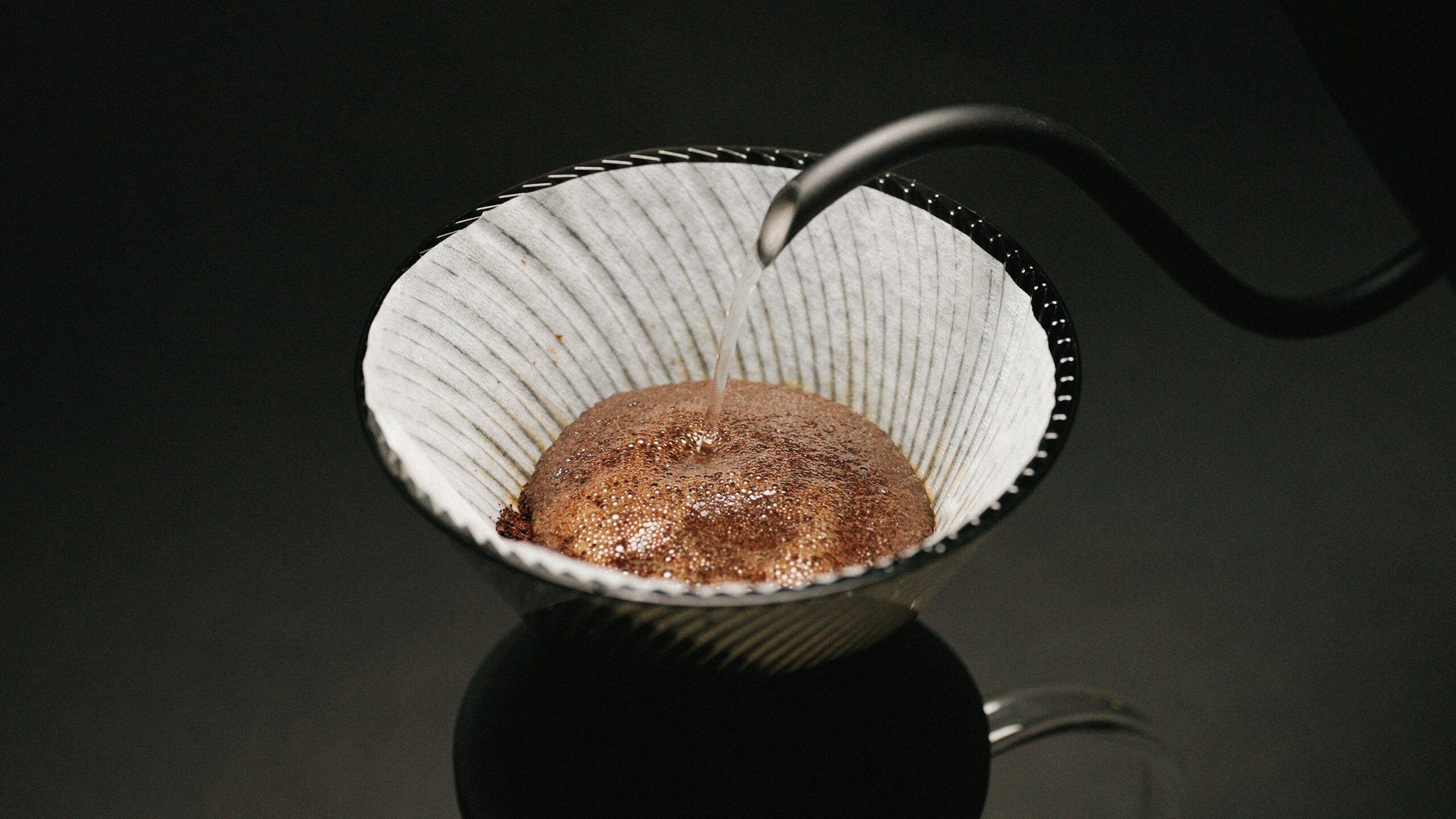
Chinese Study: Sweetened Coffee Linked to Lower Risk of Early Death

Source: American College of Physicians / Annals of Internal Medicine |
Date: June 3, 2026

Chinese Study: Sweetened Coffee Linked to Lower Risk of Early Death

Key Findings:

  • Study from Southern Medical University in Guangzhou tracked over 171,000 people for 7 years.
  • Unsweetened coffee reduced death risk by 16 to 21 percent.
  • Coffee sweetened with one teaspoon of sugar per cup reduced risk by 29 to 31 percent.
  • Results for artificial sweeteners were inconclusive.
  • The study is observational, not experimental. It does not prove direct cause and effect.
  • Warning: Ready-made coffee drinks from chains contain much higher amounts of sugar.

Researchers from Southern Medical University in Guangzhou, China, published a new study in the journal Annals of Internal Medicine. The study examined the effect of sweetened coffee on the risk of early death. It included more than 171,000 participants from the UK Biobank project. The average follow-up period was about seven years.

As a result, the study found that drinking moderate amounts of coffee, whether sweetened or unsweetened, is associated with a lower risk of death. This research is one of the first large-scale studies to directly compare the effect of adding sugar to coffee on long-term health outcomes.

Key Results: Up to 31 Percent Lower Death Risk

The researchers divided participants into groups based on their coffee consumption. These groups included non-drinkers, unsweetened coffee drinkers, sugar-sweetened coffee drinkers, and artificially sweetened coffee drinkers. After seven years of follow-up, the results were clear.

First, people who drank any amount of unsweetened coffee were 16 to 21 percent less likely to die compared to non-drinkers. Second, those who drank 1.5 to 3.5 cups per day of sugar-sweetened coffee were 29 to 31 percent less likely to die. The researchers noted that these participants added only about one teaspoon of sugar (approximately 4 grams) per cup on average.

In contrast, the results for those who used artificial sweeteners were inconclusive. The reduced risk applied to deaths from cancer and cardiovascular disease as well.

Summary of Results

Coffee Type Daily Amount Reduction in Death Risk
Unsweetened coffee Any amount 16% to 21%
Sugar-sweetened coffee (1 tsp per cup) 1.5 to 3.5 cups 29% to 31%
Coffee with artificial sweeteners Varies Inconclusive

Why Is Coffee Beneficial? Possible Mechanisms

Coffee contains biologically active compounds that offer potential health benefits. The most important are antioxidants and polyphenols, especially chlorogenic acids. These compounds fight oxidative stress and inflammation. They also improve blood vessel function and glucose metabolism. In addition, caffeine enhances cognitive function and may reduce the risk of neurodegenerative diseases.

As a result, moderate coffee consumption has been linked to a lower risk of type 2 diabetes, stroke, heart disease, certain cancers, liver disease, and depression. However, the question remains: why did coffee with a small amount of sugar show even better results? Researchers believe that a small amount of sugar (one teaspoon) is not enough to cancel out the large benefits of coffee. But this needs further confirmation.

Important Caveats: Not a License to Add Excess Sugar

The researchers emphasize that these results do not mean adding sugar to coffee is beneficial in itself. The study observed an association, not a direct causal relationship. It is possible that people who regularly drink sweetened coffee also have a generally healthier lifestyle. Furthermore, the amount of sugar used in the study was very small (one teaspoon per cup).

In contrast, ready-made coffee drinks from major chains contain much larger amounts of sugar. A single drink can contain 20 to 50 grams of sugar. This far exceeds health recommendations. The World Health Organization recommends that free sugars should be less than 10 percent of daily calories. For an average adult, that is about 50 grams (12 teaspoons) per day. The ideal amount is less than 5 percent (25 grams or 6 teaspoons).

Therefore, researchers advise drinking coffee black or with a very small amount of sugar (no more than one teaspoon per cup). Avoid heavily sweetened drinks, heavy cream, and flavored syrups. Home brewing is preferable for better control of ingredients. Individuals with insomnia, anxiety, or stomach issues should consult their doctor.

Frequently Asked Questions About the Sweetened Coffee Study

Q: Does this study prove that adding sugar to coffee is healthy?

A: No. The study found a statistical association, not a causal relationship. The amount of sugar used was very small (one teaspoon per cup). A generally healthy lifestyle may also play a role.

Q: What is the optimal amount of coffee per day according to the study?

A: The optimal range is 1.5 to 3.5 cups per day. This amount was linked to the largest reduction in death risk.

Q: Do the results apply to instant coffee?

A: Yes, the study included various types of coffee. However, benefits are usually greater with filtered or freshly ground coffee.

Q: What is the daily sugar limit according to global guidelines?

A: The WHO recommends less than 10 percent of daily calories (about 50 grams or 12 teaspoons). The ideal is less than 5 percent (25 grams or 6 teaspoons).

Q: What about coffee with artificial sweeteners?

A: The results were inconclusive. There is not enough evidence of benefits or harms from this study.

Q: Can I drink sweetened coffee from commercial coffee shops?

A: Most coffee shop drinks contain very high amounts of sugar (20 to 50 grams). This may cancel out potential benefits and increase health risks. It is better to order black coffee or add a small amount of sugar yourself.

Prepared by: Scientific News Unit – Qahwa World – based on a study published in Annals of Internal Medicine on May 31, 2022, and the accompanying press release from the American College of Physicians.

Disclaimer: This information is for educational purposes and does not replace medical advice.

Publication date: June 3, 2026

South Korea Tightens Regulations on Decaffeinated Coffee

Dubai – Qahwa World

South Korea’s Ministry of Food and Drug Safety has announced stricter regulations for decaffeinated coffee products, stating that products will only be allowed to carry the “decaffeinated” label if they contain no more than 0.1% residual caffeine in the coffee beans.

The new labeling standards are set to take effect on January 1, 2028.

Under the current rules, at least 90% of the caffeine must be removed from coffee for it to be classified as decaffeinated. However, existing regulations do not specify the final amount of caffeine that may remain in the product. The term “decaffeinated” also does not necessarily mean that the coffee is completely caffeine-free, which can lead to consumer misunderstanding.

The ministry explained that some decaffeinated coffee products may still contain relatively high levels of residual caffeine, especially when made from naturally high-caffeine coffee beans. This, officials said, conflicts with consumer expectations that decaffeinated coffee should contain little to no caffeine.

To reduce confusion, the updated standards will focus on the amount of caffeine remaining in the beans, aligning South Korea’s regulations more closely with international standards, including those used in the United States.

In a related move, the ministry also strengthened labeling requirements for alcoholic beverages amid a rise in collaborative products featuring alcohol brands packaged in designs resembling ordinary food products.

Some Instant Coffee Types Have Higher Caffeine Content

Dubai – Qahwa World

A recent analysis highlights how widely caffeine levels can vary across instant, ground, and takeaway coffees. In some cases, a large cup can reach or exceed 400 milligrams of caffeine, a level often referenced as the daily upper intake for healthy adults.

Large variation across coffee types

Testing of popular products revealed that caffeine content is not consistent. Differences in roast style, brewing method, and serving size all play a role in how much caffeine ends up in a cup.

Among grocery products, espresso-style ground coffee showed the highest levels. For takeaway drinks, stronger dark roast options ranked among the most concentrated.

Estimated caffeine levels in home brewed coffee

Coffee Brand / Type Small Cup (8 oz) Large Cup (24 oz)
Nescafé Taster’s Choice Instant 42 mg 125 mg
Folgers Classic Roast Instant 57 mg 170 mg
Starbucks Blonde Roast Instant 76 mg 227 mg
Black Rifle Coffee Blackbeard’s Delight 79 mg 236 mg
Starbucks Pike Place Medium Roast 92 mg 277 mg
Peet’s Major Dickason’s Blend Dark Roast 104 mg 311 mg
Maxwell House Breakfast Blend 113 mg 338 mg
Starbucks Veranda Blend Light Roast 120 mg 361 mg
Cameron’s Breakfast Blend 123 mg 368 mg
Dunkin’ Blueberry Muffin Medium Roast 132 mg 397 mg
Good & Gather Caramel Macchiato 133 mg 400 mg
Bones Coffee Highland Grog 135 mg 406 mg
Green Mountain Caramel Vanilla Cream 140 mg 420 mg
Café Bustelo Espresso Ground Coffee 175 mg 524 mg

Takeaway coffee caffeine levels

Coffee Chain Small Cup (12 oz) Large Cup (20 oz)
Dunkin’ Original Blend 175 mg 291 mg
McCafé Premium Roast 177 mg 295 mg
Starbucks Pike Place 248 mg 414 mg
Peet’s Major Dickason’s Blend 281 mg 468 mg

Why caffeine awareness matters

Many coffee products do not clearly display caffeine content. This makes it difficult for consumers to track intake, especially when portion sizes and brewing styles vary.

General guidance suggests that up to 400 milligrams per day is a reasonable limit for most healthy adults. However, a single large cup from some brands can approach or exceed that amount.

Potential benefits of moderate intake

Moderate caffeine consumption is associated with improved alertness, concentration, and physical performance. Some long term research also suggests a possible link between coffee consumption and reduced cognitive decline, though findings are not uniform.

Who should limit caffeine

Some individuals may need to monitor their intake more closely, including those who are pregnant, people with anxiety conditions, individuals with heart related concerns, and those taking medications that interact with caffeine.

Effects of excessive caffeine

High intake can lead to sleep disruption, restlessness, increased heart rate, and digestive discomfort. Regular high consumption may also result in dependence, with withdrawal symptoms such as headaches or fatigue.

Final thoughts

Caffeine levels in coffee are not standardized. Paying attention to serving size and coffee type can help avoid unintentionally consuming more caffeine than expected.


Coffee’s Hidden Health Boost Goes Beyond Caffeine

Dubai – Qahwa World

A recent study published in Nature Communications reveals that coffee’s impact reaches well beyond its caffeine content. Researchers report that both regular and decaffeinated coffee can influence gut bacteria in ways that may support mood, lower stress levels, and enhance brain function.

The research, led by scientists at APC Microbiome Ireland, examined how coffee interacts with the gut microbiome a vast network of microorganisms essential to overall health. The findings suggest that coffee plays a role in shaping this internal ecosystem, with potential benefits for emotional and mental well-being.

  • Exploring the Gut–Brain Link

“Coffee is more than just caffeine it’s a complex dietary factor that interacts with our gut microbes, our metabolism, and even our emotional well-being,” said John Cryan, PhD, principal investigator and co-author of the study.

You may read: Nuclear Science Secures the Future of Coffee

The research focused on the gut–brain axis, a bidirectional communication system connecting the digestive system and the brain. Scientists aimed to understand whether coffee’s influence on mood and cognition could occur independently of caffeine.

  • Study Design and Approach

The study included 62 participants, divided evenly between regular coffee drinkers—consuming three to five cups per day and non-drinkers. Researchers gathered psychological evaluations, dietary data, and biological samples such as stool and urine.

You can also read: Italian-Style Coffee Linked to Lower Risk of Common Liver Disease

Participants who regularly consumed coffee were asked to stop for two weeks. Afterward, both groups were reintroduced to coffee under controlled, blinded conditions, with some receiving caffeinated coffee and others decaf. This setup enabled researchers to isolate the effects of coffee on the gut microbiome while monitoring changes in stress, mood, and cognitive performance.

Main Outcomes

  • The results showed that both types of coffee were linked to several positive effects:
  • Measurable changes in gut microbiome activity.
  • Lower levels of perceived stress, depression, and impulsivity.
  • Better mood and improved focus.
  • Reduced anxiety and inflammation risk in those consuming caffeinated coffee.
  • Enhanced learning and memory associated with decaffeinated coffee.
  • Increased presence of beneficial gut bacteria tied to digestion and emotional health.

you may like: Moderate Coffee Consumption May Reduce Dementia Risk

Researchers identified a rise in helpful bacteria, including Eggerthella species and Cryptobacterium curtum, known for supporting digestive balance and limiting harmful microbes. An increase in Firmicutes bacteria associated with positive emotional states was also observed, particularly among women.

  • The Role of Decaf Coffee

Differences between the effects of caffeinated and decaffeinated coffee suggest that compounds other than caffeine, such as polyphenols, may contribute significantly to coffee’s mental and cognitive benefits.

“Our findings reveal how coffee influences both the microbiome and neurological responses,” Cryan noted. “It may change how microbes function collectively and the metabolites they produce.”

  • Rethinking Coffee’s Role

As scientific interest in diet-based strategies for gut health continues to grow, this study positions coffee as more than a daily ritual. It may also serve as a valuable component of a balanced lifestyle that supports both digestive health and mental well-being.

U.S. Troops Consumed Nearly 1 Million Gallons of Coffee During Iran Conflict

Washington — Qahwa World

The U.S. military consumed nearly one million gallons of coffee during the recent conflict with Iran, according to Gen. Dan Caine, chairman of the Joint Chiefs of Staff, as a fragile ceasefire begins to take hold.

Speaking to reporters following the announcement of a pause in fighting between the United States and Iran, Caine outlined the scale of daily consumption during Operation Epic Fury, which lasted nearly six weeks.

According to his estimates, troops consumed more than 6 million meals, around 950,000 gallons of coffee, approximately 2 million energy drinks, and large quantities of nicotine. He noted the figures while emphasizing the demanding conditions faced by service members.

Caine highlighted the intensity of the operational environment, describing it as harsh, unpredictable, and physically challenging. He praised U.S. personnel for maintaining resilience and carrying out their duties despite difficult and uncertain circumstances.

“This is tough and unforgiving work,” he said, noting that troops operated in conditions marked by heat, darkness, and constant uncertainty while continuing to fulfill their mission.

Defense Secretary Pete Hegseth stated that while the Pentagon has, for now, completed its immediate objectives, U.S. forces will maintain a presence in the region as the situation develops.

The ceasefire, announced earlier, is intended to create space for continued negotiations between the two sides.

Moderate Coffee Consumption May Reduce Dementia Risk

Dubai – Qahwa World

A comprehensive new study suggests that regular consumption of caffeinated coffee and tea may help protect against dementia and support cognitive health over the long term.

The research, published in JAMA on February 9, 2026, analyzed data from over 131,000 participants followed for up to 43 years. The study included women from the Nurses’ Health Study and men from the Health Professionals Follow-up Study, excluding individuals who had cancer, Parkinson’s disease, or dementia at the start. During the follow-up period, 11,033 cases of dementia were documented.

The study found that higher intake of caffeinated coffee was linked to a significantly lower risk of developing dementia. Participants in the highest consumption group—roughly two to three cups per day—experienced about an 18% lower risk compared with those in the lowest intake group. Similarly, moderate tea consumption—one to two cups per day—was associated with comparable benefits. Decaffeinated coffee, however, showed no significant impact on dementia risk or cognitive function.

You may like: Black coffee without sugar reduces chronic inflammation

Researchers also observed improvements in cognitive performance among caffeinated coffee and tea drinkers. In the Nurses’ Health Study cohort, higher coffee intake correlated with slightly higher scores on the Telephone Interview for Cognitive Status and global cognition assessments. Subjective cognitive decline was also less common among those with moderate caffeinated beverage intake.

Dr. Dylan Wint, a neurologist at Cleveland Clinic, who was not involved in the study, noted that these findings reinforce the potential role of caffeine in brain health. “Caffeine may help reduce the accumulation of amyloid-beta, a protein implicated in Alzheimer’s disease, and it may also have other neuroprotective effects,” he explained.

While the study highlights promising associations, researchers and experts caution that more work is needed to confirm causality. Dr. Wint emphasized that maintaining brain health also requires a holistic approach, including a balanced diet, regular exercise, and mental engagement.

The study adds to a growing body of evidence that moderate consumption of caffeinated coffee and tea could be a simple, enjoyable strategy to support long-term cognitive health.

The Best Time to Drink Coffee, According to Experts

Dubai – Qahwa World

For many people, coffee is the first step in starting the day. However, experts suggest that when you drink your coffee may influence how your body responds to it.

After waking up, the body naturally increases production of cortisol, a hormone linked to alertness. This typically peaks within the first 30 to 60 minutes. Some experts suggest that drinking coffee during this period may make caffeine feel less effective, as the body is already in a naturally alert state.

Hydration is another factor to consider. After several hours of sleep without fluids, the body may be slightly dehydrated. Drinking coffee before water may contribute to feelings of fatigue or dryness, particularly in people who are sensitive to caffeine.

Some individuals may also experience stomach discomfort when consuming coffee on an empty stomach, including increased acidity, although responses vary.

A commonly recommended approach is to wait 60 to 90 minutes after waking before having your first cup of coffee. This allows the body’s natural rhythm to settle and may help caffeine provide a more balanced and sustained energy boost.

Other morning habits can also influence energy levels. Diets high in sugar and low in protein may lead to fluctuations in energy, while exercising on an empty stomach may leave some people feeling fatigued. Immediate exposure to emails or screens may also contribute to early mental strain.

A more gradual start to the day may support steadier energy levels. Drinking water first, getting exposure to natural light, and delaying caffeine intake slightly are simple adjustments that [uncertain] may help improve how you feel later in the day.

43 Years of Data: How Coffee Affects the Brain and Memory

Dubai – Qahwa World

Regular consumption of coffee and tea may do more than boost alertness—it could also play a role in maintaining cognitive health over time. This is suggested by findings from a large-scale analysis of more than 130,000 participants followed over a period of 43 years.

Throughout the study, participants regularly reported their dietary habits, health status, and changes in memory and thinking abilities. Over the course of the observation period, more than 11,000 individuals developed dementia. The analysis found that those who consumed caffeinated coffee in moderate amounts—about two to three cups per day—had an approximately 18% lower risk of developing dementia compared to those who rarely or never drank it. They also reported fewer subjective memory complaints and performed better on certain cognitive tests.

Similar patterns were observed among tea drinkers, with one to two cups per day associated with favourable outcomes. In contrast, decaffeinated coffee did not show a clear association with improved cognitive measures, suggesting that caffeine may play an important role in the observed effects.

You may like: AI and Gas Chromatography Identify Coffee Origins

Researchers link these findings to compounds found in coffee and tea, including caffeine and polyphenols, which are believed to help reduce inflammation and protect brain cells from damage. Higher levels of caffeine intake did not appear to have harmful effects in this analysis, showing results comparable to moderate consumption.

Further analysis indicated that the association between caffeine intake and cognitive health was consistent regardless of genetic predisposition to dementia, highlighting the potential influence of lifestyle factors. At the same time, researchers emphasise that coffee and tea consumption represents only one part of a broader picture that includes diet, physical activity, sleep, and overall health.

The findings suggest that moderate, regular consumption of coffee or tea may contribute to maintaining cognitive function with age, though it should not be viewed as a standalone solution for preventing dementia.

Read also: Japanese Scientists: Coffee Protects Gums from Inflammation

Decaf Coffee Effect Between Myth and Truth

DUBAI – QAHWA WORLD

About half of all American adults started their day with a cup of coffee today, but new insights from health experts suggest that the resulting energy boost might not be coming entirely from the caffeine. Research indicates that for many habitual drinkers, the ritual of the morning cup may be just as powerful as the stimulant itself through what is known as the placebo effect.

  • The Power of the Ritual

According to experts, the simple act of brewing coffee at home or visiting a local coffee shop can activate a placebo response. Maura Fowler, a pediatric and adult dietitian based in Florida, points to a 2025 study suggesting that the energy boost associated with coffee is often tied to the sensory experience—the smell, the taste, and the expectation of alertness.

This is backed by a 2023 study which utilized brain imaging to show that coffee drinkers exhibit increased connectivity in brain regions responsible for vision and problem-solving. Interestingly, this effect was not as pronounced in individuals who took caffeine supplements, leading researchers to conclude that the habit and belief system surrounding the coffee routine significantly influence how the mind and body respond.

  • Physiological Realities vs. Psychological Effects

While the mind may be susceptible to the placebo effect, the body maintains a distinct reaction to caffeine. Dr. Gregory Marcus, a cardiologist at the University of California San Francisco, conducted a randomized trial involving habitual coffee drinkers to monitor heart health. His findings revealed that participants assigned to drink caffeinated coffee experienced more premature ventricular contractions (PVCs)—abnormal heartbeats from the lower chambers of the heart—compared to those drinking decaf.

YOU MAE LIKE THIS: Coffee in Ramadan: Between Traditional Flavor and Healthy Balance

Fowler notes that while many switch to decaf to manage anxiety, insomnia, or gastrointestinal issues, even decaf contains small amounts of caffeine—typically between 2 and 15mg per serving—which can still affect those with extreme sensitivity.

  • Individual Differences in Caffeine Metabolism

The report further explains why caffeine affects people differently. Habitual consumption can lead to an increase in adenosine receptors, a substance that promotes relaxation. When these receptors increase, caffeine becomes less effective, often leading users to consume more to achieve the same result.

Genetic factors also play a vital role. In clinical trials, Dr. Marcus found that “fast metabolizers” experienced no impact on their sleep, while “slow metabolizers” (based on DNA samples) suffered from significantly reduced sleep quality on days they consumed caffeinated coffee.

  • Testing the Placebo Effect

For those curious to see if they can maintain alertness without caffeine, Dr. Marcus recommends a structured experiment rather than a sudden change. He suggests a week-by-week rotation between regular and decaf coffee to avoid the immediate “noise” of withdrawal symptoms, such as headaches, low mood, or difficulty concentrating. Research suggests that approximately 8% of adults suffer from “caffeine use disorder,” making the transition more difficult due to symptoms like nausea or insomnia.

The evidence suggests that while caffeine provides tangible nutrients like Vitamin B2, B3, potassium, and magnesium—and is linked to a lower risk of dementia—the placebo effect is powerful enough for many to maintain their routine with decaf without noticing a significant drop in productivity. Experts emphasize that while it is not dangerous to quit caffeine, understanding the psychological connection to the ritual can help individuals better manage their daily consumption.

Coffee in Ramadan: Between Traditional Flavor and Healthy Balance

DUBAI – QAHWA WORLD

Coffee is the fine thread that weaves together spiritual serenity and social vitality during the nights of Ramadan. From the moment of Iftar until Suhoor, this “brown bean” becomes the protagonist of Arab gatherings, carrying the scent of history and the necessities of modern life.

The Cultural Map of Coffee in the Arab World

While methods of preparation and consumption vary across Arab geography, they all converge on the values of generosity and hospitality:

  • The Gulf Countries: “Saudi Coffee” and “Emirati Coffee” lead the scene. Prepared with a light roast, cardamom, and saffron, it is served in a “Dallah” with dates at Iftar to break the fast, helping to gently stimulate the digestive system.

  • The Levant: Turkish (boiled) coffee dominates the evening gatherings. Many prefer it “Sada” (plain/unsweetened) after Taraweeh prayers, and it is a fundamental pillar of family visits that extend late into the night.

  • Egypt and North Africa: “Mazbouta” (perfectly balanced sugar) coffee stands out as an indispensable ritual immediately after Iftar to restore focus. In Tunisia and Morocco, drops of orange blossom water may be added to enhance the unique Ramadan flavor.

The Golden Schedule (Managing Caffeine and Water)

A timeline to integrate coffee into your day without causing dehydration or insomnia:

Time Period Suggested Action Health Goal
At Iftar Large glass of water + 3 dates (Avoid coffee) Gently raise blood sugar and prep the stomach
2 Hours Post-Iftar Your first cup of coffee Stimulate the mind without upsetting the stomach
After Taraweeh Drink 500ml of water + a light snack Replace lost fluids and ensure hydration
Midnight A small cup of coffee (Optional) Enjoy the social flavor of the late-night “Sahar”
Suhoor Period Water + Potassium-rich foods (No coffee) Avoid the diuretic effect and thirst during fasting

Health Guidelines for Maximum Benefit

To enjoy coffee as a health ally rather than an enemy, these standards must be followed:

  1. Moderation in Sweetening: One must adhere to the golden rule: 2.5 grams the maximum sugar to ensure the protective benefits of coffee remain and to keep the antioxidants active.

  2. Avoid the “Suhoor Trap”: Consuming coffee during Suhoor leads to diuresis (increased urination), exposing you to severe thirst and headaches during the fasting hours.

  3. Parallel Hydration: For every cup of coffee, you should drink at least two cups of water to compensate for the caffeine’s dehydrating effect.

Coffee as a Social Phenomenon (Journalistic Insight)

Coffee is no longer just a beverage; it is a “rhythm regulator” for the Ramadan day. In recent years, we have observed a notable shift; “Specialty Coffee” has begun to invade Ramadan tents. The younger generation is merging global preparation methods (like V60 and Chemex) with traditional atmospheres. This blend of modernity and heritage reflects the vitality of Arab society and its ability to evolve traditions to suit the spirit of the times.

Maintaining coffee rituals in Ramadan enhances the psychological state and reduces the stress resulting from changes in the biological clock, provided the timings mentioned in the table above are respected.

The Bottom Line

Coffee remains the faithful companion of those fasting, combining healthy authenticity with sensory pleasure. The secret lies in balance; enjoy its aroma and taste at the right times to ensure your fasting is comfortable and your nights are full of energy.

Study Links Moderate Coffee Consumption to Brain Health

DUBAI – QAHWA WORLD

The saying about fruit and doctors might need an update: your daily cup of coffee could also play a role in keeping your mind active as you age.

Public debate around popular indulgences like coffee, tea, alcohol, and chocolate tends to swing back and forth. However, researchers based in Cambridge, Massachusetts have recently reported findings that place caffeinated drinks in a more positive light, particularly when it comes to long-term cognitive health.

A large research review drawing on decades of data and involving more than 130,000 adults observed an association between regular consumption of coffee or caffeinated tea and a lower likelihood of developing dementia. The analysis also suggested slower cognitive decline and better maintenance of mental performance among habitual caffeine consumers.

The researchers propose that compounds found in caffeinated coffee and tea may have neuroprotective properties, potentially helping to limit inflammation and cellular damage in the brain. These mechanisms are discussed as possible explanations for the observed relationship with cognitive outcomes.

The findings are especially relevant for older adults. Dementia diagnoses have risen sharply in recent years, and projections from health professionals anticipate a substantial increase in new cases in the coming decades. According to the study’s senior author, the widespread and routine nature of coffee consumption made it an appealing dietary factor to examine in the search for practical approaches to supporting brain health.

Earlier studies on caffeine and cognition often struggled to assess long-term effects or to separate outcomes by beverage type. By combining data from long-running cohort studies that tracked participants for more than four decades, the researchers were able to compare the cognitive trajectories of people who consumed caffeinated coffee, caffeinated tea, decaffeinated coffee, or little caffeine at all.

Within the study population, about 8% of participants developed dementia over time. Those who reported the highest intake of caffeinated coffee showed a notably lower risk compared with individuals who consumed minimal caffeine. Similar patterns were observed among tea drinkers, while decaffeinated coffee did not show the same association, leading the authors to focus on caffeine as a potential key factor.

As for quantity, the analysis pointed to moderate intake rather than excess. Approximately two to three cups of coffee per day, or one to two cups of tea, were associated with the most favorable cognitive outcomes.

The researchers also reported that the observed associations were consistent regardless of genetic predisposition to dementia, suggesting that caffeine’s potential benefits may apply across different levels of inherited risk.

That said, coffee is only one small element in a much broader picture. Dementia risk is strongly influenced by genetics and by health conditions such as high blood pressure, diabetes, obesity, physical inactivity, and mental health challenges. The authors emphasized that the effect linked to caffeine was modest and should be viewed as one possible component of a comprehensive approach to healthy aging.

In short, while caffeine is not a cure or a guarantee, moderate coffee or tea consumption may be one lifestyle factor associated with maintaining cognitive health later in life.

Does Coffee Aid Digestion?

DUBAI – QAHWA WORLD

For many, drinking coffee after a heavy meal is not just a social ritual, but a functional tool for the body. According to a report by The Guardian, featuring Dr. Emily Leeming, a nutritionist at King’s College London and author of Genius Gut, the relationship between coffee and your digestive system is much deeper than just a morning energy boost.

The “Ideal Pace” of Digestion

Dr. Leeming explains that coffee acts as a powerful stimulant for the intestines; it activates muscle contractions in the digestive tract, helping food move at a “good” and efficient pace.

  • A Natural Aid: For those suffering from “sluggish digestion,” coffee is considered an effective natural way to maintain regular bowel movements.

  • Exception for Colon Patients: This effect can be very strong for those with Irritable Bowel Syndrome (IBS), which may lead to discomfort or an urgent need to use the bathroom due to excessive acceleration of the digestive process.

Food for 100 Trillion Guests

Beyond moving the intestines, coffee is considered a “superfood” for the microbiome (beneficial bacteria). People who drink coffee regularly tend to have a greater and healthier diversity of gut bacteria.

  • The Power of Polyphenols: Coffee is a major source of polyphenols, which are antioxidants that act as a feast for beneficial bacteria.

  • Hidden Fiber: Surprisingly, coffee also contains a small amount of soluble plant fiber, which further supports gut health.

The “Sleep and Digestive System” Loop (The 12-Hour Rule)

The most important information from recent research is the importance of timing. Caffeine can stay in your body for up to 12 hours.

  • Sleep Connection: Drinking coffee late in the day ruins sleep quality, and poor sleep is directly linked to the deterioration of digestive health.

  • The Junk Food Trap: Sleep deprivation causes a state of “mental grogginess,” which often leads to poor food choices and increased cravings for sugars the next day, further harming the microbiome.

Golden Rules for a Healthy Cup

To achieve the maximum protective benefits of coffee without side effects, follow these science-based rules:

  1. The Noon Deadline: Stop drinking caffeinated coffee by midday. Replace it with decaf coffee or herbal tea in the afternoon to protect your sleep cycle.

  2. Monitor Sweeteners: 2.5 grams is the maximum amount of sugar allowed to ensure the protective benefits of coffee remain.

  3. Listen to Your Body: If coffee causes you stress or digestive upset, this is a signal from your “second brain” to reduce the amount.