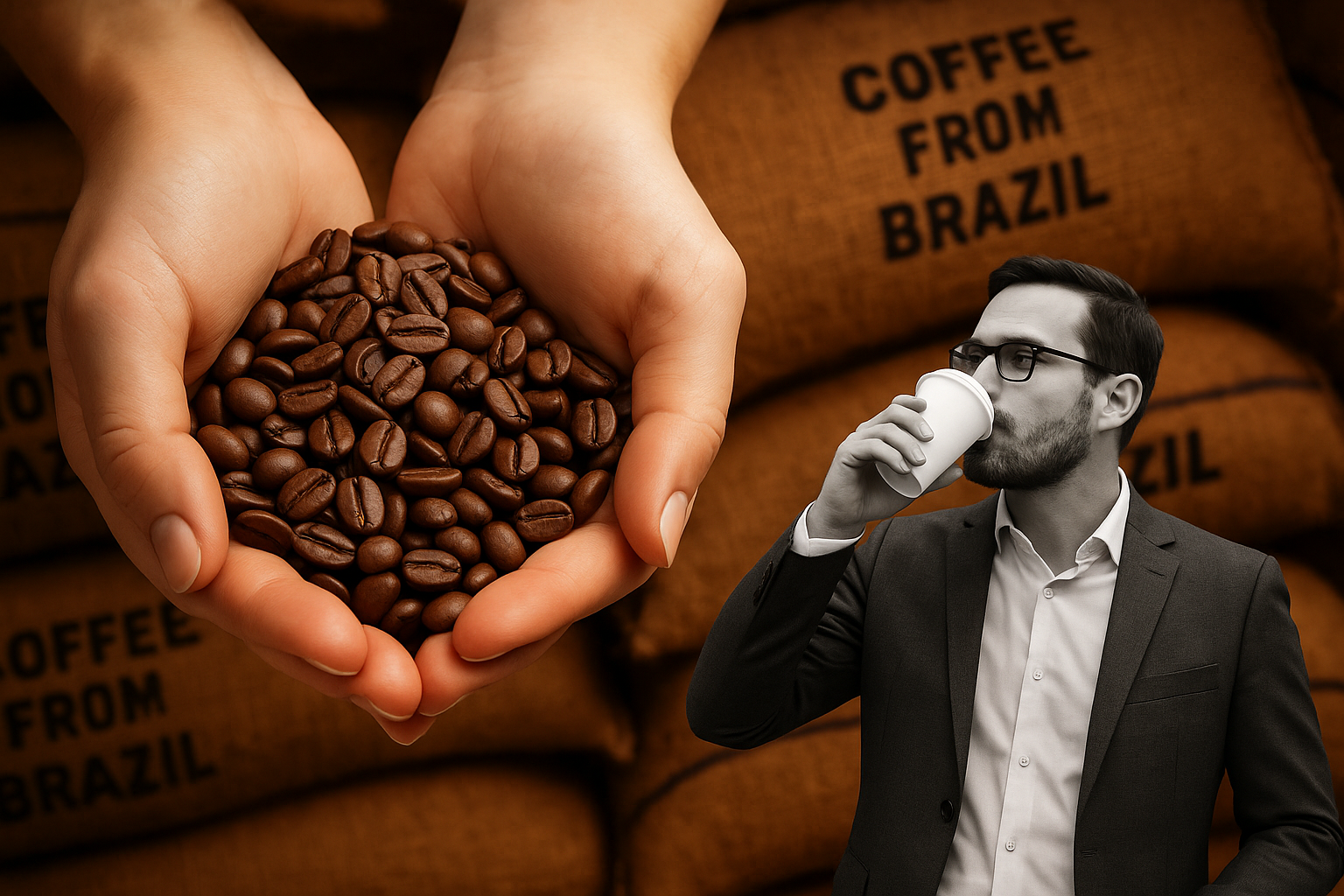
US rolls back extra duties on Brazilian coffee imports

Dubai – Qahwa World

The administration in Washington has moved to ease trade pressure on Brazil by withdrawing an additional 40% duty that had been placed on a range of Brazilian food products, including coffee. The decision, issued through an Executive Order dated 20 November 2025, applies to goods entering the US on or after 13 November 2025. The baseline 10% tariff introduced earlier in the year remains active.

Brazil supplies a significant share of the green coffee used by the US market. When the combined import levy reached 50%, shipments between the two countries were severely disrupted. Industry data shared in August 2025 indicated a sharp drop in US purchases of Brazilian coffee during the month the extra charge took effect. Many US roasters faced higher operating costs, and retail coffee prices rose noticeably as companies redirected sourcing to alternative suppliers. Warehouses in Brazil also experienced delays as trading activity slowed.

Representatives of Brazil’s coffee export sector said the heightened tariff regime had effectively halted their ability to ship to the US, noting that clients paused new agreements immediately after the higher duty was introduced.

The trade disruption briefly shifted global buying patterns, with another major European importer receiving more Brazilian shipments during that period. Retail coffee prices in the US climbed significantly, reflecting the sudden supply imbalance.

The White House has begun reversing several import charges in recent weeks as domestic food inflation remains elevated. Earlier in November, the administration announced the removal or reduction of duties on coffee from multiple producing countries, including Vietnam and several South American origins.

Following indications that tariff reductions were forthcoming, the head of a leading US coffee trade association welcomed the policy shift, noting that easing import costs could help stabilize supply chains and reduce financial pressure on coffee drinkers and businesses across the country.

Brazil Set to Overtake Vietnam as the World’s Largest Robusta Coffee Producer

Dubai – Qahwa World

Brazil is on track to surpass Vietnam as the world’s leading producer of robusta coffee, according to a new report by Dutch bank Rabobank. The report highlights Brazil’s growing advantage due to robusta’s resilience to heat, drought, and disease key traits as climate change increasingly threatens arabica production.

Rabobank estimates Brazil’s robusta output will reach 24.7 million 60-kg bags in 2025, up from 19 million bags in 2020. Meanwhile, Vietnam is projected to produce around 30 million bags in 2025/26, according to the U.S. Department of Agriculture.

Unlike arabica, which offers a milder flavor and is favored by premium brands such as Starbucks and Nespresso, robusta has a stronger taste and higher caffeine content. It is mainly used in instant coffee, espresso blends, and iced beverages.

Over the past five decades, temperatures in Brazil’s key coffee regions have risen by 1.3 to 1.6°C, while rainfall has decreased by up to 211 millimeters. To adapt, Brazilian farmers have increasingly relied on irrigation — now covering 71% of robusta farms — with this figure projected to reach 363,800 hectares by 2040.

Although the initial investment in robusta plantations is high (around $15,700 per hectare), its productivity is 170% higher per hectare than arabica, enabling cost recovery in about four years, Rabobank said.

The report also noted that Brazil has about 28 million hectares of degraded pastureland suitable for deforestation-free agricultural expansion, creating significant room for robusta growth.

Additionally, the EU’s exemption of instant coffee from deforestation regulations could boost global demand for robusta-based products, further accelerating Brazil’s rise in production.

August Export and Market Update

In August 2025, Brazil exported 3.1 million bags (60kg) of coffee — down 17.5% year-on-year (YOY) but up 14.3% compared to July, according to data from Cecafé. Despite the monthly recovery, exporters continue to face difficulties due to adverse weather conditions affecting the arabica harvest and the 50% U.S. tariff introduced in August. Moreover, even with a good harvest pace, coffee has been taking longer to reach exporters this year.

Exports to the United States dropped 46% YOY and 26% from July, totaling 301,000 bags. Despite the sharp decline, the U.S. remained Brazil’s second-largest destination, behind Germany, and continues to be the world’s top coffee importer in 2025.

The barter ratio — the amount of coffee needed to purchase one metric ton of fertilizer — improved significantly in August. Only 1.2 bags (60kg) were required to buy one ton of fertilizer (blend 20-05-20), down 29% from August 2024 (1.7 bags) and 26% from July (1.6 bags). The improvement was driven by rising coffee prices and falling fertilizer prices, particularly for urea, boosting producer profitability.

After several months of decline, coffee prices rebounded sharply in August, with arabica up 31% and conilon (robusta) up 32%. The price rally was fueled by slower Brazilian exports and low global inventories, while the new U.S. tariffs added further volatility. The move has prompted U.S. roasters to seek alternative supply sources. In the short term, the U.S. industry is expected to rely on existing inventories while awaiting potential tariff renegotiations. One immediate workaround has been the use of bonded warehouses, which allow coffee storage without immediate tariff payments. Since the tariff announcement on July 9, certified stocks in New York have fallen by 157,000 bags.

The EU Deforestation Regulation (EUDR) has also influenced trade flows. Anticipating compliance challenges, European buyers increased imports early in 2024, and a similar pattern is expected in the second half of 2025. Data shows that European coffee inventories have been building in recent months.

Weather conditions in August were seasonally dry, which supported the near-complete harvest. However, frost affected some arabica-producing regions, particularly in Cerrado Mineiro, where local cooperatives estimate potential losses of around 412,000 bags for the 2026 crop. While this raises concerns for the next harvest, analysts say the 2026/27 arabica and conilon cycle remains positive overall. In the coming weeks, market attention will turn to rainfall and flowering, as any threat to crop potential could further support coffee price gains.
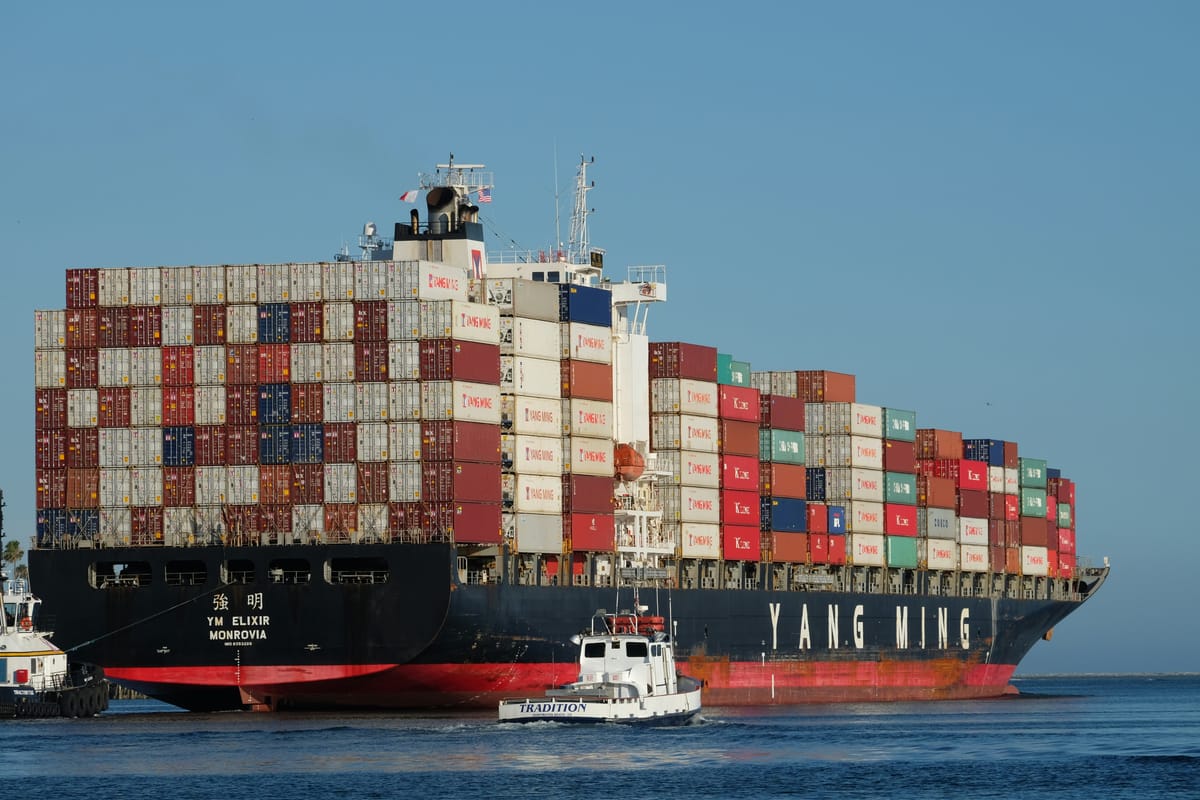
Bad News for Coffee Drinkers: U.S. Tariffs Push Prices to Record Highs

Dubai – Qahwa World

Times are getting tougher for coffee drinkers as tariffs push already record-high prices even higher.

When former U.S. President Donald Trump announced new tariffs on imports in April, many in the industry believed coffee would be spared since the U.S. barely produces it domestically. But by midyear, a 10% duty was imposed on most imported coffee, including shipments from Brazil—the world’s top supplier. In August, those tariffs on Brazil rose sharply to 50%.

For roasters like Chad Seegers of Low Country Coffee Roasters in Charleston, South Carolina, the impact has been immediate. “Raw-bean prices have doubled for us,” he said. Wholesale prices to his customers have risen by 30–40%, while retail prices climbed by about 25%. “Brazilian coffee, which made up 80% of our best-selling blend, is simply not feasible anymore.”

The industry was already struggling before tariffs. According to Fernando Maximiliano of StoneX, global coffee output has been hit repeatedly by droughts, frosts, and extreme weather since 2020, leaving global inventories at just 36–37 million bags in 2024, down from nearly 59 million in 2020. “Persistent supply shocks had already fueled inflation in coffee markets. Tariffs only intensified the strain,” Maximiliano explained.

The data shows the severity: U.S. city prices for 100% ground roast coffee hit $8.87 per pound in August 2025—the highest on record since tracking began in 1980. Futures markets reflect the pressure too. Arabica “C” contracts in New York have surged nearly 20% this year, peaking at $4.29 a pound in February.

Trade flows are already adjusting. ING’s food and agriculture economist Thijs Geijer noted that U.S. imports of Brazilian coffee plunged more than 75% in August compared with a year earlier, while exports from Colombia and Vietnam have remained stable. American buyers are now sourcing from alternative markets with lower tariffs.

Still, the adjustment is costly. Seegers said some family growers from Cameroon and Costa Rica refused to sell to the U.S. altogether rather than deal with tariff rules. Profit margins for his roastery have been cut in half, and he warned: “A $4.50 latte is now $7 in some cafés.”

According to Geijer, much of the tariff-driven cost increase has not yet reached store shelves. With the 50% tariff on Brazilian coffee only taking effect in August, existing inventories are still being used. “Expect the tariff impact to start hitting retailers in the fourth quarter,” he warned.

Starbucks, the world’s largest coffee chain, confirmed in its July earnings call that its hedging strategies delay cost spikes, but said year-over-year increases are expected to peak in the first half of fiscal 2026.

Despite the financial hit, Seegers said his company refuses to compromise on quality: “We chose to absorb most of the cost increases rather than cut corners.” But the stress is mounting. Higher prices are slowing demand, squeezing both roasters and cafés.

With U.S. coffee lovers already paying more than ever before, the worst may still be ahead. “High-tariff coffee hasn’t even fully hit the shelves yet,” Geijer warned. For millions of Americans, their daily cup may soon cost more than they ever imagined.

Breville Eyes China’s Coffee Market as U.S. Tariffs Pressure Sales

Dubai, 21 August 2025 (Qahwa World) – Breville is looking to China and the Middle East as promising new growth markets for its coffee appliances, aiming to balance the impact of U.S. tariffs on its business. Chief executive Jim Clayton said rising demand for premium coffee machines in these regions provides long-term opportunity, even as higher import duties in the United States pose near-term challenges.

The company, which generates about 40 percent of its revenue from the U.S., has shifted part of its production from China to facilities in Indonesia and Mexico. Clayton confirmed that this diversification strategy will continue through the year to reduce exposure to higher costs.

For the year ending June 30, Breville posted revenue of $1.7 billion, an increase of nearly 11 percent, while operating profit rose just over 10 percent to $204.5 million. Despite the strong performance, investor concerns about tariffs weighed on the share price. Clayton acknowledged that higher input costs remain an issue for the U.S. market but said the company would manage these pressures through supplier negotiations, selective price increases, and new product launches.

Recent highlights include the launch of the Oracle Dual Boiler coffee machine in Australia, with a new grinder and a compact smart oven scheduled for release this month. Coffee appliances remain the company’s leading category, helping Breville deliver double-digit growth across all three of its regional markets in 2025. The business has increased revenue and profit every year since 2015, even during challenging conditions.

Analyst opinions are mixed. Some warn that U.S. tariffs could affect earnings through FY27, raising questions about consensus forecasts of flat growth this year and a return to double-digit gains next year. Others view the current slowdown as temporary, pointing to Breville’s consistent record of expansion and opportunities in international markets. UBS projects that the $5 billion company could more than double sales over the next decade, driven by coffee market growth globally and particularly in China.

Founded over 90 years ago, Breville has grown into a global brand with a presence in more than 70 countries. Known under the Breville and Sage names, the company has built a reputation for innovation in small appliances and premium coffee equipment. Its teams of engineers, designers, and food technologists have helped place Breville at the forefront of its category. The company also emphasizes sustainability and ethical practices across its operations, with a focus on reducing environmental impact and contributing positively to society.

Clayton said that early results in China and the Middle East are encouraging, though still in the early stages, and that both regions represent significant long-term potential. To close out the financial year, Breville declared a final dividend of 19 cents per share, bringing the full-year payout to 37 cents, payable on October 2.

Coffee Prices Surge on Dry Weather in Brazil and Tighter U.S. Supplies

Dubai, 21 August 2025 (Qahwa World) – Coffee prices continued their sharp rally this week, reaching multi-month highs as drought in Brazil, tighter U.S. supplies, and falling inventories combined to fuel bullish sentiment in global markets. September arabica coffee (KCU25) closed up +4.05 cents (+1.14%), while September robusta coffee (RMU25) jumped +236 points (+5.35%), marking the strongest levels for arabica in more than two months and for robusta in two and a half months. The upward trend has now extended for over two weeks, signaling growing concerns among traders and roasters alike.

Much of the momentum is driven by weather conditions in Brazil, the world’s largest producer. Somar Meteorologia reported that Minas Gerais, the country’s main arabica-growing state, received no rainfall during the week ending August 16. Dry conditions at this stage of the harvest have spurred funds and speculators to increase their positions in coffee futures. While dryness helps in harvesting ripe cherries, prolonged lack of rain threatens the health of trees and could affect the next cycle’s yield, especially for arabica, which is more sensitive to climatic stress.

At the same time, the United States, one of the biggest coffee importers, is facing its own supply squeeze. Following the imposition of 50% tariffs on Brazilian coffee exports, American buyers have been avoiding new contracts and seeking loopholes in existing ones to escape the higher levies. Some have even requested extended shipping timelines in hopes that trade restrictions may eventually ease. With about a third of unroasted coffee consumed in the U.S. normally sourced from Brazil, the tariffs have significantly tightened the market.

Export figures from Brazil reinforce the tightening picture. The country’s Trade Ministry reported that unroasted exports in July dropped -20.4% year on year to 161,000 metric tons, while Cecafé, the exporters’ council, confirmed that green coffee exports fell -28% to 2.4 million bags. Within that total, arabica shipments declined -21% and robusta plunged nearly -49%. Overall, Brazil’s coffee exports in July fell to 2.7 million bags, and shipments for the first seven months of the year were down -21% to 22.2 million bags compared to the same period in 2024.

Another layer of support for prices comes from declining inventories on the Intercontinental Exchange (ICE). Arabica stocks dropped to a 1.25-year low of 726,661 bags last week before inching up slightly, while robusta inventories sank to a three-week low of 6,732 lots, still well below the two-year high reached in late July.

Even as supply pressures mount, Brazil’s harvest progress offers a short-term counterbalance. Cooxupé, the country’s largest cooperative and exporter, announced that its members had harvested 86.1% of their crop by August 15. Independent consultancy Safras & Mercado placed national progress at 94% complete, with nearly all robusta and more than 90% of arabica cherries already picked. This suggests that near-term supply will remain steady, though the longer-term outlook is clouded by weather concerns.

Globally, the International Coffee Organization (ICO) reported that exports in June rose +7.3% year on year to 11.69 million bags, though cumulative shipments for October through June were nearly flat at 104.14 million bags, down -0.2% compared to the previous year. Meanwhile, in Vietnam, the world’s largest robusta producer, production in 2023/24 fell -20% to 1.472 million metric tons, the smallest harvest in four years, due to severe drought. Exports for 2024 slipped -17.1% to 1.35 million metric tons, and the Vietnam Coffee and Cocoa Association has already cut its production forecast for 2024/25 to 26.5 million bags, down from an earlier estimate of 28 million. Yet, despite these challenges, Vietnam’s exports in the first seven months of 2025 rose +6.9% to 1.05 million metric tons, providing some temporary relief to the international market.

Looking ahead, projections from the U.S. Department of Agriculture’s Foreign Agricultural Service (FAS) suggest that world coffee production in 2025/26 will increase +2.5% year on year to a record 178.68 million bags. Arabica output is expected to fall -1.7% to 97.02 million bags, while robusta is forecast to rise +7.9% to 81.65 million bags. Brazil is projected to produce 65 million bags (+0.5%), and Vietnam is forecast to reach a four-year high of 31 million bags (+6.9%). Ending stocks are expected to climb by nearly +4.9% to 22.82 million bags. Still, major trader Volcafe has warned of a widening deficit in arabica, projecting a shortfall of -8.5 million bags for 2025/26, compared with -5.5 million bags this year. If accurate, this would mark the fifth consecutive year of arabica deficits, ensuring that upward pressure on prices will likely persist well into next year.