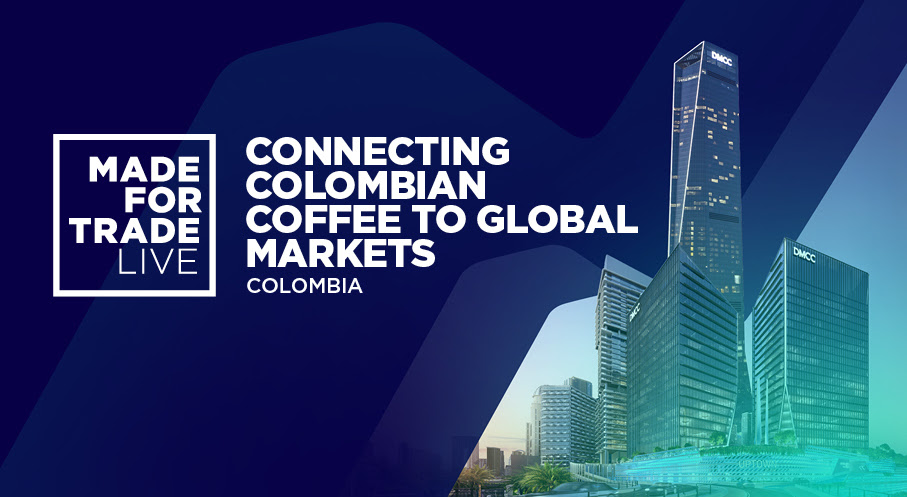
DMCC Webinar Highlights Growth in Coffee Trade Between Colombia and the UAE

Economic and Logistics Partnerships Drive Record Trade Expansion and Strengthen Global Presence of Colombian Coffee

Dubai – Qahwa World

The Dubai Multi Commodities Centre DMCC organized a virtual webinar titled “Made for Trade Live: Colombia in Focus”, in partnership with the Embassy of the United Arab Emirates in Colombia, the Chambers of Commerce of Manizales, Armenia and Quindío, and Cali, as well as IKOR Global. This DMCC Colombia coffee webinar highlighted trade growth by bringing together public and private sector stakeholders to explore trade, investment opportunities, and developments in the coffee sector between Colombia and the UAE. Notably, the DMCC Colombia coffee webinar trade growth emphasis reflects the expanding role of Colombian coffee in international markets.

Ahmed Bin Sulayem, Executive Chairman and Chief Executive Officer of DMCC, stated that the Comprehensive Economic Partnership Agreement signed in 2024 eliminated 95% of tariffs, noting that bilateral trade is expected to exceed USD 1 billion within five years. Moreover, as discussed during the DMCC Colombia coffee webinar, trade growth for Colombian coffee is likely to accelerate under these new measures.

He added that DMCC hosts more than 26,000 companies, contributes over 15% of Dubai’s foreign direct investment flows, and around 7% of Dubai’s GDP. The member base includes more than 200 companies from Latin America, including 30 from Colombia, with Colombian membership growing by 50% over the past two years, representing nearly 20% of DMCC’s South American companies. This expansion aligns with the ongoing DMCC Colombia coffee webinar trade growth strategy.

Colombia, the world’s third-largest coffee producer and exporter, recorded export growth of 17% in 2024, driven by a 132% increase in exports to China, which is expected to overtake the United States as Colombia’s second-largest export destination. Furthermore, the DMCC Colombia coffee webinar trade growth was a key driver discussed during this international event.

The DMCC Coffee Centre spans 15,000 square meters and includes temperature-controlled storage, processing, roasting, packaging, and distribution facilities, serving 350 companies. A total of 8,200 metric tons of coffee were processed in 2025, including Colombian coffee, as highlighted in the DMCC Colombia coffee webinar focused on trade growth.

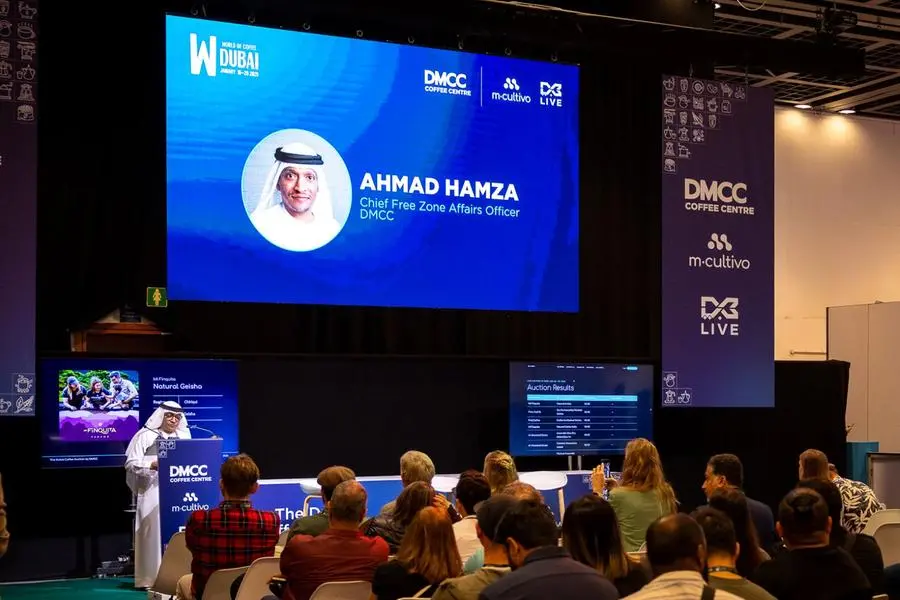
During the second coffee auction at World of Coffee Dubai World of Coffee Dubai, Geisha coffee from Panama achieved a record price of USD 30,240 per kilogram in 2025. The 2026 edition recorded the highest number of international origins ever represented, attracting more than 17,000 participants, with plans for further expansion in 2027. Also, the DMCC Colombia coffee webinar trade growth focus signaled continued opportunities in global coffee markets.

The webinar also announced the launch of the DMCC Cacao Centre, with the global cacao market projected to reach USD 26.2 billion by 2035. The centre currently hosts 88 companies operating in cacao trading, chocolate manufacturing, and confectionery. During the DMCC Colombia coffee webinar trade growth topic, diversification into cacao was discussed as complementary to coffee.

DMCC also hosts more than 4,000 technology companies active in artificial intelligence, robotics, crypto, tokenization, and trade finance. The DMCC Phoenix initiative was launched last November, while DMCC FINEX includes around 2,000 companies and is expected to exceed 5,000 in the future, bringing the total ecosystem close to 50,000 companies. Innovation was a key theme in the DMCC Colombia coffee webinar’s trade growth agenda.

Mohammed Al Shamsi, Ambassador of the United Arab Emirates to Colombia, stated that the UAE has expressed concern regarding recent regional tensions, noting 50 years of diplomatic relations between the two countries. This milestone was acknowledged during the DMCC Colombia coffee webinar trade growth segment.

He said non-oil trade in 2025 exceeded USD 2 billion, surpassing the CEPA target of USD 1 billion within less than two years, even before ratification, with expectations of further doubling after approval. He also highlighted the growing presence of the Juan Valdez brand across UAE cities. Additionally, the DMCC Colombia coffee webinar trade growth theme supports greater market access for Colombian coffee brands.

The Chamber of Commerce of Manizales por Caldas reported that Caldas ranks as the ninth-largest exporting department in Colombia, with exports exceeding USD 1,363 million, representing 3.4% of national exports. Coffee remains the flagship product, with external sales reaching USD 19 million and growth of 52% between 2020 and 2024. This reflects the DMCC Colombia coffee webinar trade growth impact.

The Chamber of Commerce of Cali highlighted a model based on four pillars: investment, internationalization, innovation, and integration. In Valle del Cauca, 71 companies exported coffee in 2025 across 362 export operations, reaching USD 318 million in international sales. Cali accounts for 50% of exporting companies, followed by Cartago at 23% and Sevilla at 14%. The United States represents 46% of exports, followed by Germany, Japan, Canada, the Netherlands, and China. These trends were reviewed in the DMCC Colombia coffee webinar, emphasizing trade growth.

Ricardo Muñoz, Coordinator of the Specialty Coffee Program at the Chamber of Commerce of Armenia and Quindío, stated that the program has been active for 15 years, with coffee accounting for around 80% of Quindío’s exports despite its small size. The region focuses on micro-lots and has developed infrastructure for milling, processing, and roasting. DMCC Colombia coffee webinar trade growth themes were mentioned in relation to the specialty coffee sector.

A DMCC presentation highlighted Dubai’s strategic location, enabling access to 2.5 billion people within a four-hour flight radius and up to 5 billion people within broader connectivity. Dubai is ranked as the most competitive economy in the Arab world and a global hub hosting more than 200 nationalities. The DMCC Colombia coffee webinar trade growth was a major consideration in positioning Dubai as a hub.

Mohammed Mohammed, Senior Manager Corporate Sales at DMCC: “Dubai offers you accessibility and connectivity. With a four-hour flight, Dubai offers you access to around 2.5 billion population. If you double that number of flights, it will get you access to 5 billion population. The most important part, you don’t need to fly to Dubai to set up your business. You can do it digitally.” For example, when considering DMCC Colombia coffee webinar trade growth, digital connectivity makes expanding into new markets easier.

Gulfood Gulfood recorded more than 6,800 participants and 133,000 visitors, generating over USD 20 billion in trade deals, while GITEX GITEX attracted more than 5,500 participants from over 190 countries. Dubai’s trade and wholesale sector accounts for around 23% of its economy, with more than 90 million passengers passing through its airports annually. Notably, DMCC Colombia coffee webinar trade growth supports wider trade events and partnerships.

Mike Butler, Coffee Ecosystem Manager at DMCC, stated that the Coffee Centre was established in 2019 in Jebel Ali Free Zone on a 15,000 square meter site powered by 75% solar energy. It hosts more than 300 members across the global coffee value chain and provides services including storage, logistics, processing, roasting, and capsule production. This infrastructure was highlighted as part of the DMCC Colombia coffee webinar trade growth model.

IKOR Global Managing Director Tatiana Córdoba stated that Colombian coffee exports to the UAE reached USD 16 million in 2024 and USD 17.3 million in 2025, reflecting 9% growth, with 70% of exports directed to the United States, Europe, and Canada. These figures were analyzed at the DMCC Colombia coffee webinar focused on trade growth.

She highlighted that the UAE connects more than 2 billion people within less than four hours of flight time. Additionally, DMCC Colombia coffee webinar trade growth opportunities were emphasized regarding global connectivity.

Anastasia, from Finca Dontulio Group: “When we think about DMCC we consider it’s the backbone of our green coffee logistics… DMCC helps us to eliminate that risk. When we talk about our business model, we definitely think about the coffee and the quality of it, but more importantly we think about building something meaningful across borders, bringing finest Colombian coffee to the world without compromise and this is where DMCC played a key role, it enabled us to scale sustainably and maintain excellence at every step.” The DMCC Colombia coffee webinar trade growth findings support this international approach.

The webinar concluded with the announcement of upcoming events, including World of Coffee from 26 to 28 January, Gulfood from 15 to 19 March Gulfood, and an additional event scheduled in Abu Dhabi in November. This schedule was part of DMCC Colombia coffee webinar trade growth announcements.

DMCC to Launch Cacao Centre to Accelerate USD 26.2 Billion Global Cocoa Trade Through Dubai

Dubai – Qahwa World

DMCC announces Cacao Centre to accelerate the global cocoa market projected to reach USD 26.2 billion by 2035
New centre to launch with strategic partners Kumbi Cocoa and Ribezzi Group
DMCC hosts 88 companies active across cocoa trading, chocolate manufacturing and confectionary
Builds on DMCC’s proven agri-food cluster model, expanding into cacao trading, processing and innovation
Integration with DMCC FinX will connect global cocoa trade with access to capital, financing, and wealth structuring through a single platform
DMCC – the leading international business district that drives the flow of global trade through Dubai – has announced its intention to launch a Cacao Centre, a new trade platform designed to establish an integrated cacao trading, processing and innovation ecosystem that will further position Dubai as a global hub for agri commodities trade.

The launch forms part of DMCC’s broader expansion of its agri-food commodities offering, leveraging its proven cluster model that has already reshaped global trade flows in coffee and tea. DMCC currently hosts 88 companies active across cocoa trading, chocolate manufacturing and confectionery. The new Cacao Centre will bring this activity together within a more structured platform spanning the full value chain – from sourcing and processing through to branding, distribution and access to finance.

The Centre will be launched in partnership with Kumbi Cocoa, which is focused on building direct, equitable relationships with farming cooperatives, and Ribezzi Group, a diversified conglomerate headquartered in Dubai, which will lead development and execution. Together, the parties will evaluate the feasibility of establishing integrated infrastructure in Dubai capable of storing, trading and processing cacao beans into semi-finished products such as cocoa liquor, cocoa butter, and cocoa powder. This will ultimately serve global markets while enhancing efficiency, transparency and value creation across the cocoa supply chain.

Building on the success of the DMCC Coffee Centre and DMCC Tea Centre, the new platform reflects a growing shift in global agri commodities, where value creation is increasingly driven by integrated market platforms that combine logistics, processing and access to capital. The Cacao Centre will offer state-of-the-art infrastructure and services, including grading, storage, blending, branding and packaging. These capabilities will be directly linked to trade finance solutions for cocoa boards, cooperatives and farmers through DMCC’s FinX platform, providing critical tools in a market defined by price volatility and liquidity constraints.

Ahmed Bin Sulayem, Executive Chairman and Chief Executive Officer, DMCC, said: “Cocoa today is not only about production, but about how value is structured, financed and distributed across the supply chain. With the DMCC Cacao Centre, we are building a platform around that reality. By bringing together producers, traders, manufacturers and capital within a single platform, we are creating the conditions for more value to be captured closer to origin while strengthening Dubai’s role as a global hub for agri-commodities trade. This is a natural extension of our cluster model and the next step in positioning Dubai at the centre of global food and commodities flows.”

Kwadwo Boachie-Adjei, Founder and CEO, Kumbi Cocoa, said: “Kumbi Cocoa’s mission has always been to build transparent and equitable supply chains that directly connect farmers with global markets. As a strategic partner to DMCC, we are proud to support the development of infrastructure that benefits growers while delivering high-quality, traceable cocoa to international markets.”

Mauro Ribezzi, Founder, Ribezzi Group, said: “The global cocoa market is evolving rapidly, and this initiative reflects a forward-looking approach to commodity infrastructure. By integrating sourcing, logistics, trading and processing across continents, the Cacao Centre has the potential to become a new benchmark and a catalyst for the industry.”

Globally, the cocoa market was valued at approximately USD 16.6 billion in 2025 and is projected to reach USD 26.2 billion by 2035. At the same time, the premium chocolate segment – driven by single-origin products, artisanal offerings and health-conscious formats – is expected to grow from USD 31.9 billion in 2024 to USD 40.6 billion by 2030.

Dubai’s role in the cocoa trade remains emergent but is supported by clear growth indicators. In 2023, the UAE imported USD 17.3 million in raw cocoa beans and USD 65.3 million in finished chocolate and cocoa products. Exports of raw beans reached USD 16.4 million, positioning the UAE as the 28th-largest exporter globally. While still nascent, these figures reflect accelerating trade flows across both upstream raw materials and downstream finished goods through Dubai.

Structural imbalances continue to define the global cocoa trade, with West African producers accounting for roughly three-quarters of output yet capturing only a fraction of end-market value. The DMCC Cacao Centre is designed to bridge this gap by directly connecting producers with global buyers, capital and value-added services. In parallel, Dubai’s strength in warehousing, blending and structured trade finance will act as a trade stabiliser, supported by investments in temperature-controlled logistics to safeguard quality and reduce loss. This integrated model brings infrastructure, services and capital into a single platform, enabling a more resilient, transparent and inclusive global cocoa trade.


The Great Pivot: How Dubai and Asia Are Redefining Green Coffee Trading

A structural shift is moving the global coffee trade away from its historic Western centers toward a faster, proximity-driven system anchored in Dubai, Singapore, and Shanghai.

Source: Dubai – Qahwa World | April 2026

The global green coffee trade is undergoing one of the most significant transformations in its modern history. For decades, pricing power, logistics, and financial control were concentrated along a North Atlantic axis defined by New York, London, and Rotterdam. That structure is now being rebalanced.Across the Eastern hemisphere, a new trading corridor is taking shape. Dubai, Singapore, and Shanghai are emerging not only as logistics hubs but as integrated ecosystems that combine finance, infrastructure, and demand. This shift reflects deeper changes in consumption patterns, capital flows, and supply chain design.

By 2034, the global green coffee market is projected to reach between USD 54.5 billion and USD 61.4 billion. Much of that expansion is expected to come from Asia-Pacific and the Middle East, regions that are redefining how coffee is traded and where value is created.

A Market Rewritten by Demand

Growth in coffee consumption is no longer evenly distributed. Mature markets in Europe and North America are expanding slowly, while demand across Asia and the Middle East is accelerating.

Region Growth Market Profile
North America and Europe 0.5% to 1.2% Mature markets with premium focus
China 5% to 7% Rapid import growth and domestic roasting
India 6% to 8% Expanding café culture
Middle East 4% to 6% High-value consumption growth
Southeast Asia 5% to 7% Strong robusta base with specialty shift

This divergence is reshaping global trade routes. Coffee is increasingly flowing within an interconnected system that links producing countries directly with emerging consumption centers.

Value Moves Closer to Origin

A parallel shift is taking place within producing countries. Nations such as Vietnam, Indonesia, and Ethiopia are expanding their processing and roasting capacity, allowing them to retain a larger share of the value chain.

Mid-stream hubs in the Eastern corridor are reinforcing this trend. By enabling processing and packaging closer to origin, they reduce reliance on traditional Western intermediaries and increase margins across the supply chain.

The result is a measurable redistribution of value, with producers capturing an estimated 15% to 20% more than under legacy trade structures.

Speed as a Competitive Advantage

Logistics has become a defining factor in the new trading environment. Shorter routes between producing regions and Eastern hubs are reducing transit times and increasing flexibility.

Route Transit Time
East Africa to Rotterdam 35 to 45+ days
East Africa to Dubai 7 to 14 days
Southeast Asia to Europe 30 to 40 days
Southeast Asia to Singapore or Shanghai 5 to 12 days

Reduced transit time improves cash flow efficiency, lowers inventory risk, and helps preserve coffee quality. These advantages are becoming central to competitive positioning.

A New Financial Architecture

The financial systems supporting coffee trade are evolving alongside physical infrastructure. Traditional reliance on futures markets and bank-led financing is being complemented by more flexible models.

Feature Legacy Model Emerging Model
Financial Instruments Futures-based pricing Direct contracts
Assets Heavy infrastructure Platform-based systems
Finance Bank-led FinTech and sovereign capital
Execution Multi-day cycles Near real-time

Dubai as a Trade Platform

Dubai has positioned itself as a central node in this transformation. Integrated infrastructure allows multiple stages of the coffee supply chain to operate within a single ecosystem, reducing friction and improving efficiency.

Facilities such as the DMCC Coffee Centre combine storage, processing, roasting, and logistics, creating a unified platform that connects producers directly with high-growth markets.

Industry events, including World of Coffee Dubai, are reinforcing this role by facilitating direct trade relationships and improving transparency between origin and buyers.

Outlook to 2035

The global coffee trade is gradually moving toward diversified pricing systems and decentralized trade flows. Fixed-price agreements, quality-based valuation, and traceability tools are becoming more prominent.

By 2035, the Eastern Growth Corridor is expected to capture a significant share of incremental trade value, reflecting a long-term structural shift rather than a temporary adjustment.

Conclusion

The future of green coffee trading is being reshaped by proximity, speed, and integration. The shift toward Dubai, Singapore, and Shanghai reflects deeper changes in how markets function and where value is created.

What was once a centralized system is becoming a distributed network. Those positioned closest to both origin and demand are increasingly defining the next phase of the global coffee economy.

Dubai Coffee Auction 2026 Concludes with Over $70,000 in Sales

Dubai, UAE – Qahwa World

The Dubai Multi Commodities Centre (DMCC) concluded the second edition of the “Dubai Coffee Auction,” with total specialty coffee sales exceeding $70,000, reflecting continued global demand for high-quality, traceable coffee.

The auction featured coffee from 13 different producing countries, marking the widest geographic range ever represented in a single coffee auction. Notably, the event included the first international sale of coffee from the continental United States and recorded the second-highest auction price for Bolivian coffee, highlighting strong international competition among buyers.

Held as part of the World of Coffee Dubai 2026, the auction attracted buyers from across the global specialty coffee market, with 1,364 bids submitted. The platform provided producers with a transparent and organized marketplace to reach international buyers directly.

This edition was part of a three-auction program over the Expo’s three days, including the “Coffee Equipment Auction” and the “Microlot Auction,” culminating in the “Exhibitors’ Coffee Auction,” showcasing a diverse range of coffees to an international audience.

DMCC’s Coffee Centre, located in the Jebel Ali Free Zone, offers integrated facilities including storage, processing, roasting, logistics, and training, connecting producers from Latin America, Africa, and Asia with global markets efficiently.

The World of Coffee Dubai 2026 ran from January 18 to 20 at the Dubai World Trade Centre, featuring over 2,100 companies and brands from the global specialty coffee industry.

World of Coffee Dubai 2026 to Host Three Live Coffee Auctions at the Dubai Coffee Auction by DMCC

Strengthening Dubai’s Position as a Global Coffee Hub Connecting Origin Markets with International Buyers

Dubai – Qahwa World

World of Coffee Dubai 2026 continues to reinforce its standing as a premier global trade platform for coffee professionals and enthusiasts. The fifth edition, taking place from 18–20 January at Dubai World Trade Centre, will feature three auctions under the Dubai Coffee Auction by DMCC banner. This follows the tremendous success of the 2025 auction, where bidding for select micro-lots exceeded USD 10,000 per kilogram, marking one of the highest figures globally.

This expanded auction programme will bring together some of the world’s finest coffees from leading farms and up-and-coming producers plus limited edition coffee equipment, further underscoring Dubai’s role as a gateway connecting origin markets with global consumers.

Organised in partnership with DMCC and DXB LIVE, the experiential agency of Dubai World Trade Centre, and coordinated with M-Cultivo, the global platform for premium coffee auctions, the three auctions introduce an elevated level of transparency, innovation, and market access for producers and buyers alike.

The trilateral collaboration continues to reshape the global auction model through a fully digital ecosystem that enhances market efficiency and expands international trading opportunities for premium coffee. Buyers can join remotely with full access to verified, detailed data for every lot on auction, enabled by advanced technology that ensures transparency and traceability. This unique model highlights Dubai’s world-class infrastructure, organisational excellence, and digital innovation that are redefining the future of coffee auctions worldwide.

Ahmed Bin Sulayem, Executive Chairman and Chief Executive Officer, DMCC, said: “Last year’s inaugural Dubai Coffee Auction set a new benchmark for the industry, with micro-lots exceeding USD 10,000 per kilogram and setting record prices on the global stage. As the UAE’s coffee market, currently valued at over USD 3.5 billion and projected to reach USD 4.5 billion by 2029, continues its rapid expansion, we are building on that momentum with an expanded programme for 2026 that will showcase more producers, varieties and limited edition equipment to a truly international audience. Through the DMCC Coffee Centre and our strategic partnership with World of Coffee Dubai, we are creating a fully integrated platform that connects producers, traders, investors and markets via a digital ecosystem that enhances price discovery, broadens market access and strengthens trust across the value chain – ultimately reinforcing Dubai’s position as one of the most important global hubs for specialty coffee trade.”

Khalid Al Hammadi, Senior Vice President, DXB LIVE, added: “The auctions reflect Dubai’s growing status as a global centre for the coffee industry in the region. Expanding the auction programme underscores the event’s success in attracting leading brands and international platforms to the emirate. At DXB LIVE, we remain committed to delivering exceptional experiences that fuel this vital sector and contribute to the growth of the global coffee ecosystem from Dubai.”

Three Signature Auctions

Day 1: Dubai Coffee Equipment Auction
The event opens with an auction of limited edition coffee equipment, not available for sale elsewhere. Trade buyers and consumers alike will be tempted by the exclusive lots, highlighting global coffee craftsmanship and equipment innovation.

Day 2: Microlot Coffee Auction
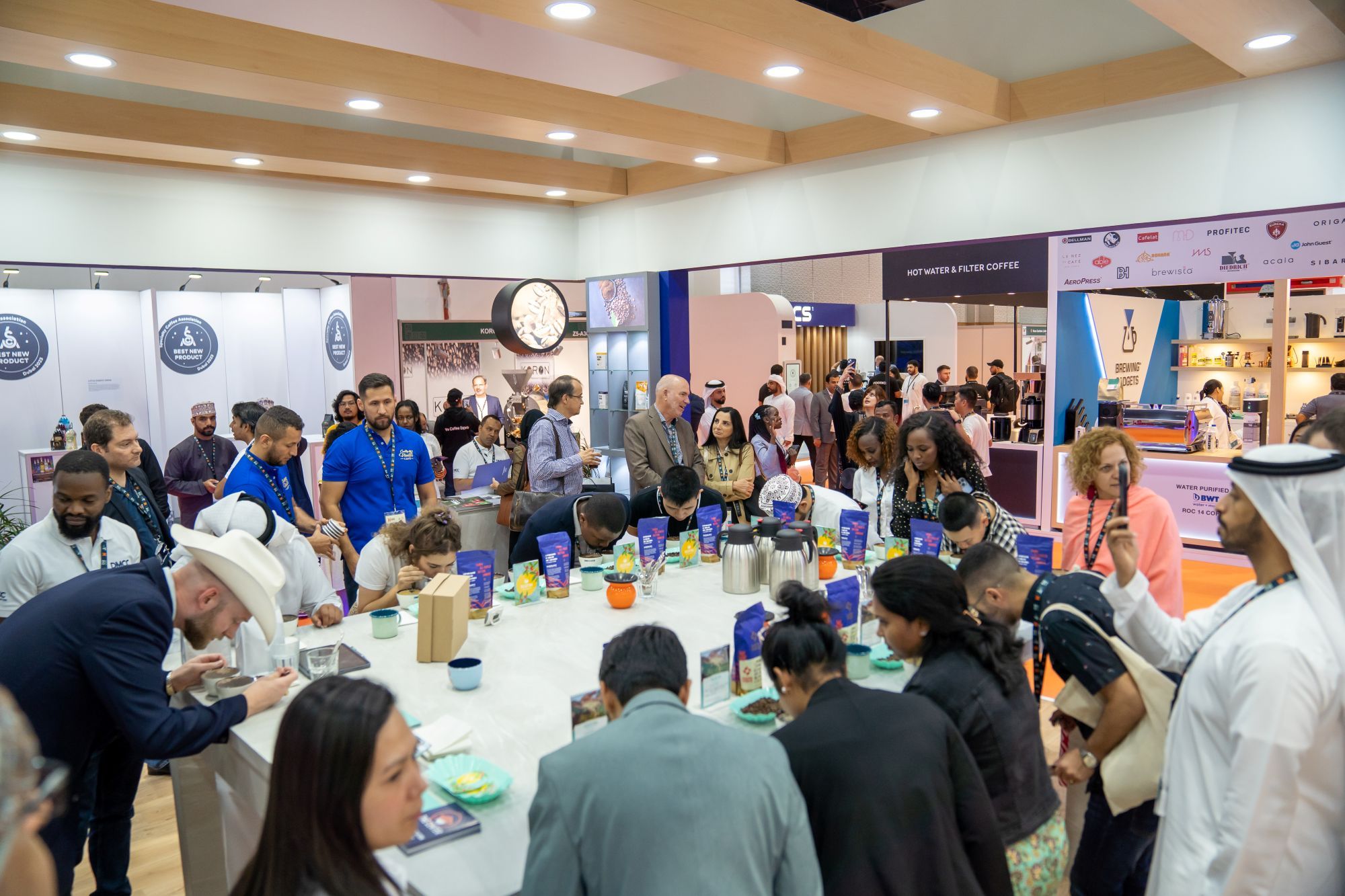
This specialised auction features top-graded specialty microlots sourced from leading farms from countries including Panama, Colombia, Ethiopia, Yemen and Taiwan. Buyers can participate in cupping sessions to evaluate rare lots prior to live bidding, an immersive experience that showcases exceptional precision and craftsmanship while connecting producers with international buyers seeking the world’s finest coffees.

Day 3: Exhibitors’ Coffee Auction
Roasters and producers participating in World of Coffee Dubai will present their signature selections before a global audience of experts and buyers. With tasting and evaluation sessions preceding the live auction, exhibitors gain opportunities to expand their international footprint, forge long-term partnerships, and highlight innovation in roasting and coffee trading.

Coffee Market Growth
The auction programme arrives at a time of strong and sustained growth in the coffee industry. The UAE coffee market is valued at over USD 3.2 billion (AED 12 billion) and is expected to reach USD 4.5 billion (AED 16.5 billion) by 2029. The regional coffee market is projected to surpass USD 22 billion over the next decade, with a compound annual growth rate (CAGR) of 4–5%.

Dubai has solidified its role as a global re-export hub with coffee re-exports exceeding AED 3.5 billion, driven by rising demand for specialty coffee, a flourishing café culture hosting more than 11,000 well-known brands, and a young consumer base prioritising quality and craftsmanship.

Reinforcing Dubai’s Global Coffee Leadership
The three auctions highlight the pivotal role of World of Coffee Dubai in strengthening the emirate’s global leadership in specialty coffee trade and innovation. Through its diverse programme, the event brings together all players across the value chain, from farmers and producers to roasters, importers, traders, retailers, equipment manufacturers, and industry experts.

Applications are now open for exhibitors wishing to submit coffee equipment or premium coffee lots for the 2026 auctions. All submissions will undergo strict evaluation criteria covering innovation, traceability, and cupping scores. Approved lots will be showcased live during the event and promoted globally by DMCC and M-Cultivo, enhancing visibility across the international buyer network.

Buyers must complete advance registration to participate in the auctions onsite or remotely.

For more information or to register, please visit: dubaicoffeeauction.mcultivo.com

2025 uae aeropress championship returns this november with a new theme celebrating “qahwa qulture”

Dubai – Qahwa World

The UAE’s most anticipated and inclusive coffee competition is back – and promises to be better than ever.  The 2025 UAE AeroPress Championship returns for its ninth edition, bringing together competitors, café owners, industry professionals, and coffee lovers from across the Emirates in what is now considered one of the most exciting and dynamic coffee events in the region.

Building on the momentum of last year’s record-breaking success – which saw the UAE host the largest coffee competition in the world by number of competitors – the 2025 edition will celebrate the unique and evolving coffee culture of the Emirates under the theme: “A Celebration of Qahwa Qulture in the Emirates.”

This year’s theme pays tribute to the UAE’s deep-rooted coffee heritage – from traditional Arabic Qahwa brewed in a dallah to the rise of specialty coffee and modern methods like the AeroPress.  The event will highlight how these traditions now coexist and shape one of the most vibrant and innovative coffee cultures in the world.

The event’s host, Ahmed Bin Sulayem, Executive Chairman and Chief Executive Officer, DMCC, said: “The global coffee industry generates more than USD 200 billion each year, spanning production, trade, culture, and consumption, and supports the livelihoods of approximately 25 million farmers. As a longstanding champion of the sector, I have witnessed first-hand the opportunities it creates for producers and consumers alike. As the industry continues to expand and transform, the UAE AeroPress Championship is not only a celebration of brewing excellence; it is a platform for cultural expression and global connection. Hosting the championship at DMCC’s Almas Tower, with support from the DMCC Coffee Centre, which processed more than 7,400 metric tonnes of coffee in 2024 and has recently expanded its capacity to provide even greater market access for our members, reflects our continued commitment to advancing the sector and strengthens Dubai’s position as a global hub for coffee heritage, trade, and innovation.”

The organizer of the event and CEO of Mokha 1450, Garfield Kerr, said: “Dubai and the UAE writ large has become one of the leading specialty coffee markets and coffee destinations in the world, and I do not think this happened by chance. The long history of coffee in the UAE means that coffee is not just a daily dose of caffeine to get you through the day, but a cultural cornerstone that elevates and adds a sense of measure to a normal day.  Furthermore, coffee is used to imbue importance and ceremony to significant events and social gatherings.  Each household has a special recipe for “Qahwa” or “coffee”, that is closely guarded, passed down for generations, and is still referenced for the daily preparation of coffee. For this reason, there is always a very strong level of enthusiasm, passion, as well as innovation at the UAE AeroPress Championship. Accordingly, this year’s iteration, will place the cultural significance of Qahwa in the UAE on full display.”

EVENT FORMAT & DATES

For 2025, the Championship will again feature two Regional Championships followed by the National Championship, all hosted at the DMCC Almas Conference Centre, Almas Tower, Jumeirah Lake Towers, Dubai.

  • REGION ONE CHAMPIONSHIP
    November 6th, 2025 – 6pm onwards
    Featuring: Abu Dhabi, Ras Al Khaimah, Sharjah, and Umm Al Quwain
  • REGION TWO CHAMPIONSHIP
    November 7th, 2025 – 6pm onwards
    Featuring: Dubai, Ajman, and Fujairah
  • 2025 NATIONAL AEROPRESS CHAMPIONSHIP
    November 8th, 2025 – 6pm onwards
    Featuring: 21 finalists – the top three from each Emirate

Each regional round will see 36 competitors per Emirate, highlighting the growing interest and talent across the country.

The national champion will earn the honour of representing the UAE at the 2025 World AeroPress Championship, which takes place December 5th and 6th, in Seoul, South Korea.

A GATHERING FOR THE ENTIRE COFFEE COMMUNITY – AND IT’S FREE TO ATTEND

More than just a competition, the UAE AeroPress Championship is a celebration of community, craftsmanship, and culture.  This open and inclusive event welcomes everyone – from professional baristas to hobbyist brewers, café owners, coffee brands, and curious spectators.

Attendees will be immersed in a vibrant atmosphere filled with activations, specialty coffee tastings, AeroPress giveaways, and engaging community programming. It’s the perfect place to discover emerging coffee trends, connect with local roasters, and witness coffee excellence in action.

ABOUT THE COMPETITION

The World AeroPress Championship is the most accessible and widespread coffee competition globally, with over 175 events across more than 60 countries and 5,000+ participants annually.  The format is simple, fun, and fast-paced, providing a relaxed environment where creativity and technique shine.

All competitors brew using the AeroPress with the same coffee provided by the official coffee sponsor, ensuring a level playing field that truly tests brewing skill and ingenuity.

WHAT IS AN AEROPRESS?

The AeroPress is a compact and affordable manual coffee brewing device that uses a combination of pressure and immersion to create unique coffee profiles.  Invented by Alan Adler, its flexibility and ease of use have made it a favourite among baristas and home brewers alike.  The first AeroPress Championship was held in 2008 and has since grown into a global phenomenon.

SPONSORS

GOLD

– Aiya

– Polpanorte

– CMI

– Bon’cafe

– Oatley

– Lohas

  SILVER

– Stree F&B

– KGN

– Raw Coffee Company

– Coffee Museum

– Karam


  BRONZE

– Steens

– Brewing Gadgets

– Victoria Arduino

MEDIA PARTNER

Qahwaworld


Dubai: The Next Global Coffee Trade Nexus

Dubai — Qahwa World

Dubai is rapidly establishing itself as one of the world’s most influential players in the international coffee trade. Once renowned for its dominance in gold, oil, and logistics, the emirate is now redefining itself as a global coffee hub connecting producing countries in Africa, Asia, and Latin America with consuming markets across Europe, the Middle East, and North America. With its strategic location, advanced infrastructure, and thriving specialty coffee culture, Dubai is emerging as the next global nexus of the coffee industry.

Coffee is far more than a daily beverage — it is a $200 billion global economy that sustains over 25 million smallholder farmers and fuels more than two billion cups consumed every day. Yet the industry is under intense pressure. Climate change, volatile prices, supply chain disruptions, and changing consumer tastes have reshaped global trade dynamics. Amid these challenges, Dubai has positioned itself as a stabilising force that combines innovation, transparency, and accessibility to create new opportunities for producers and traders worldwide.

The Dubai Multi Commodities Centre (DMCC) has been at the forefront of this transformation through its state-of-the-art Coffee Centre located in the Jebel Ali Free Zone. The facility offers integrated services for roasting, storage, packaging, logistics, and trade, serving more than 300 members across the global coffee value chain. Designed on a pay-as-you-go model, it allows small producers and independent traders to access world markets without the burden of fixed commitments. According to Mike Butler, Associate Director of Coffee at DMCC, this flexible approach “makes the Coffee Centre extremely friendly for small businesses” and allows them to scale as they grow.

“Dubai is defining the global trend in specialty coffee today,” said Garfield Kerr, President of the Specialty Coffee Association (SCA) and founder of Mokha1450. “In Dubai, coffee functions like wine elsewhere — it’s a cultural experience built around craftsmanship and taste.” Over the past decade, independent roasteries and boutique cafés have replaced international chains across the city. Consumers have become increasingly informed about freshness, roast profiles, and sustainability, pushing the market toward higher quality and transparency.

Dubai’s geographical advantage is another factor behind its success. Situated almost exactly between the world’s top producing nations — Brazil, Vietnam, Colombia, Indonesia, and Ethiopia — the emirate offers unmatched access to global shipping routes. Its proximity to East Africa, one of the fastest-growing specialty coffee regions, gives it a natural advantage over traditional European hubs. “If you map the world’s major coffee producers, Dubai sits almost exactly in the centre,” Butler explained. “It’s only a matter of time before Dubai challenges Hamburg as the global leader in coffee trade.”

The DMCC Coffee Centre’s Tradeflow platform has introduced a new level of digital transparency to an industry often criticised for its opacity. Every batch traded through the system is physically verified and stored within the centre’s temperature-controlled facility, ensuring quality and trust between producers and buyers. By integrating blockchain-based traceability and tokenised finance options, DMCC has reduced intermediaries and opened new financing channels for smallholder farmers. Its partnership with the African Fine Coffees Association (AFCA) further supports African producers through logistics, warehousing, and buyer introductions, helping them retain greater value from their exports.

Dubai’s rise as a coffee capital is also cultural. The World of Coffee Dubai exhibition, held annually at the Dubai World Trade Centre, has become a magnet for industry leaders and enthusiasts alike. The 2025 edition drew nearly 17,000 visitors and 2,000 exhibitors, hosting auctions of the world’s rarest coffees and showcasing 131 debut brands — three-quarters of them international. “The world showed up,” said Kerr. “The coffee innovation coming out of Dubai is now influencing global trends.”

As global coffee trade evolves, sustainability has become central to Dubai’s vision. The emirate is investing in climate-smart agriculture, low-carbon logistics, and advanced digital systems that track environmental compliance. Experts warn that by 2050, up to half of existing coffee-growing land could become unsuitable due to rising temperatures, making adaptation essential. Initiatives such as agroforestry, drought-resistant varieties, and circular-economy recycling of coffee by-products are gaining momentum.

Through innovation and technology, Dubai is setting new standards for transparency and sustainability in coffee trading. Artificial intelligence now supports quality monitoring, while blockchain ensures traceable supply chains. Companies are exploring compostable packaging, recycling capsules, and transforming used coffee grounds into new products, aligning commerce with environmental responsibility.

“Whether it’s the supermarket, the sports club, or the cinema, coffee standards are rising everywhere,” Butler observed. “Dubai is uniquely positioned to lead this evolution, combining innovation, logistics, and sustainability into one cohesive ecosystem.”

In an era of shifting trade routes and unpredictable markets, Dubai has turned its vision into action. The city’s integration of culture, technology, and commerce is rewriting the rules of how coffee is traded and valued. More than a gateway between continents, Dubai has become the command centre of global coffee commerce — a place where beans, business, and innovation converge to shape the future of one of the world’s most beloved drinks.

The Cocoa Paradox: How Global Shocks and Dubai’s Trade Ambitions Are Reshaping a $26 Billion Industry

Dubai – Qahwa World

The global cocoa industry long synonymous with indulgence and luxury is undergoing a historic transformation. A sharp supply crunch, climate disruptions, and tightening regulations have exposed deep structural weaknesses in one of the world’s most beloved commodities. Yet, amid the volatility, new opportunities for diversification, innovation, and fairer value distribution are emerging with Dubai positioning itself as a strategic bridge between producers and consumers in the new era of cocoa trade.

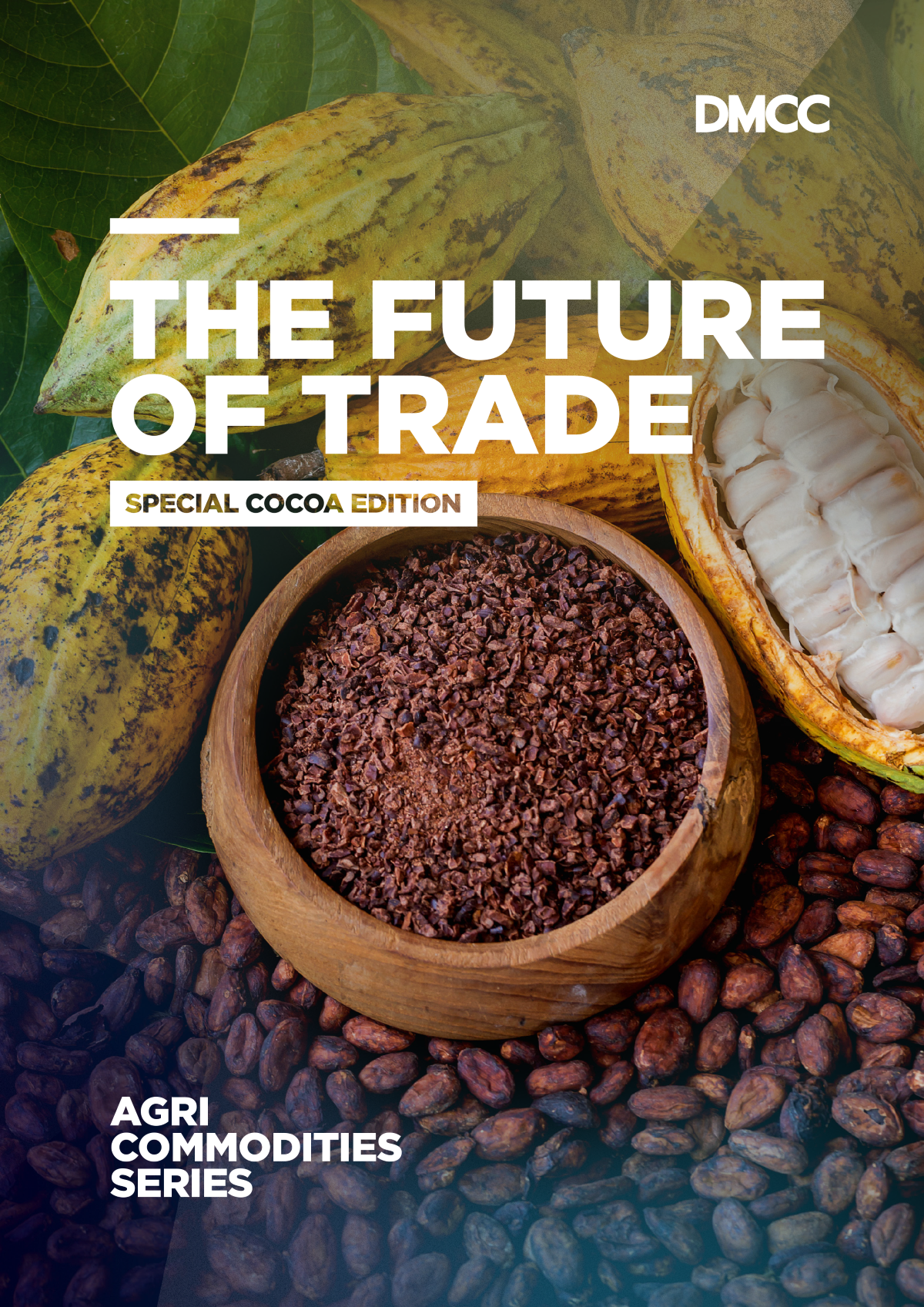
The Dubai Multi Commodities Centre (DMCC) has released a comprehensive report titled “The Future of Trade Special Cocoa Edition,” part of its Agri Commodities Series. The report examines the global cocoa market’s critical challenges from production shortages and price volatility to digital innovation, ethical sourcing, and shifting consumer demand toward wellness and sustainability. This news story is based on the key findings of the DMCC report, one of the most detailed and forward-looking analyses of the cocoa sector and Dubai’s growing role in it.

A Crisis of Supply and Unequal Returns

The global cocoa market is valued at around US$16.6 billion in 2025 and is expected to reach US$26.2 billion by 2035. However, behind this growth lies a deep imbalance. The 2023/24 crop year recorded one of the steepest production declines in decades down 13% to 4.4 million tonnes resulting in a deficit of nearly half a million tonnes and pushing prices to record highs. Cocoa grindings also fell by 5% to 4.8 million tonnes, according to the International Cocoa Organization (ICCO).

The roots of the crisis lie in West Africa, which produces over 60% of the world’s cocoa from Côte d’Ivoire, Ghana, Nigeria, and Cameroon. Devastating outbreaks of black pod and swollen shoot disease, erratic rainfall, and ageing trees have crippled production. Ghana’s regulator has already warned that output could drop another 10% in the 2025/26 season.

“Our cocoa plantations are ageing and have suffered from years of underinvestment,” says Kwadwo Boachie-Adjei, founder of Kumbi Cocoa. “Farmers lack access to quality fertilizers and seedlings because the financial resources needed to reinvest in their communities have not been flowing back at the scale required. The cycle of low productivity and limited incomes must change.”

Despite record-high international prices, farmers in Ghana and Côte d’Ivoire still receive fixed farmgate rates set by governments too low to cover replanting or disease control. “For every one-dollar chocolate bar, farmers receive just two cents,” notes Mauro Danilo Ribezzi, founder of the Ribezzi Group. “The economics of cocoa are fragile people will simply walk away.”

Meanwhile, processors and brands are struggling with soaring energy, transport, and financing costs. Companies are resorting to shrinkflation and reformulation: Mars Inc. cut 10 grams from its Galaxy bar, while Nestlé dropped the word “chocolate” from some UK products that now fall below the 20% cocoa-content threshold.

Although chocolate still dominates around 85% of cocoa demand, consumer preferences are shifting toward functional, ethical, and health-oriented products. The premium chocolate market is projected to grow from US$31.9 billion in 2024 to US$40.6 billion by 2030, while demand for raw cacao marketed as a superfood rich in antioxidants is forecast to surge from US$14.3 billion in 2024 to US$23.6 billion by 2033. Cocoa butter, a staple in cosmetics and pharmaceuticals, is set to nearly double in value to US$9.37 billion by 2032.

At the same time, the industry faces new compliance pressures. The European Union’s Deforestation-Free Products Regulation and Corporate Sustainability Due Diligence Directive require companies to prove that their cocoa is not sourced from deforested areas and that human rights are upheld throughout supply chains. Cocoa cultivation has caused over 37% forest loss in Côte d’Ivoire’s protected areas and 13% in Ghana, making traceability and digital monitoring essential for market access and premium pricing.

Dubai: A New Global Nexus for Cocoa Trade

Amid these structural pressures, Dubai is emerging as a stabilizing force in global commodity flows. Leveraging its strategic location between Africa, Asia, and Europe, the UAE has built a resilient trade ecosystem capable of absorbing global shocks. According to the DMCC report, the UAE imported US$17.3 million worth of cocoa beans in 2023 96% of which came from Côte d’Ivoire and exported US$16.4 million, mainly to Iran, Malaysia, and Saudi Arabia. While modest compared to European hubs, these figures highlight Dubai’s growing relevance in both upstream and downstream cocoa trade.

Building on the success of the DMCC Coffee Centre and Tea Centre, Dubai is now planning to launch a DMCC Cacao Centre that will offer integrated services including grading, blending, storage, branding, and structured trade finance all under one roof. The initiative aims to transform Dubai into a full-service hub for cocoa trade and value addition in the Middle East.

“The DMCC provides African producers with what they have long lacked direct access to markets and capital,” says Boachie-Adjei.

“The beauty of the DMCC ecosystem,” adds Ribezzi, “is that we don’t just operate as traders but as facilitators connecting farmers, financiers, and buyers across borders.”

The report also underscores how technology is redefining cocoa trade. Blockchain-enabled traceability ensures regulatory compliance and transparency, while mobile-first fintech platforms allow farmers to receive payments directly cutting out intermediaries and ensuring faster, fairer compensation. Emerging models such as tokenized assets and decentralized finance (DeFi) could soon unlock new credit channels for smallholders historically excluded from the banking system.

Looking further ahead, the industry is experimenting with lab-grown cocoa to overcome climate and disease risks. Startups are cultivating cocoa cells that yield mass without farms, a concept already supported by major players such as Barry Callebaut and Japan’s Meiji. Other innovators are developing cocoa-free chocolate alternatives using ingredients like carob and upcycled fibers to reduce dependency on volatile bean supply. Meanwhile, West African research programs are advancing disease-resistant and high-yield varieties through genetic innovation and agroforestry models.

The DMCC report concludes that the future of cocoa rests on five pillars: climate-adapted farming, transparent supply chains, diversified production, financial innovation, and equitable participation. It calls for producer nations to move beyond being raw suppliers and instead become true partners in global value creation.

With its neutral trade infrastructure and forward-looking policies, Dubai is poised to redefine the cocoa economy shifting it from a system marked by inequality and volatility to one built on sustainability, inclusivity, and shared prosperity.

Dubai Coffee Centre Expands to Keep Pace with the Future of Global Coffee Trade

Dubai, 17 September 2025 (Qahwa World) – The Dubai Multi Commodities Centre (DMCC), the world’s leading free zone and a key driver of global trade flows through Dubai, has officially launched the new mezzanine floor at its Dubai Coffee Centre. The 500-square-meter space has been designed to provide members and stakeholders in the coffee sector with greater access to international markets, foster innovation, and accelerate business growth.

The new facility includes 16 private offices available for lease, flexible co-working spaces, and an exclusive espresso bar for members, offering them the opportunity to host guests and showcase their products with ease. This expansion comes at a pivotal moment for the coffee industry, where the demand for flexible and integrated infrastructure to support origin producers, specialty roasters, and SMEs is more pressing than ever.

Coinciding with the expansion, DMCC released the latest edition of its Future of Trade report, this time focusing on the coffee sector. The report highlights the shifting dynamics of a global industry valued at over $200 billion, with international coffee trade alone exceeding $26 billion. With more than two billion cups consumed daily, coffee remains one of the most traded commodities in the world, yet climate threats, evolving consumer tastes, and shifting power dynamics across the value chain are reshaping the global coffee map.

Ahmed Bin Sulayem, Executive Chairman and CEO of DMCC, said:
“Coffee is not just a commodity; it is deeply woven into our identity in the Arab world and serves as a cornerstone of the global economy. With a consumer market exceeding $200 billion and nearly two billion cups consumed daily, coffee has shaped traditions of hospitality and trade since its journey from Yemen’s terraced farms and the port of Mokha to Europe, where coffeehouses became incubators for modern finance and ideas that fueled the Enlightenment and early industrial revolution. Today, more than 25 million farmers, most of them smallholders, rely on coffee for their livelihoods. The sector stands at a turning point, with direct-to-consumer pathways, climate-smart agriculture, and digital tools—from AI-powered traceability to tokenization of real assets—reshaping the industry. Dubai’s role now goes beyond redistribution; it has become a global platform for specialty coffee. The World of Coffee Dubai 2025 exhibition attracted more than 17,000 visitors and set record auction prices for rare varieties, underscoring the depth of the market in the Middle East and North Africa, expected to reach $11.5 billion. With this ecosystem, complemented by our Tradeflow digital commodities platform, Dubai is writing the next chapter in coffee’s story—where heritage meets innovation and inclusive growth becomes a reality.”

Mike Butler, Associate Director – Coffee at DMCC, added:
“This report paints a picture of a future that is complex but full of opportunities. Our role is to support members of the Dubai Coffee Centre by providing storage, logistics, roasting services, and facilitating trade between members. The new mezzanine floor, equipped with state-of-the-art facilities, is a tangible demonstration of this commitment and part of our broader strategy to solidify Dubai’s position as a global coffee hub.”

The Future of Trade report outlines several trends likely to shape the coffee industry in the coming years, including the rise of new direct-to-consumer trade routes driven by emerging markets such as China and Asia-Pacific, greater value retention in producing countries through local roasting and brand building, digital trade and blockchain-enabled traceability, climate-smart farming practices with drought-resistant varieties and agroforestry, and shifting consumer dynamics led by younger generations, particularly Gen Z, who are driving demand for sustainable specialty coffee and premium experiences.

The report also recommends scaling up investment in climate-smart agriculture, improving price transparency, empowering producers through supply chain digitization, expanding direct-to-consumer models, and developing trade infrastructure in strategic hubs like Dubai to streamline logistics, cut emissions, and strengthen traceability.

The latest edition continues the Future of Trade series, which has become one of the most widely read and trusted resources on global trade dynamics. With more than 2.5 million cumulative downloads and views, the series continues to shape global trade dialogue at a time when economic fragmentation and supply chain transformations are redrawing the map of global commerce.

DMCC Coffee Centre: Supply Chain Pressures and Tariffs Threaten Global Coffee Trade

Dubai, 15 September 2025 ( Qahwa World) – Coffee, the world’s second most traded commodity after oil and a cultural staple for billions, is entering a critical stage in its global journey. The threats facing the industry are no longer confined to climate change alone. Increasingly, they include mounting supply chain disruptions and escalating tariffs that are reshaping the economics of one of the most vital agricultural products on earth. In its latest report, released as part of the Future of Trade Agri Series, the DMCC Coffee Centre warns that unless urgent measures are taken, the future of the global coffee trade may be defined by instability, rising costs, and deep uncertainty.

For decades, coffee has been regarded as a model commodity for international trade thanks to its durability and storability as green beans. But according to the report, this traditional advantage is no longer sufficient. Shipping costs have risen sharply amid ongoing global supply chain disruptions, compounded by geopolitical tensions across key trade corridors such as the Red Sea and the Panama Canal. Even a 1% increase in transport costs, the report notes, can result in months of accumulated price hikes for coffee worldwide. What was once a relatively resilient supply chain has become a fragile lifeline vulnerable to external shocks.

The situation has been further aggravated by protectionist trade policies. Most notably, the United States recently imposed tariffs of up to 50% on coffee imports from Brazil, the world’s largest exporter. While this may appear to offer short-term relief for American markets, it has shaken investor confidence and created uncertainty for Brazilian producers who rely heavily on exports. Many growers now face the prospect of cutting back production or seeking alternative markets, both of which come with risks of their own.

Mike Butler, Assistant Director for Coffee at DMCC, described the dilemma: “Large buyers often have the option of stockpiling coffee to protect themselves against price swings, but this strategy is not available to everyone. Smallholder farmers and specialty roasters remain the most exposed, as they lack the resources to hedge or hold inventories for long periods.”

The pricing system itself is also under strain. For decades, futures markets like the Intercontinental Exchange (ICE) provided reliable benchmarks for coffee. But the DMCC report highlights how these benchmarks are increasingly detached from reality. Futures contracts may show declines, while specialty coffee prices remain elevated, squeezing small and medium-sized roasters who cannot reconcile speculative market prices with real-world sourcing costs. Garfield Kerr, President of the Specialty Coffee Association and founder of Dubai’s “Mokha 1450,” summed it up: “The futures market has become more speculative and no longer reflects the actual value of high-quality coffee.”

Adding to this pressure is the rapid transformation of consumption patterns. Across Asia—in countries like China, Japan, and the Philippines—demand for coffee is accelerating, particularly among younger generations seeking premium quality and unique experiences. This growth, while promising, makes these markets especially vulnerable to global supply shocks. A shipping delay in Brazil or a tariff dispute in the U.S. can now ripple instantly into cafés and supermarkets in Beijing or Manila, underscoring the fragility of today’s interconnected coffee economy.

Amid these challenges, Dubai is positioning itself as a stabilizing hub. The DMCC Coffee Centre offers a pay-as-you-go model for storage, roasting, packaging, and logistics, lowering barriers for producers and small exporters to access global markets. Its geographic location at the crossroads of Africa, Asia, and Latin America allows Dubai to act as a natural bridge, absorbing shocks and keeping trade flows alive even in turbulent times. This strategic advantage, the report argues, could prove decisive as volatility becomes the new normal.

Still, the outlook remains precarious. Global production is expected to reach a record 178.7 million bags in the 2025/26 season. But without meaningful reforms, these volumes may not translate into market stability. Tariffs, freight costs, and speculative pricing continue to weigh heavily on the system, leaving more than 25 million smallholder farmers—who form the backbone of global coffee production—on the edge of economic survival.

The DMCC Coffee Centre’s report concludes with a stark choice. Either the industry embraces international cooperation, reforms outdated pricing mechanisms, and invests in supply chain infrastructure, or it risks plunging into prolonged volatility. Coffee, long celebrated as a symbol of connection and culture, could instead become a mirror of global trade’s fragility. But with decisive action, from fairer pricing models to transparent trade systems and collaborative investment, the industry has the tools to safeguard coffee’s future as a unifying global commodity.

DMCC Coffee Centre Warns: Climate Volatility Threatens the Future of Global Coffee

DUBAI – September 2025 – Qahwa World – Coffee is more than a beverage. It is a lifeline for over 25 million smallholder farmers, a $200 billion industry, and a cultural anchor with more than two billion cups consumed daily. Yet today, the global coffee sector faces one of the greatest challenges in its long history, according to the DMCC Coffee Centre, part of the Dubai Multi Commodities Centre (DMCC).

In its latest report, released under the Future of Trade Agri Commodities Series, the DMCC Coffee Centre published a special edition on coffee, warning that lands where coffee has thrived for centuries may no longer be suitable for cultivation in the coming decades.

According to the report, coffee’s vulnerability to climate change is stark. Unlike many other crops, coffee can only be cultivated in limited geographical zones, often at specific altitudes and within narrow temperature ranges. Any disruption in this balance — whether through droughts, frosts, or fungal diseases such as coffee leaf rust — can devastate entire harvests. Recent years have offered a preview of this future. In Vietnam, prolonged drought cut production by 20% and exports by 10% in the 2023/24 season. In Brazil, the world’s largest producer, one of the worst droughts in history pushed Arabica prices up by more than 80% in 2024. These are not isolated events but warning signals of a changing climate destabilizing a vital crop.

Research cited in the report projects that by 2050, half of today’s coffee-growing land may become unsuitable. Arabica, which accounts for 60–70% of global production and is prized for its quality, is the most at risk. Dependent on cooler climates with clearly defined wet and dry seasons, Arabica is highly sensitive to even modest increases in temperature. Robusta, known for its greater heat tolerance, may also face challenges under worsening climate conditions.

“The reality is that producers often have customers who have pre-booked volumes months in advance,” said Mike Butler, Associate Director of Coffee at DMCC. “If crops fail, they cannot deliver. This puts enormous pressure on farmers and traders, making climate volatility the new normal.”

Mike Butler, Associate Director of Coffee at DMCC

These pressures are already reshaping market dynamics. When Arabica prices surge, major brands increasingly turn to Robusta to fill the gap, often blending higher proportions into espresso and instant products. But as Garfield Kerr, President of the Specialty Coffee Association (SCA) and founder of Mokha1450 in Dubai, explains: “Specialty coffee consumers will notice the difference. While efforts are underway to develop specialty-grade Robusta, its flavor profile remains distinct.” This divergence could redefine what consumers drink, as well as where and how coffee is cultivated in the decades ahead.

Garfield Kerr, President of the Specialty Coffee Association (SCA) and founder of Mokha1450

The effects of climate change extend beyond farms to disrupt the global trade system. Shortages in Brazil or Vietnam ripple across supply chains, triggering price spikes and reshaping import decisions worldwide. Exchange-based pricing, once a reliable benchmark for roasters, is increasingly disconnected from the realities of specialty markets. Butler notes: “We are in a complex situation. Exchange pricing has become speculative and detached from the actual market, especially in premium segments.”

For smallholder farmers — who produce 80% of the world’s coffee — volatility is a fight for survival. Most lack the resources to withstand failed harvests or price shocks. When yields collapse, so too does income, jeopardizing education, healthcare, and food security for millions of families. The DMCC Coffee Centre report stresses the urgent need for investment in climate adaptation strategies that enable farmers to continue producing under increasingly hostile conditions.

Among the most promising solutions is agroforestry, where coffee is cultivated alongside trees and diverse crops to shield plants from heat, improve soil fertility, conserve water, and diversify incomes. Developing drought-resistant coffee varieties is another frontier. Kerr highlights Yemen as a potential leader, where farmers have for centuries produced resilient coffees in arid, high-temperature conditions. “I expect Yemen to become an industry leader in producing drought-resistant coffees,” he says, “because its farmers and agronomists already grow coffee in hotter climates with less water.”

The urgency of innovation extends beyond agriculture. International institutions and trade hubs must foster collaboration, data-sharing, and investment to support producers. The International Coffee Organization, in partnership with the International Trade Centre, has launched a Coffee Sustainability Support Database cataloguing more than 400 climate and sustainability initiatives worldwide. From training farmers in composting techniques to supporting cooperative-led climate projects, such efforts highlight the collective action required to build resilience.

Still, adaptation alone may not suffice without broader systemic change. Consumers increasingly demand proof that their coffee is produced sustainably and ethically, and regulators are responding with measures such as the European Union Deforestation Regulation. Compliance requires end-to-end traceability, raising costs but also creating opportunities for new technologies like blockchain and AI-powered monitoring to ensure that sustainability commitments are verifiable.

The DMCC Coffee Centre concludes that the global coffee sector stands at a crossroads. Climate change is already disrupting production, and risks are intensifying. While forecasts suggest that production could reach a record 178.7 million 60-kg bags in 2025/26, long-term threats loom over both supply and the livelihoods of millions of farmers. At the same time, solutions — from agroforestry to resilient varieties, from digital transparency to circular economy models — are emerging. The question is not whether the industry will change, but whether it can adapt quickly enough to safeguard coffee’s future.

For an industry that spans continents and cultures, the message is clear: without urgent action, climate volatility could reshape the coffee world beyond recognition. But through innovation, cooperation, and resilience, coffee can remain what it has always been — not just a drink, but a global connector, an economic pillar, and a cultural force.