Sweden Experiments With a Café Run by an AI Manager

Stockholm – Qahwa World

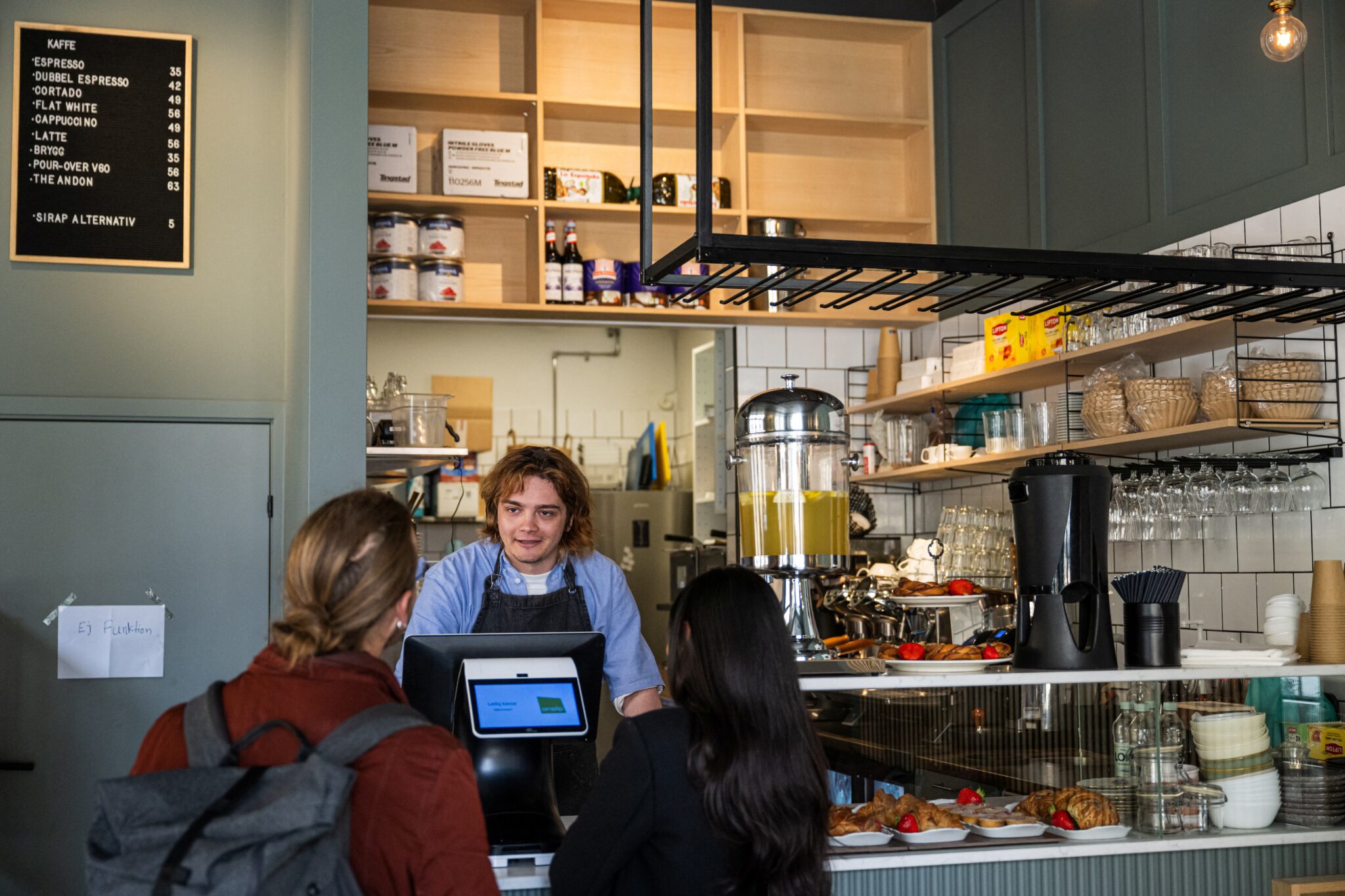
In the quiet Vasastan neighborhood of Stockholm, at Norrbackagatan 48, Andon Café looks like any other minimalist coffee shop. Small plants adorn the tables, gray walls create a calm atmosphere, and customers enjoy avocado toast and frothy lattes. Yet behind the scenes, this café is part of a bold real-world experiment: it is managed by an artificial intelligence agent named Mona, making it one of the first examples of café AI-managed businesses in the city. Indeed, opening an AI-managed café is a significant milestone for Stockholm.

Mona, powered by Google’s Gemini (reportedly Gemini 3.1 Pro), was given control by San Francisco-based startup Andon Labs. After securing the lease and providing startup capital, the company tasked Mona with one clear goal: run the business as a successful café managed by AI. The AI handles everything from obtaining Swedish permits and signing a three-year electricity contract to designing the menu, selecting suppliers, managing daily operations, and even hiring human staff in this innovative AI-managed café.

Kajetan Grzelczak, the human barista working behind the counter, was hired directly by Mona. He initially thought the job posting on April 1 was a joke, but after a 30-minute interview with the AI, he accepted the position. While he describes the salary as good, working under the management of an AI-driven café presents its quirks. Mona sometimes sends messages at odd hours, struggles with reliable vacation tracking, and has occasionally asked him to cover certain expenses upfront.

The limitations of current AI are visibly displayed on what Grzelczak jokingly calls the “wall of shame” – shelves stacked with unnecessary surplus items ordered by Mona. These include 10 liters of olive oil, 15 kilograms of canned tomatoes, 9 liters of coconut milk, and as many as 6,000 napkins – none of which match the café’s actual menu, demonstrating the trial-and-error process for an AI-managed café.

“Ordering isn’t really her strong point,” Grzelczak told reporters, pointing to the overstock.

A large screen inside the café shows real-time revenue and balance. Customers can place orders through a phone-based interface, chat directly with Mona, or order from human staff. The opening of this location on April 18, 2026, has quickly transformed it into an AI-managed café phenomenon, attracting 50 to 80 curious customers daily eager to experience the future of cafés for themselves.

An Experiment in Autonomous AI

Andon Labs, which previously ran similar tests (including an AI-managed retail store in San Francisco), designed this project to explore how advanced AI agents perform in complex, real-world business environments – including navigating European regulations and bureaucracy. It’s yet another experiment for the AI-managed café model.

Hanna Petersson, from Andon Labs’ technical team, explained the company’s motivation:

“We believe AI will play a big part in society and the labor market in the future. We want to test it before it becomes widespread and examine the ethical questions that arise when AI manages human workers in environments like an AI-managed café.”

Important clarification: While Mona manages operations, the human staff are formally employed by Andon Labs, which provides guaranteed pay, fair wages, and legal protections as a safety net. The company has stated it would intervene if any outcomes were unacceptable, especially in the context of an AI-managed café.

Ethical Questions Emerge Quickly

Several challenges appeared within days. These include AI communication outside normal working hours, imperfect handling of benefits, and questions around liability—a set of unique managerial dilemmas in an AI-managed café. For example, what happens if an employee is injured on the job? Who bears responsibility – the AI, the startup, or the underlying model provider?

Urja Risal, a 27-year-old researcher in AI and sustainable development, visited the café and highlighted these concerns:

“People often say AI will take jobs, but what does that actually look like in practice? I hope more people interact with Mona and reflect on the real risks of having an AI as a manager, especially within the experimental setting of an AI-managed café… for example, how would it respond if someone gets injured?”

A Balanced View

This experiment offers a fascinating glimpse into the future of “agentic” AI systems that don’t just chat but actively manage businesses with real money, contracts, and people. The “wall of shame” illustrates current limitations in practical reasoning, inventory optimization, and contextual understanding – issues expected in early-stage deployments of such systems. Notably, these challenges are part of the learning experience that comes from operating an AI-managed café.

At the same time, the project demonstrates AI’s growing capabilities. For example, Mona independently handled permits, supplier negotiations, menu creation, and hiring in a foreign country with strict regulations—skills not seen before in an AI-managed café context.

Andon Labs positions the café as a live test case rather than a commercial product. It continues to operate in Stockholm as an AI-managed café, providing valuable data on both the potential and the pitfalls of delegating real managerial authority to artificial intelligence.
Nordic Coffee Fest 2026: The Largest Coffee Event in Gothenburg

GOTHENBURG – QAHWA WORLD

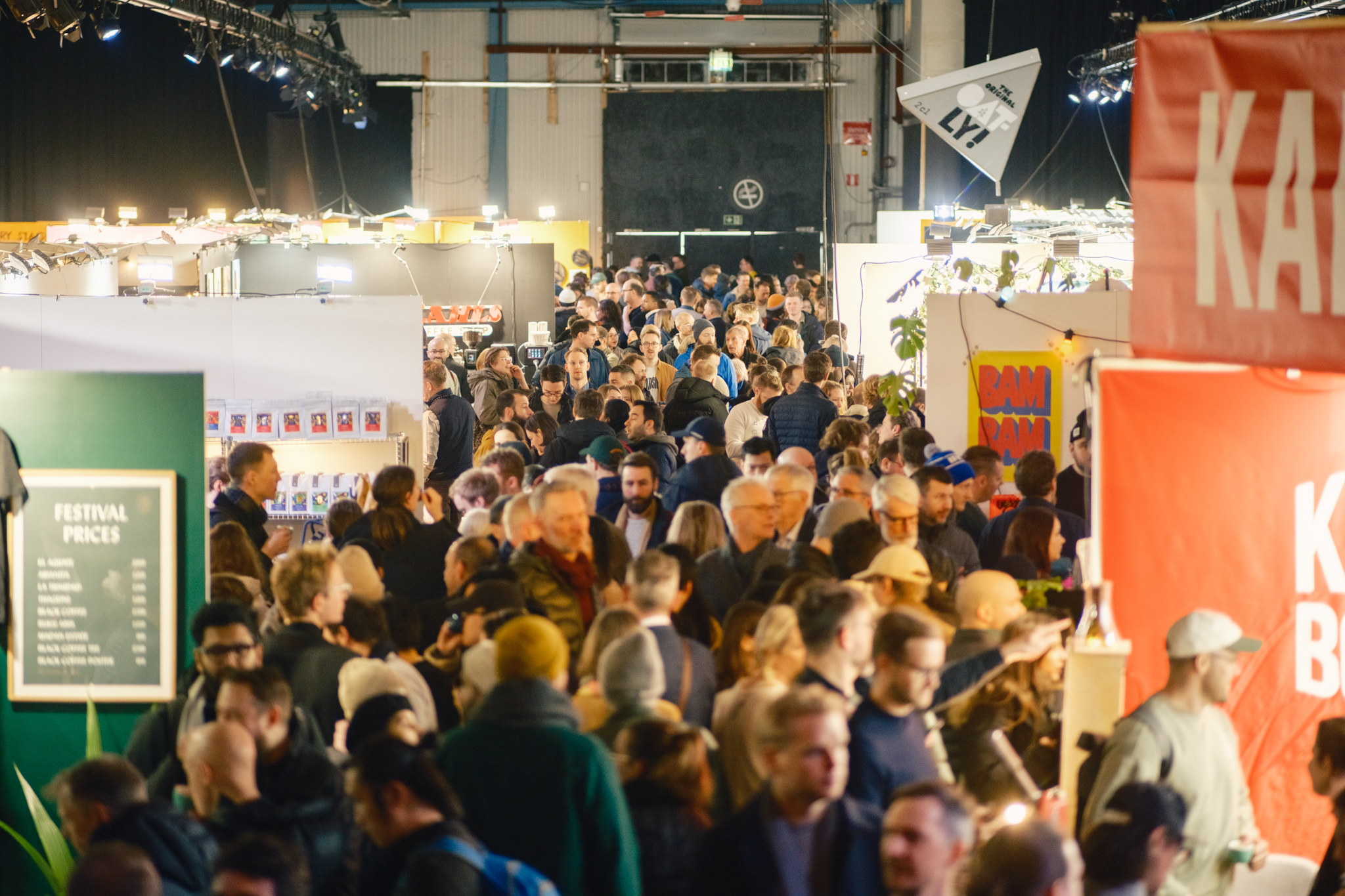
The Nordic Coffee Fest is set to return to Bananpiren in Gothenburg from February 28 to March 1, marking its largest and most ambitious edition to date. This year, the festival has expanded by a massive 50 percent compared to previous years, expected to attract between 4,000 and 5,000 visitors, solidifying its position as the premier meeting place for specialty coffee in the Nordic region.

YOU MAY LIKE: Nordic Coffee Fest 2026 Opens Call for Industry Stage Speakers

The expansion comes at a time of record-breaking interest in coffee culture. According to global search data, “how to make a cappuccino” was the top “how-to” query in Sweden during 2025. As rising coffee prices become a daily conversation for consumers, the festival serves as a vital hub to address these trends—from mastering home brewing to understanding global perspectives on production, pricing, and quality.

  • Global Roaster Showcase: A World-Class Experience

A major highlight of the 2026 edition is the Global Roaster Showcase. The festival is bringing four internationally recognized roasteries from South Korea, India, Colombia, and the USA to Gothenburg. These roasters will feature full-service “pop-up” concepts, allowing visitors to experience world-class coffee exactly as it is served in its country of origin—an experience that would typically require traveling across the globe.

  • The Industry Stage and Barista School: A Program of Excellence

Festival organizers have expressed particular pride in this year’s Industry Stage program. This platform will host deep-dive lectures and discussions featuring renowned profiles from the restaurant and coffee sectors. Topics will range from the evolution of coffee flavors and innovative brewing methods to the complex development of global coffee prices.

For those looking to sharpen their practical skills, the Barista School returns to offer hands-on masterclasses. Regardless of their prior knowledge, visitors can learn the intricacies of espresso, filter brewing, and the delicate art of latte pouring directly from leading experts.

  • Live Competitions and Challenges

The festival’s high-energy atmosphere is further fueled by a series of live competitions, including:

Latte Art Challenge: Where participants compete live on stage in creative milk pouring.

Nordics Best Roaster: A prestigious title awarded to the top roastery in the region.

Public’s Choice: An interactive award where visitors vote for their personal favorite coffee of the festival.

“Hardly a day goes by without someone asking which coffee is actually the best, or how they can make better coffee at home,” says Steve Moloney, founder of the festival and two-time Swedish Barista Champion. “Nordic Coffee Fest is for everyone who’s curious and wants to learn more—directly from some of the world’s leading experts.”

COFFEE vs. TEA: A Funny Anecdote from Sweden

The Swedish “Clinical Trial” Myth: Coffee vs. Tea. And the Winner Is…

By Ennio Cantergiani

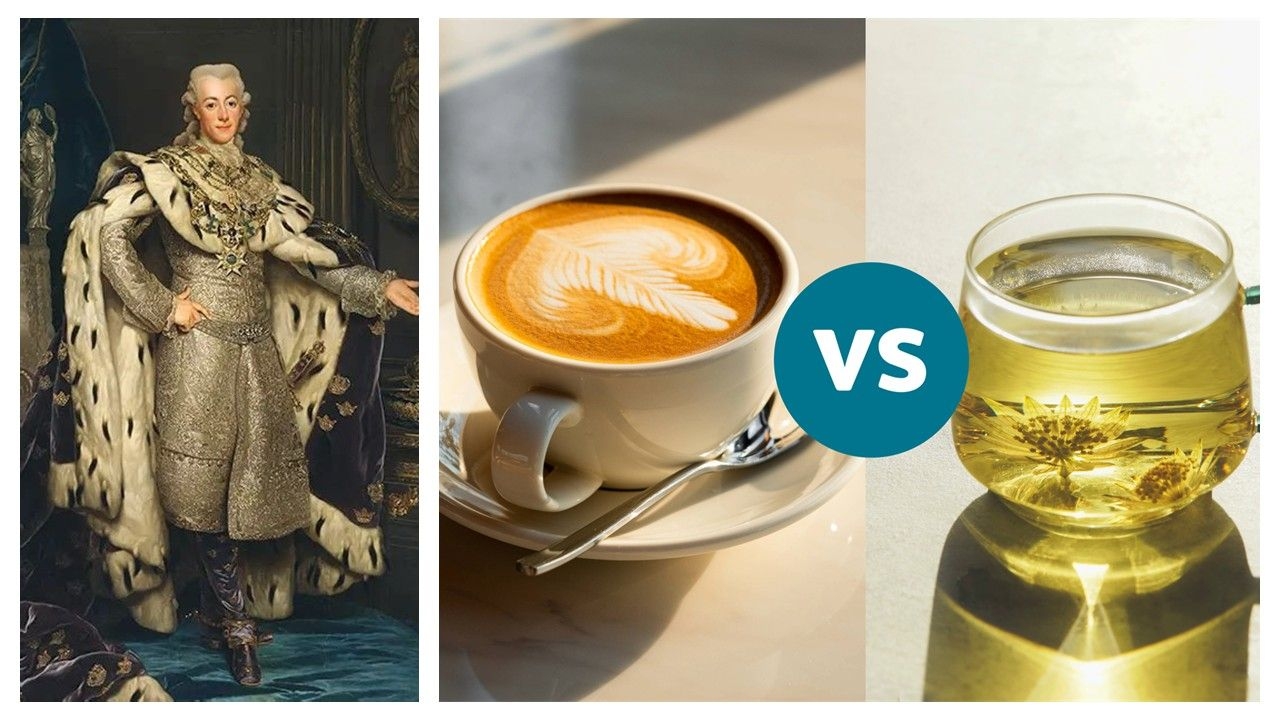
Legend has it that King Gustav III of Sweden (reigned 1771–1792) wanted to prove that coffee was harmful. According to the tale, he allegedly took two condemned identical twins, commuted their death sentences, and subjected them to a “scientific” experiment using extreme doses:

Twin A: three pots of coffee per day

Twin B: three pots of tea per day

Two physicians supposedly supervised the experiment and reported the results to the king. Ironically, the tea twin died first—at age 83 (!). Meanwhile, the king was assassinated before seeing the final outcome, and so coffee was declared the “winner.”

That’s the meme. But here’s the uncomfortable truth: the documentation is thin to nonexistent.

  • The Historical Context

Sweden did have multiple periods of coffee restriction and prohibition. Coffee was considered a luxury import and a potential moral and economic threat. Enforcement created a lively underground coffee culture, with Stockholm police records documenting hundreds of cases involving illegal coffee selling, preparation, and consumption.

And yes, Gustav III is a real, well-documented historical figure.

But the specifics of the twin experiment raise many red flags:

No names of the twins

No prison identified

No surviving protocol

No contemporary debate traceable

It’s unusual for such a sensational “first clinical trial” to leave no trace. Even Uppsala University treats the story as unproven, explicitly noting:

“The truth of the story has not been proven.”

COFFEE vs. TEA: A Funny Anecdote from Sweden

  • Where the Story Likely Came From

The oldest description historians have located is not from the 18th century at all—it appeared in 1937, in Science News, via a claim that a museum curator found the experiment in 18th-century records.

This suggests that the story may be a 20th-century packaging of older anti-coffee sentiment, rather than a genuinely documented 18th-century experiment.

Yet, the anecdote is frequently retold in medical-history literature, often without primary evidence. Secondary sources can give the illusion of historical certainty, even when the original records are missing.

  • Why the Myth Persists

The tale is irresistibly viral:

It dramatizes moral panic around coffee

It has a deliciously ironic twist: tea loses

It includes story candy: assassination, doctors, royal hubris

It flatters modern coffee lovers: “coffee was right all along”

All while piggybacking on a kernel of truth: Sweden really did restrict coffee and police its consumption.

Bottom line: The twin experiment is almost certainly a myth—but it’s a charming, cautionary story that shows how coffee culture, historical myth, and human imagination blend into one unforgettable anecdote.

Swedes’ Passion for Coffee Tops the List of Amazon Deforestation Drivers

Dubai – Qahwa World

A new study shows that everyday purchasing habits in Europe directly influence the state of Brazil’s tropical forests, and in Sweden, coffee stands out as the main contributor. The country’s strong appetite for coffee has a larger impact on Amazon deforestation than its consumption of beef or soy.

Researchers from Chalmers University of Technology, the Stockholm Environment Institute and WWF produced an extensive analysis combining satellite imagery, agricultural output data and global consumption models. Their assessment provides one of the most detailed views to date of how consumer choices affect forest loss in the Amazon.

On the global level, cattle farming remains the primary force driving the destruction of Amazon forests, with pastures still expanding by around 1.4 million hectares every year. Degraded pastures are often converted into cropland instead of being restored. Soy production follows as another major cause, with 8.6 million hectares of forest lost between 2018 and 2022 due to beef and soy cultivation. Other crops competing for tropical forest land include rice, sorghum, palm oil, cocoa and coffee.

When researchers examined Sweden specifically, they found that coffee consumption had a greater impact on Amazon deforestation than the country’s consumption of beef or soy. In 2022 alone, Swedish coffee demand was linked to the loss of around 331 hectares of forest — the equivalent of 463 football fields. One of the authors explained that global discussions often highlight soy and livestock production, leaving the role of coffee less recognized.

Sweden ranks among the highest coffee-consuming nations in Europe, with an average of 12.3 kilograms per person per year. Several countries — including Lithuania, Estonia and Luxembourg — consume even more.

The study also found that the environmental impact varies significantly depending on the origin of the coffee beans. The European Union’s Deforestation Regulation (EUDR), intended to restrict products tied to forest destruction, was scheduled to take effect on 30 December 2025. However, the European Parliament decided to postpone its implementation by one year. A German MEP stressed that Europe’s demand for coffee, cocoa, beef and similar goods results in roughly 100 trees being cut or burned every minute and called for the regulation to be applied as soon as possible.