Arabica Coffee Prices Drop on Outlook for Large Brazilian Harvest

Dubai – Qahwa Word

Arabica coffee futures fell to a two-week low on Thursday, weighed down by growing expectations of a bumper crop in Brazil. These developments have had a significant impact on arabica coffee prices, especially given Brazil’s bumper crop forecasts. Meanwhile, robusta prices edged higher. In fact, arabica coffee prices may fluctuate in response to Brazil bumper crop news.

July arabica coffee (KCN26) settled down 10.60 points, or 3.73%, while July ICE robusta coffee (RMN26) gained 19 points (+0.56%).

Brazilian Production Forecasts Weigh on Prices
Several recent projections point to a significantly larger Brazilian coffee harvest in 2026/27, putting pressure on arabica markets. Notably, arabica coffee prices are closely tied to Brazil bumper crop expectations, making these forecasts crucial for analysts.

  • The Coffee Trading Academy estimated last Thursday that Brazil’s 2026/27 crop could rise 12% from the previous year to 71.4 million bags. Moreover, fluctuations in arabica coffee prices strongly reflect Brazil’s bumper crop predictions.

  • On March 19, Marex Group Plc projected a record 75.9 million bags, slightly above Sucafina’s forecast of 75.4 million bags (a 15.5% year‑on‑year increase).

  • StoneX raised its estimate for Brazil’s 2026/27 production to a record 75.3 million bags on March 12, up from a November forecast of 70.7 million bags. This kind of Brazil bumper crop forecast is a key driver for arabica coffee prices.

StoneX also predicted that the global coffee surplus in 2026 would grow to 10 million bags, up from 1.8 million bags in 2025 – the largest surplus in six years. As a result, arabica coffee prices, Brazil, and bumper crop numbers remain intertwined topics for market participants.

Vietnam’s Strong Exports Pressure Robusta
Robusta prices face headwinds from surging Vietnamese shipments. Vietnam’s National Statistics Office reported on Saturday that the country’s coffee exports from January to April 2026 rose 15.8% year‑on‑year to 810,000 metric tons. For the full year 2025, Vietnamese exports jumped 17.5% to 1.58 million metric tons. Additionally, Vietnam’s 2025/26 coffee production is expected to climb 6% year‑on‑year to a four‑year high of 1.76 million metric tons (29.4 million bags).

Strait of Hormuz Closure Creates Supply Concerns
The ongoing shutdown of the Strait of Hormuz has disrupted global coffee supply chains, supporting prices broadly. Higher shipping rates, insurance premiums, and increased costs for fertilizer and fuel have tightened available supplies, raising expenses for coffee importers and roasters. All these factors can indirectly affect arabica coffee prices, especially if Brazil expects another bumper crop.

Tight Inventories and Lower Brazilian Exports Provide Support
Signs of limited immediate supplies are also underpinning the market:

  • ICE arabica coffee inventories dropped to a 2.5‑month low of 483,292 bags on Thursday. This reduction coincides with a growing focus on Brazil bumper crop forecasts and arabica coffee prices.

  • ICE robusta inventories hit a 16.25‑month low of 3,755 lots last Tuesday.

Brazil’s export figures have also trended lower. On April 14, Cecafe reported that Brazil’s green coffee exports in March fell 10% year‑on‑year to 2.65 million bags. Earlier, on April 7, the country’s Trade Ministry noted that total March coffee exports declined 31% year‑on‑year to 151,000 metric tons. Therefore, arabica coffee prices in Brazil remain sensitive to both export volumes and bumper crop projections. It’s worth noting that Brazil’s bumper crop continues to make arabica coffee prices extremely volatile.

Global Export and Production Outlook
On November 7, the International Coffee Organization (ICO) said global coffee exports for the current marketing year (October to September) slipped 0.3% year‑on‑year to 138.658 million bags.

Looking further ahead, the USDA’s Foreign Agriculture Service (FAS) projected in its December 18 biannual report that world coffee production in 2025/26 would rise 2.0% year‑on‑year to a record 178.848 million bags. Within that total, arabica production is forecast to decline 4.7% to 95.515 million bags, while robusta production is expected to increase 10.9% to 83.333 million bags. The global market continues to monitor arabica coffee prices, Brazil, and potential bumper crop impacts for the coming years.

For Brazil, the FAS sees 2025/26 production falling 3.1% to 63 million bags, while Vietnam’s output is projected to grow 6.2% to a four‑year high of 30.8 million bags. Ending stocks for 2025/26 are forecast to decrease 5.4% to 20.148 million bags, down from 21.307 million bags in 2024/25. In summary, arabica coffee prices, Brazil, and the bumper crop outlook will remain central themes for the global coffee market throughout 2026.


Yannis Apostolopoulos: Rising Coffee Consumption Reshapes Global Market Dynamics

Bangkok – Qahwa World

Chief Executive of the Specialty Coffee Association, Yannis Apostolopoulos, told the Bangkok Post that the global coffee market is undergoing a structural transformation, as coffee-producing countries are no longer limited to exporting but are also emerging as major consumption markets, reshaping global demand dynamics.

He noted that this shift is clearly visible in countries such as Brazil, which combines its position as one of the world’s largest coffee producers with being one of the fastest-growing consumption markets. Brazil currently ranks just after the United States in coffee consumption, with expectations that it could eventually become the world’s largest coffee-consuming nation, significantly influencing global supply and demand balance.

Apostolopoulos also highlighted the rapid growth of Thailand’s coffee market, both in terms of consumption and service quality development. He pointed to the expansion of specialty coffee shops and rising consumer awareness, alongside the emergence of local producers delivering high-quality coffee with distinctive sensory profiles. He added that Thailand’s development trajectory resembles the earlier evolution of South Korea’s coffee culture.

Regarding the concept of specialty coffee, he explained that it involves transforming coffee from a traditional commodity into a value-based product that can be measured through precise criteria. These include origin, variety, processing method, and sensory characteristics, all of which enhance transparency and increase market value.

He further noted that the sector is supported by global training programmes reaching around 80,000 participants annually, covering brewing, roasting, and sensory skills, as well as specialised programmes in sustainability, equipment maintenance, and coffee shop management. New initiatives have also been launched to support the retail sector and entrepreneurs.

Commenting on rising global coffee prices, Apostolopoulos said the increase is driven by multiple factors, including climate change, production disruptions, and imbalances between supply and demand. He stressed that current prices more accurately reflect market realities compared to previous years, particularly as past prices had fallen below production costs before climate pressures, supply chain disruptions, and the Covid-19 pandemic significantly altered the market.

The remarks come as World of Coffee Bangkok 2026 is being held at BITEC, Halls 98–99, from Thursday to Saturday, bringing together global stakeholders from across the coffee industry in a professional platform aimed at strengthening trade, partnerships, and the development of the specialty coffee sector.

European Commission Expands EUDR Scope to Include Soluble Coffee

Dubai – Qahwa World

The European Commission has unveiled a new package of measures aimed at simplifying the implementation of the EU Deforestation Regulation (EUDR), while also expanding the regulation to include soluble coffee.

The announcement brings greater clarity to a regulation that has faced repeated delays since it was first proposed in 2021. The EUDR officially entered into force in 2023 and was initially scheduled to apply by the end of 2024. However, concerns from industries and producing countries over preparedness and compliance requirements led to multiple postponements.

The Commission now says it is focused on ensuring the regulation becomes fully operational by 30 December 2026.

As part of the latest revisions, EU officials estimate the simplification measures could lower annual compliance and administrative costs for affected companies by approximately 75 per cent compared with the original framework.

For the coffee sector, one of the most significant developments is the decision to add soluble coffee to the regulation’s scope. Industry representatives believe the move will create more consistent rules across coffee categories and strengthen fair competition within the European market.

Eileen Gordon-Laity, Secretary General of the European Coffee Federation, said the inclusion of soluble coffee would support equal treatment across the sector while reinforcing the environmental objectives of the regulation. She noted that aligned requirements are important for companies preparing for compliance ahead of the implementation deadline.

The updated package also includes changes to the EUDR digital system, with simplified paperwork requirements for smaller producers such as farmers and foresters.

Meanwhile, companies placing products on the market for the first time, including coffee roasters and major importers, will continue to face full due diligence obligations. Businesses further down the supply chain will mainly be responsible for collecting supplier reference numbers rather than independently verifying compliance.

The Commission also proposed removing leather and retreaded tyres from the regulation’s scope. Certain packaging materials, waste products, and product samples would also receive exemptions. In addition, several palm oil derivatives are expected to be added alongside soluble coffee.

Environmental groups have called on the European Union to avoid further delays in implementing the law. Anke Schulmeister-Oldenhove from WWF’s European Policy Office said the regulation must now move from discussion to action, warning that continued postponements could weaken both enforcement efforts and environmental credibility.

The draft Delegated Act is open for public feedback until 1 June 2026.


China Pushes Taiwan Off Coffee’s Global Stage

Dubai – Qahwa World

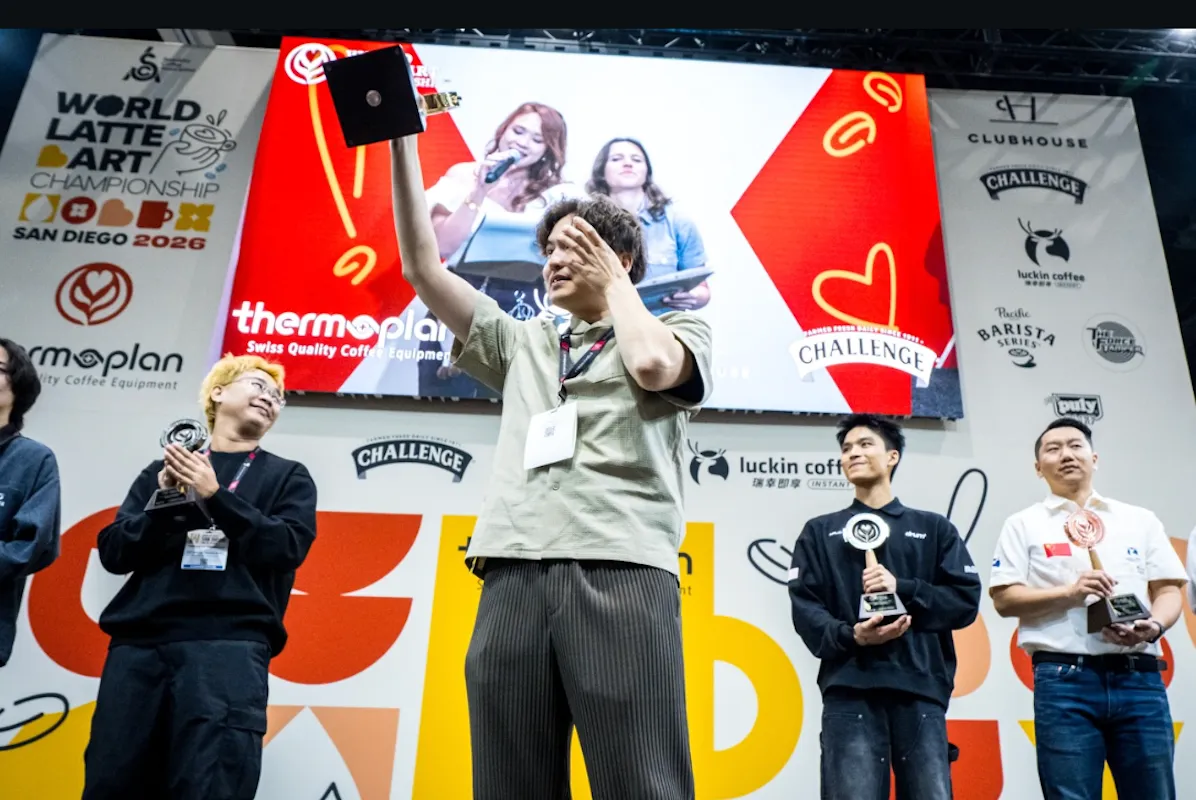
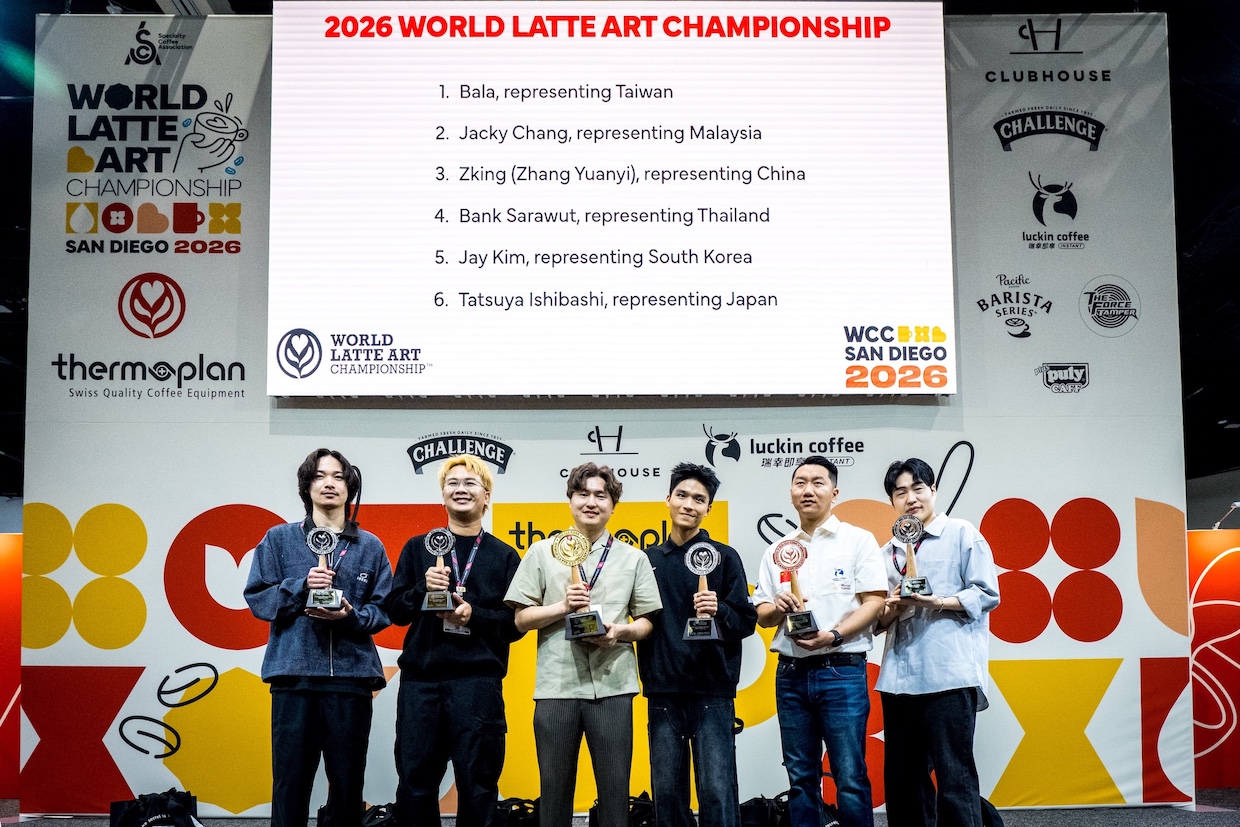
A quiet change in the records of the World Coffee Championships has sparked controversy across the specialty coffee industry after “Taiwan” was replaced with “Chinese Taipei” in the official listing of the 2026 World Latte Art Champion.

The change came days after Taiwanese barista Bala claimed victory at the World Latte Art Championship held in San Diego, earning 531 points with intricate latte creations featuring animals including a raccoon, giraffe and red pandas.

According to Asia Times, the original championship announcement identified Bala as representing Taiwan. About a week later, however, the World Coffee Championships records were quietly updated to list him under “Chinese Taipei,” without any public explanation from the organizers.

The report also noted that historical ranking PDFs previously available on the competition’s website were later removed, raising concerns among observers about the erasure of past national representations in coffee competitions.

While the change may appear minor, critics say it reflects the growing reach of geopolitical pressure into global cultural and professional industries — including specialty coffee. The incident has also renewed debate over how international private organizations respond when caught between political sensitivities and claims of neutrality.

Taiwan’s specialty coffee community has spent nearly two decades building its reputation on the world stage. Since first appearing in the World Barista Championship in 2007, Taiwanese competitors have secured multiple international titles across brewing, roasting, tasting and latte art competitions.

Bala’s 2026 victory marked the latest achievement in a long line of Taiwanese successes that helped establish the island as one of Asia’s leading forces in specialty coffee.


Iran War Drives Up Coffee Production Costs and Threatens Future Supply

Dubai – Qahwa World

The ongoing war involving Iran is increasing production costs in the global coffee sector, mainly due to rising fertilizer prices. These higher costs are raising concern among producers, analysts, and financial institutions about future supply and added pressure on smallholder farmers.

Recent industry assessments indicate that the current harvest cycle is mostly secure because key inputs have already been applied. However, the bigger risk is for the 2026/27 season if disruptions continue.

The situation is closely linked to instability in energy and fertilizer markets. The conflict has disrupted trade routes such as the Strait of Hormuz, an important passage for oil, gas, and agricultural inputs. This has contributed to higher global prices for fuel and fertilizers, both essential for coffee farming.

Fertilizer markets are under strain. Prices for key inputs like urea have increased significantly since the conflict began. Because fertilizer production depends heavily on natural gas, rising energy costs are making the situation worse.

For coffee farmers, especially smallholders, these increases are serious. Fertilizer represents a large part of production costs, and many farmers do not have strong financial protection against price swings. This directly affects their profitability.

In major coffee-producing countries, many growers rely on imported inputs, which makes them vulnerable to global supply shocks. At the same time, they are also dealing with currency changes, climate pressures, and labor shortages.

If the conflict continues to disrupt supply chains and energy markets, coffee production costs may keep rising, which could affect future harvest levels and global coffee supply.

Brazil’s Coffee Market Growth: How Domestic Consumption Strengthens the Industry

Dubai – Qahwa World
Brazil continues to lead the global coffee industry, not only as the largest producer but also as one of the biggest consumers. This balance between production and domestic demand has created a resilient coffee sector that can adapt to global market shifts.

Key Insights

  • Brazil is a top global coffee producer and consumer.
  • Specialty coffee accounts for approximately 5–10% of the domestic market.
  • Urban demand is driving growth in premium and traceable coffee.
  • Strong local consumption helps offset export market risks.

Brazil’s Coffee Production and Domestic Demand

Brazil’s coffee production continues to expand, with forecasts pointing to record output in the coming seasons. At the same time, domestic consumption remains strong, supporting the industry from within.

Coffee is deeply embedded in Brazilian culture, consumed daily across all regions and social groups. This widespread consumption provides stability, even during periods of global trade uncertainty.

In recent years, specialty coffee has emerged as a fast-growing segment. More consumers are seeking higher-quality beans, better traceability, and unique flavour profiles, contributing to a shift in purchasing behaviour.

The Historical Roots of Coffee Culture in Brazil

Coffee has been part of Brazil’s identity for centuries. Since its introduction in the 18th century, cultivation has expanded across major regions such as Minas Gerais, São Paulo, and Rio de Janeiro.

As Brazil became a dominant force in global coffee production, it also developed a strong domestic coffee tradition. One of the most iconic examples is cafezinho, a small, sweetened coffee that remains a staple of daily life.

Historically, higher-quality beans were exported, while domestic consumption focused on darker roasts. However, industry efforts in the early 2000s helped improve quality awareness among consumers, encouraging a more refined approach to coffee drinking.

The Rise of Specialty Coffee in Brazil

Brazil’s specialty coffee sector has grown steadily over the past two decades. Industry initiatives, competitions, and educational programs have encouraged producers to prioritise quality alongside volume.

Consumers are now more interested in origin, processing methods, and sensory characteristics. This shift is particularly evident in major cities, where independent cafés and roasters are shaping modern coffee culture.

While traditional brewing methods remain popular, espresso-based drinks and manual brewing techniques such as pour-over are becoming more common in homes and cafés.

Balancing Volume and Quality

Brazil’s strength lies in its ability to produce coffee at scale while improving quality standards. Many producers are expanding their roles, investing in technology, and developing new strategies to differentiate their products.

A strong domestic market supports these efforts by creating opportunities to sell higher-value coffee locally, increasing profitability and reducing reliance on exports.

Responding to Global Market Challenges

Global trade disruptions have highlighted the importance of domestic consumption. In recent years, uncertainty in export markets has encouraged Brazilian producers to diversify their strategies.

Some are focusing more on local sales, strengthening internal supply chains and supporting long-term industry stability.

Future Outlook for Brazil’s Coffee Industry

Brazil’s coffee sector remains one of the most advanced and adaptable in the world. Its combination of large-scale production, strong domestic consumption, and a growing specialty segment positions it for continued success.

As other coffee-producing countries aim to expand their domestic markets, Brazil provides a clear example of how internal demand can support sustainable growth.

Related stories:

Brazil’s Coffee Reality: When Climate Pressure Collides With Market Demand

Brazil Breeds New Coffee to Face Climate Threat

Brazil’s Robusta Coffee Expands as Climate Hits Global Crops


Colombia Mitaca Harvest: Quality Up, Volume Slightly Down

BOGOTÁ – Qahwa World

According to an update published today on the Sucafina website, Colombia’s mid-year Mitaca (fly crop) harvest is showing strong quality expectations despite a forecasted volume decline of roughly 4.5% compared to last year’s Mitaca. There is considerable industry interest in the Colombia Mitaca harvest 2026 due to these changes in projected volumes and expected quality.

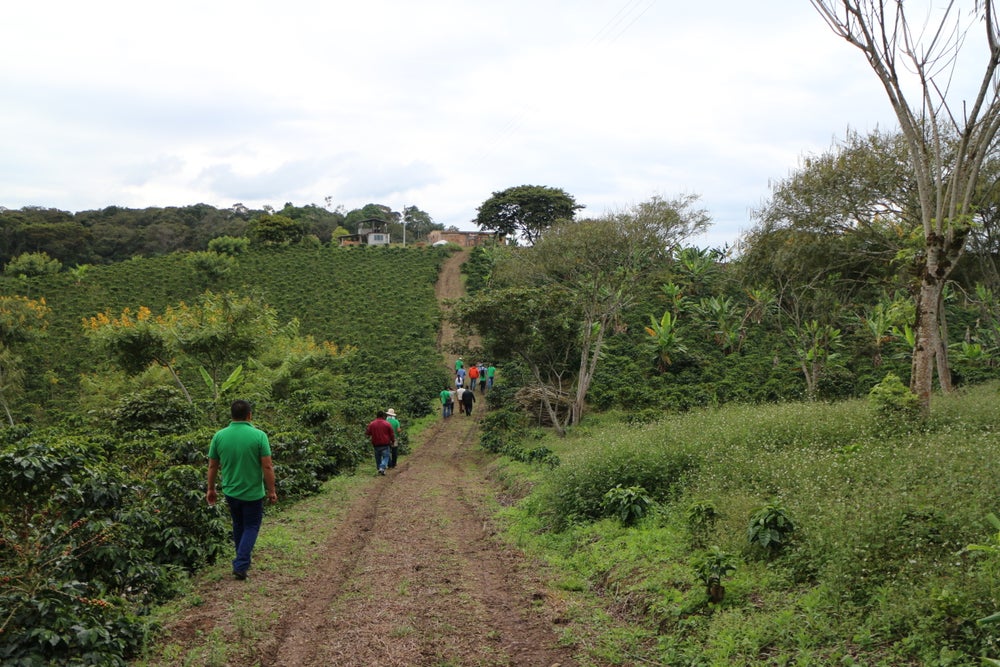
The report, based on field observations from Oscar Fernando Hurtado, Global Head of Production Research, and Sara Ocampo, Sustainability Manager for CAMP & Colombia, indicates that harvesting began in mid-April following normal seasonal patterns. Interestingly, the Colombia 2026 Mitaca harvest will have its peak at lower-altitude farms between May and June, while higher zones follow in June and July. The harvest is expected to wrap up by mid-September.

Quality a Bright Spot

Favorable weather through Q1 2026 supported even cherry development, and coffee borer attacks remain below average. As for the Colombia Mitaca harvest in 2026, improved fertilization practices and farmer investments have also contributed to healthier field conditions. The main constraint is volume, as off‑cycle conditions and a wetter‑than‑usual main flowering period reduced production expectations.

Sustainability Progress

Sucafina also reported that two new Huila-based suppliers – Comercializadora de Café D&Y Coffee and Comercializadora de Café Mora – will begin IMPACT verification in July. Currently, 20,266 farmers across Colombia hold active IMPACT Verification. This process is slated to align closely with best environmental practices during the Mitaca harvest season in 2026.

On deforestation, 36,268 farm polygons have been submitted for assessment, supporting EUDR compliance. Initial carbon footprint measurements across transport, milling, and warehousing have been completed, and pilots on biochar production with partner Cotierra are in early stages. Notably, these initiatives support sustainability throughout the Colombia Mitaca harvest of 2026.

  • Related stories :

Historic Colombian Coffee Harvests Face Labour Shortages

Colombia Records Its Best Coffee Harvest in Over 30 Years

FIX Dessert Chocolatier Launches “Messages from the UAE” at Kite Beach

Community installation invites residents to share messages of kindness and positivity in collaboration with Careem

Dubai, UAE – Qahwa World

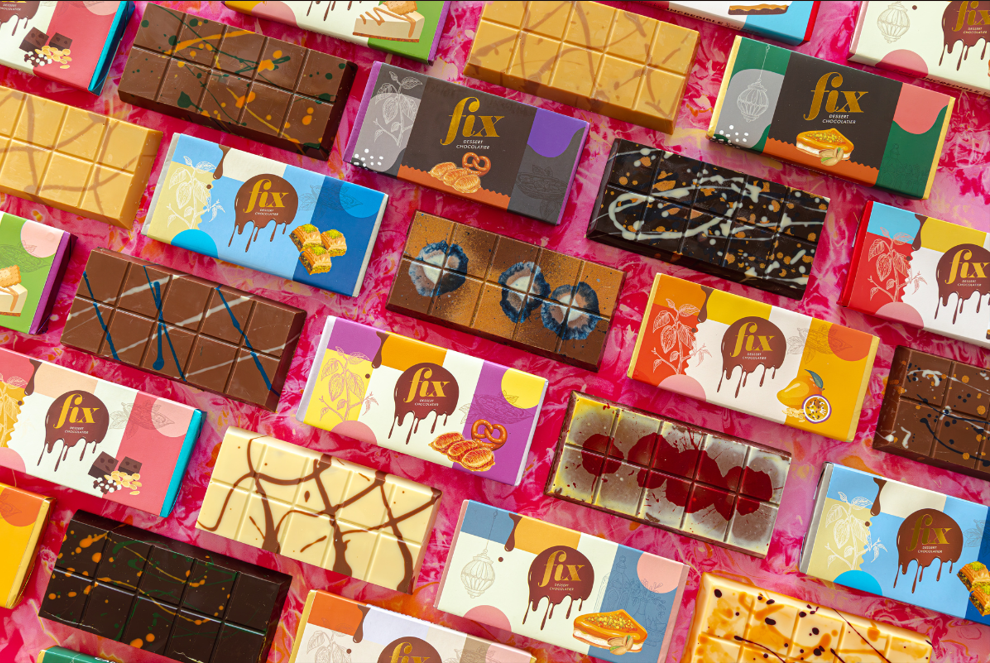
FIX Dessert Chocolatier, the home-grown brand behind “The Original Dubai Chocolate,” will host a two-day interactive community installation at Kite Beach on 9–10 May, encouraging residents to share personal messages of kindness, unity, and positivity.

In partnership with Careem, the activation will run daily from 4pm to 12am and centres around a large-scale digital “FIX Hero Box.” Visitors will be invited to contribute messages via tablets, which will form a live word cloud displayed as part of the installation.

The messages collected over the two days will later be curated into artwork and transformed into a limited-edition FIX Hero Box, scheduled for release later this year.

The event will also feature the distribution of more than 5,000 goodie bags containing products and vouchers from UAE-based home-grown brands, including Careem, Humantra, Parker’s, BRED, Karen Wazen, Salt, Bake My Day, Public, Somewhere, Kumo, Shalwa, The Reborn Society, The Scent Library, Polished, House of Habanero, and Fracs, along with additional surprises from FIX.

Sarah Hamouda, Co-Founder of FIX Dessert Chocolatier, said the initiative was inspired by simple acts of human connection and aimed to create a shared space for reflection and community participation. She also highlighted the UAE’s role in supporting local brands and creative initiatives.

The installation will update in real time throughout the weekend, turning visitor contributions into a live visual artwork at Kite Beach. The final collection of messages will later be featured in a limited-edition product distributed through Careem and at Dubai International Airport (DXB).

The installation opens to the public on Saturday, 9 May at 4pm.

  • Related stories:

Coffee Break Dubai: Government Confidence, Market Shifts, and Hard Truths Facing the Coffee Industry

Mokha 1450 Immersive Coffee Experience Redefines Tasting in Dubai

Dubai Technicians Competition 2026 Returns for 2nd Edition

Yango Group Robots to Serve Coffee at Soil Café in Dubai

The Coffee That Was Never as “Robust” as Its Name Promised

By: Dr. Steffen Schwarz, Coffee Consulate

There is a word in coffee that has done more damage than most people realise. It is short, convenient, commercially familiar, and scientifically careless. The Coffea canephora Robusta myth is a prime example of how a term can become misleading in the world of coffee.

For decades, the global coffee industry has used the name “Robusta” as if it described a species, a flavour profile, a production system, a price category, and a climate promise all at once. It is a compression of botany into marketing. Like many convenient mistakes, it has quietly shaped how people think.

“Robusta” is not just a name. It is a mindset that has shaped how the industry underestimates Coffea canephora.

Say the word often enough and the assumption follows. Canephora must be robust. Tougher. Simpler. Less fragile. Less complex. Less deserving of precision. Less worthy of sensory ambition. Less in need of science.

But Coffea canephora is not a slogan. It is a species with deep genetic history, regional diversity, ecological vulnerability, breeding potential, and a future that may become central to the survival of coffee as we know it.

The false name has made the industry lazy. Worse, it has made the industry dangerously confident.

When Language Meets Climate Reality

The irony is difficult to ignore. At the moment coffee is entering one of the most unstable climatic periods in its cultivated history, the species most often described as “robust” is revealing how misleading that label can be.

Canephora can be productive. It can be vigorous. It can tolerate conditions under which many Arabica systems struggle. Yet drought does not read marketing language. Heat stress does not respect trade vocabulary.

Climate does not respond to terminology. Drought and heat expose biological reality, not branding.

Across Africa, Asia, and Latin America, the real question is no longer whether Canephora sounds strong. It is whether the right genetics, farming systems, nursery practices, disease resistance, root architecture, flowering behaviour, pollination compatibility, and processing ambitions can be brought together fast enough to make the crop resilient in the world that is arriving.

A Species of Diversity, Not Simplicity

Coffea canephora is not a single blunt instrument. It is a complex diploid species, largely outcrossing, genetically diverse, and historically rooted in the tropical forests of Central and West Africa.

Its major genetic groups, often described as Congolese and Guinean, express very different traits. Growth habit, caffeine content, bean weight, drought response, disease resistance, maturation timing, and agronomic behaviour vary across the species. The Brazilian conilon group adds further complexity, shaped by hybridisation and farmer selection.

This diversity is not a complication. It is the foundation of Canephora’s future.

The future of Canephora will not be built from a single type, but from its genetic diversity.

Progress depends on understanding which genetic resources carry the traits that matter, where they perform best, under which production systems, and for which market demands.

The Cost of Assumptions

The problem with calling a species “robust” is not linguistic. It is strategic.

It encourages underinvestment in fragility. It replaces measurement with assumption. It links lower market prices with lower intellectual attention.

Climate change is now exposing the cost of that mindset.

Assumed resilience is one of the most dangerous risks in a climate-unstable future.

Prolonged drought, higher temperatures, irregular flowering, shifting pest pressure, and changing disease dynamics cannot be addressed with outdated assumptions. They require precision.

Climate Stress Is Not Singular

Drought is perhaps the clearest example. Canephora does not simply tolerate dry conditions without consequence.

Water deficit reduces photosynthesis, increases oxidative stress, and disrupts flowering and fruit development. When combined with heat, the effects intensify.

In Uganda, prolonged drought and high temperatures have been linked with increased vulnerability to black coffee twig borer and Coffee Wilt Disease. In Asia and Brazil, drought stress and elevated soil temperatures increase the impact of root knot nematodes.

Climate stress rarely acts alone. It weakens plants, favours opportunistic pests and pathogens, and turns manageable challenges into systemic risks.

Coffee Wilt Disease and the Limits of Rhetoric

Coffee Wilt Disease remains one of the most powerful reminders that Canephora’s future cannot be secured through language alone.

Resilience is not a label. It is a result of science, systems, and execution.

Caused by Fusarium xylarioides, the disease devastated production in Uganda in the 1990s and early 2000s. Nearly half of the country’s Canephora trees were lost, with economic damage estimated at around 100 million US dollars.

This was not theoretical. It was a national agricultural crisis.

Uganda’s response was significant. Research institutions developed and released ten Coffee Wilt Disease resistant KR varieties. It was a major achievement in applied breeding.

But resistance alone does not solve the problem.

The Nursery Bottleneck

Canephora’s biology complicates propagation. As an outcrossing species, seed propagation produces variability. Seedlings do not reliably retain the characteristics of the parent plant.

For disease resistance, uniformity, and quality, clonal propagation becomes essential.

This shifts attention to nurseries, where the success or failure of breeding programmes is determined in practical terms.

The future of coffee can depend on something as simple as how a mother plant is bent.

A 2025 study examining KR1, KR3, and KR4 varieties demonstrated how simple interventions can transform outcomes. By adjusting the bending angle of mother plants and applying targeted NPK fertilisation, researchers significantly improved suckering performance.

Horizontally bent mother plants produced the strongest results. Fertiliser further enhanced growth. The interaction between variety, plant architecture, and nutrient management proved decisive.

This is not a minor technical detail. It is the logistics of resilience.

Where Science Becomes Operational

Applied coffee science is most powerful when it connects theory with practice.

Breeders may develop resistant genotypes. Pathologists may understand disease mechanisms. Geneticists may map diversity. Yet without effective nursery systems, these advances do not reach farmers.

A horizontally bent mother plant may not appear as significant as genomic innovation, but it can determine how quickly improved material is deployed at scale.

Rethinking Canephora Quality

The long standing perception of Canephora as inherently inferior in cup quality is no longer defensible.

High quality Canephora is not a contradiction. It is a frontier.

Selective breeding for cup potential, improved harvesting practices, better post harvest processing, controlled fermentation, and precise roasting are all necessary.

Canephora does not need to replicate Arabica. It has its own sensory identity, including structure, body, spice, cocoa, nutty profiles, and tactile depth.

A System That Must Work Together

The future of Canephora depends on coordination across the value chain.

Breeders, farmers, nurseries, processors, roasters, researchers, and buyers must operate within aligned systems. Without this, progress remains fragmented.

Why Naming Still Matters

Calling the species Coffea canephora is not a matter of academic correctness.

It is about restoring clarity.

Accurate language drives accurate thinking. Accurate thinking drives better coffee systems.

Accurate thinking drives investment. Investment enables science. Science shapes outcomes in the field.

The Decade Ahead

Canephora is not invincible. It is not inferior.

It is diverse, vulnerable, productive, promising, and still insufficiently understood.

  • Can breeding cycles be shortened without losing rigour?
  • Can resistant varieties be multiplied efficiently?
  • Can quality become a primary breeding objective?
  • Can climate adaptation become proactive rather than reactive?

Conclusion

The coffee industry has spent decades hiding Canephora behind the wrong name.

That era is ending.

Coffea canephora must be understood as it is. A species with its own biology, its own challenges, and its own future.

Its resilience will not be assumed. It will be built through science, precision, and attention.

And that begins with calling it by its proper name.

Coffee Prices Get Support from Brazilian Real Strength

Dubai – Qahwa World

Coffee futures traded sharply higher today. Arabica coffee rose to its highest level in one week. July arabica gained 3.43 percent. July robusta added 1.5 percent.

A major supporting factor is the strength of the Brazilian real. The currency surged to a two and a quarter year high against the US dollar. A stronger real discourages Brazilian coffee farmers from selling their crops overseas, which pushes prices upward.

Additional support comes from the ongoing closure of the Strait of Hormuz. This disruption has raised global shipping rates, insurance costs, fertilizer and fuel expenses. Coffee importers and roasters now face higher costs, tightening global supplies.

On the negative side, expectations of a large Brazilian coffee crop are limiting gains. The Coffee Trading Academy projected last Thursday that Brazil’s 2026/2027 harvest will increase 12 percent year over year to 71.4 million bags.

On March 19, Marex Group Plc forecast a record Brazilian crop of 75.9 million bags for the same season. That surpassed Sucafina’s forecast of 75.4 million bags, which represented a 15.5 percent annual increase. On March 12, StoneX raised its Brazil production estimate to a record 75.3 million bags, up from a November estimate of 70.7 million bags. StoneX also projected the 2026 global coffee surplus would expand to 10 million bags from 1.8 million bags in 2025. That would be the largest surplus in six years.

For robusta coffee, soaring exports from Vietnam are a bearish factor. Vietnam is the world’s largest robusta producer. On Saturday, Vietnam’s National Statistics Office reported that the country’s coffee exports from January to April 2026 rose 15.8 percent year over year to 810,000 metric tons. Vietnam’s 2025 coffee exports jumped 17.5 percent annually to 1.58 million metric tons. In addition, Vietnam’s 2025/2026 coffee production is projected to climb 6 percent year over year to a four year high of 1.76 million metric tons, or 29.4 million bags.

Tightness in arabica supplies is supporting prices. ICE arabica coffee inventories fell to a two and a quarter month low of 494,508 bags on April 21.

Smaller exports from Brazil also help support prices. On April 14, Cecafe reported that Brazil’s March green coffee exports fell 10 percent year over year to 2.65 million bags. On April 7, Brazil’s Trade Ministry reported that March coffee exports fell 31 percent annually to 151,000 metric tons.

Robusta coffee also sees bullish signs from tighter supplies. ICE robusta inventories fell to a sixteen and a quarter month low of 3,755 lots last Tuesday.

As a bearish factor, the International Coffee Organization reported on November 7 that global coffee exports for the current marketing year, which runs October through September, fell 0.3 percent year over year to 138.658 million bags.

The USDA’s Foreign Agriculture Service said in its biannual report on December 18 that world coffee production in 2025/2026 would increase 2.0 percent annually to a record 178.848 million bags. That includes a 4.7 percent decrease in arabica production to 95.515 million bags and a 10.9 percent increase in robusta production to 83.333 million bags. The USDA forecasted that Brazil’s 2025/2026 coffee production would decline 3.1 percent to 63 million bags. Vietnam’s coffee output would rise 6.2 percent to a four year high of 30.8 million bags. The USDA also forecasts that 2025/2026 ending stocks will fall 5.4 percent to 20.148 million bags from 21.307 million bags in 2024/2025.

World Coffee Championships Adopts “Chinese Taipei” Designation for Taiwanese Competitors

Dubai – Qahwa World

The World Coffee Championships (WCC), a global series of seven annual skill-based coffee competitions operated under the Specialty Coffee Association, has updated how it officially designates competitors from Taiwan. This World Coffee Championships Taiwan Chinese Taipei change reflects the new naming convention. Effective April 28, the organization will list Taiwanese competitors under the name “Chinese Taipei,” aligning its terminology with international sporting bodies such as the International Olympic Committee and FIFA.

According to a statement released by the WCC, the change is described as an administrative update that does not affect eligibility, qualification pathways, or the competitive experience of participants. The organization emphasized that competitors will continue to be recognized and celebrated individually for their achievements on the global stage. In fact, this World Coffee Championships Taiwan Chinese Taipei change is presented as a procedural modification rather than a shift in the event’s core values.

The WCC also addressed its broader intent in the announcement, stating that the adjustment was made in line with global naming conventions used in international sport. It further stressed that its commitment to showcasing excellence in coffee and supporting the global specialty coffee community remains unchanged. Importantly, the World Coffee Championships Taiwan Chinese Taipei change aims to ensure consistency across international events.

However, the update has drawn significant attention within the coffee industry and beyond, particularly in Taiwan’s active specialty coffee sector. Taiwanese competitors have participated in WCC events under the “Taiwan” designation since 2007, and the change has been met with concern from parts of the local coffee community. Still, this World Coffee Championships Taiwan Chinese Taipei change has become a significant topic of discussion among industry professionals.

The Taiwan Coffee Association, which organizes WCC-sanctioned events in Taiwan, stated that it did not initiate the change and has historically worked to preserve the “Taiwan” designation in international competitions. The association characterized participation under “Chinese Taipei” as a necessary condition moving forward.

Prominent voices in the coffee community have also expressed unease. Some professionals argue that the change goes beyond administrative labeling and touches deeper issues of identity, representation, and historical recognition within the specialty coffee world.

Coffee professionals, including past WCC champions, have publicly questioned the retroactive application of the naming update across official records and digital platforms. Concerns have been raised about consistency, transparency in decision-making, and how such changes may impact the historical record of competition results.

In Taiwan, the issue has also reached political attention. Lawmakers have called for clarification from relevant authorities, suggesting that the change may warrant diplomatic review given its broader implications beyond the coffee sector.

From a coffee industry perspective, the development highlights an ongoing tension between global standardization and regional identity. The specialty coffee community has long emphasized values such as traceability, origin integrity, and producer recognition—principles that some stakeholders feel intersect with how competitors and producing communities are represented on the world stage. Lastly, the World Coffee Championships Taiwan Chinese Taipei change will likely influence future conversations around producer representation internationally.

At the same time, the WCC maintains that its focus remains unchanged: celebrating skill, craftsmanship, and innovation among baristas, roasters, and coffee professionals worldwide.

As the specialty coffee sector continues to expand globally, this development underscores how even administrative decisions within competition frameworks can resonate far beyond the stage—shaping conversations around identity, governance, and the cultural meaning of coffee itself.

Yango Group Robots to Serve Coffee at Soil Café in Dubai

Dubai – Qahwa World

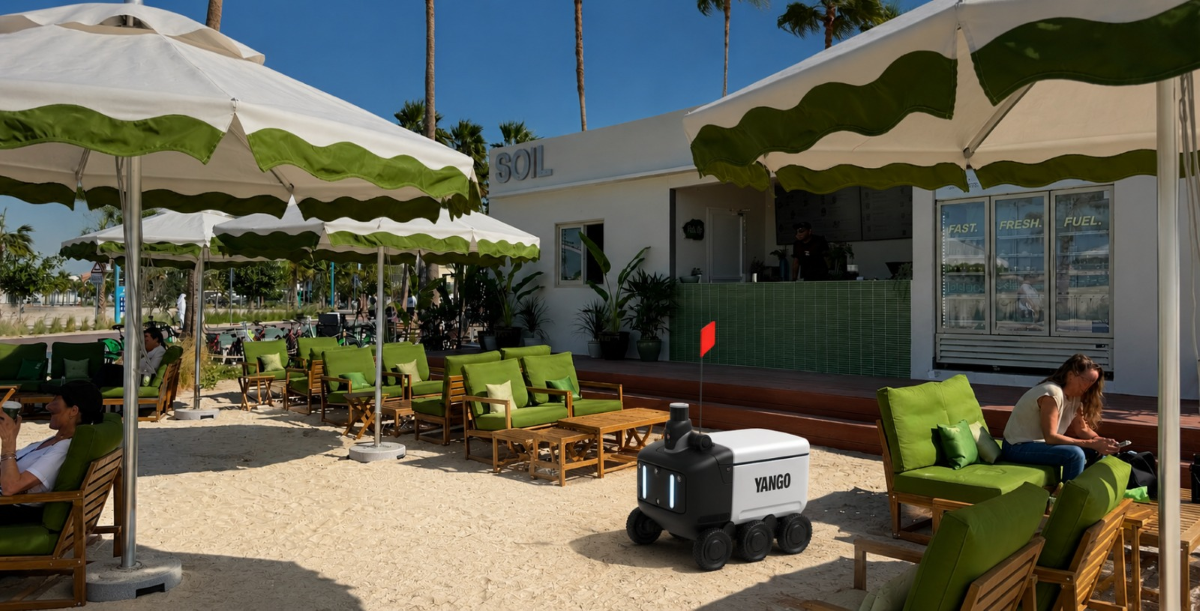
Yango Group robots will deliver coffee to guests at Soil Café on Kite Beach in Dubai from May 8 to 10, bringing the company’s robotics technology into an everyday café setting.

From 3:00 pm to 8:00 pm Yango Group robots will deliver drinks directly to customers, while Yasmina, the company’s AI assistant, will help staff with simple tasks such as answering questions, recommending drinks, and supporting order requests.

The setup is designed to reduce pressure on staff during busy periods and improve service flow, demonstrating how AI and robotics can handle routine interactions while employees focus on higher-value, human-led service. Taking place in a live café environment, the experience also provides a practical demo at how these technologies can be applied across hospitality and retail sectors, where demand for efficiency and scalable service models continues to grow.

Another experiment being conducted by Sweden: Sweden Experiments With a Café Run by an AI Manager

Yango’s delivery robots are already being deployed across urban environments, supporting last-mile logistics and food delivery operations. Designed to navigate sidewalks and pedestrian areas autonomously, they can carry multiple orders, optimize delivery routes, and operate in high-density city settings. In the GCC, Yango Group has partnered with noon to scale autonomous delivery, reflecting growing interest in robotics as a solution to rising demand in e-commerce and food delivery.

Islam Abdul Karim, Regional Head of Yango Group Middle East, said: “Dubai is one of the most dynamic markets globally for testing new technologies, with high customer expectations and a strong appetite for innovation. It’s a natural place to show how AI and robotics can work in real service environments, supporting staff during peak times, improving speed and consistency, and helping businesses manage growing demand. We show how Yango Group technology can help staff to focus on what matters most: customer interaction and experience.

The Soil Café experience forms part of Yango’s broader efforts to develop practical AI solutions across everyday use cases, including mobility, logistics, and customer service.