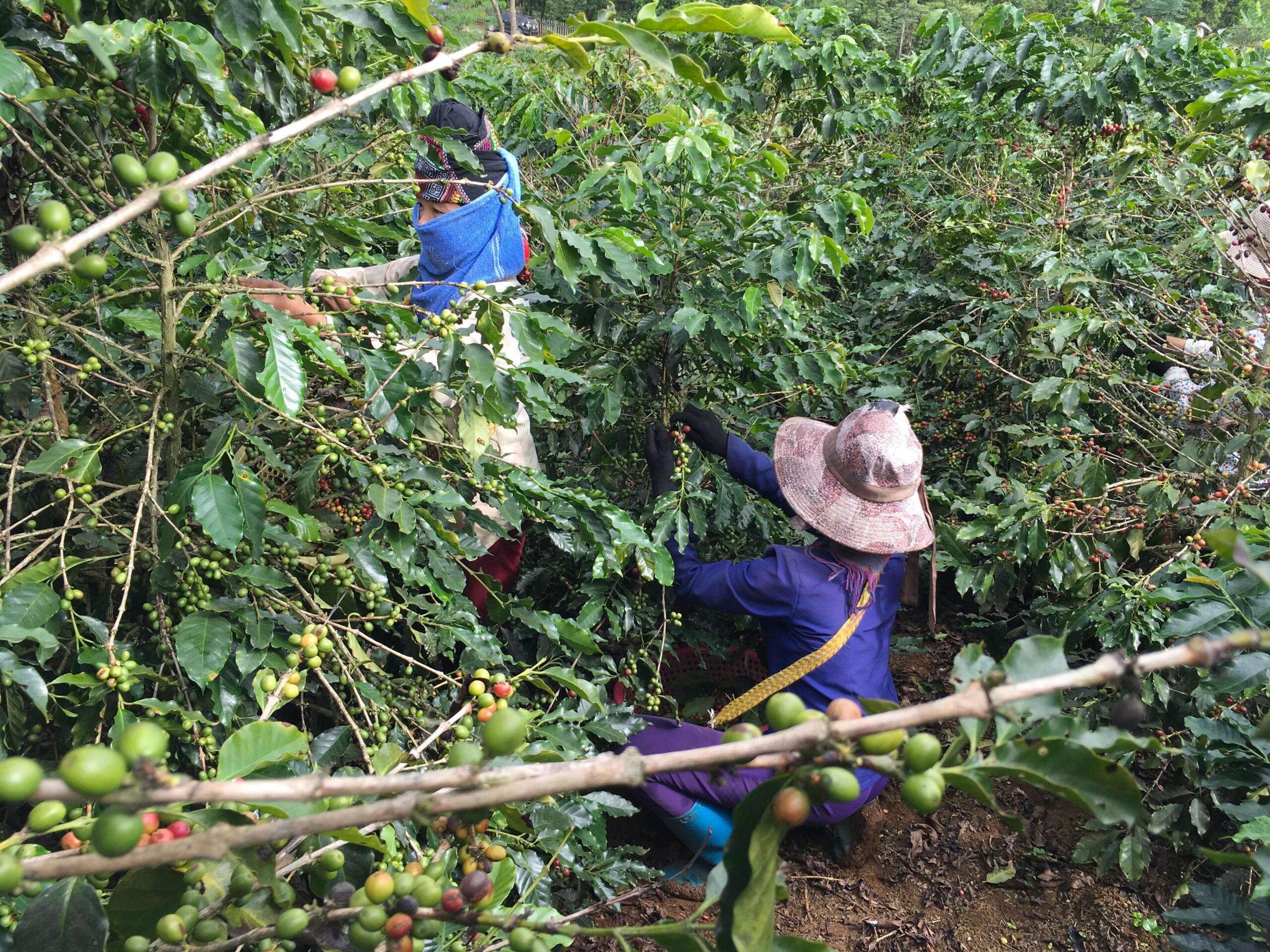
Colombia Mitaca Harvest: Quality Up, Volume Slightly Down

BOGOTÁ – Qahwa World

According to an update published today on the Sucafina website, Colombia’s mid-year Mitaca (fly crop) harvest is showing strong quality expectations despite a forecasted volume decline of roughly 4.5% compared to last year’s Mitaca. There is considerable industry interest in the Colombia Mitaca harvest 2026 due to these changes in projected volumes and expected quality.

The report, based on field observations from Oscar Fernando Hurtado, Global Head of Production Research, and Sara Ocampo, Sustainability Manager for CAMP & Colombia, indicates that harvesting began in mid-April following normal seasonal patterns. Interestingly, the Colombia 2026 Mitaca harvest will have its peak at lower-altitude farms between May and June, while higher zones follow in June and July. The harvest is expected to wrap up by mid-September.

Quality a Bright Spot

Favorable weather through Q1 2026 supported even cherry development, and coffee borer attacks remain below average. As for the Colombia Mitaca harvest in 2026, improved fertilization practices and farmer investments have also contributed to healthier field conditions. The main constraint is volume, as off‑cycle conditions and a wetter‑than‑usual main flowering period reduced production expectations.

Sustainability Progress

Sucafina also reported that two new Huila-based suppliers – Comercializadora de Café D&Y Coffee and Comercializadora de Café Mora – will begin IMPACT verification in July. Currently, 20,266 farmers across Colombia hold active IMPACT Verification. This process is slated to align closely with best environmental practices during the Mitaca harvest season in 2026.

On deforestation, 36,268 farm polygons have been submitted for assessment, supporting EUDR compliance. Initial carbon footprint measurements across transport, milling, and warehousing have been completed, and pilots on biochar production with partner Cotierra are in early stages. Notably, these initiatives support sustainability throughout the Colombia Mitaca harvest of 2026.

  • Related stories :

Historic Colombian Coffee Harvests Face Labour Shortages

Colombia Records Its Best Coffee Harvest in Over 30 Years

Ethiopia Bolsters Global Coffee Competitiveness with Landmark Digital Handover

ADDIS ABABA – Qahwa World

The Ethiopian coffee industry achieved a significant digital milestone on 27 March 2026, as the Ethiopian Coffee and Tea Authority (ECTA) officially concluded the technical handover of the Ethiopian Coffee Traceability and Management System (ECTMS).

Developed in collaboration with the Deutsche Gesellschaft für Internationale Zusammenarbeit (GIZ) through its SUVASE project, and with technical implementation by the Ethiopian software firm Vulcan ICT, the ECTMS represents a state-of-the-art digital platform. It aims to deliver end-to-end transparency and traceability for the world’s most iconic coffee origin—home to the ancient forests that gave birth to Arabica coffee.

You may read: Ethiopia Strengthens Coffee Ties with China

  • A Digital Shield Against Stringent Global Regulations

As international sustainability requirements tighten—especially the EU Deforestation Regulation (EUDR)—the ECTMS equips Ethiopia with a critical technological advantage. The system addresses the EUDR’s core demands for geolocation data, proof of deforestation-free production (post-31 December 2020 cutoff), and full supply chain traceability.

The system features three core functionalities:

Precision Geodata Collection: A dedicated mobile application enables field agents and farmers to capture exact GPS coordinates and plot-level details from coffee farms across the country.

Seamless Logistics Tracking: Real-time digital documentation of the entire goods flow, from farm to export, replacing outdated paper-based processes.

Read Also: Chinese Firm Huichuan to Invest in Ethiopia Coffee Processing

Advanced Deforestation Risk Analysis: Integrated mapping tools assess cultivation areas against deforestation risks, helping ensure compliance with global sustainability standards.

By generating verifiable, auditable data, the ECTMS helps European importers fulfill their due diligence obligations, safeguarding continued access for Ethiopian coffee to one of its largest and most lucrative markets.

  • Efficiency, Trust, and Farmer Empowerment

At the handover workshop, ECTA Director General H.E. Dr. Adugna Debela emphasized the evolving demands of the global coffee market.

“Trustworthy traceability is no longer optional; it is the backbone of Ethiopia’s global competitiveness,” Dr. Adugna stated. “We are committed to leveraging technology to enhance sustainability, ensuring better market access and, ultimately, increased revenue for our farmers. We extend our sincere gratitude to GIZ and Vulcan ICT for their partnership in developing this essential trust mechanism.”

Read Also: Ethiopia and China Strengthen Coffee Sector Cooperation

The ECTMS shifts Ethiopia from traditional paper-based certifications to a modern, user-friendly digital ecosystem. For the millions of smallholder farmers who form the backbone of the sector, this means their coffee’s origin, ethical production, and environmental footprint can now be reliably documented and promoted.

  • Strategic Importance in a Booming Sector

This initiative comes as Ethiopia’s coffee sector continues to post impressive gains. In the 2024/25 fiscal year, the country achieved record exports of approximately 470,000 tons, generating over USD 2.6 billion in revenue. Early performance in 2025/26 has also been strong, with ambitions targeting up to USD 3 billion in coffee earnings for the full year.

Projections for the 2025/26 marketing year estimate production at around 11.6 million 60-kg bags, with exports potentially reaching 7.8 million bags, supported by favorable conditions, tree rejuvenation programs, and policy reforms. By aligning with global expectations, the ECTMS positions Ethiopian coffee—prized for unique flavor profiles from regions like Yirgacheffe, Sidama, and Guji—to command premium prices in both specialty and mainstream segments.

  • Looking Ahead

While the system marks major progress, full-scale adoption remains a challenge due to the fragmented nature of Ethiopia’s roughly four million smallholder farms. ECTA has indicated plans to issue directives for centralizing geolocation data to avoid fragmentation.

As the EUDR enforcement deadline approaches (December 2026 for large operators), full implementation and widespread adoption across cooperatives, exporters, and regional authorities will be key to translating this technological milestone into tangible benefits for farmers and sustained growth for the national economy.

African Fine Coffees Conference 2026 Ends with Strong Market Signals

Addis Ababa  – Qahwa World × Buna Kurs

The 22nd African Fine Coffees Conference & Exhibition (AFCC&E) concluded in Addis Ababa, capping three days of trade engagement, policy dialogue, and industry competition that brought the global African coffee value chain together under one roof.

Held at the Addis International Convention Center (AICC) alongside the 3rd African Coffee Week, the conference drew a strong international turnout, reinforcing AFCC&E’s role as the central meeting point for the continent’s coffee sector.

The final day focused on concluding business discussions, announcing competition outcomes, and consolidating the policy and market signals that shaped the week’s conversations. Across the exhibition floor, exporters, roasters, and traders used the final hours to finalize cupping sessions and advance logistics discussions. Activity remained high in the B2B Cupping Pavilion, where verified seller sessions offered buyers access to late-stage samples and origin briefings.

The Africa Barista Championship concluded with the crowning of the 2026 Champion, following a closely contested finale that highlighted the growing professionalism of Africa’s coffee service sector. In the Regional Taste of Harvest competition, top honors were awarded to leading producers, reflecting the momentum for African specialty coffees in premium markets.

The Burundi Taste of Harvest Auction also closed on the final day, with winning lots achieving premium prices, underlining sustained buyer appetite for traceable, high-quality African coffees.

Beyond competitions, discussions highlighted producer preparedness for the European Union Deforestation Regulation (EUDR). Exhibitors showcased geolocation mapping and traceability systems aimed at securing continued access to European markets. The UNIDO-led ACT Coffee Programme was also referenced as a framework for strengthening competitive value chains through industrial development at origin.

International roasters noted that logistics, financing, and risk management remain the primary constraints to scaling sourcing from Africa. The conference formally concluded with the official handover ceremony, where the African Fine Coffees Association announced the host for the 23rd AFCC&E in 2027.

The event closed with a gala dinner and awards ceremony at Friendship Park, bringing together delegates and partners to mark the end of the African Coffee Week programme.

Vietnam on the Brink of a Thriving Coffee Season: Higher Yields and Greener Practices

Hanoi – September 15, 2025 – (Qahwa World) – Vietnam is preparing for the 2025/26 coffee harvest season with a sense of optimism, as early forecasts point to higher yields, improved quality, and significant progress on sustainability initiatives. Industry experts confirm that weather conditions, farming practices, and regulatory readiness are aligning to strengthen the country’s position as one of the world’s most important coffee producers.

Production expectations for the new crop are estimated at 29.65 million bags, an 8.3% increase compared with last year. Robusta, the dominant variety in Vietnam, is projected at 28.34 million bags (+7.4% year-on-year), while Arabica is forecast to reach 1.31 million bags, marking an impressive 31.3% rise. These estimates are based on crop surveys and current field observations. Farmers report that the cherries are developing steadily, with many Robusta plants entering maturation and Arabica already approaching harvest.

Weather conditions have remained favorable so far, with rainfall close to historical averages. This suggests that harvest timing will mirror last year: Arabica is expected to begin in mid-September, Robusta in mid-October, with both peaking in early December and concluding by late January. If favorable conditions continue, quality is expected to improve, supported by the growing adoption of Good Agricultural Practices (GAPs) such as pruning, weeding, and shade management. Many farmers are also converting from chemical fertilizers to organic compost, which is expected to further enhance cup quality and reduce input costs.

At this stage, no major challenges have been reported. Producers and processors are optimistic, and high prices across agricultural commodities are providing farmers with strong returns for the second consecutive year. This economic stability is enabling many to invest in better inputs and more sustainable practices, creating a positive outlook for both production and livelihoods.

Vietnam’s coffee industry is also navigating an evolving regulatory environment. Domestically, the government has introduced a 5% Value Added Tax (VAT) on coffee trading, with exporters and buyers required to comply through verified suppliers. On the international stage, the European Union Deforestation Regulation (EUDR) will come into force on January 1, 2026. Although not yet active, Vietnamese supply chains are already preparing by strengthening traceability systems and collecting farm-level data to ensure compliance when the regulation takes effect.

Sustainability remains a central focus this year, with multiple initiatives underway to boost farm productivity, resilience, and environmental responsibility. The IMPACT responsible sourcing program continues to expand, with a 4,000-metric-ton supply chain in Gia Lai now in its second verification cycle and a 3,500-metric-ton chain in Lâm Đồng advancing into its third year. According to Senior Sustainability Coordinator Nhu Le, more than 80% of the supply chain has now been mapped using polygon farm plots, a sharp increase from 30% earlier this year, both to prepare for EUDR and to support broader forest conservation efforts.

Expansion is also taking place in Arabica-growing regions. In Son La and Lâm Đồng, more than 1,500 farmers across five wet mills have joined programs certified under RA, 4C, and the Global Coffee Platform (GCP). These farmers are receiving training on sustainable agricultural practices aligned with international standards, further strengthening Vietnam’s network of responsible suppliers.

Farmer training remains a cornerstone of the country’s sustainability agenda. Over the past season, more than 1,500 farmers have participated in interactive workshops covering composting, fertilizer management, water and weed control, Integrated Pest Management (IPM), and shade tree cultivation. These sessions not only transfer technical knowledge but also create opportunities for farmers to share experiences and apply practices directly in their fields, enhancing resilience at both farm and community level.

One of the most promising developments has been the shift from chemical fertilizers to organic composts. Farmers are increasingly learning to produce compost from coffee husk waste generated during Robusta natural processing. So far, nearly 500 farmers have been trained in composting techniques, collectively producing more than 3,000 metric tons of organic fertilizer. This practice reduces chemical inputs, improves soil health, cuts costs, and contributes to lower carbon emissions.

Tree planting projects are also taking root. Over the past year, farmers have received 47,000 forest and fruit tree seedlings, which will help diversify local ecosystems, improve environmental resilience, and provide additional sources of income through fruit and timber.

Soil and carbon initiatives are another priority. The Vietnam team has collected 475 soil samples to provide tailored fertilizer guidance, helping farmers cut input costs while maintaining yields and lowering emissions. At the same time, carbon footprint mapping is underway across partner projects, with the results expected to shape long-term reduction strategies and support compliance with new global standards.

The combination of favorable weather, improved agricultural practices, and strong sustainability investments has positioned Vietnam’s coffee industry for a productive 2025/26 season. With production projected to rise and sustainability outcomes deepening, the outlook for both farmers and buyers is positive. The sector’s early adaptation to regulatory changes and its ongoing commitment to responsible sourcing reinforce Vietnam’s role as a global leader in coffee supply.

As the harvest begins in the coming weeks, industry stakeholders are closely watching how these combined efforts will translate into both higher yields and better quality in the cup. For now, Vietnam’s coffee story in 2025/26 is one of growth, resilience, and readiness for the challenges and opportunities that lie ahead.
AFCA and ICO to Hold Webinar on EUDR Compliance in African Coffee Sector

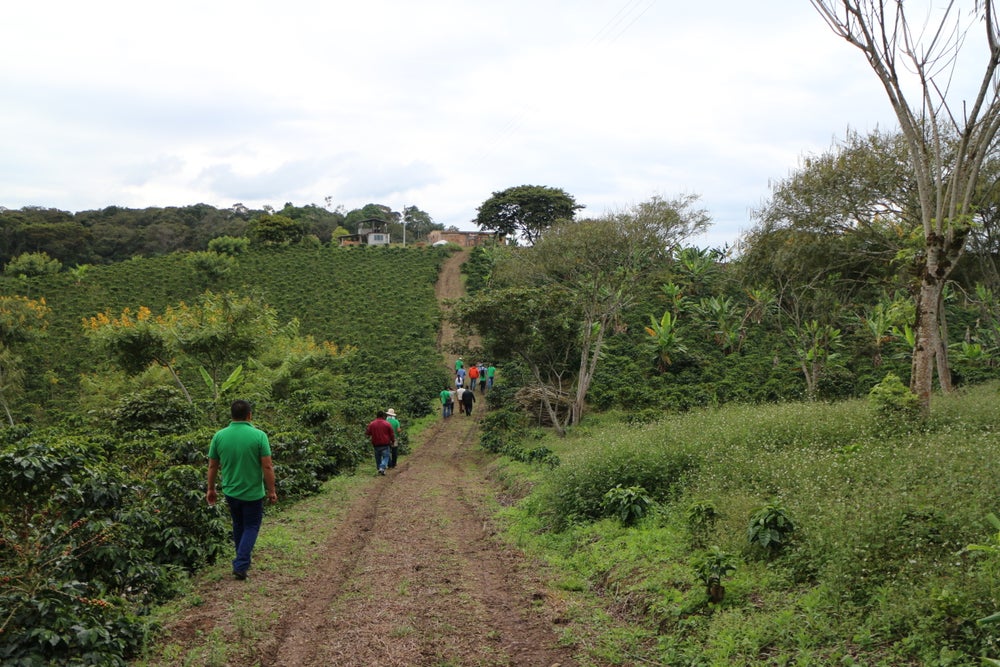
Dubai, August 16, 2025 (Qahwa World) – The African Fine Coffees Association (AFCA), in partnership with the International Coffee Organization (ICO) and with support from the project “Unlocking the Potential of African Coffee” funded by the Belgian Development Agency (ENABEL), announced an upcoming webinar on the European Union Deforestation Regulation (EUDR) and its implications for Africa’s coffee sector.

The 90-minute online session will take place on September 10, 2025, from 3:00 to 4:30 PM EAT. It will cover the new requirements of the EU regulation, supply chain responsibilities, digital traceability tools, and case studies from African countries that have begun implementing compliance measures. A live Q&A with trade, sustainability, and legal experts will also be included.

EUDR: A New Era for Coffee Trade

The EUDR entered into force in December 2024. From December 30, 2025, large operators must comply, followed by small and medium businesses from June 30, 2026. Coffee entering the EU must be:

  • Proven deforestation-free after December 31, 2020

  • Traceable with precise geolocation data (GPS)

  • Supported with production dates, volumes, and sub-regional origin

  • Covered by a due diligence statement

Non-compliance could lead to import bans, product confiscation, and fines of up to 4% of annual EU turnover.

Africa’s Reliance on the EU Market

Europe is the largest destination for African coffee, importing more than €2 billion annually. Recent figures show:

  • Uganda: 72% of exports went to the EU in 2024.

  • Kenya: 57.8% of exports were EU-bound in MY 2023/24.

  • Ethiopia: Over 30% of exports went to Germany, Belgium, and Italy.

  • Rwanda: Nearly 18% of exports went to EU countries including the Netherlands and Germany.

  • Burundi: At least 45% of exports in 2023 went to Europe, mainly Germany and Italy.

  • Tanzania: Italy and Germany purchased almost $98 million worth of coffee in 2023.

A Defining Moment for African Coffee

Experts note that while compliance poses challenges for millions of smallholder farmers, who produce over 70% of Africa’s coffee, it also represents an opportunity to enhance the reputation of African coffee globally and secure long-term access to premium markets.

Registration is open via AFCA’s official channels.