Japanese Innovation Transforms Coffee Cherries into a Sustainable Ingredient Enhancing Flavor and Quality

Tokyo – Qahwa World

In a major step toward sustainable beverage innovation, Kirin Holdings Co., Ltd. has announced the development of a fermented ingredient made from coffee cherries, transforming what was once agricultural waste into a high-value product that enhances both body and aroma in beverages.

The breakthrough, created by the company’s Institute for Future Beverage, aims to support coffee farm sustainability, reduce environmental impact, and improve the experience of non-alcoholic and low-alcohol drinks, addressing broader social concerns around alcohol consumption.

From Waste to Resource

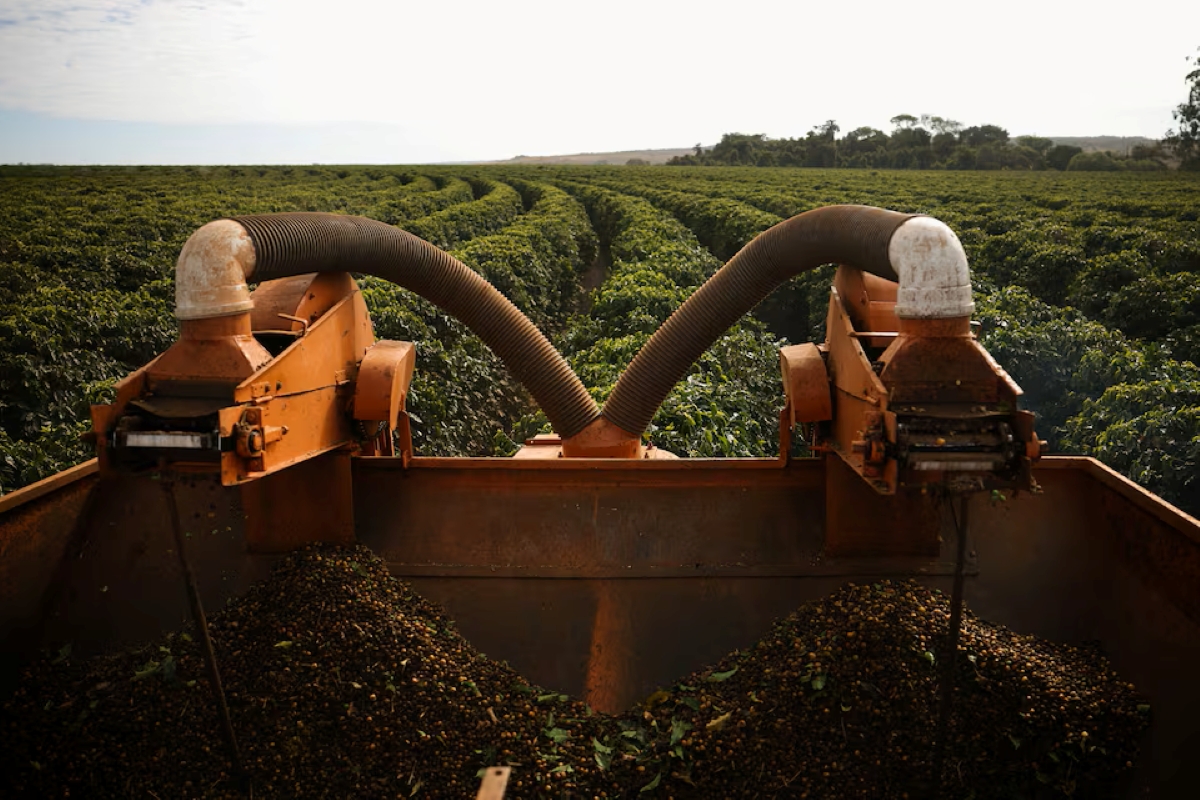
Each year, millions of tons of coffee cherry pulp and peel are discarded after bean extraction. These by-products, rich in caffeine and polyphenols, pose environmental risks when left untreated. Kirin researchers applied their proprietary wine aroma enhancement technology to ferment concentrated coffee cherry juice with lactic acid bacteria and yeast, creating an ingredient that adds richness, warmth, and fruity depth to a wide range of beverages.

Supporting Coffee Farmers

The innovation not only reduces waste but also helps increase farmers’ income in producing countries. In Colombia, for instance, where disposal of coffee cherries incurs environmental taxes, the new approach offers a sustainable solution with both economic and ecological benefits.

Kirin’s Beverage Future Research Center has been studying ways to utilize coffee cherries since 2018, focusing on turning underused coffee by-products into sustainable resources.

Commercial Use and Sensory Benefits

Tests revealed that beverages using this fermented ingredient scored higher in satisfaction, flavor quality, and premium perception. The company has incorporated it into its “Kirin Tokusei” line of ready-to-drink (RTD) beverages — starting with the Melon Soda Sour launched in May 2025, followed by the Mikan Cider Sour, set for release on November 25, 2025.

Further studies on non-alcoholic drinks also confirmed enhanced mouthfeel and richer flavor, suggesting strong potential in the expanding low- and no-alcohol market.

Looking Ahead

Kirin plans to expand the use of this fermented ingredient across its beverage portfolio, positioning it as a key component of its sustainability strategy.

“By transforming discarded coffee cherries into something valuable, we’re not only reducing waste but also creating a positive impact for farmers and the environment,” said Sayaka Tsuji, researcher at Kirin’s Institute for Future Beverage.

This initiative supports the company’s Kirin Group Vision 2027, which seeks to make Kirin a global leader in Creating Shared Value (CSV) — combining innovation, sustainability, and community benefit.

Researchers Warn of Hidden Microplastic Threat in Coffee Pods

Dubai – Qahwa World

As awareness of microplastic pollution continues to rise, new research is drawing attention to an unexpected source—coffee pods. Despite efforts to reduce plastic waste through reusable cups and eco-friendly alternatives, experts warn that the daily coffee ritual may be exposing millions to microscopic contaminants.

A Hidden Risk in Convenience

Coffee pod machines, used by roughly one-third of American coffee drinkers, offer undeniable convenience—just insert a pod, press a button, and brew. But researchers say that convenience comes with a cost.

A recent TIME Magazine report posed a critical question: What happens to the plastic in single-serve coffee pods? The concern lies in microplastics, particles less than five millimeters in size that are shed as plastic breaks down or when it is exposed to heat.

Evidence from Hot Beverages

In a study published in Science of the Total Environment, British environmental chemist Professor Mohamed Abdallah and his team found that every hot beverage sample tested contained microplastics, with higher levels in hot drinks compared to cold ones. While coffee pods weren’t specifically tested, the findings suggest that heat exposure during brewing may accelerate plastic particle release.

“Our understanding of the toxicity of microplastics remains in its infancy,” Abdallah said, noting that these particles have only been studied since 2004.

Inside the Human Body

Microplastics have been found nearly everywhere — from the deepest ocean trenches to human blood, lungs, and even the brain. Their small size allows them to travel through the environment and the human body unnoticed.

Environmental engineer Justin Boucher from the Food Packaging Forum added: “We already have evidence that many plastics and related microplastics contain hazardous chemicals that can cause harm.”

According to TIME, even the water in coffee machines can contain microplastics — and the brewed coffee may have nearly two-thirds more contaminants than the water used to make it.

What Can Be Done

Despite growing evidence, no specific government regulations currently address microplastic exposure. Researcher Tracey Woodruff from the University of California told TIME that meaningful change depends on both policymakers and industry leaders.

Still, experts advise individuals to reduce plastic use where possible, opt for metal or glass alternatives, and avoid single-use plastics when practical. “Don’t aim for perfection,” Woodruff said. “Every small step matters, and the bigger shift will come from collective action.”

Regenerative Agriculture Boosts Vietnamese Coffee Farmers’ Income by 150%

Dubai – Qahwa World

Vietnamese coffee farmers have achieved a remarkable 150% increase in income by shifting to regenerative agriculture, an innovative approach that promotes environmental sustainability while improving crop quality and productivity.

According to a report by Nestlé Vietnam, the adoption of regenerative practices under the NESCAFÉ Plan has enabled farmers to save 40%–60% of irrigation water, reduce chemical fertilizers and pesticides by 20%, and significantly increase yields and income.

The initiative was highlighted during a seminar titled “The Role of Farmers in Regenerative Agriculture”, held on October 31 at the Nestlé Trị An factory in Dong Nai province, where more than 60 outstanding farmers and agricultural sustainability experts gathered to celebrate success stories from the program.

Binu Jacob, Managing Director of Nestlé Vietnam, stated during the event: “At Nestlé, people are at the heart of our sustainability journey. The NESCAFÉ Plan represents a long-term commitment to support farmers in implementing regenerative agriculture to enhance their income and quality of life.”

Jacob added that close cooperation with farmers is vital to building a more sustainable future for Vietnam’s coffee industry, reflecting Nestlé’s dedication to both environmental and social responsibility.

Truong Hoang Phuong, Director of Nestlé Trị An Factory, emphasized that farmers are the starting point of coffee quality, saying: “The quality of coffee begins in the field. Farmers are the foundation of success, while the factory amplifies their efforts by bringing this value to global markets.”

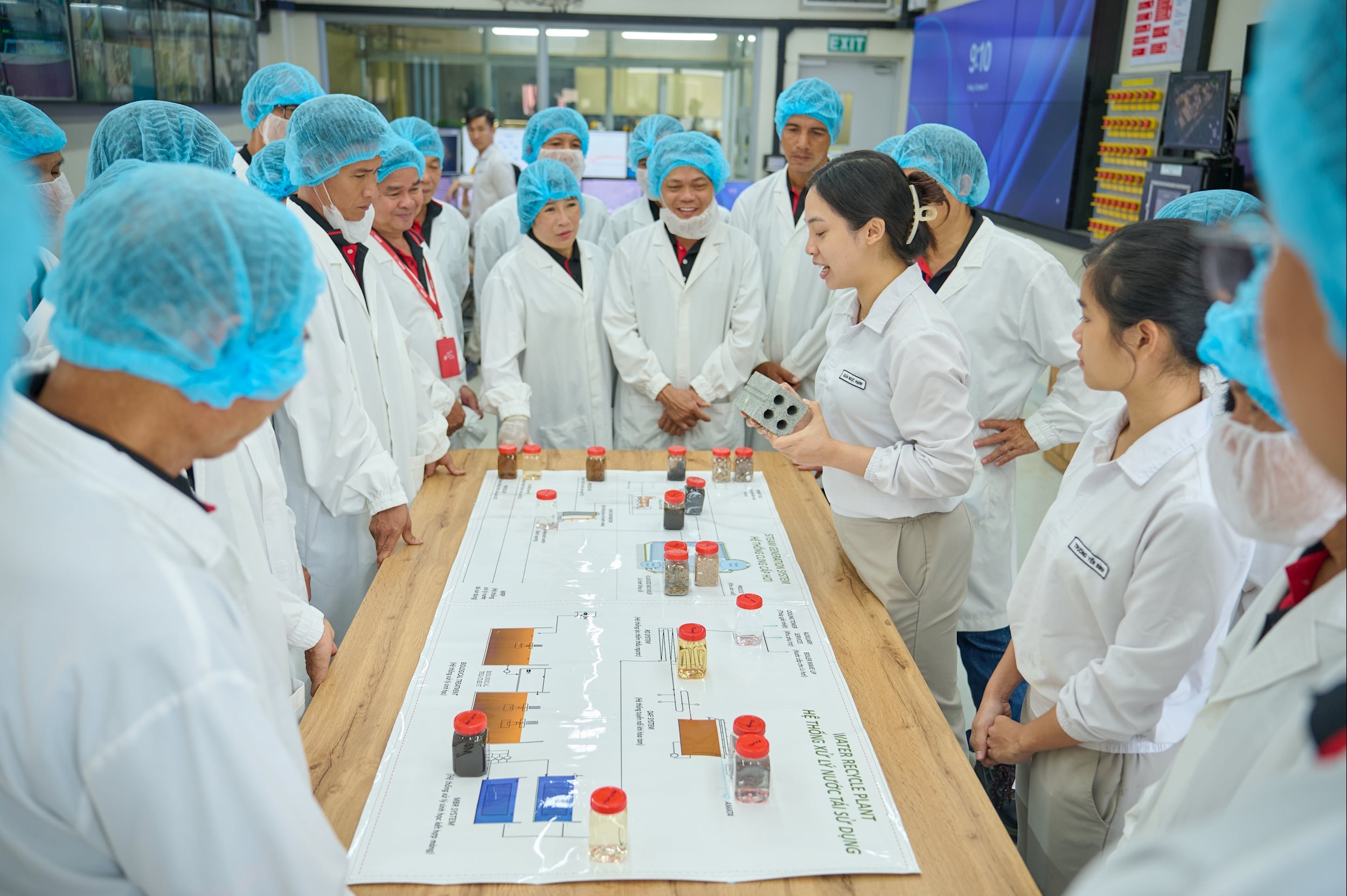
The event also featured a tour of the factory’s modern coffee processing facilities, where farmers learned about production technologies and the journey of Vietnamese coffee beans now exported to over 40 international markets, including Europe, Japan, South Korea, and the United States.

Farmers shared their experiences in adopting regenerative agriculture and digital farm management to improve soil health and productivity. Dao Duy Quynh, a farmer from Gia Lai province, said:

“The program completely changed how we work. We learned to farm in ways that protect the environment while increasing our income.”

Since its launch in 2011, the NESCAFÉ Plan has delivered more than 467,000 training sessions on sustainable coffee farming, provided improved seedlings to around 21,000 farmers annually, and distributed over 86 million high-yield, pest- and drought-resistant plants, helping rejuvenate over 86,000 hectares of aging coffee farms.

This transformation marks a significant milestone in promoting sustainable coffee production in Vietnam, supporting a greener and more responsible coffee economy, and reinforcing the country’s position as one of the world’s leading coffee producers and exporters.


EU’s New Deforestation Law Proposal Sparks Frustration Among Brazilian Exporters and Raises Coffee Market Concerns

São Paulo – Qahwa World

A new European Commission proposal to relax the implementation of the EU Deforestation Regulation (EUDR) has triggered frustration among Brazilian coffee, soybean, and beef exporters, who were among the first to invest heavily in sustainable supply-chain compliance to secure early access to European markets.

According to a Rabobank report seen by Reuters, the proposed changes — which include postponing enforcement deadlines and easing penalties — could undermine the financial incentives that originally drove agribusinesses to adopt deforestation-free practices ahead of schedule.

The current law requires exporters of coffee, cocoa, palm oil, soy, wood, and beef to the European Union to provide due-diligence statements proving that their products are not linked to deforestation.

Under the new proposal, large companies would begin compliance checks from June 30, 2026, while smaller firms with fewer than 50 employees would have until December 30, 2026 to submit their declarations.

Rabobank analyst Marcela Marini emphasized that the delayed enforcement could erode the competitive advantage of those who acted early: “Companies that invested ahead of time were aiming for preferential access to the European market. The absence of fines and delayed enforcement weakens the incentive for sustainability premiums.”

The report also warned that the revision may disrupt global coffee supply chains, especially as the industry intensifies efforts toward traceability and environmental transparency.

The European Parliament is expected to review the proposal in the coming weeks. If approved, the regulation will still take effect in 2025, but with softer requirements and extended timelines — a move that some experts fear could dilute Europe’s commitment to fighting deforestation and impact the global push for sustainable coffee production.

Scientists Urge People to Stop Pouring Coffee Down Drains

London – Qahwa World

A recent incident in London, where a woman was fined £150 for pouring coffee down a drain, has sparked public debate about whether such actions could harm the environment. Although the fine was later withdrawn, experts say the issue highlights a larger problem.

Every day, around 98 million cups of coffee are consumed in the UK and 2 billion globally. The remains of those drinks—often poured down sinks or street drains—can accumulate and impact rivers, lakes, and aquatic life.

The Hidden Impact of Coffee Waste

Coffee contains hundreds of chemical compounds, including caffeine, sugars, milk residues, and organic materials. Among these, caffeine poses the greatest concern. It does not easily degrade, is now considered an emerging contaminant, and has been detected in lakes and rivers worldwide since at least 2003.

Even decaffeinated coffee is not harmless. When poured into drains, it lowers the pH of water and releases organic compounds that consume oxygen as they decompose. These effects can promote algal blooms and deprive aquatic life of the oxygen it needs to survive.

Wastewater treatment plants can remove caffeine with efficiencies ranging between 60% and 100%, depending on their design, season, and temperature. However, this means a significant portion can still reach waterways. During heavy rainfall, untreated wastewater may also overflow directly into rivers, further compounding the problem.

One global study found caffeine in over half of 258 rivers across 104 countries, indicating that the issue extends far beyond the UK. Research shows even small concentrations of caffeine can disrupt the metabolism, growth, and movement of aquatic organisms.

What Should (and Shouldn’t) Go Down the Drain

Experts warn that street drains are meant only for rainwater, not for waste liquids. Pouring coffee, oils, detergents, or paints into drains allows these substances to flow straight into rivers and seas.

Similarly, household sinks—connected to the same combined sewage network—should not be used for disposing of liquids like coffee or food-based waste. Besides the environmental risk, coffee grounds can also clog household plumbing.

Sustainable Alternatives for Coffee Waste

Instead of pouring leftover coffee down the drain:

Compost it: Coffee grounds enrich compost and can safely decompose in food waste systems.

Use as plant feed: Diluted coffee water can serve as a mild fertilizer if used sparingly.

Dispose responsibly: Place coffee grounds or small amounts of liquid in household waste bins if composting is not available.

Reduce waste: Brew only as much coffee as you intend to drink.

A Shared Responsibility

Improving river and coastal health requires policy reform and investment, but experts stress that individuals also play a role. Simple actions—like keeping coffee out of drains—can collectively make a measurable difference in protecting ecosystems.

“We are all part of how the water system works,” says Kevin Collins, Senior Lecturer in Environment & Systems at The Open University. “By changing small habits, we can help keep coffee out of our rivers and out of our environment.”

EU Eases EUDR Rules to Ensure Smooth Rollout by 2025

Brussels – Qahwa World

The European Commission has announced adjustments to the EU Deforestation Regulation (EUDR) aimed at ensuring its timely implementation by 30 December 2025. The changes include lighter reporting requirements, deadline extensions for small businesses, and simplified due diligence obligations to reduce administrative complexity and IT system strain.

The EUDR, which targets commodities linked to deforestation such as coffee, cocoa, palm oil, paper, and wood, will require importers to prove that their products have not contributed to forest degradation anywhere in the world after 31 December 2020. Initially scheduled for December 2024, the regulation was postponed by one year to give coffee producers and other stakeholders additional time to comply.

Under the updated proposal introduced on 21 October 2025, micro and small enterprises will receive an additional 12-month extension to 30 December 2026. Large and medium-sized companies must still meet the 30 December 2025 deadline but will benefit from a six-month grace period for checks and enforcement. To streamline the process, the Commission will now require only a single due diligence statement across a product’s entire supply chain, easing the burden for businesses and simplifying data management within the EU’s internal systems.

The revised framework maintains that “upstream” operators—those first placing regulated commodities on the EU market—will continue to exercise due diligence. “Downstream” operators, typically traders handling products already imported into the EU, will no longer be obligated to submit separate compliance statements.

Environmental groups have cautiously welcomed the move, seeing it as a pragmatic step to avoid further delays, though some have expressed concern that the changes could weaken the regulation’s impact. “We reiterate our call to address the specific challenges millions of smallholders face in producing EUDR-compliant products and the disproportionate burden placed on their shoulders,” the Rainforest Alliance said in a statement.

The WWF offered a stronger critique, calling the decision “a shameful surrender to political pressure.” Anke Schulmeister-Oldenhove, Senior Forest Policy Officer at WWF, said the Commission’s reference to IT system issues “feels like a perfect scapegoat to water down the regulation.”

The proposed amendments will still need formal approval by the European Parliament and the European Council before implementation. If adopted, they would mark a significant shift in how the EU enforces environmental due diligence, with major implications for global trade in deforestation-linked commodities, including coffee.

Roast Magazine Reveals 2026 Roaster of the Year Winners

Dubai – Qahwa World

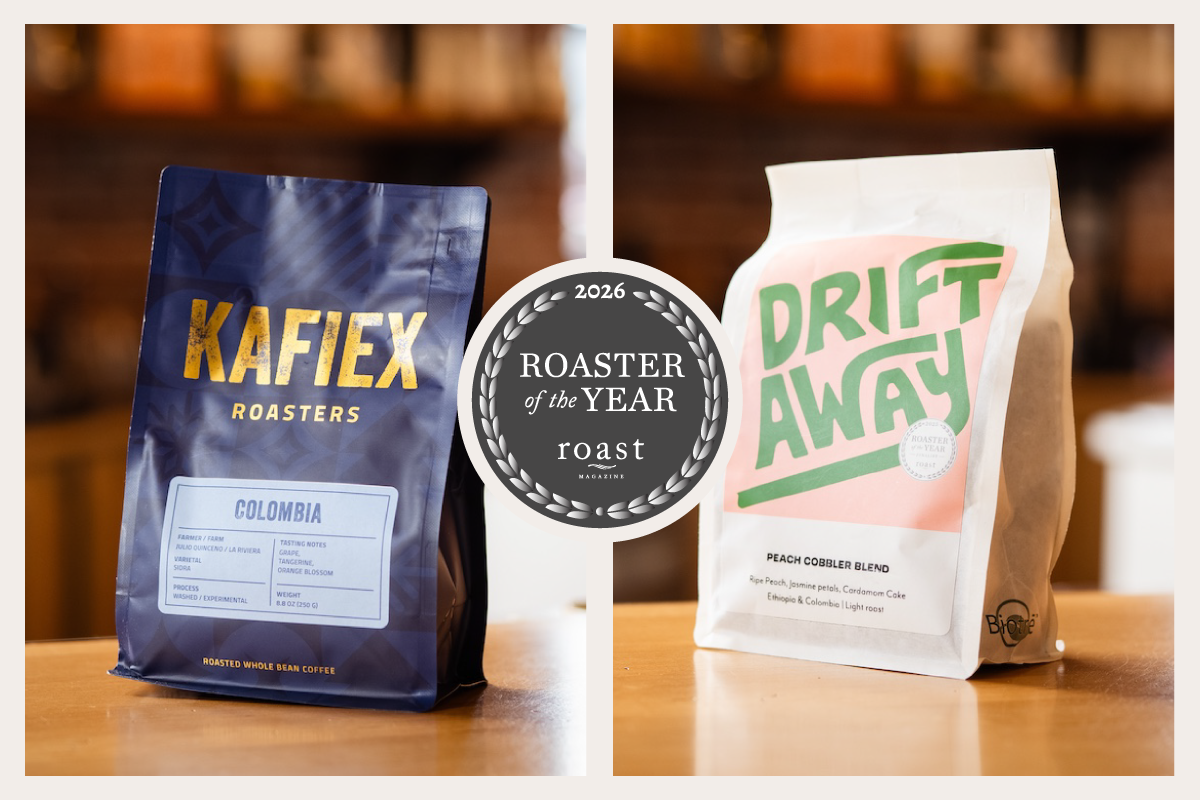
Two outstanding coffee companies have earned top recognition in the 22nd annual Roaster of the Year awards presented by Roast Magazine. Kafiex Roasters and Driftaway Coffee were named the 2026 winners in the Micro and Macro categories, respectively. Their achievements will be highlighted in the November–December 2025 issue of the magazine.

Each year, Roast Magazine selects two roasters that set benchmarks for excellence in coffee quality, environmental responsibility, education, and community engagement. The Micro Roaster of the Year category honors companies producing under 100,000 pounds annually, while the Macro category recognizes those exceeding that volume.

Kafiex Roasters: 2026 Micro Roaster of the Year

Hailing from Vancouver, Washington, Kafiex Roasters operates as both a roaster and café business. Established in 2018 by Matthew and Seidy Selivanow, the company is widely recognized for its focus on sustainability and education. Kafiex runs two coffee shops and has introduced a range of environmentally friendly initiatives, including a zero-waste specialty instant coffee line and a roasting system designed to minimize emissions.

Beyond roasting over 16,000 pounds of coffee in the past year, the team invests heavily in bilingual training programs, direct relationships with producers, and inclusive education efforts that reflect its commitment to accessibility and community empowerment.

Driftaway Coffee: 2026 Macro Roaster of the Year

Founded in Brooklyn, New York, in 2014 by Anu Menon and Suyog Mody, Driftaway Coffee has become known for its personalized approach to coffee education and sustainability. The immigrant- and woman-led business specializes in subscription-based coffee experiences that connect consumers directly with farmers through virtual tastings and transparent sourcing.

Driftaway’s sustainability efforts include compostable packaging, full pricing transparency, and consistent support for women- and minority-owned farms. The company also donates a portion of its proceeds to World Coffee Research. Over the past year, Driftaway roasted more than 125,000 pounds of coffee, continuing its mission to combine environmental responsibility with consumer education.

Honoring Innovation and Impact

The finalists in this year’s competition reflect the evolving spirit of specialty coffee. Alongside Kafiex in the Micro category were Three Keys Coffee and Dessert Oasis Coffee Roasters, while Corvus Coffee and Nossa Familia Coffee joined Driftaway as Macro finalists.

All of the contenders demonstrated exceptional leadership in sustainability, equity, and community building — values that continue to define the future of coffee roasting worldwide.

Dubai: The Next Global Coffee Trade Nexus

Dubai — Qahwa World

Dubai is rapidly establishing itself as one of the world’s most influential players in the international coffee trade. Once renowned for its dominance in gold, oil, and logistics, the emirate is now redefining itself as a global coffee hub connecting producing countries in Africa, Asia, and Latin America with consuming markets across Europe, the Middle East, and North America. With its strategic location, advanced infrastructure, and thriving specialty coffee culture, Dubai is emerging as the next global nexus of the coffee industry.

Coffee is far more than a daily beverage — it is a $200 billion global economy that sustains over 25 million smallholder farmers and fuels more than two billion cups consumed every day. Yet the industry is under intense pressure. Climate change, volatile prices, supply chain disruptions, and changing consumer tastes have reshaped global trade dynamics. Amid these challenges, Dubai has positioned itself as a stabilising force that combines innovation, transparency, and accessibility to create new opportunities for producers and traders worldwide.

The Dubai Multi Commodities Centre (DMCC) has been at the forefront of this transformation through its state-of-the-art Coffee Centre located in the Jebel Ali Free Zone. The facility offers integrated services for roasting, storage, packaging, logistics, and trade, serving more than 300 members across the global coffee value chain. Designed on a pay-as-you-go model, it allows small producers and independent traders to access world markets without the burden of fixed commitments. According to Mike Butler, Associate Director of Coffee at DMCC, this flexible approach “makes the Coffee Centre extremely friendly for small businesses” and allows them to scale as they grow.

“Dubai is defining the global trend in specialty coffee today,” said Garfield Kerr, President of the Specialty Coffee Association (SCA) and founder of Mokha1450. “In Dubai, coffee functions like wine elsewhere — it’s a cultural experience built around craftsmanship and taste.” Over the past decade, independent roasteries and boutique cafés have replaced international chains across the city. Consumers have become increasingly informed about freshness, roast profiles, and sustainability, pushing the market toward higher quality and transparency.

Dubai’s geographical advantage is another factor behind its success. Situated almost exactly between the world’s top producing nations — Brazil, Vietnam, Colombia, Indonesia, and Ethiopia — the emirate offers unmatched access to global shipping routes. Its proximity to East Africa, one of the fastest-growing specialty coffee regions, gives it a natural advantage over traditional European hubs. “If you map the world’s major coffee producers, Dubai sits almost exactly in the centre,” Butler explained. “It’s only a matter of time before Dubai challenges Hamburg as the global leader in coffee trade.”

The DMCC Coffee Centre’s Tradeflow platform has introduced a new level of digital transparency to an industry often criticised for its opacity. Every batch traded through the system is physically verified and stored within the centre’s temperature-controlled facility, ensuring quality and trust between producers and buyers. By integrating blockchain-based traceability and tokenised finance options, DMCC has reduced intermediaries and opened new financing channels for smallholder farmers. Its partnership with the African Fine Coffees Association (AFCA) further supports African producers through logistics, warehousing, and buyer introductions, helping them retain greater value from their exports.

Dubai’s rise as a coffee capital is also cultural. The World of Coffee Dubai exhibition, held annually at the Dubai World Trade Centre, has become a magnet for industry leaders and enthusiasts alike. The 2025 edition drew nearly 17,000 visitors and 2,000 exhibitors, hosting auctions of the world’s rarest coffees and showcasing 131 debut brands — three-quarters of them international. “The world showed up,” said Kerr. “The coffee innovation coming out of Dubai is now influencing global trends.”

As global coffee trade evolves, sustainability has become central to Dubai’s vision. The emirate is investing in climate-smart agriculture, low-carbon logistics, and advanced digital systems that track environmental compliance. Experts warn that by 2050, up to half of existing coffee-growing land could become unsuitable due to rising temperatures, making adaptation essential. Initiatives such as agroforestry, drought-resistant varieties, and circular-economy recycling of coffee by-products are gaining momentum.

Through innovation and technology, Dubai is setting new standards for transparency and sustainability in coffee trading. Artificial intelligence now supports quality monitoring, while blockchain ensures traceable supply chains. Companies are exploring compostable packaging, recycling capsules, and transforming used coffee grounds into new products, aligning commerce with environmental responsibility.

“Whether it’s the supermarket, the sports club, or the cinema, coffee standards are rising everywhere,” Butler observed. “Dubai is uniquely positioned to lead this evolution, combining innovation, logistics, and sustainability into one cohesive ecosystem.”

In an era of shifting trade routes and unpredictable markets, Dubai has turned its vision into action. The city’s integration of culture, technology, and commerce is rewriting the rules of how coffee is traded and valued. More than a gateway between continents, Dubai has become the command centre of global coffee commerce — a place where beans, business, and innovation converge to shape the future of one of the world’s most beloved drinks.

First Look at the Central America Coffee Harvest 2025 / 2026

Dubai – Qahwa World

Sucafina has published a new field report titled First Look at the 2025 / 2026 Central America Coffee Harvest, offering an early overview of the upcoming season across Central America and Mexico. The report describes a sense of cautious optimism among producers as they prepare for the harvest, buoyed by improved weather conditions during the first half of the year.

According to Sucafina, early indicators suggest a 3% increase in coffee production compared to the previous season, with the first volumes expected to appear in the second half of October and the peak harvest period projected between December and January — a timeline more in line with historical averages for the region.

Oscar Fernando Hurtado Ramirez, Global Head of Production Research at Sucafina, stated that overall crop expectations across the region are positive. “We are expecting more coffee production in each country due to better weather conditions during the first half of the year,” he explained. Total production across Central America and Mexico is forecast to reach around 18 million bags, representing an increase of approximately 570,000 bags compared to the previous cycle.

Improved Crop Quality and Fewer Pests

The report notes that crop quality and conversion rates are also looking favorable this year. Lower pest and disease pressure have created more stable conditions that support plant health and boost yield potential. However, the report warns that coffee leaf rust could rise later in the year, given the higher proportion of susceptible varieties planted across the region combined with wetter conditions expected in October and December.

EUDR Still a Major Concern

Despite the encouraging start to the season, concerns remain high regarding the European Union Deforestation Regulation (EUDR). Hurtado emphasized that “EUDR remains the biggest concern among farmers and the broader coffee sector.” While progress has been made in preparing for compliance, producers are still uncertain about how the regulation will be implemented in practice—particularly for smallholders who may struggle to meet traceability and verification requirements.

Investing in Education for Lasting Impact

The report also highlights Sucafina’s ongoing social initiatives in Central America, particularly its collaboration with the Seeds for Progress Foundation to strengthen rural education in coffee-growing communities. Active in Guatemala across regions such as Santa Rosa, Jalapa, and Chiquimula, the initiative supports school infrastructure, teacher training, and the creation of safe learning environments for children during the harvest season, when many parents are at work in the fields.

One current project, Opportunity Through Pre-School Education, focuses on improving preschool classrooms in Santa Rosa by providing child-friendly furniture and training for educators. This initiative forms part of Sucafina’s IMPACT program, which promotes responsible sourcing and human rights development at origin.

As the 2025 / 2026 harvest begins to take shape, Sucafina reaffirmed its commitment to supporting both farmers and communities in the region. The company plans to share more updates from the field in the coming weeks and encourages partners to coordinate with their trading teams to plan for the upcoming coffee volumes.

JDE Peet’s Opens Transformed Innovation Laboratory in Utrecht to Accelerate Coffee Breakthroughs

Amsterdam – Qahwa World

JDE Peet’s (EURONEXT: JDEP) has announced the opening of its fully revamped modular Innovation Laboratory in Utrecht, the Netherlands, marking a major milestone in its efforts to accelerate next-generation coffee breakthroughs.

The upgraded facility reinforces the company’s commitment to scaling customer-led innovations and highlights the strategic importance of its global R&D center in Utrecht. With a modular setup, the Innovation Lab allows teams to rapidly develop new coffee products, processes, and packaging materials that can be quickly scaled across JDE Peet’s global manufacturing network.

This investment complements the recent opening of the company’s innovation facility in Joure, which focuses on next-generation extraction and freeze-drying technologies. Together, both facilities represent a combined investment of €8 million.

Key focus areas for the Utrecht Innovation Lab include single-serve, capsule, ready-to-drink, and instant coffee formats, alongside the development of sustainable packaging solutions. In support of JDE Peet’s Common Grounds sustainability goals, the new laboratory also integrates advanced heating and ventilation systems designed to recycle heat and reduce energy consumption.

Carolyn Adams, Chief R&D Officer at JDE Peet’s, said:

“We’re proud that our next generation of coffee innovations will be developed in the home of our oldest and most beloved brands – Douwe Egberts. Coffee is one of the most exciting and fast-evolving consumer categories, with new flavors and formats emerging almost every week. The agile, modular setup of our Innovation Lab enables us to rapidly respond to consumer insights and quickly scale new flavors and formats – whether hot, cold, wet, or dry – to full factory production. As we deliver our ‘Reignite the Amazing’ strategy, this investment will allow us to significantly accelerate the time-to-market of the next generation of coffee breakthroughs in response to changing consumer needs and trends.”

The Utrecht Innovation Laboratory offers a flexible, modular workspace equipped with advanced technologies for coffee product development. These include high-precision grinders and capsule fillers for single-serve and portioned espresso, technologies for JDE Peet’s liquid Cafitesse products, facilities for ready-to-drink cold coffee, and advanced freeze-drying systems for next-generation instant coffee — an important growth area for the company.

Recent innovations developed at the Utrecht Lab include improved non-dairy creamers, energy-efficient roasting methods, home-recyclable paper packaging for freeze-dried instant coffee in the UK, and the ongoing development of mono-material packaging to enhance recyclability.

EU’s New Organic Regulation Reshapes Coffee Value Chains Worldwide

Brussels – Qahwa Wolrd

The European Union’s latest update to its organic regulation—Regulation (EU) 2018/848, which took full effect on October 1, 2025—marks a pivotal moment for the global coffee sector. The law replaces the long-standing “equivalency” model for non-EU organic imports, introducing a unified standard that all producers must now meet to access the European organic market.

A Tougher Landscape for Organic Coffee

Coffee producers and roasters are navigating a period of significant disruption. The EU’s new organic legislation joins other major frameworks such as the Deforestation Regulation (EUDR) and mandatory Due Diligence rules, forming part of a broader push for transparency and sustainability across agricultural supply chains.

Globally, organic coffee represents a small but valuable portion of the estimated 11 million metric tons of coffee produced each year. Its importance lies in the specialty and premium markets, where consumers demand traceability and environmentally responsible sourcing. Yet, for thousands of smallholders in Latin America, Africa, and Southeast Asia—many of whom have long relied on local certification systems—the new EU framework introduces new hurdles.

Under the previous equivalence system, non-EU countries could certify organic products according to their own standards, provided they broadly aligned with EU rules. That flexibility has now ended. From October 2025, all organic coffee imported into the EU must fully comply with the EU’s own organic standards, covering soil fertility, crop rotation, certification procedures, and cooperative governance structures.

Key Changes and Their Impacts

1. End of the Equivalence Model
All non-EU organic producers must now adhere directly to EU standards. The change eliminates national variations, enforcing uniform practices such as strict crop rotation, total prohibition of synthetic inputs, and certification of entire farming units as organic.
Impact: The removal of flexibility poses particular challenges for smallholders working in agroforestry or mixed-farming systems, who may now need to alter long-established practices or risk losing access to the EU market.

2. Stricter Group Certification Rules
Only legally recognised cooperatives or producer associations can now hold organic certificates. Private companies can no longer do so on behalf of farmers. Additionally, groups are limited to a maximum of 2,000 producers, and mixed groups—containing both organic and non-organic members—are prohibited.
Farms larger than five hectares or with annual sales above €25,000 must undergo individual audits.
Impact: Compliance and administrative costs are increasing sharply. Many smallholders face the burden of restructuring cooperatives or creating new associations to meet the legal requirements, potentially pushing the smallest players out of the organic sector.

3. Mandatory Three-Year Transition Period
All farms must now complete a minimum three-year conversion process before qualifying for organic certification—regardless of their previous practices or ecological conditions.
Impact: This universal rule raises barriers for newcomers, slows returns on investment, and could reduce the number of regions entering the organic coffee market.

4. Stricter EU Controls and Testing
Certification bodies must now be EU-recognised, and all coffee lots are subject to more frequent laboratory testing for chemical residues. Delays of one to two weeks are common as producers await results before exporting.
Impact: These tighter controls safeguard label integrity but cause certification bottlenecks, increase costs, and delay shipments—particularly harming smallholder-based supply chains that operate on thin margins.

5. Rising Costs and a Shift in Market Dynamics
The cumulative effect of these measures is a rise in certification expenses and operational complexity. The stricter requirements are expected to reduce the supply of certified organic coffee, driving up prices in Europe and possibly pushing exporters to target less-regulated markets.
Impact: European roasters face tighter supplies and higher costs, while producers are forced to balance compliance with commercial viability.

Implications for Coffee Roasters

The new framework compels European roasters to reassess sourcing strategies and brand positioning:

  • Brand Philosophy: Roasters must decide whether to continue carrying the official EU organic label or to highlight broader sustainability credentials instead.

  • Sourcing Viability: Some origins may lose certification, necessitating portfolio diversification to secure reliable supply.

  • Supplier Due Diligence: Strong partnerships with compliant cooperatives and exporters are now crucial to ensure certification integrity and continuity.

EFICO’s Role in Supporting the Transition

Belgium-based EFICO, a major green coffee importer, is assisting roasters and cooperatives through this regulatory transition. The company offers three main sourcing options:

  • Certified Organic Coffee – fully compliant with Regulation (EU) 2018/848.

  • ‘Organic by Nature’ Coffee – produced under sustainable, chemical-free conditions.

  • Conventional Coffee – high-quality, consistently sourced.

EFICO’s Certified Organic Portfolio:

  • Robusta: India

  • Arabica: Central America (Peru, Honduras, Mexico, Nicaragua) and Ethiopia

EFICO continues to guide partners on certification strategies and compliance requirements to help maintain a stable and transparent coffee supply chain amid Europe’s evolving organic landscape.

How Gen Z Is Brewing a New Global Coffee Culture

Dubai – Qahwa World

In a world shaped by economic uncertainty, climate challenges, and changing consumer values, Generation Z is redefining how humanity drinks its coffee and tea. Born between 1995 and 2009, this generation stands out for its digital fluency, health awareness, and desire for personal expression — qualities now transforming one of the world’s oldest beverage traditions.

Coffee has long dominated consumption in developed markets such as Europe and North America, where per capita retail brewed consumption reached 127.7 and 98.5 litres respectively in 2024. Yet the real growth potential lies in the emerging regions of Asia Pacific and the Middle East — areas home to the largest Gen Z populations. With incomes rising and tastes evolving, these regions represent a new frontier for the global coffee and tea industry.

According to Euromonitor International’s Voice of the Consumer: Lifestyles Survey (2025), daily caffeine intake among Gen Z varies sharply between regions. Europe leads with around 44% of respondents consuming caffeine at least once a day, followed closely by Latin America and North America. In contrast, daily consumption rates are lower — though rising rapidly — in Asia Pacific (31%) and the Middle East & Africa (29%). The numbers underline both cultural diversity and untapped opportunity.

Generation Z is not simply consuming — it is curating. For these young consumers, coffee and tea are deeply personal experiences. Half of respondents in Euromonitor’s survey said they actively seek products and services tailored to their own identities and lifestyles. This is why social media now plays a central role in shaping beverage trends: matcha and coconut lattes, discovered on TikTok and Instagram, quickly turn from niche products into cultural symbols. In this digital space, a drink is not just consumed — it is shared, styled, and photographed.

Beyond cafés, the same creative energy is transforming home brewing. For Gen Z, the coffee machine has become both a tool of experimentation and a reflection of self-expression. Brewing at home satisfies both economic practicality and the pursuit of the perfect café-quality cup — an act that blends creativity, mindfulness, and comfort.

Health and sustainability are equally crucial. Young consumers are embracing functional coffee that delivers benefits beyond caffeine — from mushroom and collagen-infused blends to beverages that support digestion, focus, and beauty. At the same time, their environmental awareness is reshaping the market. Gen Z is far more receptive than previous generations to lab-grown and “beanless” coffee, such as the innovations being developed by Atomo Coffee and start-ups in Singapore, France, and the United States. For them, technology and ethics can coexist — and even enhance each other.

Social platforms remain at the heart of this transformation. TikTok and Instagram have become cultural laboratories where new drinks, aesthetics, and habits are born. Major brands are adapting fast: Starbucks’ Coco Matcha and Coco Cold Brew reflect this generation’s visual culture, while Nespresso’s collaboration with The Weeknd shows how celebrity storytelling can deepen brand connection. Direct-to-consumer brands like Blue Tokai and Sleepy Owl in India, or Perk Coffee in Singapore, are thriving with subscription models that deliver convenience, personalization, and loyalty in equal measure. Even convenience chains are evolving — 7-Eleven now offers automated tea machines, while Korea’s Coffee Banhada uses artificial intelligence and unmanned drive-throughs to serve customized brews to tech-savvy customers.

The world’s next coffee revolution will not be defined by new beans or machines but by new values. As Gen Z continues to mature, its influence on global coffee and tea culture will expand across continents, uniting digital innovation with human connection. The future of coffee, it seems, will be crafted as much by individuality and sustainability as by flavor and aroma — one personalized cup at a time.