UAE Researchers Turn Coffee and Plastic Waste Into a Powerful Carbon Capture Material

Sharjah – Qahwa World

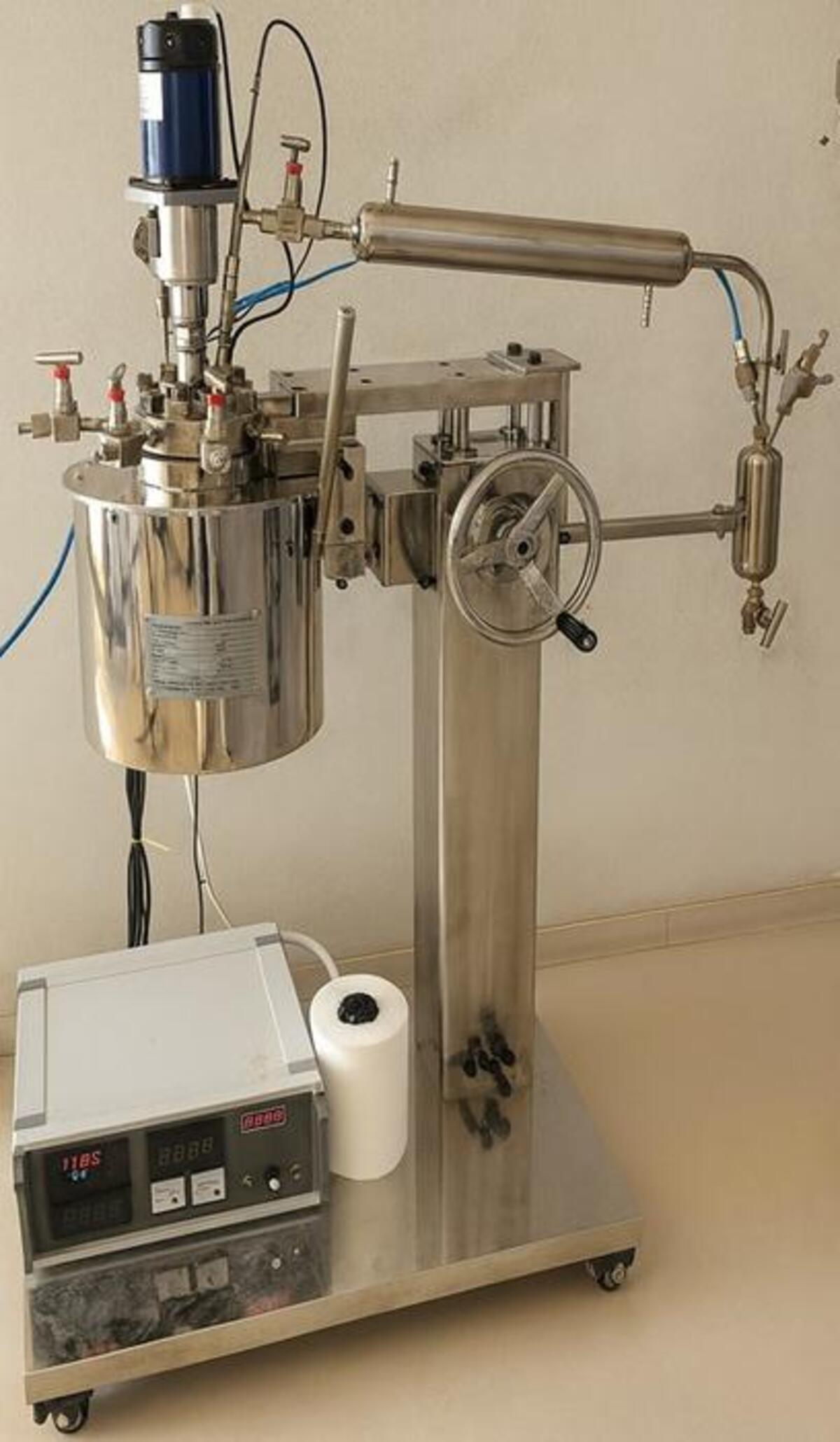
In a groundbreaking achievement, researchers at the University of Sharjah have developed and patented an innovative carbon capture technology that transforms used coffee grounds and plastic waste into a highly efficient material capable of absorbing carbon dioxide (CO₂) from industrial emissions before they reach the atmosphere.

The patent, filed in March 2025 and published in August, represents a major step forward in the UAE’s scientific contribution to climate innovation, tackling both carbon pollution and solid waste through a single, sustainable solution.

From Coffee Cup to Carbon Capture

The new method combines spent coffee grounds (SCG), polyethylene terephthalate (PET) — a widely used plastic in bottles and packaging — and potassium hydroxide (KOH) as a chemical activator.
Through co-pyrolysis at an eco-friendly activation temperature of 600 °C, the process yields activated carbon with an exceptionally high surface area and fine pore structure, making it highly effective in trapping CO₂ molecules.

“What begins with a Starbucks coffee cup and a discarded plastic water bottle can become a powerful tool in the fight against climate change through the production of activated carbon,”
said Dr. Haif Aljomard, lead inventor of the technology.

Dr. Aljomard emphasized that the process supports both waste valorization and climate change mitigation, turning two abundant waste streams into a high-performance carbon adsorbent that can reduce industrial emissions.

Circular and Cost-Effective

The researchers highlighted that the production cost of this material is remarkably low, thanks to the availability and affordability of its raw ingredients — coffee waste and post-consumer plastic.

Professor Chaouki Ghenai, co-inventor and expert in Sustainable and Renewable Energy at the University of Sharjah, said the invention exemplifies circular economy principles by giving waste a new life.

“Transforming spent coffee grounds and plastic waste into high-quality activated carbon delivers economic, social, and environmental benefits,” he said.
“This innovation not only prevents harmful waste from ending up in landfills but also provides a sustainable resource for carbon reduction technologies.”

Broad Industrial Applications

The patented activated carbon has diverse industrial uses, extending far beyond CO₂ capture. It can be applied in:

Water and air purification

Groundwater and wastewater treatment

Gas and solvent purification

Natural gas processing and emission control

Flue gas cleaning at waste incineration plants

Process and exhaust air filtration systems

According to the inventors, these wide-ranging applications make the material suitable for industries such as energy, steel, cement, petrochemicals, and environmental engineering, all of which are seeking cost-effective carbon reduction technologies.

Toward a Sustainable Future

The patent underscores the urgent need for sustainable carbon capture solutions, noting that CO₂ is one of the main greenhouse gases driving global warming and posing serious risks to both the planet and human health.

“There is an urgent need for effective and sustainable technologies to capture and reduce CO₂ emissions from fossil fuel combustion, industrial processes, and power generation,” the patent states.

By turning two global waste streams — coffee and plastic — into a practical, affordable carbon-capture solution, the University of Sharjah has shown that scientific innovation can transform even a humble coffee cup into a weapon against climate change.
 

The Cocoa Paradox: How Global Shocks and Dubai’s Trade Ambitions Are Reshaping a $26 Billion Industry

Dubai – Qahwa World

The global cocoa industry long synonymous with indulgence and luxury is undergoing a historic transformation. A sharp supply crunch, climate disruptions, and tightening regulations have exposed deep structural weaknesses in one of the world’s most beloved commodities. Yet, amid the volatility, new opportunities for diversification, innovation, and fairer value distribution are emerging with Dubai positioning itself as a strategic bridge between producers and consumers in the new era of cocoa trade.

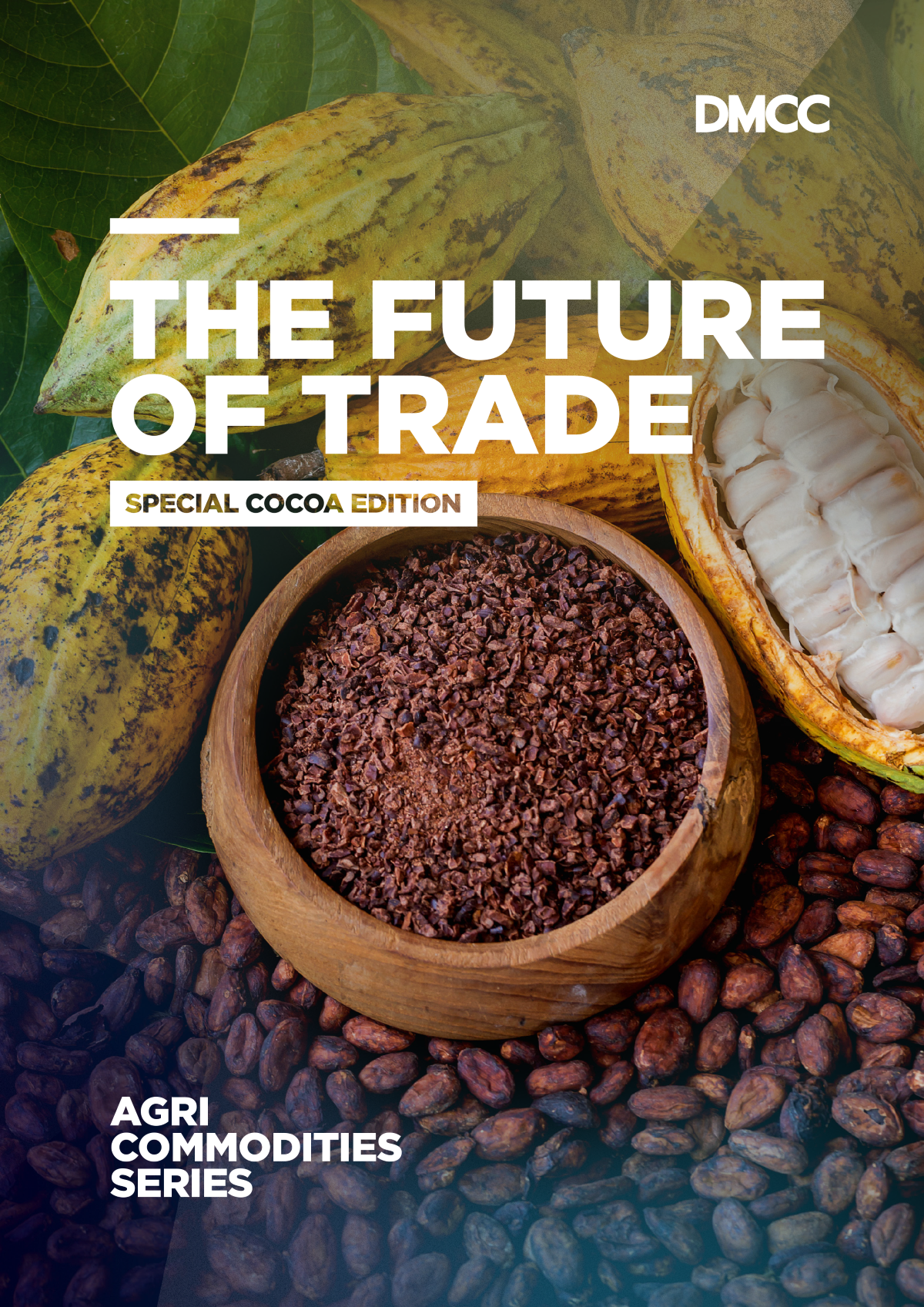
The Dubai Multi Commodities Centre (DMCC) has released a comprehensive report titled “The Future of Trade Special Cocoa Edition,” part of its Agri Commodities Series. The report examines the global cocoa market’s critical challenges from production shortages and price volatility to digital innovation, ethical sourcing, and shifting consumer demand toward wellness and sustainability. This news story is based on the key findings of the DMCC report, one of the most detailed and forward-looking analyses of the cocoa sector and Dubai’s growing role in it.

A Crisis of Supply and Unequal Returns

The global cocoa market is valued at around US$16.6 billion in 2025 and is expected to reach US$26.2 billion by 2035. However, behind this growth lies a deep imbalance. The 2023/24 crop year recorded one of the steepest production declines in decades down 13% to 4.4 million tonnes resulting in a deficit of nearly half a million tonnes and pushing prices to record highs. Cocoa grindings also fell by 5% to 4.8 million tonnes, according to the International Cocoa Organization (ICCO).

The roots of the crisis lie in West Africa, which produces over 60% of the world’s cocoa from Côte d’Ivoire, Ghana, Nigeria, and Cameroon. Devastating outbreaks of black pod and swollen shoot disease, erratic rainfall, and ageing trees have crippled production. Ghana’s regulator has already warned that output could drop another 10% in the 2025/26 season.

“Our cocoa plantations are ageing and have suffered from years of underinvestment,” says Kwadwo Boachie-Adjei, founder of Kumbi Cocoa. “Farmers lack access to quality fertilizers and seedlings because the financial resources needed to reinvest in their communities have not been flowing back at the scale required. The cycle of low productivity and limited incomes must change.”

Despite record-high international prices, farmers in Ghana and Côte d’Ivoire still receive fixed farmgate rates set by governments too low to cover replanting or disease control. “For every one-dollar chocolate bar, farmers receive just two cents,” notes Mauro Danilo Ribezzi, founder of the Ribezzi Group. “The economics of cocoa are fragile people will simply walk away.”

Meanwhile, processors and brands are struggling with soaring energy, transport, and financing costs. Companies are resorting to shrinkflation and reformulation: Mars Inc. cut 10 grams from its Galaxy bar, while Nestlé dropped the word “chocolate” from some UK products that now fall below the 20% cocoa-content threshold.

Although chocolate still dominates around 85% of cocoa demand, consumer preferences are shifting toward functional, ethical, and health-oriented products. The premium chocolate market is projected to grow from US$31.9 billion in 2024 to US$40.6 billion by 2030, while demand for raw cacao marketed as a superfood rich in antioxidants is forecast to surge from US$14.3 billion in 2024 to US$23.6 billion by 2033. Cocoa butter, a staple in cosmetics and pharmaceuticals, is set to nearly double in value to US$9.37 billion by 2032.

At the same time, the industry faces new compliance pressures. The European Union’s Deforestation-Free Products Regulation and Corporate Sustainability Due Diligence Directive require companies to prove that their cocoa is not sourced from deforested areas and that human rights are upheld throughout supply chains. Cocoa cultivation has caused over 37% forest loss in Côte d’Ivoire’s protected areas and 13% in Ghana, making traceability and digital monitoring essential for market access and premium pricing.

Dubai: A New Global Nexus for Cocoa Trade

Amid these structural pressures, Dubai is emerging as a stabilizing force in global commodity flows. Leveraging its strategic location between Africa, Asia, and Europe, the UAE has built a resilient trade ecosystem capable of absorbing global shocks. According to the DMCC report, the UAE imported US$17.3 million worth of cocoa beans in 2023 96% of which came from Côte d’Ivoire and exported US$16.4 million, mainly to Iran, Malaysia, and Saudi Arabia. While modest compared to European hubs, these figures highlight Dubai’s growing relevance in both upstream and downstream cocoa trade.

Building on the success of the DMCC Coffee Centre and Tea Centre, Dubai is now planning to launch a DMCC Cacao Centre that will offer integrated services including grading, blending, storage, branding, and structured trade finance all under one roof. The initiative aims to transform Dubai into a full-service hub for cocoa trade and value addition in the Middle East.

“The DMCC provides African producers with what they have long lacked direct access to markets and capital,” says Boachie-Adjei.

“The beauty of the DMCC ecosystem,” adds Ribezzi, “is that we don’t just operate as traders but as facilitators connecting farmers, financiers, and buyers across borders.”

The report also underscores how technology is redefining cocoa trade. Blockchain-enabled traceability ensures regulatory compliance and transparency, while mobile-first fintech platforms allow farmers to receive payments directly cutting out intermediaries and ensuring faster, fairer compensation. Emerging models such as tokenized assets and decentralized finance (DeFi) could soon unlock new credit channels for smallholders historically excluded from the banking system.

Looking further ahead, the industry is experimenting with lab-grown cocoa to overcome climate and disease risks. Startups are cultivating cocoa cells that yield mass without farms, a concept already supported by major players such as Barry Callebaut and Japan’s Meiji. Other innovators are developing cocoa-free chocolate alternatives using ingredients like carob and upcycled fibers to reduce dependency on volatile bean supply. Meanwhile, West African research programs are advancing disease-resistant and high-yield varieties through genetic innovation and agroforestry models.

The DMCC report concludes that the future of cocoa rests on five pillars: climate-adapted farming, transparent supply chains, diversified production, financial innovation, and equitable participation. It calls for producer nations to move beyond being raw suppliers and instead become true partners in global value creation.

With its neutral trade infrastructure and forward-looking policies, Dubai is poised to redefine the cocoa economy shifting it from a system marked by inequality and volatility to one built on sustainability, inclusivity, and shared prosperity.

JDE Peet’s Calls on Coffee Industry to Embrace Regenerative Agriculture Roadmap

Amsterdam – Qahwa World

On International Coffee Day, JDE Peet’s (EURONEXT: JDEP) marked the tenth anniversary of its Common Grounds farmer programmes with a strong call for the global coffee industry to implement the Regenerative Agriculture Coffee Roadmap. The company stressed that urgent action is needed to secure the future of coffee as climate change continues to disrupt production through unseasonal weather, rising temperatures, and shifting rainfall patterns.

Laurent Sagarra, Vice President of Engagement at JDE Peet’s, said that resilient supply chains benefit everyone, from consumers and companies to farmers themselves. He noted that the company has already reached nearly one million farmers over the past decade, but warned that the scale of climate risk demands faster, collective action. “We cannot wait another century to support the millions of farmers who still need help,” he said. “The time to act is now.”

JDE Peet’s farmer programmes, launched in 2015 as part of the company’s Common Grounds sustainability strategy, aim to strengthen coffee-growing communities by promoting regenerative agriculture, improving farmer livelihoods, and fostering thriving coffee regions. Using a data-driven approach verified by independent assessments, the programmes have already made measurable progress. More than 835,000 farmers in 29 countries have benefited, half of the farms involved have adopted regenerative practices such as soil management and water conservation, and 83.2 percent of the company’s green coffee is now responsibly sourced worldwide, including 100 percent in Europe.

The roadmap JDE Peet’s is urging the industry to adopt outlines proven regenerative practices that can reduce greenhouse gas emissions, restore ecosystems, and boost coffee production. Studies suggest that supporting farmers to transition could increase global coffee exports by 30 percent, improve the incomes of more than three million smallholder farmers, and cut emissions by 3.5 million tons of CO₂e annually.

With 12.5 million coffee farmers worldwide, many managing less than one hectare of land, the company underlined that the challenges cannot be met by one player alone. As it celebrates ten years of engagement with farmers, JDE Peet’s is pressing the entire industry to join forces in ensuring that coffee has a sustainable and resilient future.

DMCC Coffee Centre Warns: Climate Volatility Threatens the Future of Global Coffee

DUBAI – September 2025 – Qahwa World – Coffee is more than a beverage. It is a lifeline for over 25 million smallholder farmers, a $200 billion industry, and a cultural anchor with more than two billion cups consumed daily. Yet today, the global coffee sector faces one of the greatest challenges in its long history, according to the DMCC Coffee Centre, part of the Dubai Multi Commodities Centre (DMCC).

In its latest report, released under the Future of Trade Agri Commodities Series, the DMCC Coffee Centre published a special edition on coffee, warning that lands where coffee has thrived for centuries may no longer be suitable for cultivation in the coming decades.

According to the report, coffee’s vulnerability to climate change is stark. Unlike many other crops, coffee can only be cultivated in limited geographical zones, often at specific altitudes and within narrow temperature ranges. Any disruption in this balance — whether through droughts, frosts, or fungal diseases such as coffee leaf rust — can devastate entire harvests. Recent years have offered a preview of this future. In Vietnam, prolonged drought cut production by 20% and exports by 10% in the 2023/24 season. In Brazil, the world’s largest producer, one of the worst droughts in history pushed Arabica prices up by more than 80% in 2024. These are not isolated events but warning signals of a changing climate destabilizing a vital crop.

Research cited in the report projects that by 2050, half of today’s coffee-growing land may become unsuitable. Arabica, which accounts for 60–70% of global production and is prized for its quality, is the most at risk. Dependent on cooler climates with clearly defined wet and dry seasons, Arabica is highly sensitive to even modest increases in temperature. Robusta, known for its greater heat tolerance, may also face challenges under worsening climate conditions.

“The reality is that producers often have customers who have pre-booked volumes months in advance,” said Mike Butler, Associate Director of Coffee at DMCC. “If crops fail, they cannot deliver. This puts enormous pressure on farmers and traders, making climate volatility the new normal.”

Mike Butler, Associate Director of Coffee at DMCC

These pressures are already reshaping market dynamics. When Arabica prices surge, major brands increasingly turn to Robusta to fill the gap, often blending higher proportions into espresso and instant products. But as Garfield Kerr, President of the Specialty Coffee Association (SCA) and founder of Mokha1450 in Dubai, explains: “Specialty coffee consumers will notice the difference. While efforts are underway to develop specialty-grade Robusta, its flavor profile remains distinct.” This divergence could redefine what consumers drink, as well as where and how coffee is cultivated in the decades ahead.

Garfield Kerr, President of the Specialty Coffee Association (SCA) and founder of Mokha1450

The effects of climate change extend beyond farms to disrupt the global trade system. Shortages in Brazil or Vietnam ripple across supply chains, triggering price spikes and reshaping import decisions worldwide. Exchange-based pricing, once a reliable benchmark for roasters, is increasingly disconnected from the realities of specialty markets. Butler notes: “We are in a complex situation. Exchange pricing has become speculative and detached from the actual market, especially in premium segments.”

For smallholder farmers — who produce 80% of the world’s coffee — volatility is a fight for survival. Most lack the resources to withstand failed harvests or price shocks. When yields collapse, so too does income, jeopardizing education, healthcare, and food security for millions of families. The DMCC Coffee Centre report stresses the urgent need for investment in climate adaptation strategies that enable farmers to continue producing under increasingly hostile conditions.

Among the most promising solutions is agroforestry, where coffee is cultivated alongside trees and diverse crops to shield plants from heat, improve soil fertility, conserve water, and diversify incomes. Developing drought-resistant coffee varieties is another frontier. Kerr highlights Yemen as a potential leader, where farmers have for centuries produced resilient coffees in arid, high-temperature conditions. “I expect Yemen to become an industry leader in producing drought-resistant coffees,” he says, “because its farmers and agronomists already grow coffee in hotter climates with less water.”

The urgency of innovation extends beyond agriculture. International institutions and trade hubs must foster collaboration, data-sharing, and investment to support producers. The International Coffee Organization, in partnership with the International Trade Centre, has launched a Coffee Sustainability Support Database cataloguing more than 400 climate and sustainability initiatives worldwide. From training farmers in composting techniques to supporting cooperative-led climate projects, such efforts highlight the collective action required to build resilience.

Still, adaptation alone may not suffice without broader systemic change. Consumers increasingly demand proof that their coffee is produced sustainably and ethically, and regulators are responding with measures such as the European Union Deforestation Regulation. Compliance requires end-to-end traceability, raising costs but also creating opportunities for new technologies like blockchain and AI-powered monitoring to ensure that sustainability commitments are verifiable.

The DMCC Coffee Centre concludes that the global coffee sector stands at a crossroads. Climate change is already disrupting production, and risks are intensifying. While forecasts suggest that production could reach a record 178.7 million 60-kg bags in 2025/26, long-term threats loom over both supply and the livelihoods of millions of farmers. At the same time, solutions — from agroforestry to resilient varieties, from digital transparency to circular economy models — are emerging. The question is not whether the industry will change, but whether it can adapt quickly enough to safeguard coffee’s future.

For an industry that spans continents and cultures, the message is clear: without urgent action, climate volatility could reshape the coffee world beyond recognition. But through innovation, cooperation, and resilience, coffee can remain what it has always been — not just a drink, but a global connector, an economic pillar, and a cultural force.

Nut Milks in Coffee: Healthier, But Do They Match Dairy’s Taste?

August 28, 2025 – (Qahwa World) – The coffee world has long been familiar with debates about dairy versus alternatives, but a groundbreaking study from South Korea has now provided the most detailed comparison yet of how nut-based milks perform in espresso drinks. The findings reveal that while cow’s milk remains the preferred choice for taste and texture, nut milks—particularly when roasted—offer unique health advantages and the potential for future innovation in coffee beverages.

Background: The Rise of Plant-Based Milks

Growing concerns over lactose intolerance, cholesterol, and the environmental footprint of dairy farming have fueled global demand for plant-based milk alternatives. Almond, cashew, hazelnut, and walnut milks have emerged as popular options, often promoted for their nutritional value and lower environmental impact. Yet little scientific research has explored how these nut milks behave when combined with coffee, particularly in terms of sensory appeal and chemical composition.

This new study, conducted by researchers at Dongguk University in Seoul and published in Scientific Reports, set out to fill that gap. The team prepared espresso-based beverages using roasted Brazilian arabica coffee and each of the four nut milks, in both roasted and unroasted forms, then compared them against traditional cow’s milk coffee.

The Science Behind Nut Milks in Coffee

The researchers examined multiple factors:

  • Fatty acid composition

  • Antioxidant activity

  • Volatile compounds (aroma contributors)

  • Particle size and viscosity

  • Color and browning index

  • Sensory evaluation by trained tasters

Roasting nuts before milk preparation had a profound impact. Oleic, linoleic, and linolenic acids—all beneficial unsaturated fatty acids linked to heart health—rose significantly in roasted nut milks. These drinks also exhibited higher antioxidant activity and polyphenol content, key markers associated with reduced oxidative stress in the body.

On the flip side, nut-based coffees tended to have larger particle sizes and higher viscosity compared to cow’s milk, factors that influenced mouthfeel and overall smoothness.

Volatile Compounds and Aroma Profiles

Gas chromatography identified 33 volatile compounds across the samples. Cow’s milk coffee stood out for floral and sweet notes such as furfuryl acetate and 5-methyl furfural, while nut milks contained more aldehydes and pyrroles, compounds characteristic of nutty aromas.

For example, almond milk coffee showed high levels of benzaldehyde, the chemical responsible for the distinct bitter-almond scent. Cashew and walnut-based versions contained other aldehydes linked to roasted and woody notes. These chemical profiles shaped the sensory outcomes, sometimes creating bitterness or lingering aftertastes that reduced preference scores.

Sensory Results: Dairy Still Dominates

Seventeen trained panelists evaluated all beverages for sweetness, bitterness, texture, nuttiness, and overall acceptance. Cow’s milk consistently ranked highest for sweetness, creaminess, and general preference.

Among the nut milks, cashew milk scored the highest, followed by almond and roasted hazelnut. Roasted walnut milk was the least favored. The study attributed the lower ratings of nut milks partly to aldehydes that impart undesirable flavors and to textural differences caused by larger particles.

Despite this, researchers stressed that nut milks still show strong promise:

“Nut-based milk coffee demonstrated potential as a health-promoting beverage owing to its high unsaturated fatty acid content and antioxidant effects,” the authors wrote.

Health and Sustainability Advantages

Nutritionally, nut milks have clear advantages. Compared with cow’s milk, they contained:

  • Lower levels of saturated fat

  • Higher levels of unsaturated fatty acids (linked to cardiovascular benefits)

  • Greater antioxidant activity (especially in roasted versions)

From an environmental perspective, the use of nuts in plant-based beverages reduces reliance on livestock farming, which is resource-intensive in terms of water, land, and greenhouse gas emissions.

The Road Ahead: Improving Flavor and Texture

While health benefits are evident, the researchers acknowledged that consumer acceptance remains limited by flavor and mouthfeel. They recommended further work to:

  • Control aldehyde production during processing to minimize off-flavors

  • Conduct additional physical experiments to refine texture and improve creaminess

  • Explore roasting parameters to optimize antioxidant release without compromising taste

These steps, they argue, could help close the sensory gap between nut milks and cow’s milk, paving the way for a new generation of plant-based coffee beverages that balance health, sustainability, and taste.

A Shift in the Coffee Industry?

The study’s findings come at a time when cafés worldwide are diversifying their menus with oat, soy, and nut milks to cater to vegan and health-conscious consumers. While dairy still dominates, particularly in espresso-based drinks, this research signals that the future of coffee could include more scientifically engineered plant-based options that rival dairy not only in nutrition but also in flavor.

For coffee lovers, that could mean healthier cappuccinos and lattes without sacrificing the sensory experience that makes café culture so irresistible.

Shade-Grown Coffee Farms Store More Carbon Than Tree-Planting Projects, Study Finds

Dubai, August 19, 2025 – (Qahwa World) – A landmark study has revealed that carbon markets are overlooking the most effective climate solution in coffee farming: protecting mature shade-grown coffee systems.

The research, led by the Smithsonian’s National Zoo and Conservation Biology Institute (NZCBI) and Smithsonian Tropical Research Institute (STRI), and published in Communications Earth & Environment, concludes that current carbon-payment schemes undervalue shade-grown farms. While farmers are rewarded for planting new trees, they receive no compensation for conserving existing shade trees, even though these trees store more than twice the carbon of new plantings.

Globally, coffee farms cover more than 10 million hectares. Systems range from intensive monocultures in full sun to agroforestry farms where coffee grows under canopies of diverse native trees. These shade trees regulate climate, provide habitat for wildlife, and store vast amounts of carbon. But under current carbon markets, only new tree-planting projects generate tradable credits. Farmers who maintain mature shade systems receive nothing, creating an incentive to cut old trees to plant new ones that qualify for payments.

“There is a lot of money behind planting trees on degraded coffee farms, yet there are basically no financial incentives—outside of Bird Friendly® certification—to protect standing shade trees,” said Dr. Ruth Bennett, ecologist at NZCBI and senior author of the study.

Shade Trees vs. Tree Planting

The team analyzed 67 field-based studies across Latin America, Africa and Asia, then modeled carbon storage across global coffee landscapes. They estimated that coffee farms currently store 481.6 million metric tons of carbon above ground.

Two contrasting scenarios were tested. If all sun-grown farms added shade trees, they would capture 82–87 million additional metric tons of carbon. But if existing shade-grown systems were converted into monocultures, the world could lose 174–221 million metric tons—more than double the potential gains from planting.

This imbalance exposes a fundamental flaw in current climate strategies. Shade-grown systems, which evolved over centuries, already represent vast stores of carbon. Removing them in pursuit of “new” tree-planting credits risks releasing far more carbon than could ever be recaptured.

Shade systems are also vital for biodiversity. Prior studies have shown that shade-grown coffee farms host up to four times more bird species than monocultures. Yet biodiversity outcomes don’t always align with carbon goals. Tree density improves carbon storage, while tree diversity supports wildlife. Carbon-focused projects often emphasize density, planting fast-growing monocultures that fail to deliver ecological benefits.

“If we don’t prioritize biodiversity in carbon projects, it won’t happen by accident,” said Dr. Emily Pappo, lead author and postdoctoral climate fellow at the Smithsonian. “Coffee companies must plant the right mix of trees—not just the most carbon-hungry species.”

Climate and Market Implications

Farmers are caught between climate pressures and market demands. Many remove shade trees in hopes of boosting yields, even though shade has been shown to stabilize production by regulating temperature and soil moisture. Meanwhile, large coffee companies invest heavily in tree-planting projects to meet corporate climate targets. Without incentives to conserve existing shade systems, these investments risk undermining their own objectives.

The economic stakes are significant. Coffee contributes an estimated $200 billion annually to the global economy. With the European Union’s Deforestation Regulation (EUDR) coming into force, companies face new requirements to prove that their supply chains are deforestation-free. Shade-grown systems that conserve habitat and store carbon could become critical to compliance as well as climate resilience.

The study’s authors argue for urgent policy change. They call for carbon markets to evolve by creating “protection credits” that reward conserving existing shade systems, not only planting new trees. They also recommend tree-planting initiatives that emphasize diversity rather than density, ensuring that biodiversity and carbon storage go hand in hand.

To support farmers, the Smithsonian team is developing a “Shade Catalog”, a resource to guide the selection of tree species that balance productivity, biodiversity, and carbon storage. Combined with certification schemes such as Bird Friendly®, these tools can help farmers access premium markets while conserving ecosystems.

Ultimately, the research reframes climate-smart coffee strategies. Planting trees remains a positive step, especially in degraded monoculture regions, but it cannot replace what is lost when mature shade systems are destroyed. Protecting existing forests delivers greater and more immediate benefits for both the planet and the coffee sector.

As Dr. Bennett concluded: “Tree planting has value, but our findings show it cannot make up for what you lose when mature shade trees are removed.”

The Unsung Hero of Every Cup: The Story of Coffee Filters

Dubai – Qahwa World

The coffee filter—a simple, unassuming piece of material—is the unsung hero in the art of brewing. While we often praise the beans, roasters, and brewing methods, the story of the coffee filter is one of quiet ingenuity and a vision for a better cup. Behind its creation lies a tale of innovation, perseverance, and a quest for perfection that revolutionized how the world enjoys coffee.

In 1908, in the bustling city of Dresden, Germany, a woman named Melitta Bentz was grappling with a common frustration: gritty, bitter coffee. At the time, coffee grounds were brewed directly in boiling water, leaving behind an unpleasant residue and an over-extracted flavor. Melitta wasn’t an inventor by trade; she was a housewife who loved a clean cup of coffee. Yet her dissatisfaction became the catalyst for change.

One day, as she prepared coffee in her kitchen, inspiration struck. She took a piece of blotting paper from her son’s school notebook, punctured a brass pot with holes, and used the paper as a makeshift filter. The result? A smooth, grit-free coffee that tasted pure and bright. Melitta had not just solved her problem—she had laid the foundation for a brewing revolution.

A Patent and a Family Dream

Recognizing the potential of her invention, Melitta patented her coffee filter on July 8, 1908. What followed was a story of determination. Together with her husband Hugo and their two sons, Melitta began producing and selling her filters from their home. They established the Melitta Company, a small family business that would grow into one of the most respected names in coffee history.

The coffee filter’s popularity soared as households and cafes adopted the innovation, appreciating its ability to transform brewing into an art. It wasn’t just a tool—it was a symbol of progress, of the pursuit of excellence in the everyday.

The Evolution of Coffee Filters: White and Brown

As coffee filters gained traction, their production evolved. The early filters were unbleached, naturally brown, and minimally processed. Over time, white filters were introduced, chemically bleached or oxygen-treated to remove the natural color. These white filters appealed to those who valued a neutral taste profile, as the process removed any residual papery flavor.

But the brown filters remained beloved among environmentally conscious coffee lovers, who appreciated their eco-friendly manufacturing process. Today, the debate between white and brown filters persists—one of taste versus sustainability, preference versus principle.

Beyond Paper: Innovations in Brewing

While paper filters remain a staple, innovation in coffee brewing has led to alternatives. Metal filters, made of stainless steel, preserve the natural oils of coffee, offering a fuller-bodied brew. Cloth filters, though requiring care, provide an eco-friendly and reusable option. These innovations underscore the enduring influence of Melitta’s original invention—a solution designed to perfect the brewing process.

The Legacy of a Visionary

Melitta Bentz’s story is more than an account of invention; it is a testament to how one person’s desire for a better experience can change an entire industry. Today, over a century later, her company remains family-owned, continuing her legacy of quality and innovation. The coffee filter is a reminder that even the simplest ideas, born in the humblest of settings, can shape the way we live.

What Lies Ahead

The coffee filter’s journey isn’t over. With sustainability at the forefront of global concerns, brands are reimagining filters to reduce waste and embrace renewable materials. Specialty coffee enthusiasts demand filters tailored to highlight the unique characteristics of their beans, driving producers to innovate further.

Why the Coffee Filter Matters

In an era of high-tech coffee machines and exotic brewing gadgets, the coffee filter is a grounding force—a humble yet indispensable component of the perfect cup. It reminds us that the pursuit of quality begins with the basics and that even a small improvement can ripple across the world, elevating the everyday into something extraordinary.

The next time you brew your coffee, take a moment to appreciate the filter. Behind that thin sheet of paper lies a history of ingenuity, a dedication to craft, and a legacy of excellence. The coffee filter may not sing its praises loudly, but its quiet contribution is one of the most significant in the world of coffee.

This is the story of the coffee filter: a tale of simplicity, innovation, and timeless brilliance.

A Success Story: A Journey into the World of Coffee with Marko Djuric, Director of Global Business Development at Coffee Desk

Dubai, January 19, 2024 (QW): In this exclusive interview, we sit down with Mr. Marko Djuric, the Global Business Development Director at Coffeedesk GCC. Marko takes us on a journey through his background, passion for coffee, and the remarkable trajectory that led him from Poland to Dubai and across the Gulf Cooperation Council countries. As an industry expert, he shares insights into Coffeedesk’s journey, evaluates the current state of the coffee industry in Dubai and the UAE, explores global opportunities, and addresses the challenges that persist in this dynamic sector.

Coffee Journey and Background:

Can you provide us with a brief overview of your background and how you ventured into the realm of coffee? What inspired you to embark on this journey from Poland to Dubai and across the Gulf Cooperation Council countries?

Marko: Absolutely. My journey in the coffee industry began with a passion for exploring diverse cultures and flavors. Originating from Poland, I found myself drawn to the rich and dynamic world of coffee. The move to Dubai and across GCC countries was fueled by the region’s booming coffee culture and the opportunity to contribute to its growth. My background in Global Business Development aligns seamlessly with the dynamic nature of the coffee industry. It’s an exciting venture that allows me to combine my love for coffee, business acumen, and a keen interest in connecting with people from various backgrounds. This journey has been a remarkable exploration of both the art and business of coffee, and I’m thrilled to be a part of it.

Coffeedesk Journey:

Reflecting on Coffeedesk’s journey, could you share insights into its inception, notable milestones achieved thus far, and any future plans you have for its development?

Marko: Coffeedesk’s journey has been remarkable, evolving into a premier destination for coffee enthusiasts. Recognized as a master distributor for brands like Urne, Moccamaster, and AeroPress, and exclusive distributor for Fellow, we’ve achieved significant milestones. Future plans include expanding our ecommerce presence and maintaining a focus on sustainability. Exciting times lie ahead for Coffeedesk.

Coffee Industry Market in Dubai and the UAE:

As an expert in the field, how would you evaluate the current state of the coffee industry market in Dubai and the UAE? Are there any trends or unique aspects that stand out in this region?

Marko: In evaluating the coffee industry in Dubai and the UAE, it’s evident that there’s a dynamic market with a growing coffee culture. The demand for specialty coffee is on the rise, and consumers are increasingly looking for unique experiences. Sustainability is a notable trend, with both businesses and consumers showing a keen interest in eco-friendly practices. Overall, the industry here is vibrant and open to innovation.

Global Opportunities in the Coffee Industry:

With the commencement of a new year, what, in your opinion, are the most significant opportunities on a global scale within the coffee industry? Are there emerging trends or untapped markets that you find particularly promising?

Marko: As we step into a new year, the global coffee industry is rife with opportunities. One noteworthy trend is the increasing popularity of sustainable and ethical practices, resonating well with environmentally conscious consumers. Additionally, the rise of specialty and artisanal coffee continues to present exciting prospects. Untapped markets, especially in regions with a growing middle class, offer substantial potential for expansion. Overall, the evolving preferences of consumers and a focus on quality and sustainability shape the industry’s landscape.

Challenges in the Advanced Coffee Industry:

Recognizing the advancements in the coffee industry, what do you perceive as the primary challenges it faces? How can businesses navigate and overcome these challenges to ensure continued growth and sustainability?

Marko: In the face of remarkable progress in the coffee industry, certain challenges persist. One major hurdle is the volatility of coffee prices, influenced by factors like climate change and geopolitical events. Businesses must strategically manage these uncertainties through diversification and sustainable sourcing practices. Additionally, maintaining quality amidst increasing demand poses a challenge. Investing in technology, fostering direct relationships with producers, and embracing innovation are pivotal for businesses to overcome these challenges and ensure long-term growth and sustainability.

Exploiting Opportunities and Facing Challenges:

Delving deeper into strategy, how do you recommend seizing the available opportunities in the coffee industry on various levels? Additionally, what proactive measures can be taken to effectively address and overcome the challenges encountered in this dynamic sector?

Marko: To seize coffee industry opportunities, adapt to consumer trends, embrace technology, and prioritize sustainability. Overcoming challenges involves transparency, data analytics, and strategic collaborations. A proactive approach, marked by adaptability and partnerships, is essential for sustained growth.