Fecal Bacteria Found in Tap Water Disrupts Coffee Service in Utrecht, Netherlands

Utrecht – Qahwa World
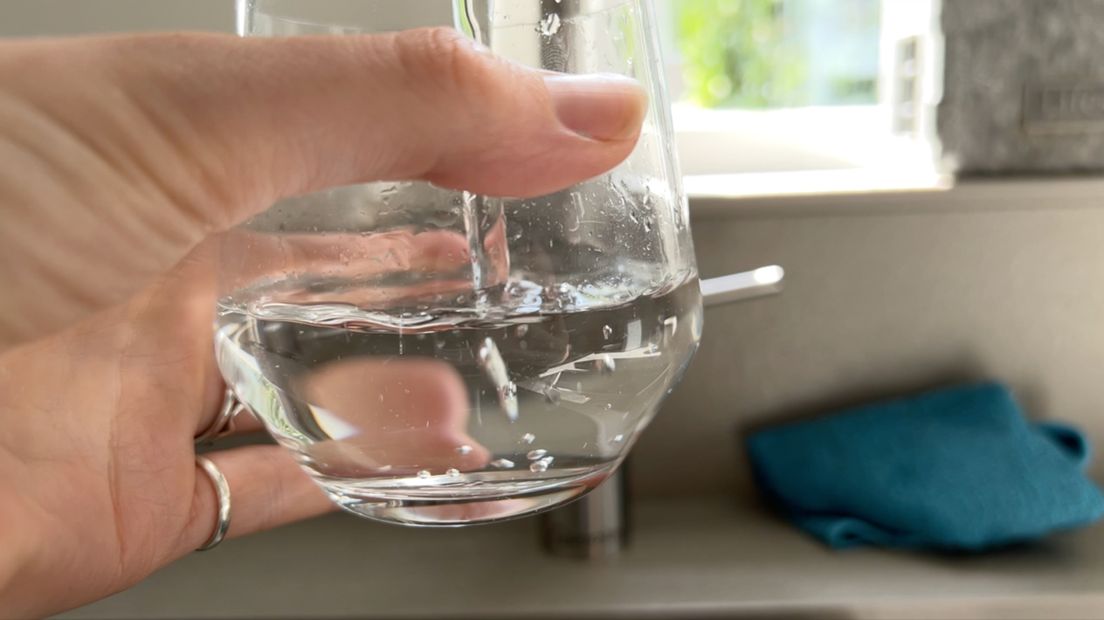
Coffee and tea service has been temporarily suspended in many cafés, restaurants, universities, and hospitals across the Dutch city of Utrecht after the discovery of Enterococcus bacteria in the tap water — a sign of possible fecal contamination. The incident has raised public concern and disrupted daily routines across the city.

The water company Vitens has advised residents to boil water for at least three minutes before drinking or cooking with it. The restrictions are expected to remain in place until at least Tuesday, November 4, pending confirmation that the water is safe. As a result, getting a cup of coffee or tea has become difficult in public institutions, including Utrecht University and the University Medical Center.

Hospitality businesses have had to adapt quickly to the emergency. Jan Hagenouw, head of the Utrecht branch of Koninklijke Horeca Nederland (KHN), said the sector is showing “remarkable flexibility.” Some establishments have begun rinsing glasses with Spa Rood mineral water, while others have stopped serving dishes like salads that require washing with tap water. Customers may also notice the absence of ice cubes in cold drinks — existing ice stocks are being reserved for select beverages such as whisky.

Cultural venues have also been affected. The Stadsschouwburg Theater is now using coffee machines filled only with boiled water and has advised visitors to bring bottled water. The TivoliVredenburg concert hall has temporarily reduced coffee and tea service as well.

At Utrecht University, all coffee machines in campus buildings have been shut down, although lectures and exams continue as planned. The university has urged students and staff not to drink tap water or use electric kettles and to bring boiled water and ready-made meals from home, since campus cafeterias may be closed.

Meanwhile, coffee producer Douwe Egberts, headquartered in Utrecht and owned by JDE Peet’s, confirmed that its production “remains completely safe and operational.” The company said it has implemented additional measures, including disabling cold-water dispensers and setting up dedicated water stations, while continuing to follow Vitens’ guidance closely.

The water contamination has also triggered a rush on bottled water in local supermarkets. Shelves at Aldi, Jumbo, and Albert Heijn were emptied quickly as customers stocked up. Jumbo reported delivering 7,500 liters of water to regional stores in a single day, while Albert Heijn urged customers to stay calm and “avoid panic buying.”

Within the city’s hospitality community, the water crisis has become a dominant topic of conversation — particularly about washing, rinsing, and water management. As KHN’s Hagenouw noted, “In hospitality, creativity is always essential. But we hope clean water will return soon — people’s patience won’t last forever.”

JDE Peet’s Opens Transformed Innovation Laboratory in Utrecht to Accelerate Coffee Breakthroughs

Amsterdam – Qahwa World

JDE Peet’s (EURONEXT: JDEP) has announced the opening of its fully revamped modular Innovation Laboratory in Utrecht, the Netherlands, marking a major milestone in its efforts to accelerate next-generation coffee breakthroughs.

The upgraded facility reinforces the company’s commitment to scaling customer-led innovations and highlights the strategic importance of its global R&D center in Utrecht. With a modular setup, the Innovation Lab allows teams to rapidly develop new coffee products, processes, and packaging materials that can be quickly scaled across JDE Peet’s global manufacturing network.

This investment complements the recent opening of the company’s innovation facility in Joure, which focuses on next-generation extraction and freeze-drying technologies. Together, both facilities represent a combined investment of €8 million.

Key focus areas for the Utrecht Innovation Lab include single-serve, capsule, ready-to-drink, and instant coffee formats, alongside the development of sustainable packaging solutions. In support of JDE Peet’s Common Grounds sustainability goals, the new laboratory also integrates advanced heating and ventilation systems designed to recycle heat and reduce energy consumption.

Carolyn Adams, Chief R&D Officer at JDE Peet’s, said:

“We’re proud that our next generation of coffee innovations will be developed in the home of our oldest and most beloved brands – Douwe Egberts. Coffee is one of the most exciting and fast-evolving consumer categories, with new flavors and formats emerging almost every week. The agile, modular setup of our Innovation Lab enables us to rapidly respond to consumer insights and quickly scale new flavors and formats – whether hot, cold, wet, or dry – to full factory production. As we deliver our ‘Reignite the Amazing’ strategy, this investment will allow us to significantly accelerate the time-to-market of the next generation of coffee breakthroughs in response to changing consumer needs and trends.”

The Utrecht Innovation Laboratory offers a flexible, modular workspace equipped with advanced technologies for coffee product development. These include high-precision grinders and capsule fillers for single-serve and portioned espresso, technologies for JDE Peet’s liquid Cafitesse products, facilities for ready-to-drink cold coffee, and advanced freeze-drying systems for next-generation instant coffee — an important growth area for the company.

Recent innovations developed at the Utrecht Lab include improved non-dairy creamers, energy-efficient roasting methods, home-recyclable paper packaging for freeze-dried instant coffee in the UK, and the ongoing development of mono-material packaging to enhance recyclability.