Navigating Uganda’s 2026 Arabica Season


Dubai – Qahwa World

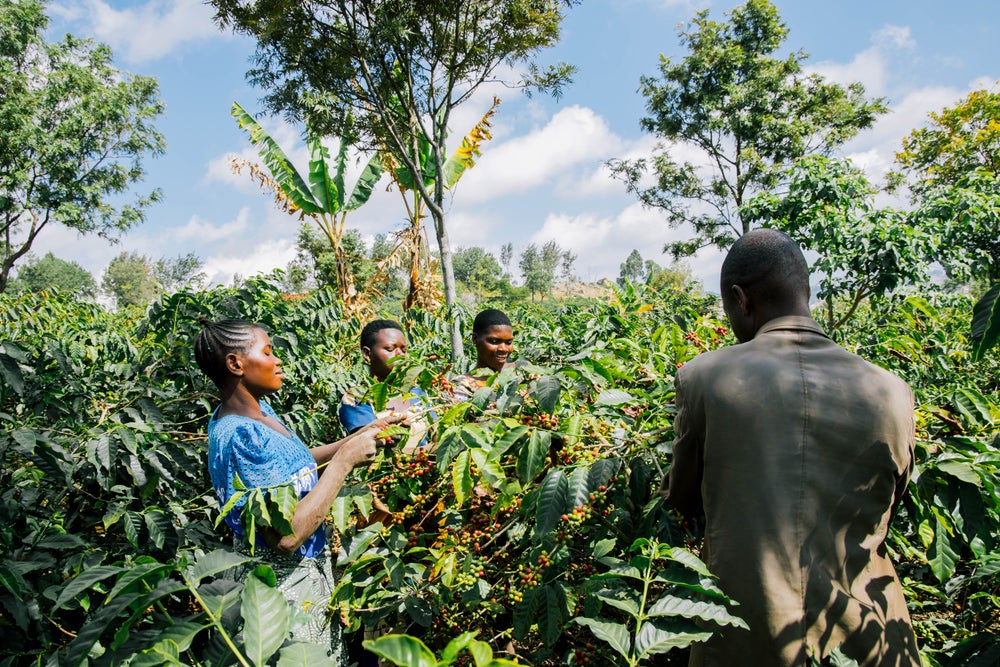
As Uganda’s Arabica harvest unfolds, the 2026 season is shaping up as one of contrasts. In Western Uganda, late rainfall, shifting weather patterns, and market adjustments have pushed national production down by an estimated 100,000 bags compared to last year. On the ground, many local traders have home-processed nearly 20 percent of their crop, reflecting both necessity and resilience.

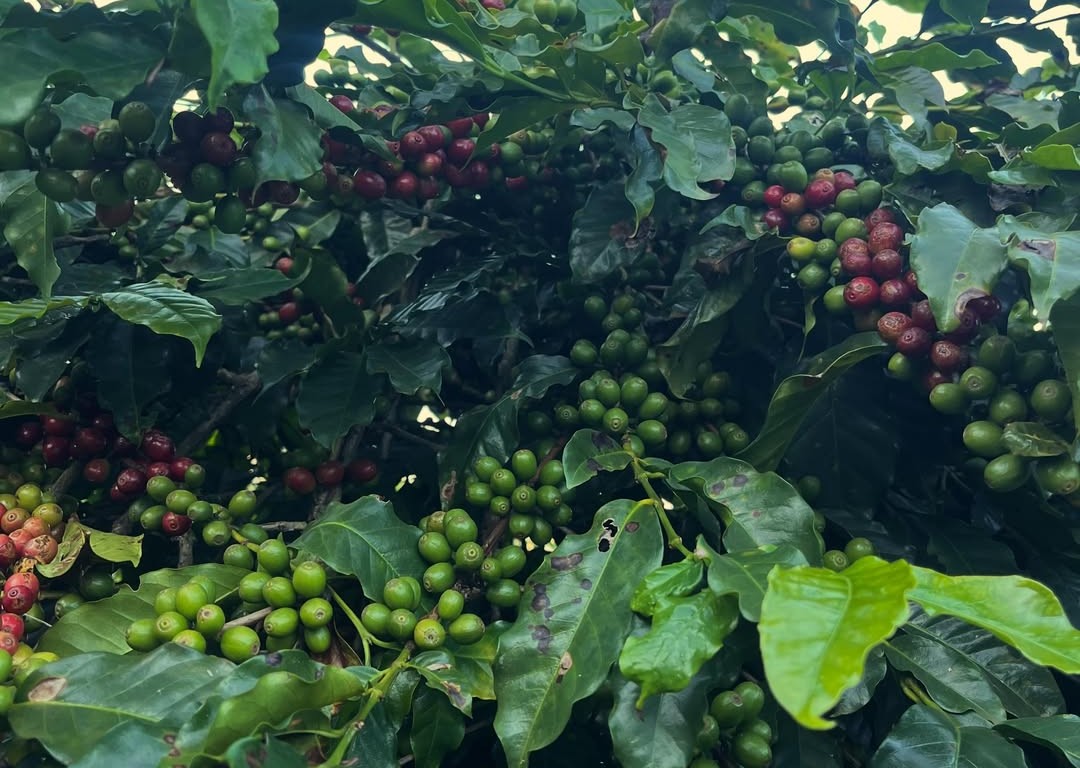
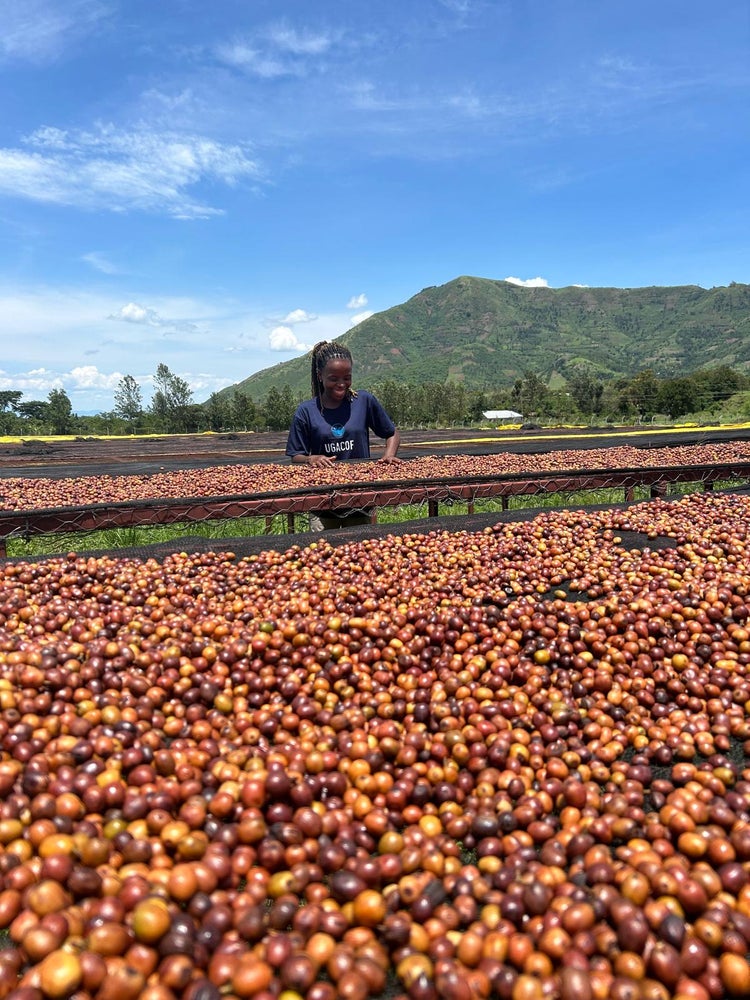
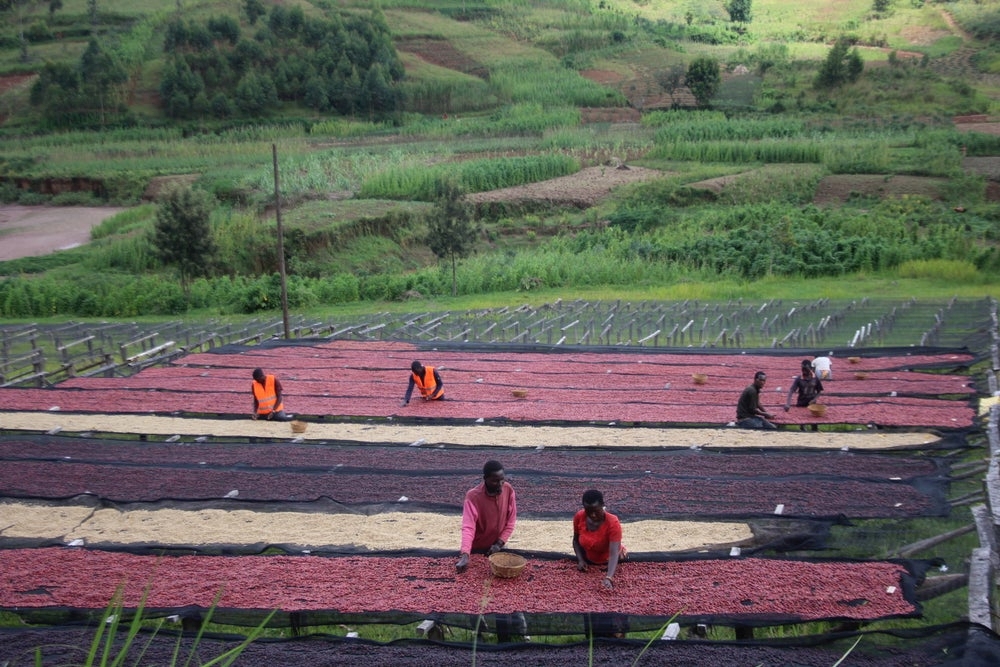
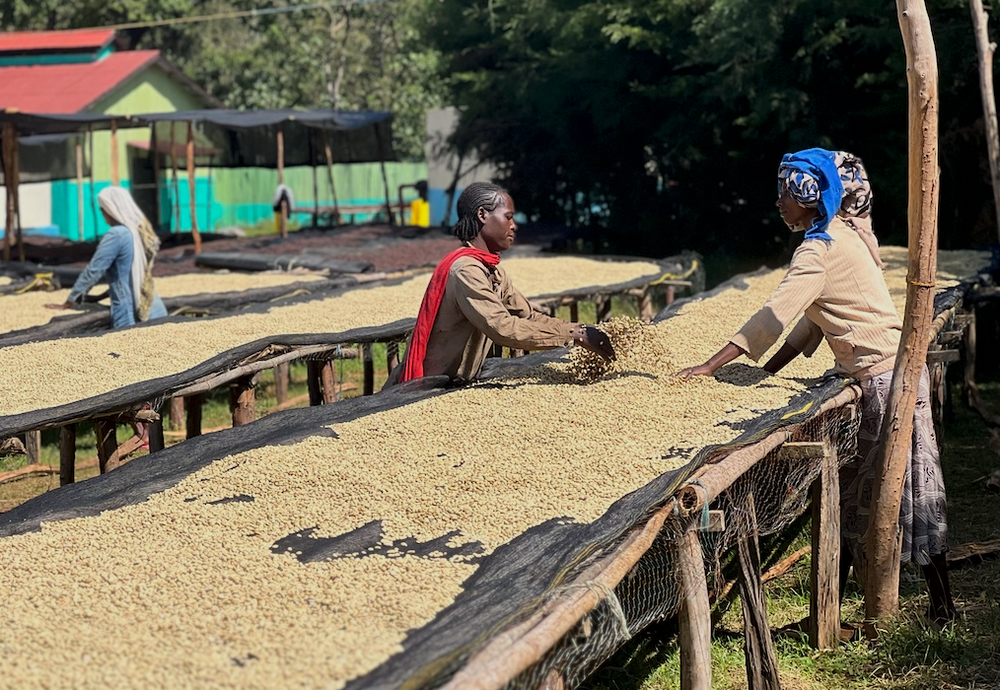
Ugacof’s teams are ensuring quality remains uncompromised. At every Coffee Washing Station (CWS), cherries are fully floated to select the best beans. Harvesting is ongoing through late April, with the second harvest expected between late August and mid-November. Early flowering observed in several regions hints that a stronger second crop could be on the horizon.

Supporting Farmers Beyond the Crop

Smallholder farmers often manage plots of around 300 trees, where limited access to basic tools, aging coffee trees, and insufficient seedlings can hinder productivity.

Ugacof’s Beyond Flagship program has stepped in with targeted support. The Tools for Prosperity project equips farmers delivering to Katerera CWS with essential tools, including a hoe, spade, and pruning saw, alongside practical guidance on their use. These interventions improve soil management, pruning, and overall farm health.

Over 100 IMPACT-verified farmers have already benefited. Roasters sourcing select microlots contribute directly to these initiatives, linking purchases to measurable on-farm impact.

Building a Sustainable Coffee Future

Beyond tools and training, broader sustainability initiatives are reshaping Uganda’s coffee landscape. Nurseries established since 2025 provide 1.5 million seedlings annually at no cost to farmers, rejuvenating low-density, aging plantations and supporting new entrants.

A fully traceable, regenerative Arabica supply chain is being developed with digital farmer registration, structured data collection, and transparent payment systems. Climate-smart practices, agroforestry, and organic fertilizers from coffee by-products support productivity and ecosystem restoration.

These programs aim to empower up to 15,000 farmers, integrating finance, sustainability, and quality into a cohesive system.

Innovation at Origin

Uganda is exploring new coffee processing methods. Experimental techniques including anaerobic natural fermentation, lactic fermentation, and yeast inoculation are being trialed across washing stations to adapt to local conditions and create distinctive cup profiles.

These innovations, combined with ongoing farmer support, aim to increase value at origin and deliver consistent high-quality coffee to roasters.

A Season of Challenges and Opportunities

While the first harvest is smaller than expected, early flowering, sustainability programs, and practical farmer support provide reason for cautious optimism. For buyers and roasters, now is an ideal time to engage, secure the 2026 crop, and support initiatives strengthening Uganda’s Arabica sector.

In Uganda, coffee is more than a crop. It is a story of resilience, innovation, and community. This season, as cherries ripen and tools are put to use, that story continues to unfold, one bean at a time.


Historic Colombian Coffee Harvests Face Labour Shortages

Líbano, Colombia – Qahwa World

The Guardian has reported on a striking paradox in Colombia’s coffee industry: even amid record-breaking global coffee prices, farmers are struggling to find enough pickers to harvest their crops.

In Líbano, Tolima, Mary Luz Pérez Arrubla and her brother Rodrigo, fourth-generation coffee growers, experienced one of the best harvests in recent memory in 2025. Prices soared as U.S. tariffs on Brazil and Vietnam, coupled with poor harvests in those countries, boosted Colombia’s high-altitude regions. Yet labour shortages meant that up to 10% of the crop was left on the ground.

“Every week, for two-and-a-half months, we worked from dawn to dusk. I had to collect coffee from the floor—it seemed there was more there than on the branches,” Mary said. Wilder Gomez, the farm manager, echoed her frustration: “Even offering higher wages doesn’t solve the problem. People move from farm to farm chasing the best daily harvest.”

The challenges reflect a decades-long rural exodus. Violence, economic inequality, and urban job opportunities have pulled workers away from Colombia’s coffee-growing regions, leaving an ageing workforce. The National Coffee Growers Federation reports that the proportion of workers over 60 has more than doubled, while the overall workforce has shrunk by a quarter.

Unlike Brazil, where flat plantations allow mechanised harvesting, Colombia’s steep Andean slopes prevent widespread machine use. “Every slope is different,” said agronomist Yinson Javier Díaz. Mechanisation is further limited by the uneven ripening of cherries, a common trait in Colombian coffee regions.

Emerging technologies could help. Eco-friendly mills reduce labour needs, AI-powered sorting machines separate ripe beans from spoiled ones, and drones can apply pesticides precisely. Yet fewer than 5% of farmers can afford these innovations, with costs starting at 22 million pesos (£4,150).

Climate change compounds the difficulties. Average mountain temperatures have risen 1.2°C since the 1980s, sunlight hours have dropped by nearly 20%, and pests and diseases are increasingly frequent. Experts predict that by 2041–2060, low-altitude yields may fall while high-altitude production could rise, prompting shifts in cultivation practices.

Despite Colombia’s central role in global coffee production, most of the profits bypass small farmers. Half a million coffee-growing families cultivate an average of just 1.4 hectares each, while industrial estates in Brazil often span hundreds or thousands of hectares. Only around 10% of coffee profits reach these small producers, even as global consumption continues to grow, with an estimated three billion cups consumed daily.

The Guardian’s report underscores a stark reality: record harvests and soaring prices cannot compensate for labour shortages, climate instability, and economic inequality, leaving Colombia’s coffee sector at a critical juncture.

Burundi and Rwanda Coffee Harvest Update 2026

Bujumbura  – QAHWA WORLD

Preliminary reports from Burundi and Rwanda indicate promising prospects for the 2026 coffee harvest, with an estimated combined total of around 40,000 metric tonnes (MT) of high-quality green coffee. Teams in both countries have shared insights on volume, quality, and sustainability initiatives supporting farmers.

Burundi Harvest Outlook

Burundi’s coffee harvest for 2026 is expected to increase by over 60% compared to 2025, reaching approximately 24,000 MT. Favourable weather since mid-August has supported strong flowering, with the harvest expected to start fully around 10 March, about one month earlier than last year. Quality monitoring at washing stations is underway, with initial observations indicating good cherry development. The harvest is expected to continue until July, depending on rainfall.

Sustainability Initiatives in Burundi

This season marks the launch of a major public-private initiative to rejuvenate coffee production. The tree stumping programme involves 14,000 farming households and around 700,000 trees. Combined with planting new seedlings, the programme aims to quadruple productivity within three to five years.

Additionally, all Burundian coffee is now offered as IMPACT-verified, Sucafina’s responsible sourcing programme. Farmers receive training and support to improve environmental and social outcomes while enhancing traceability and quality. Approximately 30,000 smallholder farmers are engaged in these sustainability programmes this year.

Rwanda Harvest Forecast

Rwanda’s 2026 harvest is projected at around 16,000 MT, lower than the previous year due to less favourable flowering conditions, but expected to maintain high quality. The harvest began in mid-February and is expected to continue until late June.

Market and Regulatory Factors

Reduced supply is likely to increase market competition. RWACOF (Sucafina in Rwanda) continues to prioritise exceptional-quality cherry and close monitoring of processing at partner washing stations. A new scalable model has been introduced to expand sourcing areas while mitigating market risks.

Sustainability Initiatives in Rwanda

Sucafina’s sustainability programmes in Rwanda include tree rejuvenation, carbon footprint mapping, and regenerative agriculture. Since 2023, 197,782 trees have been stumped, with over 155,000 in 2025 alone. Farmers received inputs such as lime and organic fertiliser, alongside structured monitoring to track “back-to-production” timelines.

The Farmer Development Program, launched with the London School of Economics, provides training, loans, and tree-planting incentives to 3,735 farmers across five service centres. Agroforestry initiatives have distributed 110,064 shade trees, integrating sustainable practices into the supply chain.

Village Savings and Loan Associations (VSLAs) have been scaled, engaging 1,529 members (51% women) and mobilising $30,884 in savings, with 67% loaned to 924 farmers. Over the next six months, Sucafina will establish a 145,000-seedling nursery, expand refresher trainings, and conduct IMPACT verification, expected to make verified coffee available by June 2026.

Central America Crop Progression Update 2025/26

Dubai – Qahwa World

Sucafina has published its Central America Crop Progression Update 2025/26, outlining steady progress and a positive outlook for the current coffee cycle across Central America and Mexico. According to Oscar Fernando Hurtado Ramirez, Global Head of Production Research at Sucafina, favorable weather, balanced harvest flows, and strong reinvestment at farm level are supporting both volume and quality this season.

  • Harvest progress and pace

Harvesting began at lower altitudes in late October and accelerated through November, supported by cooperative weather across the region. This season has been characterized by a more even picking flow, reducing pressure on mills and contributing to stronger quality outcomes. Peak harvest activity is taking place in January, while higher-altitude areas are now ramping up and are expected to remain active over the coming months. Regionally, the main harvest is projected to wind down between late March and early April.

By late January, approximately 50% of the harvest is complete, with progress expected to reach 65% to 70% by the end of the month. Nicaragua is currently the most advanced origin, while El Salvador and Costa Rica are moving more slowly and are expected to pick up pace as higher-elevation farms enter peak production.

  • Volume and quality outlook

Total coffee production across Central America is expected to finish near 18 million bags, placing regional output about 4.5% above the 2024/25 season. Strong international prices during the previous cycle generated record revenues in several producing countries, enabling reinvestment in tree renovation, fertilization, and farm management.

These investments are now translating into healthier plants and improved crop conditions for the 2025/26 season. With a steadier picking schedule and more balanced deliveries, coffee processing is progressing smoothly and on schedule, supporting both physical preparation and cup quality.

  • Market context

Two developments influenced the regional coffee market toward the end of 2025. Mexico briefly benefited from zero U.S. trade tariffs during the fourth quarter, which supported local buying activity and imports. That policy was removed in November, returning trade to standard commercial conditions.

Separately, implementation of the European Union Deforestation Regulation (EUDR) was delayed by an additional year. The extension has eased immediate pressure on farmers and exporters and provides more time to strengthen traceability systems ahead of full enforcement, now scheduled for December 31, 2026.

  • Chaak: creating opportunity through coffee in Guatemala

Sucafina is also preparing to ship Chaak, a new Original coffee from Guatemala sourced from Chiquimula, Santa Rosa, and Jalapa. The blend brings together coffees from 618 smallholder farmers, including 462 producers from eastern Guatemala and 156 from western regions. Shipments are expected between March and May.

Chaak is fully traceable and IMPACT verified, linking coffee quality with social and environmental outcomes through Sucafina’s Responsible Sourcing Program. Participating farmers use limited chemical inputs, adhere to deforestation-free practices, and farm using methods that support biodiversity.

Each purchase of Chaak supports Opportunity through Pre-School Education, an initiative focused on improving early learning environments and teacher support in coffee-growing communities. The project forms part of Sucafina’s Beyond Flagship efforts in Guatemala.

Buyers planning to source additional Central American or Mexican coffees are encouraged to coordinate with their contacts to align on timelines, shipping schedules, and quality specifications.

The Fragrant Coffee Season in Khe Sanh and Huong Phung

Dubai – Qahwa WORLD

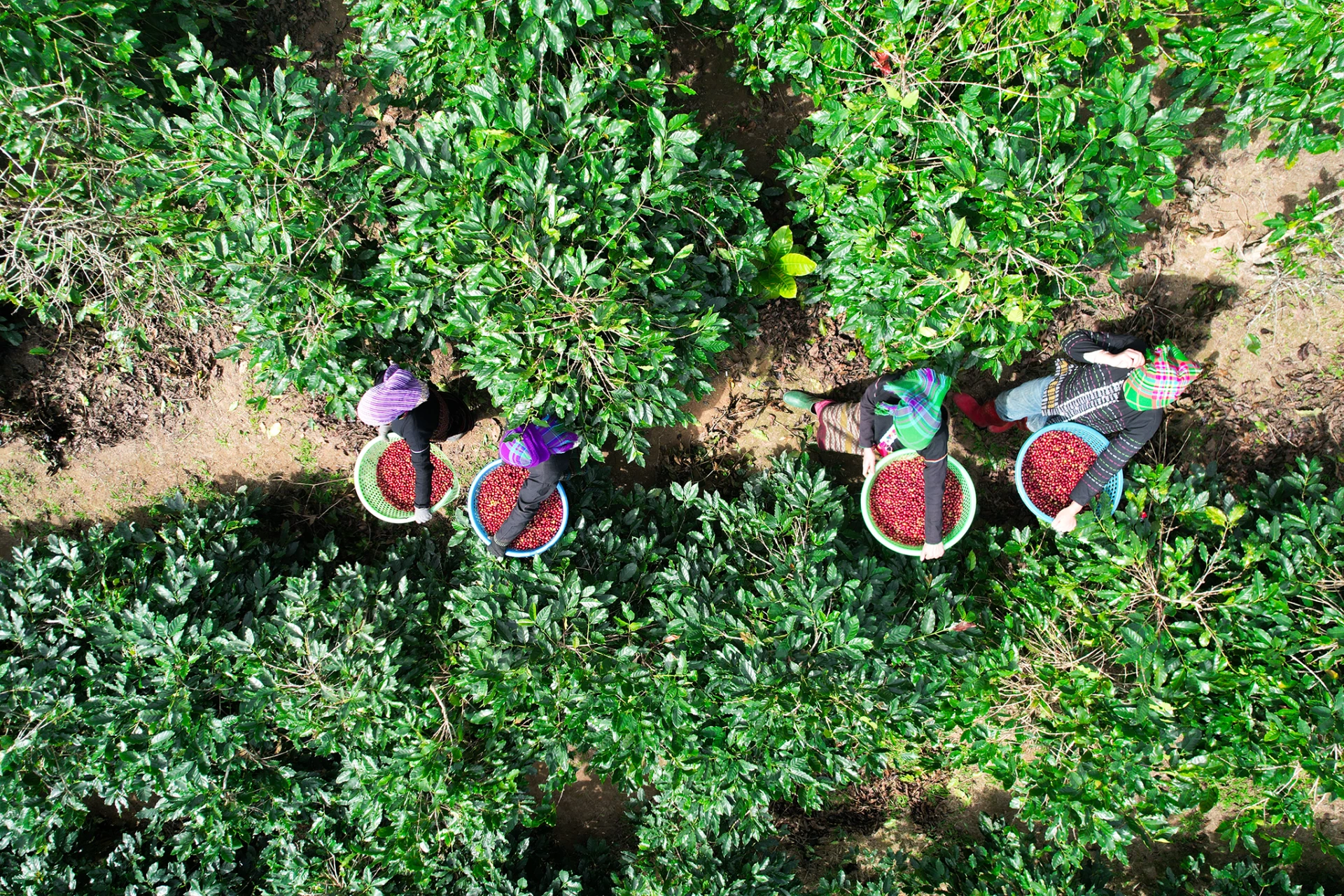
Starting every November, the coffee cherries in Quang Tri’s highlands reach full ripeness. On the rolling hills of Khe Sanh and Huong Phung, bright red Arabica cherries quietly release their rich aroma under the warm sunlight and gentle mountain winds, following the steps of local farmers from their fields to the villages. Each smile of a coffee picker captures a moment of the harvest season, where land, people, and coffee beans come together, telling a gentle story of a region growing stronger through its own fragrant bounty.

Lê Thị Phương Nhi, founder of BruLe Coffee, shared that 2025 was an exceptional year for Khe Sanh and Huong Phung coffee. Harvests were abundant, prices reached record highs, and yields were impressive—some areas produced as much as 25 tons per hectare.

In Xa Ry, coffee is gradually being cultivated organically, transforming from a common crop into a specialty product. This shift has significantly increased farmers’ income, with fresh coffee achieving the highest prices ever recorded, motivating further investments in quality and production expansion.

As the year draws to a close, coffee harvesting becomes a bustling activity across the coffee-growing communes of southwest Quang Tri. Nearly 4,000 hectares of coffee are in full production, and farmers are enthusiastic because this season offers the best yield and prices they have ever seen.

Phan Ngọc Long, Vice Chairman of Huong Phung Commune, reported that the commune has about 2,100 hectares of coffee ready for harvest. Average yields range from 8–10 tons of fresh cherries per hectare, with well-managed farms producing 15–20 tons per hectare. Coffee prices have soared to 24,000–27,000 VND per kilogram, enabling farmers to earn a net profit of 14,000–17,000 VND per kilogram after labor and other costs.

This year’s harvest also provides employment for thousands of seasonal workers, mainly from ethnic minority communities such as Van Kieu and Pa Ko. Daily wages range from 300,000–400,000 VND, giving workers stable income and improving livelihoods, especially at the end of the year.

Local authorities support farmers through marketing partnerships, ensuring transparency in quality and pricing, and preventing fraud. In the fields, the pride of women carefully tending specialty coffee beans is visible in every smile. Coffee cherries are meticulously sorted to ensure premium quality from the very first step.

Huong Phung Arabica is processed through strict procedures: from initial sorting, drying in solar greenhouses, to roasting with modern machinery. Each stage requires precision to preserve the coffee’s elegant aroma, mild acidity, and characteristic sweet finish. Roasted beans emit a captivating fragrance—a harmonious result of earth, climate, and human hands.

This is the unique taste of Huong Phung and Quang Tri, steadily claiming its place on Vietnam’s specialty coffee map.

Khe Sanh and Huong Phung coffee did not reach this success overnight. In previous years, low prices forced many farmers to abandon or replace coffee crops. Between 2010–2015, substantial areas of coffee were cleared for other plants. Today, specialty coffee provides sustainable livelihoods and creates a new path toward green agriculture.

Khe Sanh is no longer just remembered for its turbulent past; it is now recognized as the cradle of Central Vietnam’s Arabica specialty coffee. On hills over 500 meters above sea level, in a year-round mild climate, coffee trees thrive, carrying the aspirations of local highland communities.

Harvesting is done manually with careful selection, ensuring only perfectly ripe cherries are picked—a key factor in producing specialty coffee. According to Lương Thị Ngọc Trâm from Pun Coffee Co., Khe Sanh and Huong Phung’s natural conditions favor Arabica and Catimor varieties. Despite the basin-like terrain not being ideal, the wide day-night temperature difference of 7–9°C allows Arabica to thrive, creating Vietnam’s most distinctive coffee. The tropical monsoon climate, average temperature of 22°C, annual rainfall of 2,262mm, and abundant water resources from lakes, rivers, and streams contribute to high yields and quality.

To promote high-quality Vietnamese coffee globally, the Ministry of Agriculture and Rural Development approved the Vietnam Specialty Coffee Development Project (2021–2030), including Quang Tri. Coffee acreage in the province is projected to expand from 11,500 hectares (2021–2025) to 19,000 hectares (2026–2030), representing a growing share of national production.

During harvest season, the hills of Khe Sanh and Huong Phung come alive with activity. Women in traditional Van Kieu and Pa Ko attire carefully pick the bright red cherries. Handpicking and meticulous selection are crucial steps in producing specialty coffee.

Today, Khe Sanh and Huong Phung coffee is more than an agricultural product—it symbolizes revival, resilience, and the determined spirit of a community rising from a land once scarred by hardship. Among the fragrant hills, Arabica beans narrate a story of Quang Tri: a story of land, people, and a sustainable, hopeful future.

Sucafina Releases Key Update on Ethiopia’s 2025/26 Coffee Harvest

Addis Ababa Qahwa World

Sucafina Ethiopia has released its latest update on the 2025/26 coffee harvest, with Kirubel Girma, Trading & Operations Manager, outlining harvest timing, regional variations, price movements, and expanded sustainability initiatives across the country.

According to the update, the harvest is beginning later than usual this season, with a delay of around 1520 days due to shifting weather patterns. Ripening continues to vary significantly by altitude, shaping different production trends across Ethiopia’s coffee-growing regions.

In southern Ethiopiaparticularly Yirgacheffe, Gedeb, and Gujifarmers expect a moderate decline of 5% to 7% after last year’s exceptionally high crop. Meanwhile, western and south-western regions are entering a strong on-cycle year, anticipating notably higher yields compared to the 2024/25 season.

Harvest timing varies by altitude as follows:

Lowlands:

Southern Ethiopia: mid-October to December

Western Ethiopia: late October to January

Mid-altitude regions:

Late October to mid-January

High-altitude regions:

Starting in November through the first half of February

Overall production is expected to be similar to last season, with shifts between regions balancing out total output. Consistent rainfall throughout the season has supported healthy cherry development and stable growing conditions.

On the market side, cherry prices have increased sharply this year. The season opened at 120 ETB/kg and has already climbed to 145 ETB/kg, a significant jump from last year’s starting point of 3540 ETB/kg. This rise is attributed to the devaluation of the Ethiopian birr, higher NY “C” prices, and increased competition among local buyers. The sector is also facing challenges in managing cherry price volatility amid a growing number of active market players.

Sucafina highlighted several sustainability developments, particularly in the Sidamo region, where the Lalisaa Project has expanded through a dedicated full-time field officer supporting farmers directly. This closer engagement has enhanced traceability and helped connect producers with markets offering better price incentives.

Additionally, in collaboration with destination teams and clients, Sucafina has begun returning GrainPro bags to Ethiopia. These bags are redistributed to farmers to improve on-farm storage conditions and protect quality, especially in areas lacking proper warehouse facilities.

Looking ahead, stable weather patterns, strong western yields, and improved price motivation for farmers point to a solid overall season for Ethiopia’s 2025/26 harvest. Sucafina encourages industry partners interested in sourcing Ethiopian coffee to contact their traders for current offers and origin updates.

First Look at the Central America Coffee Harvest 2025 / 2026

Dubai – Qahwa World

Sucafina has published a new field report titled First Look at the 2025 / 2026 Central America Coffee Harvest, offering an early overview of the upcoming season across Central America and Mexico. The report describes a sense of cautious optimism among producers as they prepare for the harvest, buoyed by improved weather conditions during the first half of the year.

According to Sucafina, early indicators suggest a 3% increase in coffee production compared to the previous season, with the first volumes expected to appear in the second half of October and the peak harvest period projected between December and January — a timeline more in line with historical averages for the region.

Oscar Fernando Hurtado Ramirez, Global Head of Production Research at Sucafina, stated that overall crop expectations across the region are positive. “We are expecting more coffee production in each country due to better weather conditions during the first half of the year,” he explained. Total production across Central America and Mexico is forecast to reach around 18 million bags, representing an increase of approximately 570,000 bags compared to the previous cycle.

Improved Crop Quality and Fewer Pests

The report notes that crop quality and conversion rates are also looking favorable this year. Lower pest and disease pressure have created more stable conditions that support plant health and boost yield potential. However, the report warns that coffee leaf rust could rise later in the year, given the higher proportion of susceptible varieties planted across the region combined with wetter conditions expected in October and December.

EUDR Still a Major Concern

Despite the encouraging start to the season, concerns remain high regarding the European Union Deforestation Regulation (EUDR). Hurtado emphasized that “EUDR remains the biggest concern among farmers and the broader coffee sector.” While progress has been made in preparing for compliance, producers are still uncertain about how the regulation will be implemented in practice—particularly for smallholders who may struggle to meet traceability and verification requirements.

Investing in Education for Lasting Impact

The report also highlights Sucafina’s ongoing social initiatives in Central America, particularly its collaboration with the Seeds for Progress Foundation to strengthen rural education in coffee-growing communities. Active in Guatemala across regions such as Santa Rosa, Jalapa, and Chiquimula, the initiative supports school infrastructure, teacher training, and the creation of safe learning environments for children during the harvest season, when many parents are at work in the fields.

One current project, Opportunity Through Pre-School Education, focuses on improving preschool classrooms in Santa Rosa by providing child-friendly furniture and training for educators. This initiative forms part of Sucafina’s IMPACT program, which promotes responsible sourcing and human rights development at origin.

As the 2025 / 2026 harvest begins to take shape, Sucafina reaffirmed its commitment to supporting both farmers and communities in the region. The company plans to share more updates from the field in the coming weeks and encourages partners to coordinate with their trading teams to plan for the upcoming coffee volumes.

Colombia Records Its Best Coffee Harvest in Over 30 Years

Bogotá — Qahwa World

Colombia, the world’s third-largest coffee producer after Brazil and Vietnam, has celebrated its most productive coffee year in more than three decades. The impressive rebound, driven by favorable weather conditions and extensive crop renewal, brought total production between October 2024 and September 2025 to 14.87 million 60-kg bags, marking a 17% year-on-year increase and exceeding the country’s estimated output of 14 million bags, according to the National Federation of Coffee Growers.

However, the Federation warned that this peak may not continue into the next season.

We are now beginning the 2025/2026 coffee cycle, which, due to the natural physiological response of the coffee tree and significant rainfall in the first half of the year, is projected to be a year of lower production,” said Federation Manager Germán Bahamón on X.

Colombia, home to about 840,000 hectares of coffee cultivation, supports roughly 540,000 farming families who depend on the crop for their livelihoods.

Strong Output and Export Growth

In September 2025, Colombia’s production of washed Arabica coffee rose 7% year-on-year, reaching 1.14 million bags, slightly below 1.24 million bags in August. Coffee exports increased 6% in September, totaling 1.06 million bags, the Federation reported.

The Colombian statistics agency DANE noted that the value of coffee exports surged 79.7% year-on-year between January and August 2025, reaching $3.67 billion, largely driven by high international coffee prices.

Monthly Coffee Output and Exports (Oct 2024 – Sep 2025)

Month Output (1,000 bags) Exports (1,000 bags)
September 2025 1,142 1,063
August 2025 1,243 1,128
July 2025 1,373 1,150
June 2025 909 1,086
May 2025 819 910
April 2025 703 796
March 2025 1,064 1,268
February 2025 1,361 1,187
January 2025 1,356 1,151
December 2024 1,798 1,282
November 2024 1,761 1,189
October 2024 1,339 1,047
September 2024 1,071 987
Source: National Federation of Coffee Growers of Colombia (FNC), DANE  |  Data in thousand 60-kg bags

These figures illustrate a strong performance throughout the year, particularly in late 2024, when monthly output peaked above 1.7 million bags before stabilizing in 2025. Despite slight fluctuations, both production and exports remained consistently high, reflecting the resilience of Colombia’s coffee sector amid shifting weather patterns and global market volatility.

As Colombia enters a new production cycle, growers remain cautiously optimistic, balancing the recent record harvest with expectations of a natural slowdown in the coming year.

Brazil Weather and U.S. Tariffs Drive Coffee Prices to Multi-Month Highs

Dubai, August 19, 2025 (Qahwa World) – Coffee prices surged on Tuesday, with arabica futures climbing to a 2.25-month high and robusta reaching a two-month high, supported by dry conditions in Brazil’s key growing regions and tightening U.S. supplies following new tariffs on Brazilian coffee.

September arabica coffee (KCU25) rose 1.85% (+6.35¢/lb), while September ICE robusta (RMU25) gained 4.04% (+$168). The rise reflects mounting concern over Brazil’s weather, particularly in Minas Gerais, the country’s largest arabica-producing state, where Somar Meteorologia reported no rainfall during the week ending August 16.

Market support is also coming from the United States, where buyers are avoiding new contracts for Brazilian coffee due to a 50% tariff imposed on imports. Brazil typically supplies about one-third of U.S. unroasted coffee, making the tariff impact significant for roasters and traders.

Brazil’s July export figures further underscored supply concerns. According to the Trade Ministry, unroasted coffee exports fell 20.4% year-on-year to 161,000 metric tons. Exporter group Cecafé reported that green coffee shipments dropped 28% y/y to 2.4 million bags, while total coffee exports fell to 2.7 million bags. From January to July, Brazil’s overall exports declined 21% to 22.2 million bags.

Certified exchange inventories remain tight. ICE arabica stocks fell to a 1.25-year low of 726,661 bags on August 14 before recovering slightly to 733,105 bags this week. ICE robusta stocks dropped to a three-week low of 6,749 lots, down from late-July’s two-year high of 7,029 lots.

On the supply side, Brazil’s 2025/26 coffee harvest is advancing. Research firm Safras & Mercado estimates the crop was 94% complete as of August 6, with robusta nearly finished (99%) and arabica at 91%. Cooxupé, Brazil’s largest coffee cooperative, reported its members had completed 80.4% of their harvest by August 8.

Beyond Brazil, Vietnam’s coffee industry continues to influence robusta prices. Drought reduced 2023/24 production by 20% y/y to 1.47 million metric tons, the lowest in four years, while 2024 exports fell 17.1% to 1.35 million metric tons. However, recovery signs emerged with January–July 2025 exports up 6.9% y/y to 1.05 million metric tons.

The International Coffee Organization (ICO) reported that global coffee exports in June rose 7.3% y/y to 11.69 million bags, though October–June totals slipped 0.2% to 104.14 million bags.

Looking ahead, the USDA’s Foreign Agricultural Service (FAS) projects 2025/26 world coffee production at a record 178.7 million bags, up 2.5% year-on-year. Arabica output is expected to fall 1.7% to 97 million bags, while robusta is forecast to rise 7.9% to nearly 82 million bags. Ending stocks are projected to grow 4.9% to 22.8 million bags.

However, trader Volcafe sees a very different balance: a global arabica deficit of 8.5 million bags in 2025/26, the fifth consecutive year of shortages and larger than the 5.5 million bag deficit recorded in 2024/25. This highlights continued market tightness despite record overall supply projections.

Coffee Prices Rise on Light Frost in Brazil and Sharp Decline in Robusta Exports

Dubai, 13 August 2025 (Qahwa World) – Coffee futures gained on Wednesday, supported by reports of light frost in Brazil’s Cerrado Mineiro region and a significant drop in the country’s robusta exports.

September arabica coffee (KCU25) closed up +4.45 cents (+1.41%), while September ICE robusta coffee (RMU25) surged +206 points (+5.53%) to reach a two-month high.

Weather Impact

Light frost earlier this week in Cerrado Mineiro, one of Brazil’s key arabica-producing areas, prompted concerns in the market, although initial assessments suggest damage is minimal. Above-average rainfall in Minas Gerais last week (4.8 mm, or 109% of the historical average) eased dryness concerns, potentially limiting upward price pressure.

Exports Driving the Rally

According to exporter group Cecafe, Brazil’s July green coffee exports fell -28% year-on-year to 2.4 million bags. Arabica exports declined -21%, while robusta exports plunged -49%. Total July coffee exports dropped -28% to 2.7 million bags, with January–July shipments down -21% to 22.2 million bags.

The sharp decline in robusta exports, combined with short-covering after previous market losses, was a major factor behind robusta’s price surge. Brazil’s July unroasted coffee exports also fell -20.4% y/y to 161,000 metric tons.

Falling Inventories

ICE-monitored arabica inventories fell to a 1.25-year low of 736,411 bags on Wednesday. Robusta inventories dropped to a two-week low of 6,928 lots, slightly below the one-year high recorded at the end of July.

Harvest Progress

Safras & Mercado reported that Brazil’s 2025/26 coffee harvest was 94% complete as of August 6, ahead of last year’s 92% at the same time. Robusta harvest is 99% finished, while arabica is 91% complete. Cooxupé, Brazil’s largest coffee cooperative and exporter, said its members had harvested 80.4% of their crop by August 8.

Trade Policy Concerns

Market attention is also on U.S. trade policy, as President Trump has yet to exempt coffee from a proposed 50% tariff on Brazilian exports, a move that could impact sales to the U.S. and increase domestic inventories in Brazil.

Global Supply Picture

The International Coffee Organization (ICO) reported global coffee exports in June rose +7.3% y/y to 11.69 million bags, though cumulative October–June exports slipped -0.2% to 104.14 million bags.

The USDA’s June forecast projects global 2025/26 coffee production will rise +2.5% y/y to a record 178.68 million bags, with arabica output down -1.7% to 97.02 million bags and robusta production up +7.9% to 81.66 million bags. Ending stocks are expected to increase +4.9% to 22.82 million bags.

Vietnam’s Role in Robusta Supply

Vietnam’s 2023/24 coffee production fell -20% y/y to 1.472 million metric tons due to drought—the smallest crop in four years. The Vietnam Coffee and Cocoa Association has lowered its 2024/25 production forecast to 26.5 million bags, down from December’s estimate of 28 million bags. However, Vietnam’s Jan–July 2025 exports rose +6.9% y/y to 1.05 million metric tons.

Deficit Outlook

Despite higher overall global production, Volcafe forecasts a -8.5 million bag global arabica deficit in 2025/26—wider than the -5.5 million bag shortfall in 2024/25—marking the fifth consecutive year of deficits.

Tight Supplies Push Coffee Prices to Multi-Week Highs in September 2025

Dubai, 12 August 2025 (Qahwa World) – The global coffee market saw a sharp rally at the start of August, with September Arabica futures (KCU25) rising by 14.00 cents (+4.53%) to hit a seven-week high, while September Robusta futures (RMU25) climbed 188 points (+5.28%) to a four-week high. The surge was fueled by clear signs of tightening supply in the world’s largest producing countries, driven by lower exports and falling inventories.

Brazil’s Trade Ministry reported that the country’s exports of unroasted coffee in July dropped 20.4% year-on-year to 161,000 metric tons. At the same time, ICE-monitored Arabica inventories fell to a 14.5-month low of 738,095 bags, while Robusta stocks declined to a two-week low of 6,981 lots.

Markets are closely watching the United States’ stance on import tariffs, as President Trump has yet to announce an exemption for coffee from the 50% import duty on Brazilian exports — a move that could impact U.S. sales and boost domestic inventories in Brazil.

In weather developments, Minas Gerais, Brazil’s largest Arabica-growing region, recorded 4.8 mm of rainfall during the week ending 9 August, amounting to 109% of the historical average, easing drought concerns. Harvest progress remains swift, with Safras & Mercado estimating that 94% of the 2025/2026 crop had been completed as of 6 August (99% for Robusta and 91% for Arabica). Cooxupé, the country’s largest coffee cooperative and exporter, reported its members had harvested 74% of their crop by 1 August.

Globally, the International Coffee Organization’s monthly report showed that June exports rose 7.3% year-on-year to 11.69 million bags, while cumulative exports from October to June slipped 0.2%.

In recent months, prices have faced downward pressure from expectations of abundant supply. In June, the U.S. Department of Agriculture forecast Brazil’s 2025/2026 coffee production at 65 million bags (+0.5%), and Vietnam’s output at 31 million bags (+6.9%, the highest in four years). The USDA also projected record global output of 178.68 million bags (+2.5%), with Arabica production down 1.7% and Robusta production up 7.9%. Ending stocks are expected to rise 4.9% to 22.82 million bags.

Brazil’s Coffee Exporters Council (Cecafe) reported that June green coffee exports fell 31% year-on-year to 2.3 million bags, with Arabica shipments down 27% and Robusta down 42%. In Vietnam, 2023/2024 production dropped 20% year-on-year due to drought, hitting a four-year low, while exports from January to July 2025 rose 6.9% to 1.05 million metric tons.

Volcafe projects that the global Arabica market will post a deficit of 8.5 million bags in 2025/2026, compared to a 5.5 million-bag deficit in 2024/2025, marking the fifth consecutive year of shortfall.