USDA Announces Second Tranche of Food for Peace Funding for Seven Countrie

Executive Summary

  • USDA announces second tranche of Food for Peace Title II Program funding
  • Applications accepted from 7 countries: DRC, El Salvador, Ethiopia, Guatemala, Haiti, Kenya, Rwanda
  • Program transferred to USDA administration on February 3, 2026
  • Focus on delivering US-grown commodities to global food assistance programs
  • Application deadline: June 12, 2026 at 5:00 PM EDT

The U.S. Department of Agriculture’s Foreign Agricultural Service today announced a second tranche of funding for the Food for Peace, Title II Program. Under a competitive Notice of Funding Opportunity, USDA will accept applications from the Democratic Republic of Congo, El Salvador, Ethiopia, Guatemala, Haiti, Kenya and Rwanda.

USDA announced on February 3, 2026, that pursuant to a temporary interagency agreement, it would administer the Food for Peace, Title II Program. The move transferred management of the historic food assistance program from the U.S. Agency for International Development to USDA.

Context: Food for Peace joins USDA’s existing portfolio of international food assistance programs, including the McGovern-Dole International Food for Education and Child Nutrition Program and Food for Progress.

“USDA is working to return Food for Peace to its core functions,” said Michelle Bekkering, Deputy Under Secretary for Trade and Foreign Agricultural Affairs. “This funding will more responsibly deliver lifesaving food assistance with high-quality American commodities, helping American farmers and producers at home and people in need across the world.”

Eligible Countries for Funding

  • Democratic Republic of Congo
  • El Salvador
  • Ethiopia
  • Guatemala
  • Haiti
  • Kenya
  • Rwanda

Food for Peace joins USDA’s portfolio of longstanding food assistance programs, alongside the McGovern-Dole International Food for Education and Child Nutrition Program and Food for Progress.

The Food for Peace NOFO on Grants.gov describes this funding in detail. Eligible applicants include public or private organizations, including intergovernmental organizations and other multilateral organizations.

Application deadline: 5:00 p.m. Eastern Daylight Time on June 12, 2026.

Frequently Asked Questions

What is the Food for Peace Title II Program?
Food for Peace is a historic U.S. government food assistance program that provides emergency and development food aid to countries facing hunger and food insecurity. Title II specifically covers the donation of U.S.-grown commodities.

Which countries are eligible for this funding?
The seven eligible countries are: Democratic Republic of Congo, El Salvador, Ethiopia, Guatemala, Haiti, Kenya, and Rwanda.

When was USDA given authority over Food for Peace?
USDA announced the temporary interagency agreement on February 3, 2026, transferring administration of the program from USAID to USDA.

What is the application deadline?
Applications must be submitted by 5:00 p.m. Eastern Daylight Time on June 12, 2026.

Where can I find the full NOFO?
The complete Notice of Funding Opportunity is available on Grants.gov.

Who is eligible to apply?
Public or private organizations, including intergovernmental organizations and other multilateral organizations, are eligible to apply.
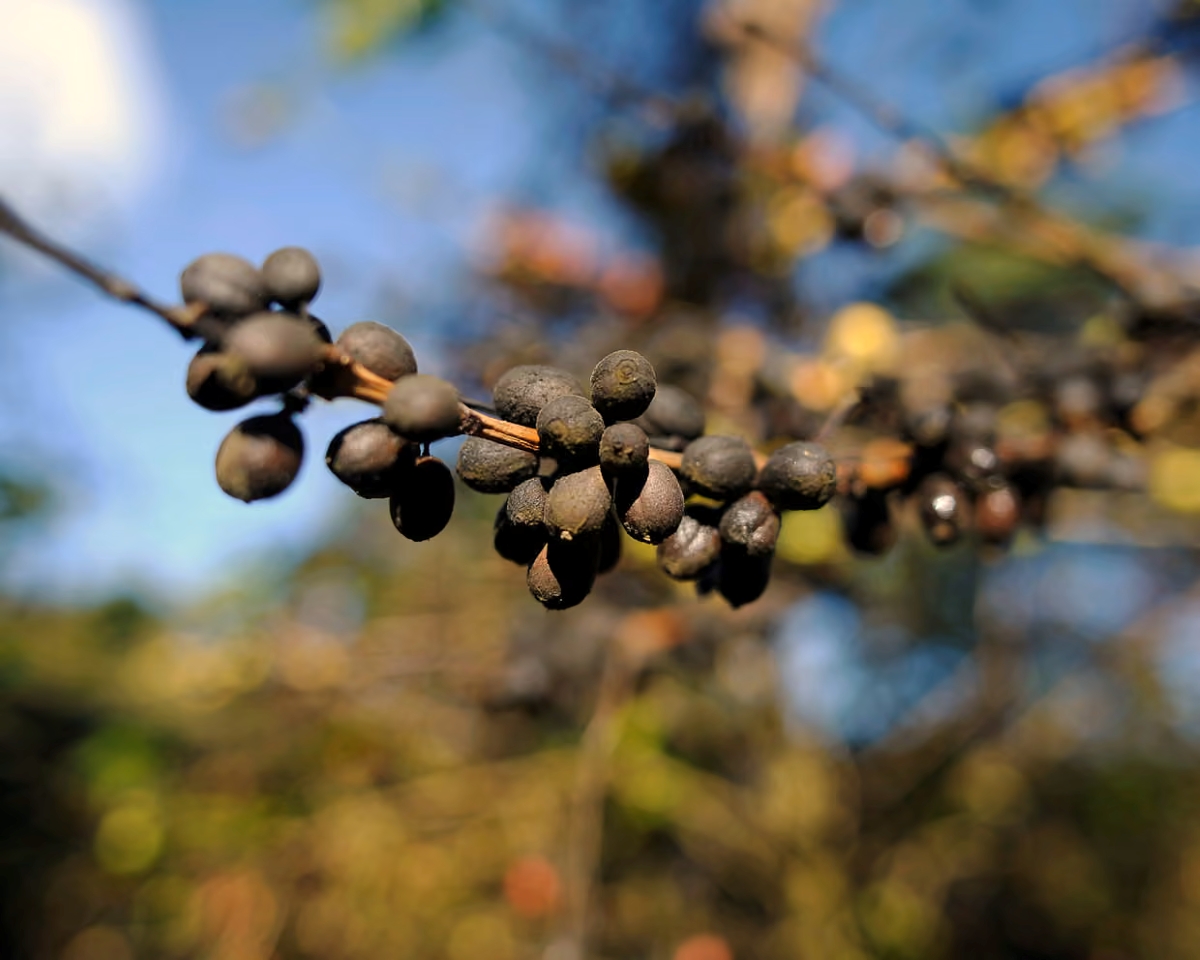


Climate Crisis Threatens Global Coffee Production

DUBAI – QAHWA WORLD

New analysis shows the world’s top five coffee-producing nations are experiencing dozens of additional high-heat days annually — putting global supply, prices, and farmer livelihoods at risk.

The global coffee industry is entering a critical phase as climate change intensifies across the tropical “coffee belt” between the Tropic of Cancer and the Tropic of Capricorn. A recent analysis by Climate Central found that the five largest coffee-producing countries — responsible for 75% of global supply — have experienced an average of 57 additional days per year above 30°C between 2021 and 2025 due to climate change.

Temperatures above this threshold are particularly harmful to coffee trees, especially Arabica, the premium variety that dominates specialty markets.

  • Ethiopia: Coffee’s Birthplace Under Growing Pressure

In Ethiopia — widely recognized as the birthplace of coffee — more than four million households depend on coffee as their primary source of income. The sector contributes nearly one-third of the country’s export earnings.

Officials from the Oromia Coffee Farmers Cooperatives Union report that rising heat is already affecting yields and increasing tree vulnerability to disease. Reduced shade cover and stronger direct sunlight are compounding the stress on farms.

  • El Salvador and Brazil Among the Hardest Hit

The analysis found that El Salvador recorded 99 additional days of coffee-damaging heat during the 2021–2025 period — the highest among major producers.

Meanwhile, Brazil — the world’s largest coffee producer, accounting for roughly 37% of global output — experienced 70 additional days above 30°C. Given Brazil’s dominant role in global supply, prolonged heat stress raises concerns about market stability and price volatility.

  • Why 30°C Is a Critical Threshold

Coffee trees require stable temperature ranges and balanced rainfall patterns. Arabica, in particular, begins to suffer productivity losses when temperatures consistently exceed 30°C. Prolonged heat can result in:

  1. Lower cherry production
  2. Reduced bean quality
  3. Increased pest and disease outbreaks
  4. Higher production costs

These factors directly affect both yield and cup quality, creating ripple effects throughout the supply chain.

  • Record Prices Reflect Climate Strain

Globally, approximately two billion cups of coffee are consumed daily. Any disruption in producing countries quickly impacts international markets.

According to the World Bank, prices for Arabica and Robusta nearly doubled between 2023 and 2025, reaching record highs in February 2025.

The surge reflects tightening supply conditions, climate-driven production challenges, and structural vulnerabilities within the coffee value chain.

  • Smallholder Farmers on the Front Line

Smallholder farmers produce between 60% and 80% of the world’s coffee. Yet climate adaptation funding reaching these producers remains limited, leaving many with constrained capacity to respond to rising temperatures.

Without stronger climate adaptation strategies — including shade management, climate-resilient varieties, and financial support — suitable growing areas may shrink or shift to higher elevations, increasing long-term production risks.

  • The Future of Coffee at a Crossroads

Coffee is more than a commodity; it is a cultural and economic pillar supporting millions of livelihoods worldwide. As heat extremes intensify across major producing regions, the industry faces structural transformation driven by climate realities.

The central question is no longer whether climate change affects coffee — but how quickly producers, governments, and markets can adapt to safeguard the future of one of the world’s most consumed beverages.


Why Buying Coffee with Bitcoin Remains Rare in 2025?

Dubai, 14 August 2025 (Qahwa World) – For over a decade, cryptocurrency advocates have promised a revolution in daily transactions—one where you could pay for your morning coffee as easily with Bitcoin as with cash or card. Yet, despite the infrastructure and hype, a closer look reveals that in most cafés around the world, this vision remains firmly out of reach.

Infrastructure Exists — But Usage Is Minimal

Global chains like Starbucks, Whole Foods, Home Depot, Microsoft, and Gucci now technically accept cryptocurrency through payment processors such as Flexa, BitPay, and Coinbase Commerce. These solutions, along with crypto debit cards and gift card platforms, make it possible to pay for coffee—or even a car—using digital assets. El Salvador remains the most notable national experiment, where Bitcoin is legal tender.

Yet in reality, most “crypto payments” aren’t direct transfers on the blockchain. They’re instant conversions from Bitcoin or other tokens into local currency at the point of sale. Merchants still receive dollars, euros, or dirhams—not cryptocurrency.

Three Barriers Brewing Resistance

  1. Tax Complexity
    In many countries, every crypto transaction triggers a taxable event for capital gains. That means buying a cappuccino requires calculating and reporting potential profits or losses on that fraction of your holdings—a deterrent for casual use.

  2. The “Digital Gold” Mentality
    Bitcoin is increasingly seen as a store of value, not a spendable currency. Investors prefer to hold it long-term, spending depreciating fiat currency instead.

  3. Volatility and Fees
    Price swings make merchants wary of direct acceptance. While fees have dropped, payment processors often still charge 1–2%, similar to credit cards.

The Lightning Network and Stablecoin Promise

The Lightning Network—a layer-2 technology—offers fast, low-cost Bitcoin payments, already in use for coffee transactions in places like El Zonte in El Salvador and small towns in Brazil. Meanwhile, stablecoins such as USDC and USDT, pegged to the U.S. dollar, bypass volatility and are gaining traction for retail and cross-border transactions.

Coffee Industry Implications

For the specialty coffee world, crypto could one day mean faster, cheaper international payments to producers, especially in regions underserved by traditional banking. However, until tax regimes adapt, volatility eases, and stablecoin adoption grows, most baristas will keep ringing up your espresso in local currency.

Final Sip

Cryptocurrency’s promise for coffee payments is alive, but for now, it remains more of a future brew than today’s reality. Stablecoins and the Lightning Network might finally make paying for your latte in crypto as smooth as the crema on top—but not quite yet.