Global Leaders Unite to Advance Coffee Education
- Global coffee leaders convened at World of Coffee Brussels for a landmark panel discussion on education.
- The event celebrated 15 years of the Master in Coffee Economics and Science – Ernesto Illy.
- The Ernesto Illy Master Alumni Community was officially launched as a global professional network.
- Panelists explored collaborative frameworks for workforce development in African producing countries.
- UNIDO’s ACT Coffee Programme and Coffee Training Centres were highlighted as key capacity-building platforms.
- Ethiopia’s Coffee Training Centre has already certified hundreds of professionals across Africa.
- Speakers emphasized education as the most sustainable investment in coffee’s future.
Global leaders in coffee, education, and international development convened at World of Coffee Brussels 2026. The event featured a landmark panel discussion on education’s role in shaping the coffee sector’s future. Organized by Fondazione Ernesto Illy ETS, UNIDO, SCA, and ICO, the event marked 15 years of the Master in Coffee Economics and Science.
The panels celebrated the program’s legacy and launched its Alumni Community. Participants also explored collaborative frameworks for workforce development in African producing countries. The message was clear: education is the most sustainable investment in coffee’s future.
Panel I: 15 Years of the Ernesto Illy Master
The first session celebrated 15 editions of the Master in Coffee Economics and Science. It is the only international first-level Master’s programme taught in English. The panel featured founding faculty members, industry partners, and alumni from Costa Rica and Ethiopia.
Speakers included Anna Illy, Sunalini Menon, Eliana Cossio, Daniel Sanchez, and Addisu Dulacha Gobana. The session culminated in the official launch of the Ernesto Illy Master Alumni Community. This global professional network extends the programme’s impact beyond the classroom.
| Speaker | Affiliation |
|---|---|
| Anna Illy | Chair, Fondazione Ernesto Illy ETS |
| Sunalini Menon | President, CoffeeLab Limited |
| Eliana Cossio | Chief Research Officer, SCA |
| Daniel Sanchez | Alumni 2018, Costa Rica |
| Addisu Dulacha Gobana | Alumni 2019, Ethiopia |
“The Master in Coffee Economics and Science – Ernesto Illy was born from a bold vision: to recognize coffee not just as a product, but as a field of knowledge bringing together science, economics, culture, and sustainability in a truly multidisciplinary and international dialogue. Fifteen editions later, it has grown into much more than an academic program: it is a global community of 300 passionate professionals who share a deeper understanding of coffee from plant to cup. With the launch of the Ernesto Illy Master Alumni Community, this shared knowledge becomes an even stronger force: connecting people, inspiring ideas and shaping the future of coffee.”
— Anna Illy, Chair, Fondazione Ernesto Illy ETS
Panel II: Innovation for Capacity Building
The second session examined how international organisations, governments, and the private sector can strengthen human capital. Focus areas included UNIDO/ACT Programme Coffee Training Centres. These are skills platforms across East African countries. The panel also discussed SCA Coffee Education Systems and new collaboration models for Africa.
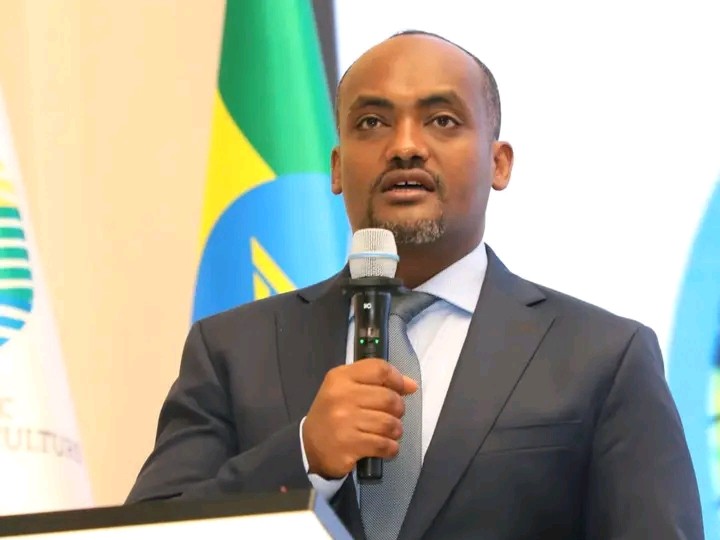
Ethiopia’s Coffee Training Centre experience was presented by Dr. Adugna Debela, Director General of ECTA. Speakers included Vanusia Nogueira, Iannis Apostolopoulos, Providence Mavubi, Stijn De Lameilliere, and Wouter Cools.
| Speaker | Affiliation |
|---|---|
| Vanusia Nogueira | Executive Director, ICO |
| Iannis Apostolopoulos | CEO, Specialty Coffee Association |
| Providence Mavubi | Director, Agribusiness, UNIDO |
| Dr. Adugna Debela | Director General, ECTA |
| Stijn De Lameilliere | GPE/WB |
| Wouter Cools | ILO |
Shared Conviction: Skills Advancement is Key
Across both panels, a shared conviction emerged. Sustainable transformation requires investing in the enabling environment for skills advancement. This includes robust institutions and accessible training pathways. Internationally recognised certification frameworks are also essential. They allow local professionals to compete, innovate, and lead.
Coffee Training Centres play a crucial role. They equip local actors with technical skills. They link them to advanced training opportunities. This lays the foundation for inclusive value chain participation. It also increases local value addition.
Leadership Perspectives
“For decades, the ICO has recognized that education, skill development, and the transfer of innovation and technology are essential to building a more resilient, sustainable, and prosperous coffee sector. Partnerships are the catalyst for this change, connecting local talent with global expertise, strong institutions, and internationally recognized training and certification pathways. Together, we can transform capacity building into lasting economic and social progress for coffee-producing countries.”
— Vanusia Nogueira, Executive Director, ICO
“Education is not merely a tool for knowledge transfer – it is a foundational investment in the long-term resilience and inclusiveness of the coffee sector. Through its ACT Coffee Programme, UNIDO is committed to building the enabling environment in which skills advancement can take root and thrive. Coffee Training Centres across Africa are proof that when we invest in people, we invest in the entire value chain.”
— Providence Mavubi, Director, Agribusiness and Infrastructure Development, UNIDO
“The Ethiopia Coffee Training Centre demonstrates what becomes possible when local expertise meets international standards. Our producers and professionals are not only learning – they are leading.”
— Dr. Adugna Debela, Director General, ECTA
“Building a more equitable coffee sector begins with creating more access for the people within our industry. SCA is proud to be part of a growing ecosystem of organizations that recognize education as the foundation of a resilient, inclusive value chain. When local professionals have access to internationally recognized pathways, everyone in coffee benefits.”
— Yannis Apostolopoulos, CEO, SCA
Spotlight: Ethiopia’s Coffee Training Centre
The Ethiopian Coffee and Tea Authority hosts the Coffee Training Centre within its premises in Addis Ababa. It was established with AICS funding and UNIDO technical support. Partners include Illycaffè and the Ernesto Illy Foundation.
The centre is equipped with roasting, brewing, and sensory laboratories. It delivers internationally standardized training across the post-harvest coffee value chain. The centre has already certified hundreds of professionals from across Africa.
About the Organizations
Fondazione Ernesto Illy ETS was established to preserve and promote the legacy of Ernesto Illy. It focuses on scientific research, education, and sustainability projects for coffee value chains. The Foundation’s core value is Ethics.
UNIDO is the UN’s specialized agency for inclusive and sustainable industrial development. It supports sustainable supply chains and strengthens agribusinesses. Its ACT Coffee Programme enhances climate resilience and local value addition in Africa.
The International Coffee Organization is the only intergovernmental organization dedicated to coffee sector sustainability. It provides official statistics and facilitates technical cooperation projects.
The Specialty Coffee Association is the global stage for specialty coffee. It brings together diverse voices across the value chain to spark dialogue and fuel innovation.