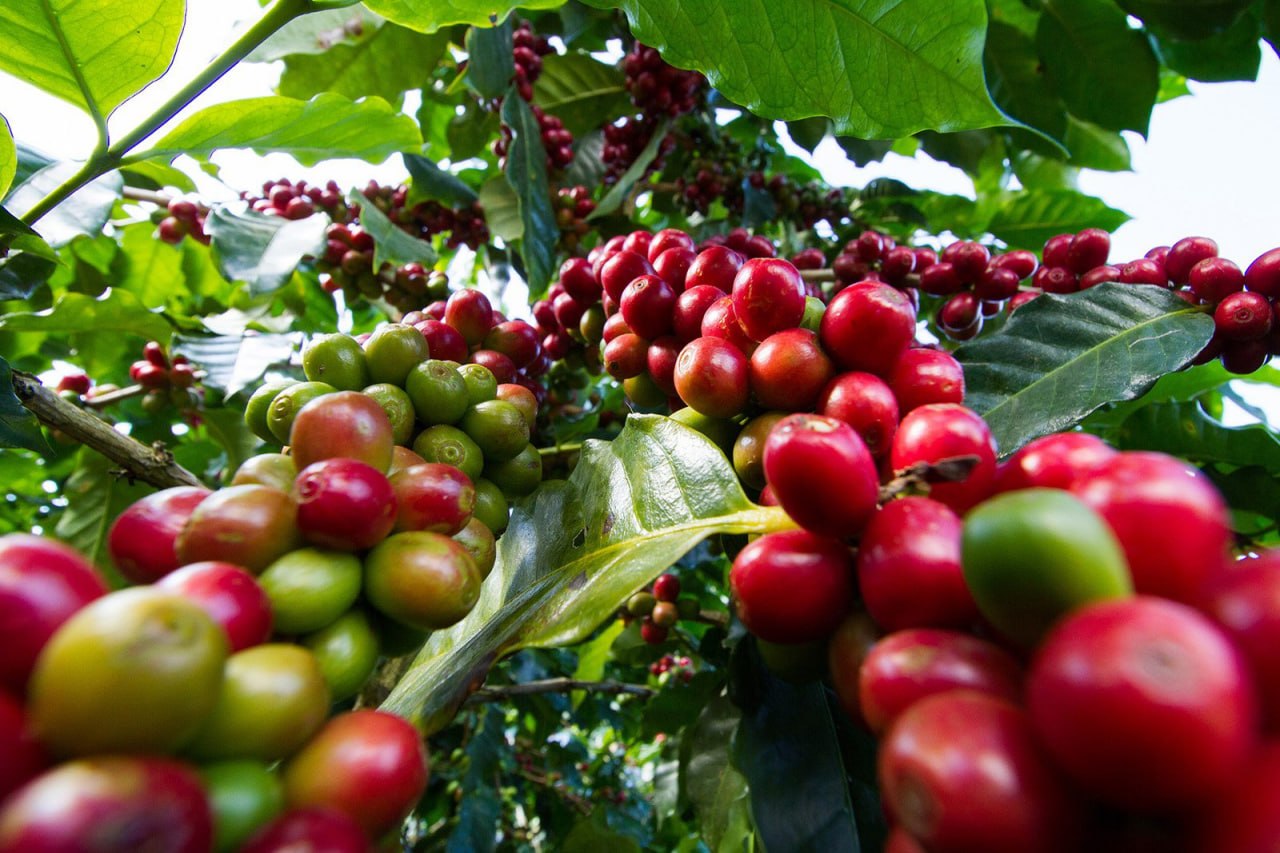
Source: Xinhua News Agency
Date: May 29, 2026
China Opens Market to African Coffee from July 20, 2026
- China’s General Administration of Customs announced it will allow qualified coffee beans from 53 African countries starting July 20, 2026.
- Coffee is the second African agricultural product to receive full phytosanitary clearance after dried chili peppers.
- Ethiopia and Burundi have already obtained export permits, while others like Mauritius, Angola, and Togo have applied.
- China has introduced unified phytosanitary requirements, eliminating the need for separate bilateral agreements.
- The clearance does not exempt shipments from border inspections; all must comply with customs announcement No. 68 of 2026.
- China will continue green channel facilitation for high-quality African agricultural products.
China’s General Administration of Customs has announced that the country will allow qualified coffee beans from all 53 African countries with which it has diplomatic relations to enter its market starting July 20, 2026. Coffee is a distinctive agricultural product and a key economic pillar for many African nations. It is the second African agricultural product to receive full phytosanitary clearance to enter the Chinese market after dried chili peppers, according to customs data.
Official data indicates that African countries such as Ethiopia and Burundi have already obtained permission to export coffee beans to China, while other countries including Mauritius, Angola, Togo, Guinea, Liberia, and Sao Tome and Principe have submitted export applications.
Simplified Phytosanitary Procedures
After a comprehensive assessment of African coffee production systems and pest risk management frameworks, the customs administration has established unified phytosanitary requirements. This step eliminates the previous practice of negotiating separate bilateral quarantine agreements with each applicant country, significantly streamlining entry procedures. Industry experts noted that obtaining full phytosanitary clearance does not mean exemption from border inspections. All shipments must comply with the requirements set forth in customs announcement No. 68 of 2026.
Strengthening Trade Cooperation with Africa
A customs official added that the administration will continue to apply advanced facilitation measures under the “green channel” to bring more high-quality, safe African agricultural and food products to the Chinese market. This step is part of broader efforts to enhance trade cooperation between China and African countries, open new markets for African producers, and meet the growing demand for coffee in China’s rapidly expanding coffee market.
Frequently Asked Questions (FAQ)
1. When does the policy take effect?
Starting July 20, 2026.
2. How many African countries are eligible?
53 African countries with diplomatic relations with China.
3. Does clearance mean no border inspections?
No, all shipments must comply with customs announcement No. 68 of 2026 requirements.
4. Which African countries already have export permits?
Ethiopia and Burundi, with others like Mauritius, Angola, Togo, Guinea, Liberia, and Sao Tome and Principe having applied.
5. What is the goal of this measure?
To enhance China-Africa trade cooperation, simplify import procedures, and meet China’s growing coffee demand.
6. What was the first African product to receive full clearance?
Dried chili peppers, with coffee as the second.
Published: May 29, 2026